

Zero Emission Data Center ISHIKARI (ZED ISHIKARI) by TAISEI DESIGN Planners Architects & Engineers – A Sustainable Model for Future Infrastructure
ZED Ishikari is Japan’s first zero-emission data center, fully powered by renewable energy, promoting sustainability, circular design, and ecological harmony.


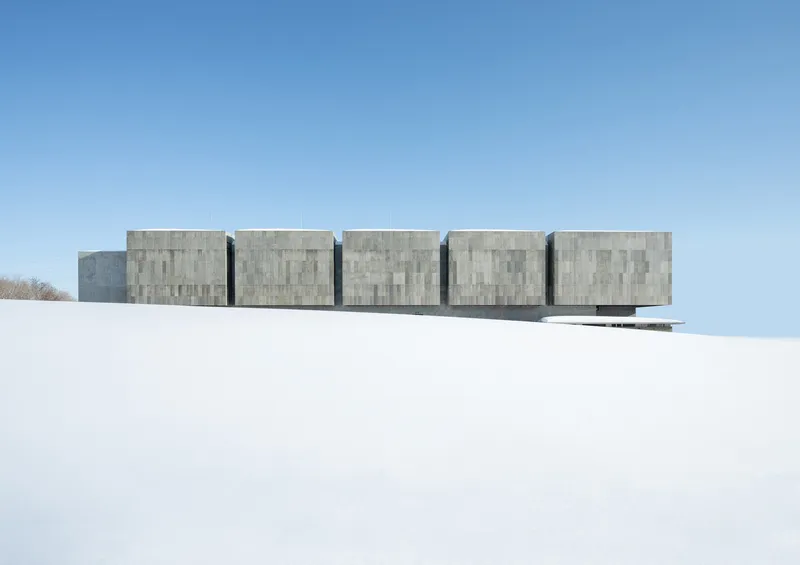
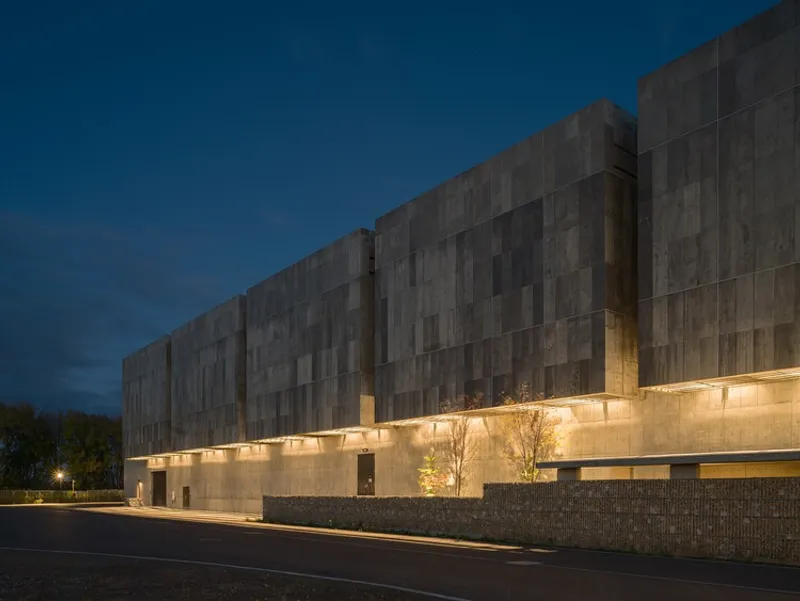
Located in the renewable-energy-powered industrial zone along Ishikari Bay, Hokkaido, Zero Emission Data Center ISHIKARI (ZED ISHIKARI) by TAISEI DESIGN Planners Architects & Engineers represents Japan’s first fully renewable energy-operated data center. This groundbreaking facility is a beacon of sustainable architecture, blending technological innovation with environmental responsibility to achieve carbon neutrality and zero emissions throughout its operations.
A New Era of Eco-Conscious Architecture
ZED Ishikari embodies a design philosophy that harmonizes with nature rather than dominating it. The architects conceptualized the project around four interlinked “cycles” — community, energy, materials, and living organisms. This holistic approach integrates architecture within the natural rhythms of its environment, creating a structure that is both technologically advanced and ecologically balanced.
Situated in an area long defined by its dynamic natural forces — from harsh winters to the powerful Ishikari River — the project transforms these challenges into opportunities. The site’s renewable energy potential, including solar and offshore wind power, is harnessed to sustain 24/7 operations, setting a global benchmark for green data centers.
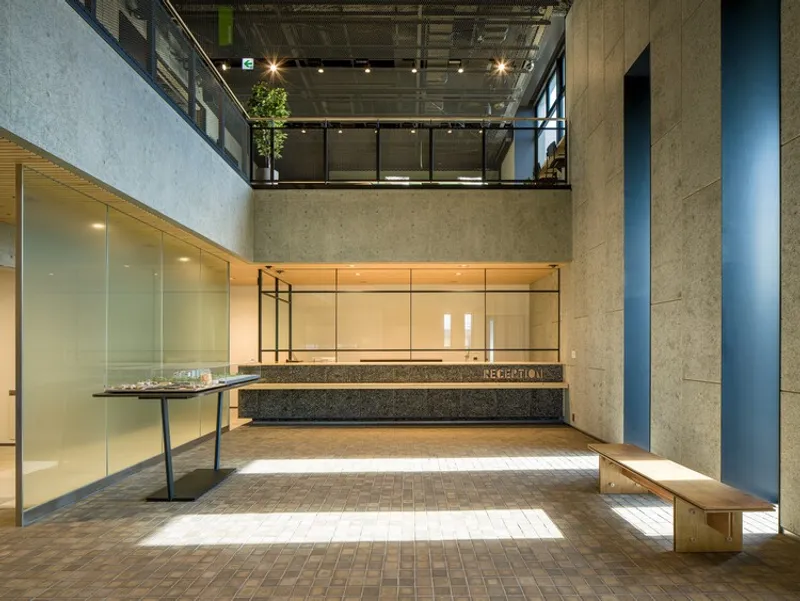
Renewable Energy Integration and AI Control
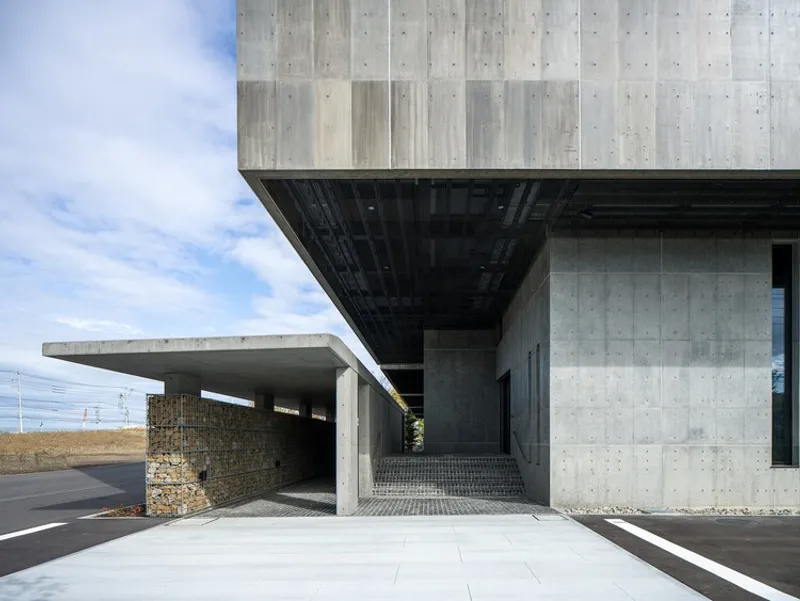
Designed with a 2 to 3-megawatt power capacity and housing 400 server racks, ZED Ishikari operates exclusively on locally produced renewable energy. Power is sourced from an onsite solar plant (1.8 MW output) and the Ishikari Bay offshore wind farm, stabilized by a 6 MWh battery system and AI-driven demand control. This intelligent energy ecosystem ensures a continuous, stable power supply — essential for mission-critical data infrastructure — while promoting local energy production and consumption cycles.
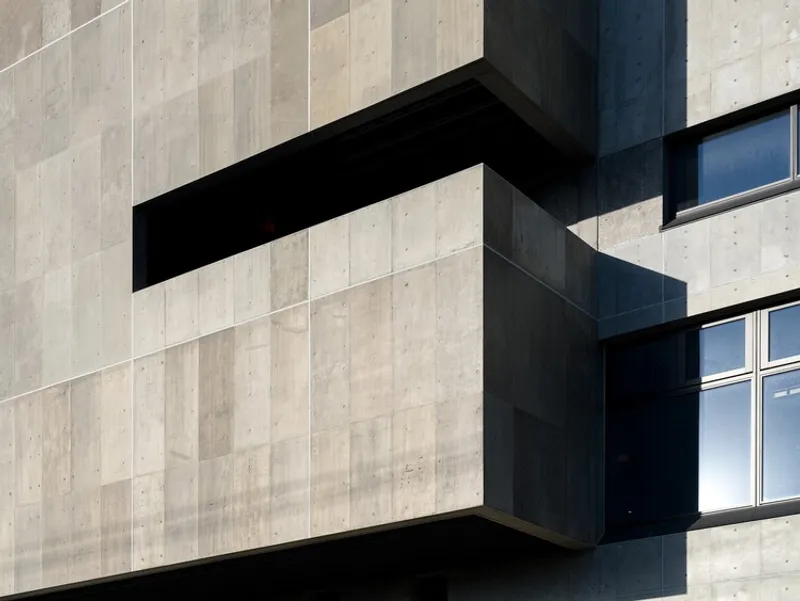
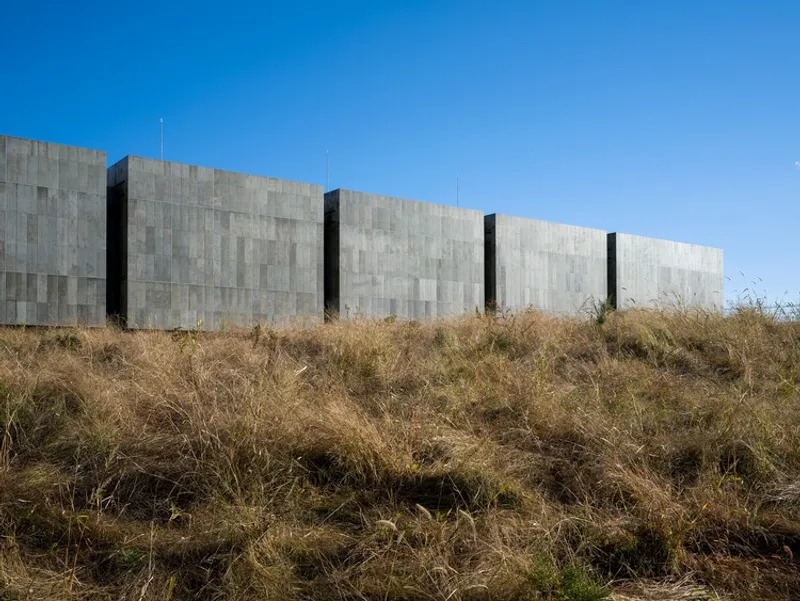
Climate-Responsive Design and Energy Efficiency
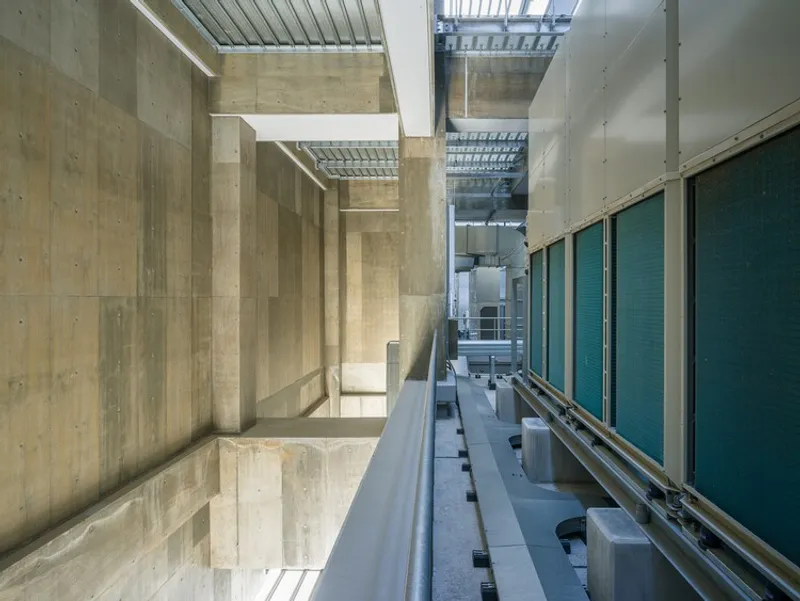
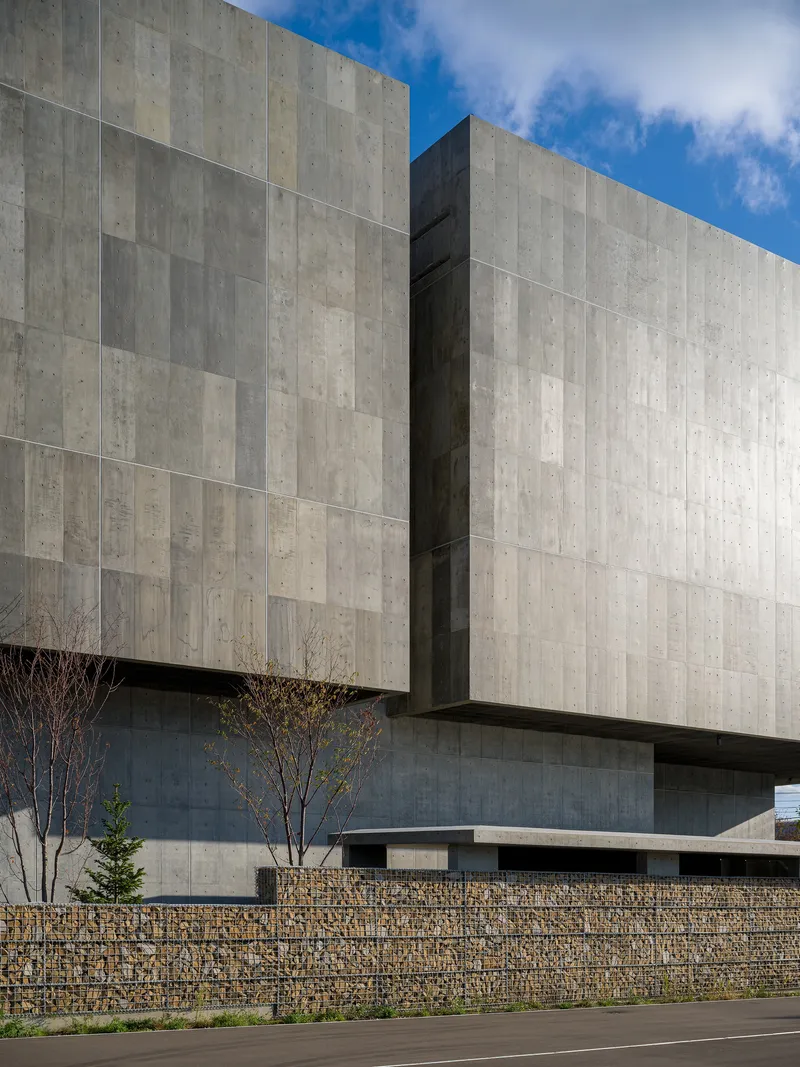
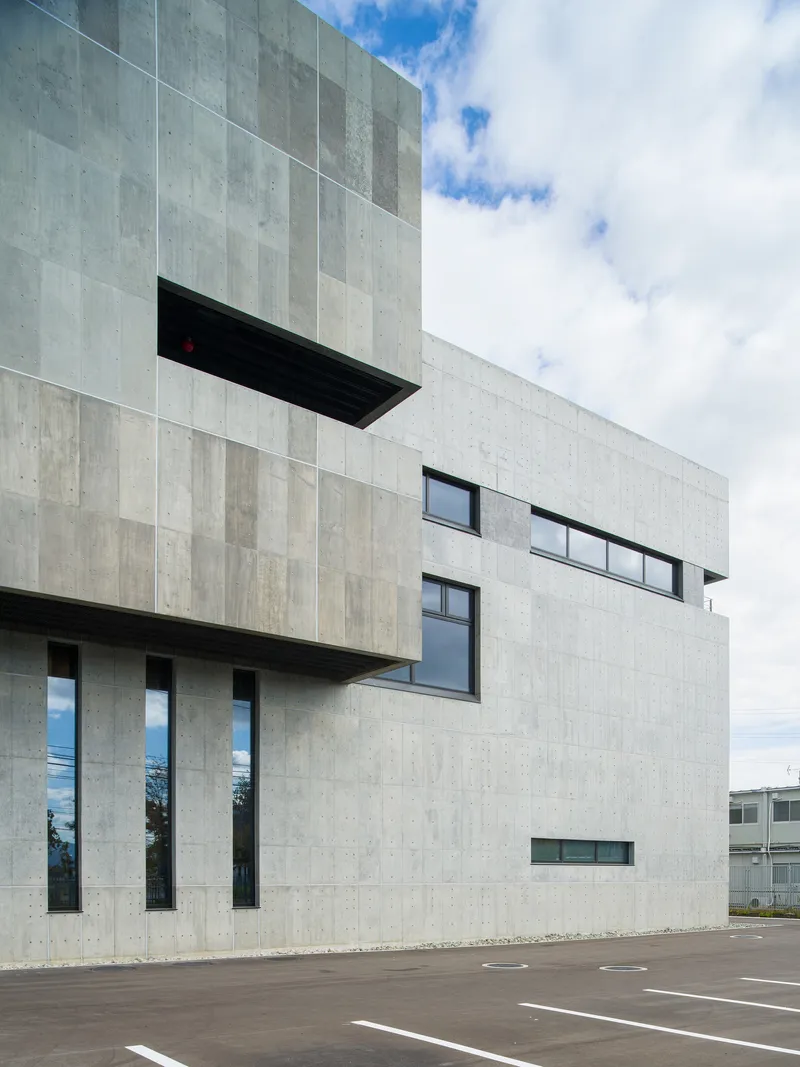
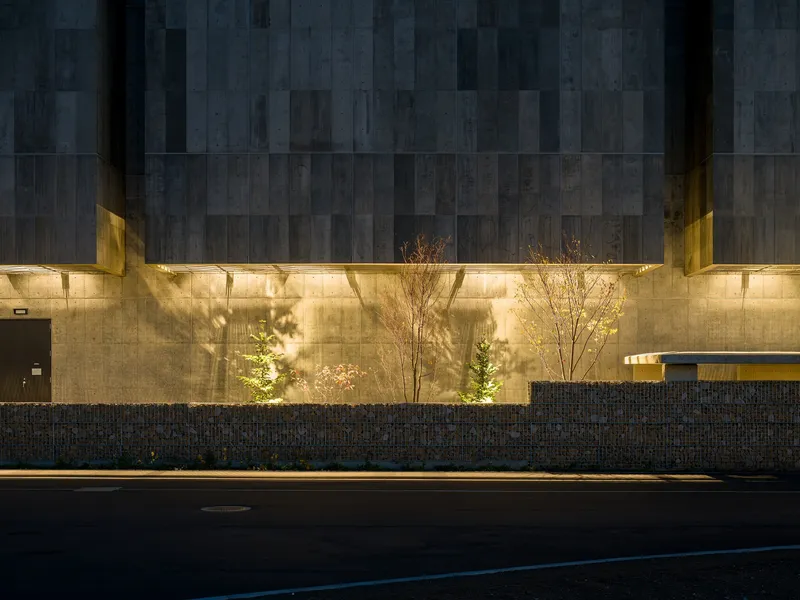
Taking advantage of Hokkaido’s cool climate (average summer temperature 20°C), the building employs indirect outdoor air cooling, reducing the need for conventional air conditioning. The architectural form — defined by five distinctive “Boxes” — serves dual purposes: acting as structural shear walls and airflow conduits, channeling fresh air beneath and warm exhaust above.
Additionally, waste heat generated by the servers is ingeniously repurposed for underfloor air conditioning and road heating, ensuring that energy circulates efficiently within the building. This closed-loop system reflects the architects’ core aim: to create a facility that mimics natural ecosystems, where nothing is wasted.
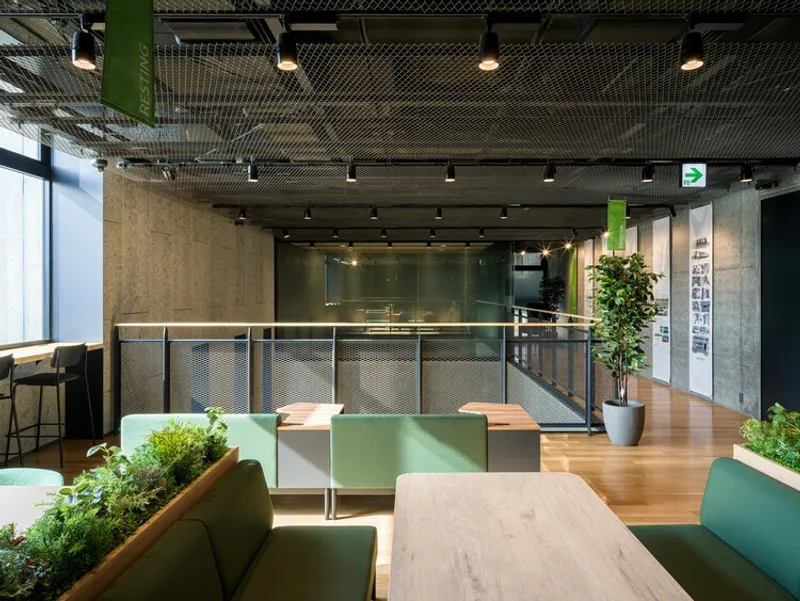
Material Reuse and Local Resource Optimization
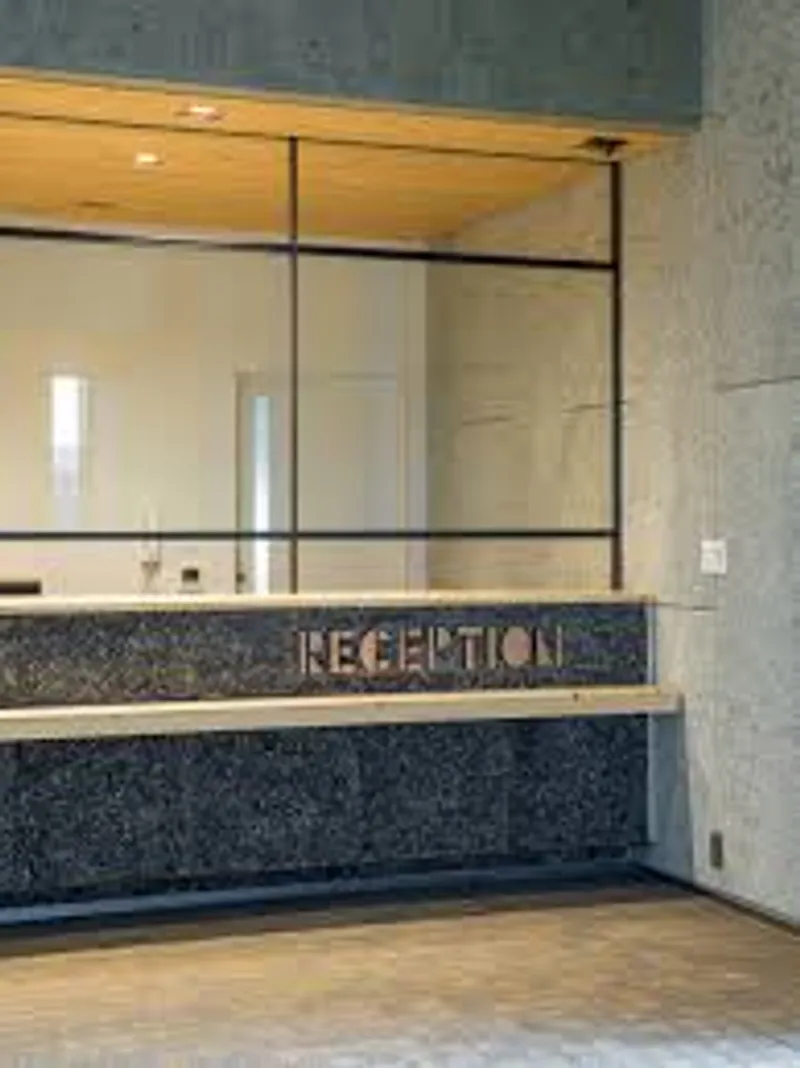
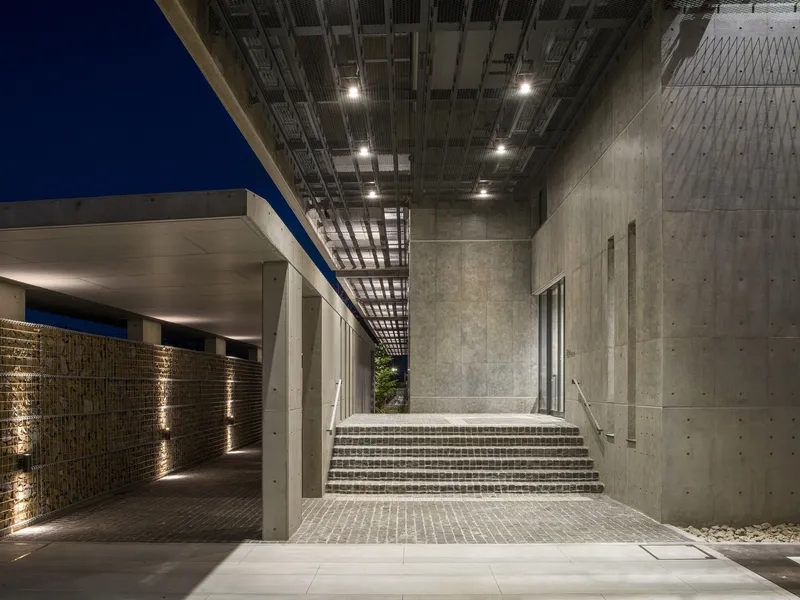
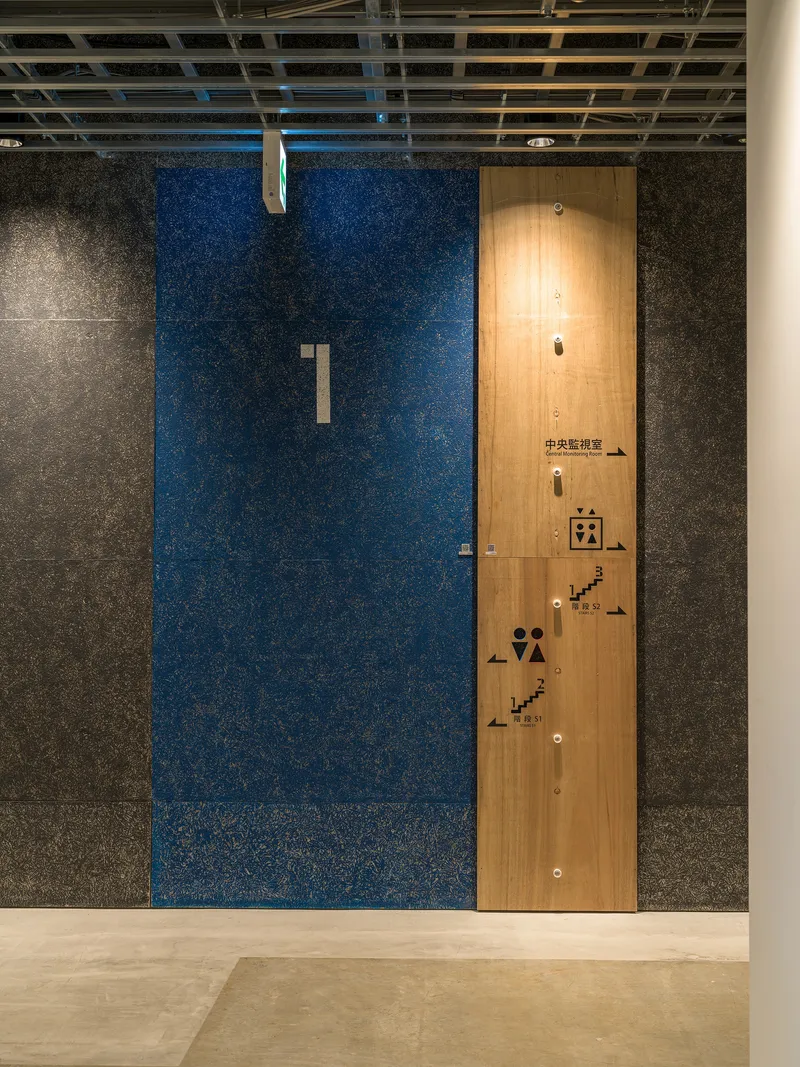
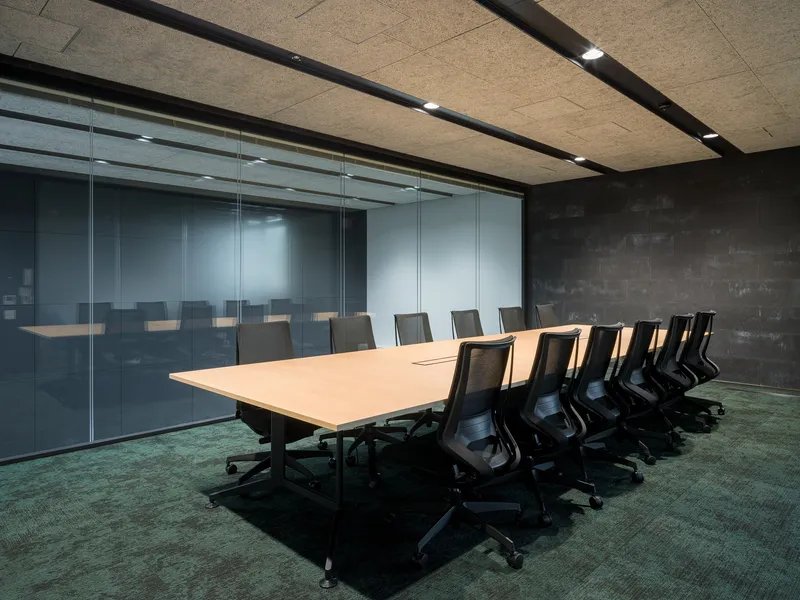
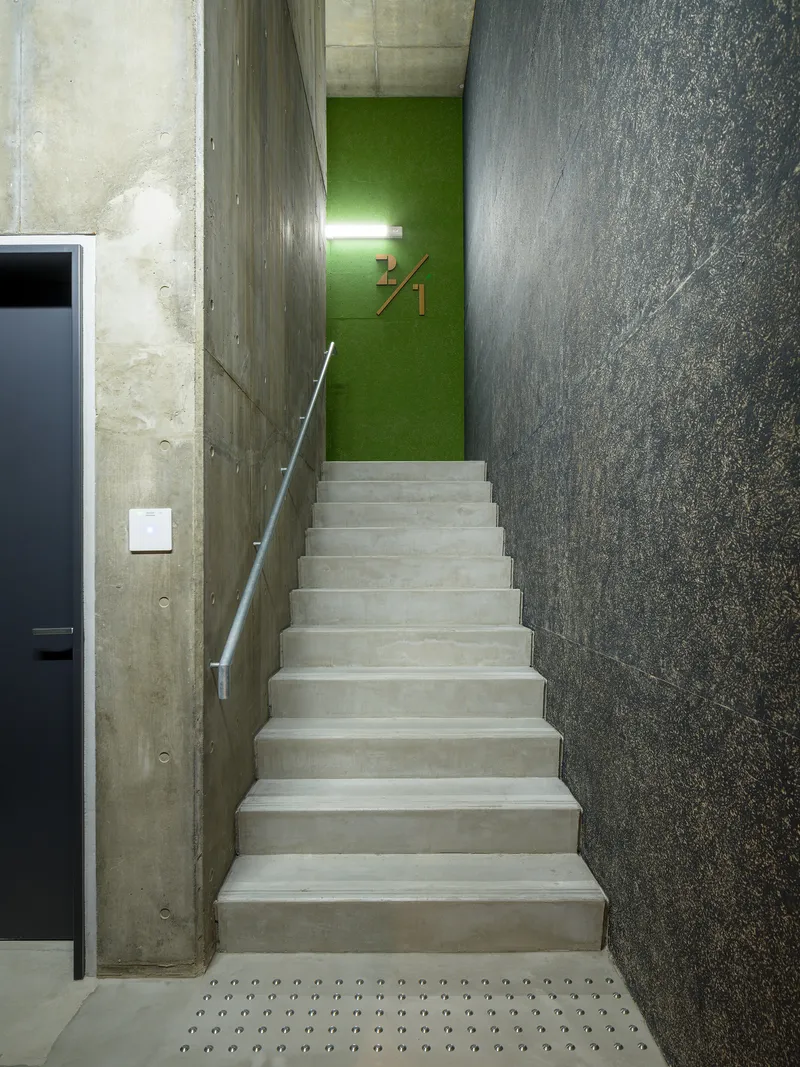
In pursuit of circular construction, the project minimizes environmental impact by reusing leftover building materials and integrating locally sourced resources. Finishes incorporate wood wool cement formwork, reducing CO₂ emissions while maintaining durability. Even construction remnants — like waste formwork and underground obstacles — are transformed into signage and furniture, demonstrating a deep commitment to resource recycling and material lifecycle design.
Landscape and Ecological Restoration
ZED Ishikari extends its sustainable ethos to the surrounding landscape. The design team repurposed excavated soil to shape a hill that revives Ishikari’s native coastal vegetation. By reintroducing species such as hamanasu (Rosa rugosa) and kashiwa (Quercus dentata), the architects reconstructed natural gradients that echo the wind-shaped ecology of the region. This not only stabilizes the terrain but also contributes to the revitalization of local ecosystems, forging a symbiotic relationship between architecture and environment.
A Model for Sustainable Infrastructure
ZED Ishikari stands as a pioneering zero-emission data center, merging high-tech functionality with biophilic design and eco-friendly innovation. It reflects a forward-thinking vision of architecture as an active participant in Earth’s natural cycles, capable of reducing carbon footprints while fostering resilience, self-sufficiency, and environmental stewardship.
As the world races toward a greener digital future, projects like ZED Ishikari prove that technology and sustainability can not only coexist but thrive together — shaping a blueprint for future-ready architecture in harmony with nature.

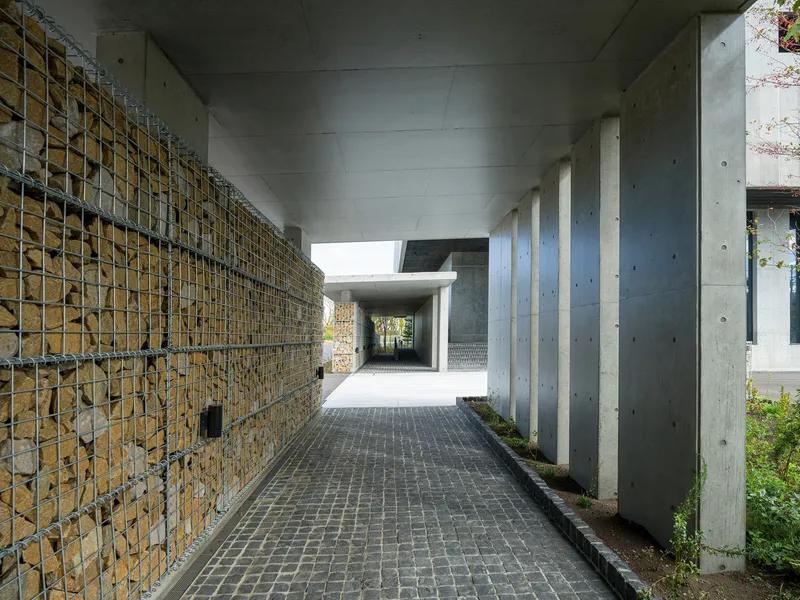
All the photographs are works of Katsumasa Tanaka


Popular Articles
Popular articles from the community


Opera on the Sea: Driftwood Logic Shapes a Timber Opera House on Estonia's Coast
Trevor Orgill's opera house translates the entangled drift of floating timber into a civic building where wood, water, and music converge.

Extended Shell: Retrofitting Kolkata's Balconies as Living Urban Thresholds
A modular retrofit system recovers the social and environmental intelligence of Kolkata's historic verandas for contemporary Park Street residents.

Cloaked Colonization: A Mobile Underwater Habitat That Moves Like a Fish
Micah Abaya's shortlisted EHC Pacific entry reimagines ocean settlement as a dispersed network of self-sustaining architectural organisms.

The Amber Palace Opera: A Geological Fiction Surfaces on Tallinn's Baltic Waterfront
Pierre Brillard reimagines a Baltic legend as a public landscape, opera house, and waterfront promenade rooted in Tallinn's coastal identity.

Similar Reads
You might also enjoy these articles


Hodi-Mandai Geram
Project Function: Preservation and revitalization of the Intangible heritage and socio-spatial identity of the Hodi by Housing, Cultural Memory Center, Sacred Grove, landscape, local tourism economy


Olio Towers: A Mid-Rise for Performers That Fuses Housing, Rehearsal, and Stage
Located blocks from Houston's Theater District, this modular tower stacks living units around a central performance atrium.

Oasis: Modular Green Housing Carved into Dhaka's Urban Fabric
A shortlisted Plugin Housing entry reclaims unauthorized settlements in Dhaka with stepped concrete volumes, green roofs, and ventilation-driven design.

Black Hole: A Floating Megastructure for the Post-Physical Era
Emiliano Mazzarotto envisions a spherical, self-scaling arena where e-sports, digital hotels, and holographic stadiums replace traditional public space.

Explore Zero Energy Competitions
Discover active competitions in this discipline

Challenge to reimagine the Iron Throne

Photograph architecture without architects

Illustrate the lost glory of Angkor Wat - Render Challenge

Design challenge to reuse E-waste
Comments (0)
Please login or sign up to add comments
No comments yet. Be the first to comment!