
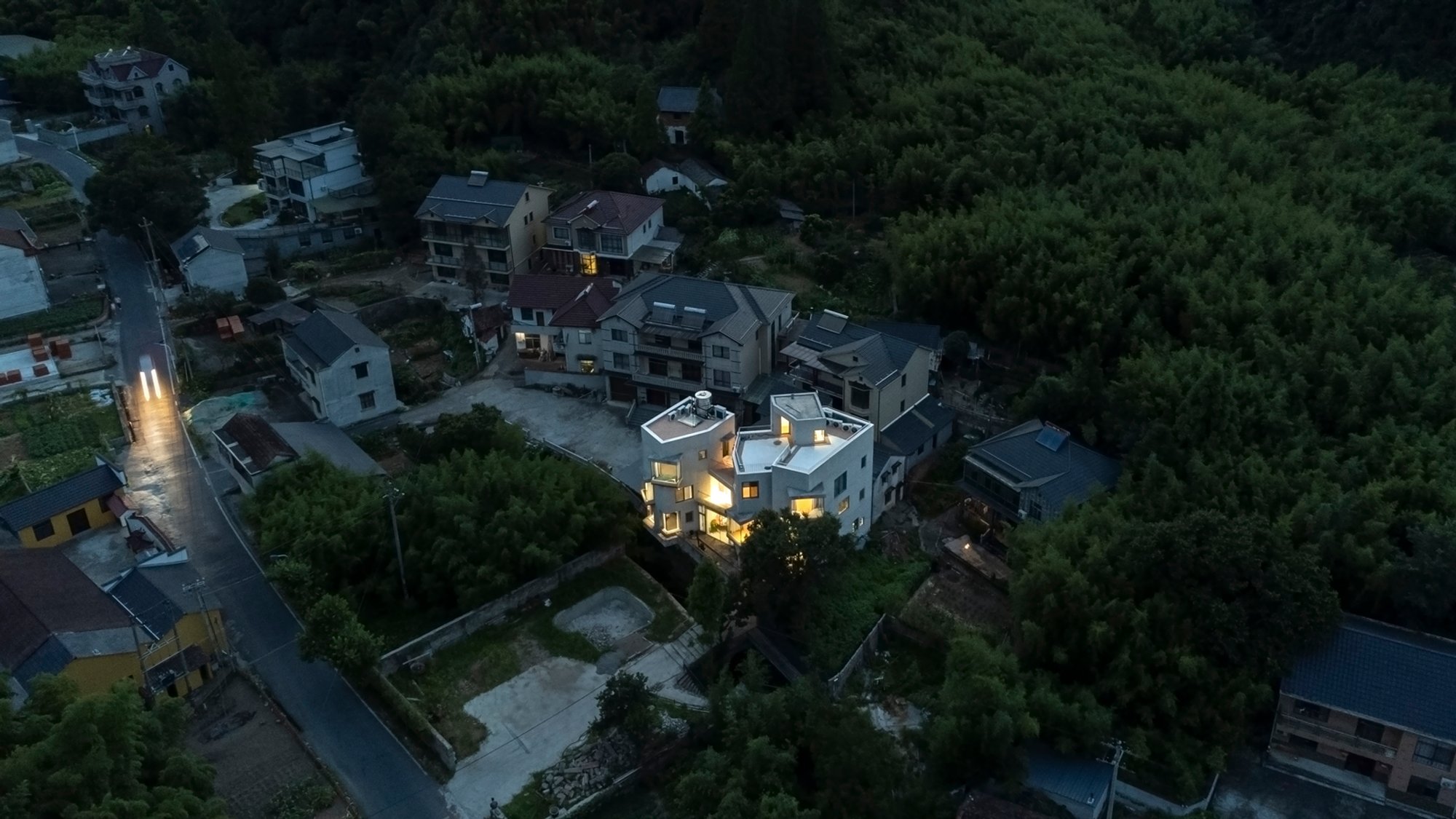
Zheng House by FAR WORKSHOP: Reimagining Rural Living in Moganshan, China
Zheng House by FAR WORKSHOP reimagines a rural Moganshan home, blending heritage, multifunctional rooms, courtyards, timber-steel structure, and communal, flexible living spaces.

Transforming a Historical Rural Home into a Contemporary Homestay
Zheng House, located in Shang'ao Village, Moganshan, reflects a sensitive blend of rural heritage and contemporary architecture. The original house, dating back to the 1970s and 1980s, had been vacant for years, and its structure was unstable with spatial overlaps to neighboring properties. In 2018, amid the booming homestay market, the owner, Lao Zheng, envisioned rebuilding the house not only as a potential homestay for revenue but also as a modern, structurally sound residence.
Through a recommendation from Chuanzhang and Xiaoqing, FAR WORKSHOP was commissioned to undertake the project. Zheng's main requirement was simple yet profound: to design more functional rooms while respecting the surrounding landscape and historical context.
Concept: “A Room as a Building”
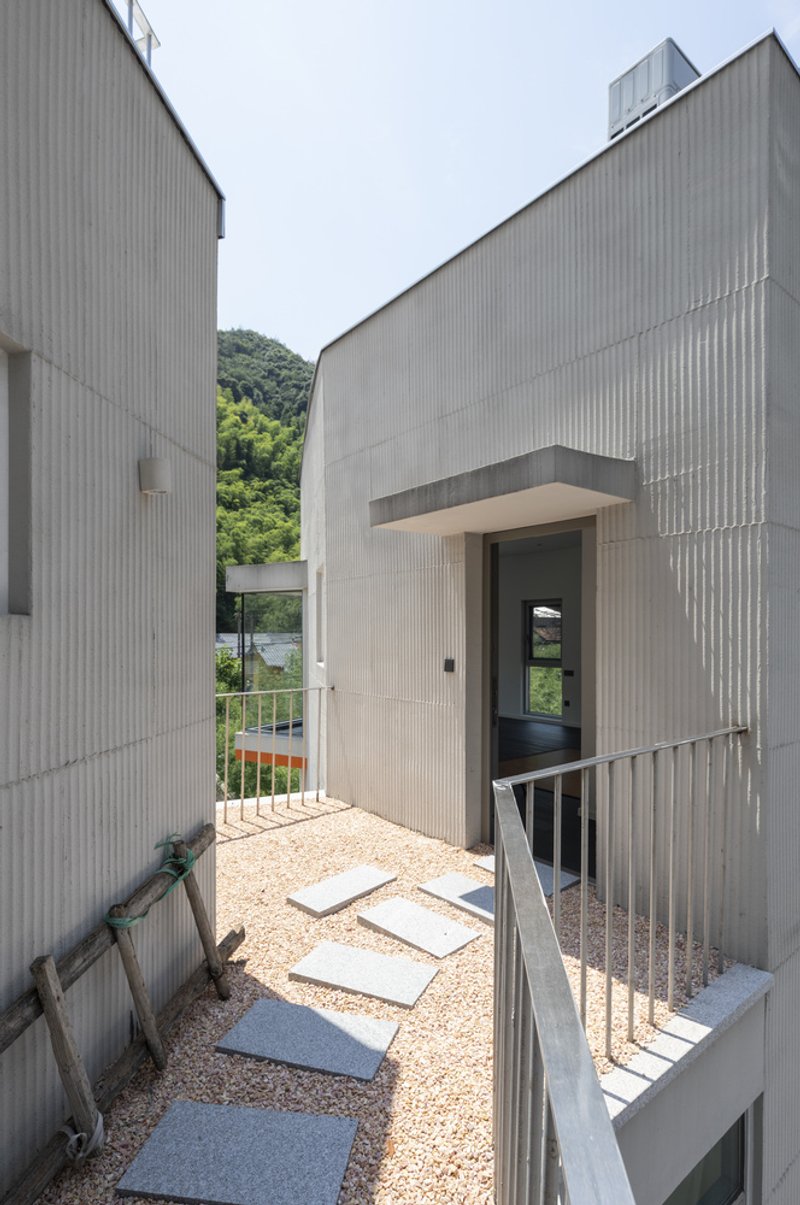
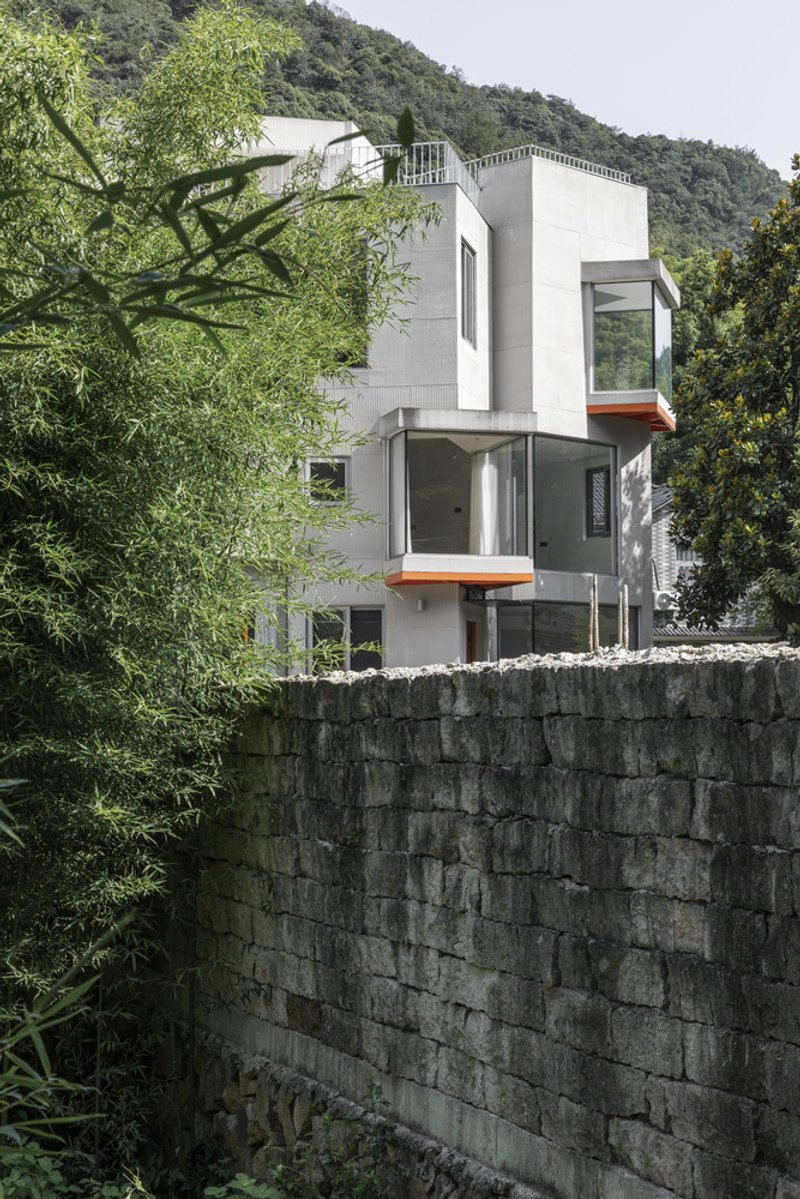
FAR WORKSHOP approached the design with the philosophy that each room is its own building, allowing daylight, ventilation, and views to shape the form of each space. This modular, room-centric methodology enabled the architects to integrate the building harmoniously with the surrounding environment, which includes mountains, bamboo groves, streams, vegetable gardens, traditional houses, and later self-built concrete structures.
By mapping room positions to a landscape ring diagram, the team ensured that each room’s visual orientation maximized natural scenery while considering mutual views between spaces.
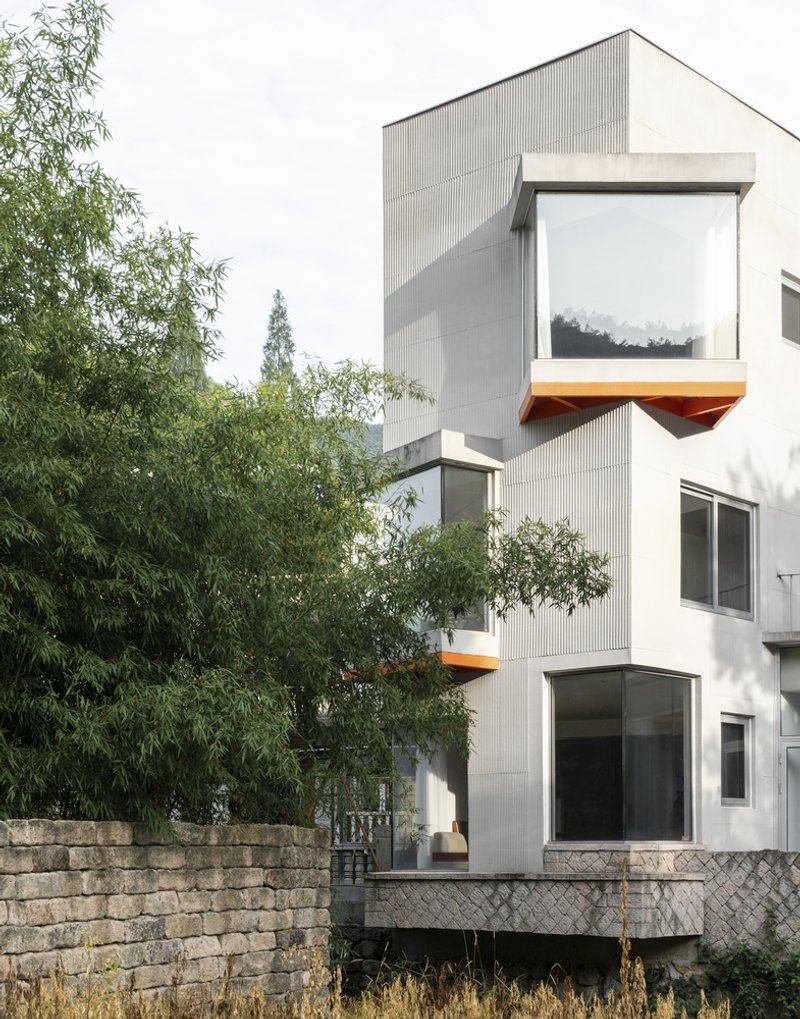
Maximizing Daylight and Ventilation
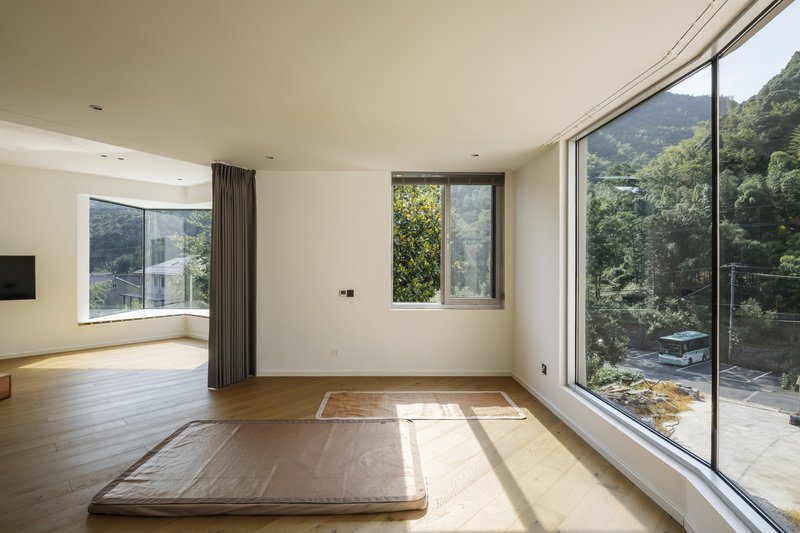
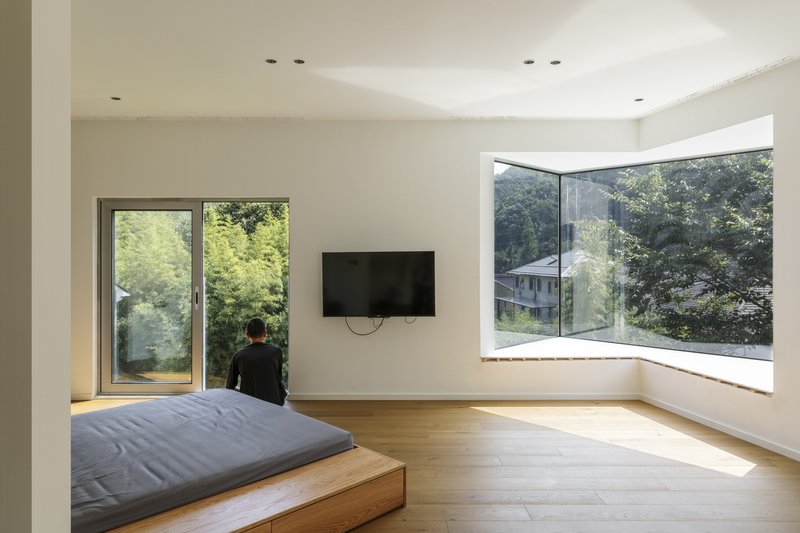
A key design principle was multi-directional lighting, which enhances the three-dimensional perception of the rooms. The architects strategically adjusted the shapes of rooms and inserted courtyards to ensure each space received optimal sunlight throughout the day.
Window placements and openings were also designed to encourage natural cross-ventilation, creating a comfortable and sustainable interior climate. By combining views, lighting, and airflow considerations, the final design achieves a balanced and adaptive living environment.
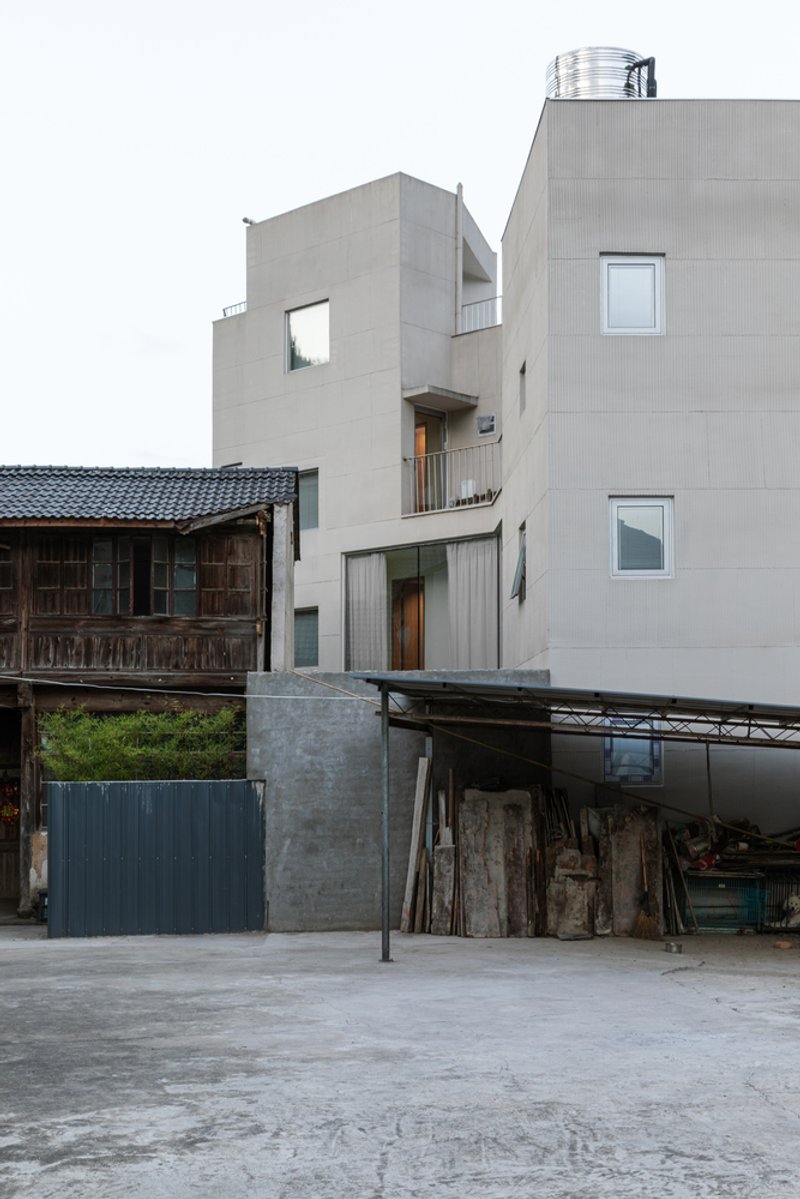
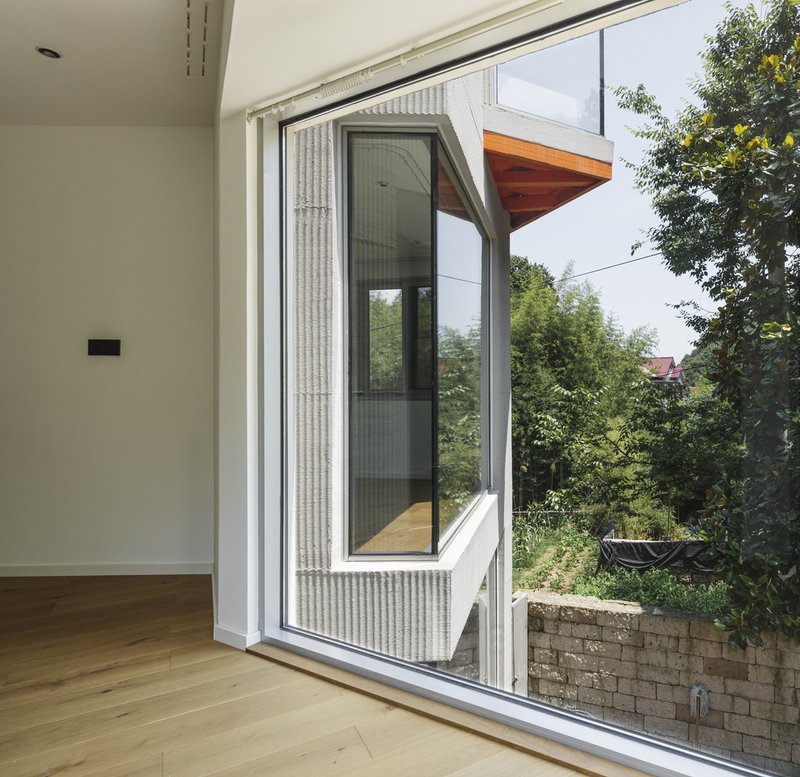
The Communality of Rooms
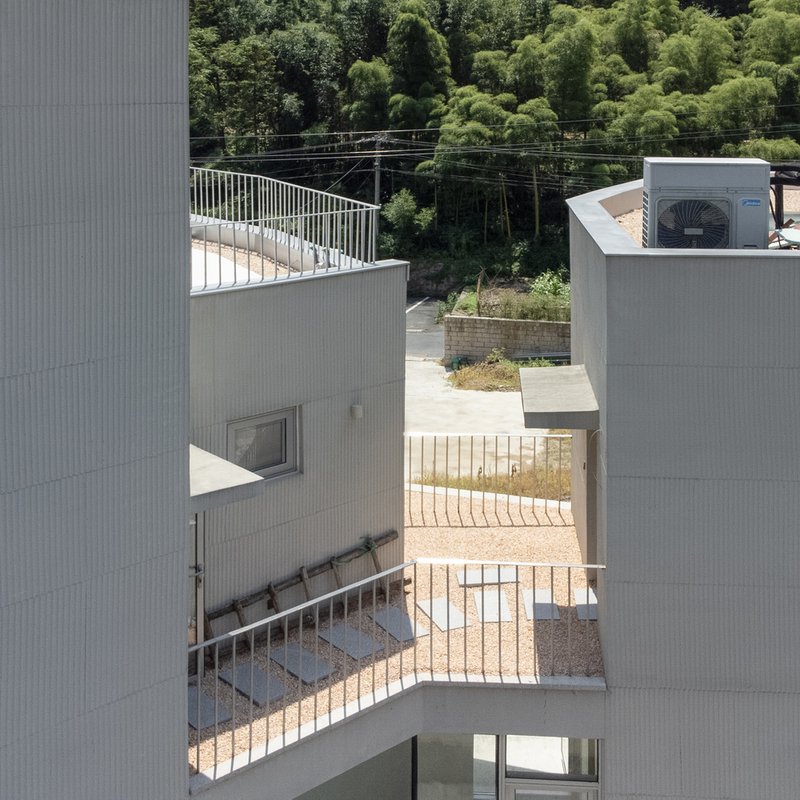
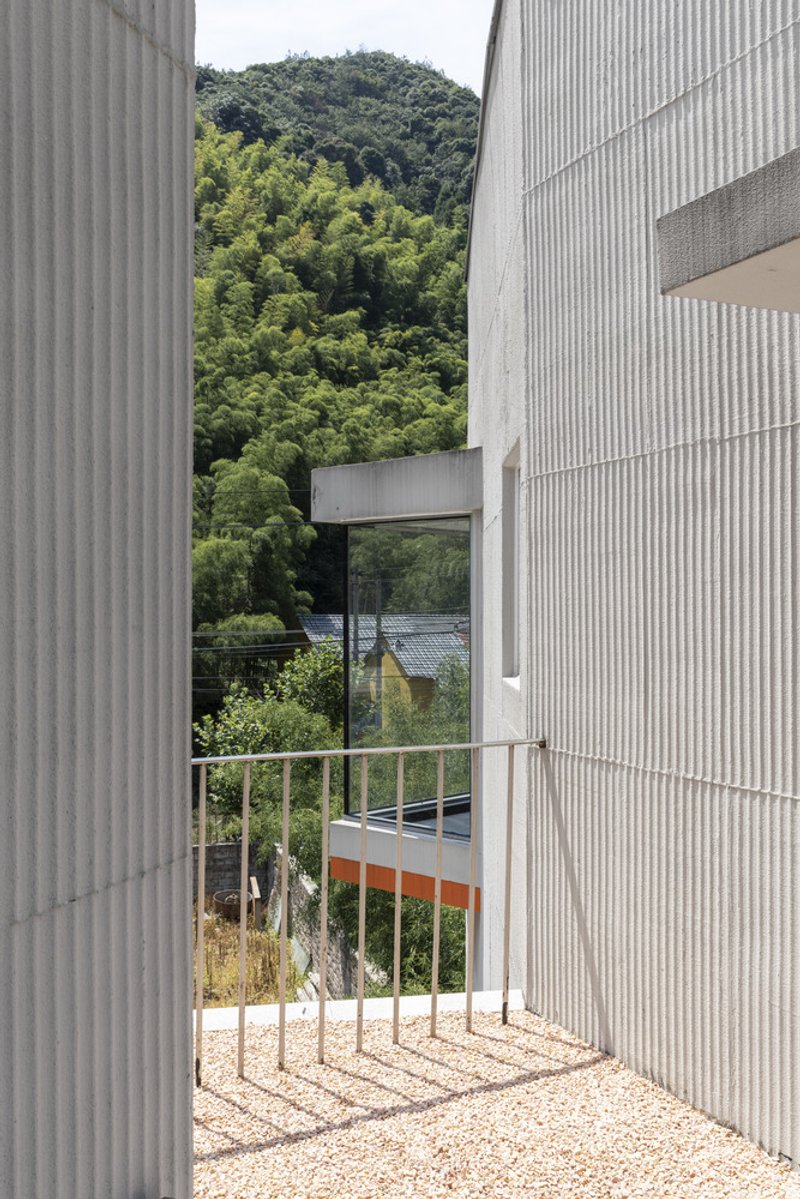
Treating rooms as independent buildings allowed the creation of communal spaces. On the second and third floors, open terraces and balconies were strategically inserted to encourage social interaction and scenic enjoyment. This design fosters a valley-like spatial structure, where views penetrate through communal gaps, softening the building’s presence while allowing neighbors to experience glimpses of the southern landscape.
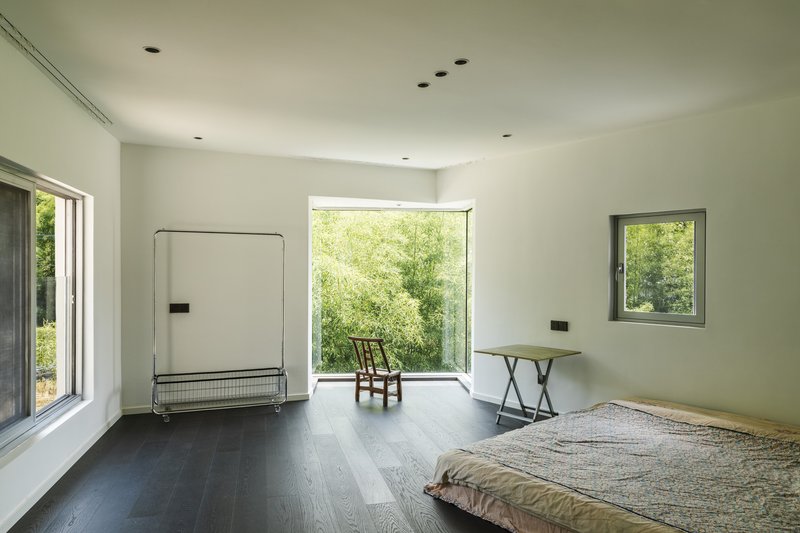
Courtyard Design: Preserving Memory
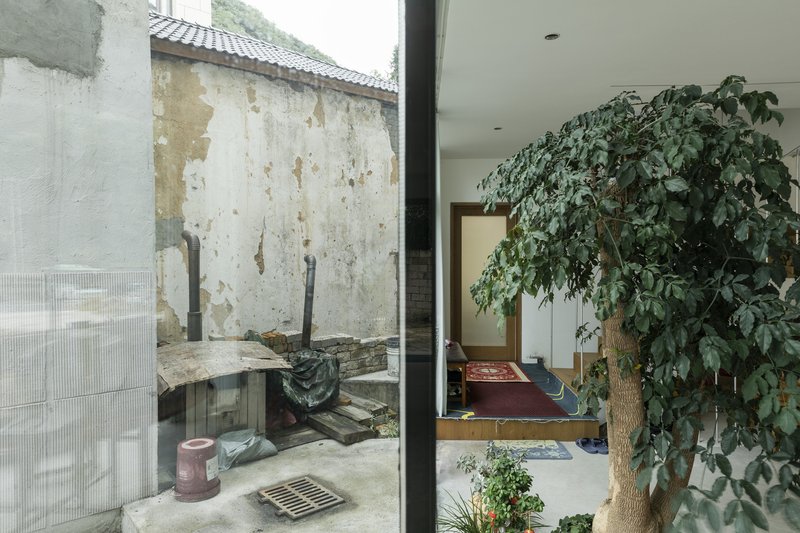
The northern courtyard addresses daylighting concerns while maintaining a respectful distance from the neighboring property. Interestingly, remnants of the original wooden structure were preserved within the courtyard design to act as memorial elements. Although the wooden structure was eventually removed due to decay, it informed the layout and spatial orientation of the new courtyard, providing a subtle nod to the building’s past.
Embracing Flexible, Undisciplined Spaces
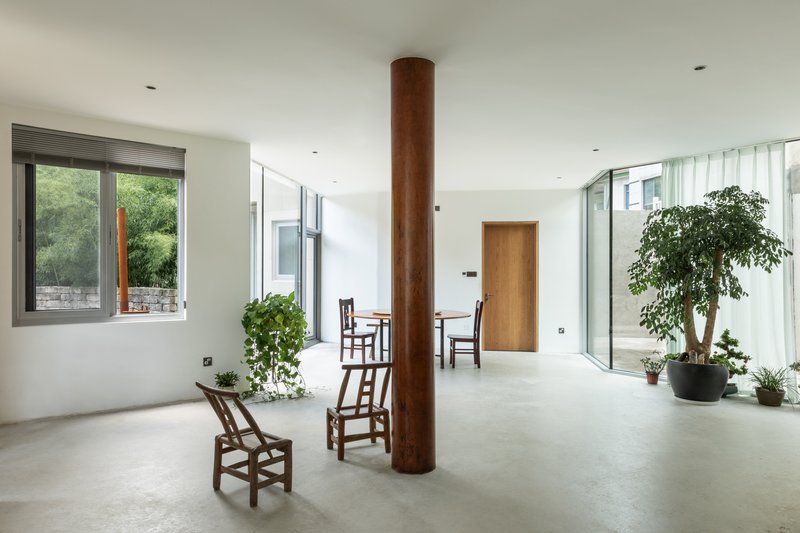
Zheng House celebrates informal spatial use, inspired by traditional village lifestyles where living and dining areas are flexible, adaptable, and non-directional. The architects embedded a rotated cube in the ground-floor public area to create a secretive homogeneity, allowing any section to function as a living room, dining room, or social space.
Upper-floor rooms, with pentagonal shapes and multi-directional lighting, eliminate conventional layouts, liberating furniture placement and fostering creative living experiences.
Structural Innovation: Timber Columns and Mountain Stones
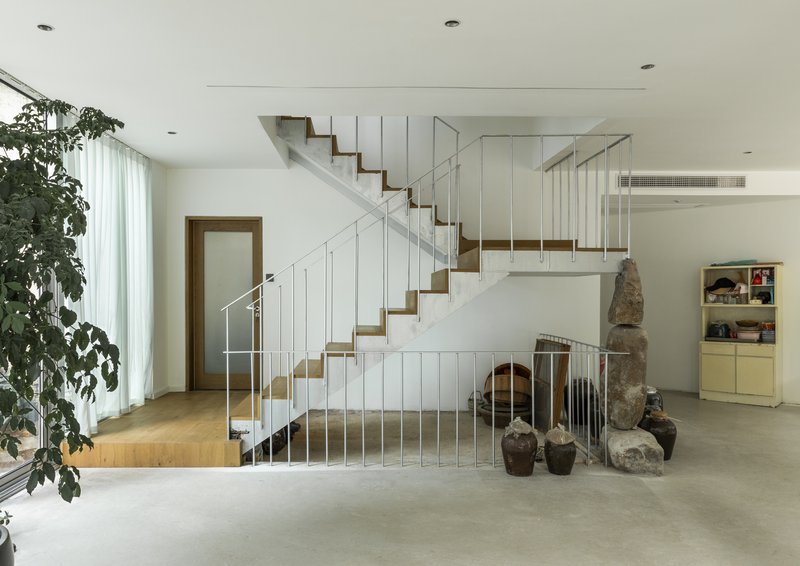
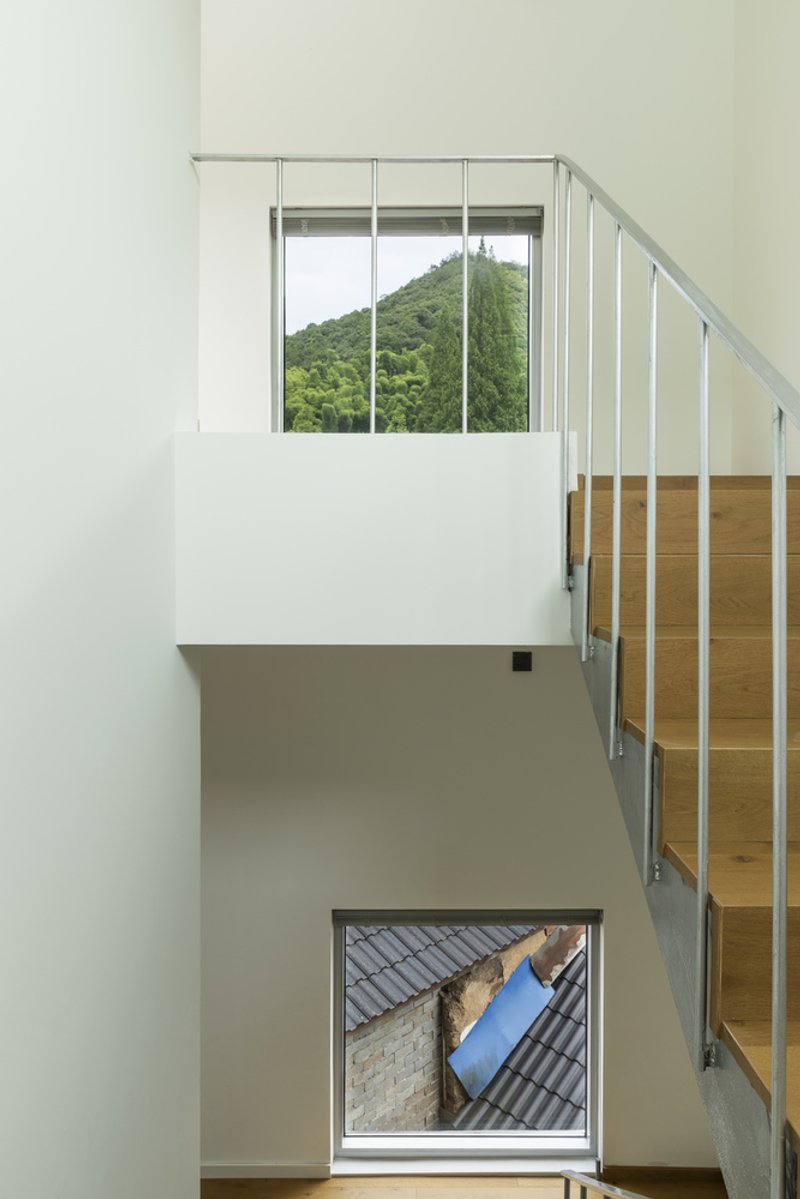
To improve construction precision and achieve corner-free window designs, a steel structure was implemented but intentionally concealed. Inside, two structural elements were left exposed: a timber column and a mountain stone supporting the staircase, drawing inspiration from the original wooden structure and Chinese garden traditions.
The timber columns and mountain stones act as figurative anchors, harmonizing with the abstract, non-directional spaces and creating a layered, textured aesthetic reminiscent of classical Chinese gardens.
A Home Before a Business
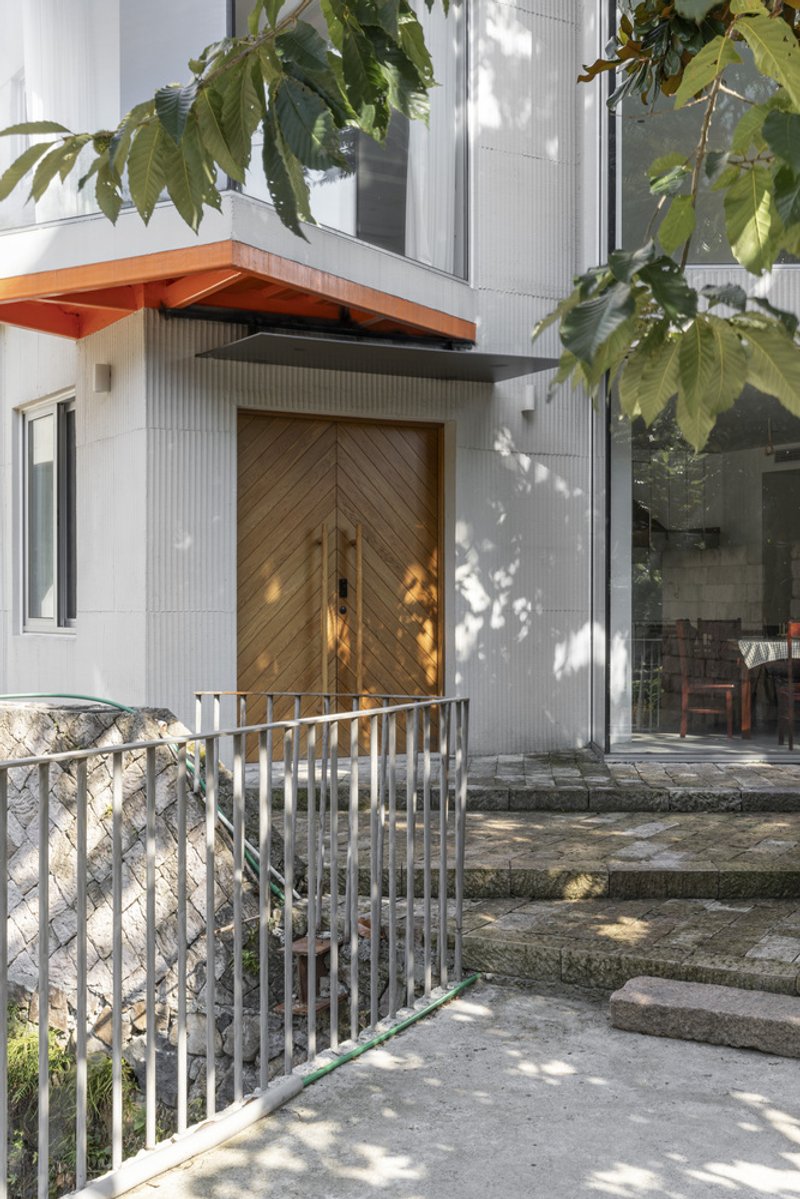
Completed in 2024, Zheng House exemplifies a thoughtful blend of heritage preservation, sustainable design, and modern architectural innovation. While homestay operations were considered, the owner prioritized family comfort, highlighting the home’s human-centric design philosophy.
Zheng House stands as a model for rural renovation, adaptive reuse, and contemporary Chinese architecture, balancing history, landscape, and innovative spatial strategies.
All photographs are works of Biosphere



Popular Articles
Popular articles from the community

20 Most Popular Office Building Projects of 2025
From biophilic workspaces in India to net-positive energy offices in New Delhi, 20 office building projects that defined architecture in 2025.

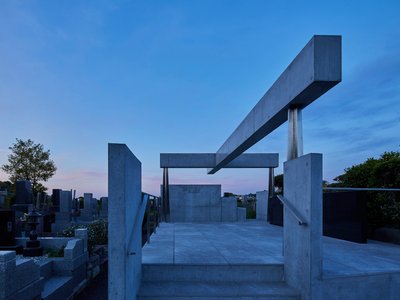
Takeshi Hosaka Architects Suspends a Concrete Cross Above a Yokohama Cemetery
A 28-square-meter burial renovation in Yokohama lifts the symbol of resurrection into the sky so mourners see it against heaven.
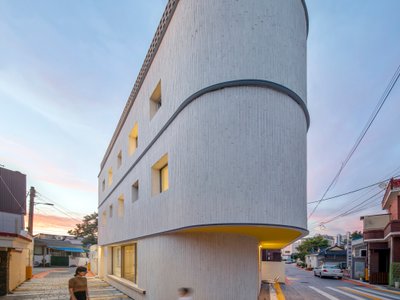
YOAP Architects Round a Corner in Yeongcheon with a Cylindrical Community Hub
A 197-square-meter brick and ribbed-clad tower turns a forgotten alley corner in South Korea into a public garden with a low threshold.
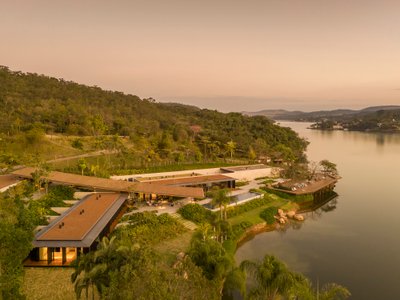
Bernardes Arquitetura Stretches a Timber Roof Along a Reservoir's Edge in Minas Gerais
Dam House in Itaúna lets a sweeping wooden canopy dissolve the boundary between hillside terrain and open water.


Similar Reads
You might also enjoy these articles
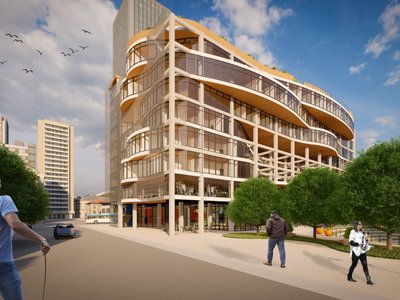
Olio Towers: A Mid-Rise for Performers That Fuses Housing, Rehearsal, and Stage
Located blocks from Houston's Theater District, this modular tower stacks living units around a central performance atrium.
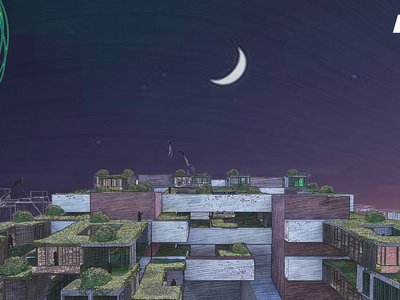
Oasis: Modular Green Housing Carved into Dhaka's Urban Fabric
A shortlisted Plugin Housing entry reclaims unauthorized settlements in Dhaka with stepped concrete volumes, green roofs, and ventilation-driven design.

Black Hole: A Floating Megastructure for the Post-Physical Era
Emiliano Mazzarotto envisions a spherical, self-scaling arena where e-sports, digital hotels, and holographic stadiums replace traditional public space.
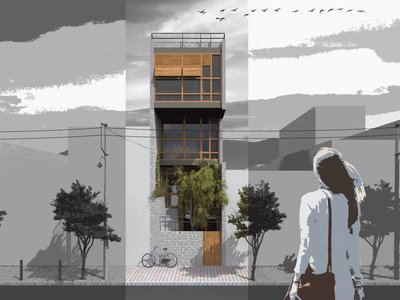
Compact & Sustainable Living in Piraeus: A Four-Level Family Home Built Around Light and Air
A narrow townhouse in one of Greece's densest port cities uses a central atrium and passive strategies to house three generations under one roof.


Explore Architecture Competitions
Discover active competitions in this discipline




The International Standard for Design Portfolios


The Global Benchmark for Architecture Dissertation Awards


The Global Benchmark for Graduation Excellence


Challenge to reimagine the Iron Throne
Comments (0)
Please login or sign up to add comments
No comments yet. Be the first to comment!