
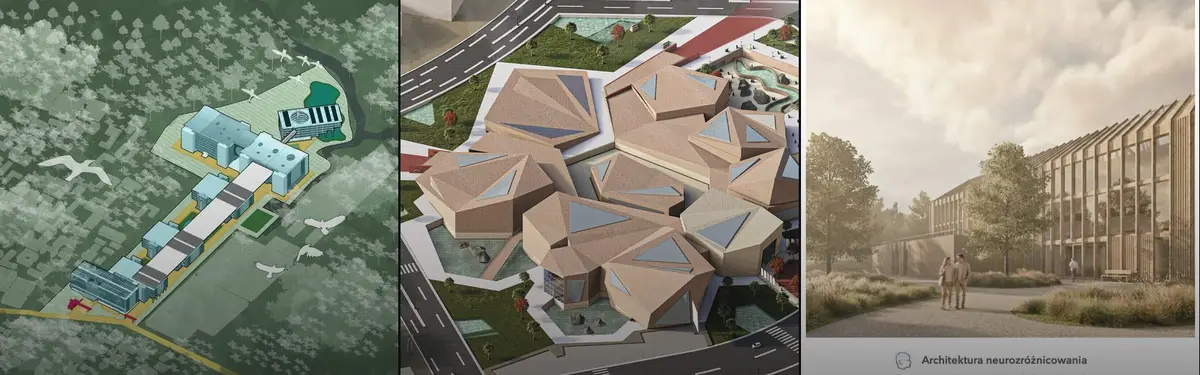


Environmental Psychology
Environmental Psychology in Architecture & Design integrates psychological insights with spatial design to foster environments that uplift well-being and promote sustainable living. It crafts spaces that resonate with human behavior and environmental harmony.
Environmental psychology examines the relationship between people and their surroundings, exploring how architecture and landscape design affect psychological and social outcomes. Designers use this knowledge to create spaces that support human flourishing while responding to ecological contexts.
The community explores adaptive systems and heritage-informed design that strengthen community bonds and ecological resilience, from flood-responsive infrastructure in Jakarta to eco-villages where movement and choreography inform spatial organization, and projects that revive traditional building practices and cultural memory through environmental design.


Popular projects
View all 53 projects


Latest journals
View all 133 journals
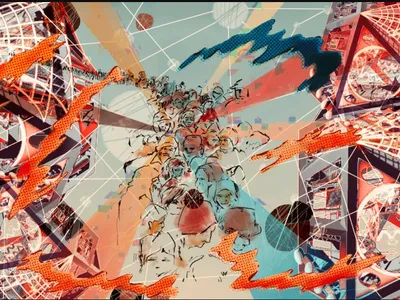
Playducation: Modular Geometry That Embeds Learning Inside Refugee Play Spaces
A polyhedral exoskeleton system positions climbing, building, and exploration around existing open ground within refugee settlements.

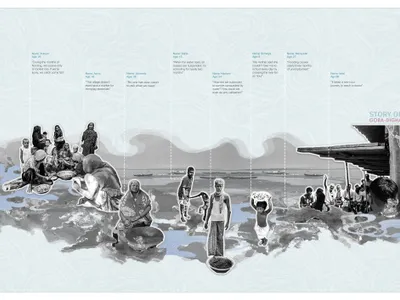
A Path Towards Resilience Through Community-Driven Activities
"How can architecture ensure access, dignity and resilience in a place where even basic rights become seasonal?"
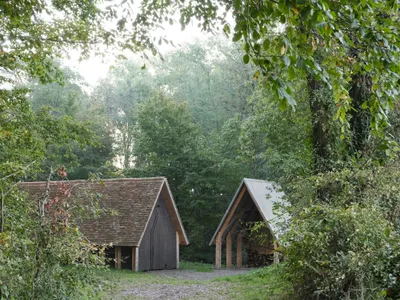
Retour de Chasse by abra – A Minimalist Timber Retreat Rooted in Tradition
A compact timber retreat in Sologne, blending rustic agricultural forms, handcrafted details, and sustainable self-built design beside a tranquil woodland pond.

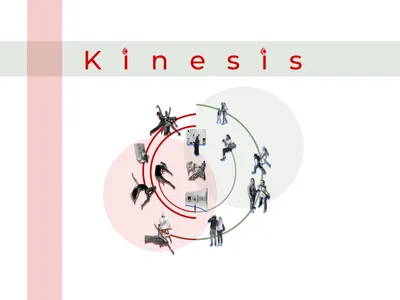
Kinesis: Dance-Driven Eco-Village Where Choreography Shapes Architecture
In Boa Vista, Brazil, circular courtyards and rammed-earth walls transform movement and rhythm into a climate-responsive community.


