
Heritage Protection
Architectural and cultural strategies for conserving heritage sites, historic districts, and endangered communities.

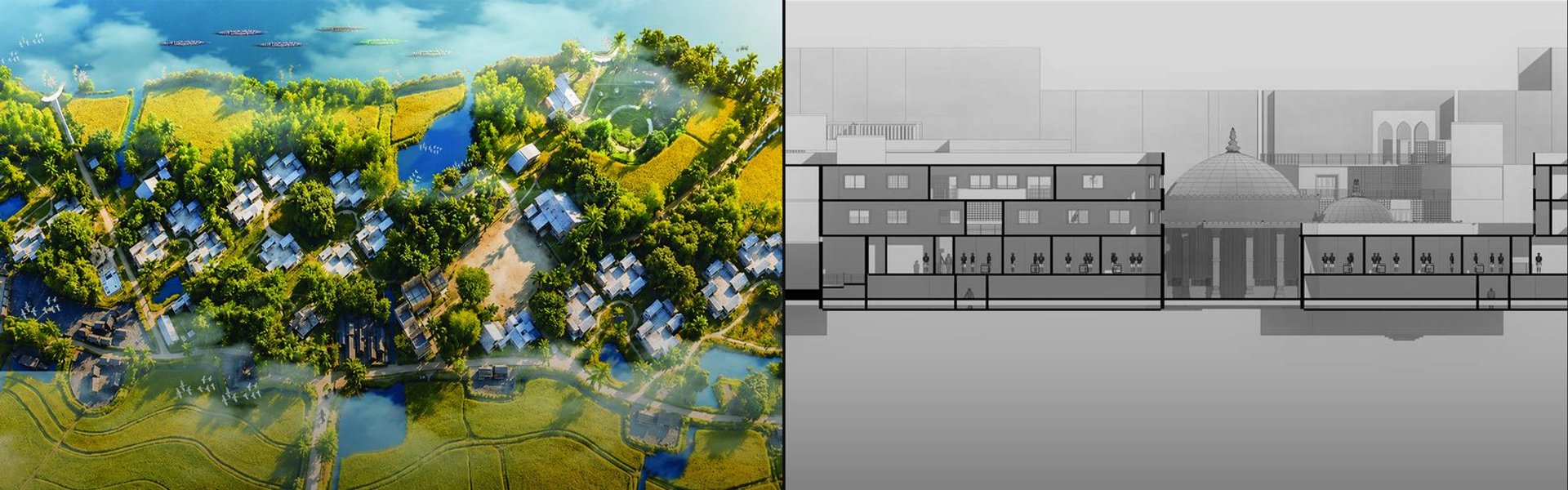
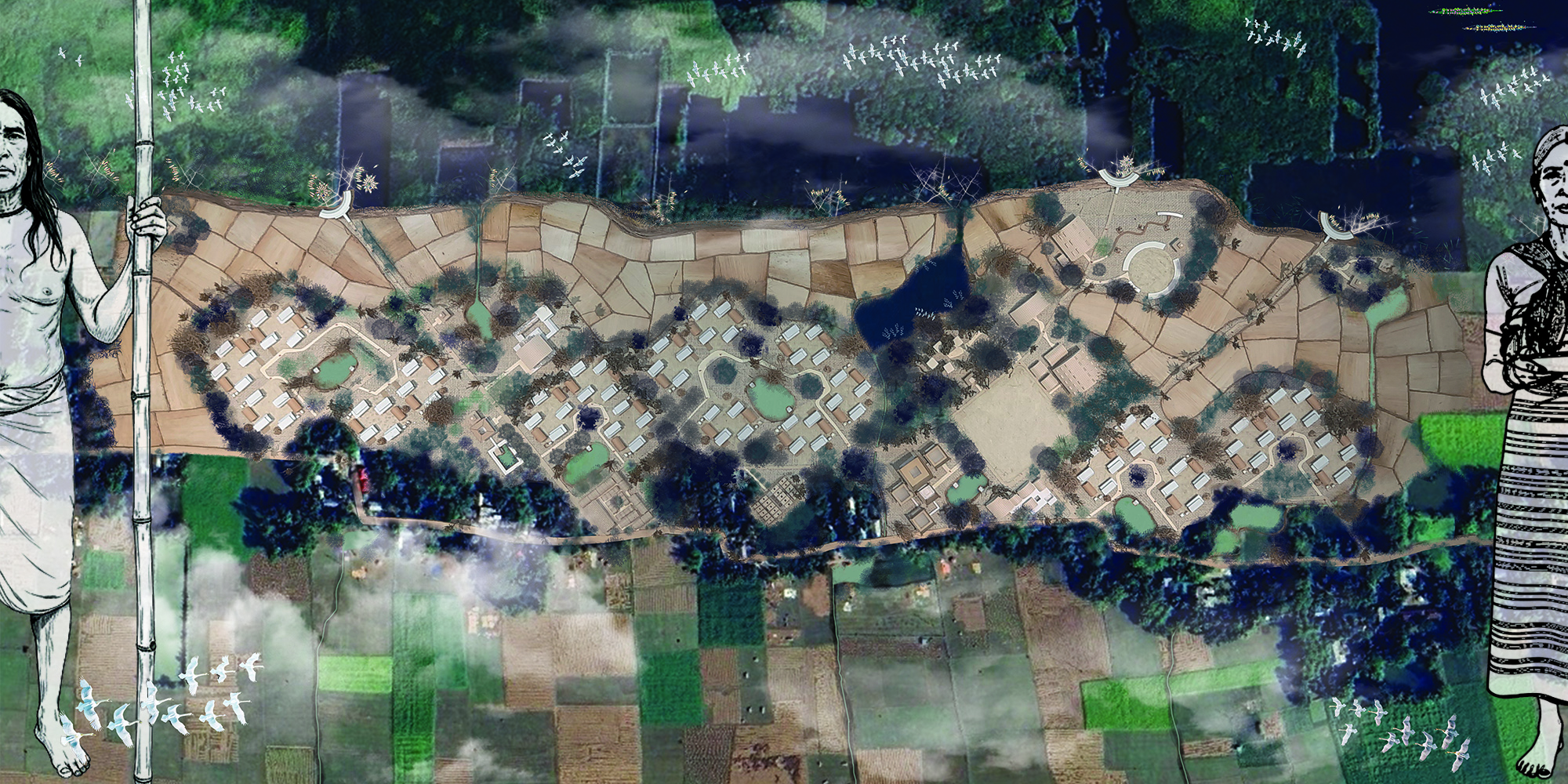
Hodi-Mandai Geram: A Culturally Sensitive Village for a Disappearing Ethnic Group
What if architecture reveals itself as the only vessel of memory and culture for a disappearing community? By combining Neuroscientific, Anthropological, Economic, and Psychological themes along with Participatory Community Design and Adaptive Architecture, the thesis imagines built environments that evolve with the Hodis' cultural essence.


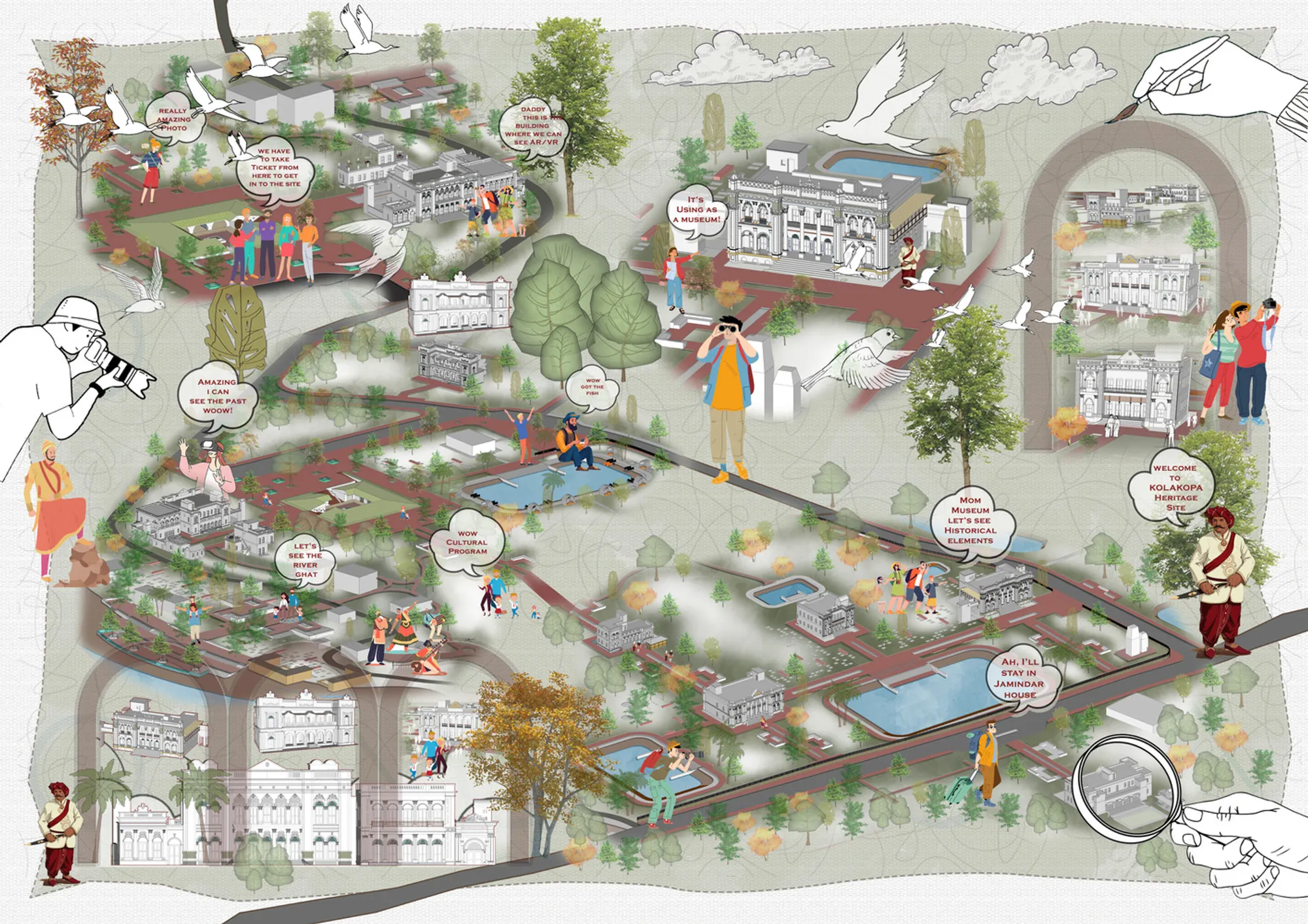
REVITALIZING KOLAKOPA’S HERITAGE
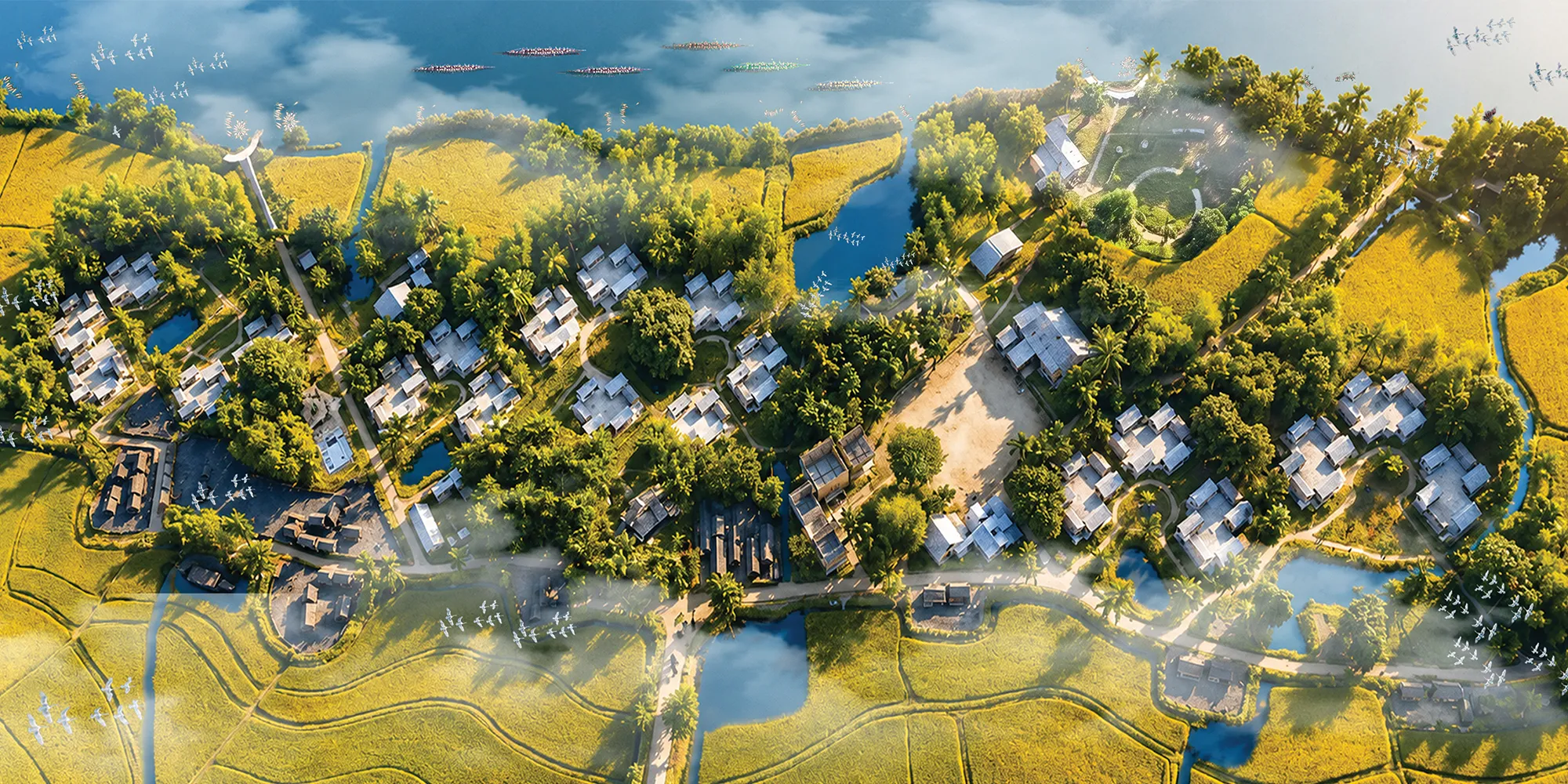
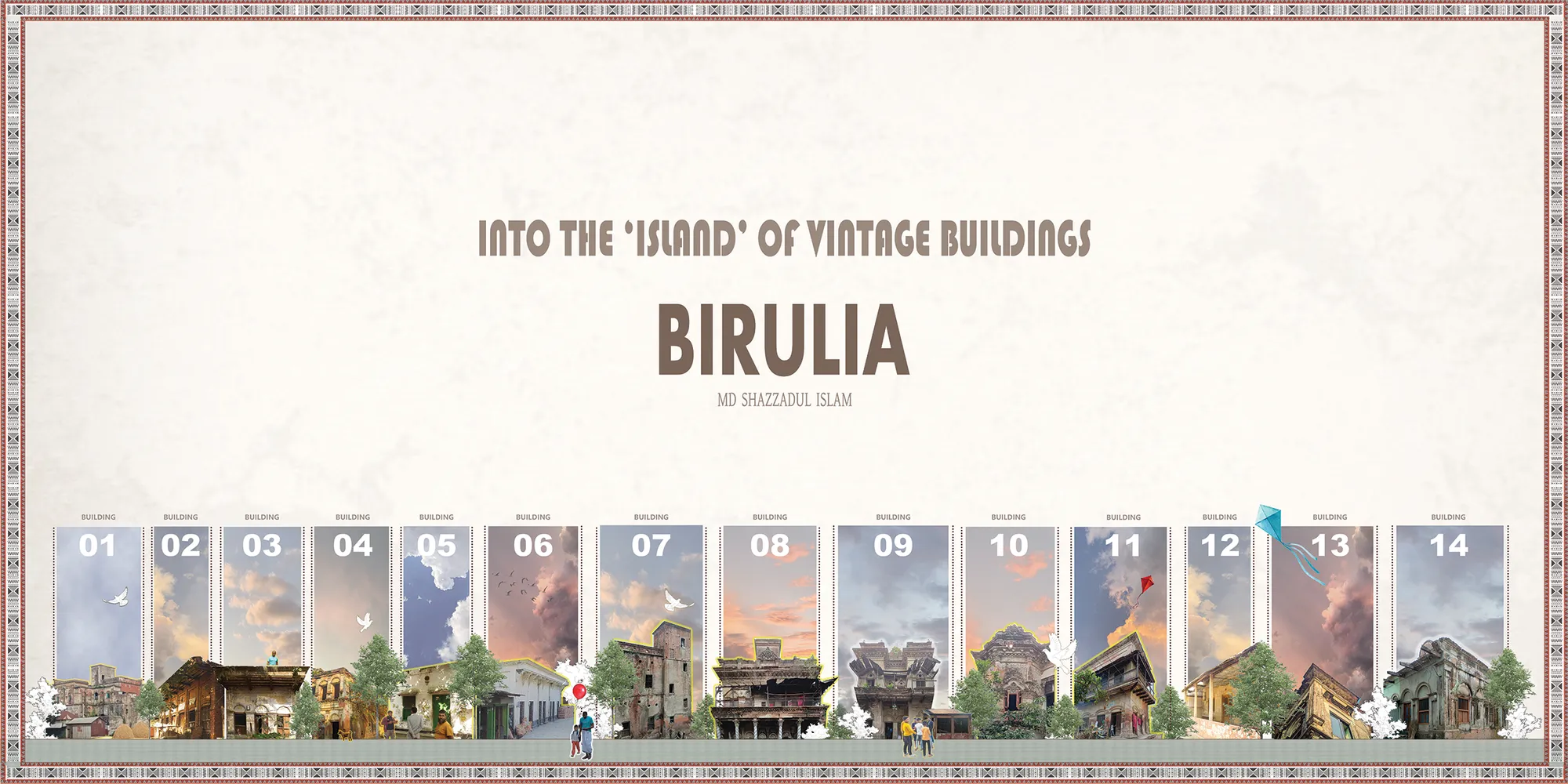
This colonial era heritage site had remained forgotten for decades; no one had ever documented it, designed for it, or tried to preserve it. My thesis is the first to take action, aiming to protect these structures through adaptive reuse and cultural tourism. Visitors will experience history through role play, AR/VR, exhibitions, and museum spaces.

Excellent

Excellent
Heartfelt congratulations on this truly inspiring project! ‘Revitalizing Kolakopa’s Heritage’ beautifully bridges the past and the present — breathing new life into history with vision, sensitivity, and soul


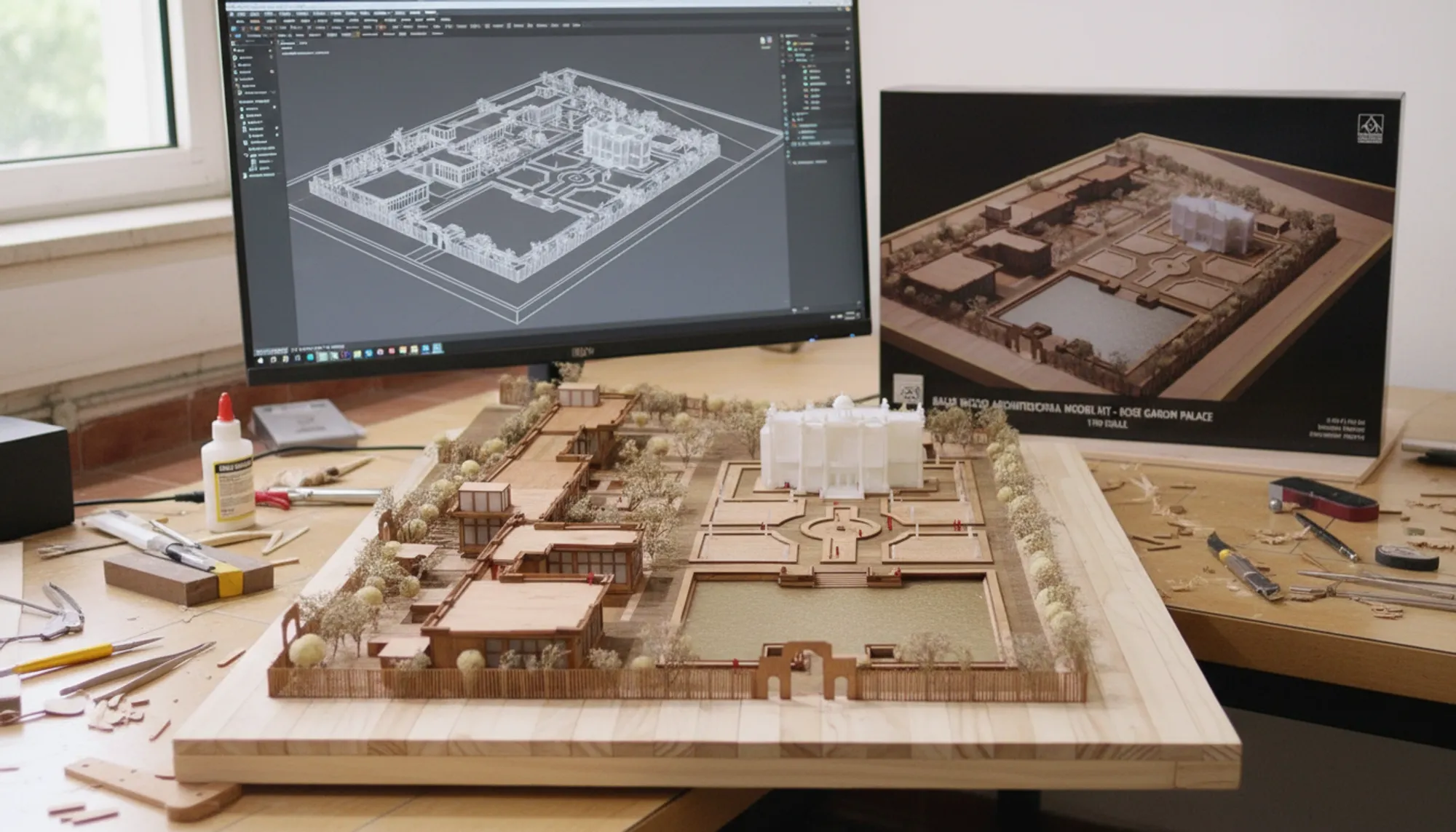
Spirit of Freedom: Reviving the Historical Rose Garden Palace
Heritage Museum and Cultural Centre in Dhaka


Redefining the Urban fabric of Manek Chowk, Ahmedabad.
The project aims to design & solve built forms and public open spaces addressing typologies of housing and shops in high-density areas of Indian markets situated in an urban context evolved over the years. It retains the heritage aspect by resolving streetscape, elevated housing units, shop typologies and the addition of library, museum & exhibition spaces.

Heritage Paradox
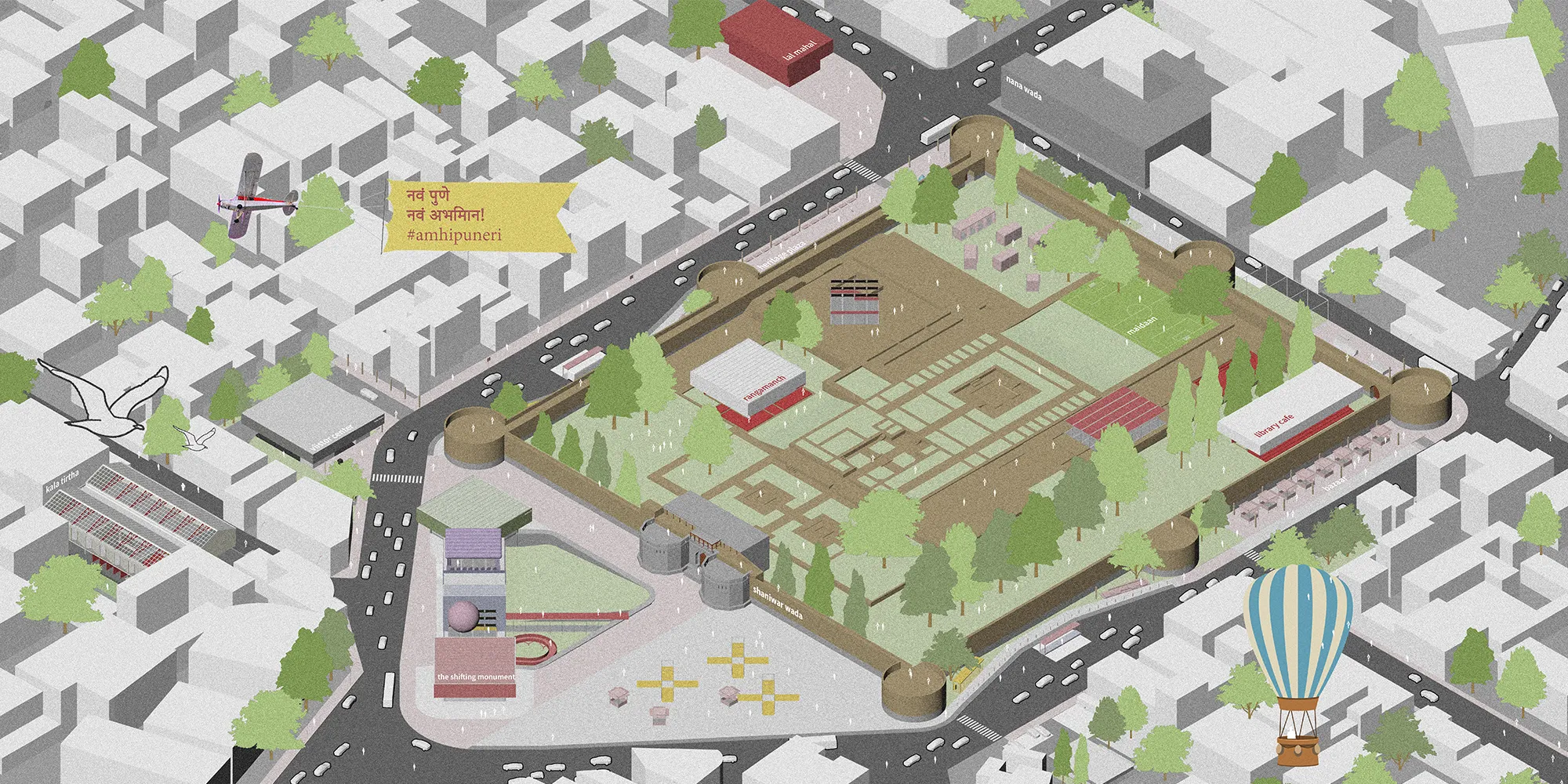
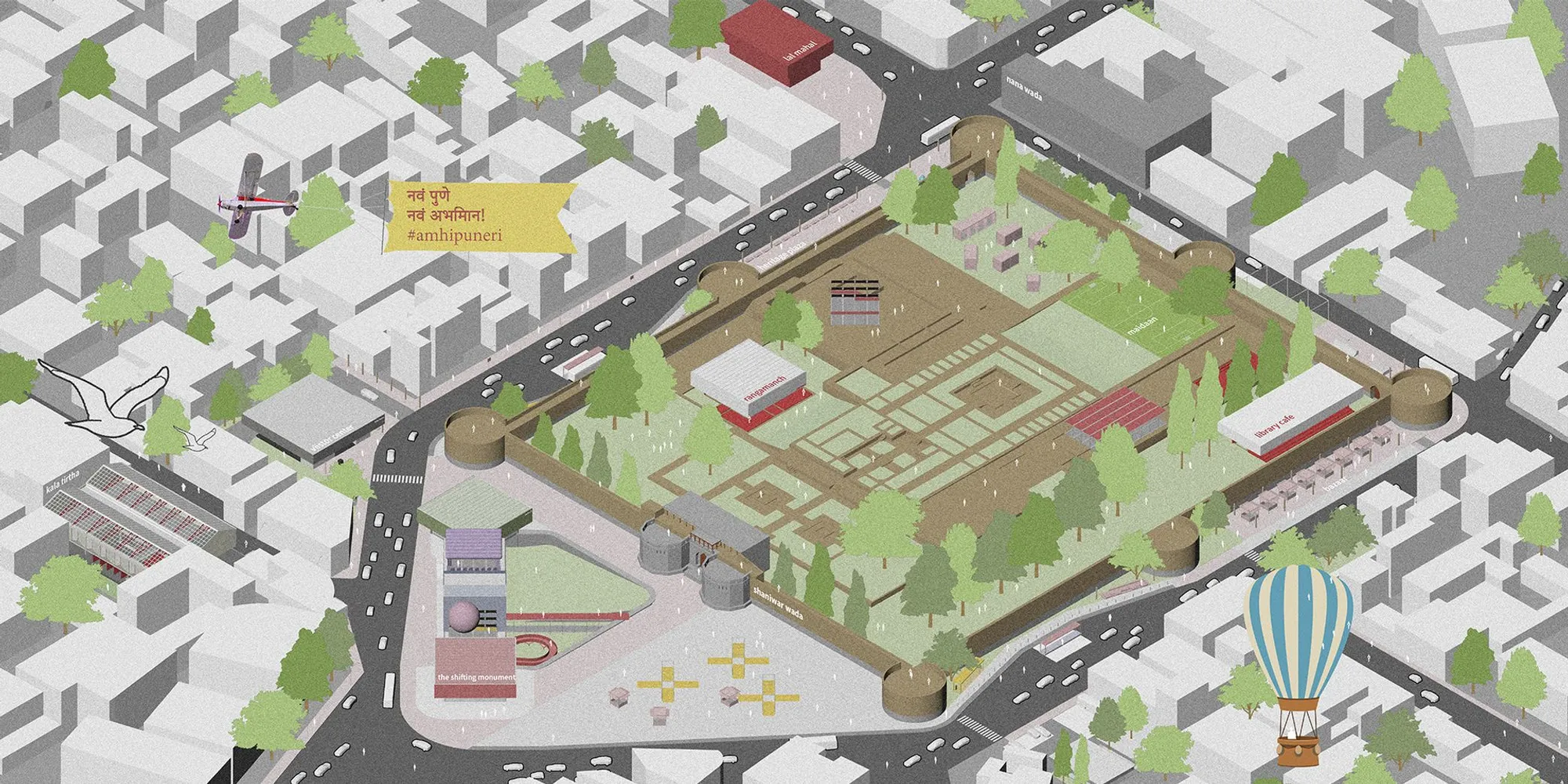
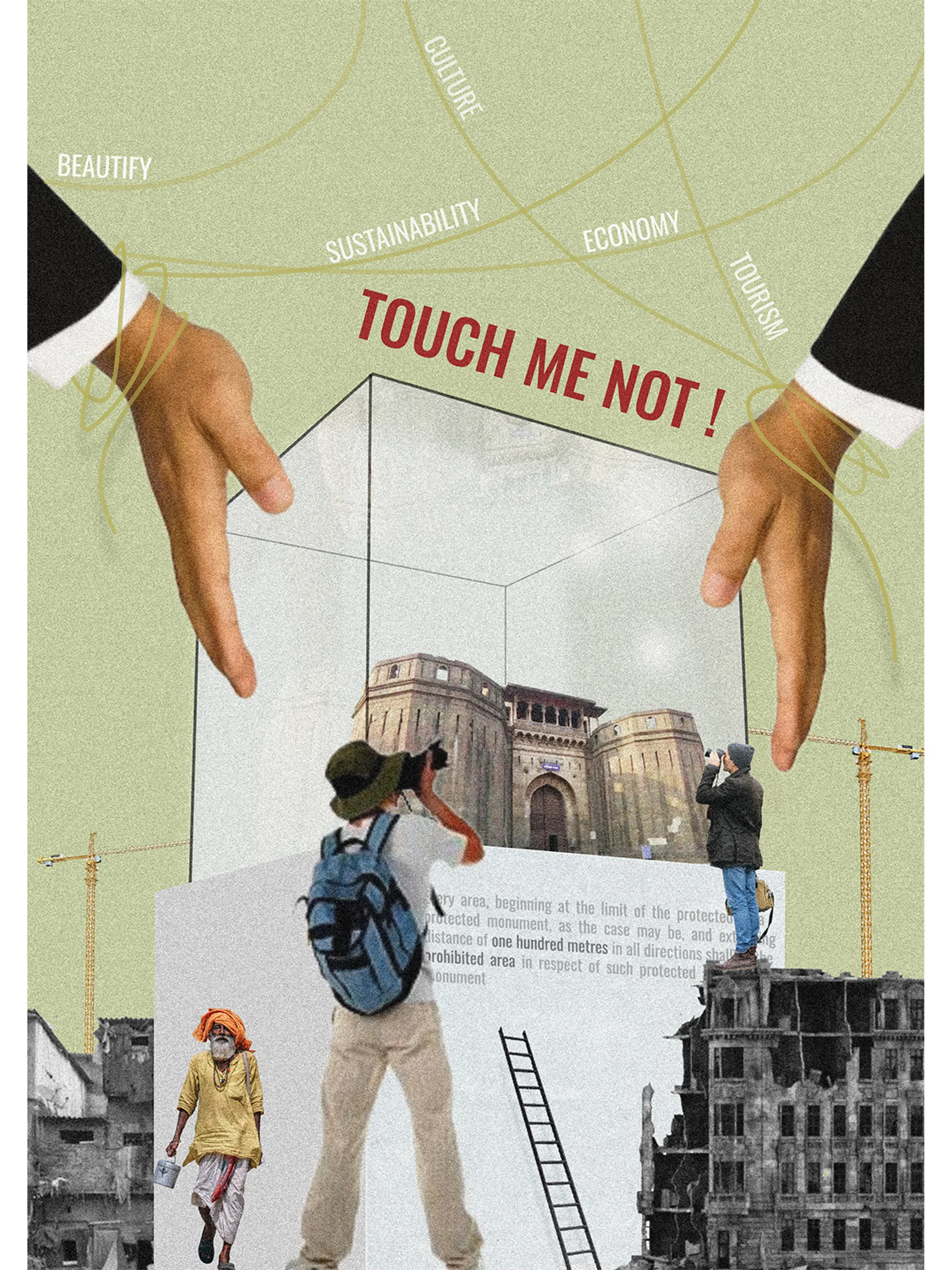
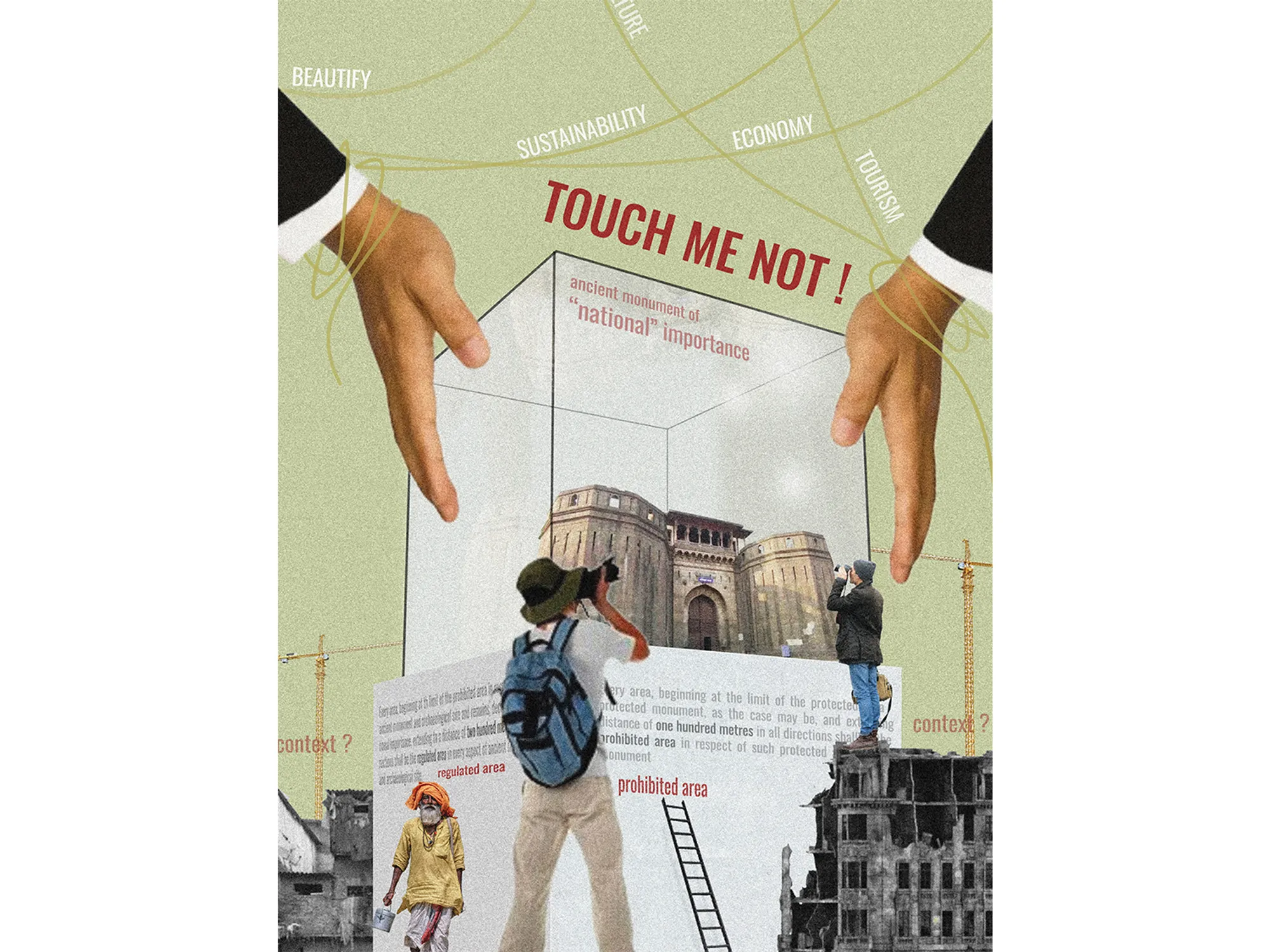
This dissertation aims to restore neglected structures at risk of losing their identity in modern India. It focuses on Pune's Shaniwar Wada, highlighting the restrictive impact of the heritage guidelines on development and amenities. The study proposes urban renewal strategies to enhance the monument's value, improve the heritage prei


SECOND THOUGHT
A multi-arts center with a new vision for India to prosper

Amazing work. All the best!
Great Job! Amazing philosophy ,research and design .
Amazing work. Good Luck


Heritage Paradox: Reimagining Shaniwar Wada and Its Precinct in a Modernizing Pune
Reviving Heritage, Redefining Progress: Bridging the Past and Future of Shaniwar Wada

REVITALIZING KOLAKOPA’S HERITAGE: Conservation of Kokil Peri Palace and Surrounding Buildings
My thesis is the first to take action, aiming to protect these Heritages through adaptive reuse and cultural tourism.


WOW
Hodi-Mandai Geram
Project Function: Preservation and revitalization of the Intangible heritage and socio-spatial identity of the Hodi by Housing, Cultural Memory Center, Sacred Grove, landscape, local tourism economy


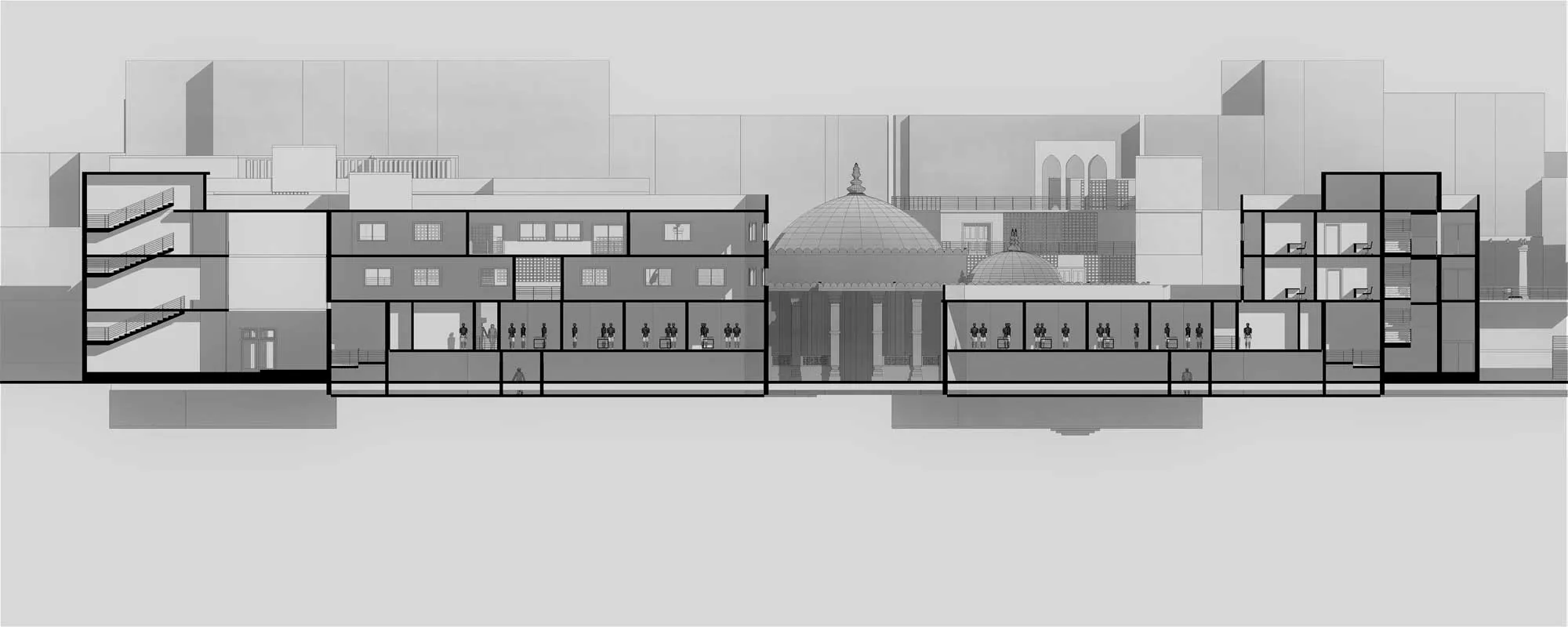
Hue Imperial Heritage Museum Presentation
"A hidden museum where modern architecture reframes ancient spirit." The Hue Imperial Heritage Museum is embedded underground with a contoured green roof, integrating relics within the Citadel. It relieves historic monuments from unsuitable use, provides orientation and interpretation, and applies rainwater systems for cooling.


Hue Imperial Heritage Museum Brief
Context, challenges, and principles shaping a museum embedded in Hue’s Imperial Citadel.


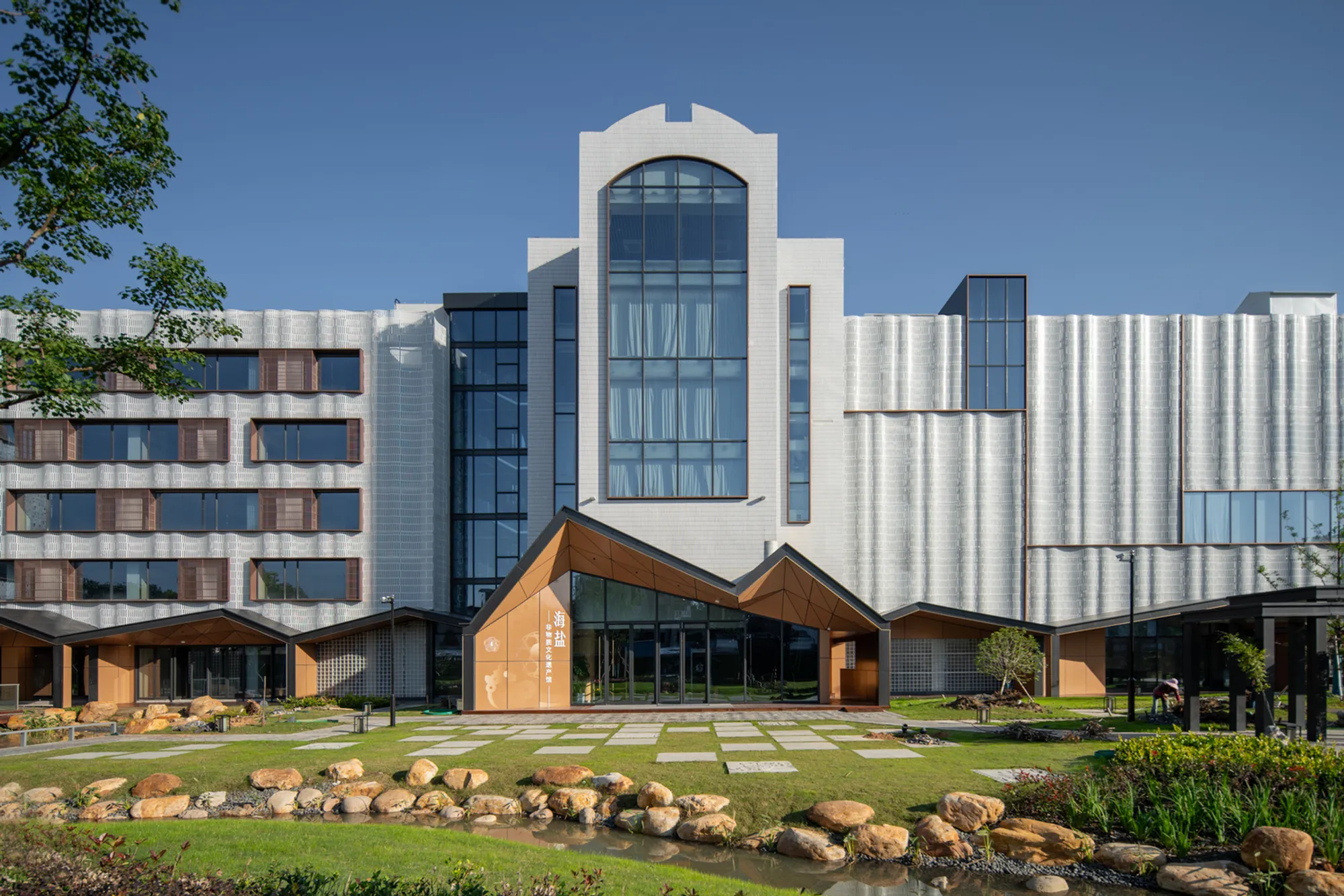
LYCS Architecture Converts a 1990s Factory in Zhejiang into an Intangible Cultural Heritage Museum
Perforated aluminum, restored ponds, and pitched-roof corridors weave a former instrument factory into Haiyan County's cultural precinct.

Heritage Paradox - The Conflict of Progress and Preservation in the Modern Metropolis
The dissertation here aims to identify, examine and restore the neglected structures or the fabric that cries for help to be able to sustain in this modern world, ones which are under threat of losing their identity and occupy a large part of the landscape, that become static in time and form, yet have a potential to add value. There are many reasons for negligence, one being the material-based conservation policies that freeze the precinct and the monument. India is the fastest-growing economy and a developing country that demands basic survival facilities and modern infrastructure to remain in pace with the changing world; therefore, how the standards of heritage conservation become a barrier to developmental needs also sets a basis for the study. Taking the case of Pune, a soon-to-be megacity, the cultural capital of Maharashtra witnesses a growing population subjected to the IT, educational, industrial and tourism sectors. The study focuses on the precinct of Shaniwar Wada. This historical monument has become the image identity of the city, yet the existing conditions and management don’t do justice to it. The ASI tag on the monument brings a very controlled or restricted development in the precinct through the Ancient Monuments and Archaeological Sites and Remains Act (or AMASR Act). Further, it also fails to provide basic amenities for the visitors. The monument that was once the reason for Pune’s growth and revival is now the reason for the dilapidated structures and a static fabric. Architectural heritage becomes a part of collective memory and public inclusivity, which evolves with time, people, culture and the city. An individual or a community strongly associates with a heritage because of their memories, the culture attached to it, and the value it adds. In the case of the Wada, the associations have faded as the monument stands as a barrier to the local community. The study, therefore, addresses the “prohibited” and “regulated” zones regulation as per the Ancient Monuments and Archaeological Sites and Remains Act (or AMASR Act), its relevance, where the same is applied to every historic site, be it Taj Mahal along the banks of Yamuna or the Shaniwar Wada right in the centre of the city. The research aims to put up strategies for the urban renewal of the fabric around the monument, to create a precinct that helps to curate and glorify the monument, provide basic amenities and address issues of current heritage management. ( Keywords - neglected, lost identities, heritage standards, barrier, image identity, AMASR Act, dilapidated, static, urban renewal, heritage management )

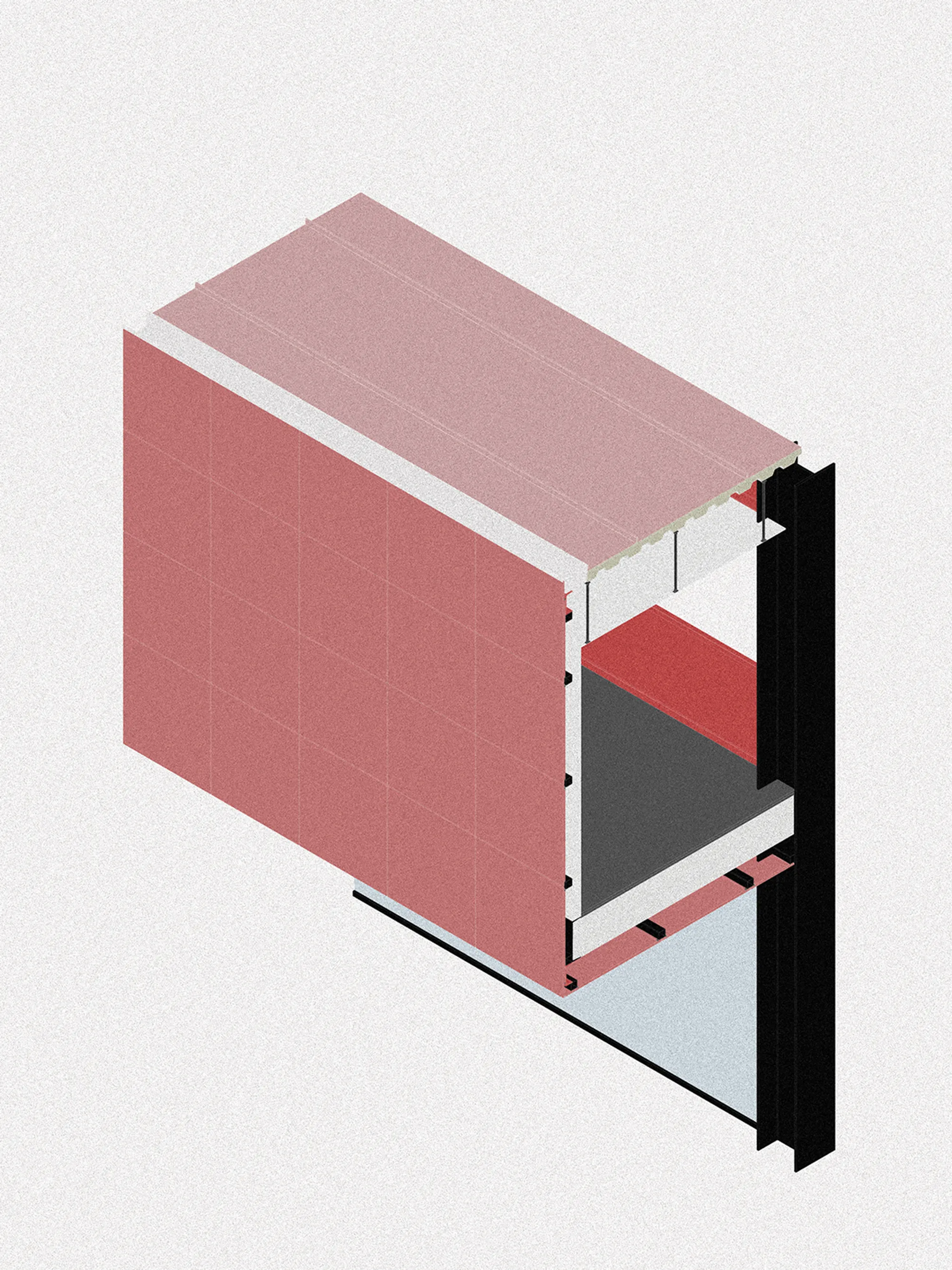
Heritage Paradox_Technical Report
The report gives details on technical drawings, services, environmental and sustainable strategies used in the project.

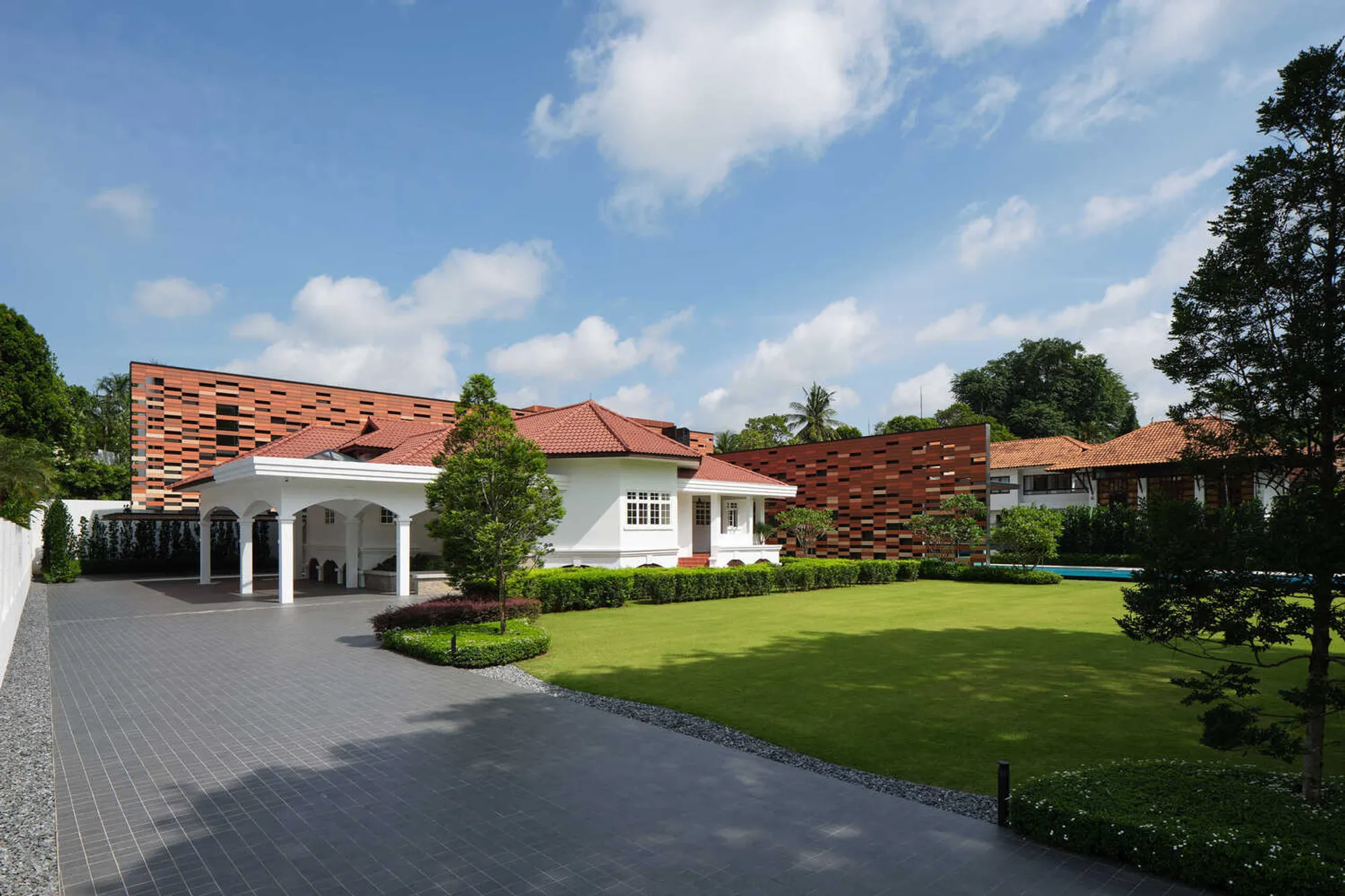
Heritage Home Renovation: Terracotta House by K2LD Architects
An exploration of Terracotta House by K2LD Architects, highlighting its innovative heritage home renovation and contemporary design in Singapore.

Heritage Paradox : The Conflict of Progress and Preservation in the Modern Metropolis.
Addressing the conservation standards in an era of perpetual change in demands and physical environment, as in the case of Shaniwar Wada and its precinct.



Very effective community-based design for the ethnic groups
Thank you for your feedback!
Inspiring project!
I wonder how this unique theoretical framework came along with the tangible version! Good job!👏👏👏