
Biophilic Design Hotels: Embracing Nature at HAY Boutique Hotel and SPA by YOD Group
Explore HAY Boutique Hotel and SPA by YOD Group, a stunning example of biophilic design that integrates nature with luxury hospitality.


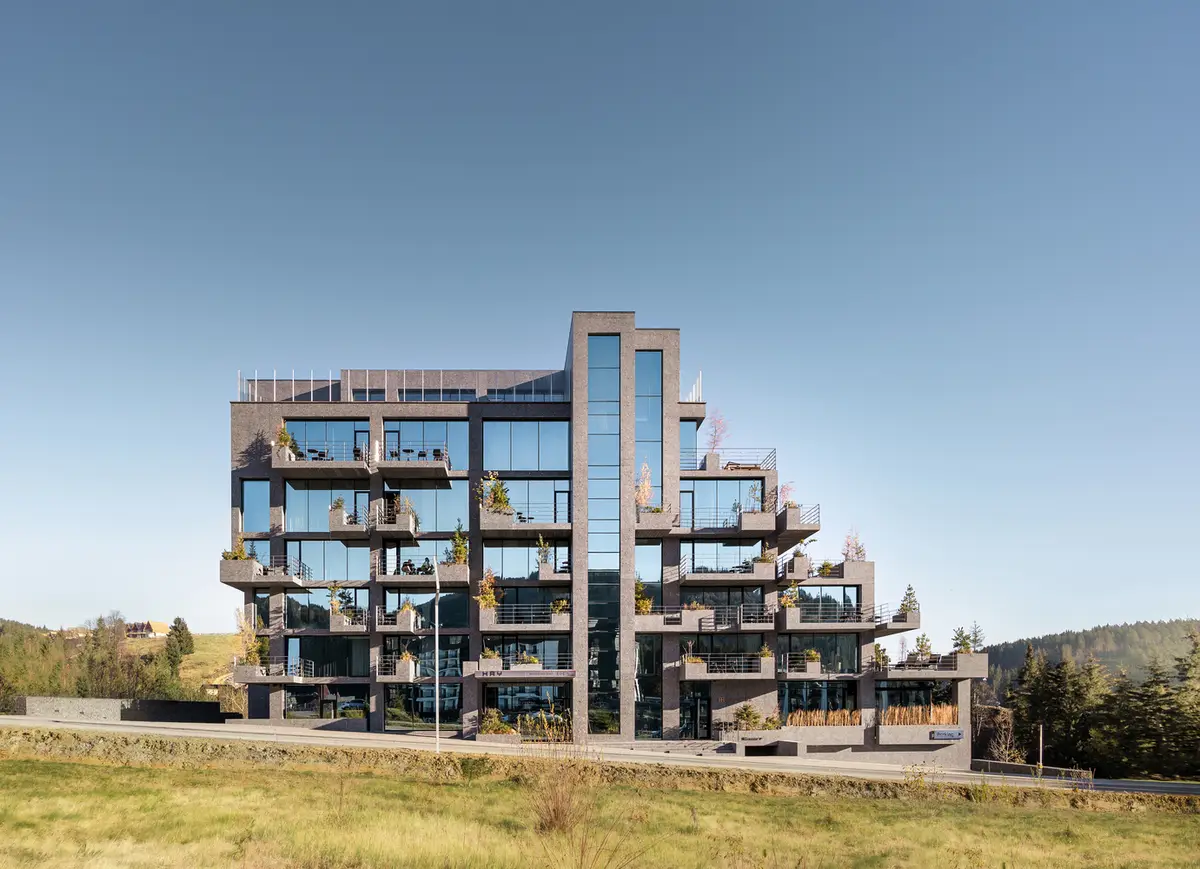
In the beautiful ski resort of Bukovel, Ukraine, the HAY Boutique Hotel and SPA stands as a testament to the principles of biophilic design in hospitality. Designed by YOD Group, this hotel merges luxury with an immersive natural experience, drawing heavily on the local landscape and cultural motifs to create a unique guest experience.
Understanding Biophilic Design in Hotels
What is Biophilic Design?
Biophilic design is an approach to architecture that seeks to connect building occupants more closely to nature. It incorporates natural materials, natural light, vegetation, nature views, and other experiences of the natural world into the modern built environment.
Benefits of Biophilic Design in Hospitality
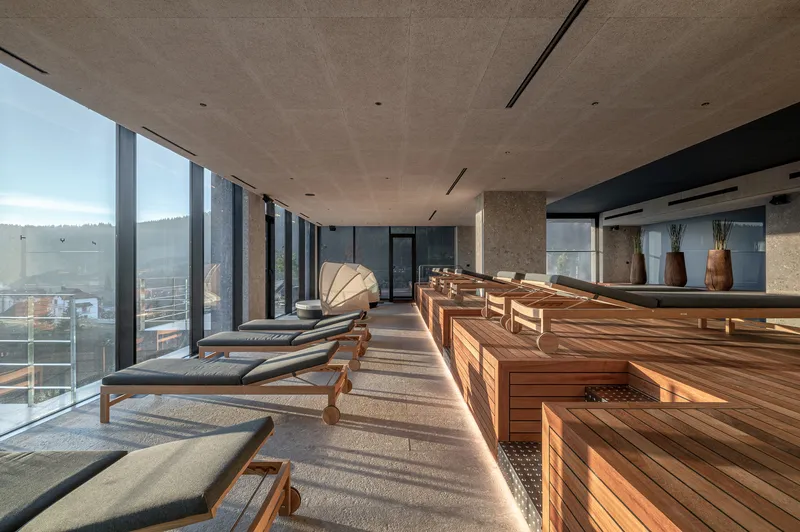
Biophilic design in hotels not only enhances the aesthetic appeal but significantly improves guest satisfaction. Studies have shown that integrating natural elements in hotel design can reduce stress, enhance creativity and clarity of thought, and improve overall well-being and satisfaction.
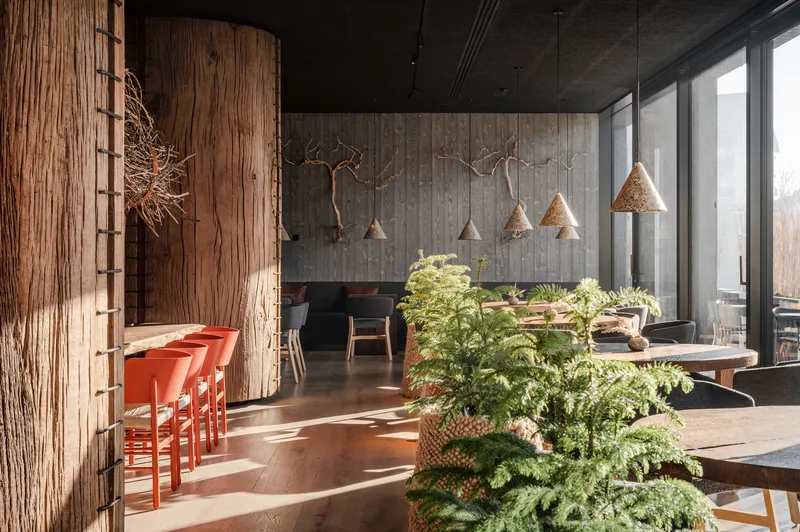
Architectural Features of HAY Boutique Hotel
Integration with the Natural Landscape
Building Structure and Viewpoints
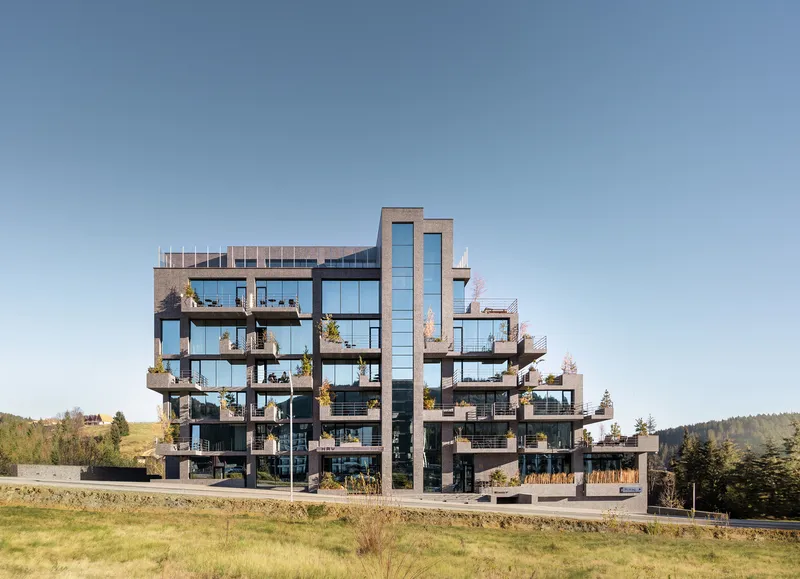
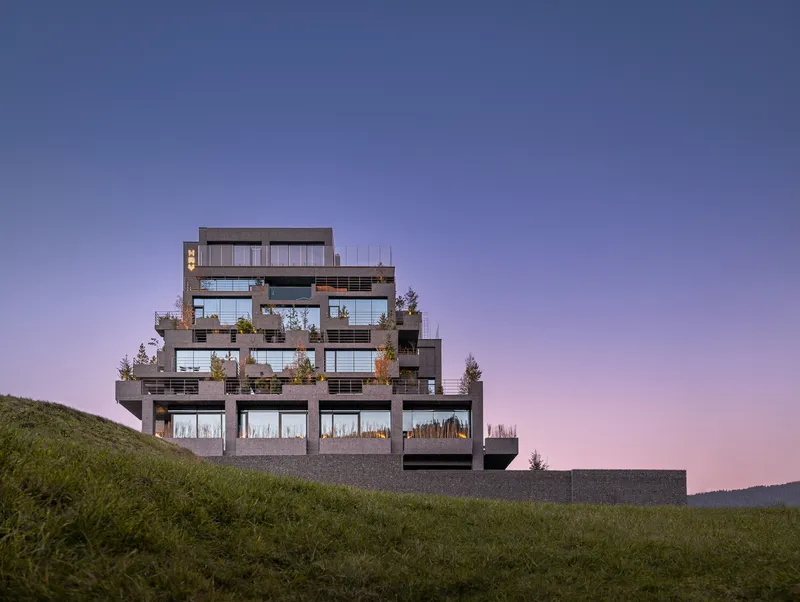
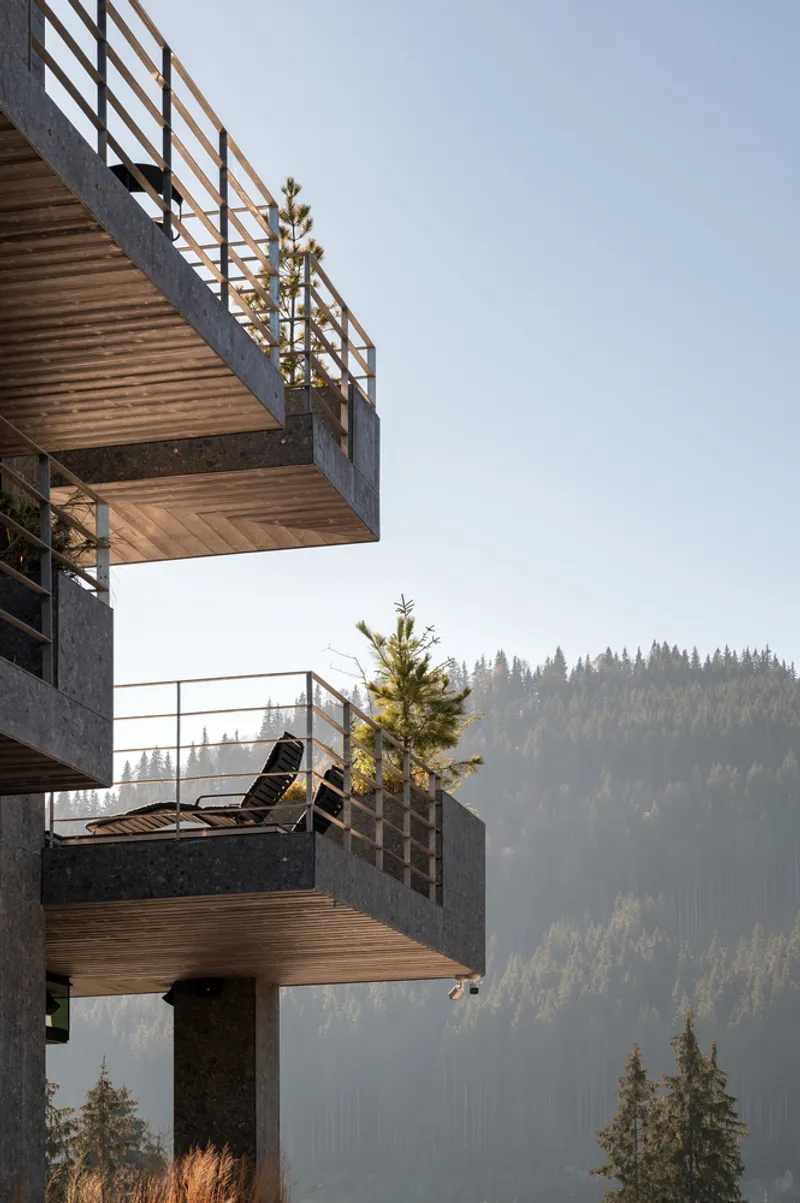
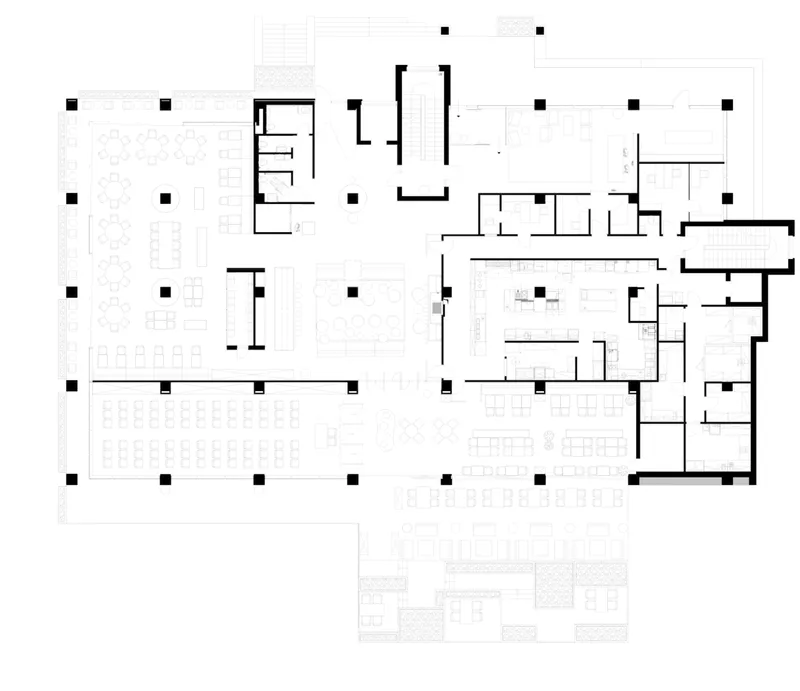
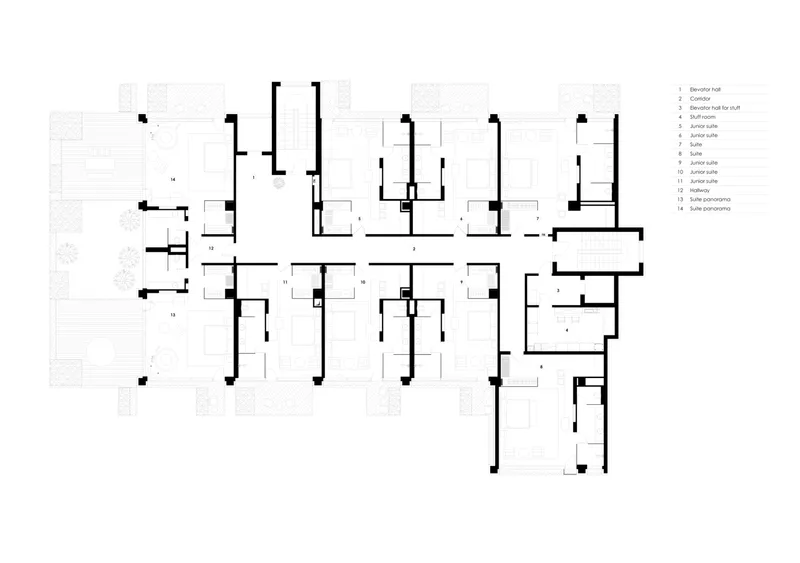
The hotel’s structure is designed to blend seamlessly with the Carpathian landscape. Each room offers a unique 360-degree view of the surrounding mountains, ensuring that every guest can fully engage with the stunning natural scenery. The building itself mimics a rock with cascading plants, integrating local flora directly into the architecture.
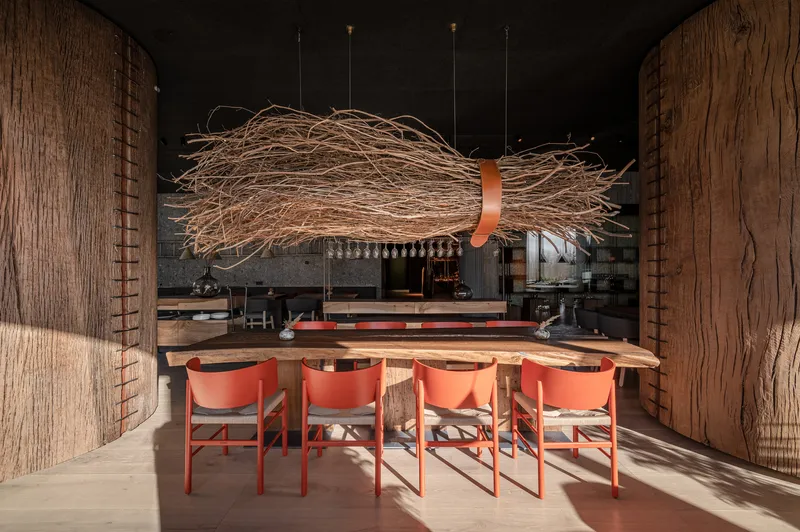
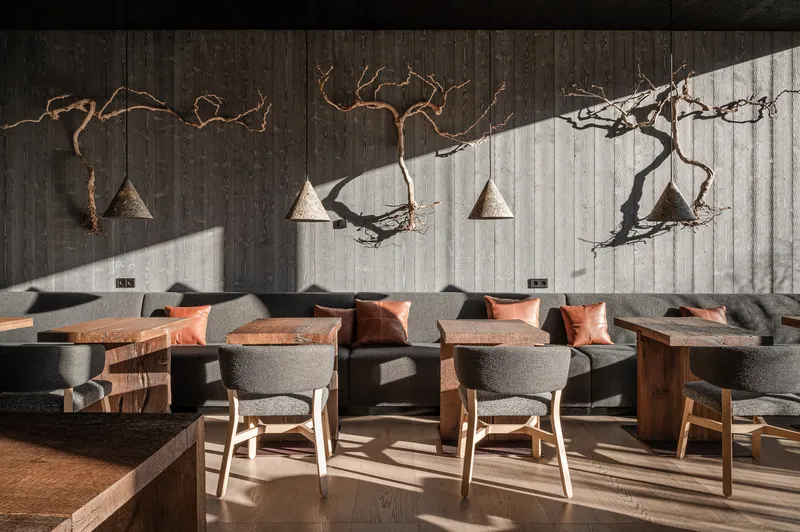
Natural Elements and Materials
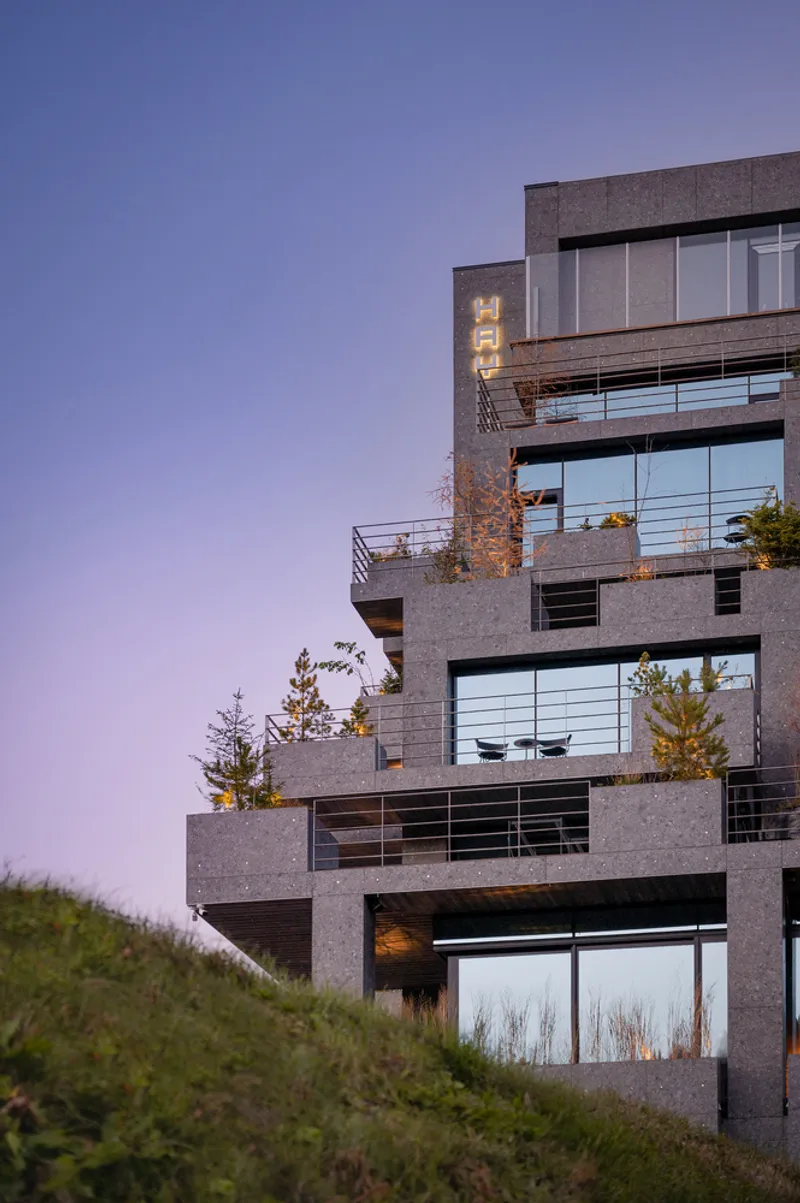
The façade and terraces of the hotel are adorned with local trees, grasses, strawberries, and blackberries, mimicking the natural growth patterns found in the mountains. This use of indigenous plants not only reinforces the biophilic intent but also helps the structure blend with its environment.
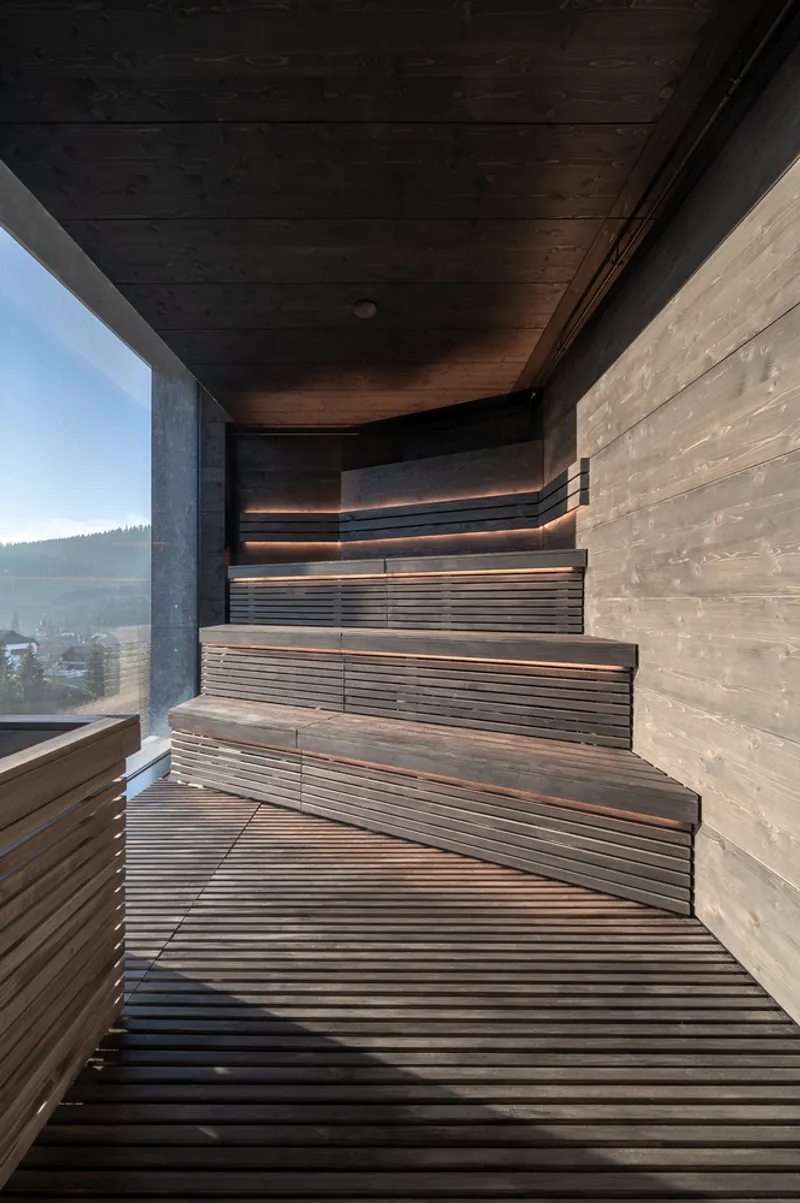
Interior Design and Cultural Integration
Local Crafts and Traditions
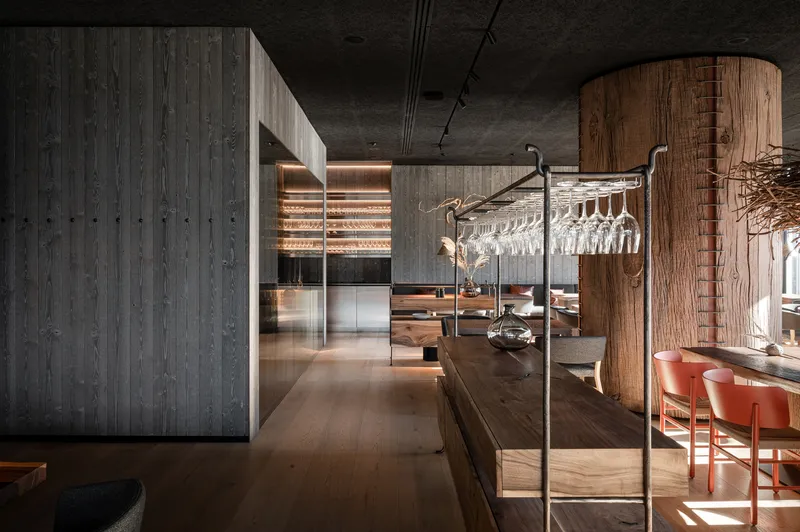
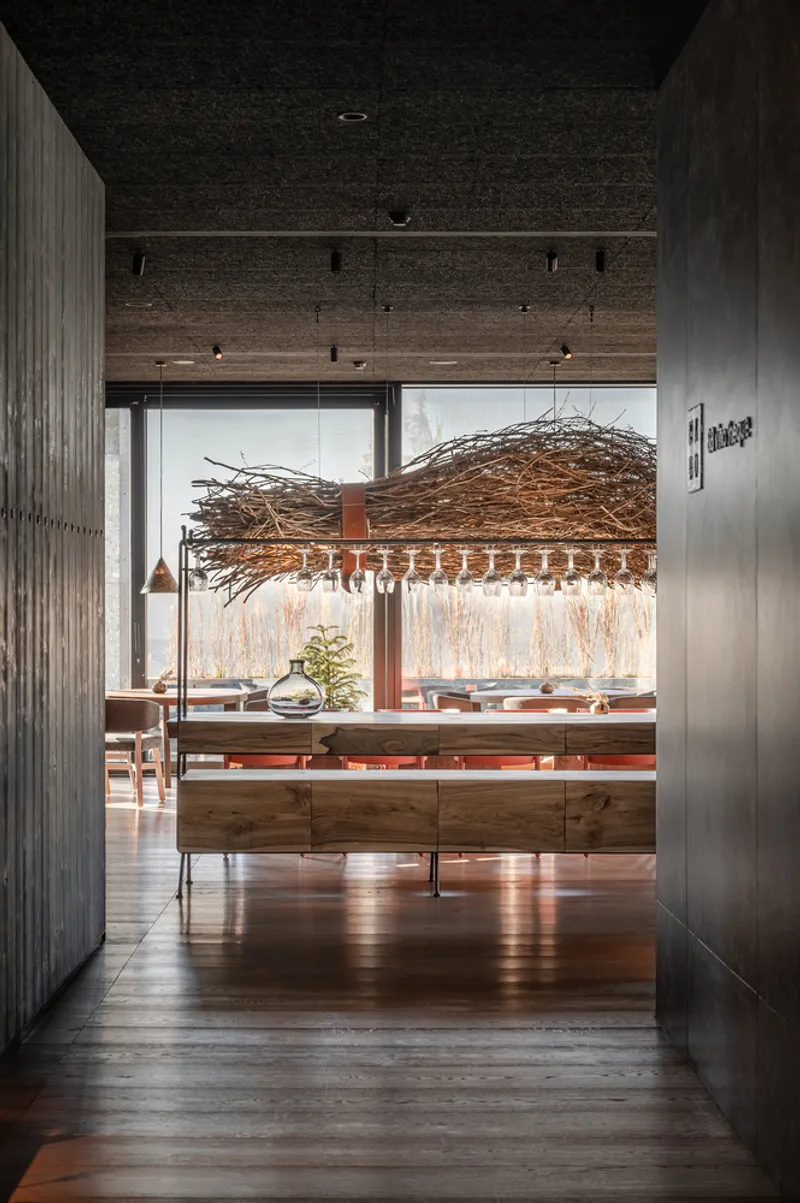
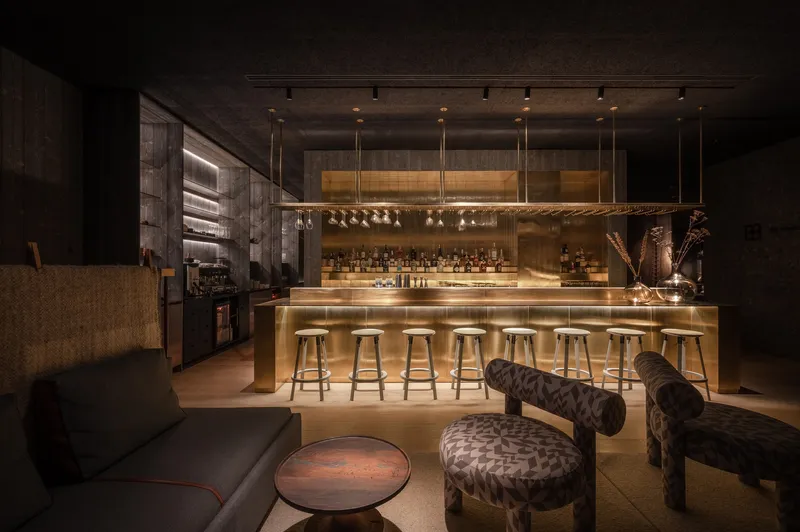
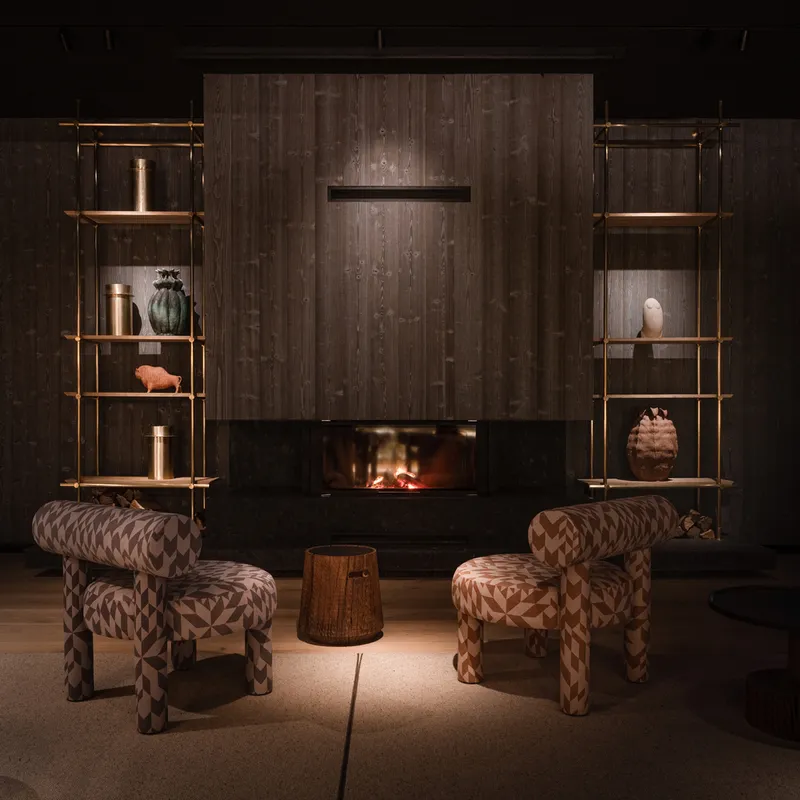
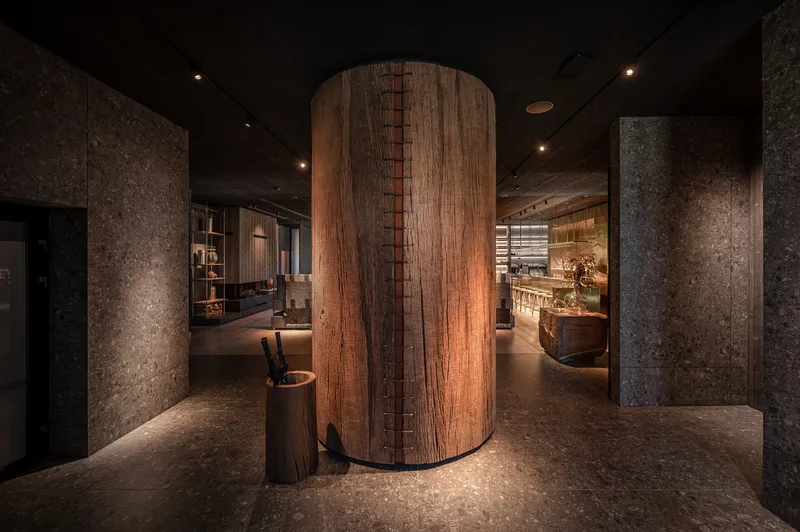
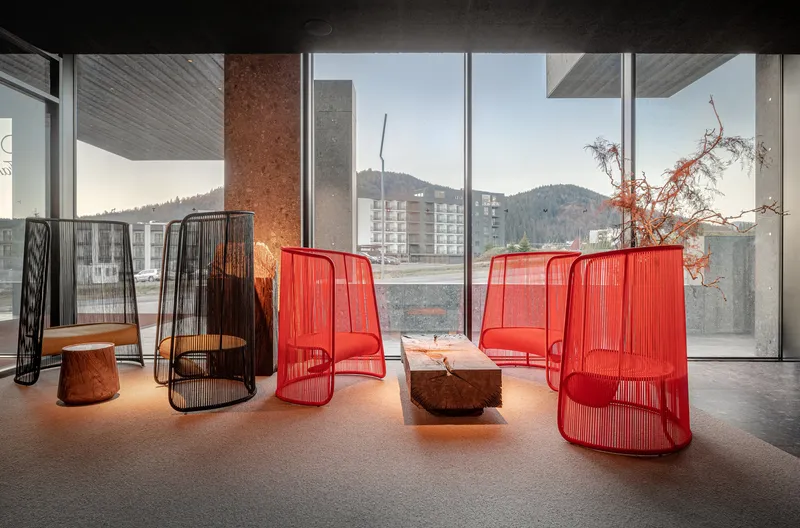
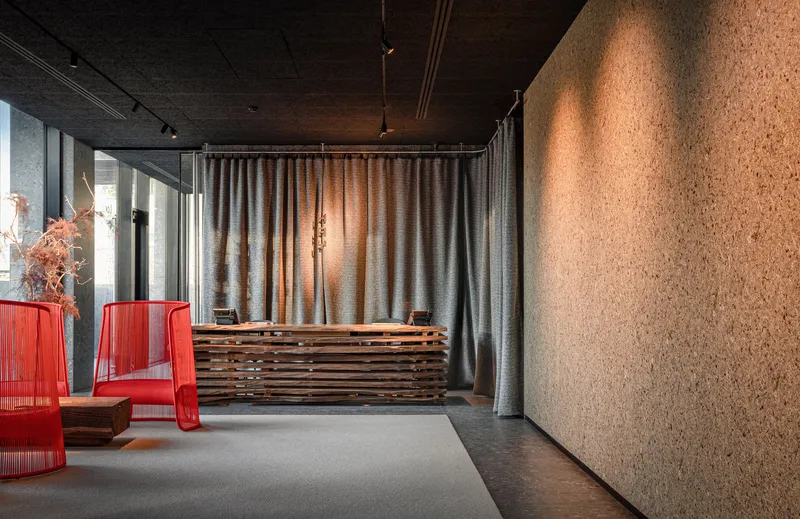
The interior of HAY Boutique Hotel is a celebration of Ukrainian cultural heritage, featuring textiles, rugs, and furniture that interpret traditional symbols and craftsmanship in a modern context. For example, textiles from the Ukrainian studio Morgental and rugs by Litvinenko Design showcase modern interpretations of traditional Ukrainian weaving techniques.
Custom Furniture and Fixtures
The hotel rooms feature bespoke furniture that reflects local blacksmithing traditions, such as massive oak tabletops on anvil-shaped cast-iron bases and custom light fixtures designed to emit a cozy glow through textures made from pressed hay. These elements not only enhance the aesthetic appeal but also root the hotel's design firmly in local craftsmanship.
Sustainability and Guest Experience
Eco-friendly Practices and Amenities
The hotel's approach to sustainability is evident in its construction and ongoing operations. The use of local materials reduces transportation emissions, and the integration of plants into the building design helps to maintain local biodiversity.
Unique Guest Experiences
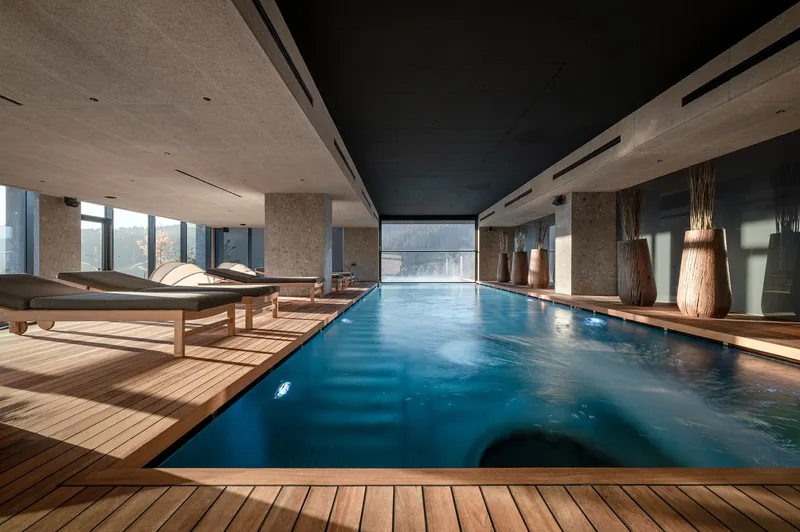
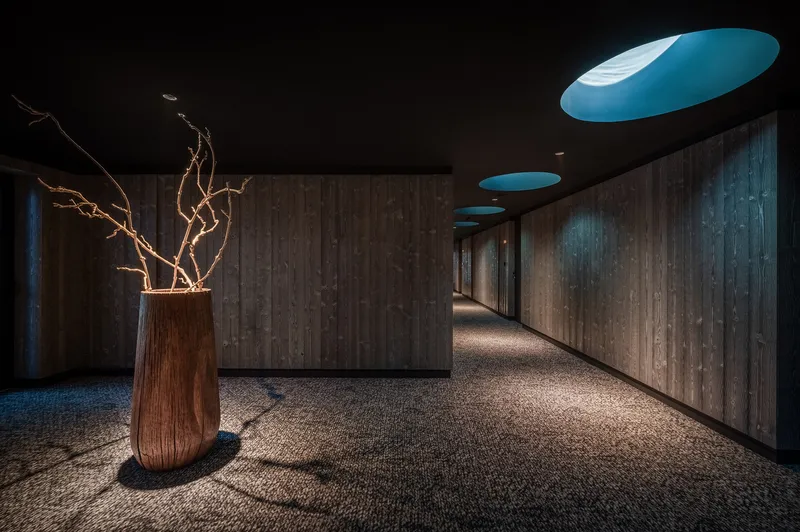
The hotel offers several unique amenities, including a metal swimming pool on the sixth floor with parts extending outdoors, providing spectacular views. The pool's bottom features portholes that look down into the corridor below, adding an element of surprise and wonder.
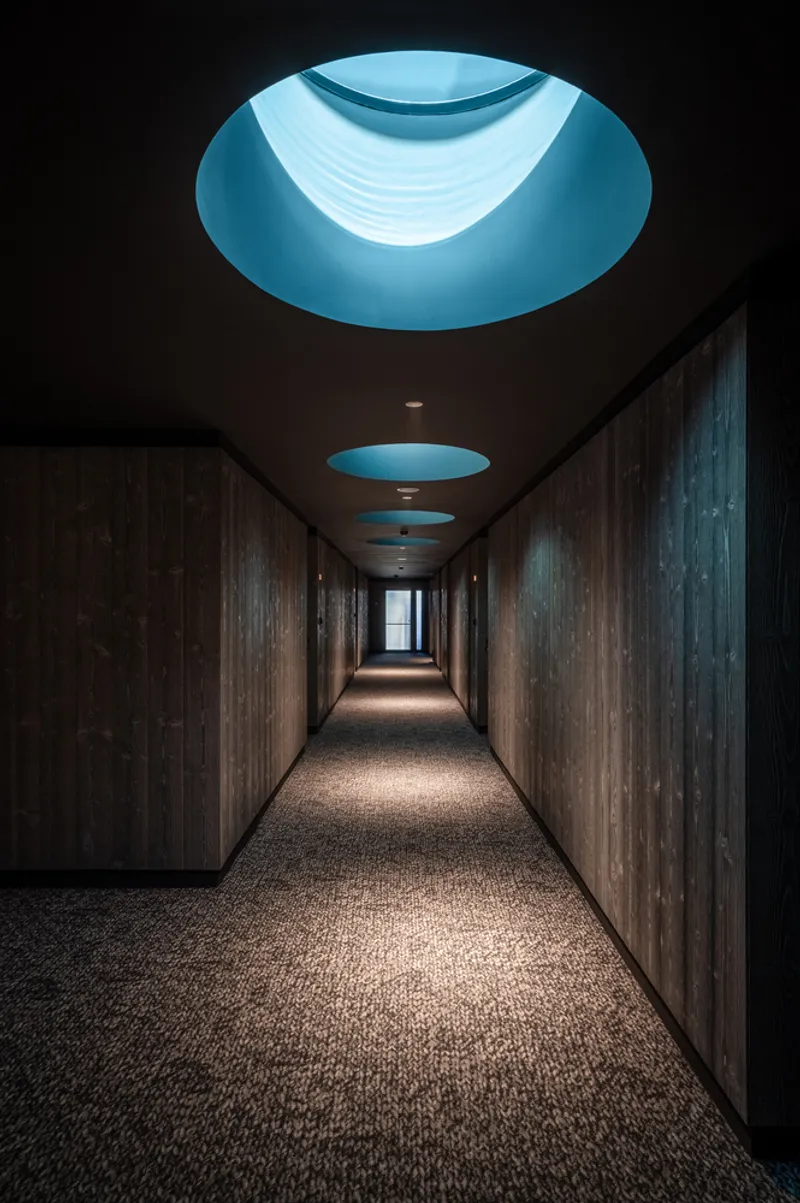
HAY Boutique Hotel and SPA by YOD Group exemplifies the best of biophilic design hotels, offering a luxurious yet intimately natural guest experience. By harmoniously blending sophisticated design with elements of the local landscape and culture, the hotel sets a new standard for eco-friendly luxury in the hospitality industry, providing guests with a profound connection to their environment and local heritage.


Popular Articles
Popular articles from the community


Little Red Riding Hood: Architectural Design as a Journey Through Fear, Light, and Storytelling
Little Red Riding Hood reimagines the fairy tale through architectural design shaped by fear, light, scale, memory, uncertainty, and choice.

The Ocean Hive: Sustainable Architecture for a Self-Sufficient Civilization at Sea
The Ocean Hive imagines sustainable architecture at sea, where modular habitats, algae, wave power and ocean waste sustain a growing colony.

Lunar Spiral: Space Architecture Shaped by the Mathematics of the Universe
Lunar Spiral reimagines space architecture through Fibonacci geometry, lunar regolith, levitating habitats, and self-sustaining Moon living.

Co-Life: Senior Housing Design That Reconnects Older Adults With the City
Co-Life reimagines senior housing design through healing gardens, shared streets, workshops, and a sustainable community across generations.

Similar Reads
You might also enjoy these articles


Hodi-Mandai Geram
Project Function: Preservation and revitalization of the Intangible heritage and socio-spatial identity of the Hodi by Housing, Cultural Memory Center, Sacred Grove, landscape, local tourism economy


Olio Towers: A Mid-Rise for Performers That Fuses Housing, Rehearsal, and Stage
Located blocks from Houston's Theater District, this modular tower stacks living units around a central performance atrium.

Oasis: Modular Green Housing Carved into Dhaka's Urban Fabric
A shortlisted Plugin Housing entry reclaims unauthorized settlements in Dhaka with stepped concrete volumes, green roofs, and ventilation-driven design.

Black Hole: A Floating Megastructure for the Post-Physical Era
Emiliano Mazzarotto envisions a spherical, self-scaling arena where e-sports, digital hotels, and holographic stadiums replace traditional public space.

Explore Hospitality Building Competitions
Discover active competitions in this discipline

Challenge to reimagine the Iron Throne

Photograph architecture without architects

Illustrate the lost glory of Angkor Wat - Render Challenge

Design challenge to reuse E-waste
Comments (0)
Please login or sign up to add comments
No comments yet. Be the first to comment!