
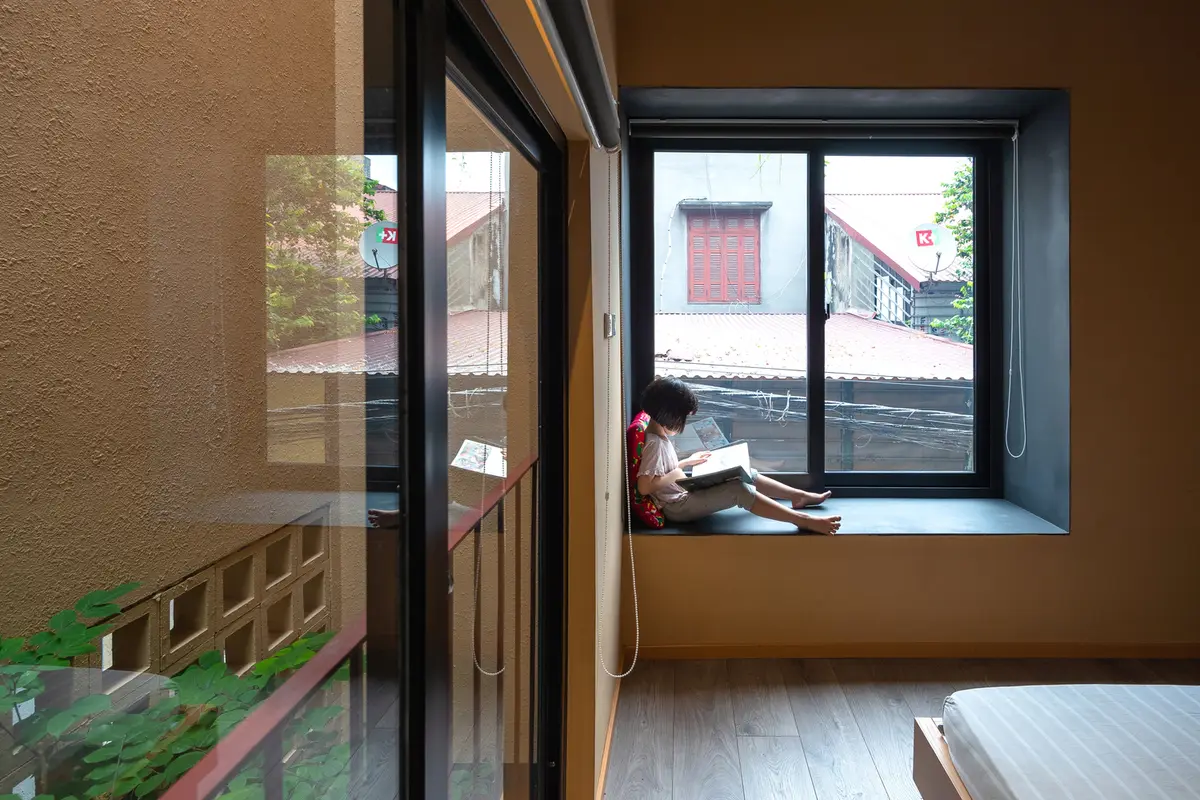
Exploring Modern Minimalist House Design in Vietnam: A Case Study of Trau Quy House by TOOB STUDIO
The article explores Trau Quy House by TOOB STUDIO, focusing on its modern minimalist design and integration with nature in Vietnam.


In the rapidly evolving landscape of Vietnamese architecture, the Trau Quy House by TOOB STUDIO stands out as a paragon of modern minimalist design. This article delves into the architectural and design elements that define this unique residence.
Design Philosophy of Trau Quy House
Conceptual Framework
The Trau Quy House is crafted for a middle-aged family, embodying a lifestyle that values simplicity, nostalgia, and introspection. The design philosophy revolves around creating a serene, uncluttered space that emphasizes spatial orientation and interaction with nature.
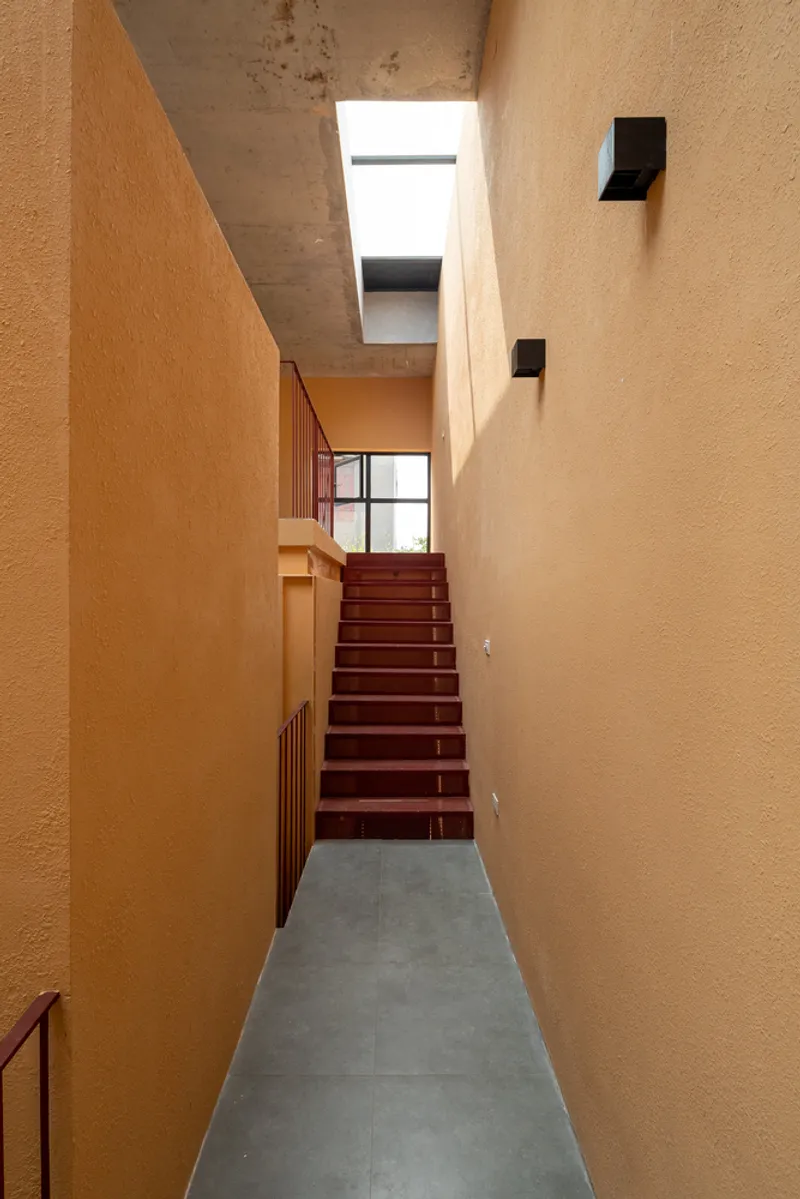
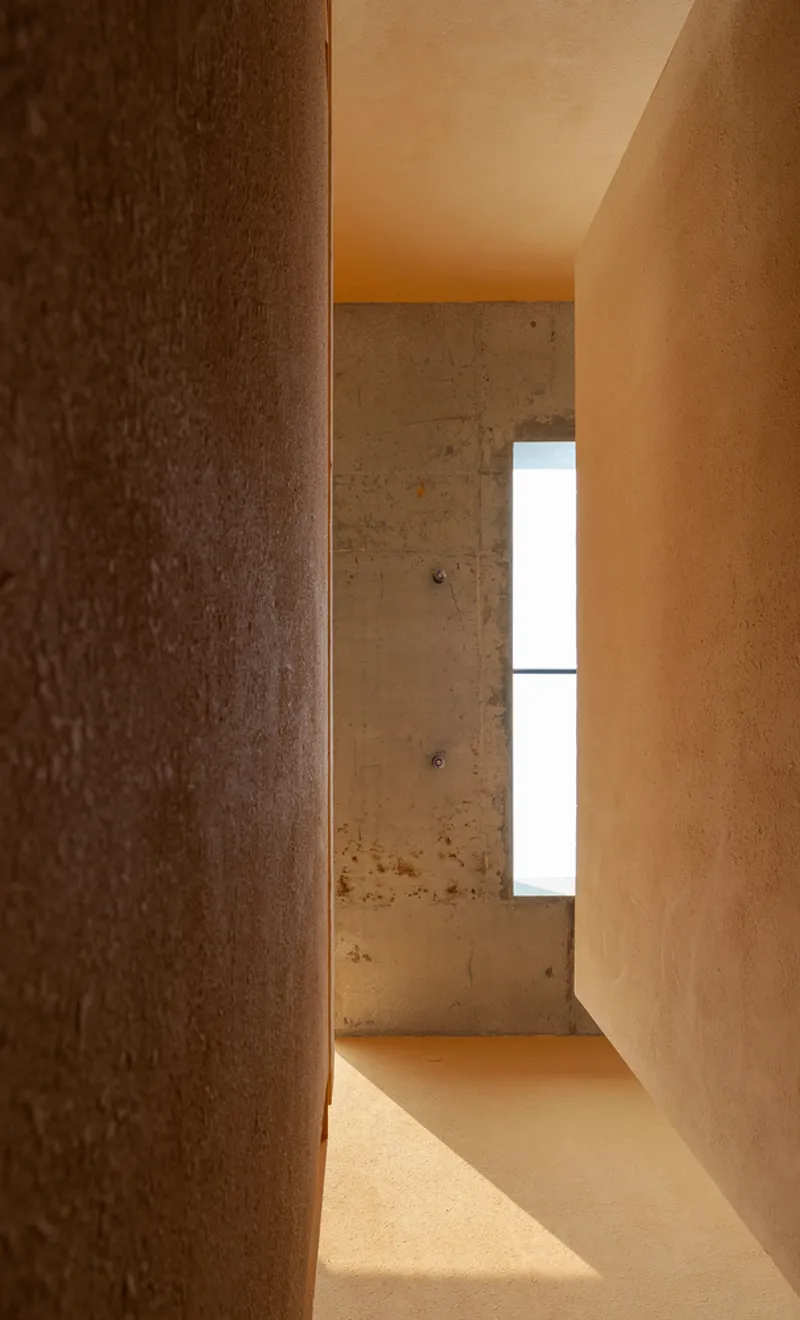
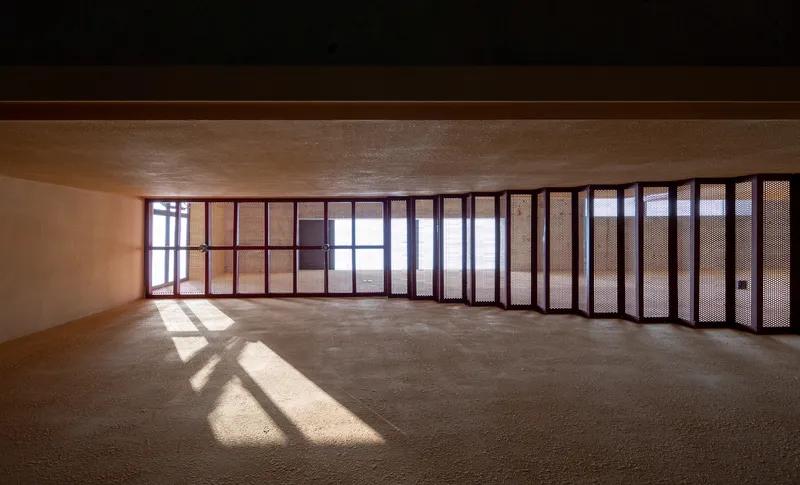
Architectural Features and Layout
Minimalist Aesthetics
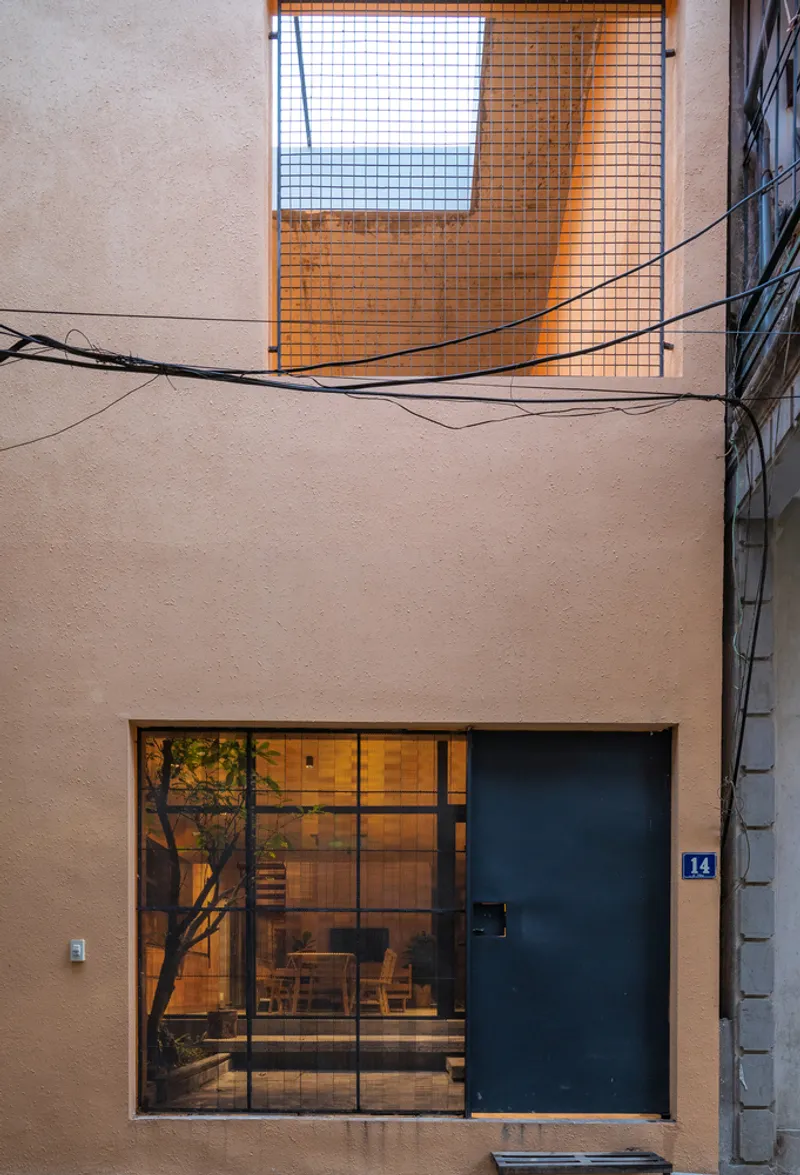
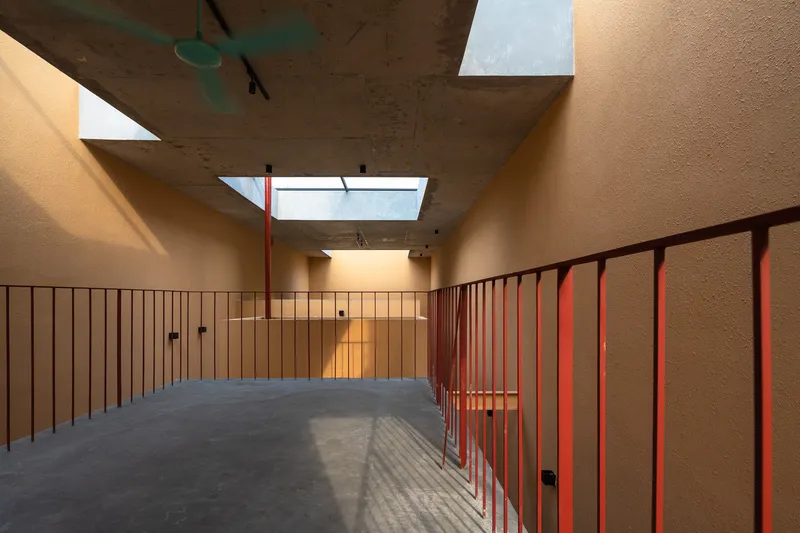
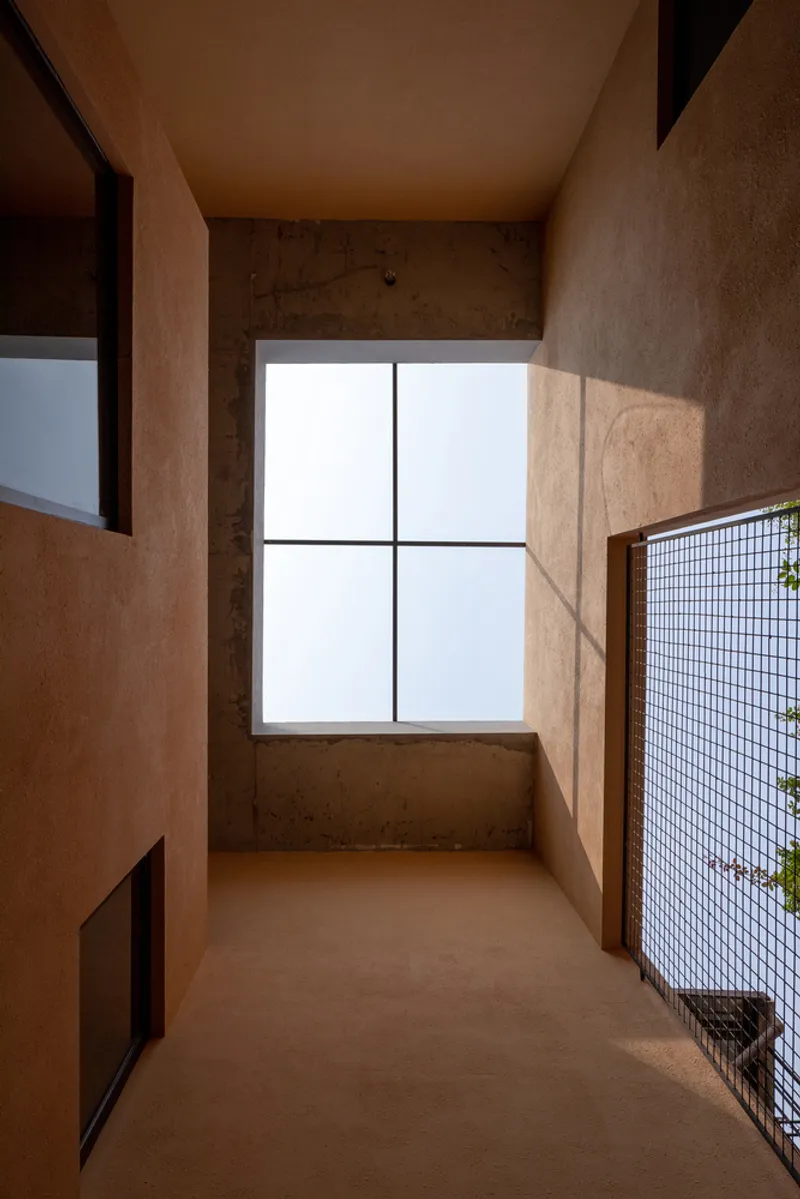
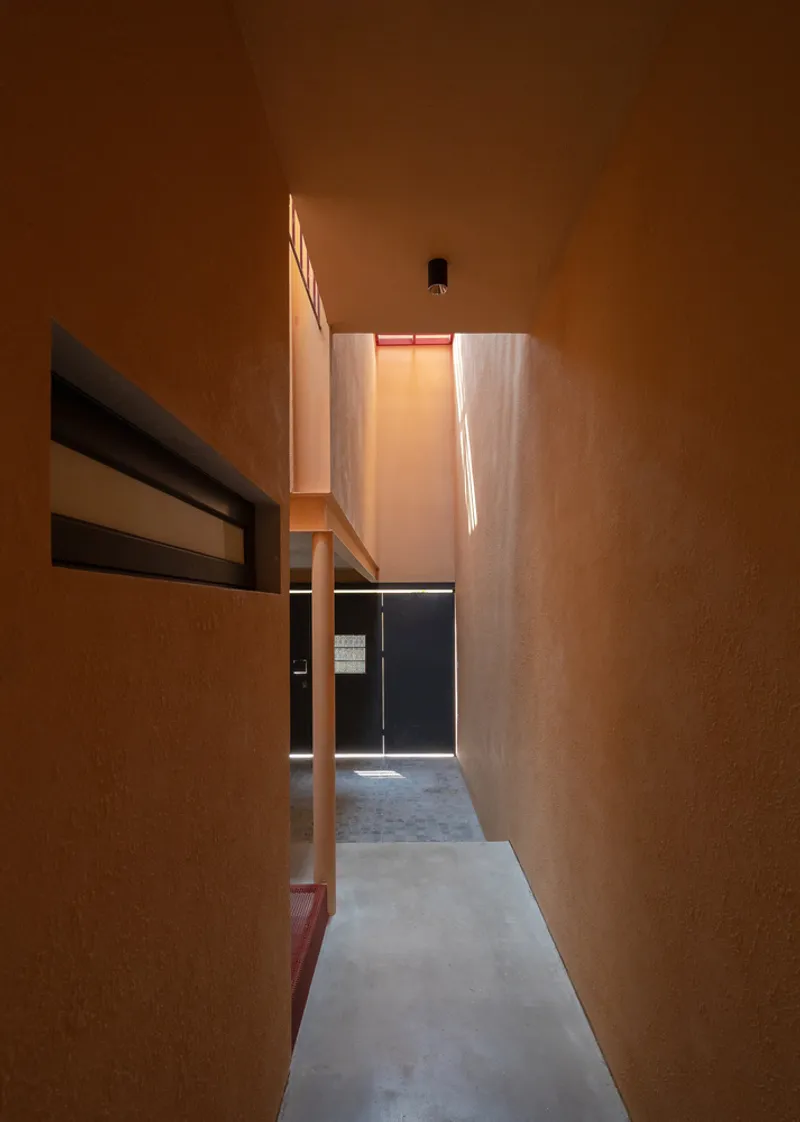
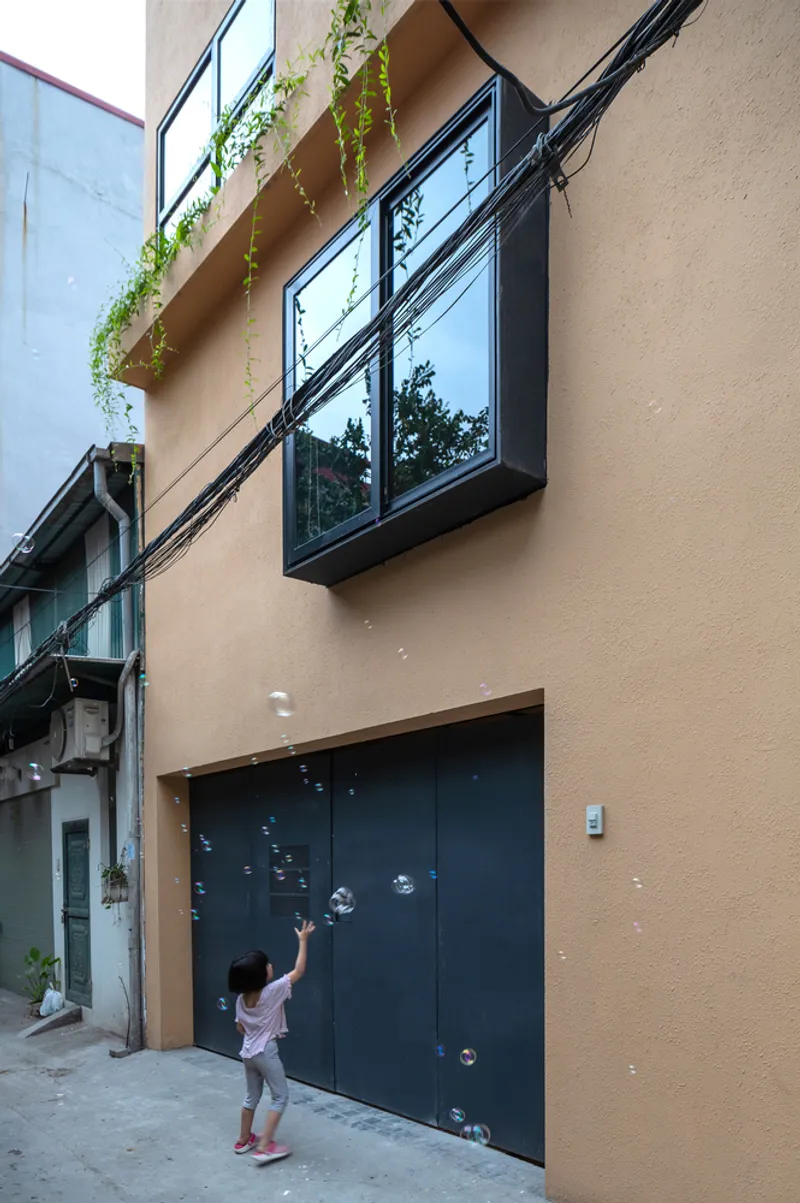
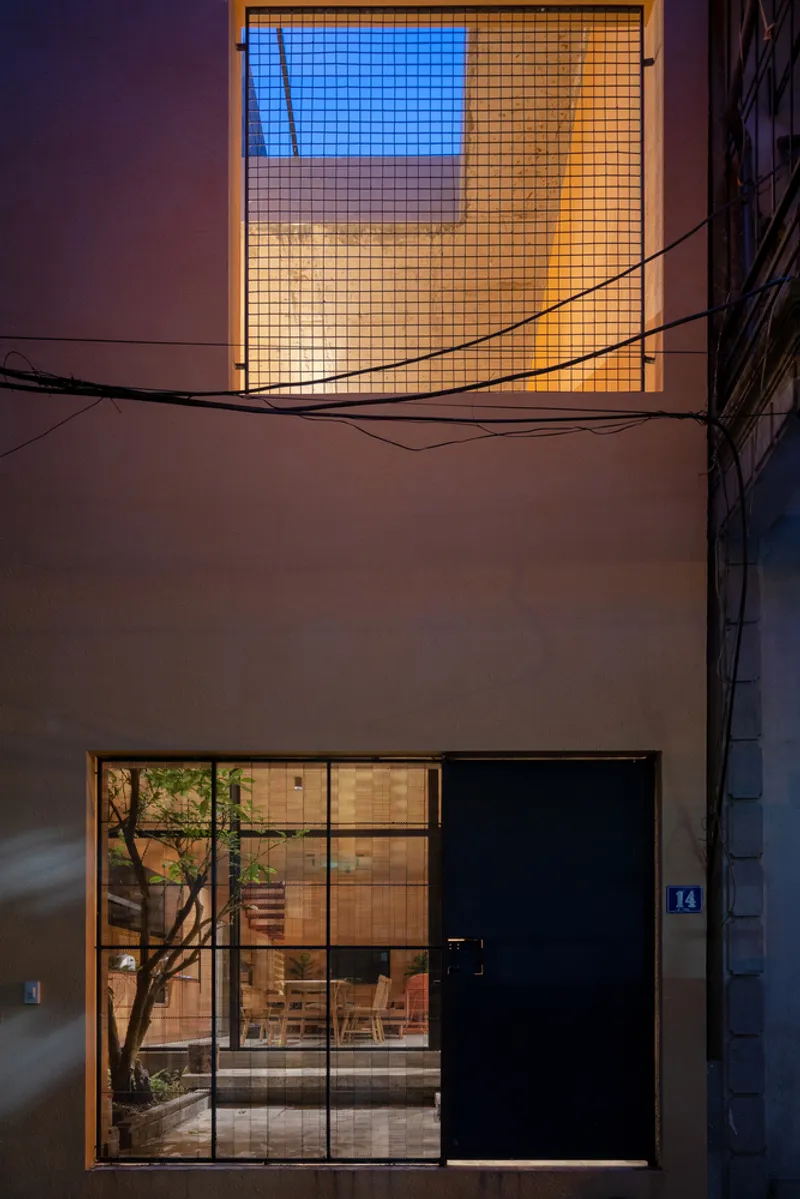
The house features minimalist aesthetics with clean lines and an uncluttered look that is both modern and timeless. The use of natural materials and subtle color palettes highlights the minimalist theme, enhancing the sense of space and light.
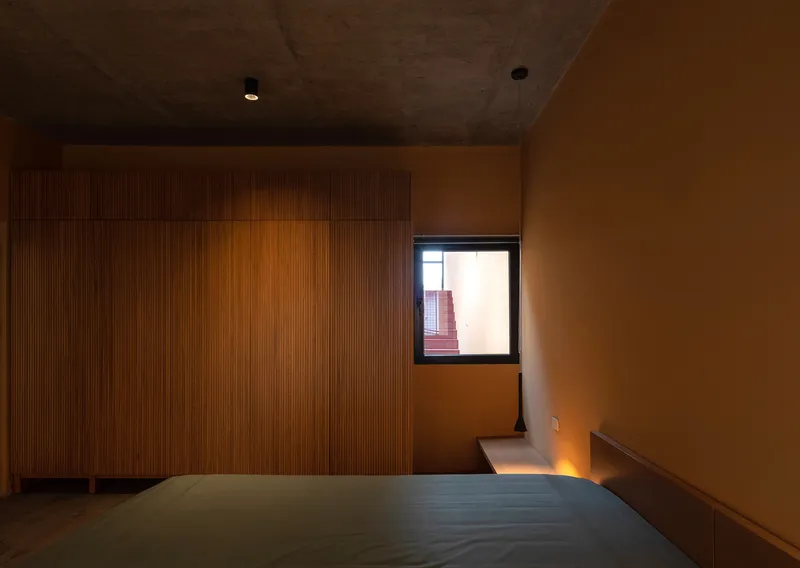
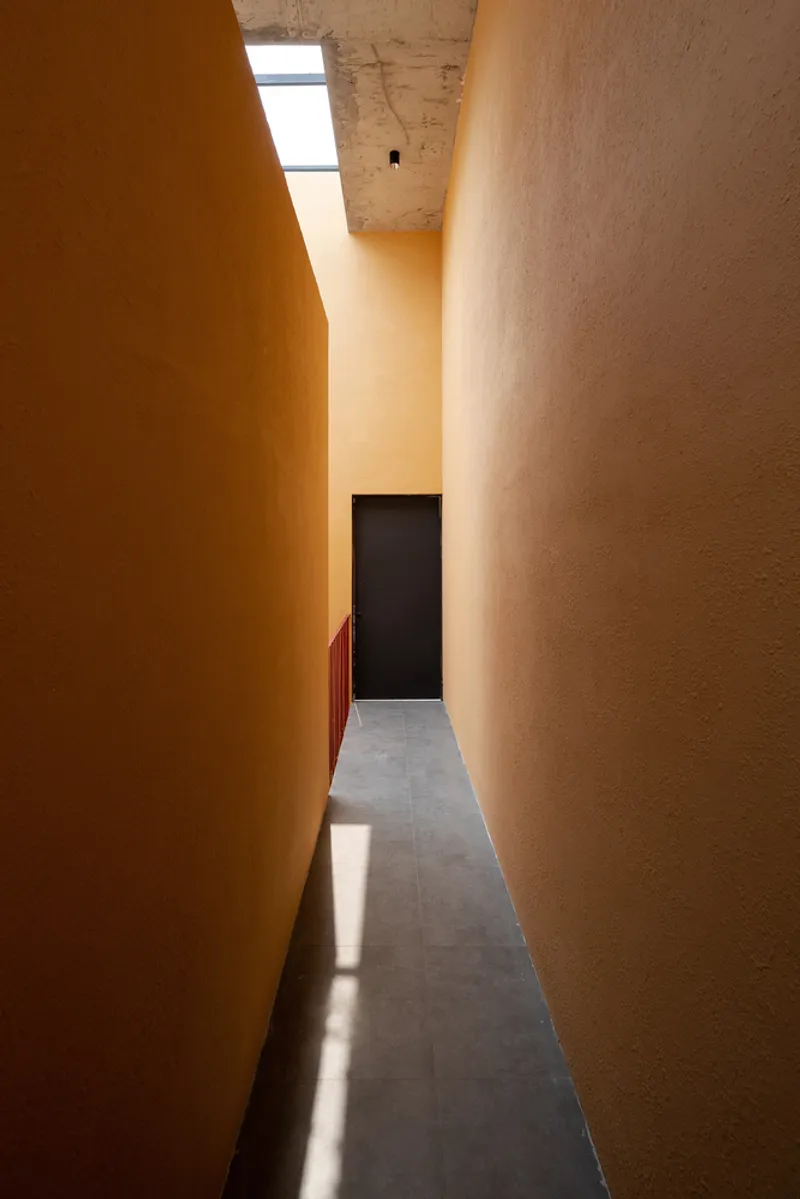
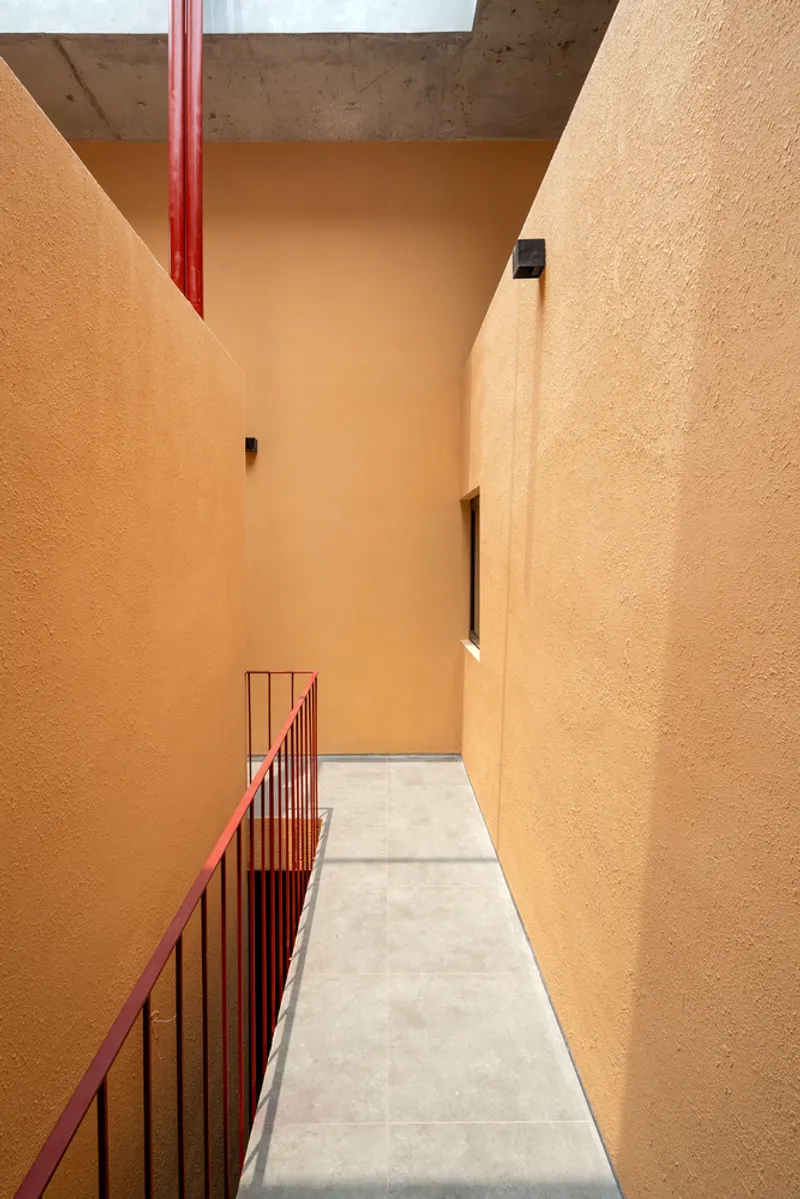
Functional Spaces
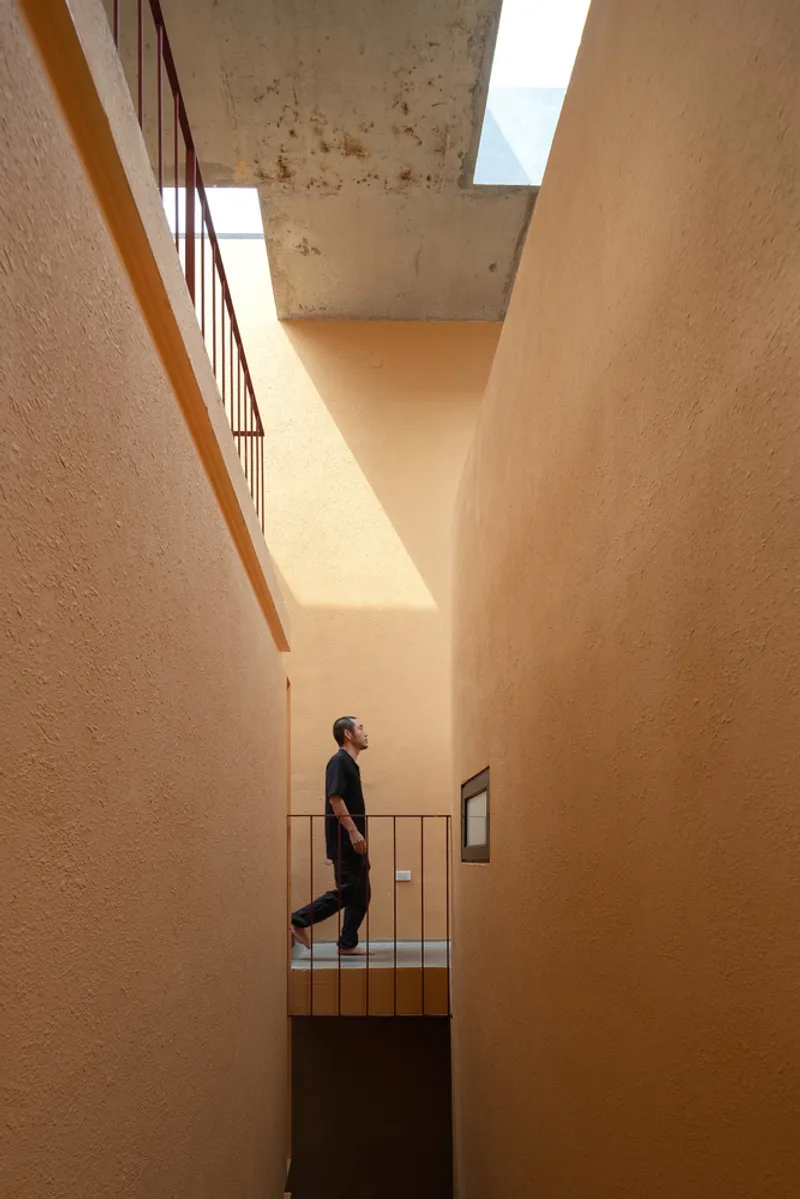
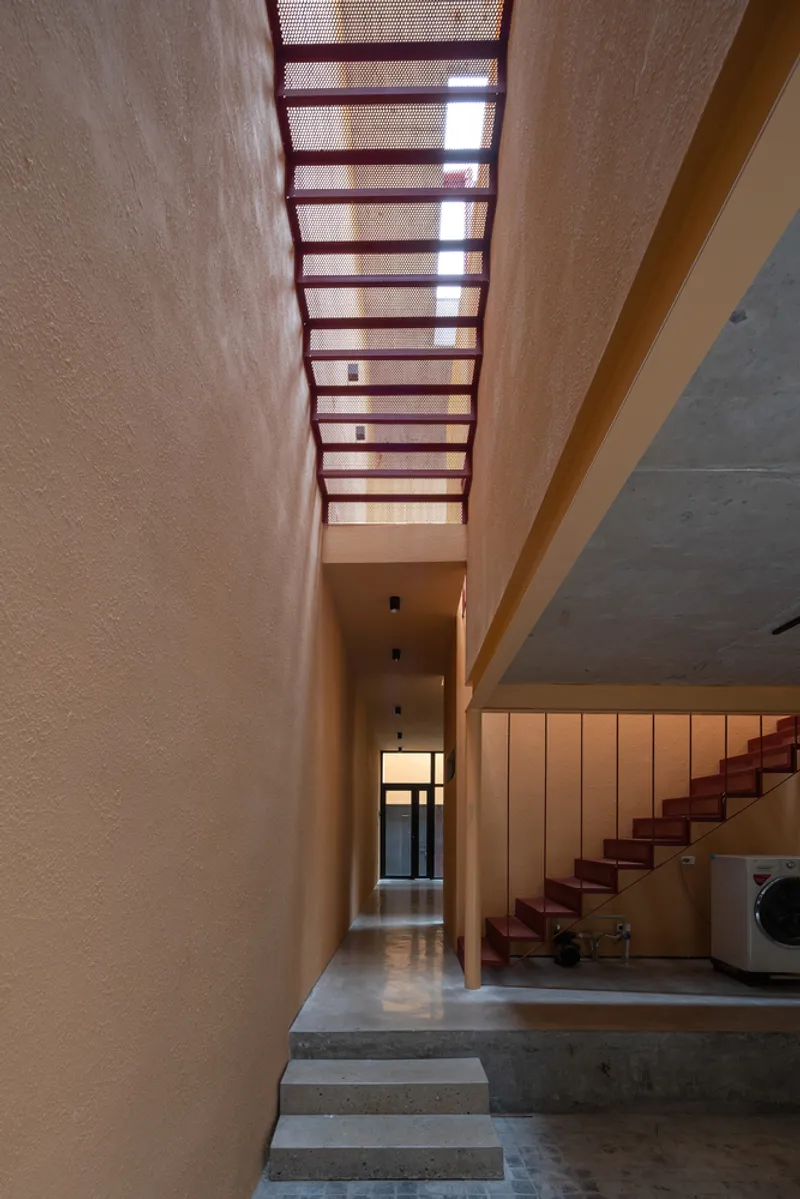
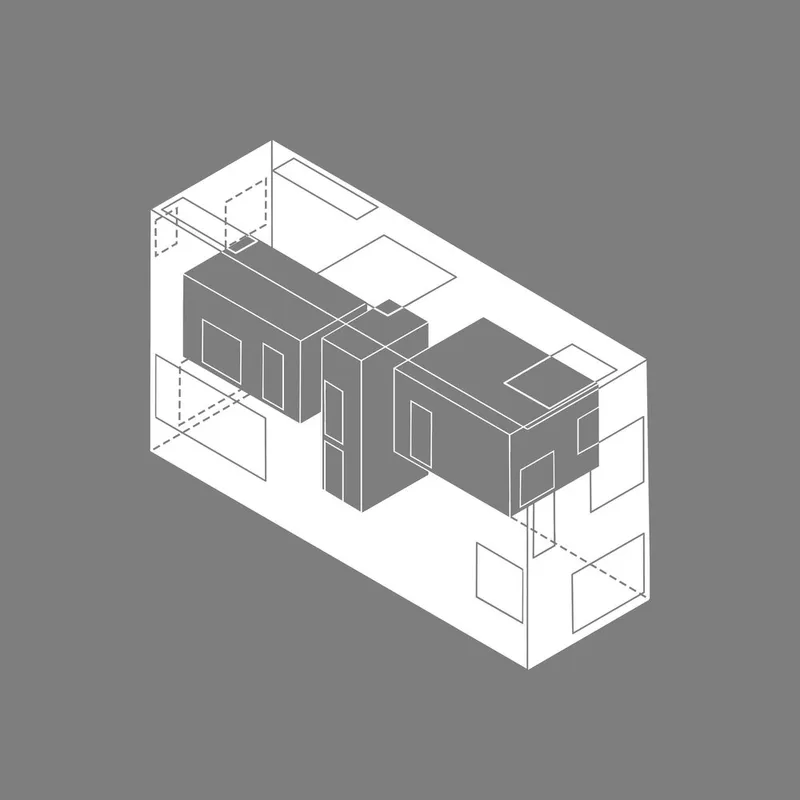
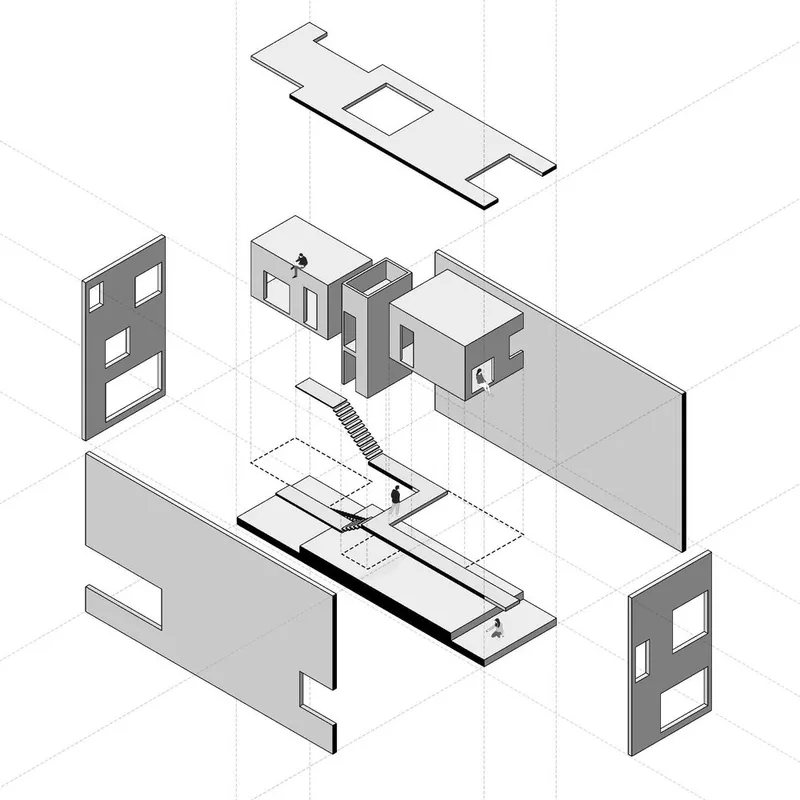
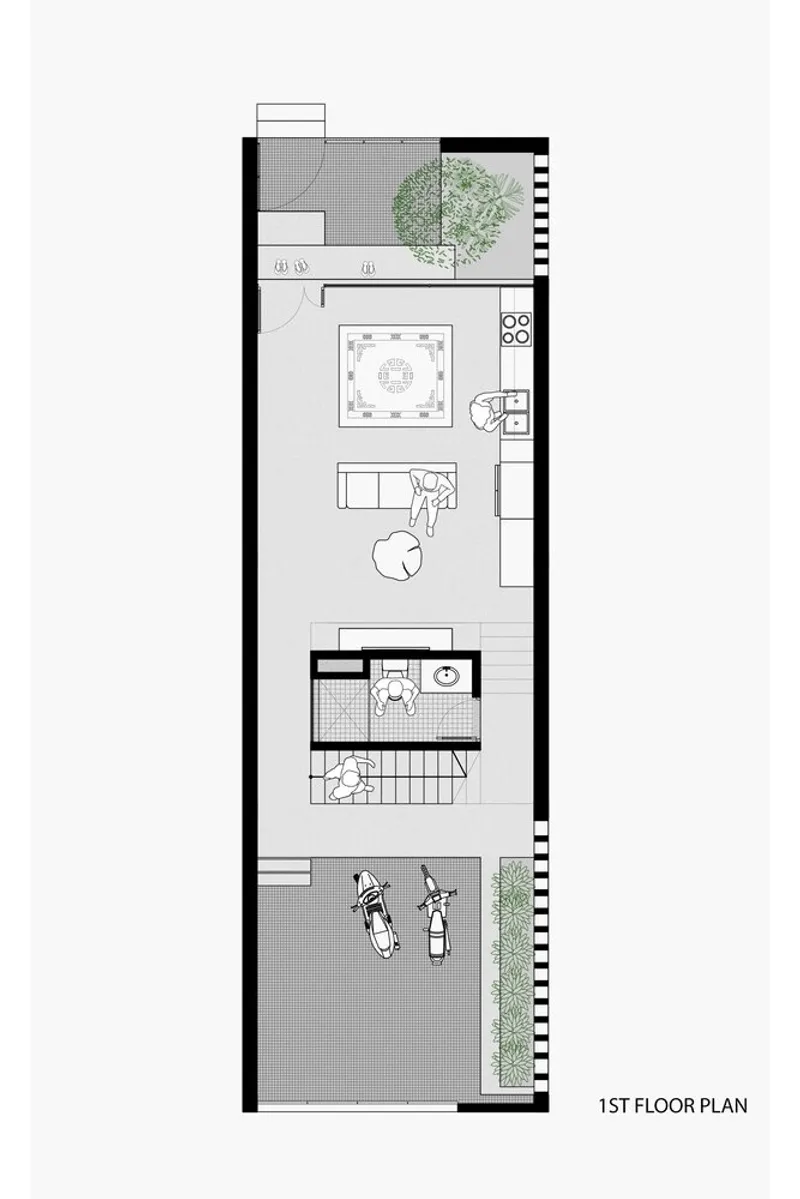
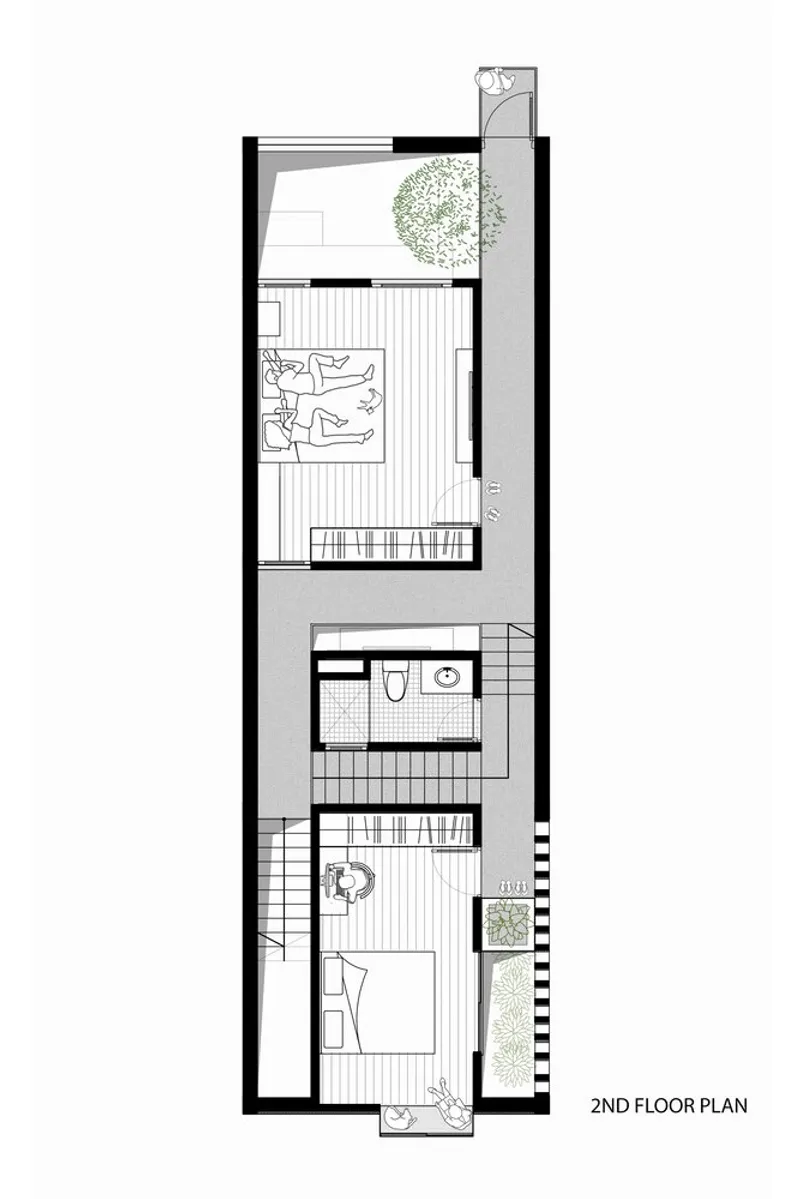
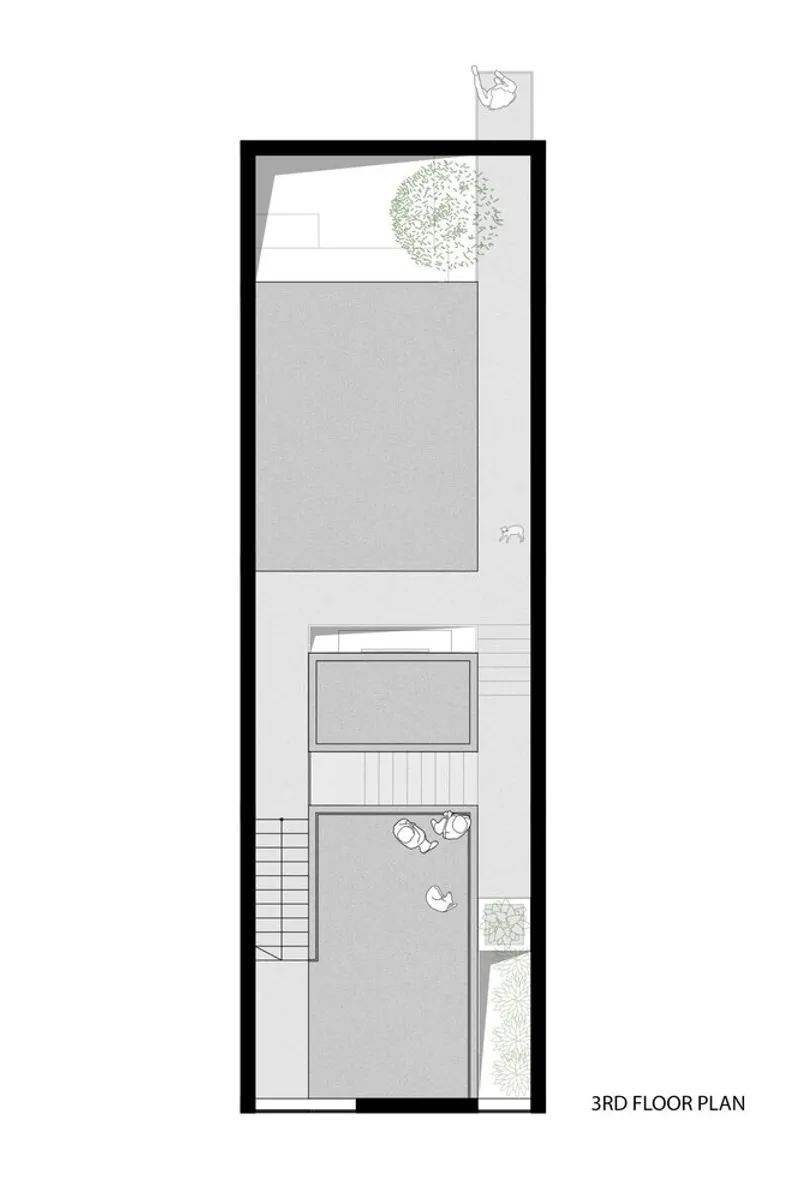
The layout of Trau Quy House is intelligently designed to support a functional and comfortable lifestyle. Each area is optimized for usability while maintaining a connection with the external environment, promoting a seamless indoor-outdoor living experience.
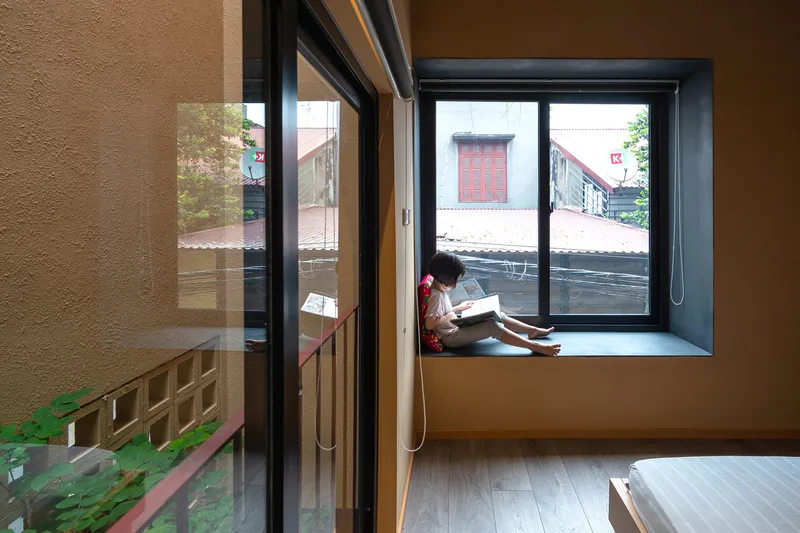
Integration with Nature
Light and Shadow
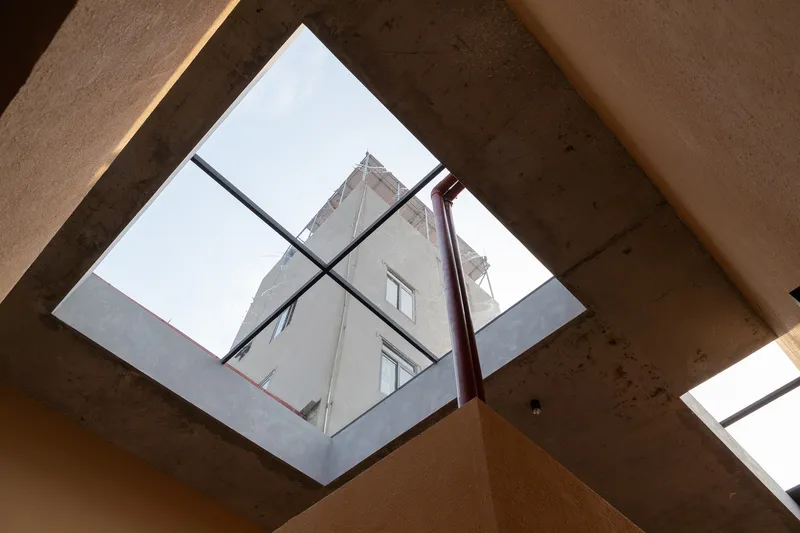
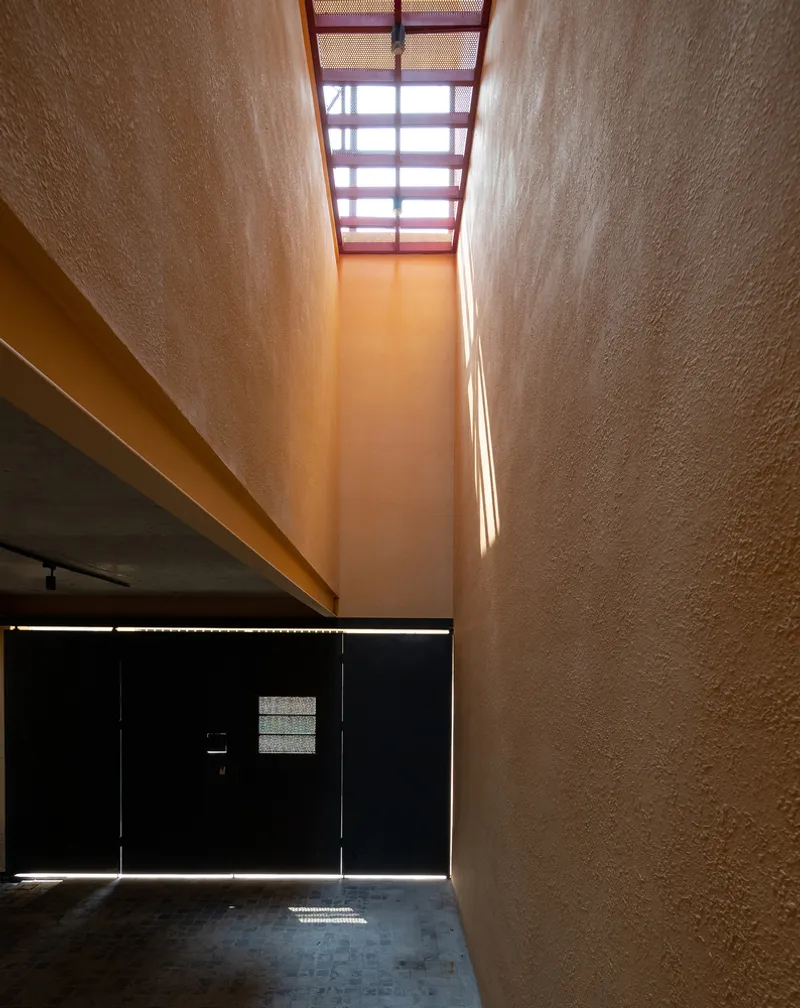
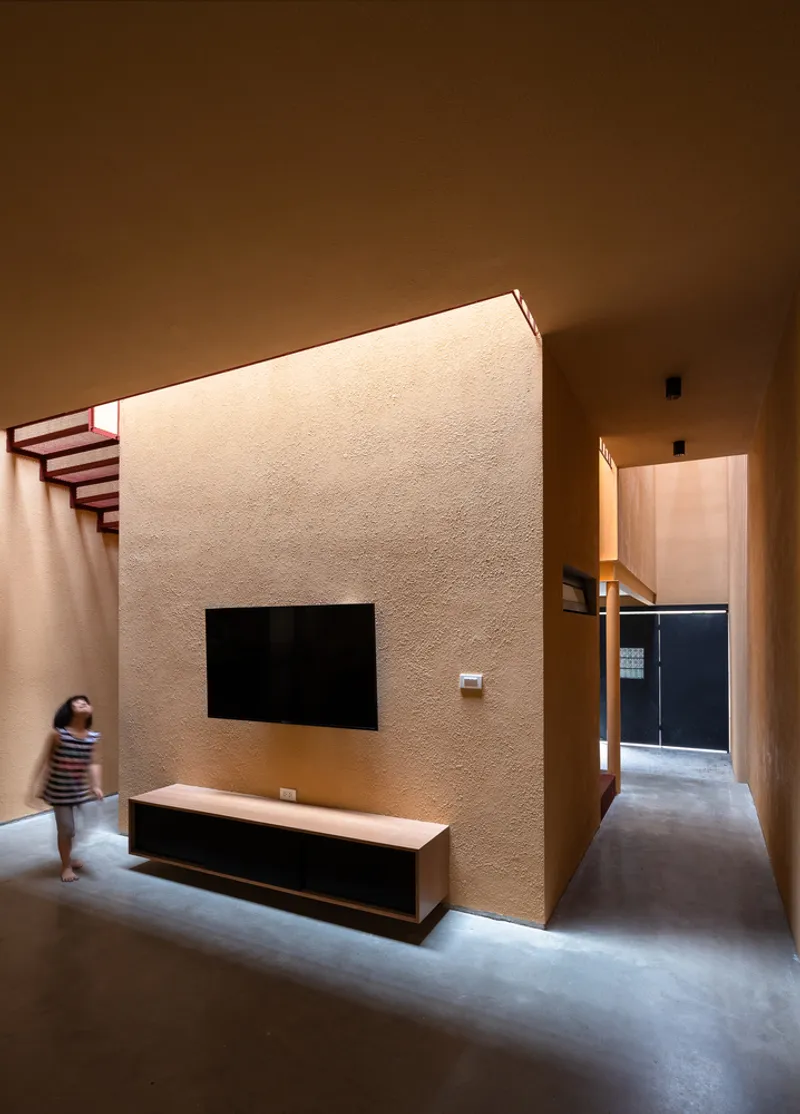
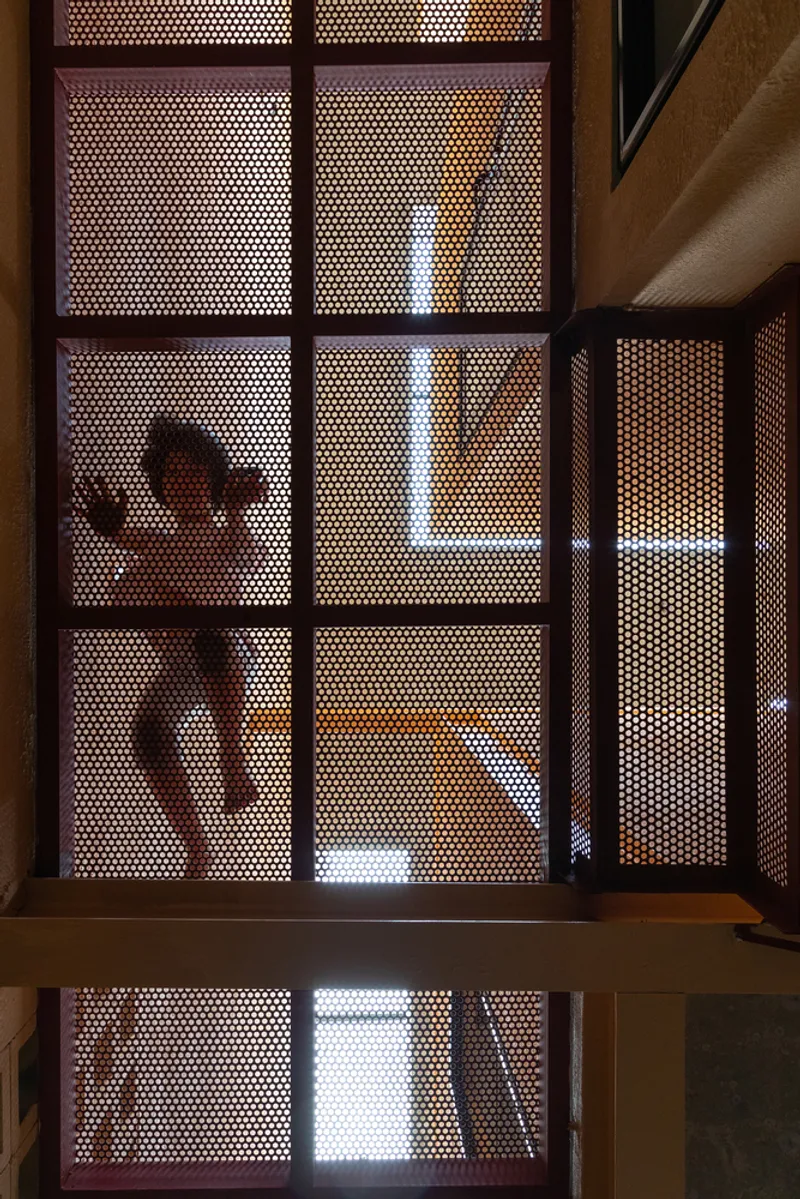
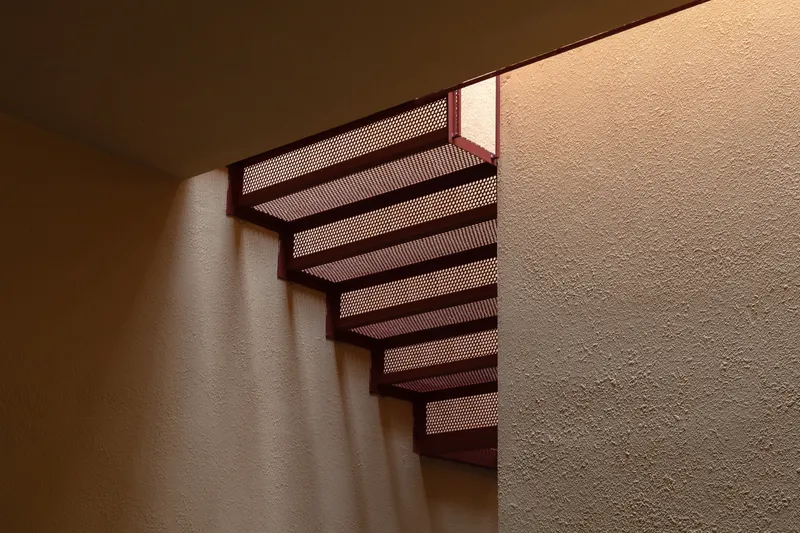
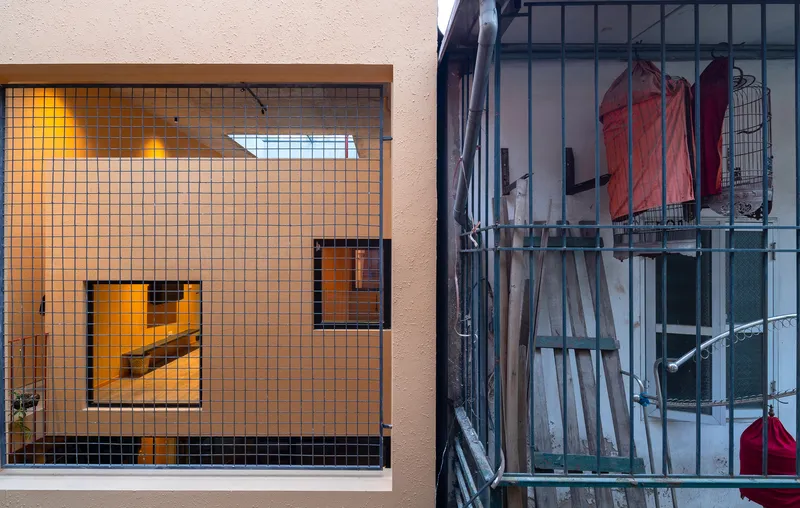
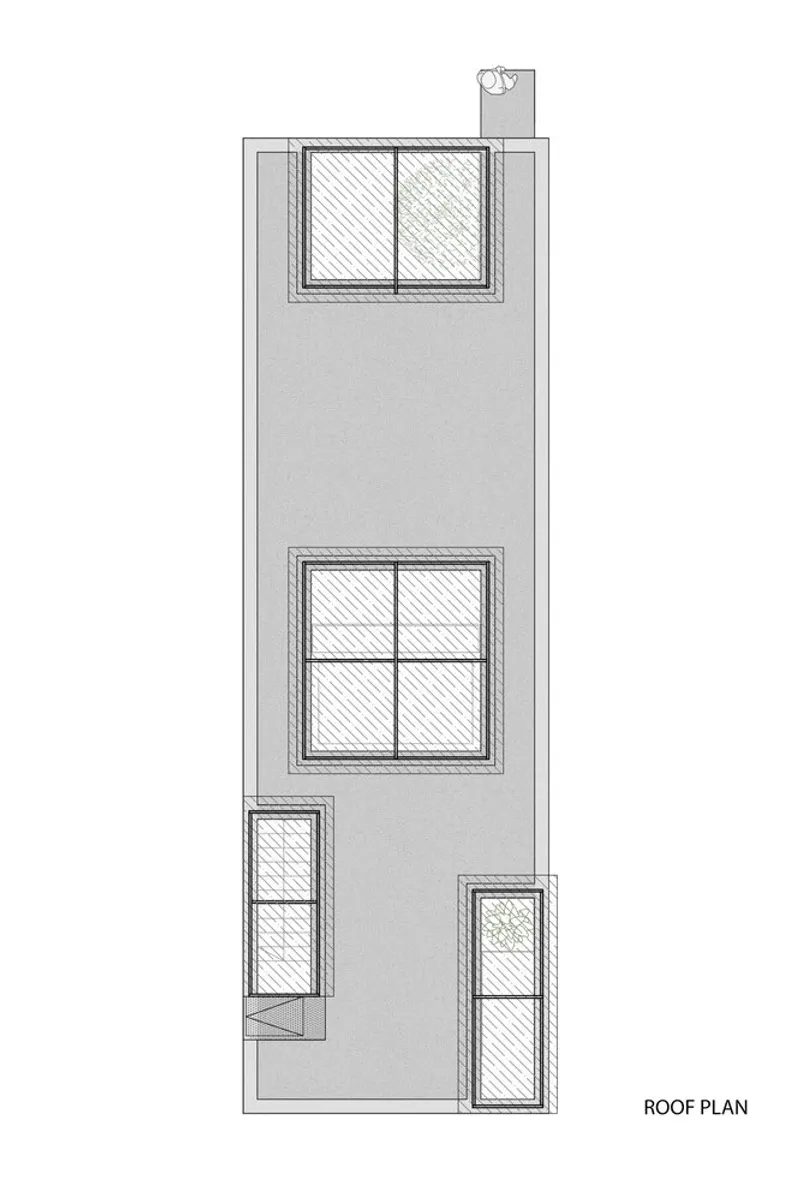
A distinctive aspect of the house is its mastery of light and shadow, using large windows and strategically placed openings to filter daylight throughout the home, creating dynamic patterns and a tranquil ambiance.

Outdoor Connections
The design extends living spaces to the outside, incorporating gardens and terraces that allow residents to engage directly with the natural surroundings, fostering a peaceful retreat from urban life.
Sustainable Design Practices
Energy Efficiency
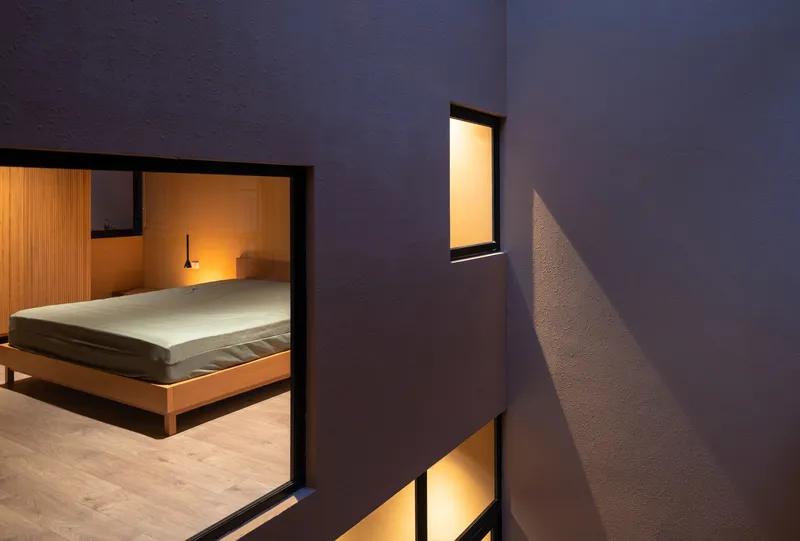
Trau Quy House incorporates energy-efficient design principles, including natural ventilation, which reduces the need for artificial cooling and heating, thereby minimizing the home’s environmental footprint.
Use of Local Materials
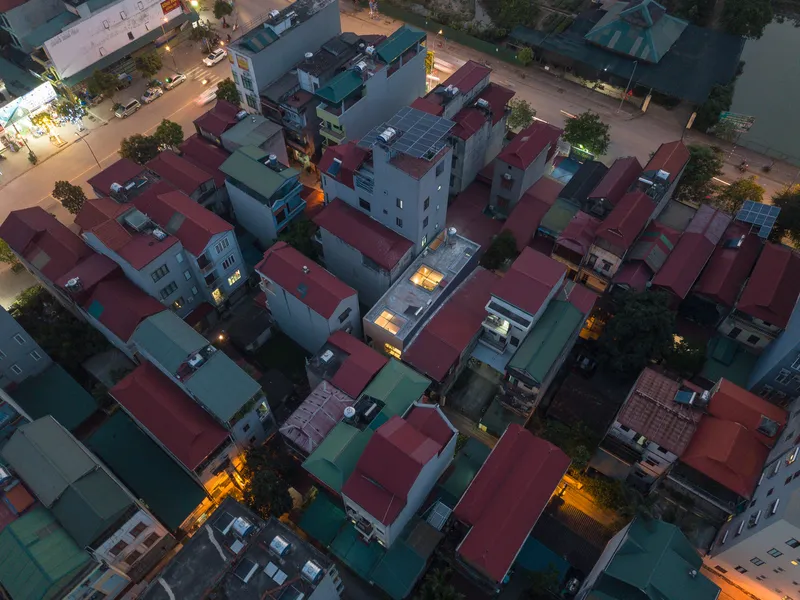
Emphasizing sustainability, the house utilizes locally sourced materials that reduce transportation emissions and support the local economy, aligning with the principles of ecological responsibility.
Personalization and Adaptability
Flexible Design Elements
The architects of Trau Quy House designed the spaces to be adaptable, allowing the residents to personalize their living environment according to changing needs and preferences, making the home truly their own.
Long-term Engagement
The design philosophy extends beyond the initial construction, encouraging ongoing adaptation and personalization that reflects the evolving lifestyles of its inhabitants, ensuring the home remains functional and relevant over time.
The Future of Residential Architecture in Vietnam
Trau Quy House is more than just a residence; it is a testament to the possibilities of modern minimalist design in harmonizing aesthetics, functionality, and environmental stewardship. As Vietnamese architecture continues to evolve, projects like Trau Quy House will lead the way in demonstrating that minimalism and sustainability can coexist beautifully and effectively.
All photographs are work of Trieu Chien


Popular Articles
Popular articles from the community


Co-Life: Senior Housing Design That Reconnects Older Adults With the City
Co-Life reimagines senior housing design through healing gardens, shared streets, workshops, and a sustainable community across generations.

Hill & Cross Opera: Sculptural Opera House Architecture Shaped by Tallinn’s Landscape and Identity
Hill & Cross Opera reimagines opera house architecture in Tallinn through its sculptural hill, civic plaza, glass wave and a luminous cross.

The Musturak Paradise: Senior Living Architecture for a Connected Future in Temara, Morocco
The Musturak Paradise reimagines senior living architecture in Temara via private homes, social spaces, culture, community, and shared care.

Lunar Spiral: Space Architecture Shaped by the Mathematics of the Universe
Lunar Spiral reimagines space architecture through Fibonacci geometry, lunar regolith, levitating habitats, and self-sustaining Moon living.

Similar Reads
You might also enjoy these articles


Hodi-Mandai Geram
Project Function: Preservation and revitalization of the Intangible heritage and socio-spatial identity of the Hodi by Housing, Cultural Memory Center, Sacred Grove, landscape, local tourism economy


Olio Towers: A Mid-Rise for Performers That Fuses Housing, Rehearsal, and Stage
Located blocks from Houston's Theater District, this modular tower stacks living units around a central performance atrium.

Oasis: Modular Green Housing Carved into Dhaka's Urban Fabric
A shortlisted Plugin Housing entry reclaims unauthorized settlements in Dhaka with stepped concrete volumes, green roofs, and ventilation-driven design.

Black Hole: A Floating Megastructure for the Post-Physical Era
Emiliano Mazzarotto envisions a spherical, self-scaling arena where e-sports, digital hotels, and holographic stadiums replace traditional public space.

Explore Architecture Competitions
Discover active competitions in this discipline

Challenge to design mud housing for contemporary communities

Challenge to reimagine the Iron Throne

Photograph architecture without architects

Illustrate the lost glory of Angkor Wat - Render Challenge
Comments (0)
Please login or sign up to add comments
No comments yet. Be the first to comment!