
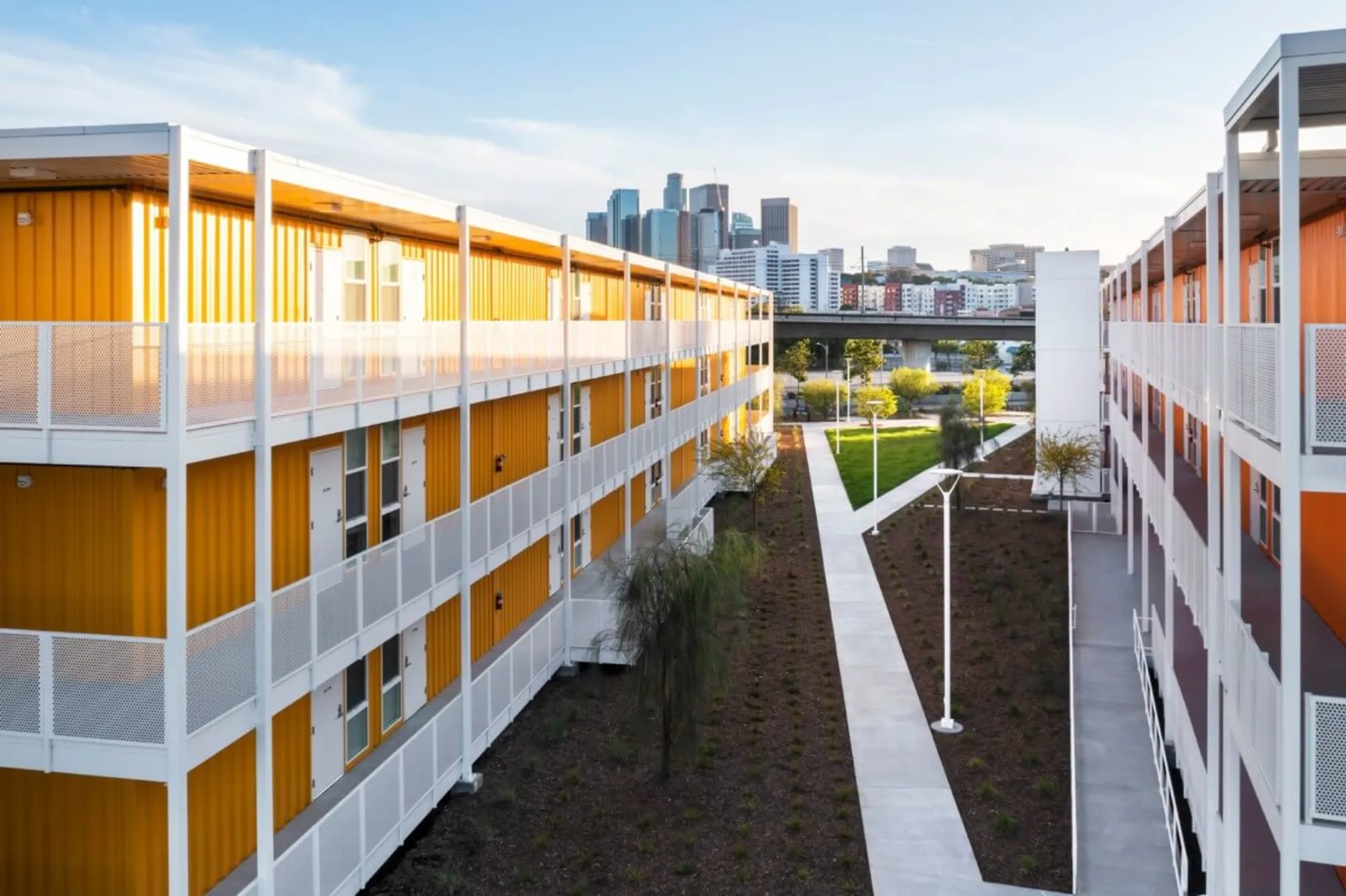
Hilda L. Solis Care First: a village by NAC Architecture in Los Angeles, for those who need it the most.
The project is a supportive housing development that provides temporary homes for adults who are experiencing homelessness.
The project was completed remarkably fast,” says Michael Pinto, AIA. The principal at the Los Angeles office of NAC Architecture is speaking of his firm’s Hilda L. Solis Care First Village project completed in 2021 in LA’s famous Chinatown neighbourhood. In 2019, Pinto and his team were tasked by Los Angeles County with creating an interim, 232-bed residential complex with on-site supportive care for Angelenos transitioning from being unhoused. This would be done in just six months, during the height of the COVID-19 outbreak - making it a daunting challenge. They would have to create a project aimed at a uniquely vulnerable community, which required extra care and attention. Plus, the tight timeline meant they had to work quickly and efficiently. Thankfully, they were up to the task and successfully delivered the project on time.
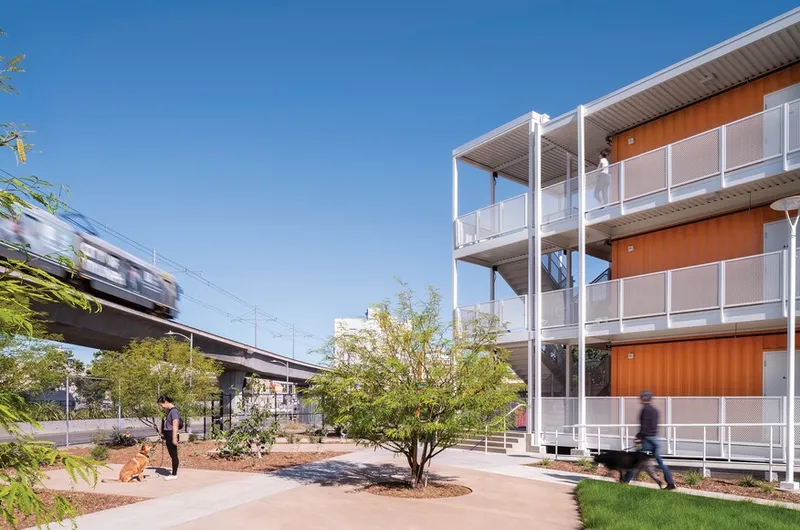
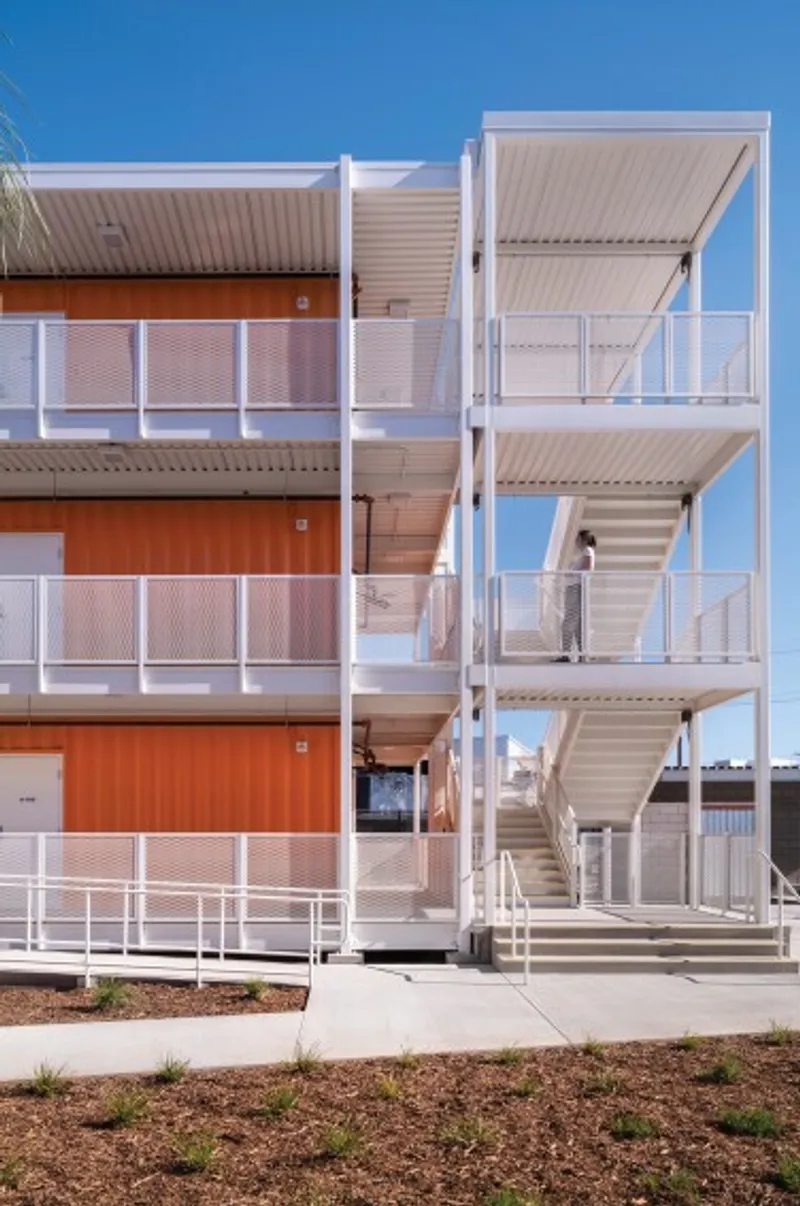
The pandemic has forced us to change the way we live and work - and that includes how we design our living and working spaces. “Ordinarily this would have been on a dormitory model,” says Pinto. “But because of COVID, we have had to design independent units with separate air control and restrooms.” With that as a starting point, the designers were able to conceptualize the project as a series of modestly sized apartment blocks formed into a familial cluster—leading to their key decision, one with significant implications for the project’s fast rollout. Designing living spaces that are smaller and more independent will allow us to adapt to the new normal of living with COVID-19. “We decided to go with a modular solution,” says Pinto, With 132 of the sleeping units located in two permanent, three-story residential buildings, and the remaining 100 located in temporary mobile trailers, the architects relied on modular typologies to reduce production and assembly time to meet their deadline early. Crate Modular shipping crates, conventional prefabricated units from Palomar, and trailers from Guerdon were all installed by Vesta Modular.
Pinto has laid out the different modular typologies in staggered rows on the wedge-shaped site, with a separate structure housing administrative functions and shared services on one side. Between the volumes, landscaped corridors provide communal outdoor space of a kind not often seen in such projects, including areas for al fresco dining and even a dog run. As Pinto notes, "One of the barriers to helping people experiencing homelessness is that a lot of them have pets." The dog run helps to address this issue. “allows us to address a population that is often harder to serve.”
The prefab construction method had obvious advantages when trying to build the project quickly to address the homelessness problem in LA - but as Pinto sees it, the all-in-one dwelling units that the modular approach made possible also provide a longer-term benefit to residents. “There’s a level of autonomy there, with your own front door, your own thermostat,” he says. “It makes it a more tangible solution.”
References (2)


Popular Articles
Popular articles from the community


The Ocean Hive: Sustainable Architecture for a Self-Sufficient Civilization at Sea
The Ocean Hive imagines sustainable architecture at sea, where modular habitats, algae, wave power and ocean waste sustain a growing colony.

Hill & Cross Opera: Sculptural Opera House Architecture Shaped by Tallinn’s Landscape and Identity
Hill & Cross Opera reimagines opera house architecture in Tallinn through its sculptural hill, civic plaza, glass wave and a luminous cross.

Co-Life: Senior Housing Design That Reconnects Older Adults With the City
Co-Life reimagines senior housing design through healing gardens, shared streets, workshops, and a sustainable community across generations.

Lunar Spiral: Space Architecture Shaped by the Mathematics of the Universe
Lunar Spiral reimagines space architecture through Fibonacci geometry, lunar regolith, levitating habitats, and self-sustaining Moon living.

Similar Reads
You might also enjoy these articles
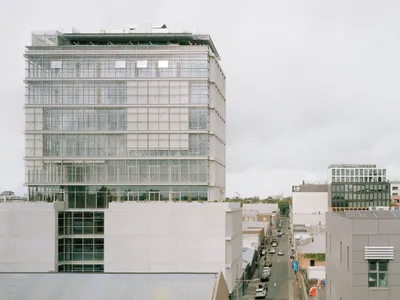
116 Rokeby Building, Collingwood
Sustainable Collingwood office building featuring double-skin façade, natural ventilation, rooftop amenities, and carbon-neutral design focused on wellbeing and longevity.
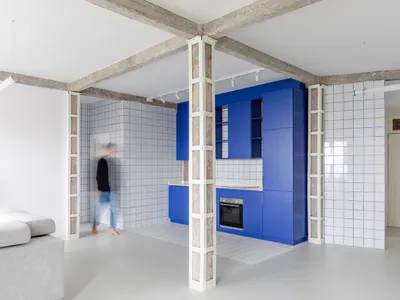
Contemporary Apartment Renovation in Spain: RV House by BIAN Opens Up to the Sea
A minimalist 1930s apartment in Santander is transformed into a flexible, sea-facing home through contemporary Spanish renovation.
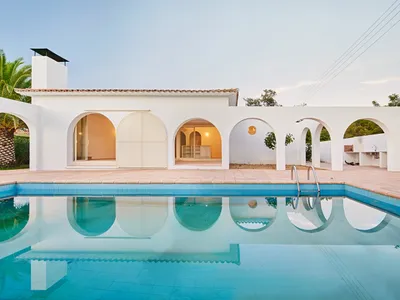
3 Marías House: A Contemporary Mediterranean Courtyard Retreat by Bajet Giramé + Burckhardt
Mediterranean courtyard home blending traditional architecture with modern design, terracotta flooring, flexible interiors, sustainable climate strategies, and garden integration.
NZ10 Apartment by auba studio: Adaptive Reuse in Palma de Mallorca
Adaptive reuse apartment transforms bakery into light-filled home with patios, privacy layers, and wood interiors enhancing urban living experience.
Explore Community Housing Competitions
Discover active competitions in this discipline




Challenge to reimagine the Iron Throne


Photograph architecture without architects


Illustrate the lost glory of Angkor Wat - Render Challenge


Design challenge to reuse E-waste
Comments (0)
Please login or sign up to add comments
No comments yet. Be the first to comment!