
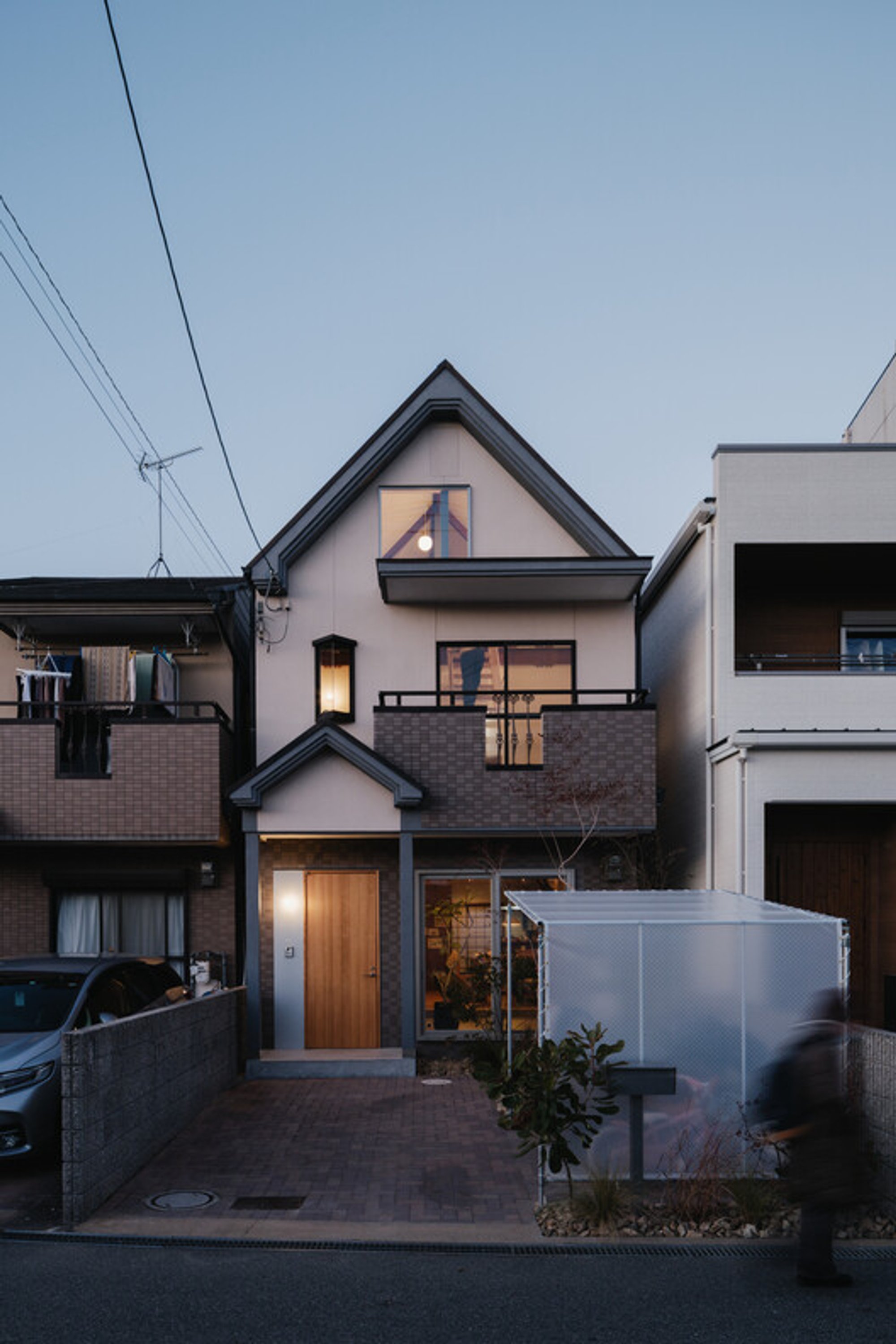
House in Hattori-tenjin: An Emblem of Innovative House Renovation
Exploring the "House in Hattori-tenjin," a testament to innovative house renovation and spatial fluidity in Japan.

In the heart of Toyonaka, Japan, stands a testament to architectural ingenuity and the essence of innovative house renovation. Akio Isshiki Architects' renovation of the "House in Hattori-tenjin" transcends traditional architectural norms, presenting a space that is both a sanctuary and a canvas for the imagination. This article delves into the renovation project, exploring how it redefines the concept of living space and sets new benchmarks for residential design.
The Genesis of a Vision
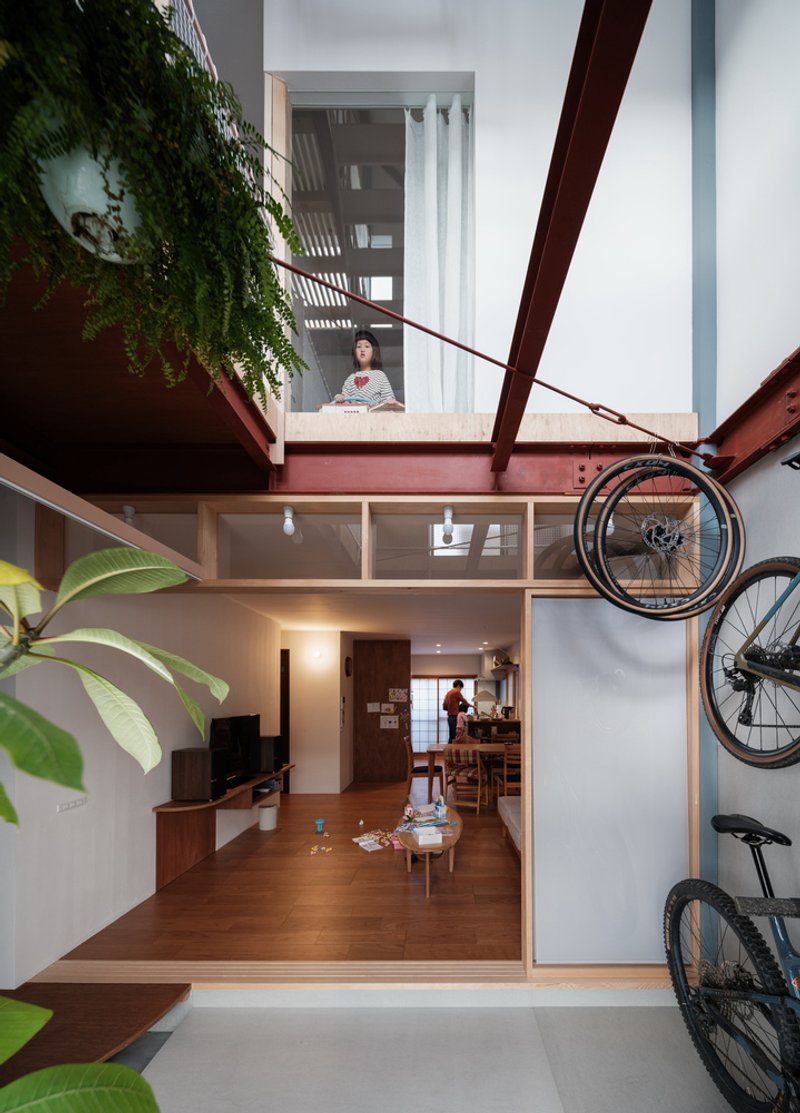
The project's inception was inspired by a simple yet profound observation: the imaginative play of children, who see space not as confined compartments but as limitless possibilities. This observation led to the conceptual foundation of the renovation—transforming a 30-year-old ready-built house into a dynamic living environment that reflects the fluidity of family life and the boundless creativity of its inhabitants.
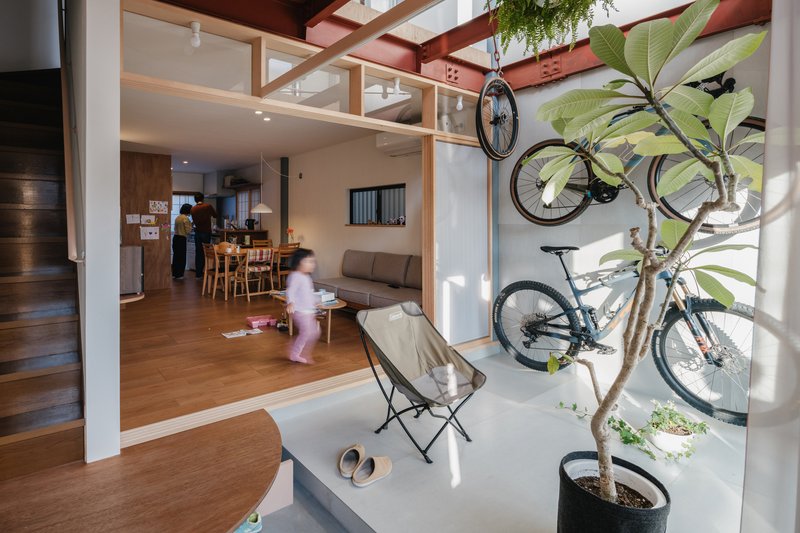
Breaking the Mold of Conventional Layouts
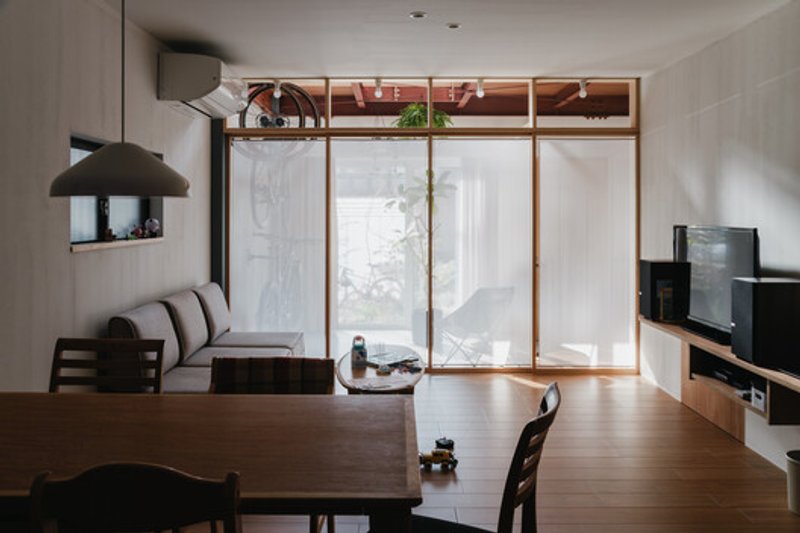
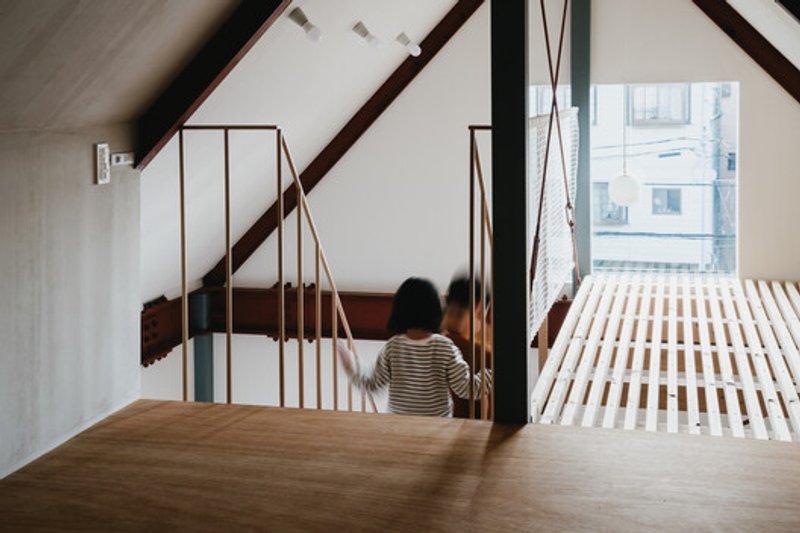
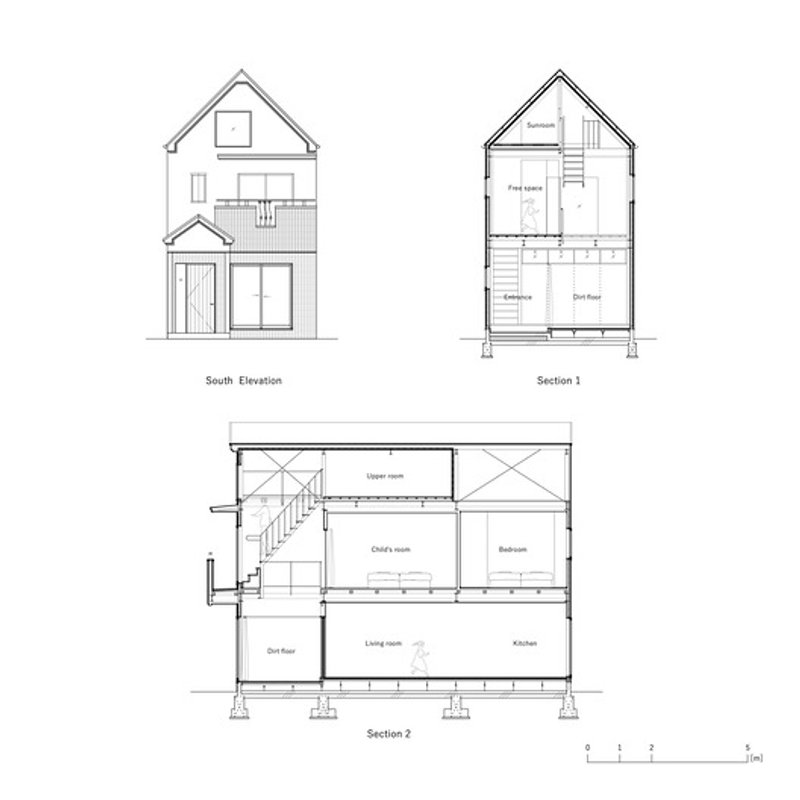
Traditionally, residential architecture has been dominated by static floor plans, where the function and form of spaces are rigidly defined. The "House in Hattori-tenjin" challenges this paradigm by introducing a 'blank space' that penetrates three levels of the home. This innovative architectural move not only enhances spatial quality but also fosters a versatile environment that adapts to the evolving needs of the family.
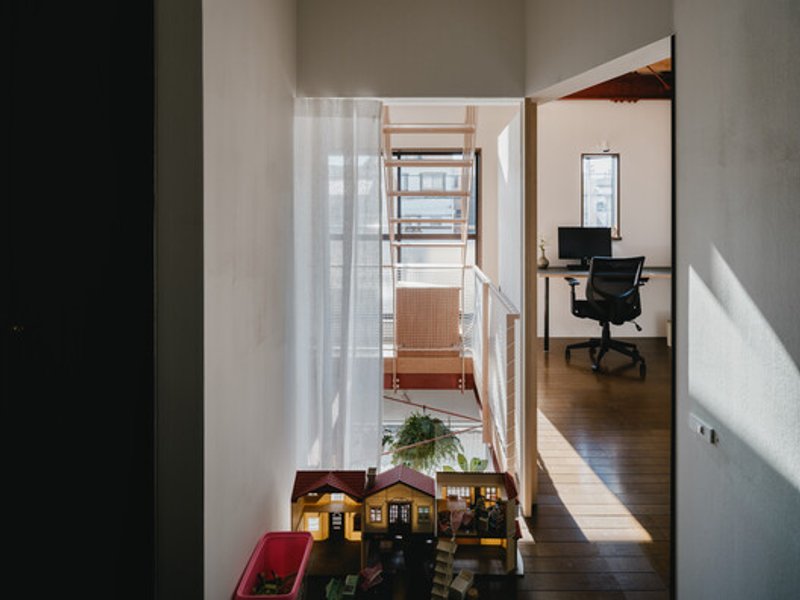
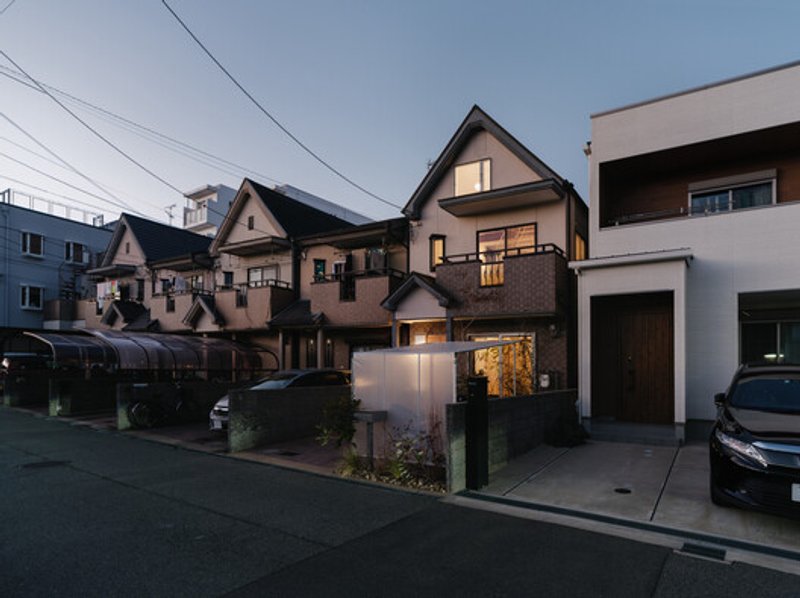
The Atrium: A Core of Light and Life
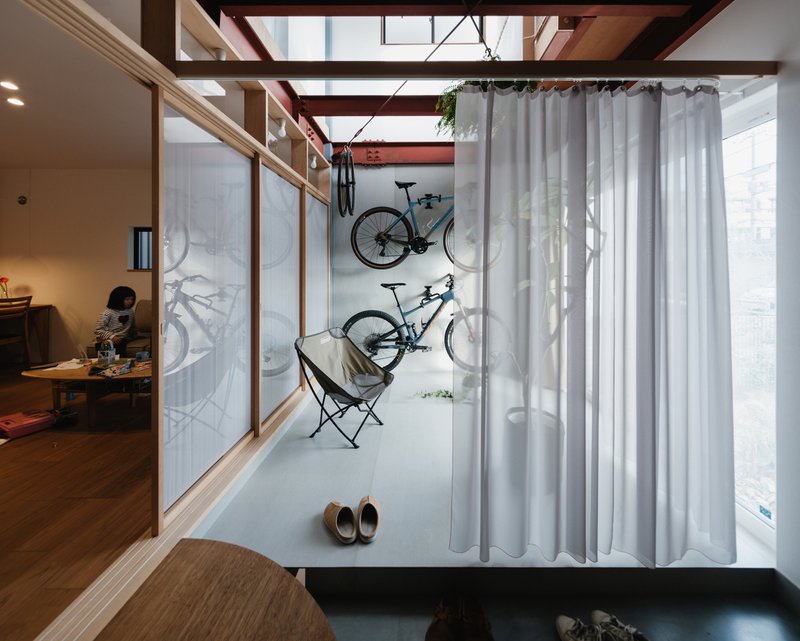
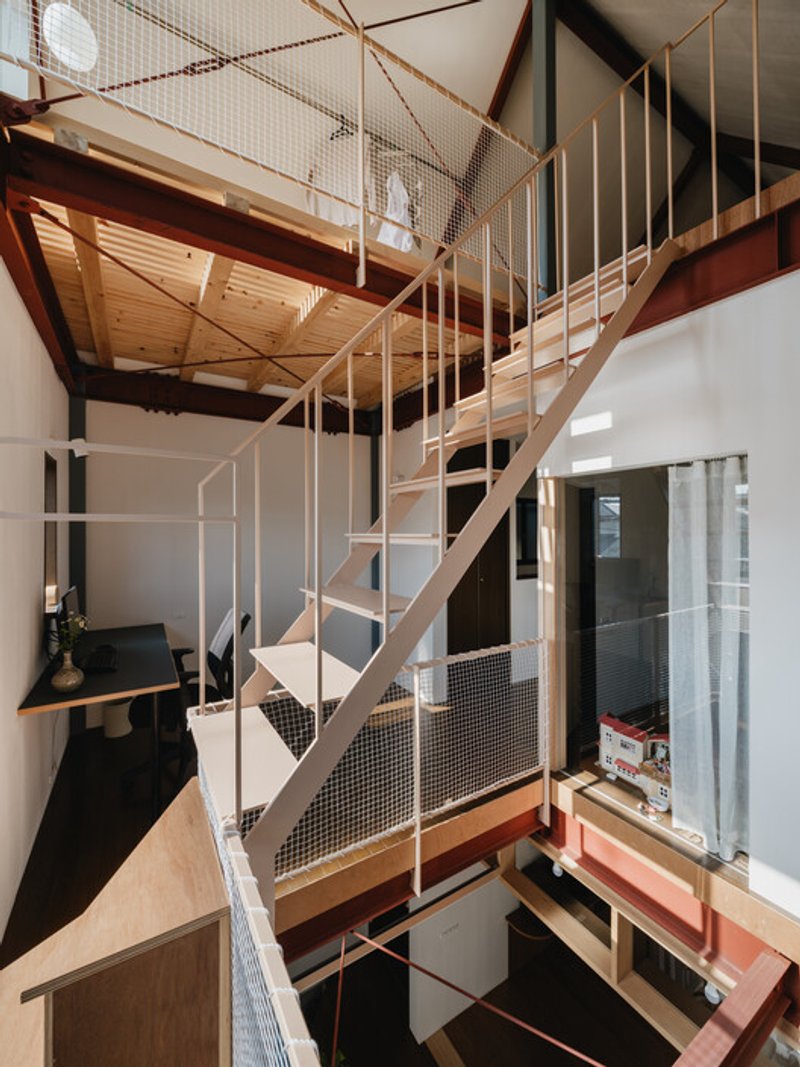
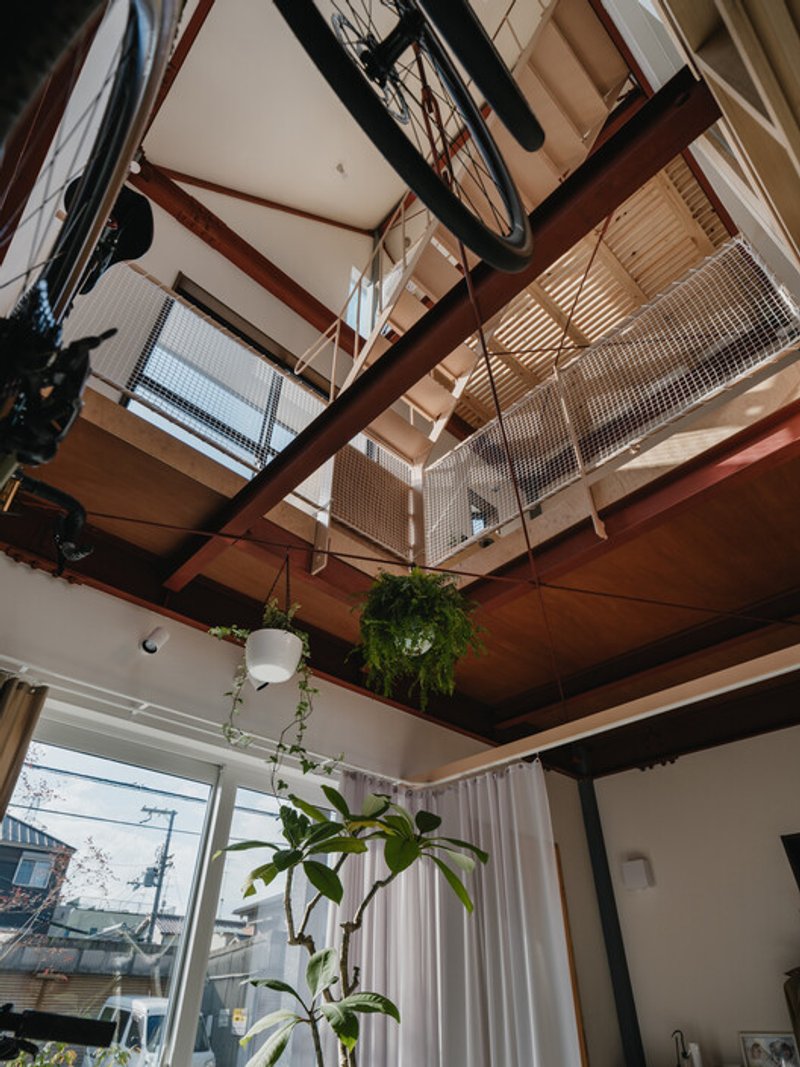
At the heart of the house lies the atrium, a vast 'blank space' that occupies about a third of the home's area. This central void serves as a conduit for light and air, with sunlight filtering through the foliage and steel lattices to create a tapestry of shadows and illumination. It's a space where the boundaries between inside and outside blur, inviting nature into the home and extending the living space beyond its physical confines.
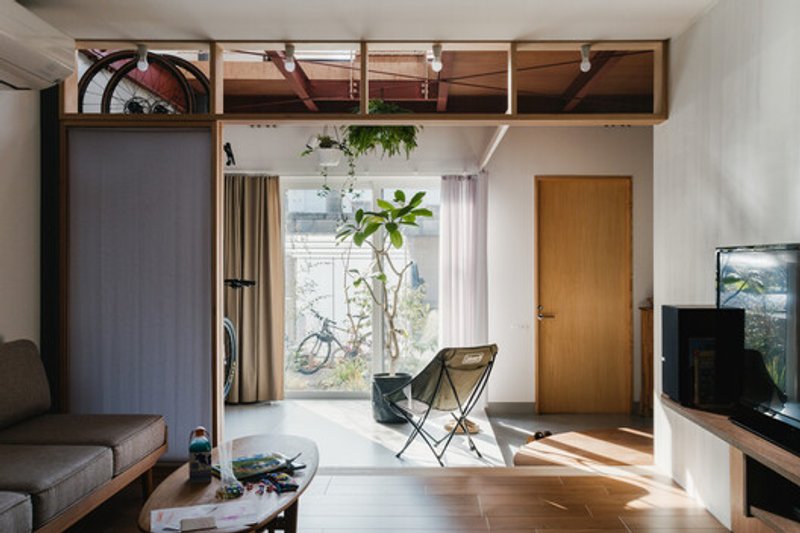
Spatial Fluidity and Ambiguous Boundaries
The renovation emphasizes spatial fluidity and the dissolution of rigid boundaries. Rooms and spaces flow into one another, separated by translucent materials like lace-covered shoji screens, curtains, and glass. This approach not only enhances the sense of openness but also allows the home to adapt to the daily rhythms and changing dynamics of family life.
Beyond the Elevation: Extending the Living Space Outward
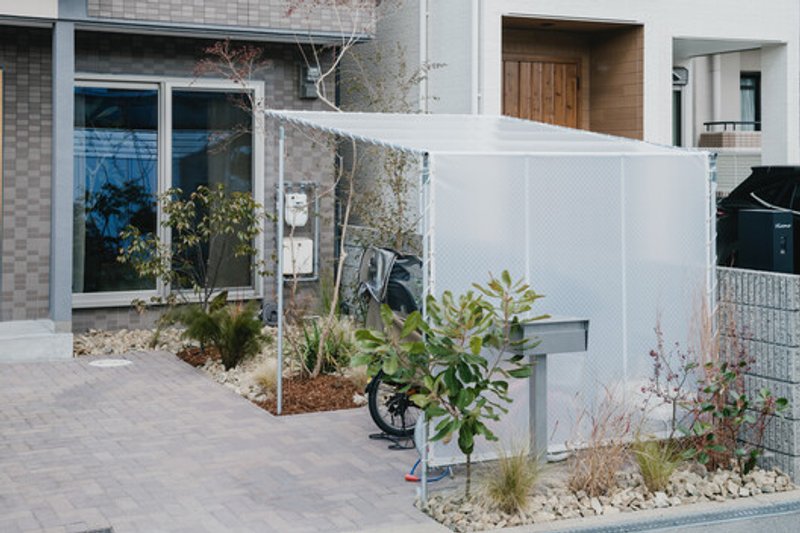
The innovation extends beyond the interior to the exterior space, which is thoughtfully integrated into the overall design. A bicycle parking area covered with translucent canvas and a small garden create a semi-enclosed outdoor area, further extending the living space and emphasizing the connection between the home and its surroundings.
A Blueprint for Future Living
The "House in Hattori-tenjin" is more than just a residential project; it's a blueprint for future living, showcasing how architecture can embrace flexibility, creativity, and a deep connection with the natural world. In doing so, it not only provides a habitat for its inhabitants but also enriches their daily experiences, proving that innovative house renovation can indeed transform a structure into a living, breathing entity that grows and evolves with its occupants.
All photographs are work of Yosuke Ohtake


Popular Articles
Popular articles from the community

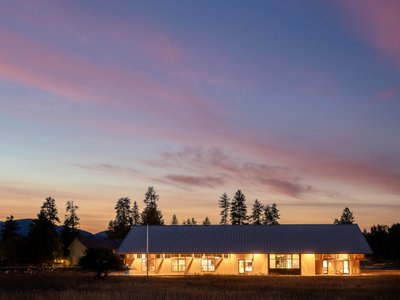
Johnston Architects Reimagines the Methow Valley Hay Barn as a Small-Town Library in Winthrop
A 7,300-square-foot timber library channels the region's agrarian vernacular to serve a rural Washington community of 400 year-round residents.
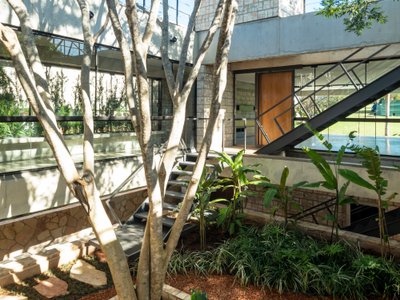
OMCM arquitectos Builds a Summer House in Paraguay from Quarry Waste Blocks and Three Sacred Trees
In the young hillside neighborhood of Altos, a 696-square-meter concrete volume hovers on six pillars around three preserved native Yvyraju trees.
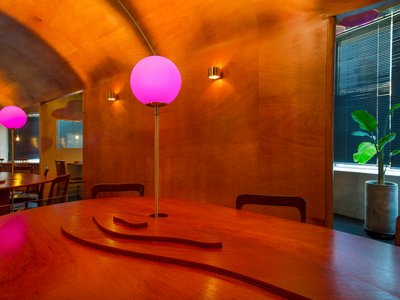
Indiesalon Carves a Plywood Cave into a Seoul Bistro's Second Floor
Munhwa Bistro's second Seongsu branch wraps diners in a laminated timber vault laced with colored light and mirror illusions.
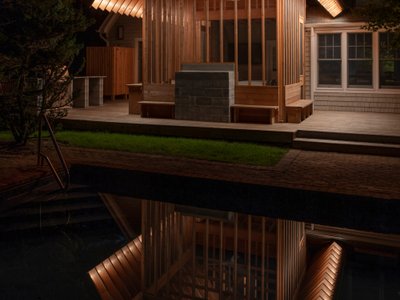
BLDUS Turns a 250-Square-Foot Screened Porch into a Pine Forest Temple in East Hampton
A gabled cedar pavilion mimics the rhythm of surrounding pines, anchoring a 1990s wooded home to its hollow in Long Island.

Similar Reads
You might also enjoy these articles
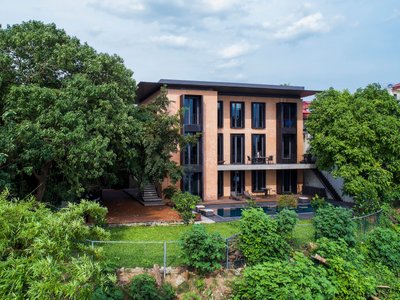
D and P Associates Build a Pi-Shaped House of Rammed Earth Memory on Vietnam's Red River
A 640-square-metre residence in Ngoc Thuy channels the pisé wall traditions of Vietnam's northern highlands into a riverfront family home.
Johnston Architects Reimagines the Methow Valley Hay Barn as a Small-Town Library in Winthrop
A 7,300-square-foot timber library channels the region's agrarian vernacular to serve a rural Washington community of 400 year-round residents.
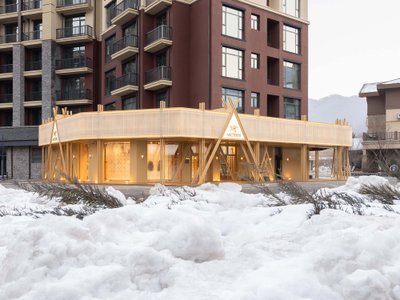
STILL YOUNG Builds a Glowing Campfire in the Snow for ARC'TERYX at a Chinese Ski Resort
A timber-framed pavilion at Beidahu Ski Resort in Jilin wraps warmth and glacier-like resin around outdoor retail.
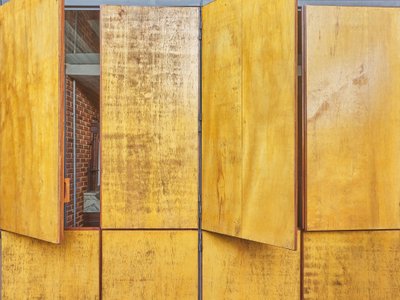
gru.a Builds a 70 m² Timber Shelter That Opens Like a Farm Door in Brazil's Valley of the Vines
In the mountainous region near Rio de Janeiro, a compact retreat uses plywood panels and deep eaves to blur the line between inside and out.


Explore Residential Building Competitions
Discover active competitions in this discipline




The International Standard for Design Portfolios


The Global Benchmark for Architecture Dissertation Awards


The Global Benchmark for Graduation Excellence


Challenge to design mud housing for contemporary communities
Comments (0)
Please login or sign up to add comments
No comments yet. Be the first to comment!