
Optimizing for "Healthcare Architecture Design"
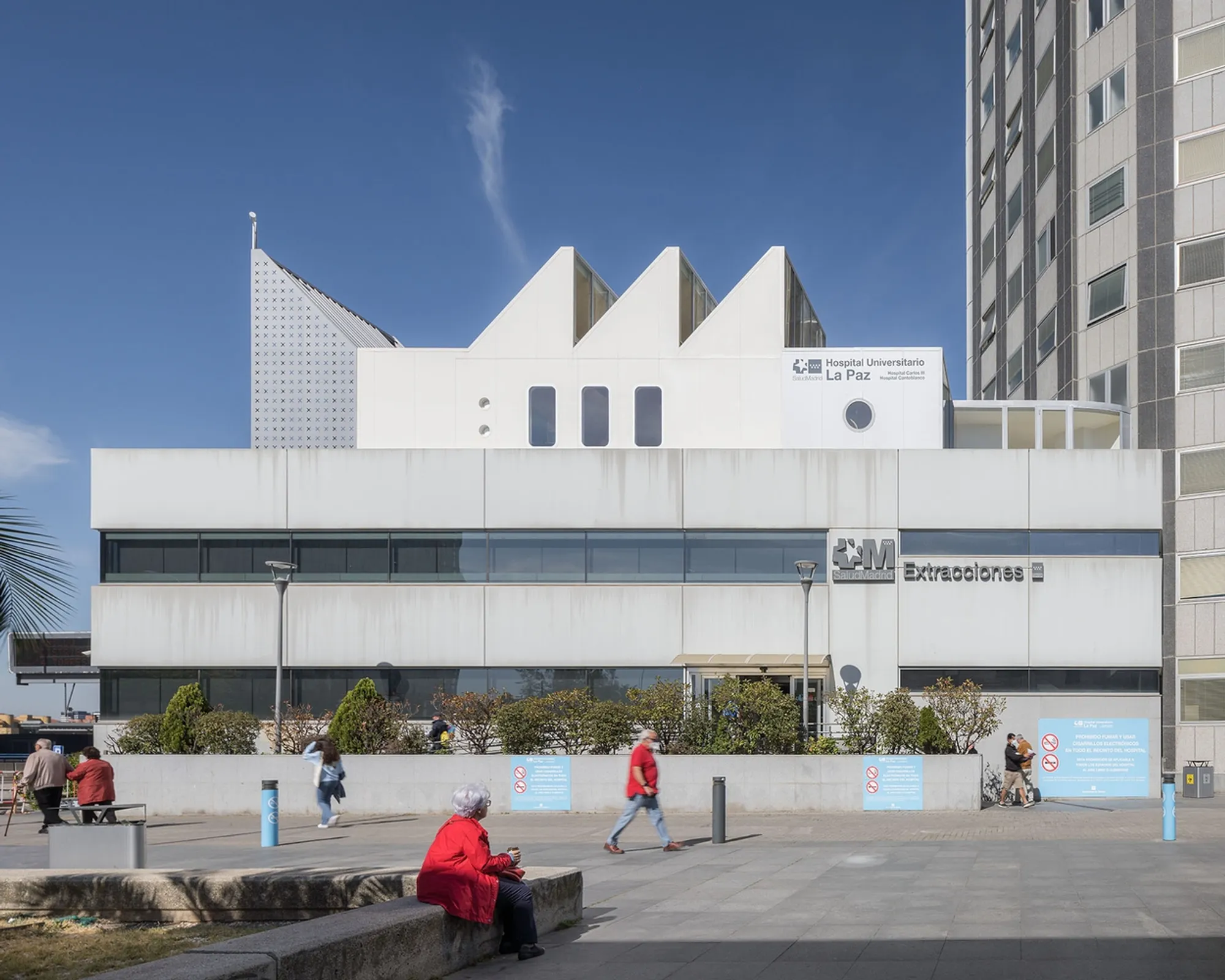
Exploring the Aceleradora at La Paz Hospital, a design marvel enhancing childhood cancer recovery through exercise.


Healthcare architecture design is a specialized field that focuses on creating environments conducive to healing and recovery. The Aceleradora at La Paz Hospital, designed by Murado & Elvira Architects, serves as a prime example of how thoughtful architectural design can significantly impact patient recovery, particularly in pediatric oncology settings.
The Essence of Healthcare Architecture Design
Understanding Healthcare Architecture
Healthcare architecture involves more than just the structural design of medical facilities. It encompasses the creation of therapeutic environments that support both physical and emotional healing. The Aceleradora project at La Paz Hospital in Madrid illustrates this concept beautifully, offering a space that promotes the healing of childhood cancer through physical exercise.
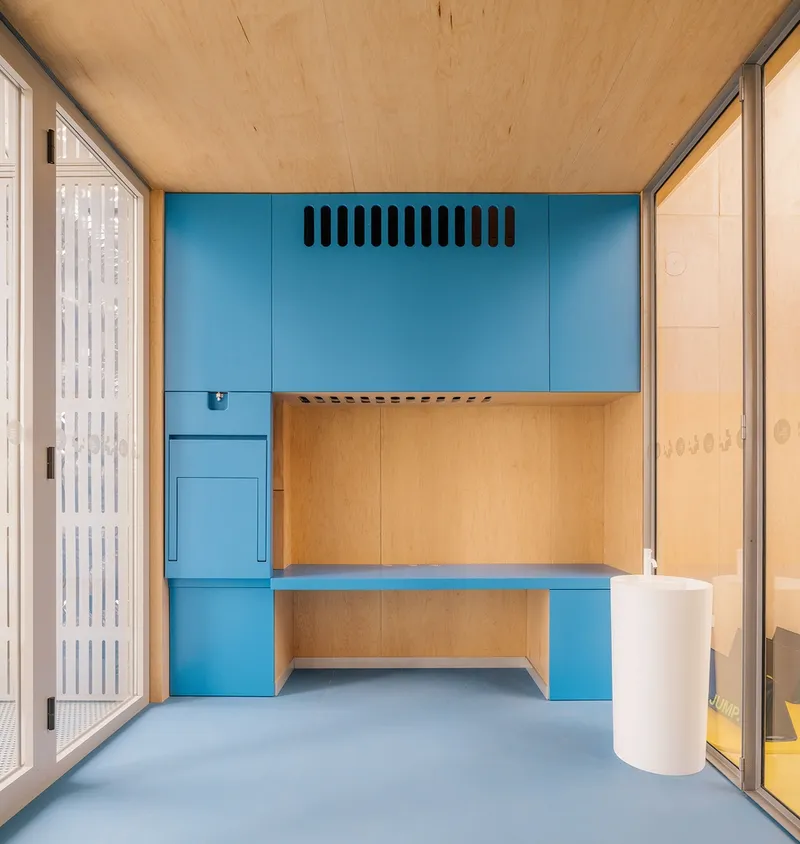
The Role of Design in Patient Recovery
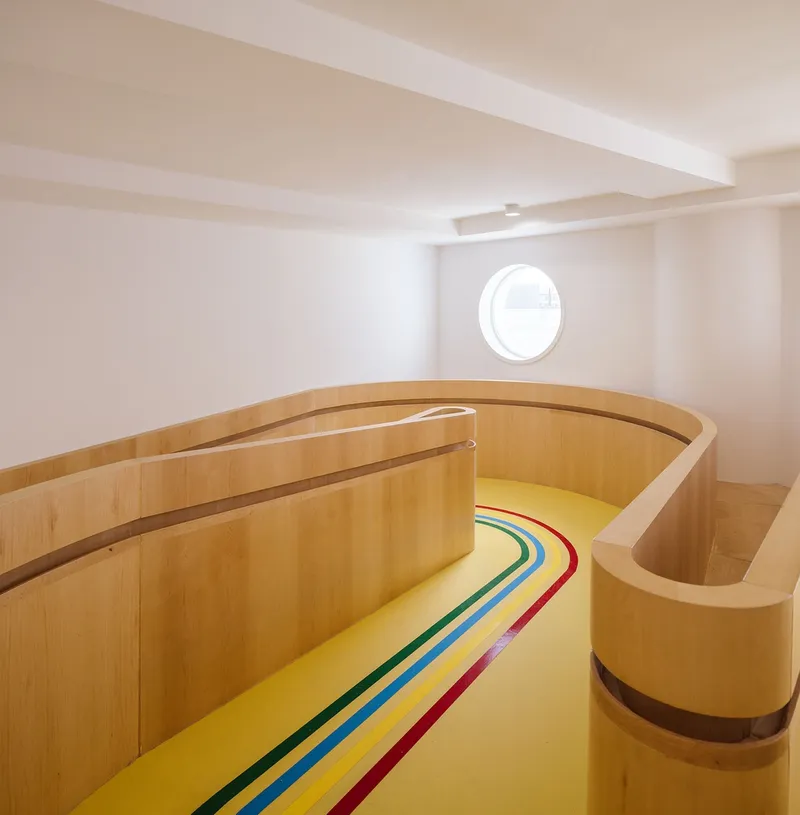
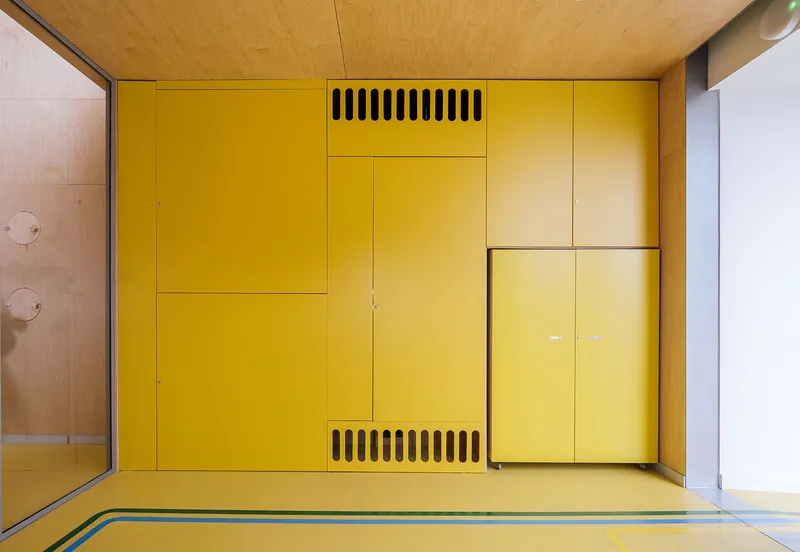
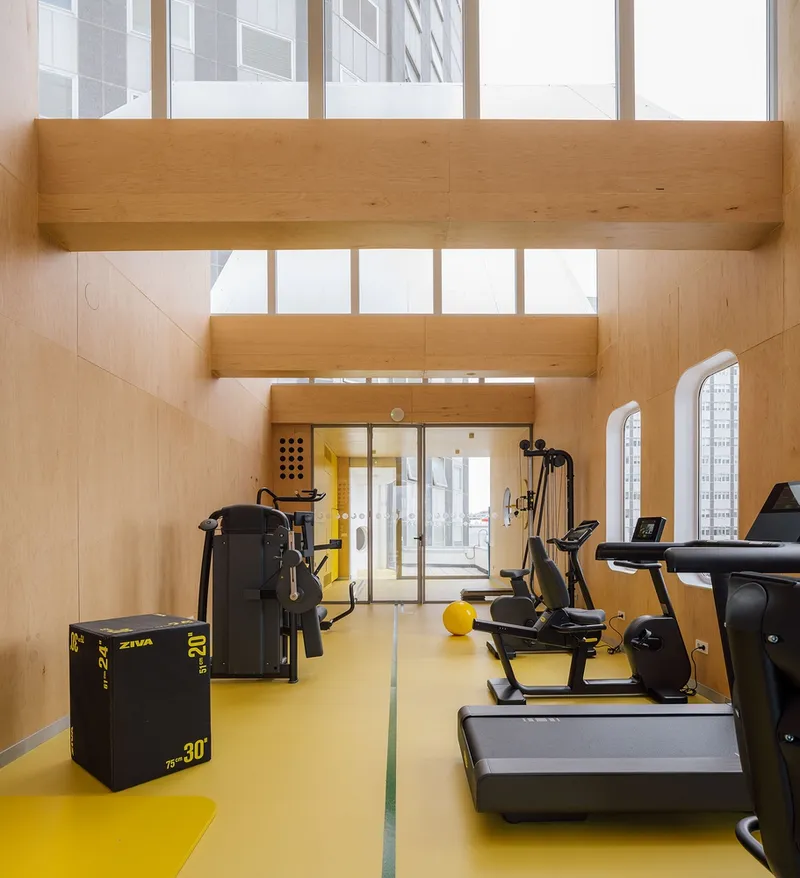
Design elements in healthcare architecture, such as natural light, vegetation, and the use of warm materials like wood, play a crucial role in enhancing the well-being of patients. The Aceleradora pavilion integrates these elements to create a serene and stimulating atmosphere, demonstrating how design can directly influence recovery outcomes.
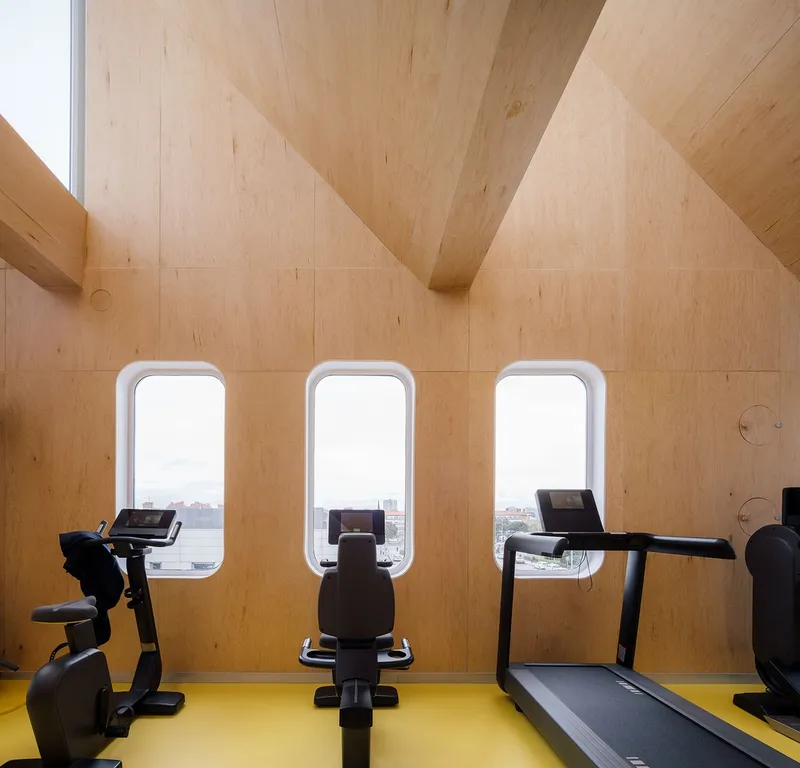
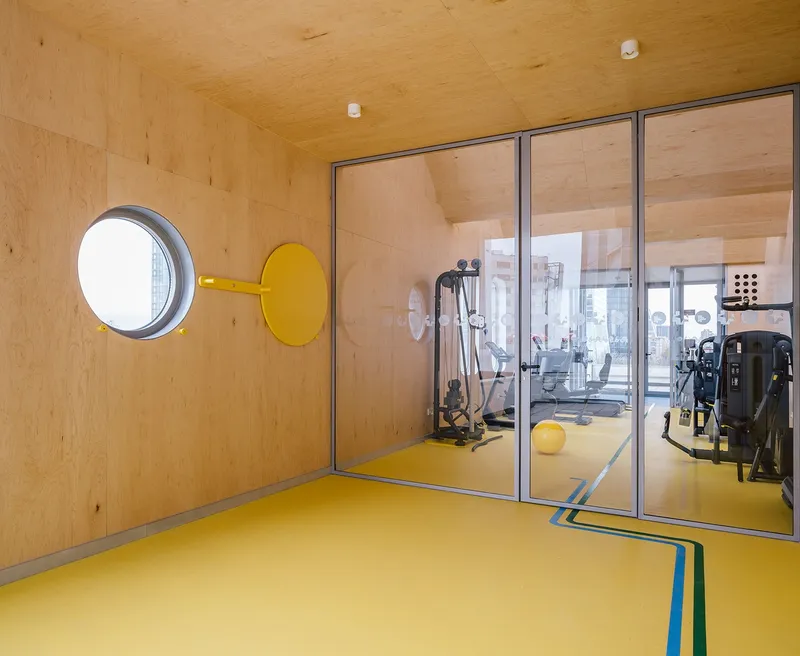
The Aceleradora Project: A Case Study in Healthcare Architecture Design
Project Overview
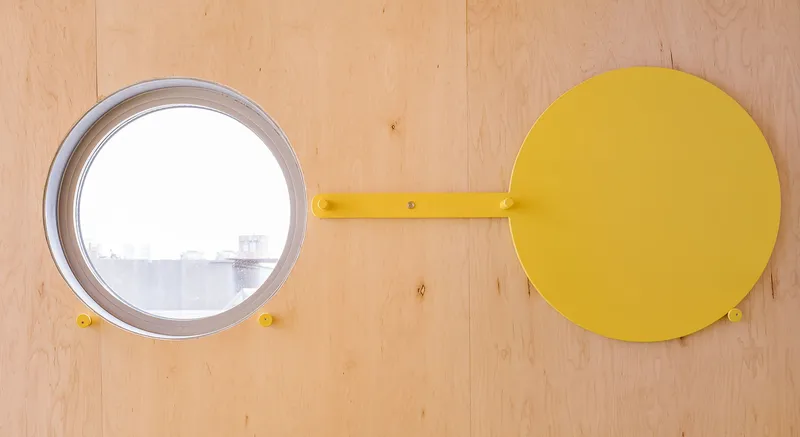
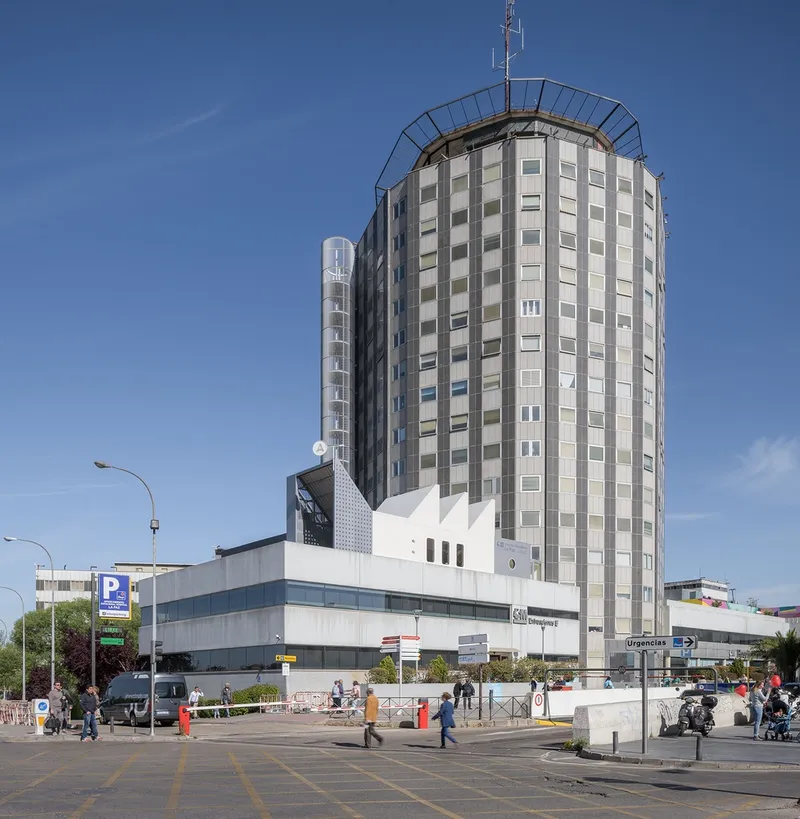
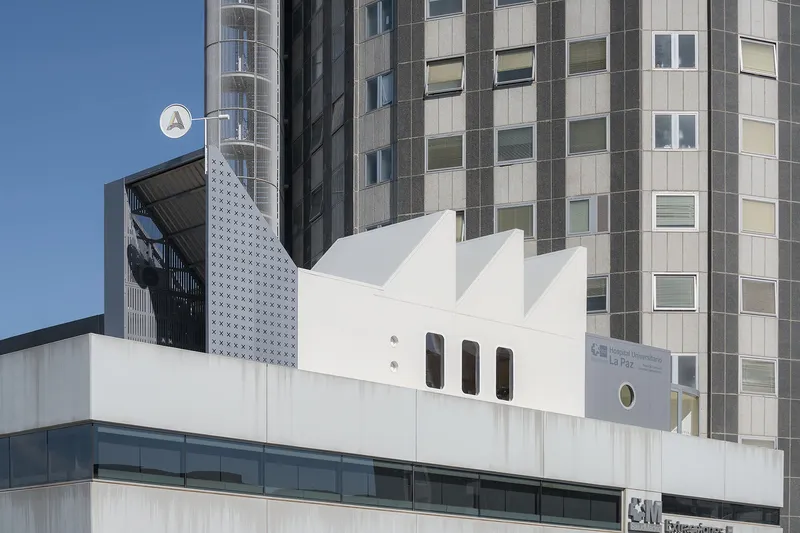
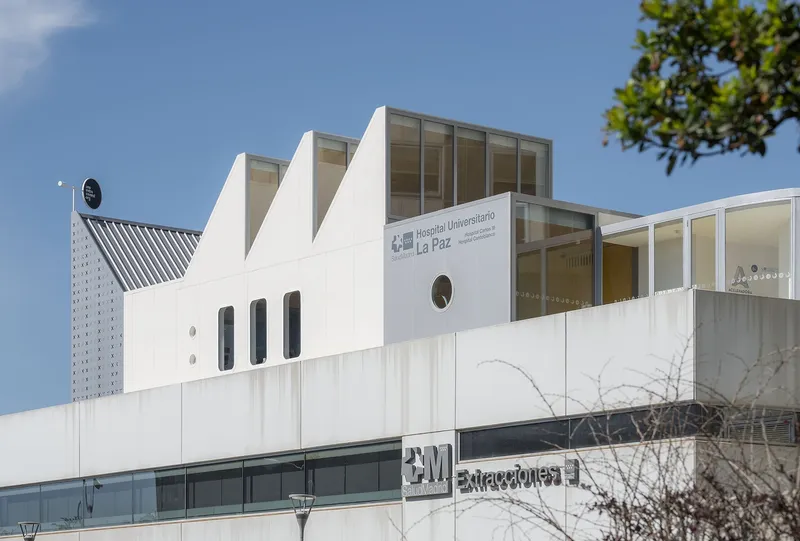
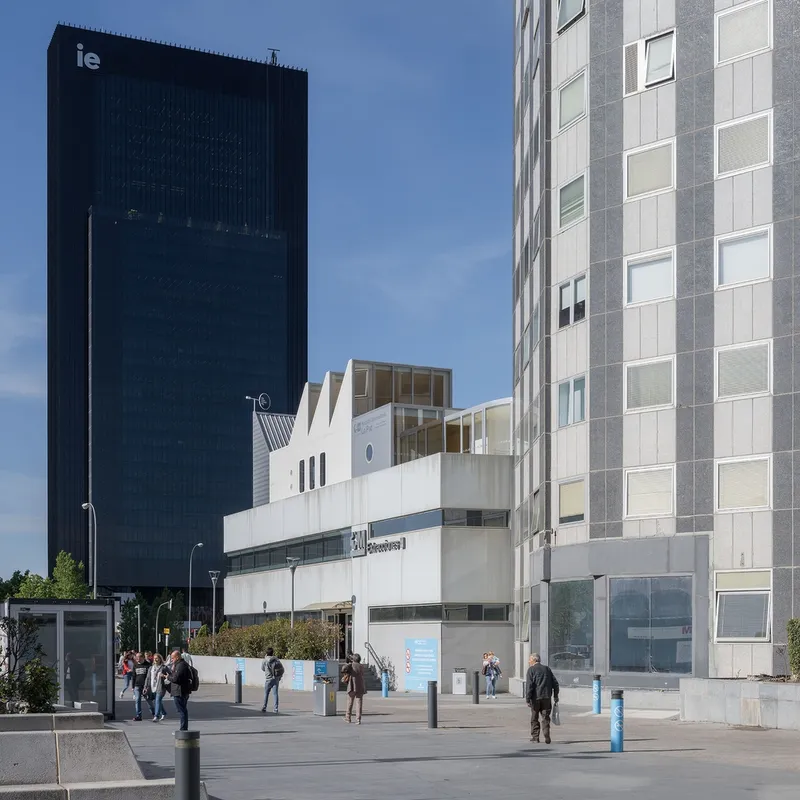
The Aceleradora of La Paz Hospital, conceptualized by Murado & Elvira Architects, is a pioneering project aimed at accelerating the healing process of children with cancer. Located on the hospital's rooftop, it provides a unique space for physical exercise and social interaction, essential components in pediatric cancer treatment.
Design Features and Innovations
Modular and Combinatorial System
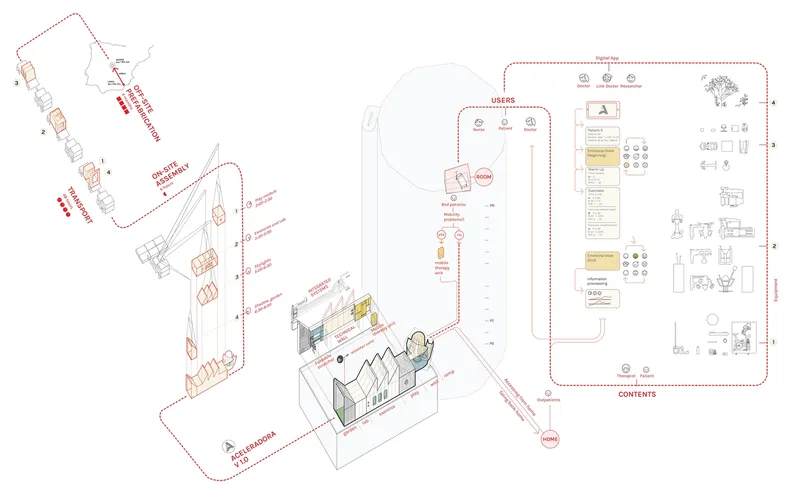
The project is characterized by its modular and combinatorial design approach, allowing for flexibility and adaptation to different hospital settings. This system facilitates off-site construction, reducing the impact on hospital operations and ensuring a consistent quality across different locations.

Therapeutic Spaces
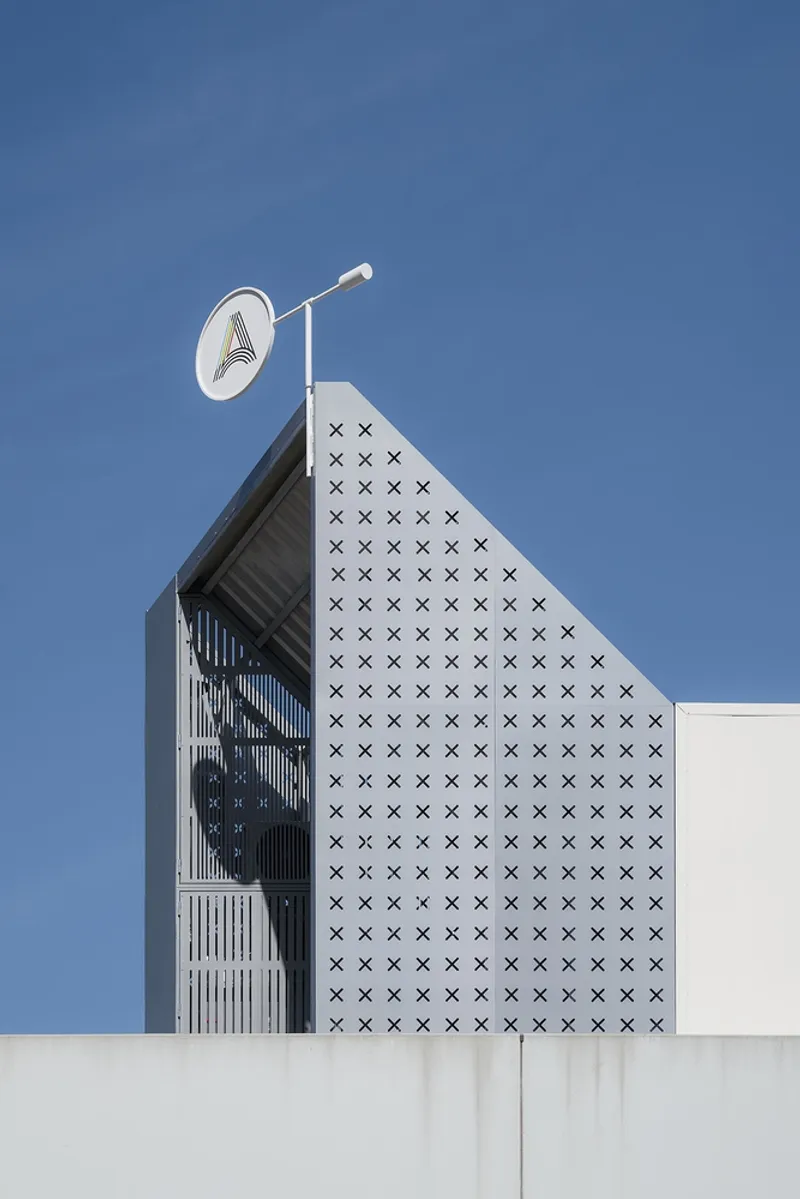
The Aceleradora consists of a sequence of spaces, each designed to support various aspects of therapy and recovery. From wooden ramps and skylighted exercise areas to research laboratories and outdoor terraces, every element is thoughtfully integrated to foster a healing environment.
The Future of Healthcare Architecture Design
Trends and Innovations
The Aceleradora project points to a future where healthcare architecture prioritizes patient-centered design, incorporating flexibility, modularity, and a deep understanding of therapeutic needs. Innovations in materials, construction techniques, and spatial organization will continue to shape this evolving field.

Implementing Design Principles in Other Settings
The principles applied in the Aceleradora project can be adapted to various healthcare settings, from hospitals to rehabilitation centers. The focus on creating environments that promote healing through physical activity, social interaction, and connection with nature holds universal appeal and efficacy.
Healthcare architecture design is a critical aspect of modern medical care, directly influencing patient recovery and well-being. The Aceleradora at La Paz Hospital exemplifies the potential of architectural design to create spaces that not only meet medical needs but also provide emotional and psychological support. As the field continues to evolve, the principles of patient-centered design and therapeutic environments will remain at the forefront, guiding the development of future healthcare facilities.
All photographs are work of Imagen Subliminal




Popular Articles
Popular articles from the community


Hill & Cross Opera: Sculptural Opera House Architecture Shaped by Tallinn’s Landscape and Identity
Hill & Cross Opera reimagines opera house architecture in Tallinn through its sculptural hill, civic plaza, glass wave and a luminous cross.

Co-Life: Senior Housing Design That Reconnects Older Adults With the City
Co-Life reimagines senior housing design through healing gardens, shared streets, workshops, and a sustainable community across generations.

Play: Fragments of Their World
Familiar architecture becomes modular playground design, creating safe spaces where displaced children can learn, connect, imagine and play.

The Earth Pod: 3D Printed Homes for Resilient Refugee Communities
The Earth Pod reimagines refugee housing through 3D printed homes made from clay, combining resilience, self-sufficiency, and rapid shelter.
Similar Reads
You might also enjoy these articles

FAMM Arquitectura Organizes Ten Villas Around Courtyards and Jungle in Nosara, Costa Rica
El Molino pairs two elongated volumes with deep overhangs and timber louvers to build a compact coastal community five minutes from the beach.
Oscar Niemeyer's Ibirapuera Park Pavilions Define São Paulo's Cultural Identity in Concrete and Curve
A constellation of modernist volumes set within São Paulo's most important urban park, conceived for the city's 400th anniversary in 1954.
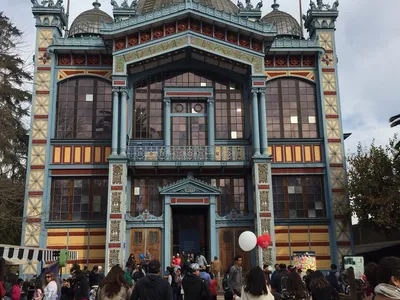
How Henri Picq's 1889 Paris Pavilion Traveled 11,000 Kilometers to Become Santiago's Artequín Museum
A prefabricated iron and glass pavilion built for the Paris Universal Exposition found a second life as a children's art museum in Chile.
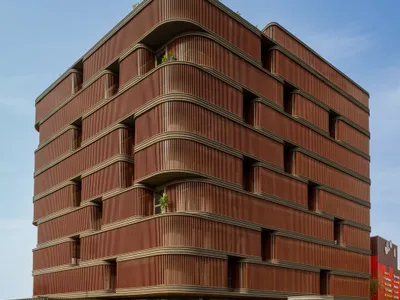
Sanjay Puri Architects Wraps a Jaipur Office Tower in Capsule-Shaped Green Buffers
A nine-level climate-responsive workplace near Jaipur Airport uses stacked planter terraces and aluminium screens to fight 40°C heat.


Explore Healthcare Building Competitions
Discover active competitions in this discipline



Challenge to reimagine the Iron Throne


Photograph architecture without architects


Illustrate the lost glory of Angkor Wat - Render Challenge


Design challenge to reuse E-waste
Comments (0)
Please login or sign up to add comments
No comments yet. Be the first to comment!