
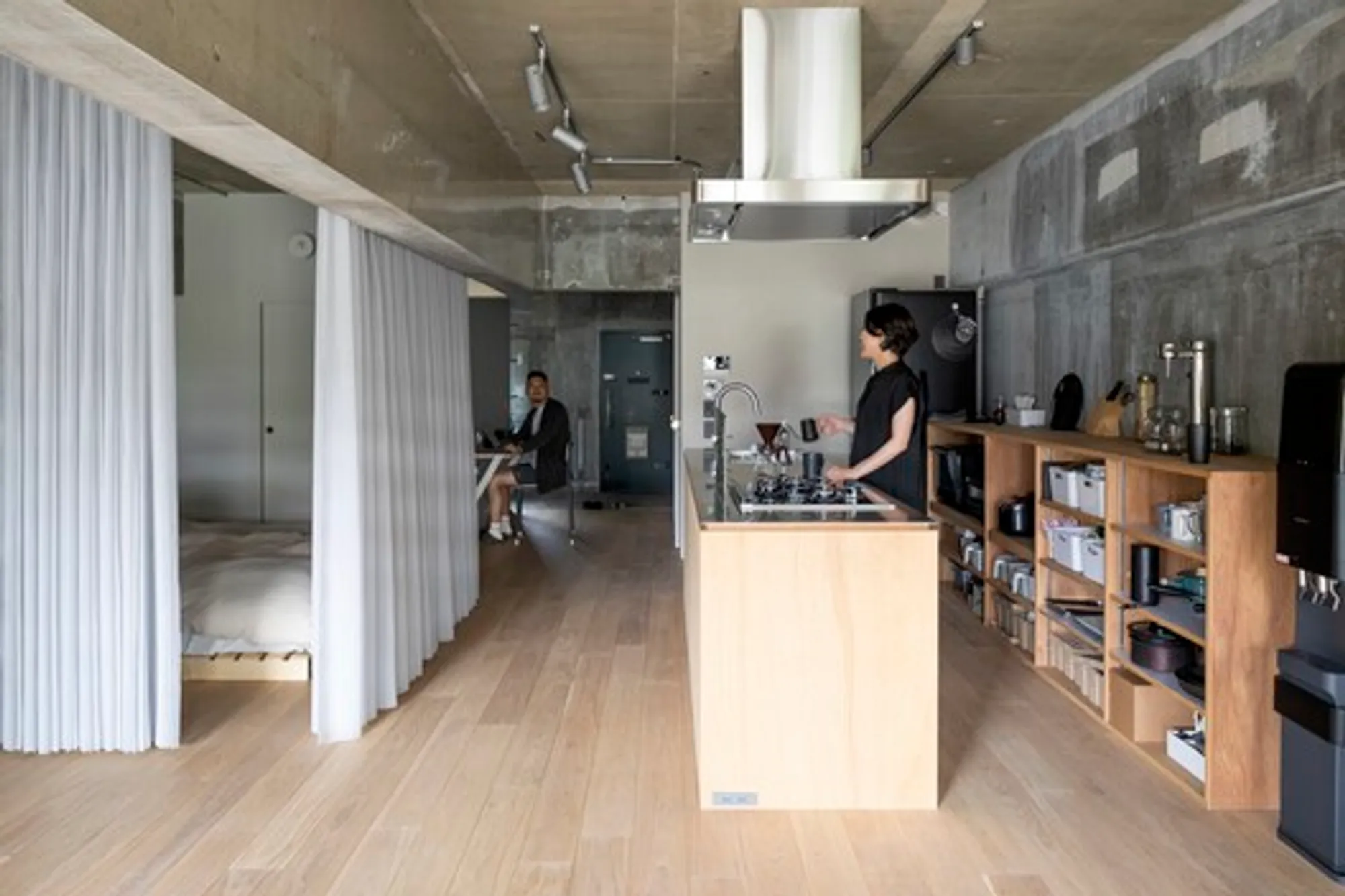
Optimizing Your Living Space: A Flexible Approach by KOSAKU Architects
KOSAKU Architects redefine urban living, blending functionality and openness in Osaka apartment renovation with park-inspired design.


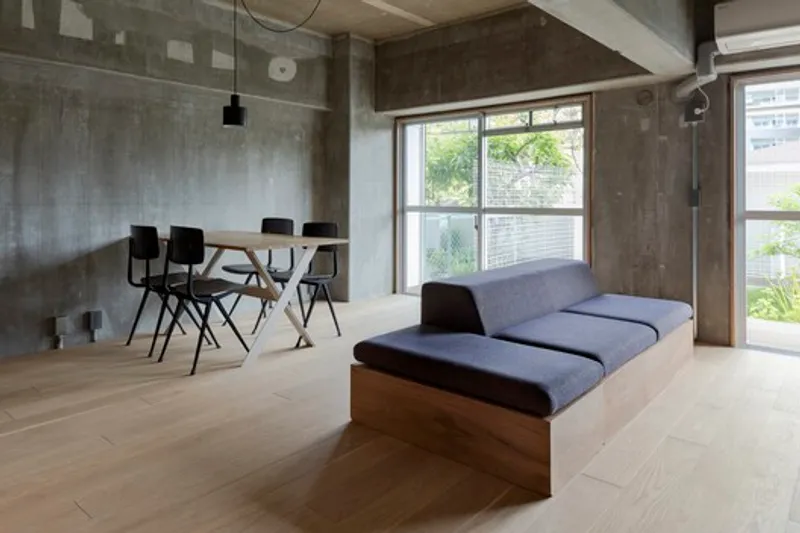
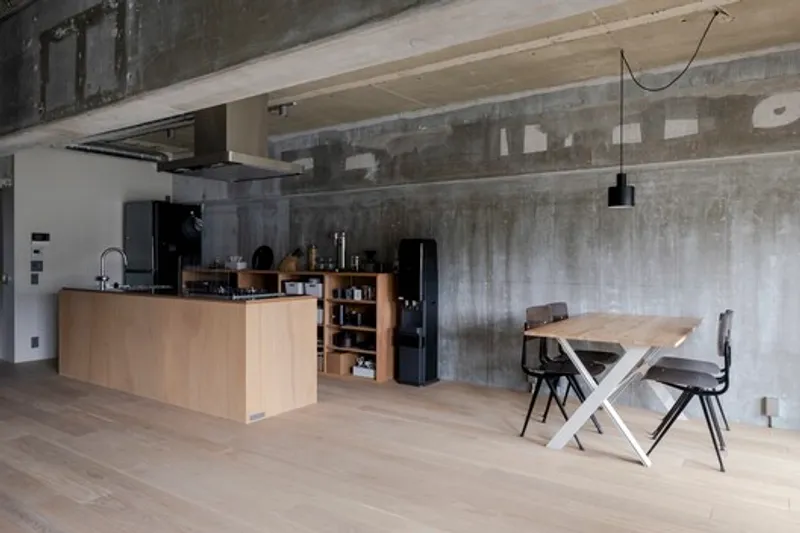
In the bustling city of Osaka, Japan, KOSAKU architects have redefined apartment living through an innovative project centered on "Flexible Living Space Design." Lead architect Kosaku Matsumoto seamlessly blends functionality and openness, transforming a conventional layout into a dynamic and adaptable home ground.Understanding the Unique LayoutThe 70 square meter indoor space, coupled with a 35 square meter backyard, sets the stage for a one-of-a-kind living experience. The choice of this unique layout was influenced by the surrounding parks in the commuter town, catering to the needs of a young couple and their newborn child.
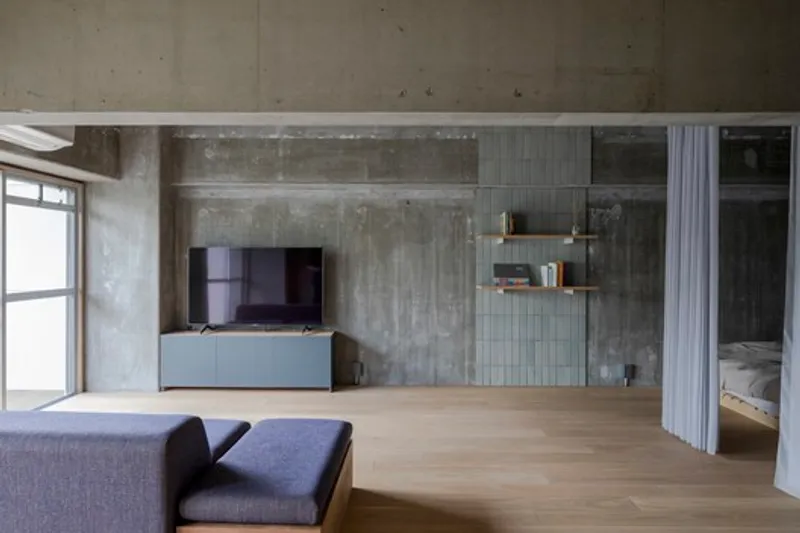
Breaking Down Conventional Barriers
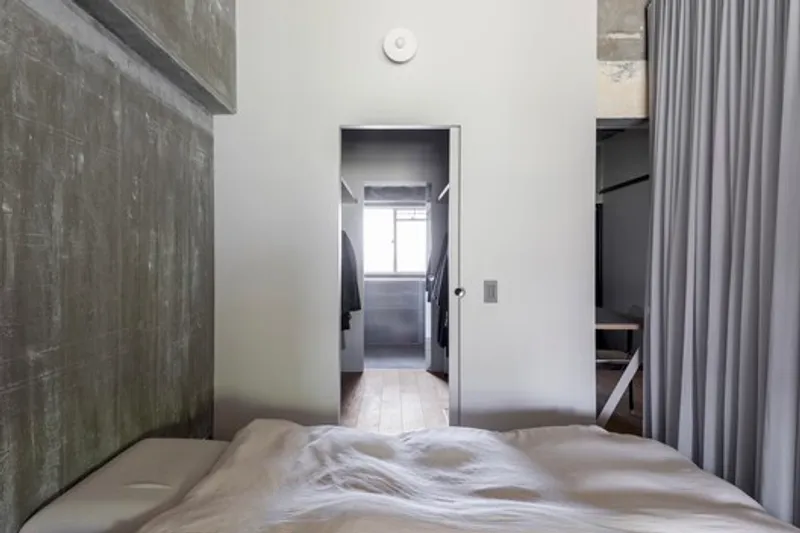
Matsumoto challenges the traditional three-room layout, opting for a more open and fluid design. By removing walls between rooms, the apartment becomes a large studio, fostering a sense of spaciousness and adaptability. This approach is a departure from fixed habits, allowing the family to evolve in their daily routines.
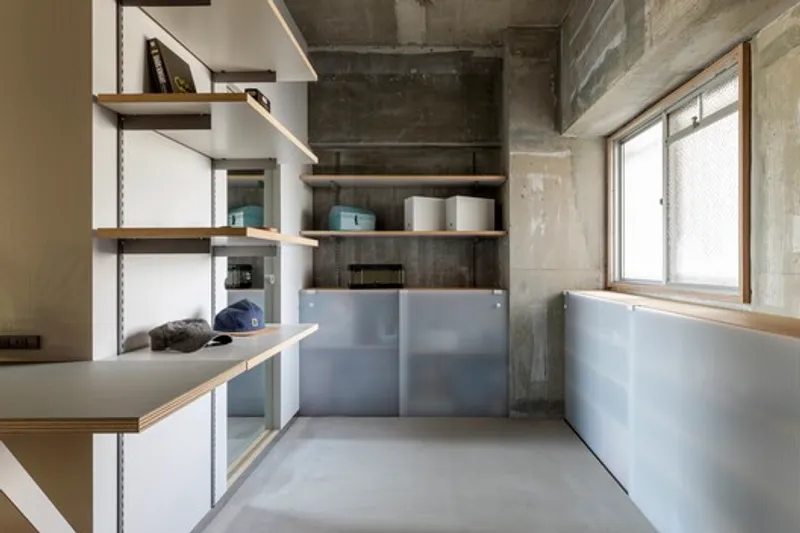
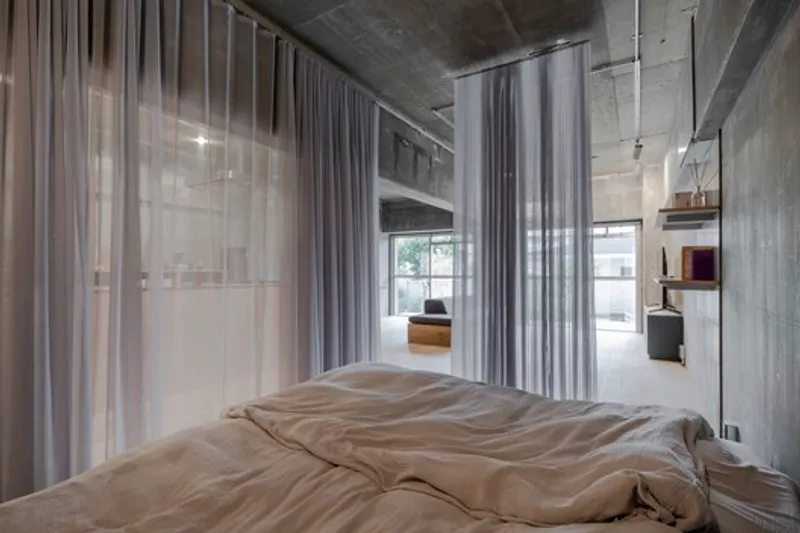
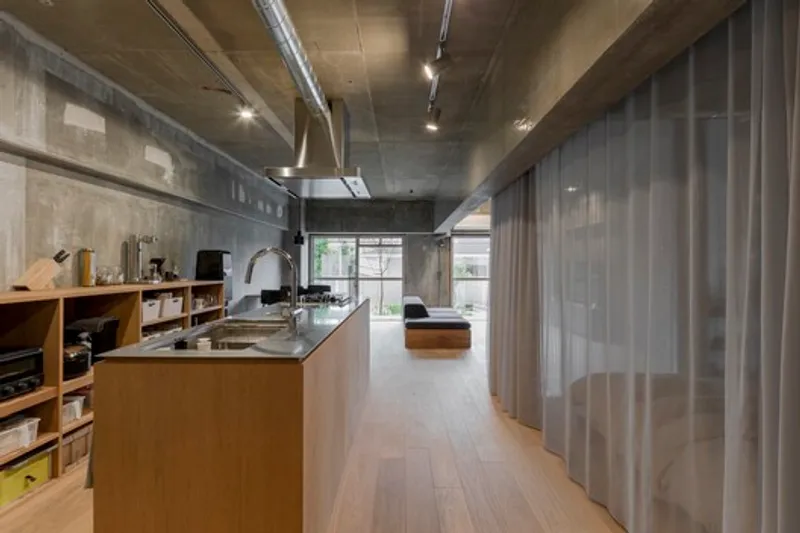
Inspiration from Park Dynamics
Drawing inspiration from the adjacent parks, the concept revolves around creating a home ground that mirrors the functionality and openness of a park. The design incorporates elements that exist in an abstract space between functionality and openness, encouraging residents to personalize their living space over time.
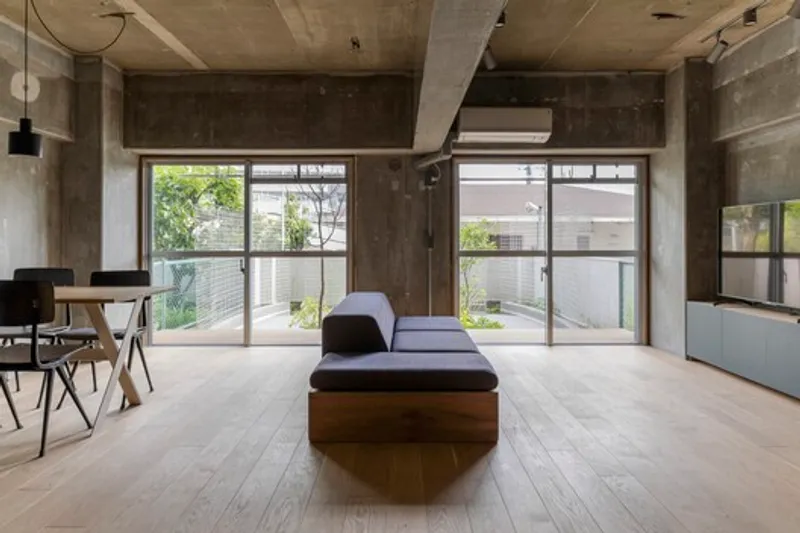
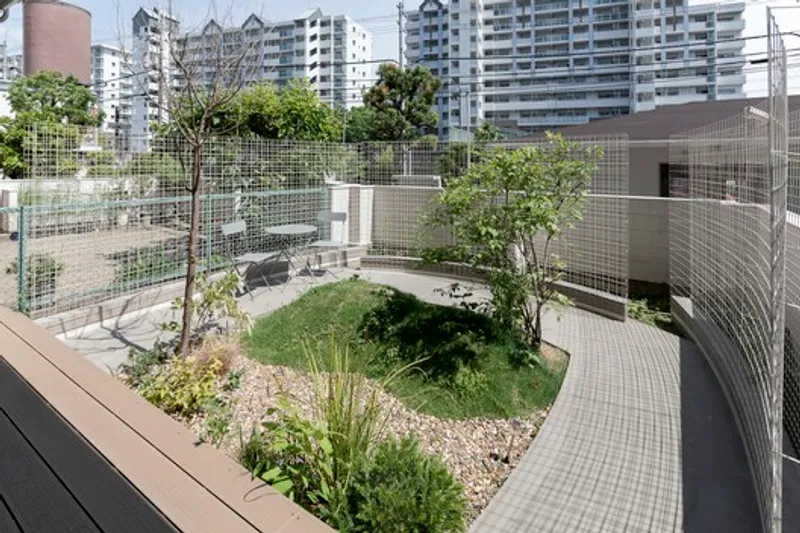
Harmonizing Indoor and Outdoor Spaces
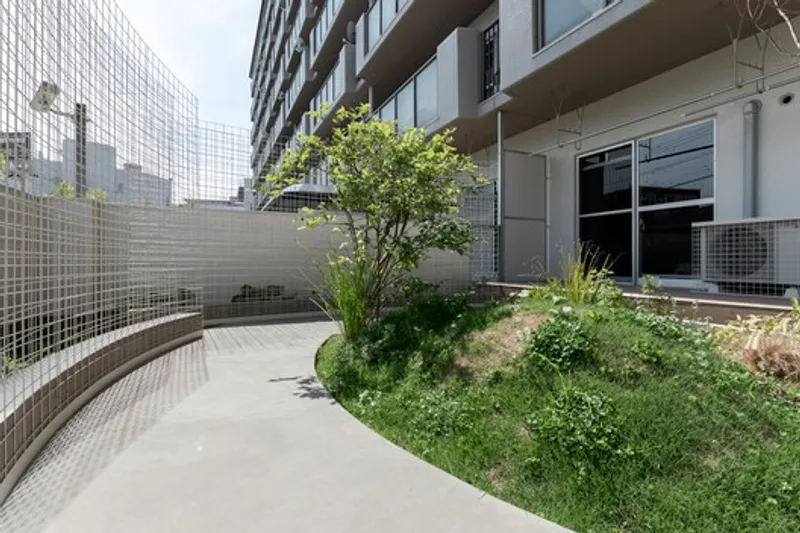
Addressing the backyard's initial discomfort due to a low fence, Matsumoto introduces a mesh boundary to filter the threshold between inside and outside. This subtle addition enhances privacy and transforms the outdoor space into a comfortable extension of the home, fostering a sense of belonging.
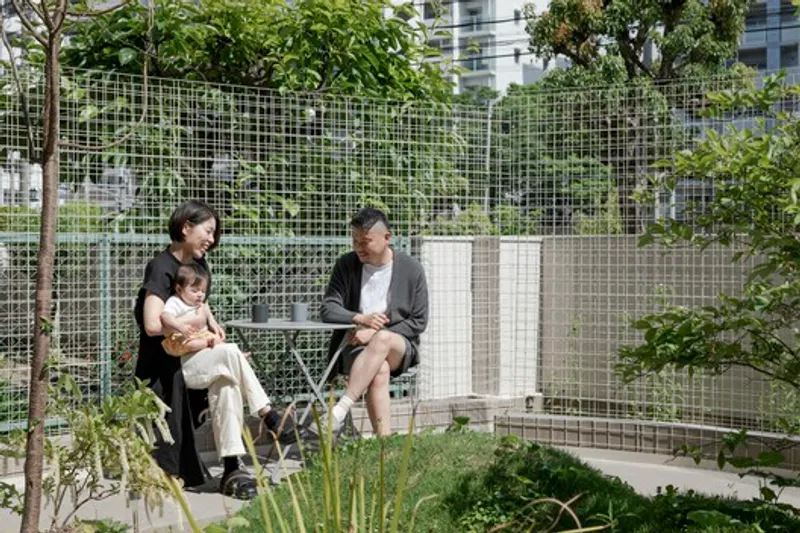
Nurturing Growth Over Time
Matsumoto emphasizes the importance of nurturing the growth of a family in harmony with its home. The living space becomes a mediator of temporalities, allowing the family to navigate between functionality and openness as they evolve. This intentional approach aims to observe the family's journey as they develop their own ways of playing in and on their flexible home ground.In conclusion, the "Flexible Living Space Design" by KOSAKU architects redefines modern living, embracing adaptability and openness. This innovative approach creates a harmonious blend of functionality and personalization, setting a new standard for contemporary living spaces.
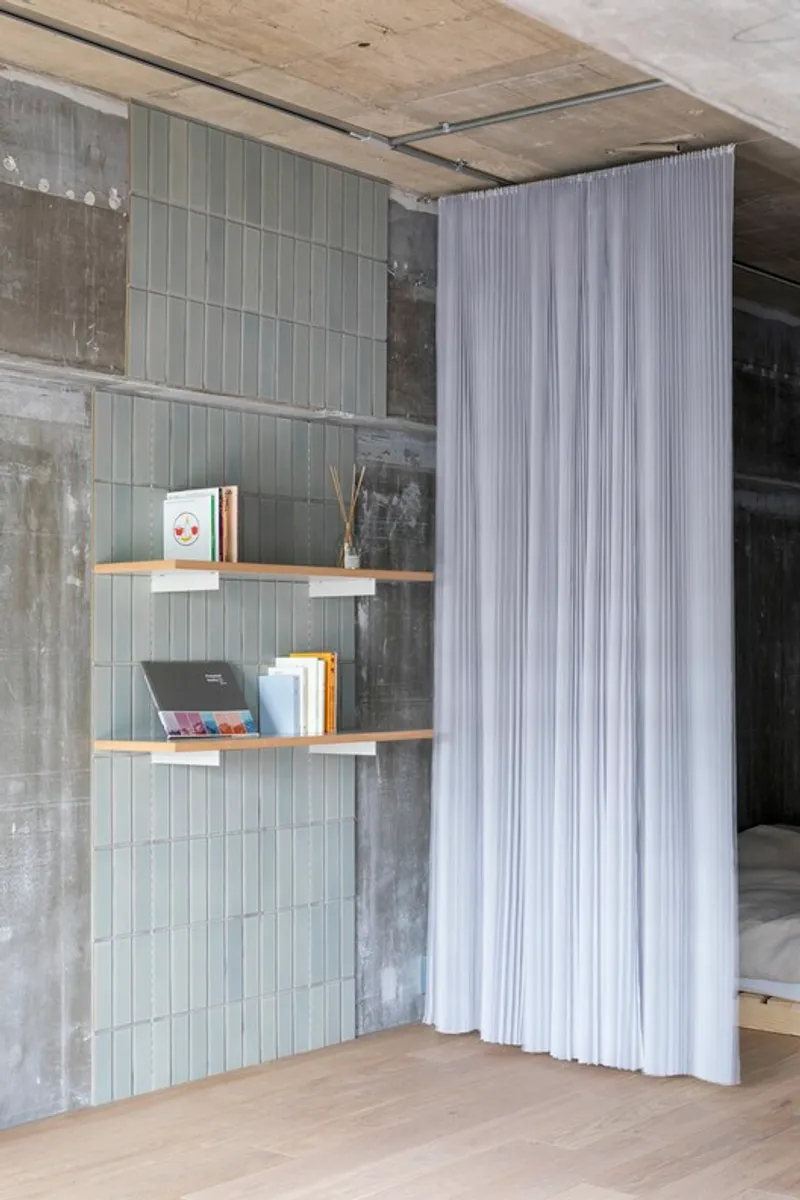
All photographs are work of Natsumi Kinugasa




Popular Articles
Popular articles from the community


The Earth Pod: 3D Printed Homes for Resilient Refugee Communities
The Earth Pod reimagines refugee housing through 3D printed homes made from clay, combining resilience, self-sufficiency, and rapid shelter.

Lunar Spiral: Space Architecture Shaped by the Mathematics of the Universe
Lunar Spiral reimagines space architecture through Fibonacci geometry, lunar regolith, levitating habitats, and self-sustaining Moon living.

Conexión: Biophilic Design Reimagines High-Rise Living in Hong Kong
Conexión reimagines high-rise living in Hong Kong through biophilic design, green facades, shared spaces, daylight, water and nature within.

The Ocean Hive: Sustainable Architecture for a Self-Sufficient Civilization at Sea
The Ocean Hive imagines sustainable architecture at sea, where modular habitats, algae, wave power and ocean waste sustain a growing colony.


Similar Reads
You might also enjoy these articles

FAMM Arquitectura Organizes Ten Villas Around Courtyards and Jungle in Nosara, Costa Rica
El Molino pairs two elongated volumes with deep overhangs and timber louvers to build a compact coastal community five minutes from the beach.
Oscar Niemeyer's Ibirapuera Park Pavilions Define São Paulo's Cultural Identity in Concrete and Curve
A constellation of modernist volumes set within São Paulo's most important urban park, conceived for the city's 400th anniversary in 1954.
How Henri Picq's 1889 Paris Pavilion Traveled 11,000 Kilometers to Become Santiago's Artequín Museum
A prefabricated iron and glass pavilion built for the Paris Universal Exposition found a second life as a children's art museum in Chile.
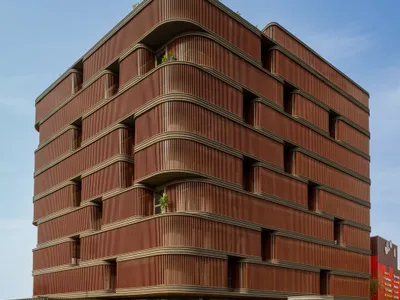
Sanjay Puri Architects Wraps a Jaipur Office Tower in Capsule-Shaped Green Buffers
A nine-level climate-responsive workplace near Jaipur Airport uses stacked planter terraces and aluminium screens to fight 40°C heat.


Explore Tetsuo Kobori Architects Competitions
Discover active competitions in this discipline


Challenge to design mud housing for contemporary communities


Challenge to reimagine the Iron Throne


Photograph architecture without architects


Illustrate the lost glory of Angkor Wat - Render Challenge
Comments (0)
Please login or sign up to add comments
No comments yet. Be the first to comment!