
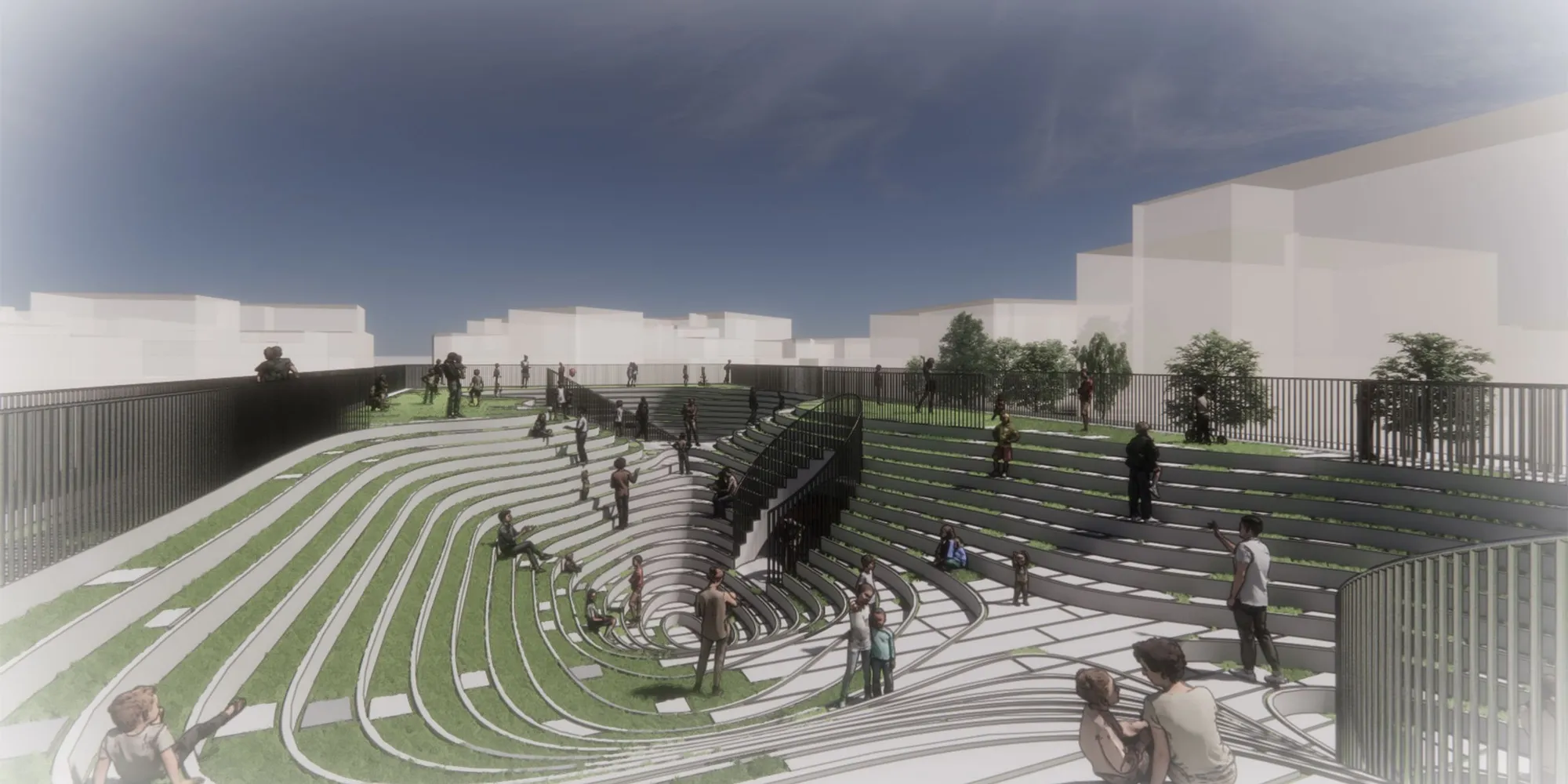
Reimagining Urban Play: The Rise of Brutalist Child-Friendly Architecture in Marseille
This article explores the innovative "Childrenscape" project in Marseille, showcasing the integration of Brutalist architecture with child-friendly design to revolutionize urban play spaces.


In today's urban sprawl, the concept of play has evolved beyond mere luxury to a fundamental necessity for children's development. Marseille, a vibrant port city in the south of France, stands as a testament to this transformation, especially within the realms of architectural innovation. This article delves into the groundbreaking project "Childrenscape," Honorable Mention entry of Untainted by Lee Junho, 채연 김, HK Yeo which marries the principles of Brutalist architecture with child-friendly design, offering a sanctuary for play in the urban landscape.
The Necessity of Play in Urban Settings
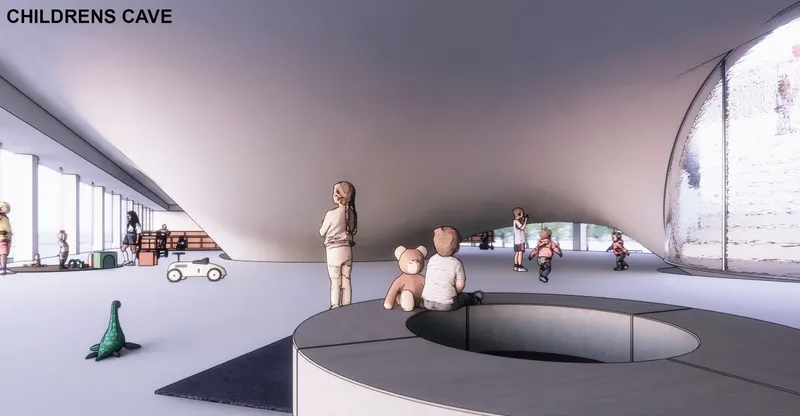
"Children need the freedom and time to play. Play is not a luxury. Play is a necessity." This statement by Kay Redfield Jamison encapsulates the ethos behind Childrenscape. Urban areas, particularly those with rich historical layers like Marseille, present unique challenges and opportunities for architectural design. Childrenscape addresses the critical deficit in safe, accessible play areas, exacerbated by the city's complex socio-economic landscape, marked by mass immigration and industrial restructuring.
The Philosophy Behind Childrenscape
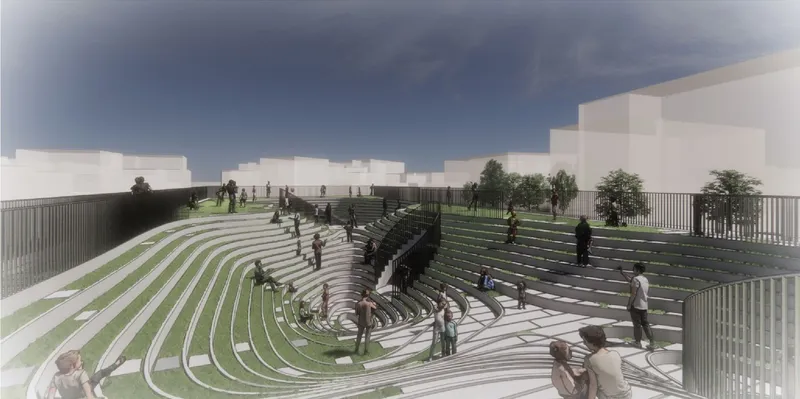
Childrenscape is more than just a play area; it's a fortress of creativity and safety, drawing inspiration from the Unite d’Habitation by Le Corbusier, the so-called grandmother of brutalist architecture. The project embodies the essence of brutalism, not merely in its aesthetic but in its core philosophy: strength, simplicity, and functionality. It stands as a bulwark against the urban challenges, yet inside, it transforms into a cocoon of warmth and imagination, encouraging children to explore, create, and play.
Architectural Design and Child Safety
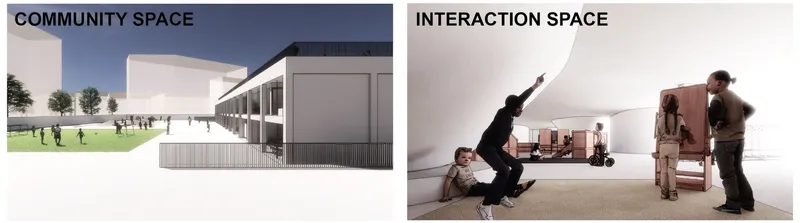
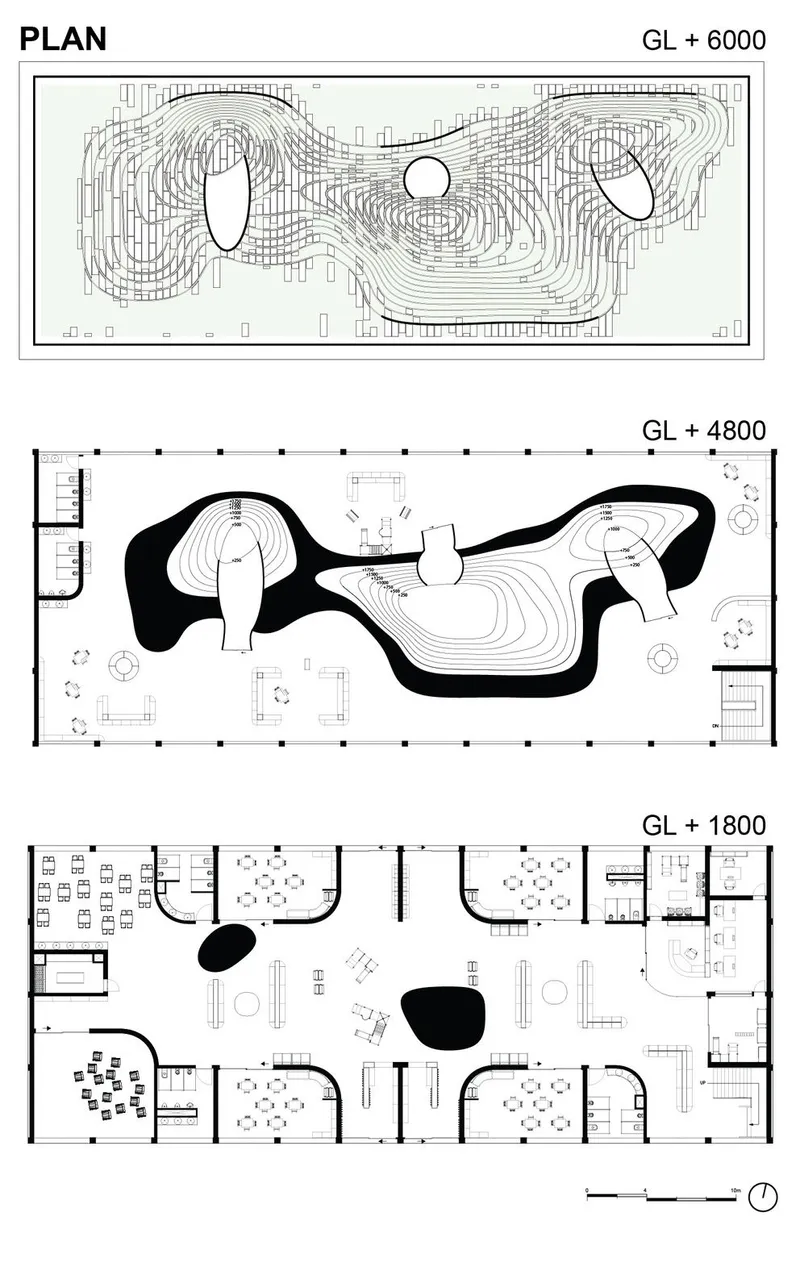
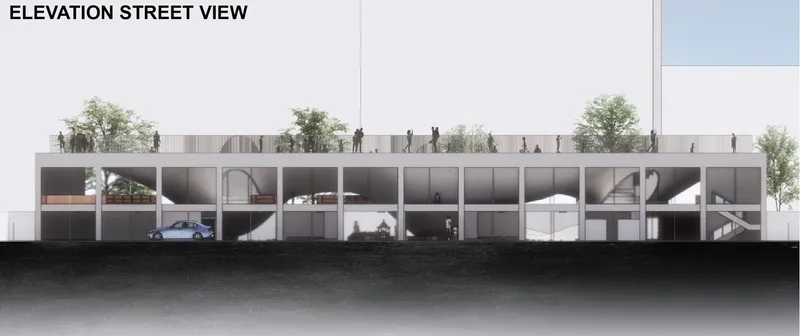
The design of Childrenscape is a study in contrasts: the exterior's brutalist strength with the interior's nurturing curves and hidden spaces. This design approach not only safeguards the children within but also stimulates their curiosity and creativity. The project innovatively incorporates elements of Marseille’s natural landscapes, such as mountain terrains and sea vistas, into its very structure, turning the building into a living, breathing lesson in geography and ecology.
A New Paradigm for Child-Friendly Urban Spaces
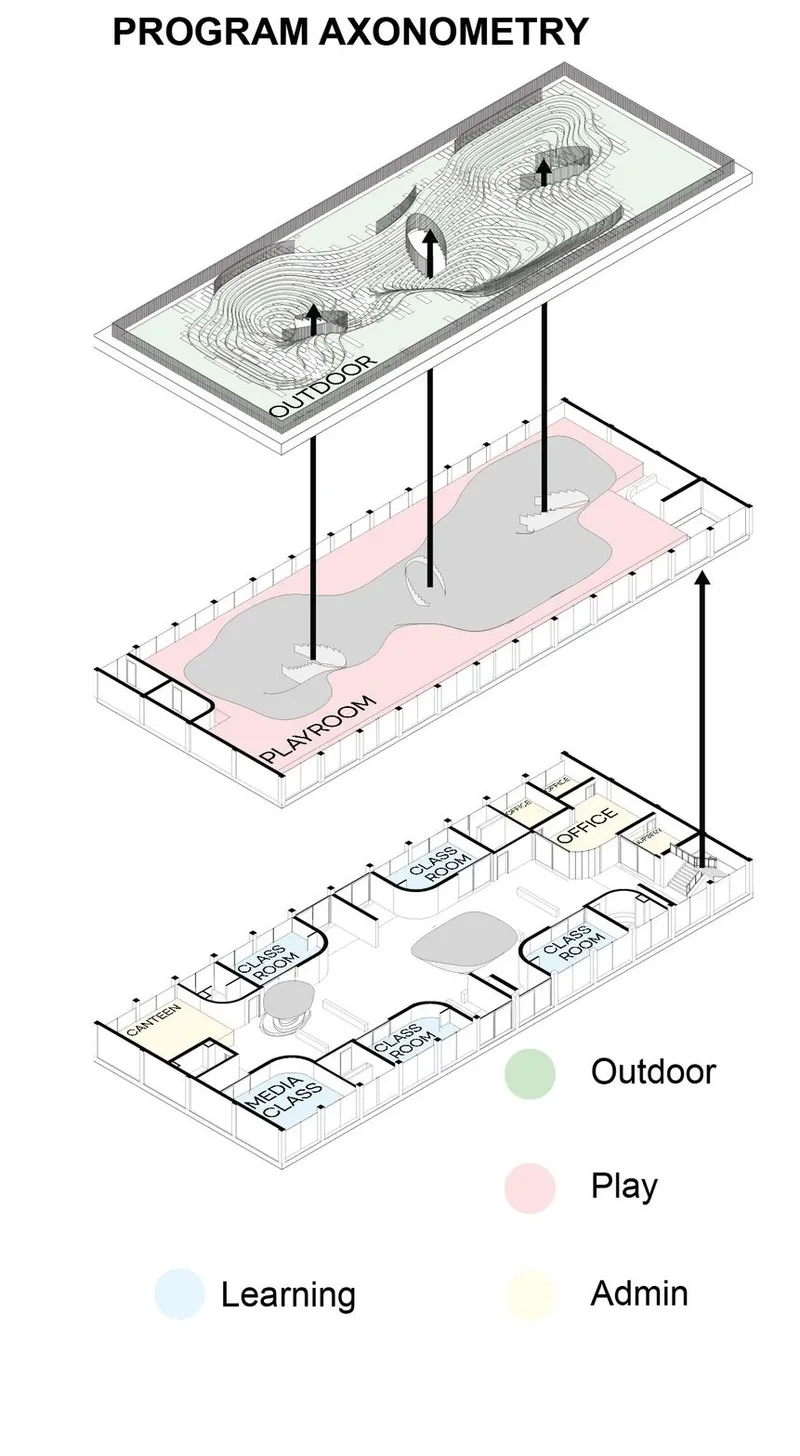
Childrenscape challenges conventional notions of play spaces. It's not just about slides and swings but about creating an environment that mirrors the complexities and wonders of the real world. The project integrates various elements – from bookshelves to climbing areas – to cater to different interests and activities, promoting physical, cognitive, and social development.
As cities continue to grow and evolve, the need for child-friendly spaces like Childrenscape becomes ever more apparent. This project serves as a beacon for future developments, showing that it is possible to create safe, engaging, and educational environments for children in urban settings. Brutalist child-friendly architecture, as exemplified by Childrenscape, represents a bold step forward in our approach to urban living – one where children's needs are not just considered but are central to the design process.



Popular Articles
Popular articles from the community


Lunar Spiral: Space Architecture Shaped by the Mathematics of the Universe
Lunar Spiral reimagines space architecture through Fibonacci geometry, lunar regolith, levitating habitats, and self-sustaining Moon living.

Hill & Cross Opera: Sculptural Opera House Architecture Shaped by Tallinn’s Landscape and Identity
Hill & Cross Opera reimagines opera house architecture in Tallinn through its sculptural hill, civic plaza, glass wave and a luminous cross.

Riyadh For All: Intergenerational Urban Design for Active Aging in Rabat
Riyadh For All reimagines urban design in Rabat with intergenerational co-living, adaptive courtyards, and Moroccan cultural exchange today.

The Earth Pod: 3D Printed Homes for Resilient Refugee Communities
The Earth Pod reimagines refugee housing through 3D printed homes made from clay, combining resilience, self-sufficiency, and rapid shelter.


Similar Reads
You might also enjoy these articles

Day and Night Park: A Time-Based Urban Newsstand in Beijing
A temporary urban newsstand in Beijing blending travel, light, and reading through poetic colors, compact form, and community-focused design.

Modernist Patio Renovation in El Masnou, Barcelona by Oliver Segura Arquitectura + Cebrià Arquitectura
Modernist patio renovation blending tradition and innovation with a movable pool, leveled floors, and Catalan materials in El Masnou.

Alto Residencial Coop: Cooperative Housing Development in Santiago de Compostela by Carbajo Barrios Arquitectos
A linear cooperative housing complex blending white volumes and perforated metal façades, enhancing community living, natural light, privacy, and urban integration.
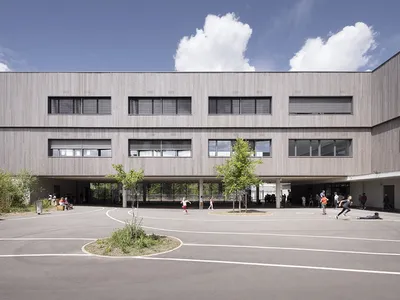
Vil Genis School by BPA ARCHITECTURE – Massy, France
Vil Genis School in Massy, France, features sustainable design, south-facing classrooms, community integration, accessible spaces, and modern educational architecture.

Explore Playground Competitions
Discover active competitions in this discipline



Challenge to reimagine the Iron Throne


Photograph architecture without architects


Illustrate the lost glory of Angkor Wat - Render Challenge


Design challenge to reuse E-waste
Comments (0)
Please login or sign up to add comments
No comments yet. Be the first to comment!