
Sustainable Luxury Resorts Architecture: Ummahat 9-3 Hotel, Café and Restaurant
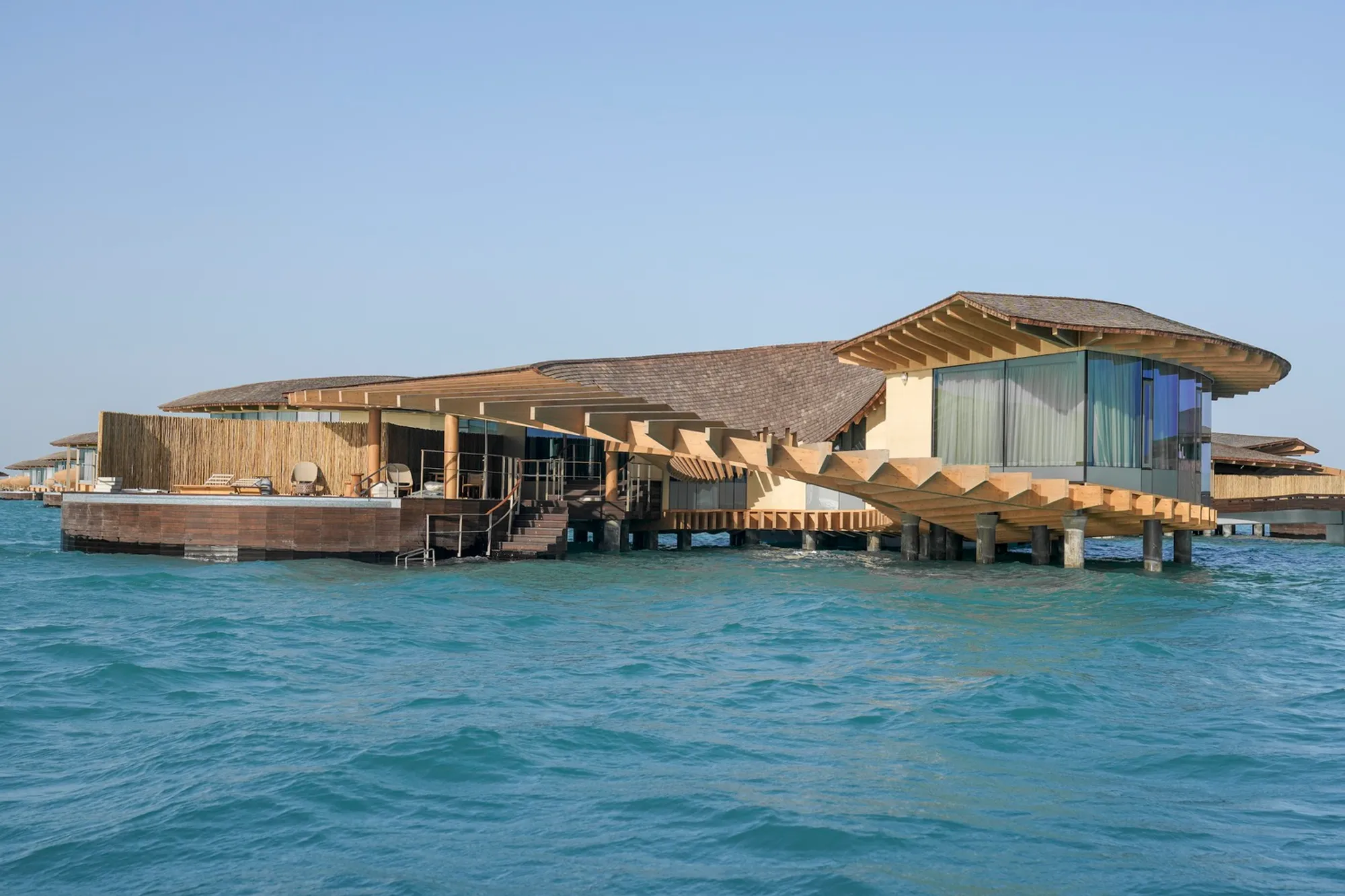
Explore the Ummahat 9-3 Hotel's blend of sustainable luxury architecture and nature-integrated designs on Ummahat AlShaykh island by Kengo Kuma.


In the realm of modern hospitality architecture, the Ummahat 9-3 Hotel, Café and Restaurant stands as a paragon of sustainable luxury resorts architecture. Located on the idyllic Ummahat AlShaykh island in the Red Sea, this project by Kengo Kuma & Associates redefines eco-friendly design in luxury settings.
Design Philosophy of Ummahat 9-3 Hotel
Embracing Natural Elements
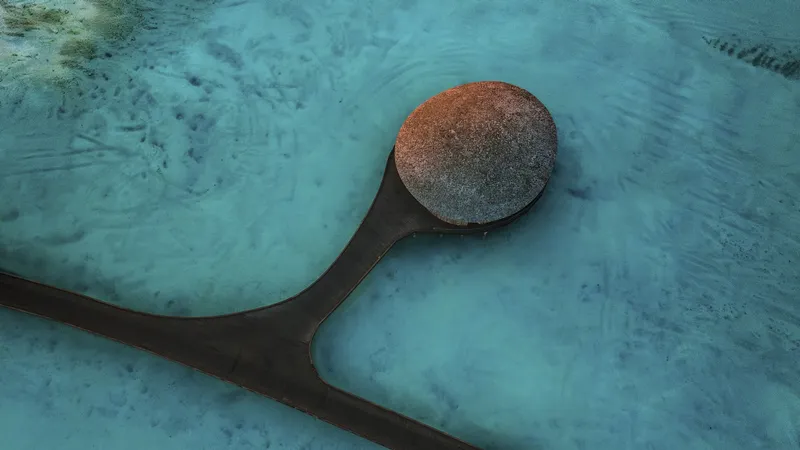
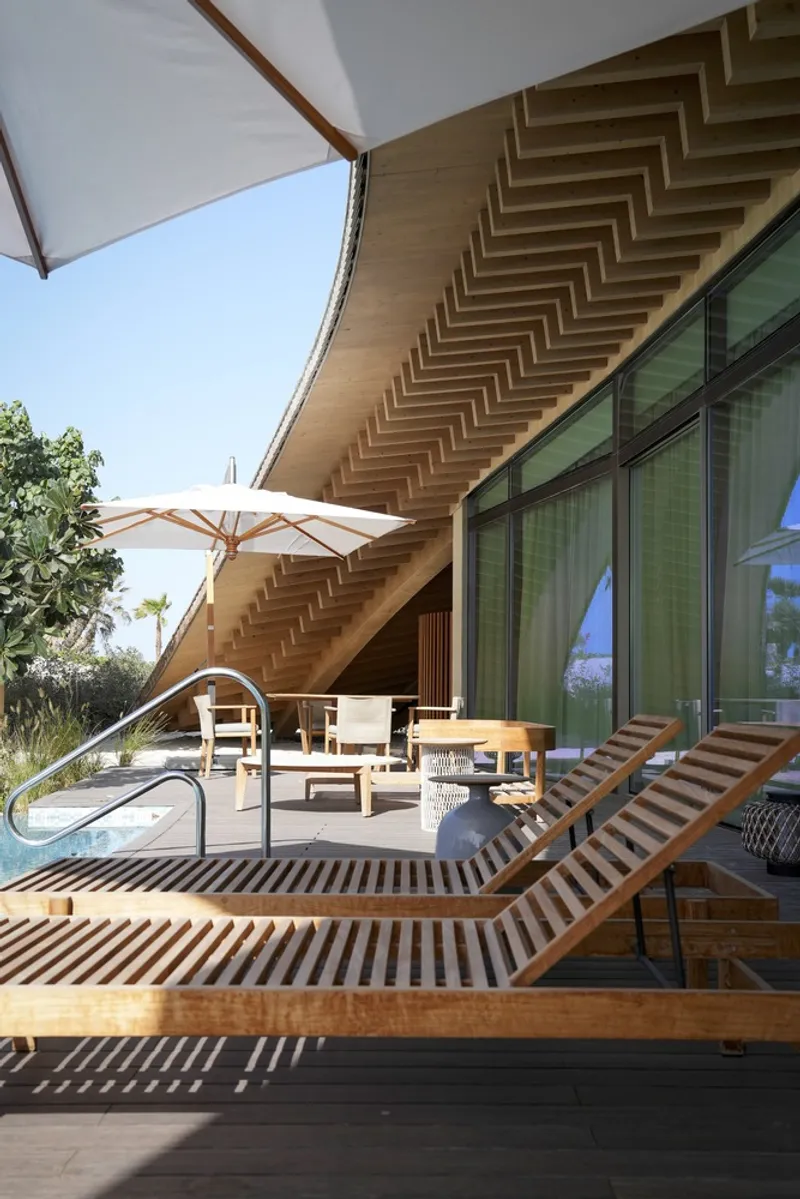
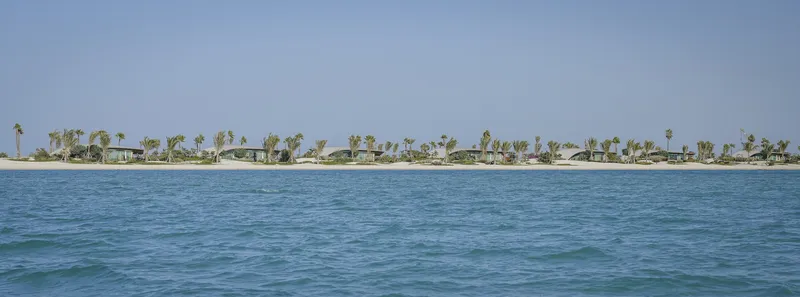
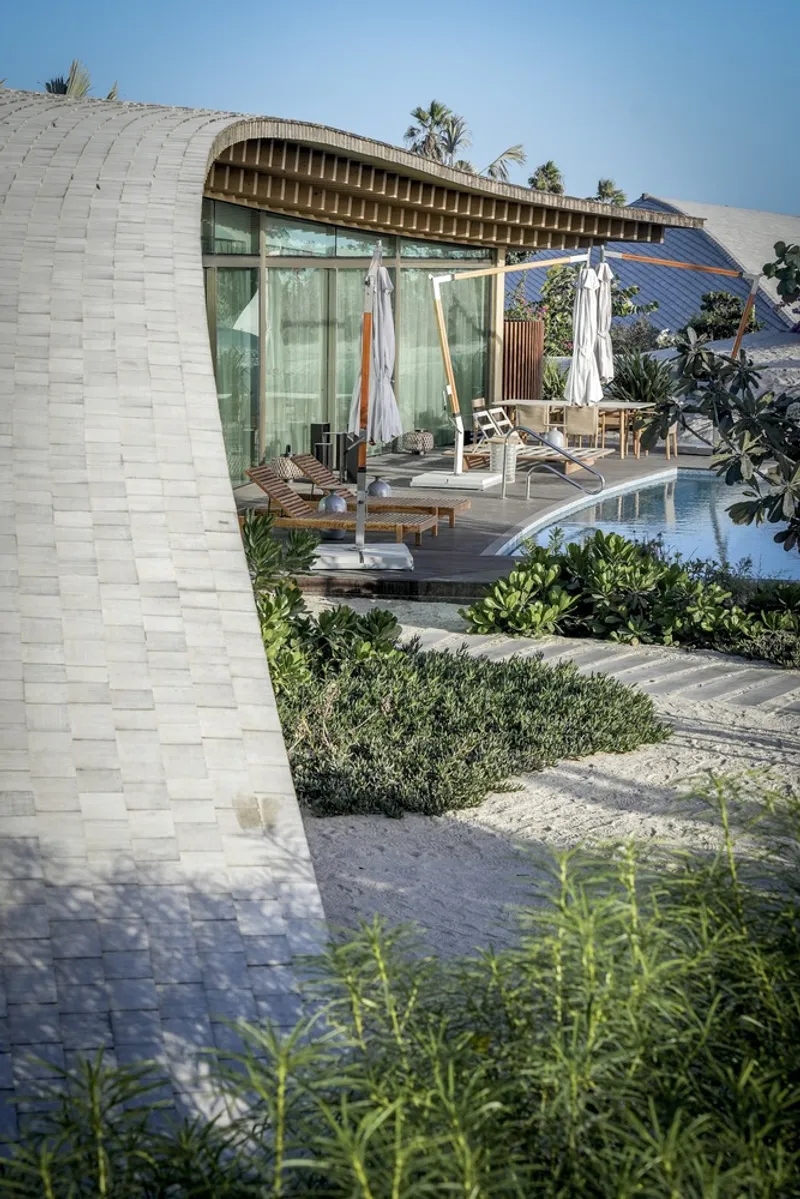
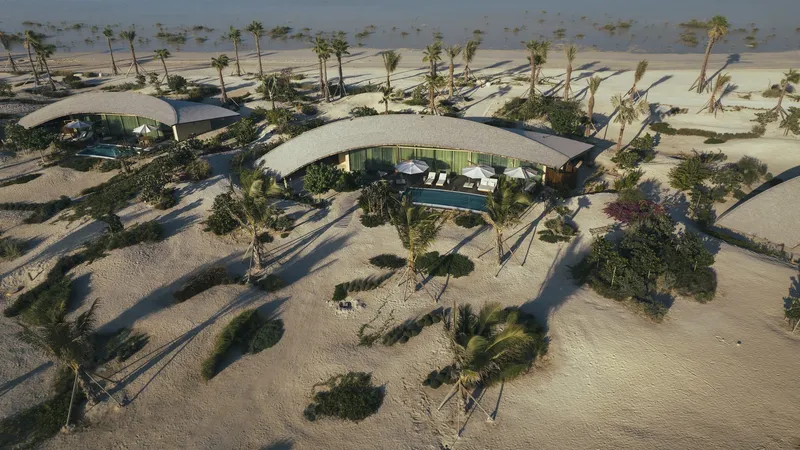
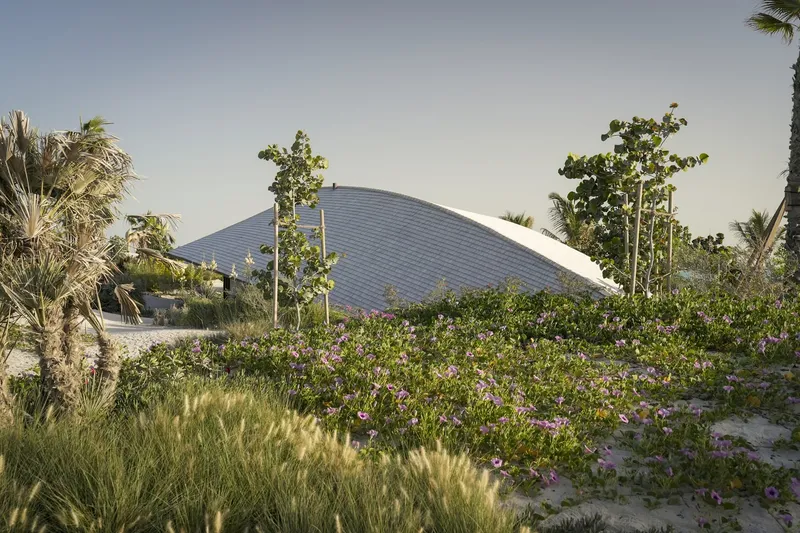
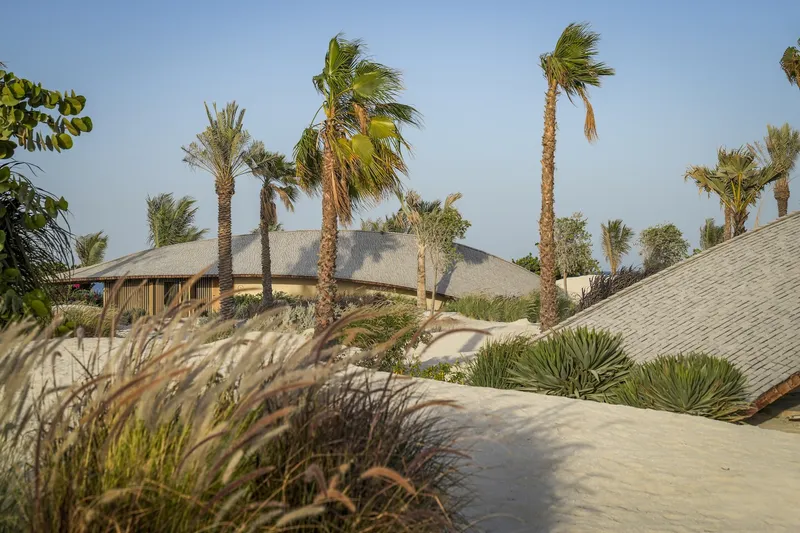
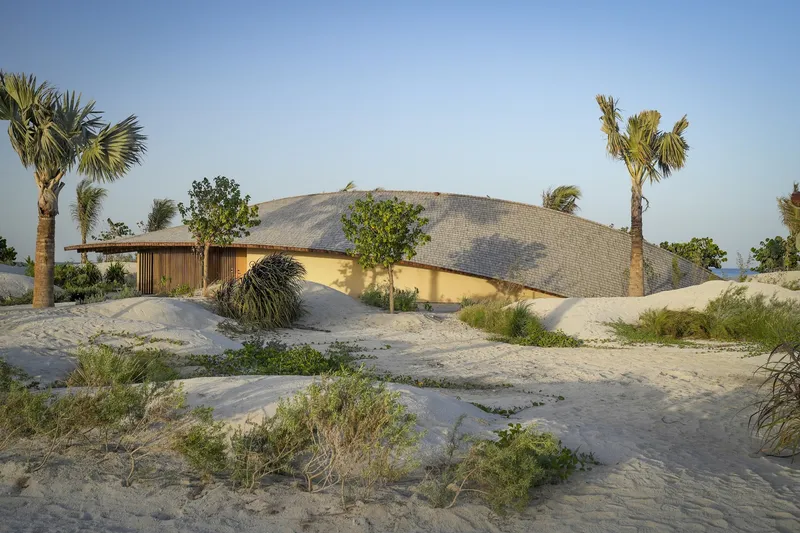
The architects at Kengo Kuma & Associates have approached the design of Ummahat 9-3 with a deep respect for the island’s natural topography and delicate ecosystem. Their philosophy centers around creating structures that blend seamlessly with the natural environment. This is evident in their use of curved, low-rise buildings that mimic the undulating forms of sand dunes, ensuring minimal environmental impact and maintaining the island's pristine condition.
Sustainable Materials and Construction Techniques
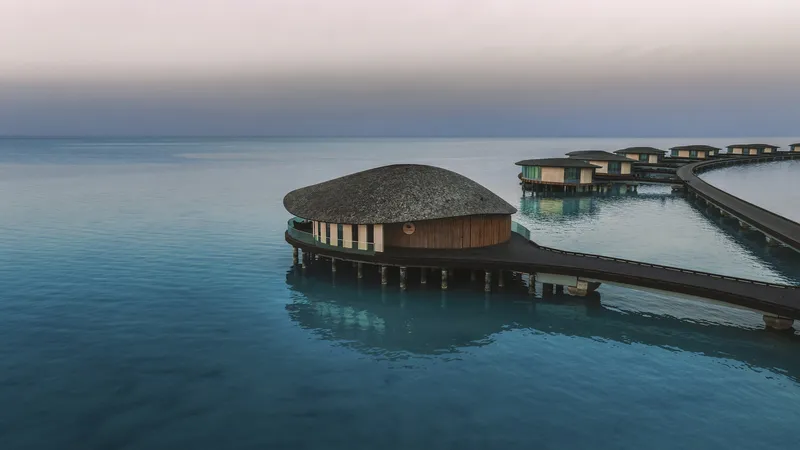
The material selection further emphasizes sustainability. By minimizing the use of concrete, the project utilizes prefabrication methods primarily involving wood and clay plaster, materials that not only ensure durability, especially in saline conditions, but also enhance the aesthetic connection to the natural world. Spruce wood and natural cedar shingles have been specifically chosen for their resilience and environmental compatibility.
Architectural Features of Ummahat 9-3 Hotel
Innovative Land and Coral Villas
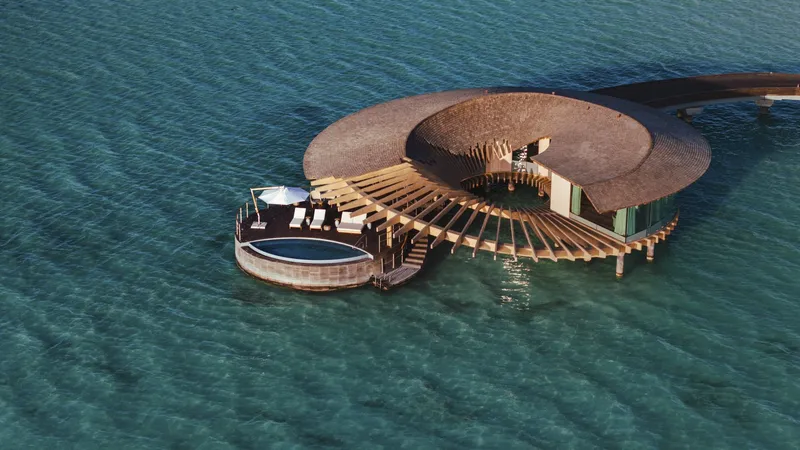
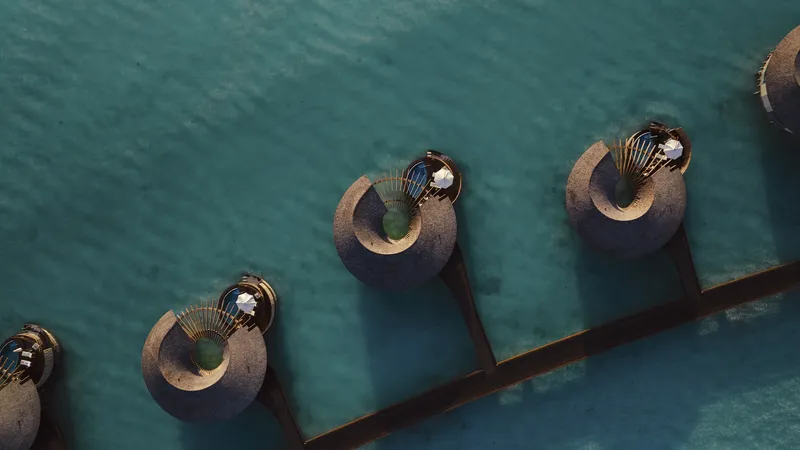
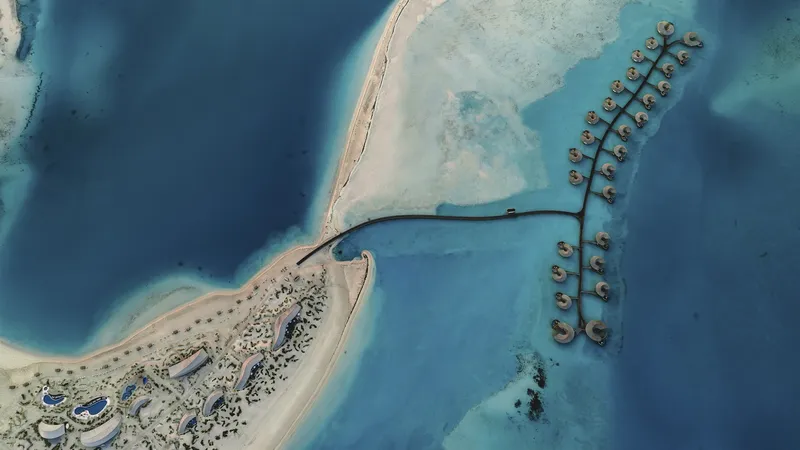
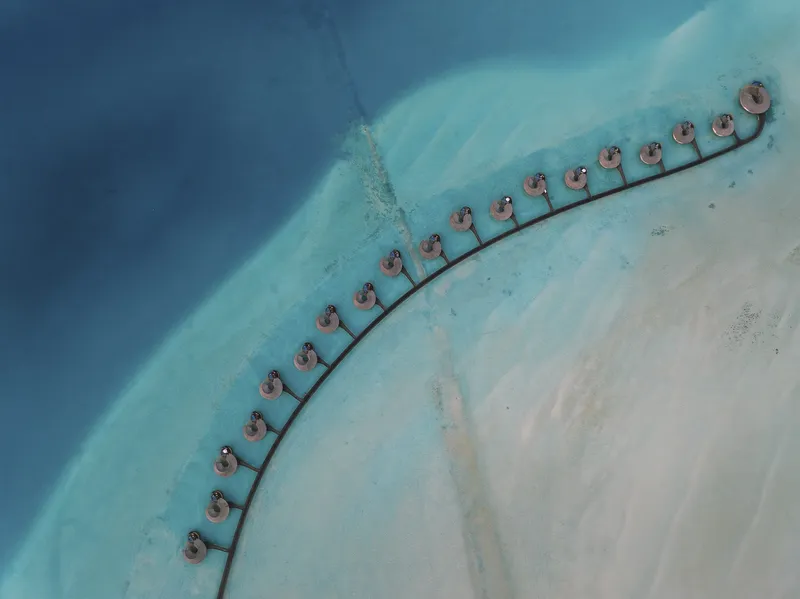
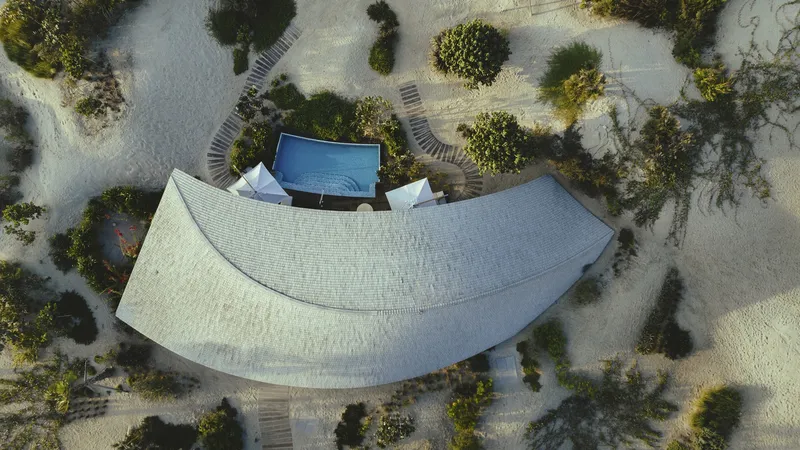
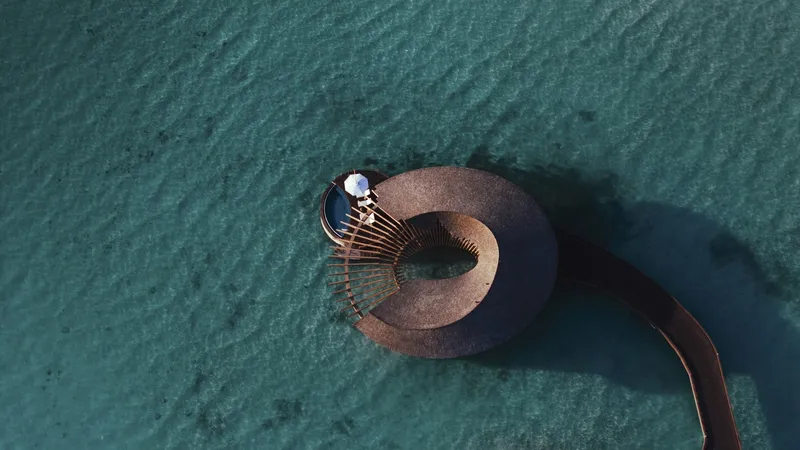
The Ummahat 9-3 Hotel features distinctive Land Villas and Coral Villas, each designed with organic shapes that harmonize with the surrounding landscape and seascape. The Coral Villas exhibit a spiral design that seems to emerge from the sea, providing panoramic views of the ocean, which is integral to the experience of the resort’s guests.
Integrating Architecture with Nature
Every aspect of the villas—from their orientation to their elevation—has been meticulously planned to align with natural elements. The dune-shaped villas and coral-inspired forms not only reflect the unique environmental attributes but also address the challenges posed by the site’s delicate ecosystem.
A Model for Future Luxury Resorts
The Ummahat 9-3 Hotel, Café and Restaurant is a pioneering example of how luxury resorts can embody sustainability without compromising on elegance and guest experience. By prioritizing materials that reflect the local ecology and employing construction techniques that reduce environmental impact, Kengo Kuma & Associates set a new standard in sustainable luxury resorts architecture.
This project not only offers insights into the integration of ecological principles in luxury settings but also serves as an inspiration for future developments in the field of hospitality architecture.
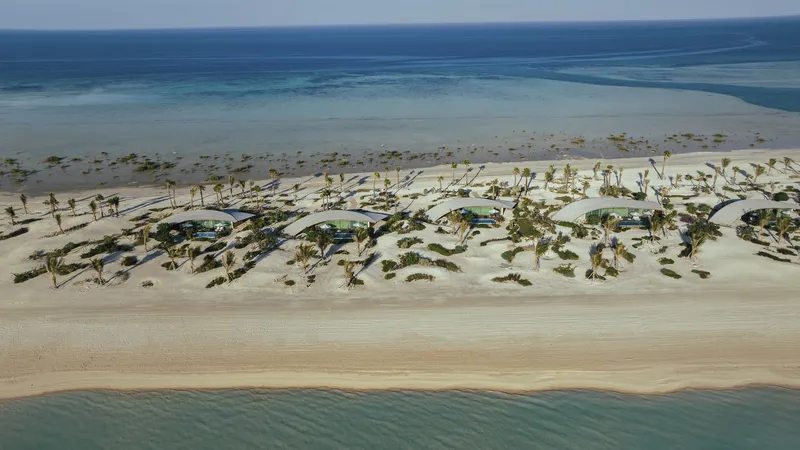
All photographs are work of Nicola Maniero



Popular Articles
Popular articles from the community


The Musturak Paradise: Senior Living Architecture for a Connected Future in Temara, Morocco
The Musturak Paradise reimagines senior living architecture in Temara via private homes, social spaces, culture, community, and shared care.

The Earth Pod: 3D Printed Homes for Resilient Refugee Communities
The Earth Pod reimagines refugee housing through 3D printed homes made from clay, combining resilience, self-sufficiency, and rapid shelter.

Play: Fragments of Their World
Familiar architecture becomes modular playground design, creating safe spaces where displaced children can learn, connect, imagine and play.

Conexión: Biophilic Design Reimagines High-Rise Living in Hong Kong
Conexión reimagines high-rise living in Hong Kong through biophilic design, green facades, shared spaces, daylight, water and nature within.


Similar Reads
You might also enjoy these articles

FAMM Arquitectura Organizes Ten Villas Around Courtyards and Jungle in Nosara, Costa Rica
El Molino pairs two elongated volumes with deep overhangs and timber louvers to build a compact coastal community five minutes from the beach.
Oscar Niemeyer's Ibirapuera Park Pavilions Define São Paulo's Cultural Identity in Concrete and Curve
A constellation of modernist volumes set within São Paulo's most important urban park, conceived for the city's 400th anniversary in 1954.
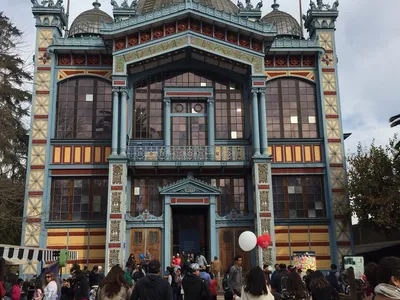
How Henri Picq's 1889 Paris Pavilion Traveled 11,000 Kilometers to Become Santiago's Artequín Museum
A prefabricated iron and glass pavilion built for the Paris Universal Exposition found a second life as a children's art museum in Chile.
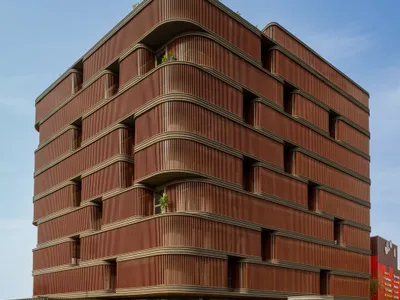
Sanjay Puri Architects Wraps a Jaipur Office Tower in Capsule-Shaped Green Buffers
A nine-level climate-responsive workplace near Jaipur Airport uses stacked planter terraces and aluminium screens to fight 40°C heat.

Explore Hospitality Building Competitions
Discover active competitions in this discipline



Challenge to reimagine the Iron Throne


Photograph architecture without architects


Illustrate the lost glory of Angkor Wat - Render Challenge


Design challenge to reuse E-waste
Comments (0)
Please login or sign up to add comments
No comments yet. Be the first to comment!