

103 Grand: A Contemporary Brooklyn Loft Reimagined with Light, Material, and Outdoor Living
Brooklyn loft-inspired residences combining double-height spaces, reclaimed materials, and terraced outdoor areas, merging industrial heritage with contemporary urban living and sustainability.


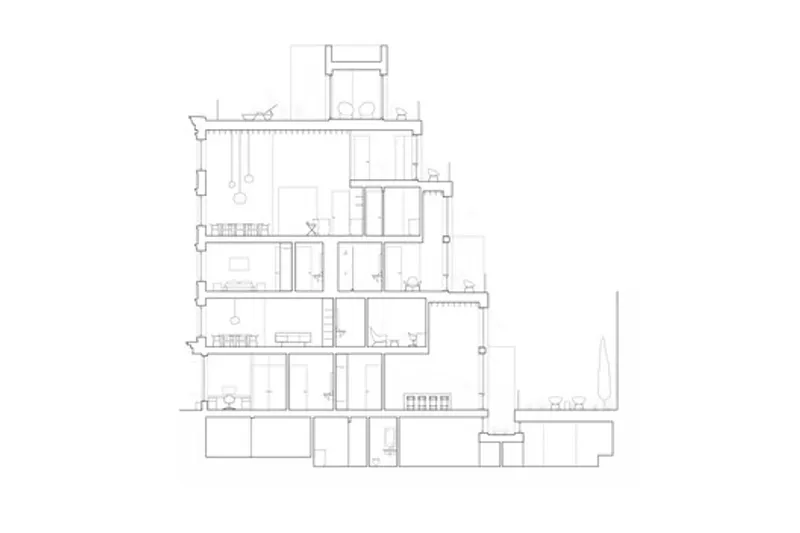
Located in Williamsburg, Brooklyn, 103 Grand Residential Building by Of Possible is a refined multi-family development that reinterprets the essence of industrial loft living for contemporary urban life. Comprising three residences: two duplexes and one triplex: the project balances heritage, material reuse, and modern spatial expectations within a compact 7,300-square-foot footprint.
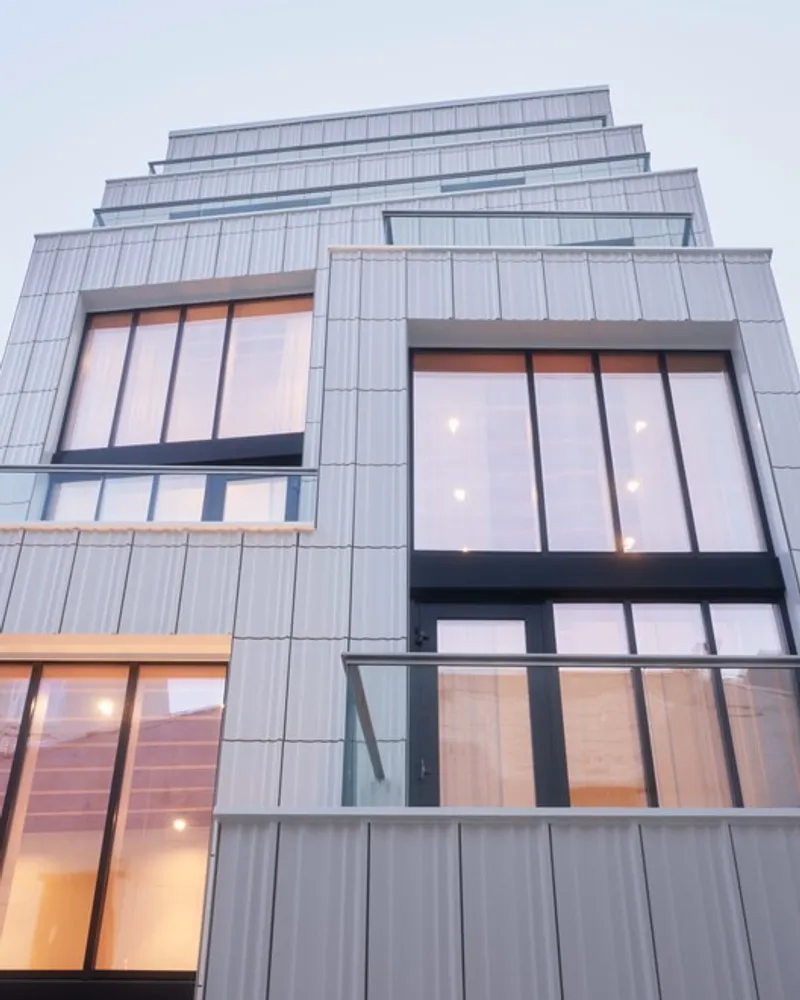
At its core, the design revisits the defining qualities of Brooklyn’s historic warehouse conversions: generous volumes, raw materiality, and spatial flexibility. However, it expands this typology by integrating a feature often absent in traditional lofts, private outdoor space. Each unit is carefully designed to include multiple terraces, transforming the residential experience by merging indoor openness with outdoor living.

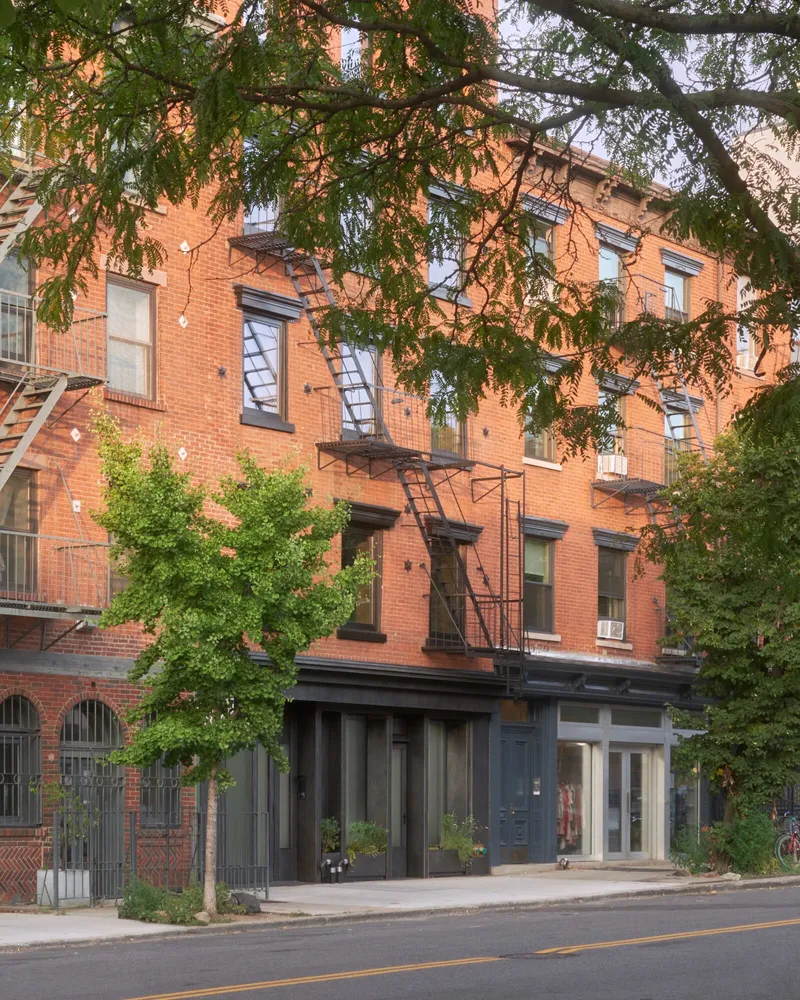
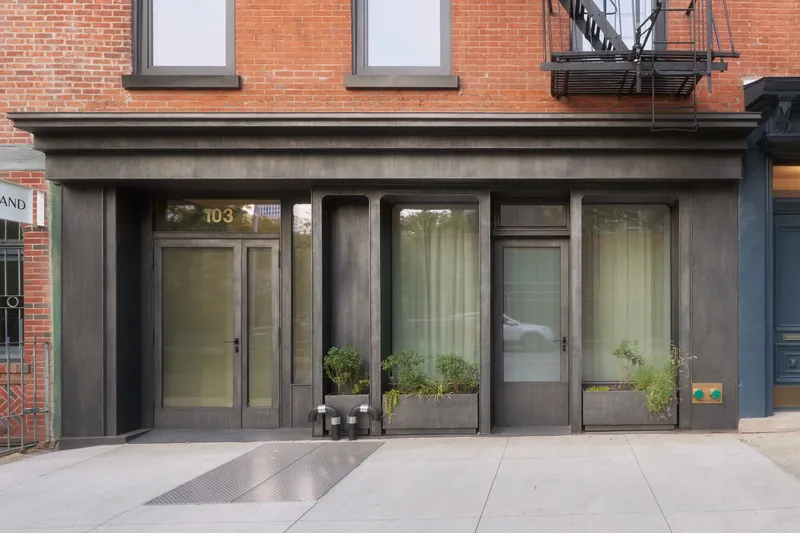
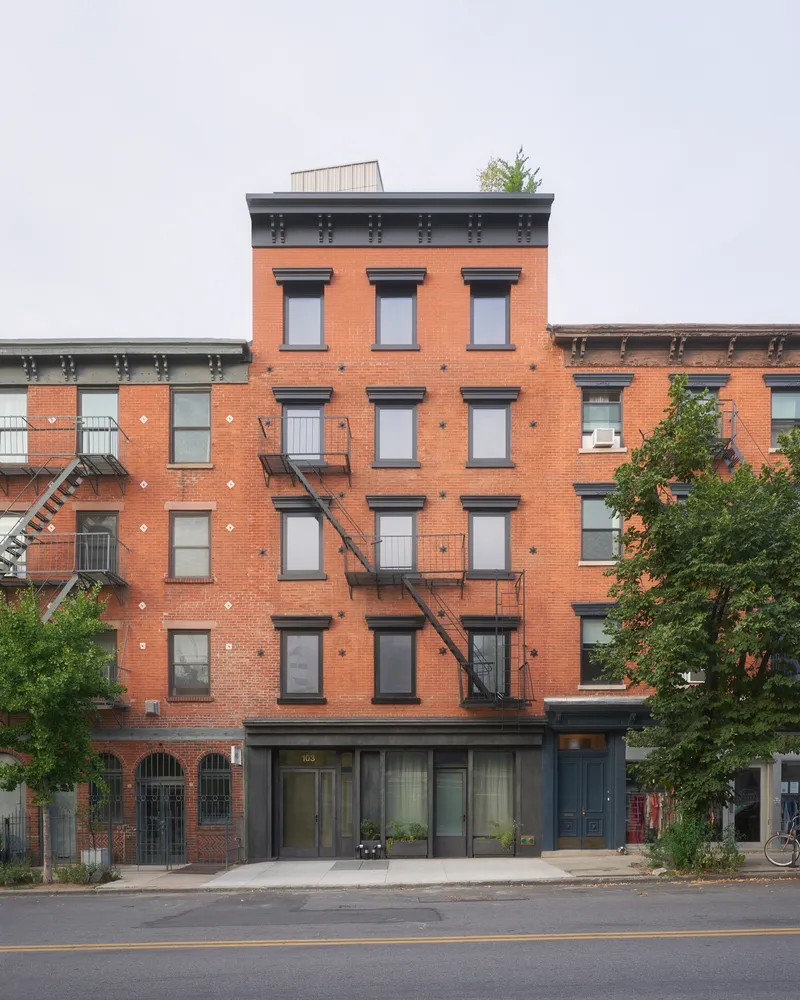
The building presents a dual architectural identity. Along the street, the façade maintains continuity with Williamsburg’s historic character through the use of red brick, aligning with the surrounding urban fabric. This contextual approach ensures that the building integrates seamlessly into its neighborhood.
In contrast, the rear façade introduces a contemporary expression. Clad in custom fluted terracotta tiles, it offers a dynamic and tactile surface that responds to light and shadow. The curvature of these tiles subtly echoes interior elements, creating a dialogue between inside and outside. This rear elevation is not treated as secondary; instead, it becomes a key architectural feature, emphasizing the importance of all sides of the building.
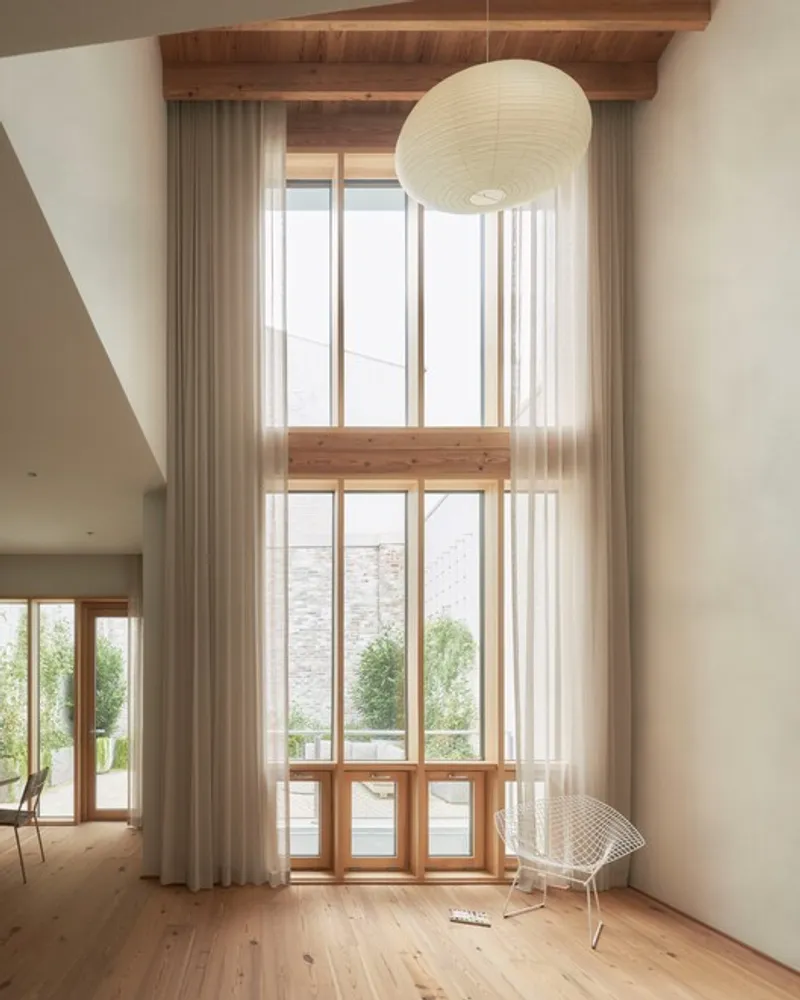

The massing is strategically terraced toward the rear, allowing each residence access to outdoor areas while maximizing daylight penetration. Floor-to-ceiling glazing enhances this effect, flooding the interiors with natural light and reinforcing the connection to exterior spaces. The result is a series of bright, airy homes that feel expansive despite their urban context.
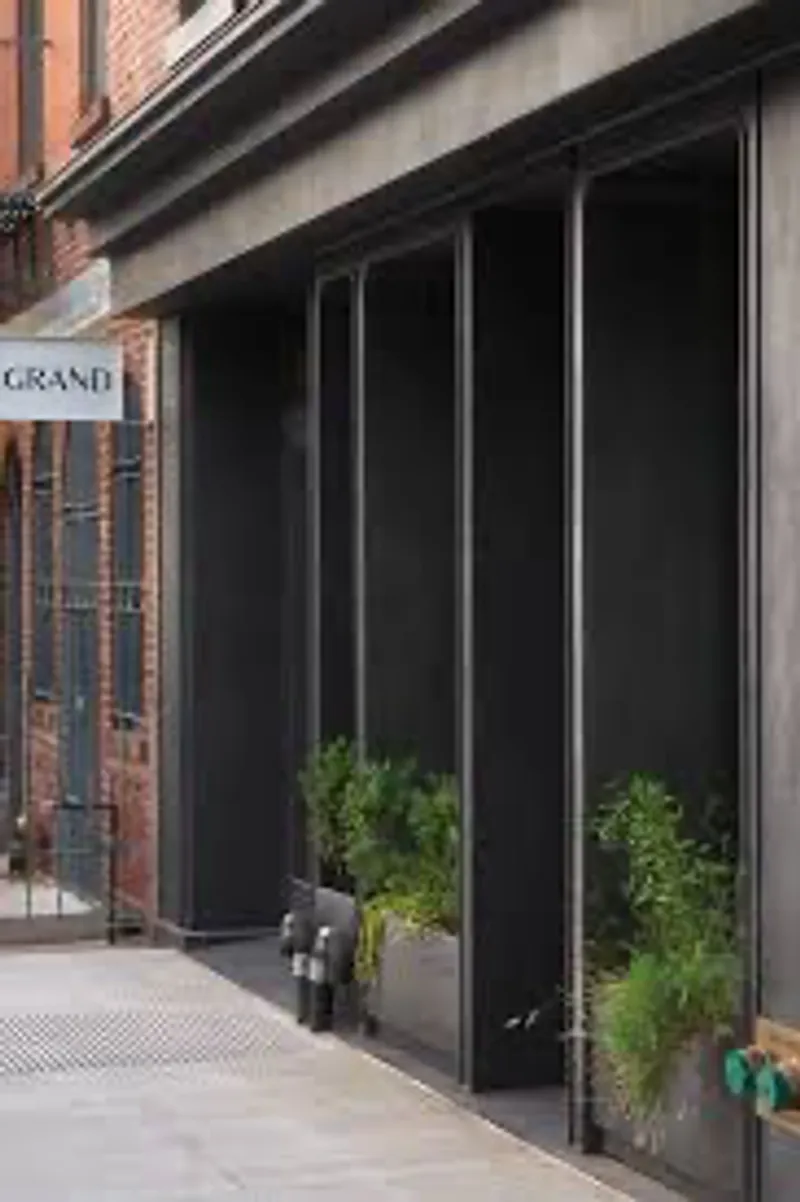

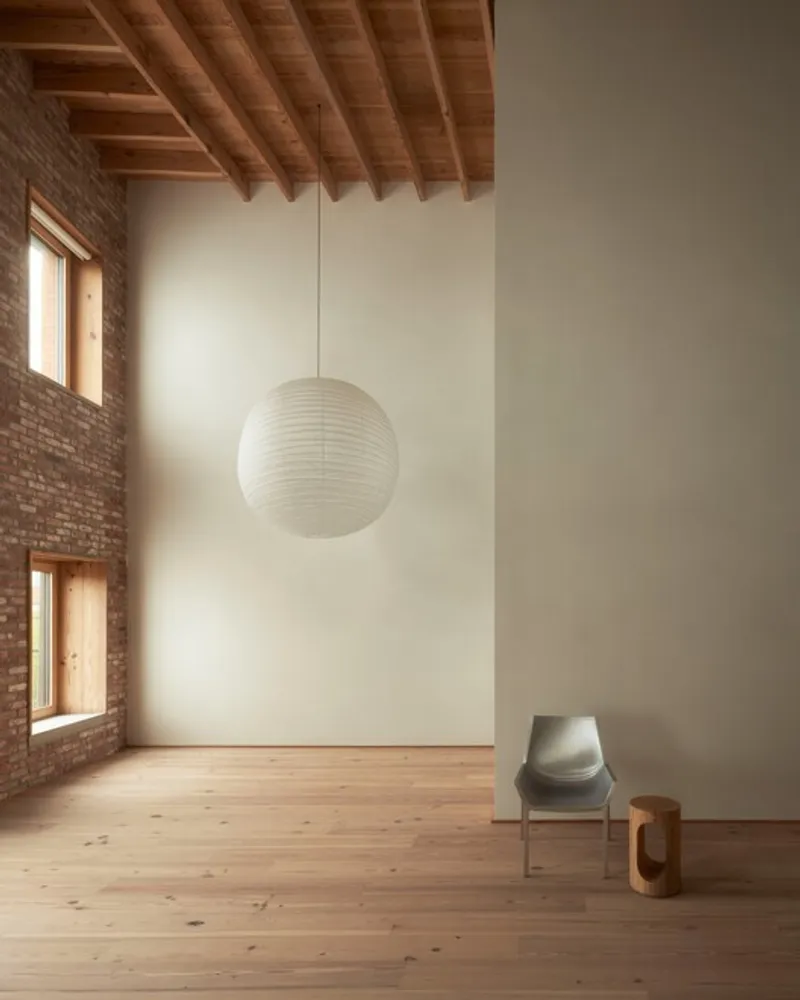
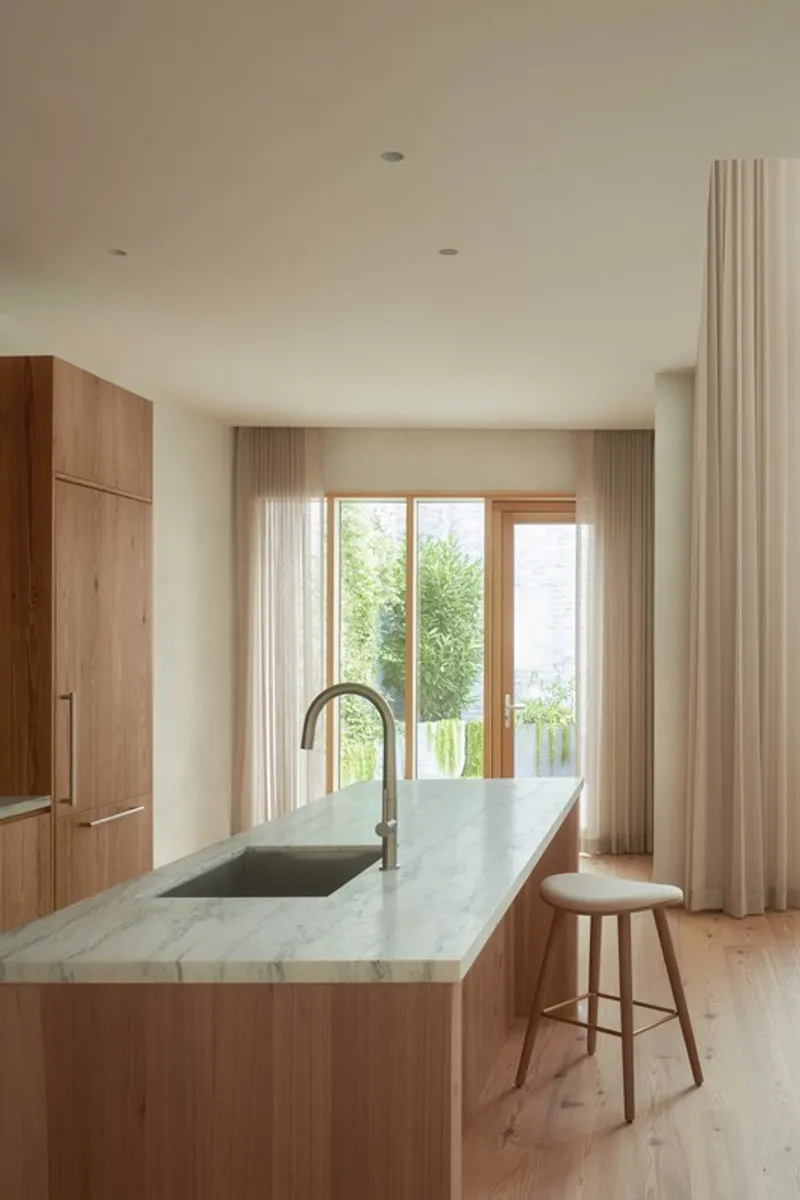
Internally, the apartments are defined by loft-like proportions, with double-height spaces reaching up to 18 feet. These volumes create a sense of openness and flexibility, reminiscent of converted industrial buildings while accommodating contemporary living patterns. Each unit is uniquely configured, ensuring diversity in spatial experience rather than repetition.
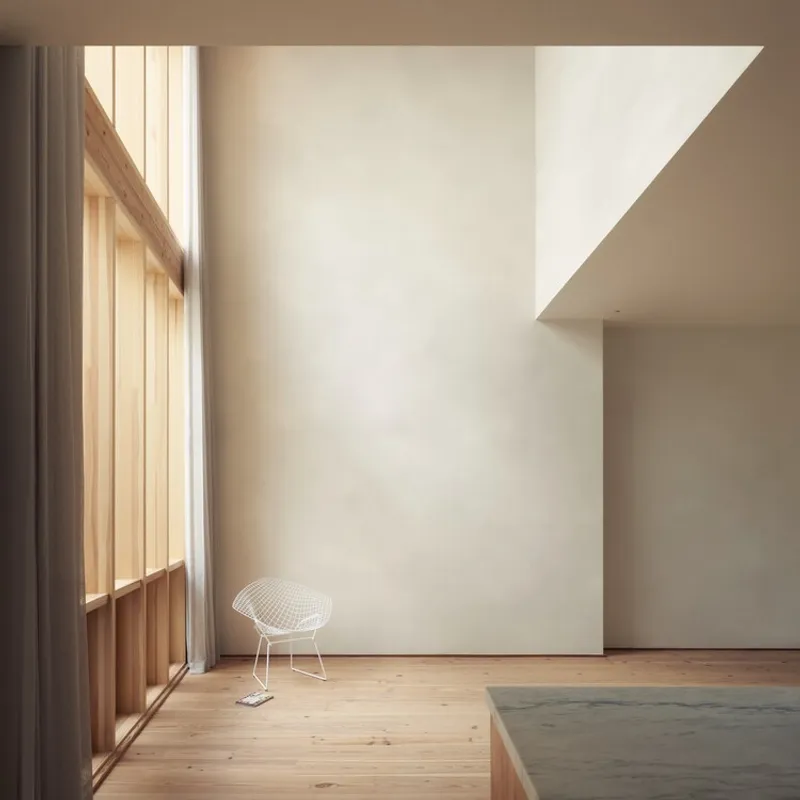
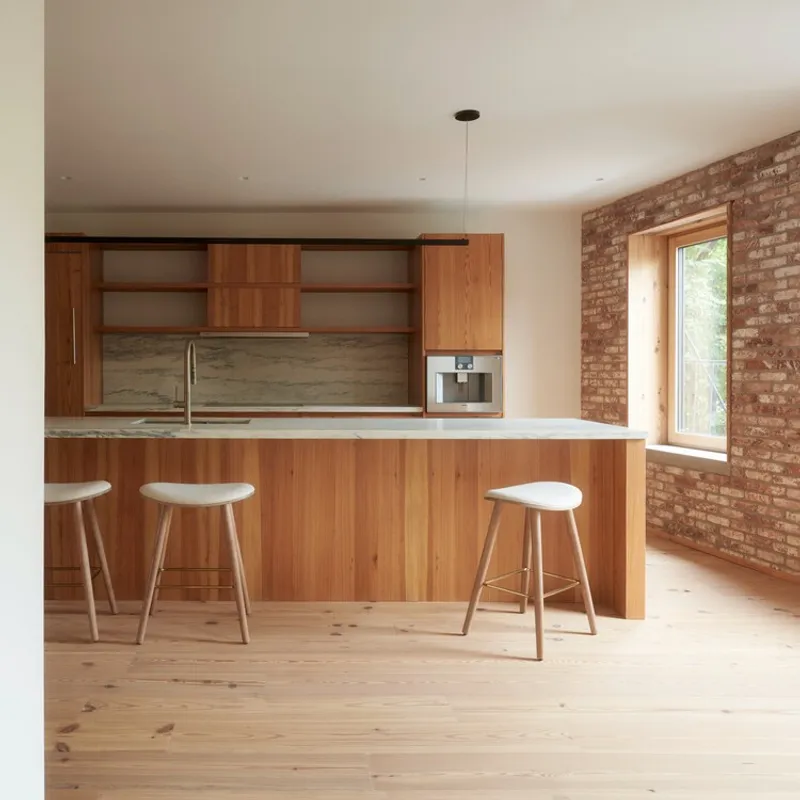
Materiality plays a central role in shaping the atmosphere. Reclaimed heart pine wood is used extensively across floors, cabinetry, window frames, and interior detailing. Sourced from a demolished 19th-century structure in Queens, this material introduces warmth and historical continuity while reducing environmental impact. Its rich texture contrasts with more refined elements such as glass, plaster, and metal, creating a layered and balanced interior environment.
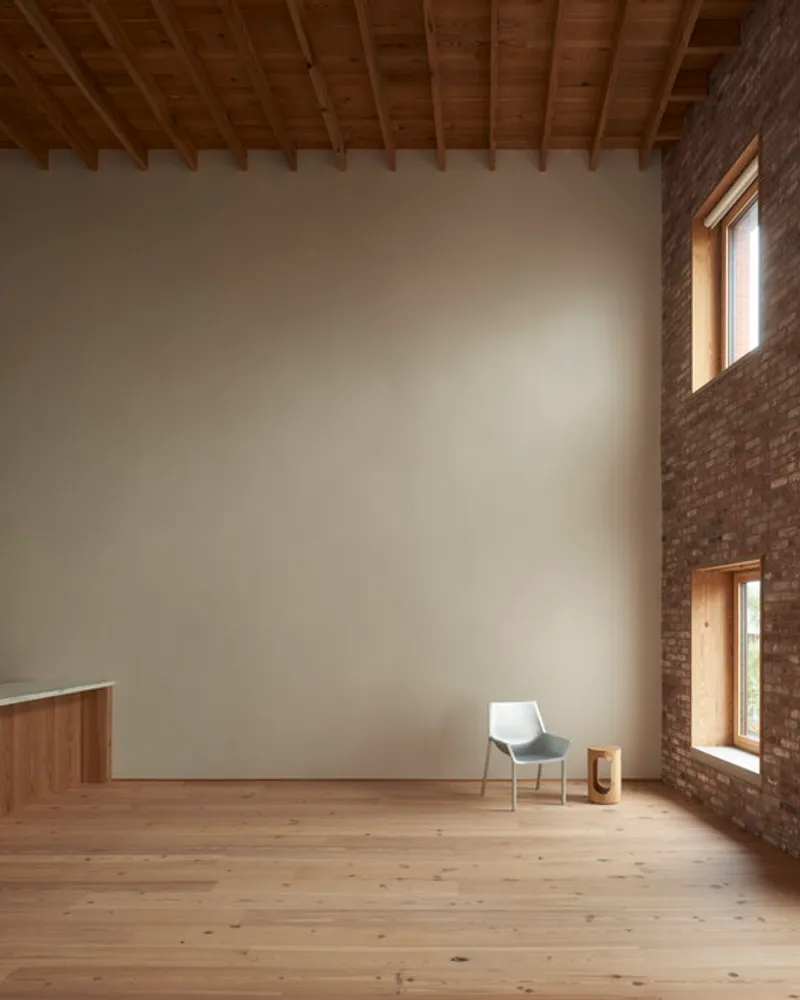
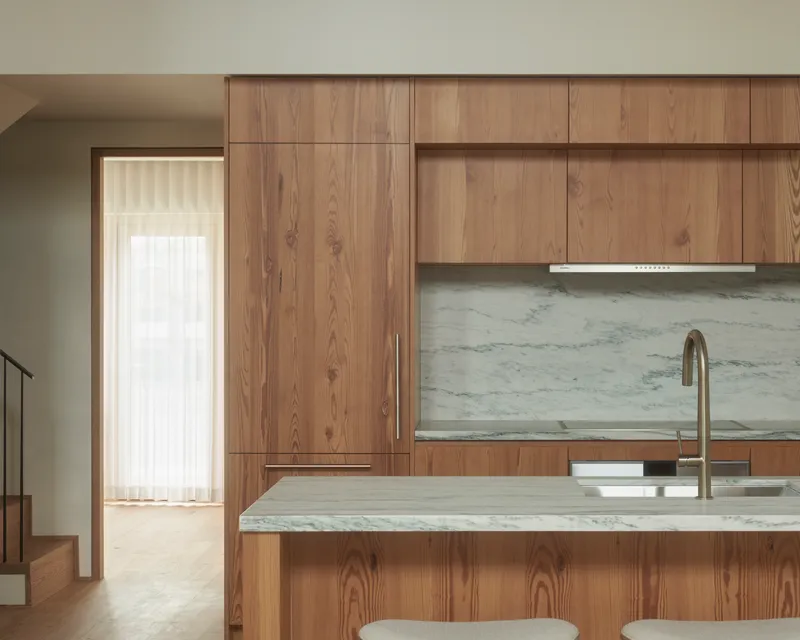
The selection of materials draws heavily from Williamsburg’s industrial past. Brick, patinated metal, timber, and large expanses of glass reference the neighborhood’s former warehouses while translating them into a contemporary language. This combination of old and new results in a building that feels both familiar and forward-looking.
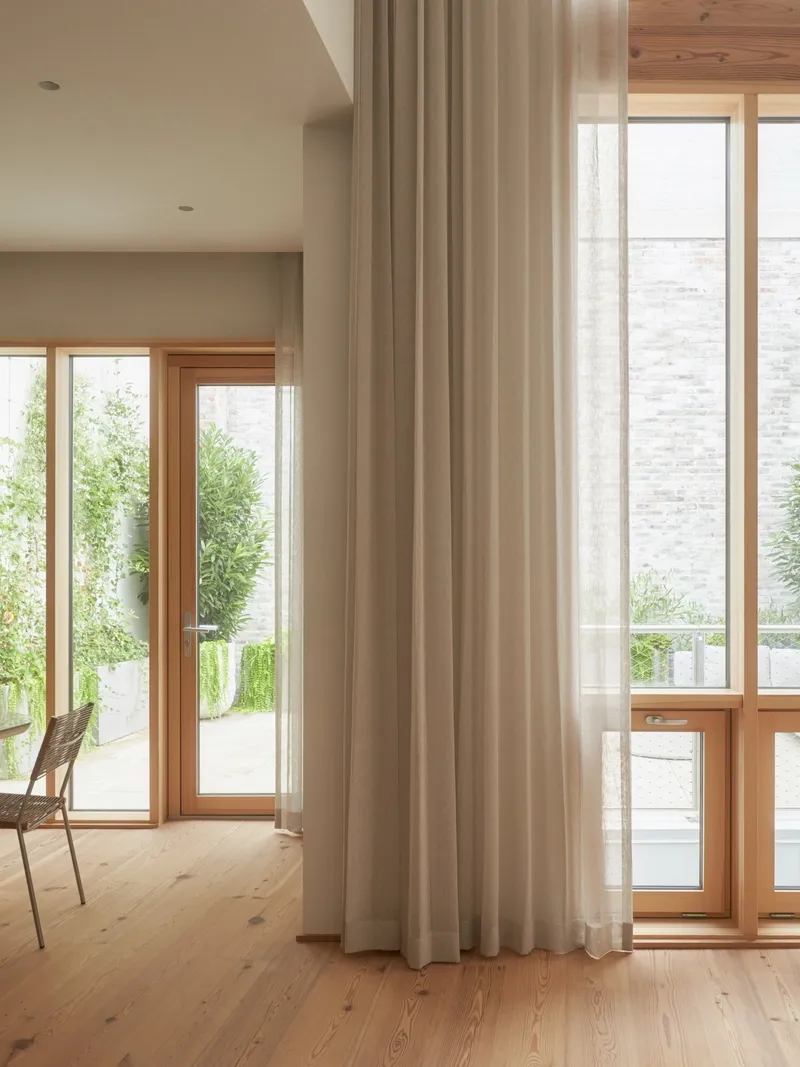

Sustainability is embedded in the project’s design approach. High-performance triple-glazed windows enhance thermal comfort while maximizing daylight. The building operates as an all-electric system with efficient heating and cooling, contributing to improved indoor air quality. The use of reclaimed materials further reduces the building’s embodied carbon footprint, aligning the project with progressive environmental standards.
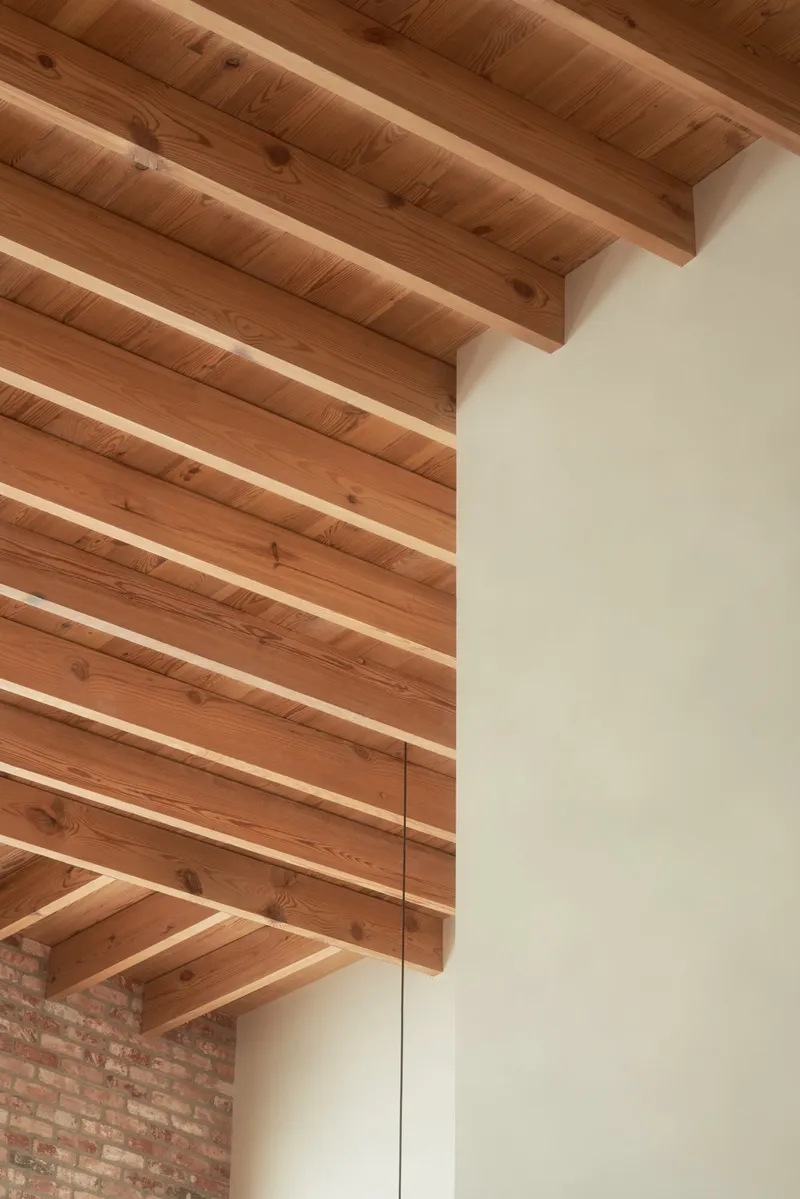

Ultimately, 103 Grand is an exploration of how traditional urban typologies can evolve. By combining the spatial qualities of loft living with the amenity of private outdoor space, the project creates a new model for residential design in dense cities. It is a building that respects its context while pushing its possibilities: offering homes that are open, adaptable, and deeply connected to both history and contemporary urban life.
All the Photographs are works of Jake Balston


Popular Articles
Popular articles from the community


GROUP A Strips a 1969 Rotterdam Harbor Headquarters to Its Frame and Wraps It in Timber Louvers
In Rotterdam's M4H harbor district, Ferro Offices reuses a 1969 frame, adds one timber storey and reaches BREEAM-NL Outstanding.

Jaramillo Van Sluys Arquitectura and Urbanismo Turn a Demolished Registry Lot in Quito into an Orchard Plaza
In Quito's Centro Histórico, a 2,800 m² plaza exposes the San Agustín convent wall and redraws its lost Augustinian orchard in volcanic stone.

LT2A and OPEN Architectes Thread a Brick and Glass High School Through a Wooded Belgian Campus
In Braine-l'Alleud, a 3,000 m² wing for Collège Cardinal Mercier pairs pale brick with a glazed colonnade, deferring to a small chapel and a dense wood.

longwave studio Reorganizes a 112 m² Tainan Apartment Around the Daily Routines of a Family and Two Cats
In Tainan, Taiwan, birch plywood, rust-red furniture and a freestanding plaster wall link arrival, storage, work and family life in one apartment.

Similar Reads
You might also enjoy these articles

Gil Mello Arquitetura Tilts a Single Roof Toward the Waterfalls on a Plateau Above Aiuruoca, Brazil
In Aiuruoca, Minas Gerais, a 200 m² house of local labor and reclaimed poles pairs a low valley veranda with a tall mountain one.

U.GA Architects Wraps an Oval Rooftop Pool in Curved Board-Formed Concrete on Busan's Jeollidan-gil
In Busan's Jeonpo-dong, a 454 m² mixed-use block stacks a neighborhood facility, guest rooms and an oval rooftop pool inside spiraling concrete walls.

Felipe Hess Arquitetos Turns a Blind Stone Wall to the Street and Opens a Brazilian House onto a Courtyard and Canal
A canal-front house in Brazil hides behind painted stone and planting, then opens to an olive-tree courtyard, a reed-ceilinged porch and a curving pool.

David Macias Steps a Doorless Stone and Plaster House Down a Tropical Colombian Hillside
In the humid hills of Colombia, Threshold House replaces the front door with an open void and terraces its 850 m² down the slope instead of fighting it.

Explore Residential Building Competitions
Discover active competitions in this discipline

Challenge to design mud housing for contemporary communities

Challenge to reimagine the Iron Throne

Photograph architecture without architects

Illustrate the lost glory of Angkor Wat - Render Challenge
Comments (0)
Please login or sign up to add comments
No comments yet. Be the first to comment!