
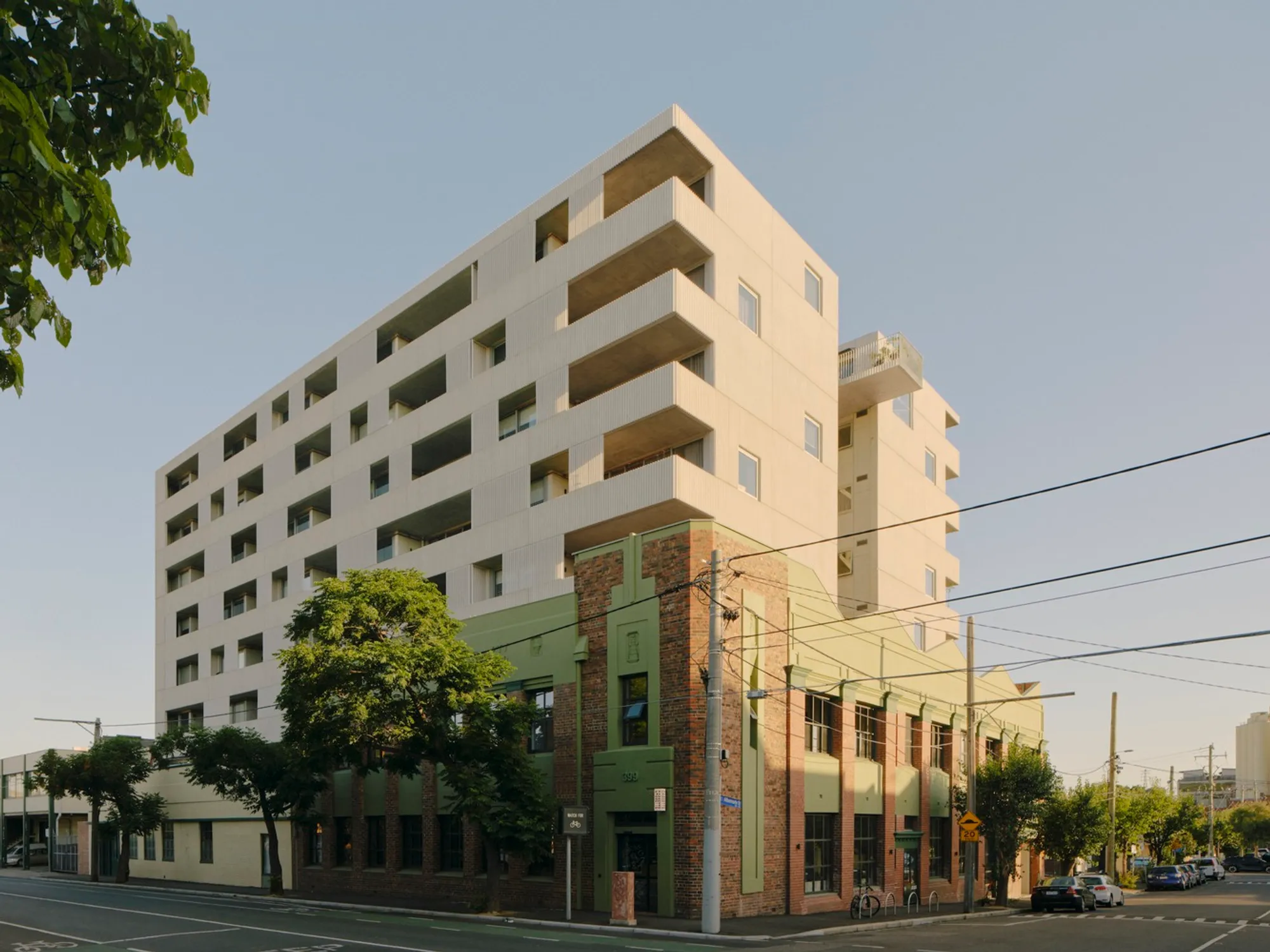
38 Albermarle Street: Pioneering Sustainable and Community-Centric Living
A sustainable, community-driven residential project in Melbourne blending adaptive reuse, social connectivity, and innovative built-to-rent-to-own housing solutions. #SustainableLiving


A Visionary Residential Development by Fieldwork
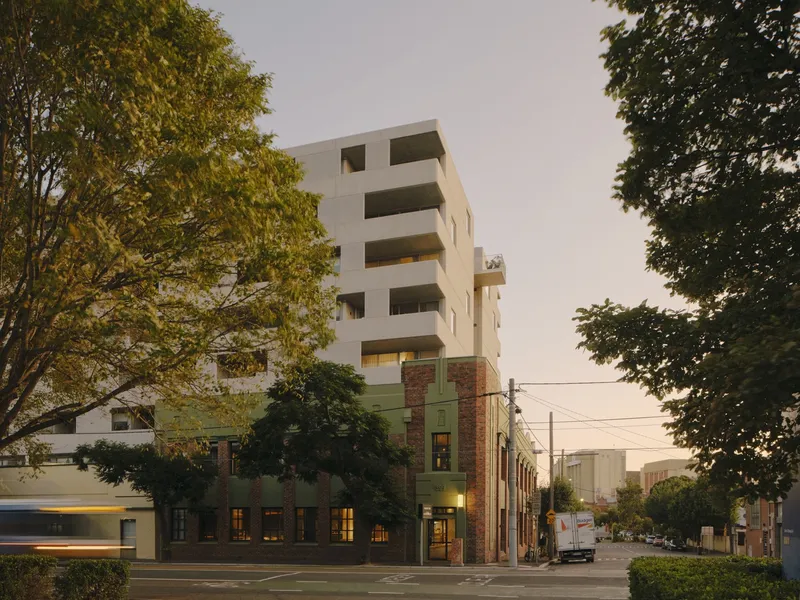
38 Albermarle Street, designed by Fieldwork for Assemble, represents an innovative step forward in sustainable and community-driven residential architecture. As the first medium-density 'built-to-rent-to-own' (BTRTO) development in Australia, this project is setting a new benchmark for affordable and socially inclusive housing. Located in Kensington, Melbourne’s inner northwest, the 73-apartment complex offers a mix of one, two, and three-bedroom units, providing long-term rental stability with an option to purchase at a fixed price.
Adaptive Reuse: Honoring Architectural Heritage
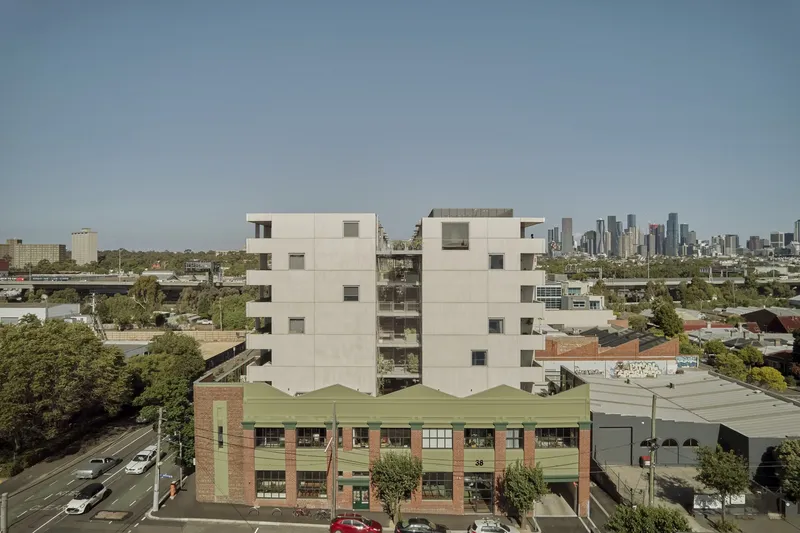
The site, originally home to a 1950s industrial building designed by renowned Australian architect Harry A. Norris, was previously a recording studio and cassette factory. Fieldwork’s approach prioritized adaptive reuse, integrating the heritage fabric into a modern residential setting. By preserving elements of the original structure and incorporating new design interventions, the project fosters a seamless connection between past and present, offering residents a unique living experience rooted in history.
Enhancing Community Interaction Through Architecture
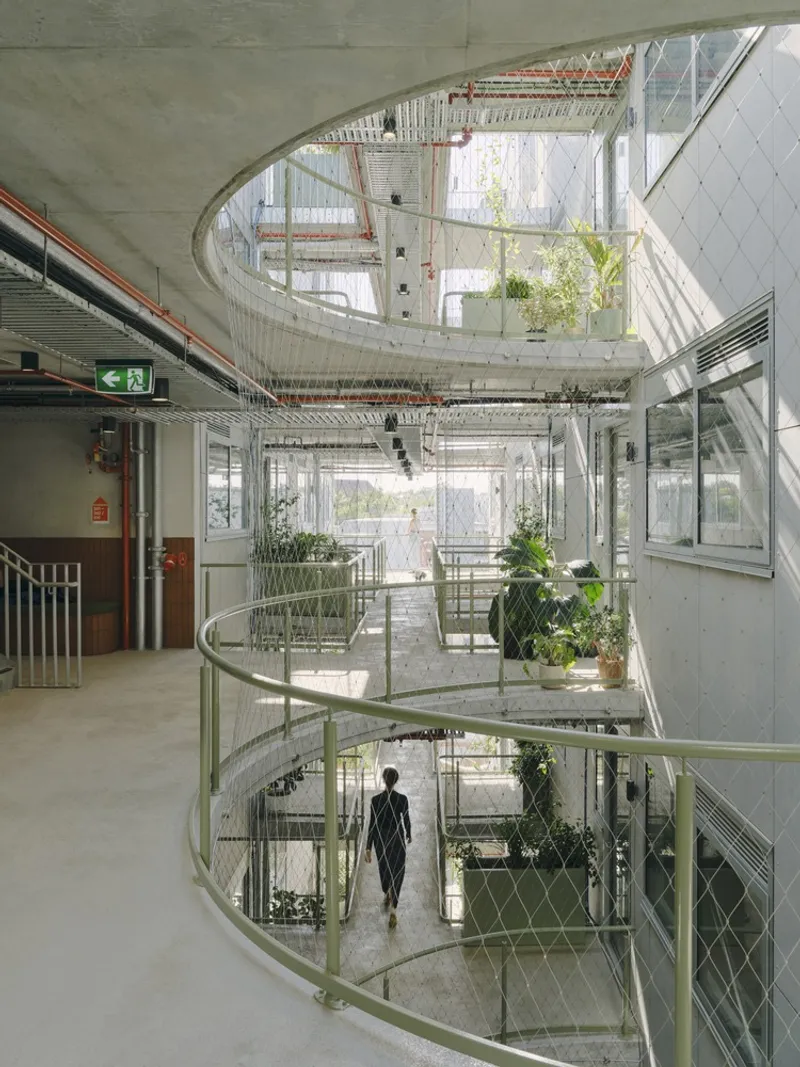
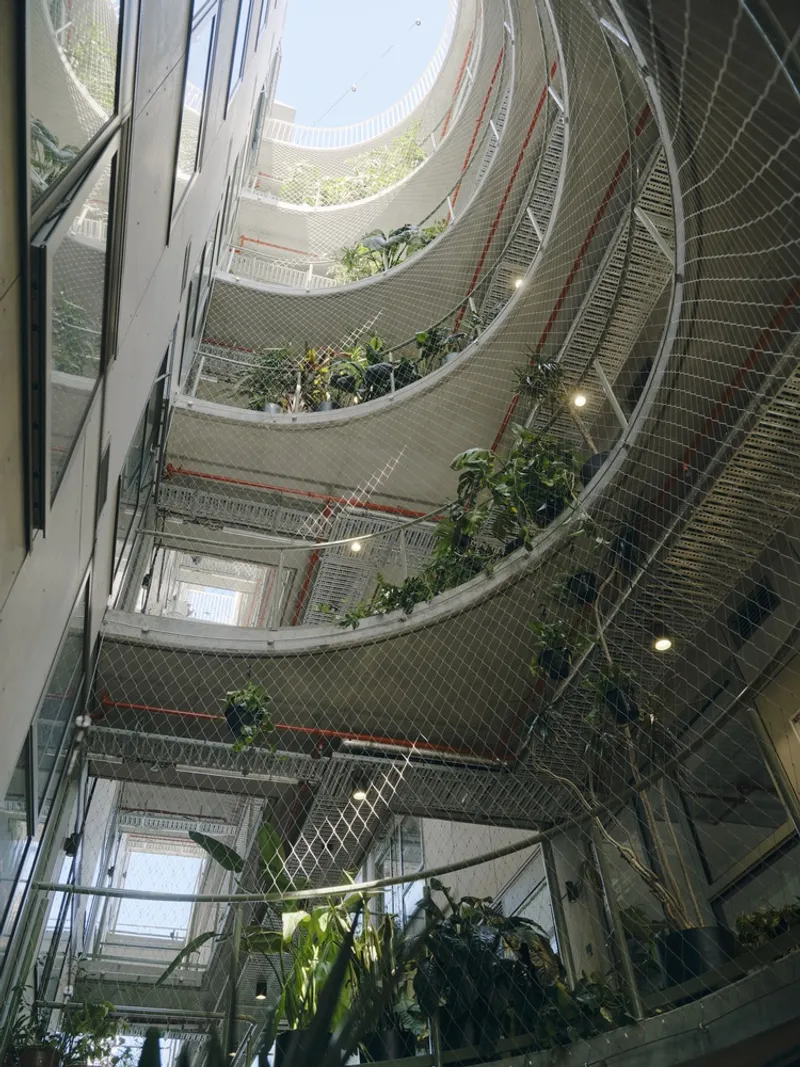
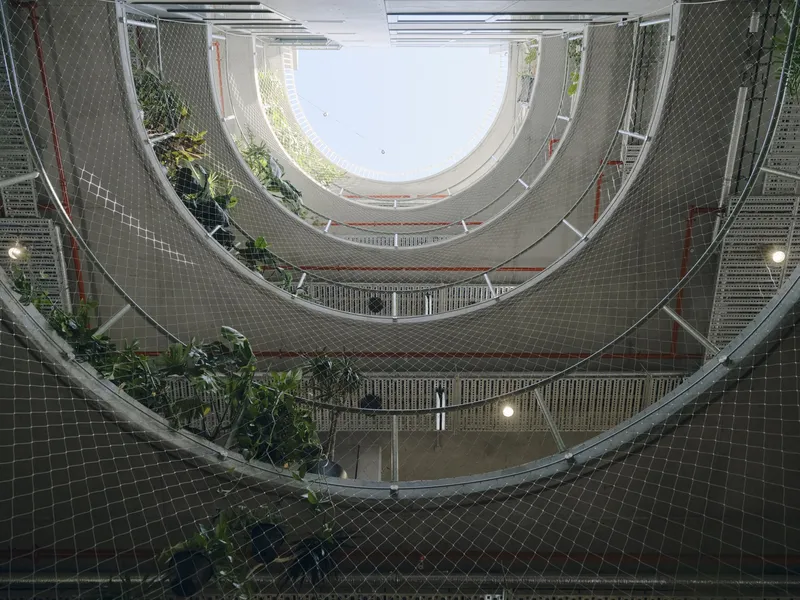
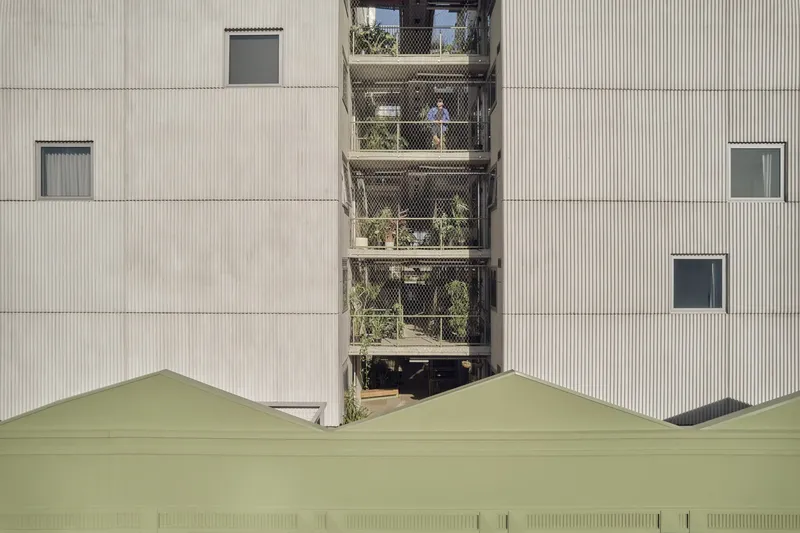
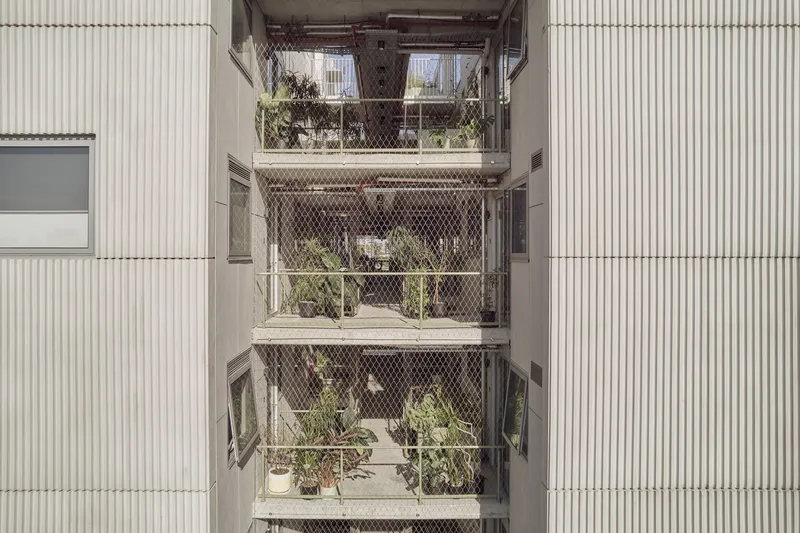
One of the most distinctive features of 38 Albermarle Street is its external circulation design, inspired by Melbourne’s mid-century walk-up apartments. Unlike conventional enclosed corridors, the project features two separate towers connected via an open-air breezeway, promoting social interaction and a sense of community. Residents can personalize their bridged verandahs, turning them into extensions of their living spaces adorned with plants, bicycles, and outdoor furniture.
A semi-circular void at the building’s core serves as a functional and aesthetic element, ensuring natural light penetration and ventilation while creatively integrating the space once needed for a tower crane during construction. “This ‘connective tissue’ becomes the focus of the architecture, building a nurturing and neighborly place,” says Quino Holland, Co-Director of Fieldwork.
Designing for Lifestyle and Sustainability
Building on concepts from Assemble’s 122 Roseneath Street development, 38 Albermarle Street prioritizes livability and sustainability. Designed to support pet-friendly and family-friendly living, the development includes:
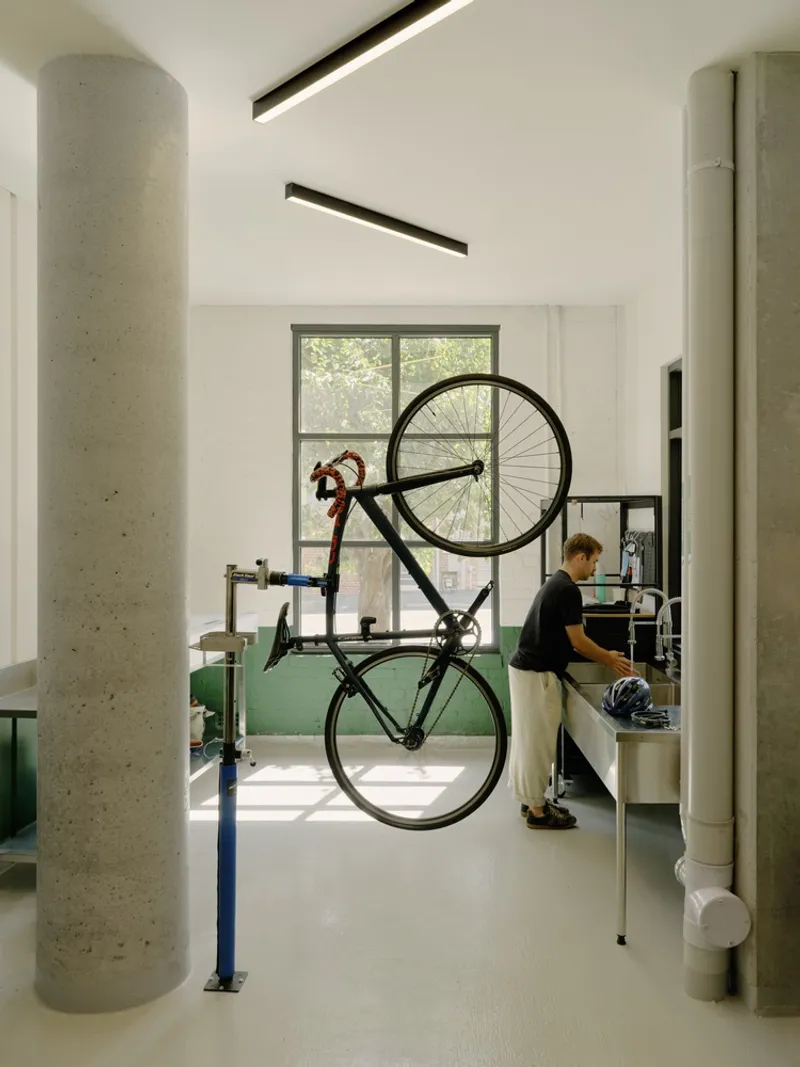
- A communal workshop equipped with a bike repair station, workbench, and industrial sinks for creative projects.
- A laundrette, allowing residents to repurpose private laundry space.
- A parcel room for secure deliveries.
- A lending library encouraging the sharing of rarely used household items.
- A dog-washing station to enhance pet-friendly amenities.
A ground-level hospitality space, aptly named ‘Cassette’ in homage to the site's history, serves as a community hub managed by Assemble’s Neighborhood Team. Designed by Six Degrees Architects, it strengthens the connection between residents and the broader Kensington community.
Smart, Sustainable Design for Future-Proof Living
Sustainability is a key pillar of the design, with features that ensure high energy efficiency and occupant comfort:
- Thermally broken glazing achieves a 7-star NatHERS rating.
- Cross-ventilation and rooftop solar panels reduce energy consumption.
- No natural gas reliance, promoting cleaner energy solutions.
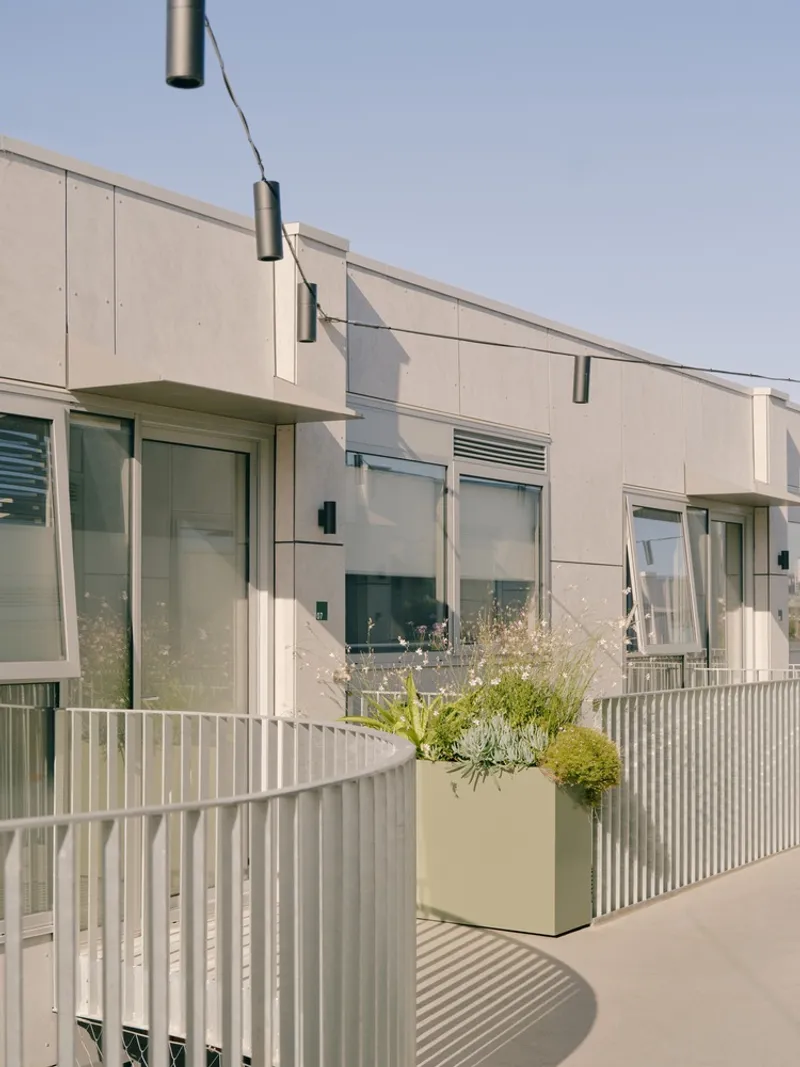
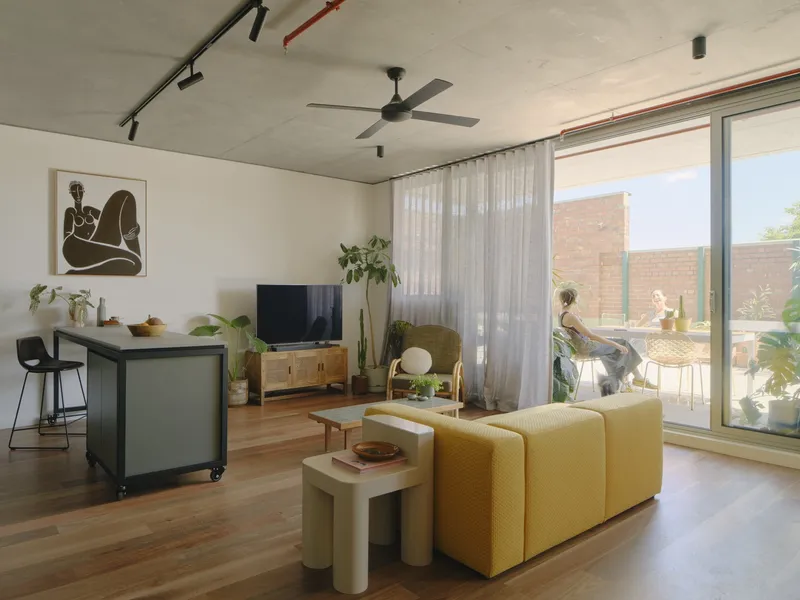
- Deep private terraces with solar shading optimize passive climate control.
- Hard-wearing, low-maintenance materials, such as Marmoleum floors, improve durability and longevity.
The top-floor communal space, envisioned as a multi-purpose ‘scout hall’, is equipped with a kitchen, bathroom, and barbecue area. Available to residents free of charge, it supports private events, yoga classes, movie nights, and community gatherings, extending living spaces beyond individual apartments.
Rethinking Urban Mobility and Accessibility
Located within walking distance of key amenities, 38 Albermarle Street promotes sustainable urban mobility. The project features 140 secure bicycle parking spaces and a flexible car parking system, where spaces are communally owned and rented as needed. This adaptive parking model ensures that, as car ownership trends shift, the space can be repurposed for alternative uses, reinforcing the project's long-term sustainability goals.
A Model for the Future of Housing
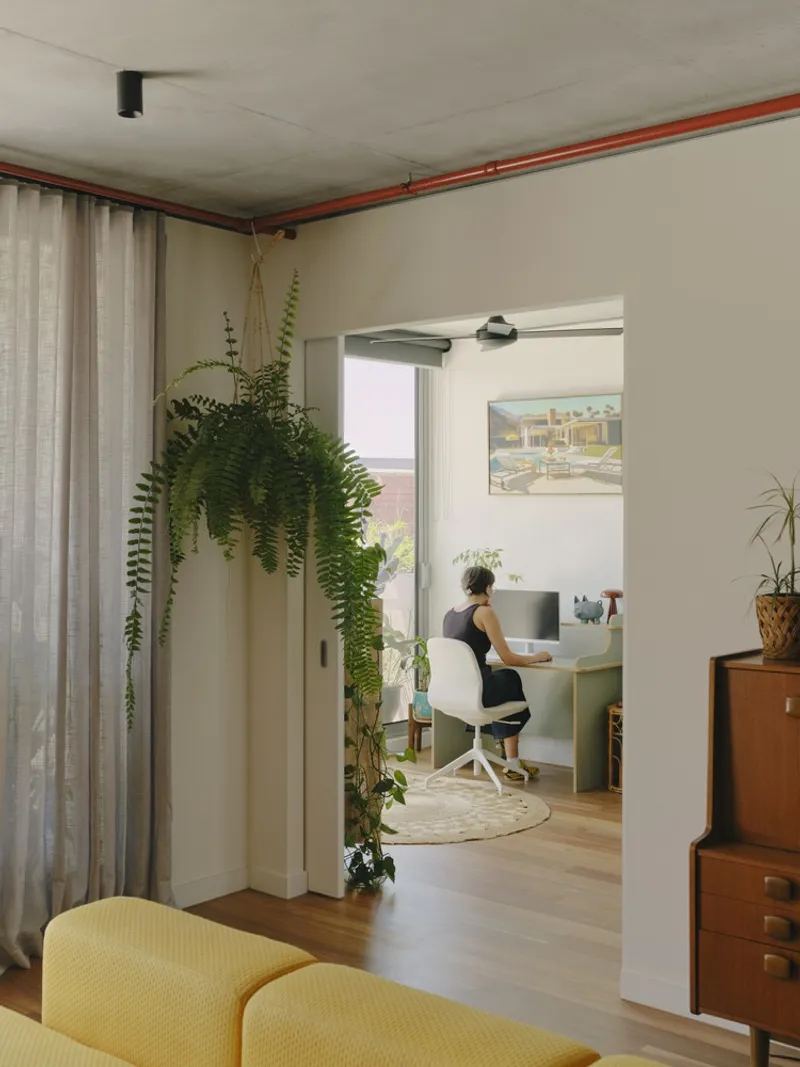
38 Albermarle Street is a proof of concept for Assemble’s mission to deliver ‘homes for change’. “The design has a feeling of community and liveability and is the first in a series of communities which will create a real impact in improving fair housing options,” says Kris Daff, Managing Director of Assemble.



Popular Articles
Popular articles from the community


Play: Fragments of Their World
Familiar architecture becomes modular playground design, creating safe spaces where displaced children can learn, connect, imagine and play.

Co-life: Sustainable Architecture for Age-Friendly Community Living
Co-life reimagines sustainable architecture for seniors through courtyards, rammed earth, shared gardens, and spaces designed for belonging.

The Ocean Hive: Sustainable Architecture for a Self-Sufficient Civilization at Sea
The Ocean Hive imagines sustainable architecture at sea, where modular habitats, algae, wave power and ocean waste sustain a growing colony.

Hill & Cross Opera: Sculptural Opera House Architecture Shaped by Tallinn’s Landscape and Identity
Hill & Cross Opera reimagines opera house architecture in Tallinn through its sculptural hill, civic plaza, glass wave and a luminous cross.


Similar Reads
You might also enjoy these articles


Hodi-Mandai Geram
Project Function: Preservation and revitalization of the Intangible heritage and socio-spatial identity of the Hodi by Housing, Cultural Memory Center, Sacred Grove, landscape, local tourism economy


Olio Towers: A Mid-Rise for Performers That Fuses Housing, Rehearsal, and Stage
Located blocks from Houston's Theater District, this modular tower stacks living units around a central performance atrium.

Oasis: Modular Green Housing Carved into Dhaka's Urban Fabric
A shortlisted Plugin Housing entry reclaims unauthorized settlements in Dhaka with stepped concrete volumes, green roofs, and ventilation-driven design.

Black Hole: A Floating Megastructure for the Post-Physical Era
Emiliano Mazzarotto envisions a spherical, self-scaling arena where e-sports, digital hotels, and holographic stadiums replace traditional public space.


Explore Residential Building Competitions
Discover active competitions in this discipline


Challenge to design mud housing for contemporary communities


Challenge to reimagine the Iron Throne


Photograph architecture without architects


Illustrate the lost glory of Angkor Wat - Render Challenge
Comments (0)
Please login or sign up to add comments
No comments yet. Be the first to comment!