
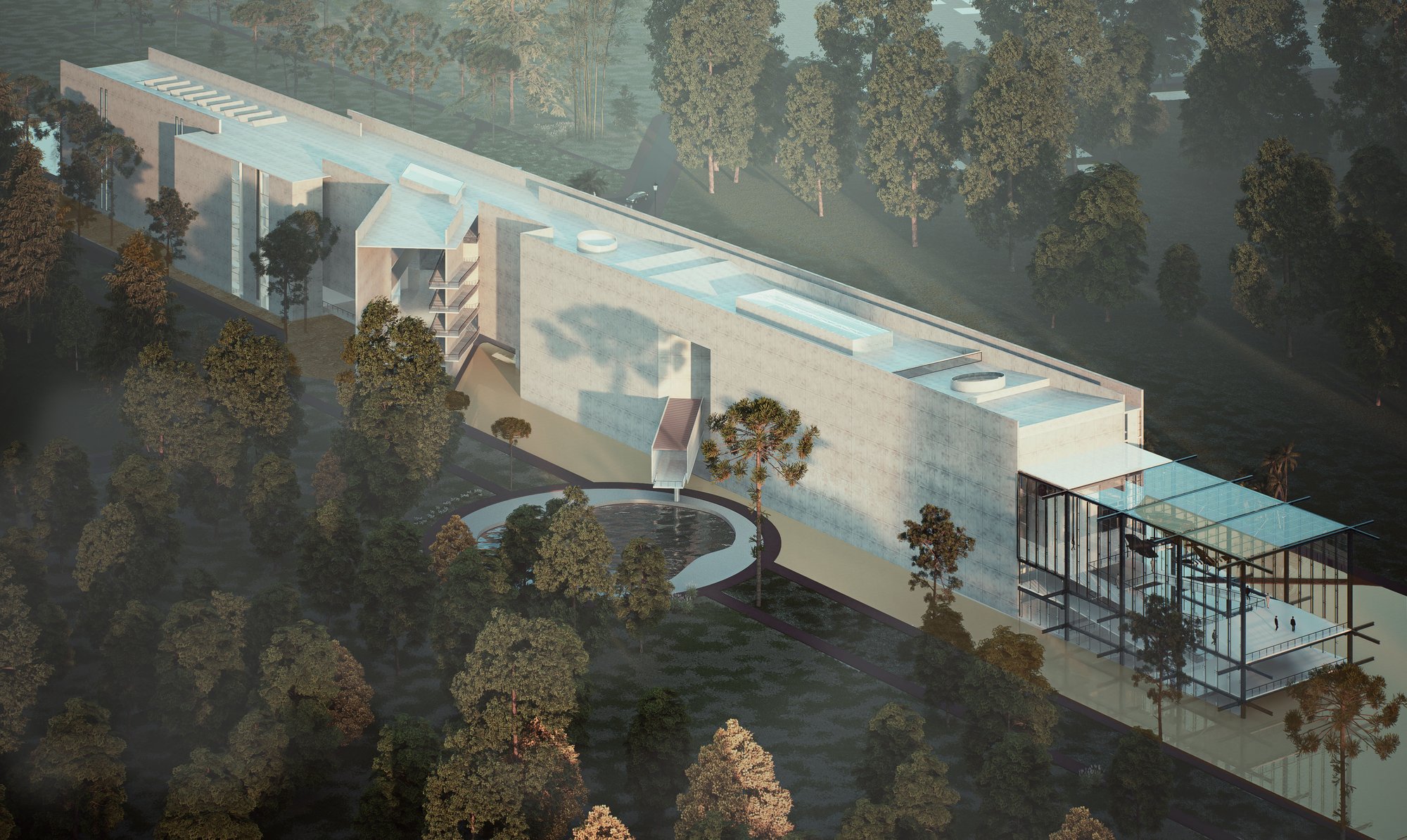
A New Takeoff of an Abandoned Airstrip, Feni Old Airfield, Bangladesh.
Breathing New Life into a World War II Abandoned Airstrip as a Visitor Centre

The Feni Airfield, a former American Army Air Forces facility, was a key strategic outpost during the Burma Campaign of 1944–1945. From Feni, the Tenth Air Force's 12th Bombardment Group conducted important operations in support of the British Fourteenth Army, which was crucial in rebuffing Japanese offensives.This airfield has been abandoned for 75 years, with its significance fading due to lack of preservation and illegal encroachment. Wartime remnants are being destroyed, and unplanned development is hindering the city's growth. In 2006, Feni Girls' Cadet College was built on 48 acres of the runway, completely obstructing the site, leaving no possibility for the airfield to reopen.
The thesis explores the historical significance of Bangladesh's abandoned airfields, particularly those built for military use during the British period. These airfields stand as silent witnesses to World War II, awaiting recognition and revitalization. I selected a distinguishable portion of the runway as my project site to honor the legacy of World War II and the contributions of the people from the Indian Subcontinent.
The project's goals include educating visitors about this history, creating an inviting green space, attracting tourists, and promoting economic growth and community development. By employing adaptive reuse strategies, the initiative illustrates how abandoned spaces can be creatively transformed through architecture.
The design concept came from this abandoned runway. Due to abandonment, the runway is losing its character day by day and the inner structure is becoming visible in its brick walls. The building's bold and linear form symbolizes the strength and resilience of World War II, while also reflecting the shape of the runway, capturing the site's strong identity. At the structure’s end, the exposed framework represents the destruction of the runway, conveying the loss and decay over time.
The proposed programs for the museum include various exhibition spaces, such as:
- Tales of the Lost Runway: Educating visitors about the history of the runway used during World War II.
- Below the Surface: Gallery of Bunker Escape: Informing the public about underground bunkers built by soldiers to hide weapons.
- Gallery of Power: Impact of Dictatorial Acts: Highlighting Hitler's dictatorial actions during the war.
- Gallery of Sacrifice: Sharing the stories of the Bengali people's struggles and sacrifices during World War II for future generations.
Additional functions of the museum will include a library, cafeteria, souvenir shop, auditorium, administration area, and archives.
The creation of such a museum will serve as a powerful platform for fostering a deeper understanding of the diverse and multicultural contributions to World War II. By preserving artifacts, stories and historical records, it will not only offer insights into the war’s geopolitical, social, and cultural impacts but also highlight a shared history that binds us together. The museum will promote unity, respect, and reflection among current and future generations, ensuring the lessons of the past shape a more informed future.



Popular Articles
Popular articles from the community

Inverted Architecture Installation by Studio Link-Arc: Exploring the Intersection of Architecture and Living Organisms
Inverted Architecture Installation by Studio Link-Arc blends mycelium, sustainability, inverted design, ecological cycles, and urban adaptive architecture in Shenzhen.
Treehouse Apartment: A Warm Timber Interior Blending Craft, Play, and Contemporary Living
Warm timber apartment with integrated treehouse, combining natural materials, craftsmanship, and playful design to create a flexible, family-oriented living environment.

Solar Steam: A Climate-Responsive Architecture That Redefines the Monument
A climate-responsive memorial architecture that transforms heat, decay, and time into a living system reflecting humanity’s ecological impact.
Flamboyant House by Juliana Camargo + Prumo Projetos
Modern Brazilian house integrating existing tree, pool, and volumes with glass, wood, and transitional spaces blending interior, exterior, and landscape seamlessly.


Similar Reads
You might also enjoy these articles


The Ken Roberts Memorial Delineation Competition (Krob)
As the most senior architectural drawing competition currently in operation anywhere in the world, it draws hundreds of entries each year, awarding the very best submissions in a series of medium-based categories.
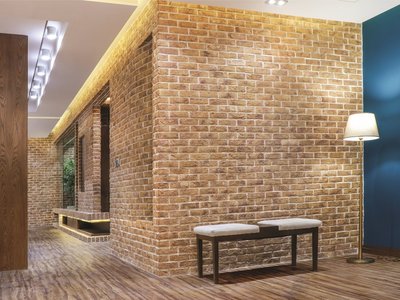
A Contemporary Take on Iranian Residential Architecture
A modern interior design in Mashhad that reinterprets brick, light, and spatial flow to create a warm, contemporary residential architecture.
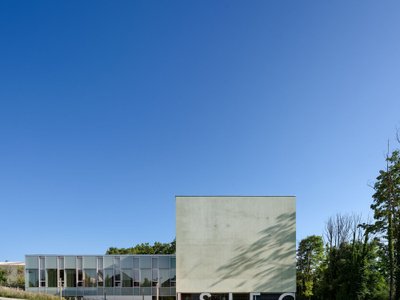
Franche-Comté Advanced School of Engineering by Dominique Coulon & associés, Besançon
A flexible engineering school immersed in woodland, combining concrete minimalism, adaptable spaces, and natural light to support evolving educational environments.

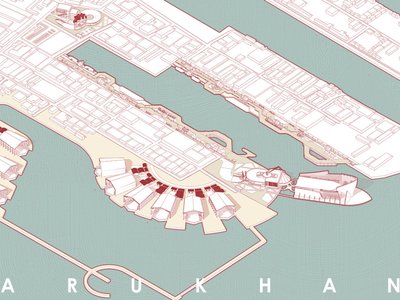
Waterfront Redevelopment and Urban Revitalization in Mumbai: Forging a New Dawn for Darukhana
A transformative waterfront redevelopment project reimagining Darukhana’s shipbreaking heritage into an inclusive urban future.


Explore Architecture Competitions
Discover active competitions in this discipline




The International Standard for Design Portfolios


The Global Benchmark for Architecture Dissertation Awards


The Global Benchmark for Graduation Excellence


Challenge to reimagine the Iron Throne
Comments (0)
Please login or sign up to add comments
No comments yet. Be the first to comment!