

Adaptive Reuse Architecture in Ho Chi Minh City: A Coffee Shop Transformation
Explore innovative adaptive reuse architecture, seamlessly blending heritage preservation and contemporary design in a Vietnamese coffee shop.


Discover the innovative design curated by sgnhA architects in Ho Chi Minh City, Vietnam. Architects Tran Quoc Khoi Nguyen and Nguyen Duc Tuan Anh spearheaded a transformative project focusing on the adaptive reuse of a modernist structure for a vibrant coffee shop. This article delves into the architectural nuances of this space, seamlessly blending heritage preservation with contemporary design elements.

The Ground Floor: Symmetry and Harmony
The ground floor of the coffee shop unfolds as a symmetrical masterpiece, with a central coffee bar anchoring the space. Emphasizing the building's facade axis, this area sets the tone for a welcoming atmosphere. A courtyard, featuring a spiral staircase, cleverly acts as a buffer zone, creating a balance between interior and exterior spaces. Within this realm, essential facilities like restrooms and storage seamlessly integrate, contributing to the functional harmony of the space.
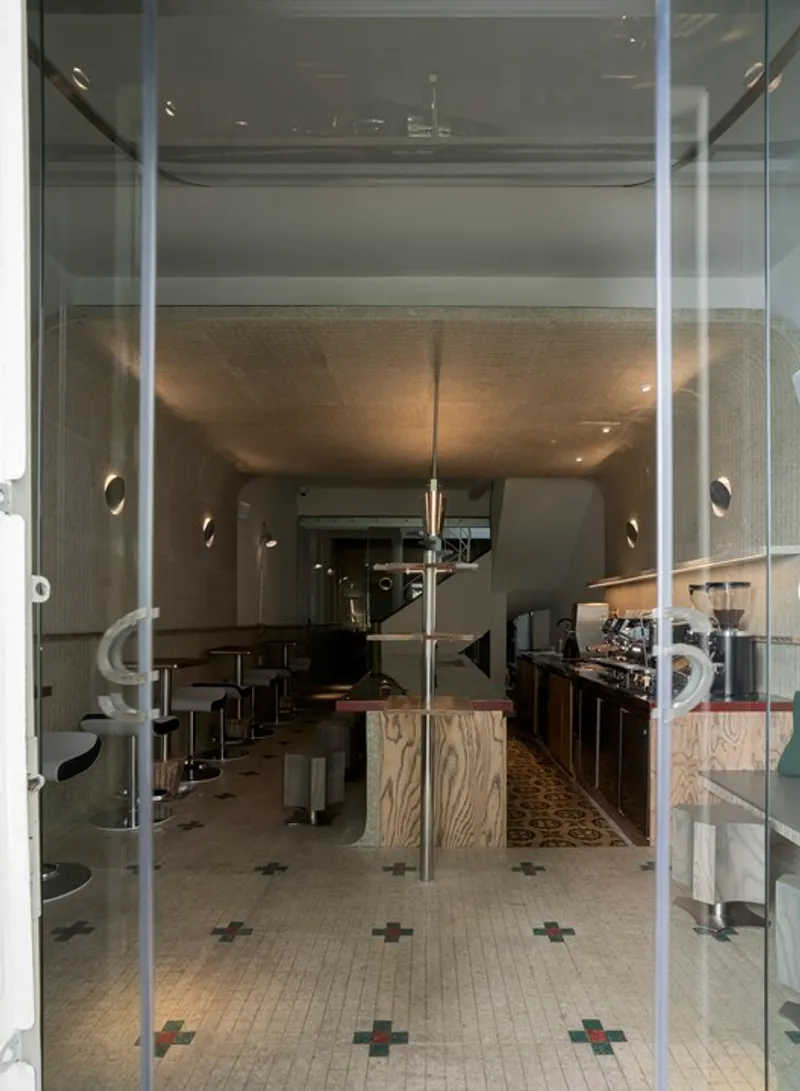

First Floor Elegance: Communal Seating and Beyond
Ascending to the first floor reveals the main seating area, characterized by a large communal table and banquette seating along the space's length. A small balcony provides a scenic view of the front yard, while a semi-indoor corridor connects to the roasting room at the back. This level becomes a focal point for social interaction, where design elements seamlessly converge to enhance the overall aesthetic.


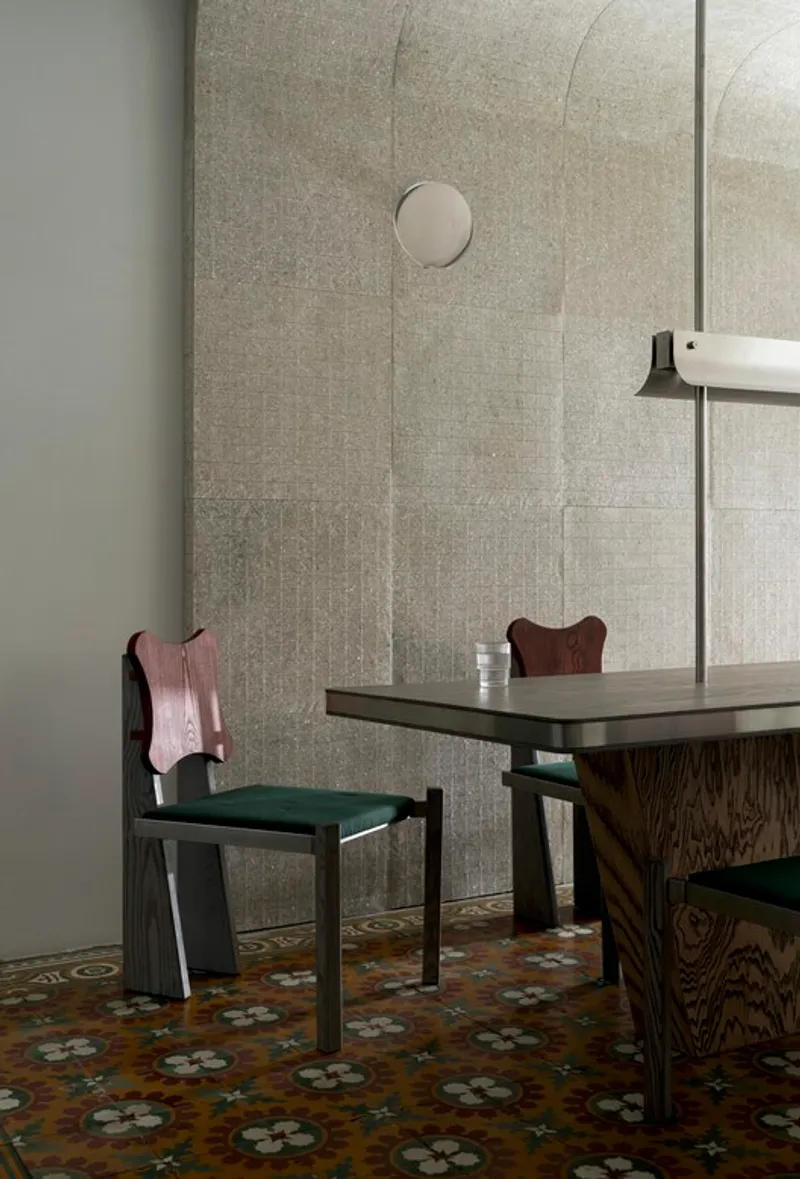

Sustainable Design: A Marriage of Form and Function
The architects' commitment to preserving the building's existing conditions is evident in the use of adaptive materials. A steel frame and recycled plastic panels form an internal envelope, unifying various elements such as floors, walls, ceilings, partitions, handrails, lighting, and air conditioning. The choice of recycled plastic not only aligns with sustainability goals but also ensures a harmonious integration of new components into the existing structure.
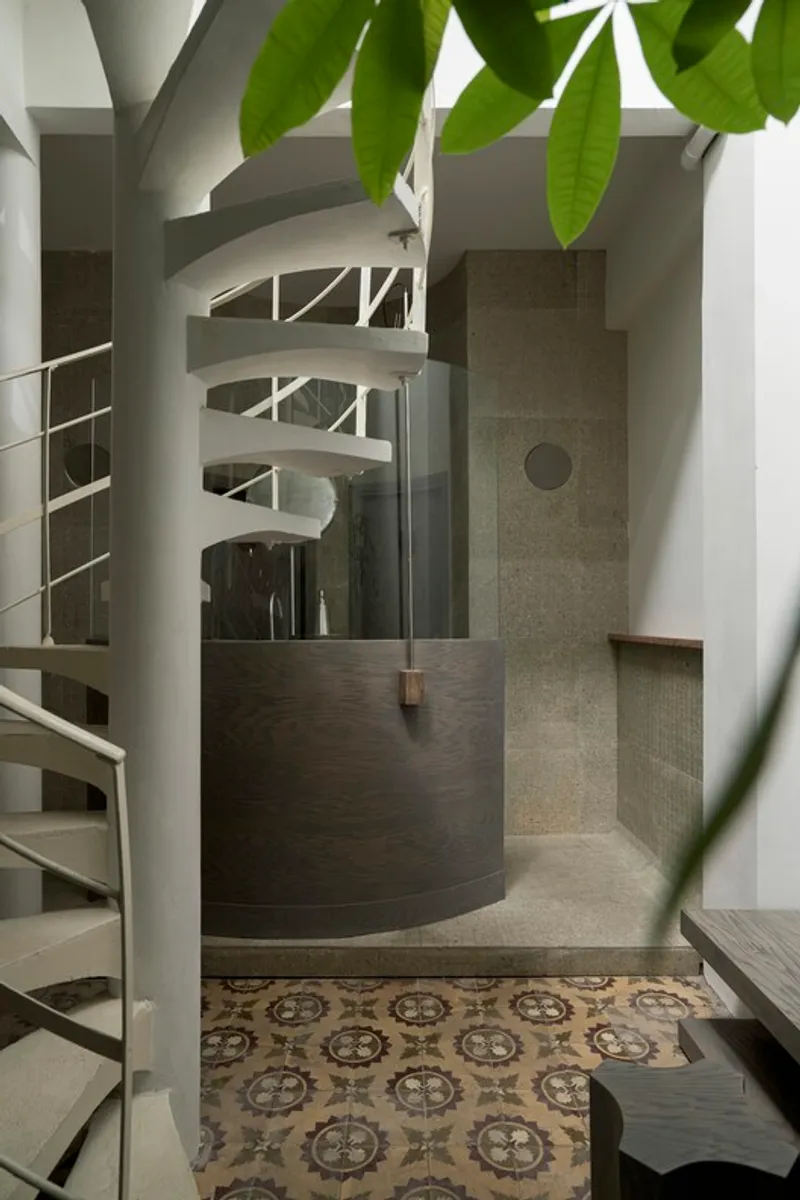


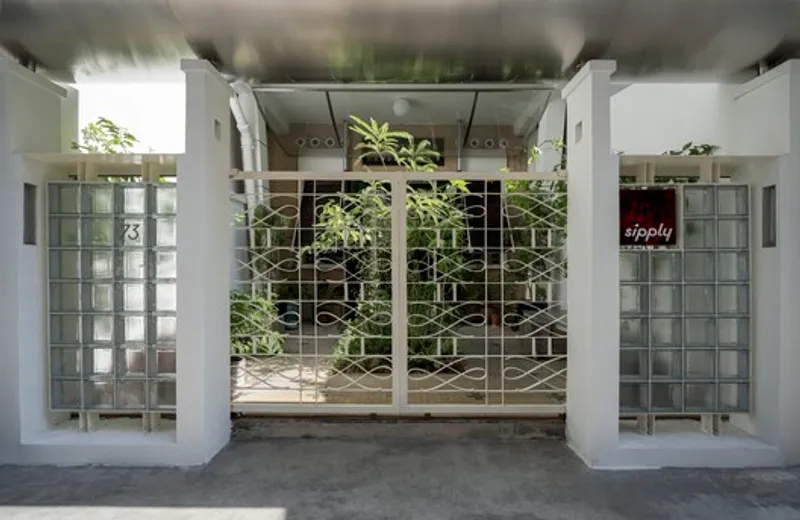
Inspired Elements: A Heritage Dialogue
Drawing inspiration from the building's original features, the architects incorporate existing cement tile patterns, a revolving round window, and Art Deco-inspired motifs into the design. The strategic use of a glass wall with a curved ceiling adds an extra dimension, refracting and reflecting light to showcase heritage elements. This deliberate integration fosters a compelling conversation between the past and the present.

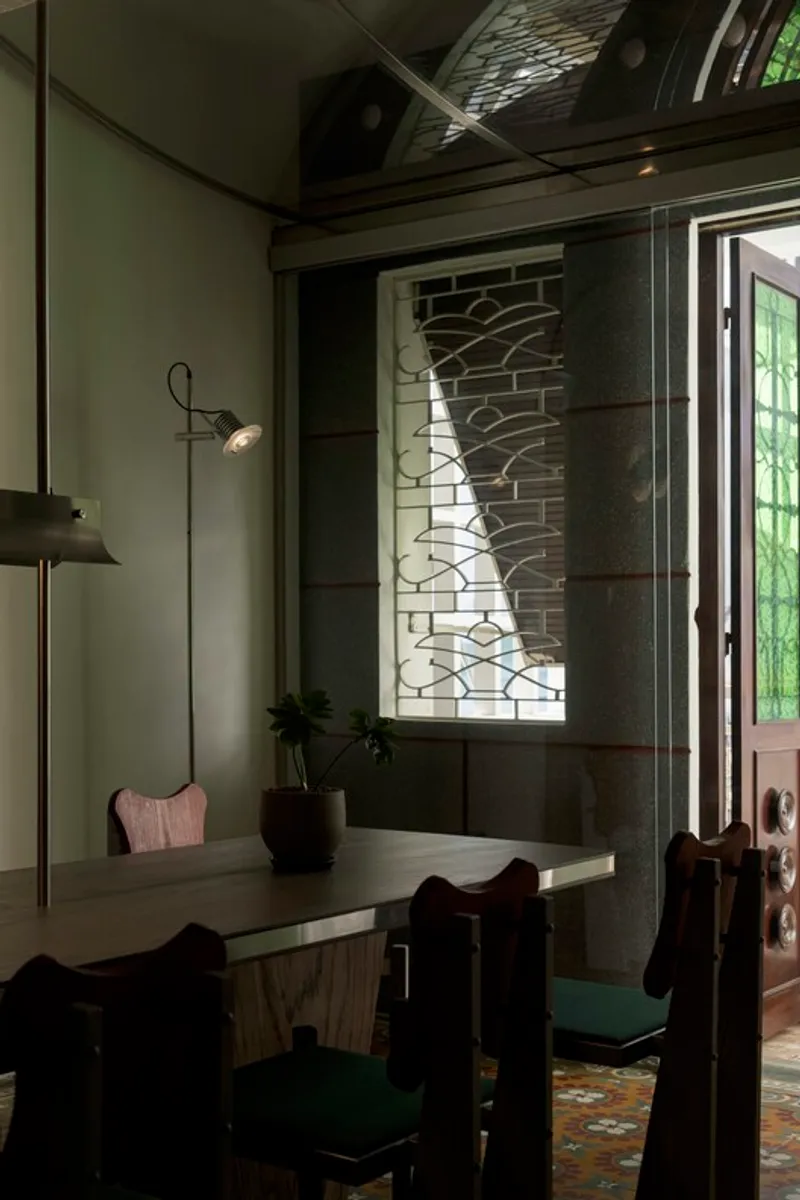

In summary, this adaptive reuse architecture project in Ho Chi Minh City stands as a testament to the harmonious coexistence of heritage and modern design. Architects Tran Quoc Khoi Nguyen and Nguyen Duc Tuan Anh's meticulous approach not only transforms a coffee shop but also contributes to the broader discourse on sustainable and thoughtful architectural interventions.
All photographs are work of Do Sy


Popular Articles
Popular articles from the community


Cube Design Draws an Ecological Corridor Between Two Shenzhen Hills with the Nankai Building
Beside Shenzhen's container docks, the Nankai Building pairs stacked balconies with a climbing green screen to connect two hillsides across its height.


Aquadapt: An Underwater Habitat That Rewrites Its Rooms by the Hour
Curved modules ring the seabed while one shell shifts from breakfast room to cinema, farm and football pitch as residents' needs change.

FCC Arquitectura Expands a Portuguese Granite House with a Board-Marked Concrete Wing
In Portugal, JV House pairs a cleaned-up whitewashed and granite dwelling with a timber-shuttered concrete extension, courtyards and a garden pool.

ETEH Reworks the Shared Spaces of São Domingos School in Brazil Around Timber, Color and Hanging Plants
At São Domingos School in Brazil, 436 m² of hall, refectory and library are recast with timber joinery, a yellow and blue code and trailing greenery.

Similar Reads
You might also enjoy these articles

Juan García Correa, John González and Claudia Rueda Sink a Circular Amphitheater into a Manizales Engineering Building
On the La Nubia campus in Manizales, Colombia, the S1 Building folds labs and offices into a hillside of ramped lawns that double as a campus route.

Arealis Brasil Wraps a São Paulo Office for Everis's Creative Arm Around a Glowing Curved Counter
In Brooklin Paulista, a 300 m² office for the creative agency Chazz uses timber, metal mesh and ribbed green glass to blur workspace and pub.

LT2A and OPEN Architectes Thread a Brick and Glass High School Through a Wooded Belgian Campus
In Braine-l'Alleud, a 3,000 m² wing for Collège Cardinal Mercier pairs pale brick with a glazed colonnade, deferring to a small chapel and a dense wood.

Atelier Diving Bell Stitches a Hangzhou Food Court Together with a Louvered Steel Canopy
In Hangzhou's Liangzhu Culture Village, a 1,400 m² food court renewal uses canopies, tree benches and props to turn a passage into a place.

Explore Ho Chi Minh City Competitions
Discover active competitions in this discipline

Challenge to reimagine the Iron Throne

Photograph architecture without architects

Illustrate the lost glory of Angkor Wat - Render Challenge

Design challenge to reuse E-waste
Comments (0)
Please login or sign up to add comments
No comments yet. Be the first to comment!