
Aguas Claras Hotel Restaurant and Yoga Pavilion by Studio Saxe: A Living Gallery Rooted in Costa Rican Heritage
Studio Saxe designs a restaurant and yoga pavilion blending indigenous techniques, Victorian heritage, art, and sustainable tropical architecture in Costa Rica.


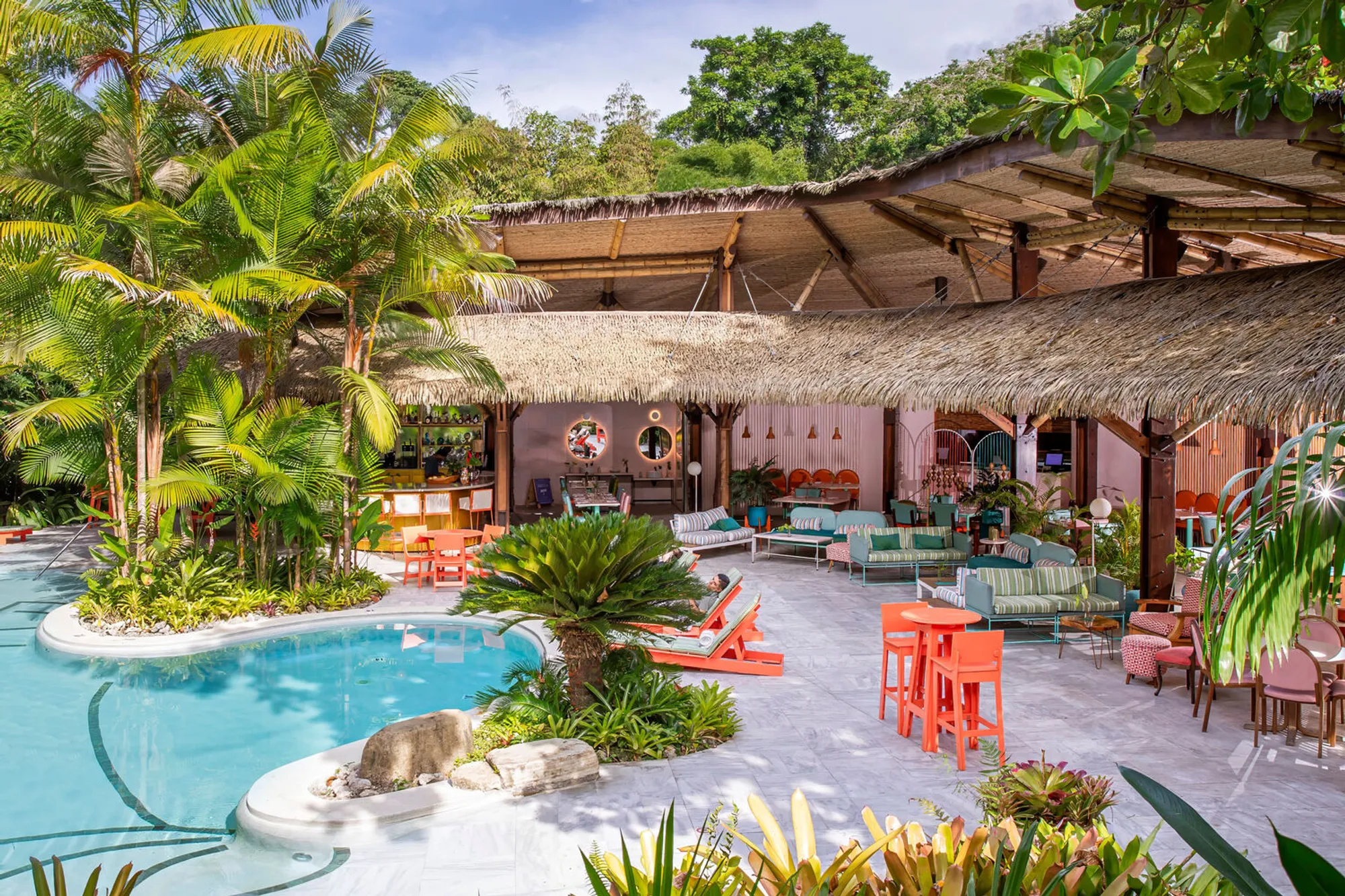
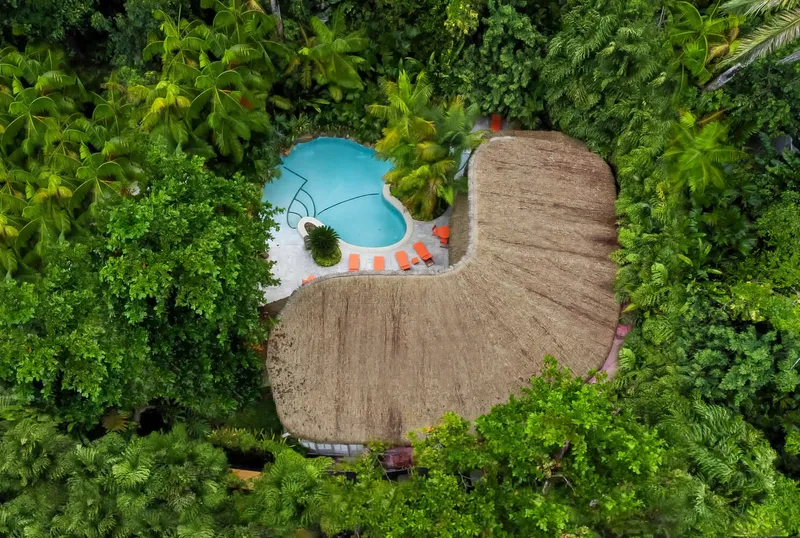
Nestled along the lush Caribbean coastline of Puerto Viejo de Talamanca, Costa Rica, the Aguas Claras Hotel Restaurant and Yoga Pavilion by Studio Saxe expands an already iconic boutique hotel into a deeply immersive architectural and cultural experience. Completed in 2024 and spanning 325 square meters, the project strengthens Hotel Aguas Claras’ identity as a living gallery, where architecture, art, nature, and sustainability coexist in a carefully choreographed dialogue.
More than a hospitality extension, the restaurant and yoga pavilion reinforce the hotel’s ethos as an artistic sanctuary. The property is internationally recognized for showcasing the lifelong work of Costa Rican artist Elizabeth Steinvorth, whose paintings, mosaics, murals, and handcrafted furniture are seamlessly embedded throughout the site. Studio Saxe’s intervention responds to this context with sensitivity, creating spaces that operate simultaneously as functional gathering areas and curated backdrops for artistic expression.
Architectural Concept: A Contemporary Interpretation of Cultural Memory
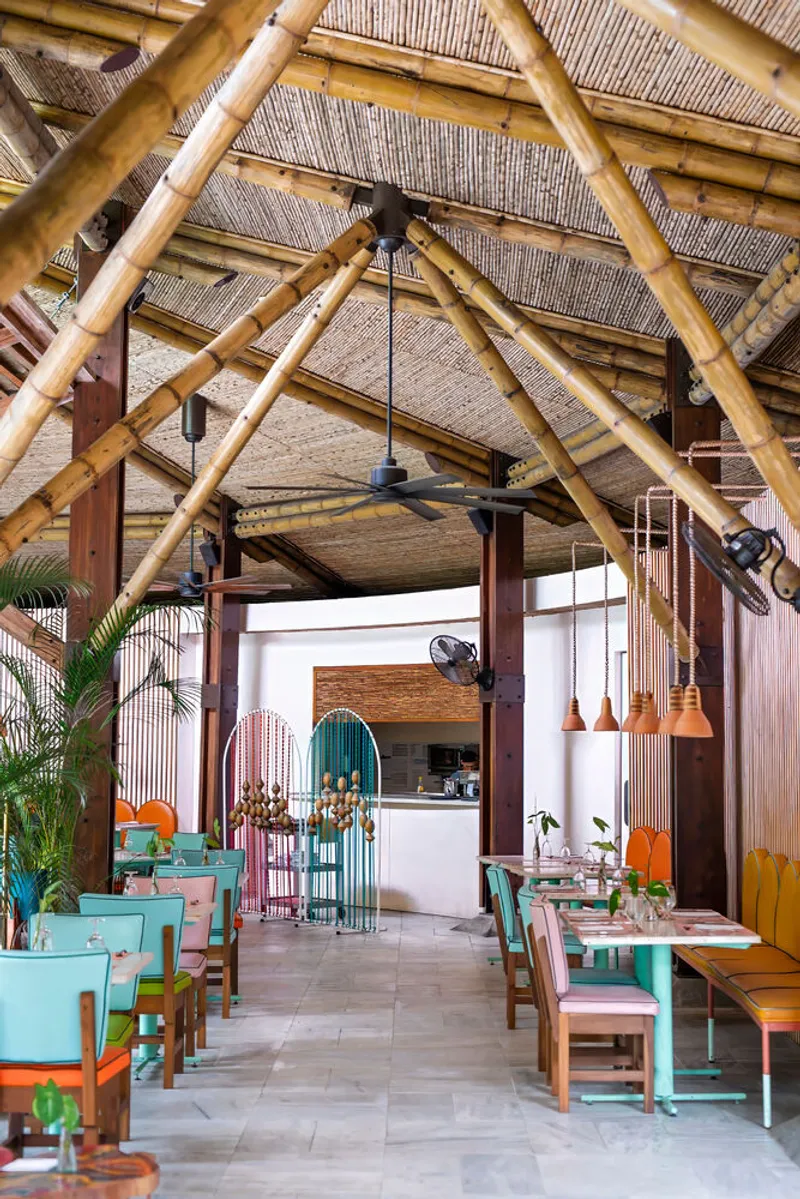
At the heart of the design lies a clear conceptual ambition: to enhance Aguas Claras’ role as a cultural archive while grounding the architecture in the region’s layered history. Studio Saxe draws from Victorian Caribbean architecture, already present on the site, while reinterpreting indigenous construction traditions, particularly those associated with the Bri Bri people of the Talamanca region.
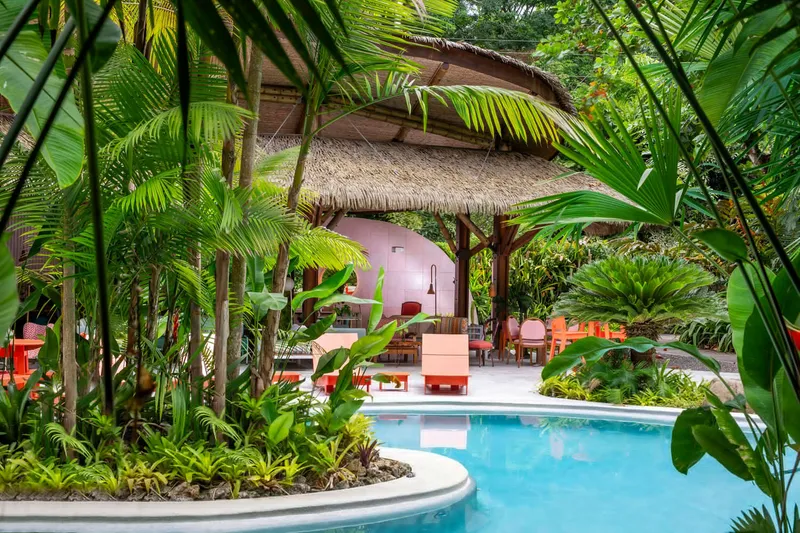
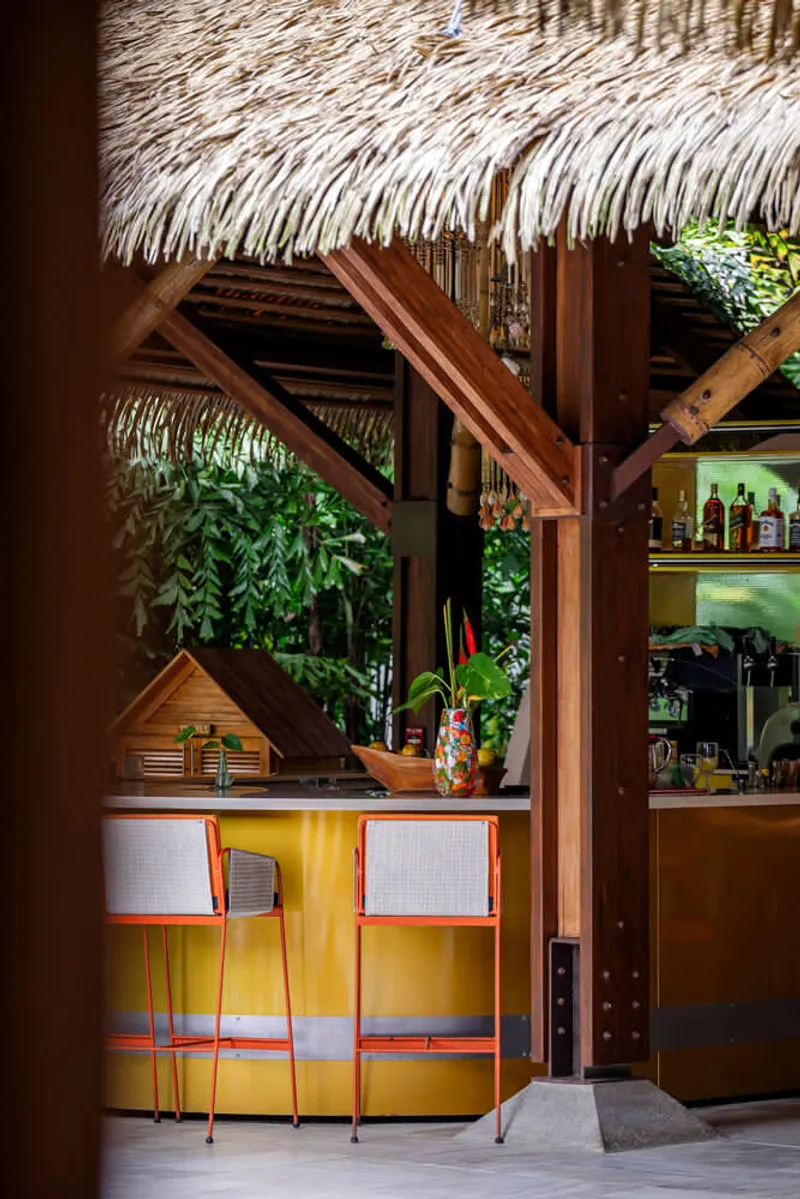
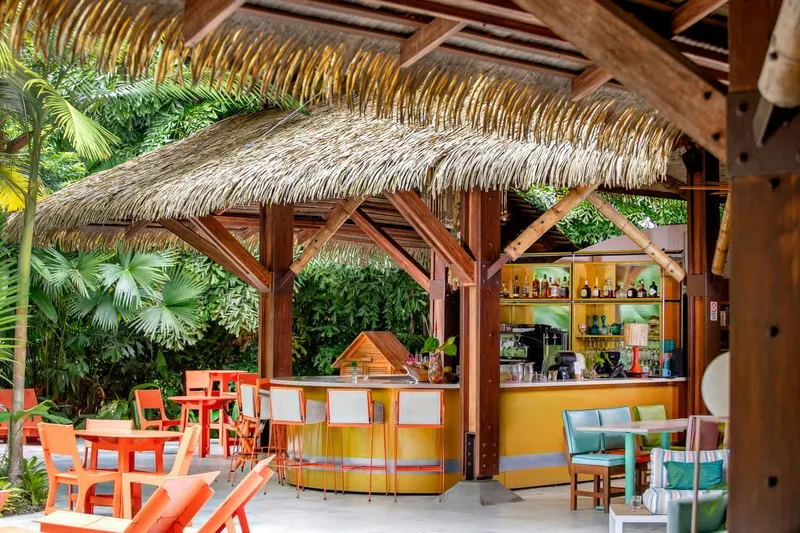
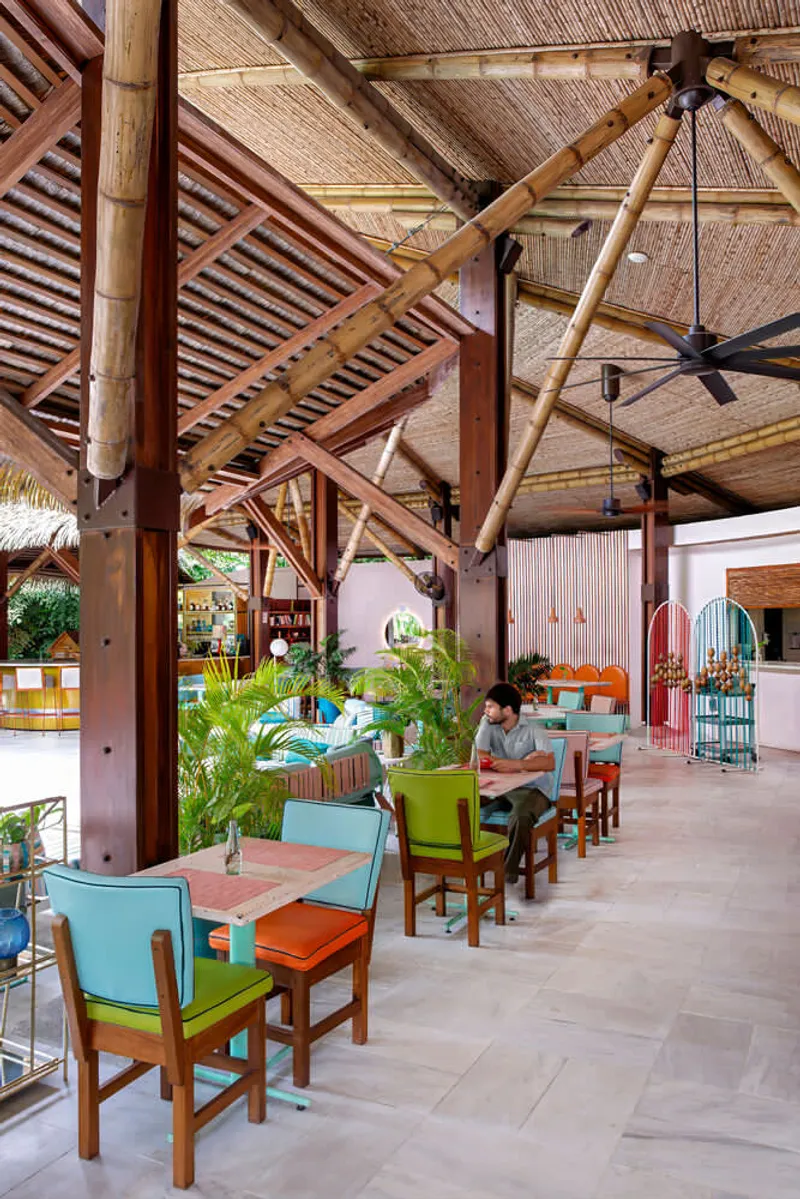
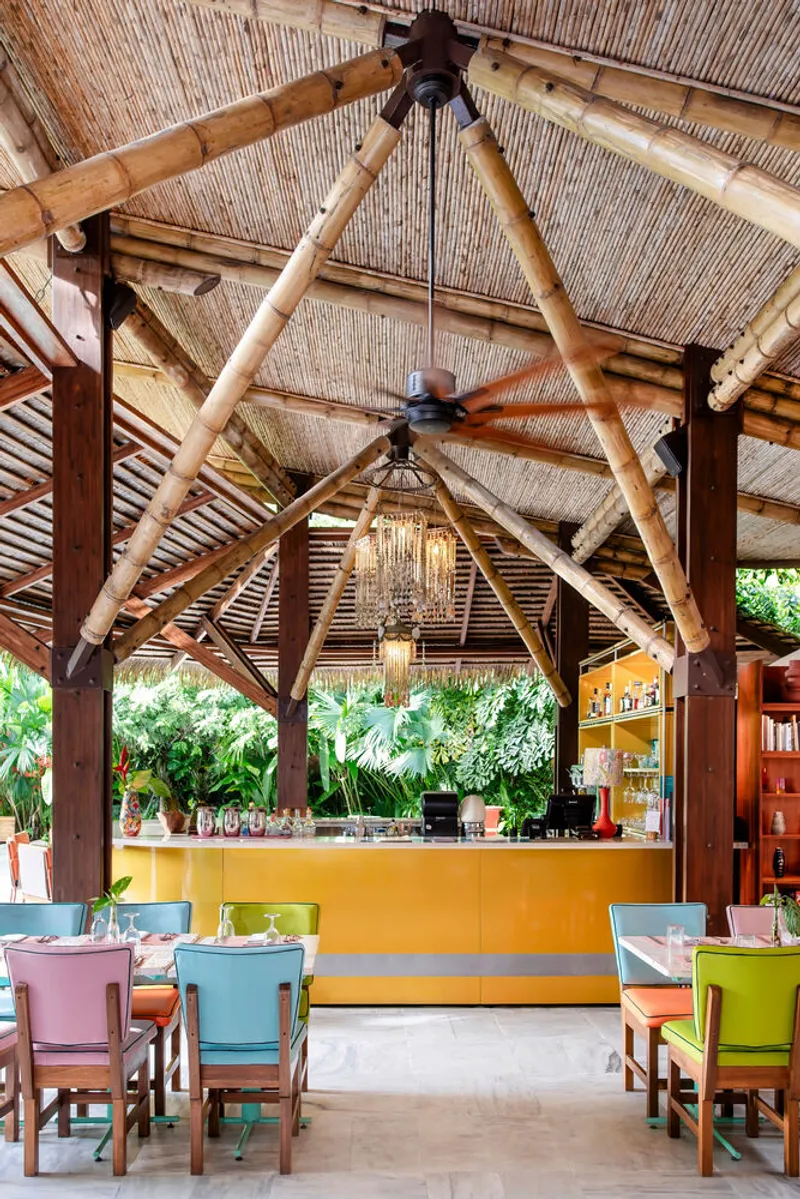
This hybrid approach results in architecture that feels both eclectic and rooted. Traditional thatched roofs, exposed timber structures, and handcrafted details echo indigenous building techniques, while spatial proportions and compositional clarity introduce a contemporary architectural language. The restaurant and yoga pavilion thus become modern reinterpretations of vernacular forms, reflecting Costa Rica’s complex cultural narrative and reinforcing a sense of place.
Design Strategy: Blurring the Boundary Between Indoors and Outdoors
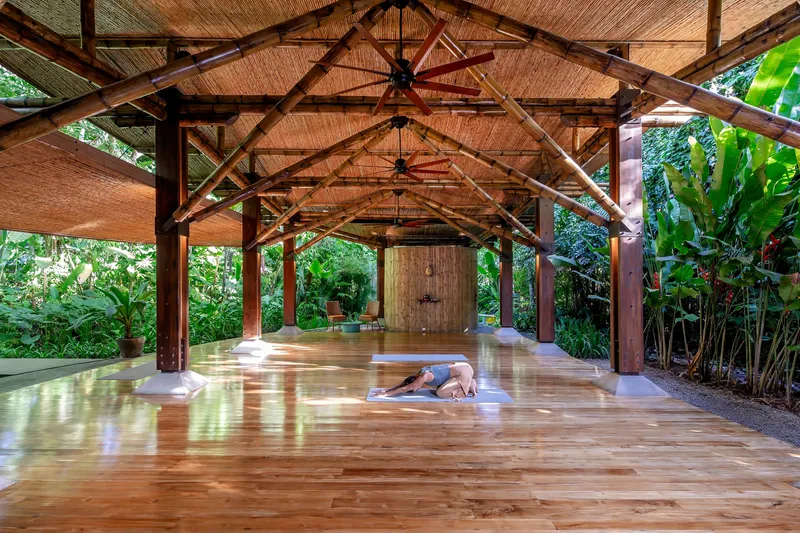
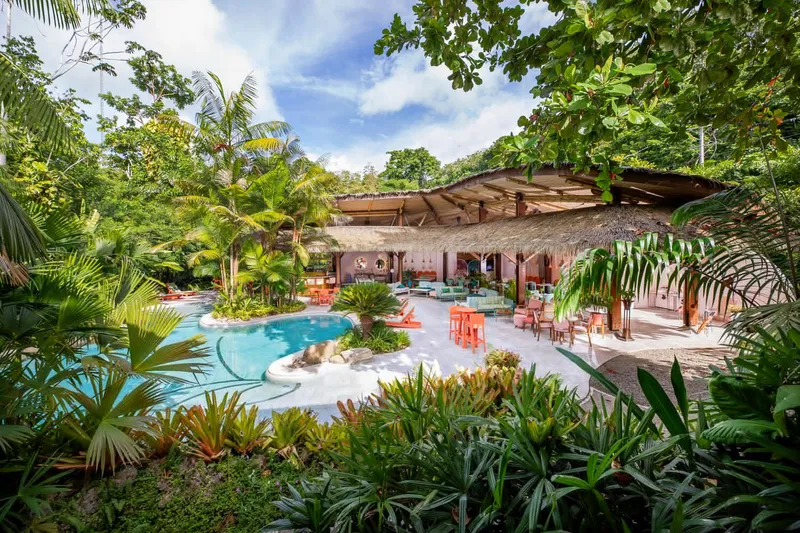
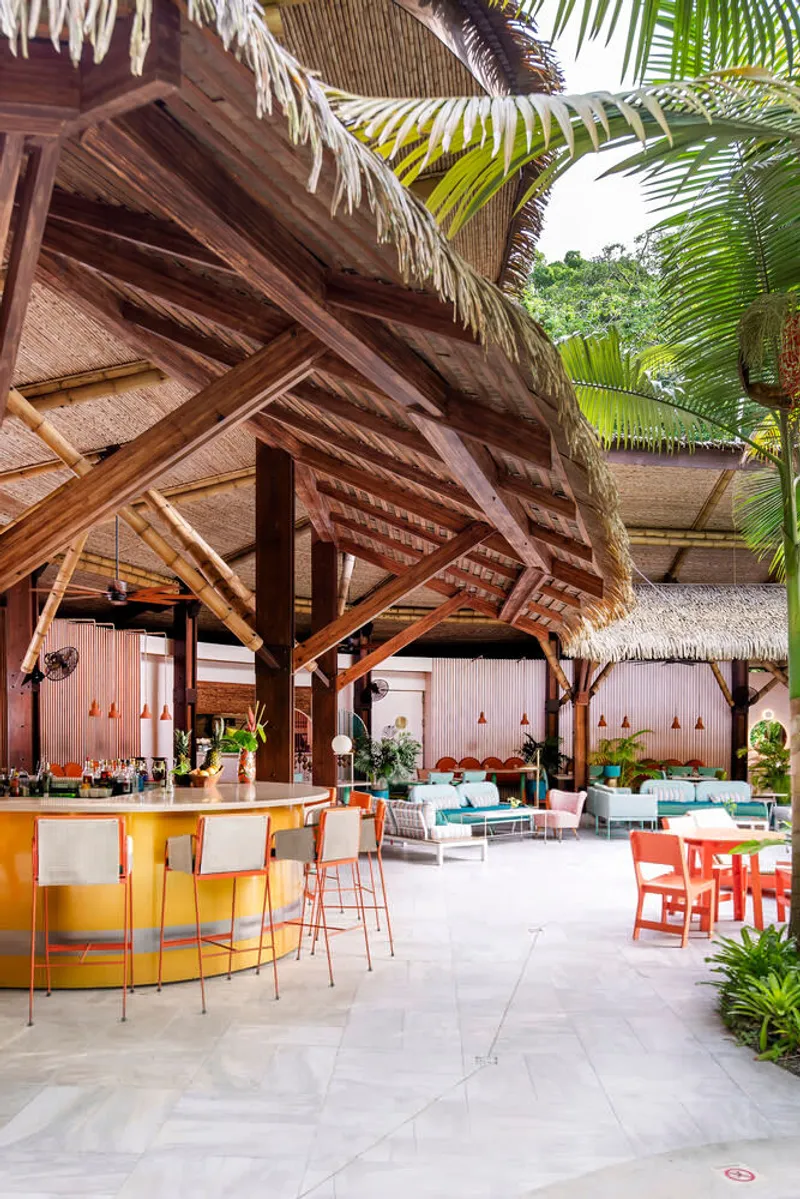
The architectural design prioritizes openness, natural light, and cross-ventilation, allowing the tropical environment to shape the spatial experience. Large openings, generous overhangs, and porous envelopes dissolve the boundary between interior and exterior, immersing guests in the surrounding jungle landscape.
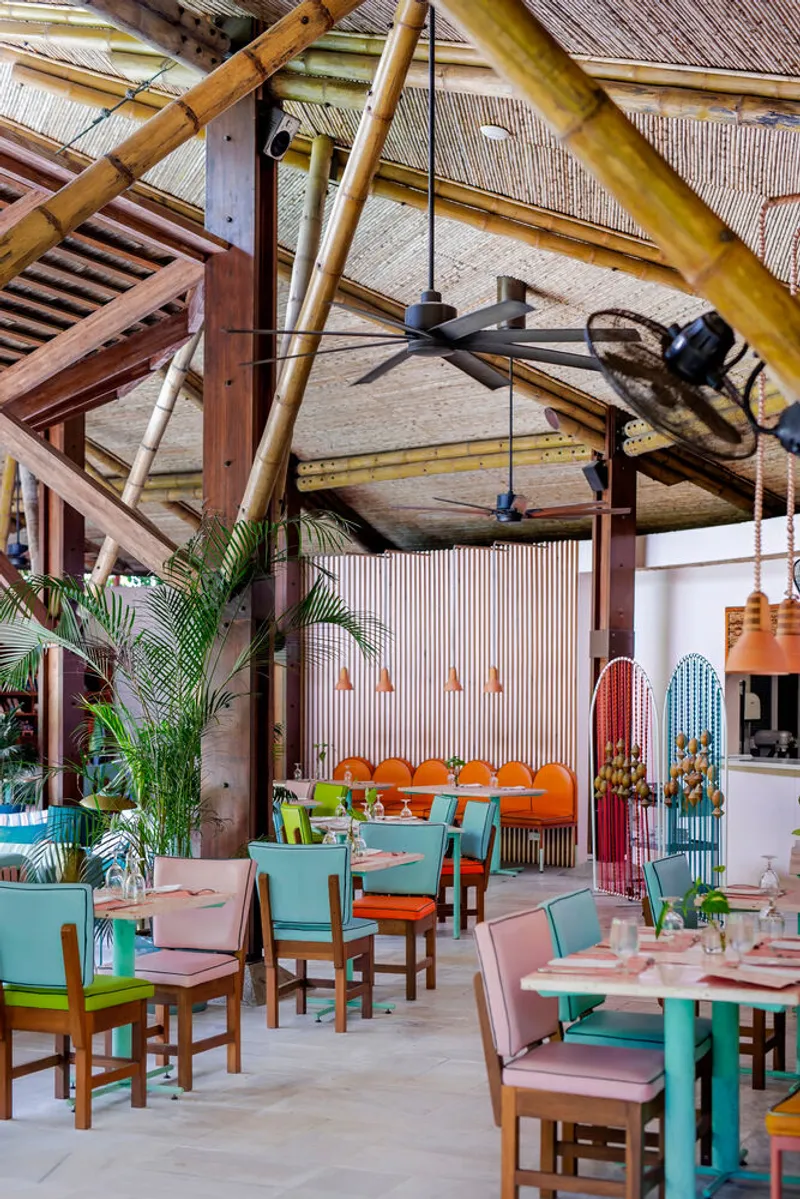
The restaurant unfolds as a shaded, breezy structure where timber beams and natural textures frame views of dense greenery, enhancing the sensory connection to nature. Similarly, the yoga pavilion is conceived as a contemplative retreat, where the rhythm of structure, filtered daylight, and garden views supports mindfulness and physical well-being. In both spaces, architecture becomes a quiet mediator between human activity and the natural ecosystem.
Studio Saxe’s work integrates seamlessly with the restored Victorian-inspired buildings on the property, which were preserved to maintain their historical integrity. Rather than competing with these structures, the new additions establish a respectful architectural dialogue, reinforcing the hotel’s layered identity.
Sustainability and Climate-Responsive Architecture
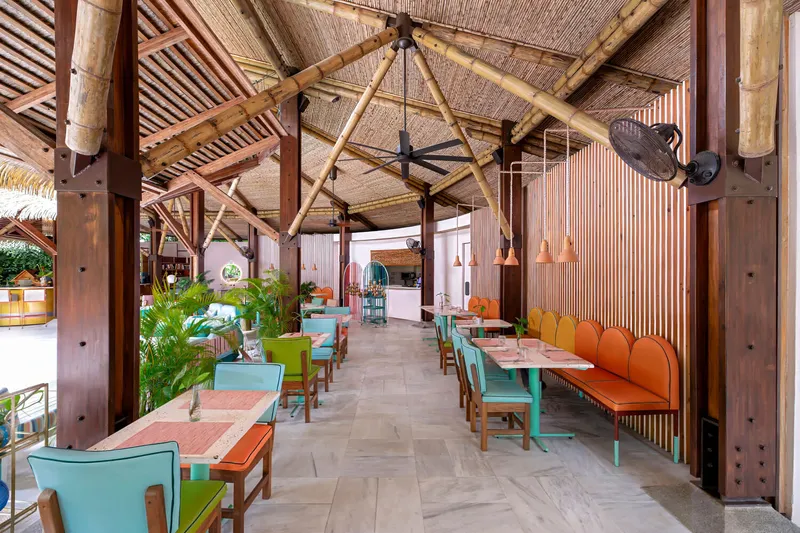
Sustainability is a foundational principle of the Aguas Claras project. Studio Saxe adopts a low-impact design strategy rooted in local materials, traditional construction methods, and passive environmental systems. Thatch and wood sourced from the region reduce transportation-related emissions while supporting local economies and craftsmanship.
Natural ventilation plays a critical role in minimizing energy consumption, eliminating the need for mechanical cooling in Costa Rica’s tropical climate. The buildings are oriented and detailed to optimize airflow and shade, ensuring thermal comfort through architectural means rather than technological dependence. In addition, rainwater harvesting systems have been integrated to reduce pressure on local water resources.
These strategies align with Hotel Aguas Claras’ broader sustainability mission as part of The Cayuga Collection of Sustainable Luxury Hotels, positioning the project within a new generation of environmentally conscious hospitality architecture in Central America.
Construction and Community Engagement
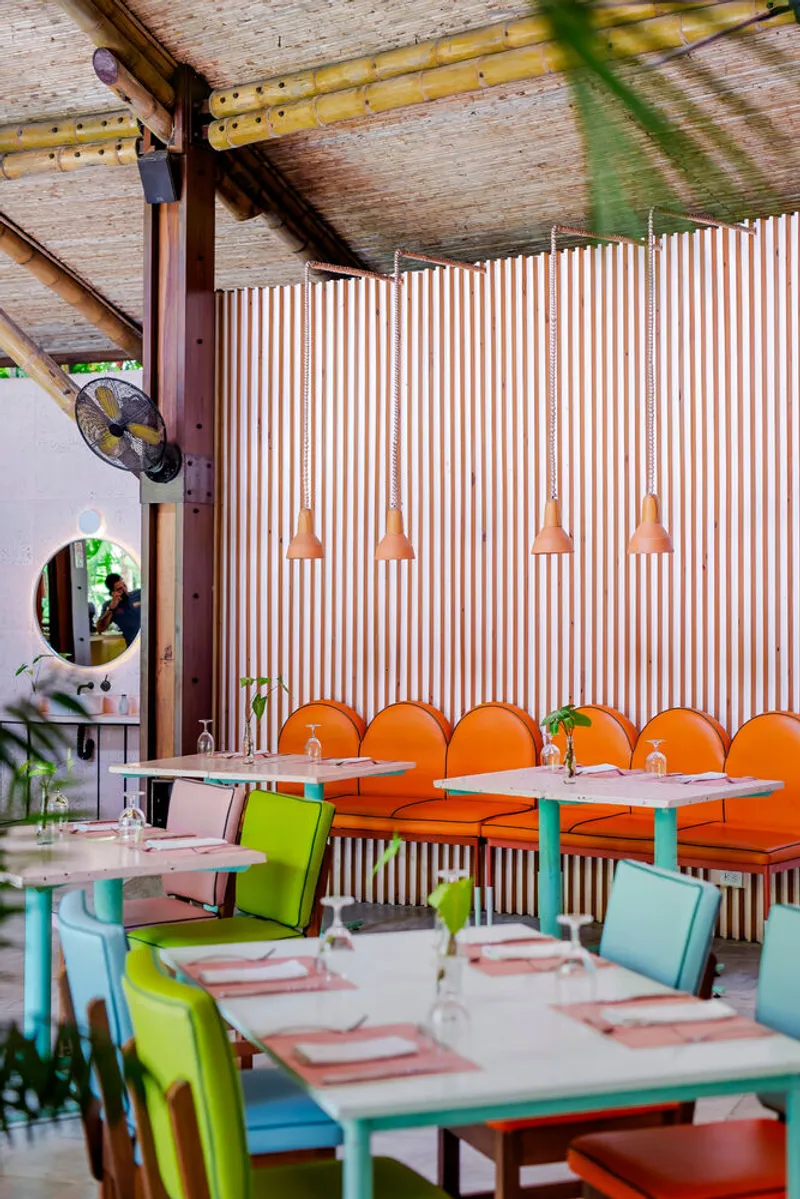
The construction process emphasized collaboration with local craftsmen, ensuring that indigenous building knowledge was not only preserved but actively practiced. Traditional techniques were carefully adapted to contemporary requirements, resulting in structures that feel authentic rather than symbolic.
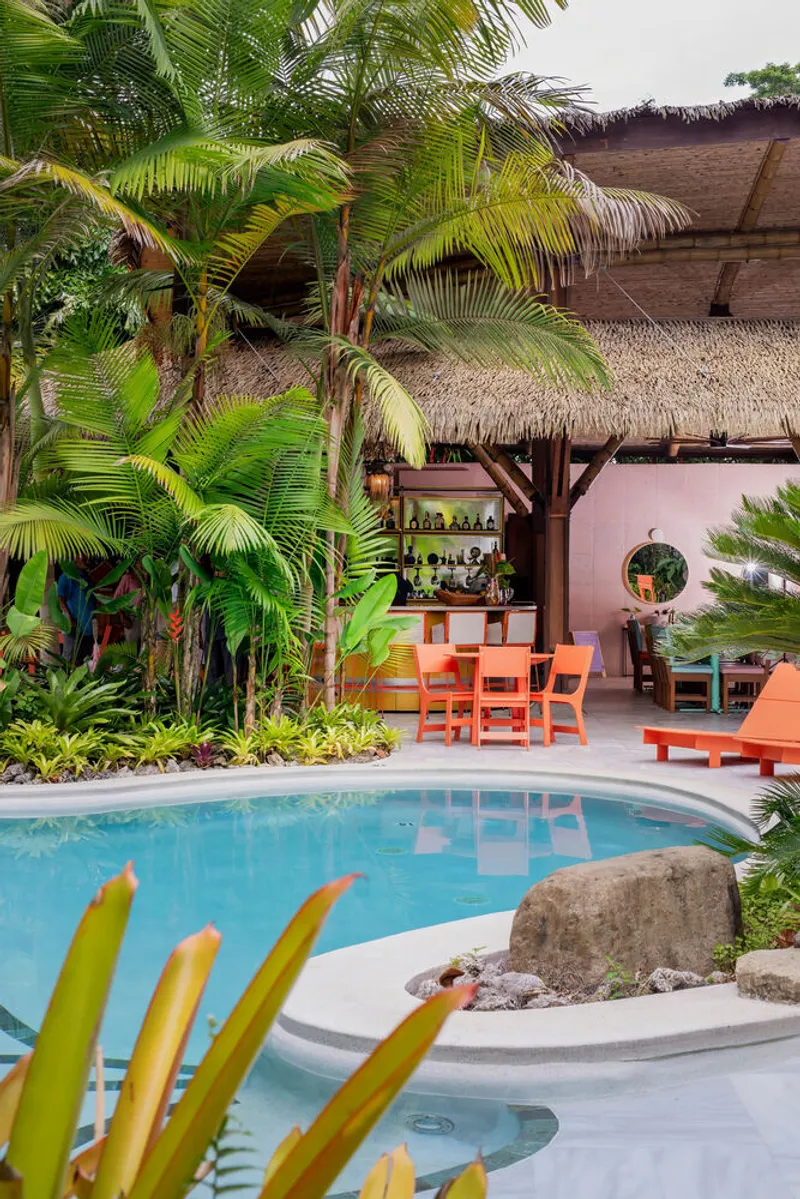
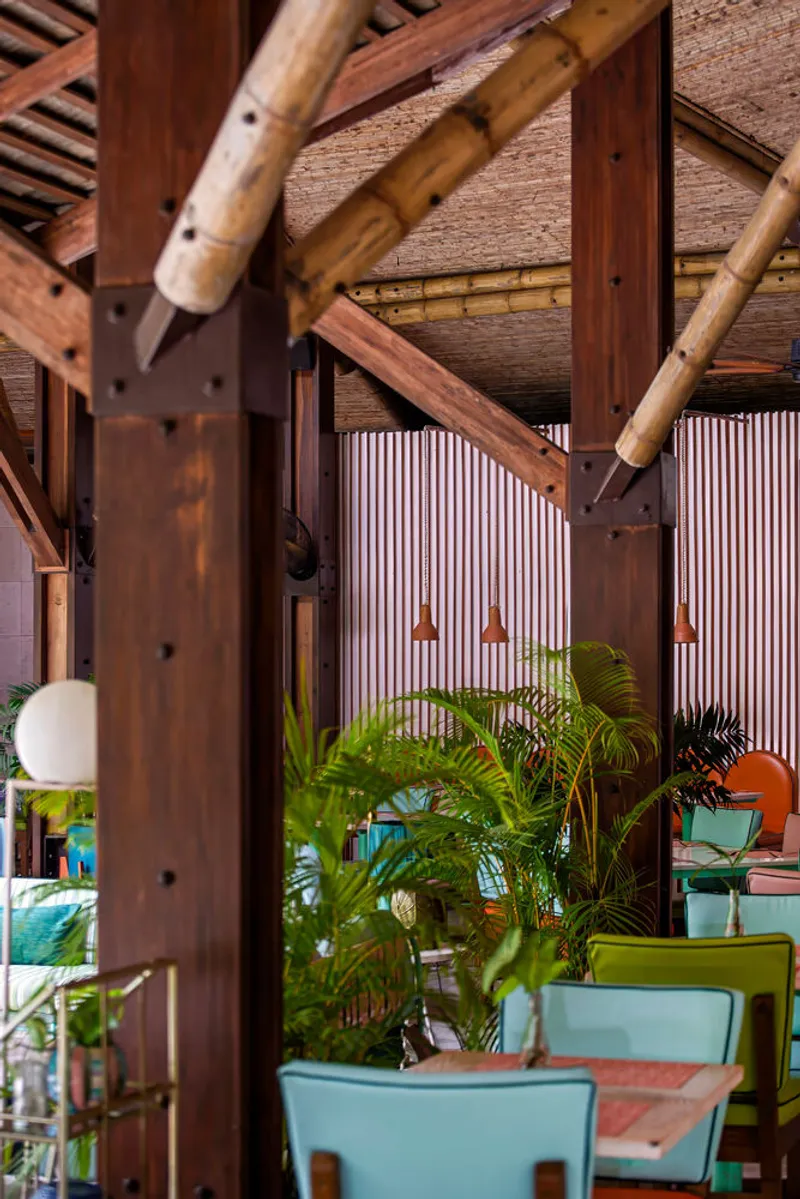
Equally important was minimizing disruption to the fragile jungle ecosystem. Construction methods were selected to protect existing vegetation and maintain the site’s biodiversity. The careful integration of the new restaurant and yoga pavilion with the existing buildings required precise planning, reinforcing the cohesive architectural language of the property while allowing each structure to retain its own identity.
A Holistic Hospitality Experience
Through the Aguas Claras Hotel Restaurant and Yoga Pavilion, Studio Saxe delivers an architecture of restraint and resonance. The project does not seek visual dominance; instead, it amplifies what already exists: art, landscape, tradition, and community. The result is a hospitality environment where dining, wellness, and cultural storytelling merge into a unified spatial experience, deeply connected to Costa Rica’s Caribbean coast.
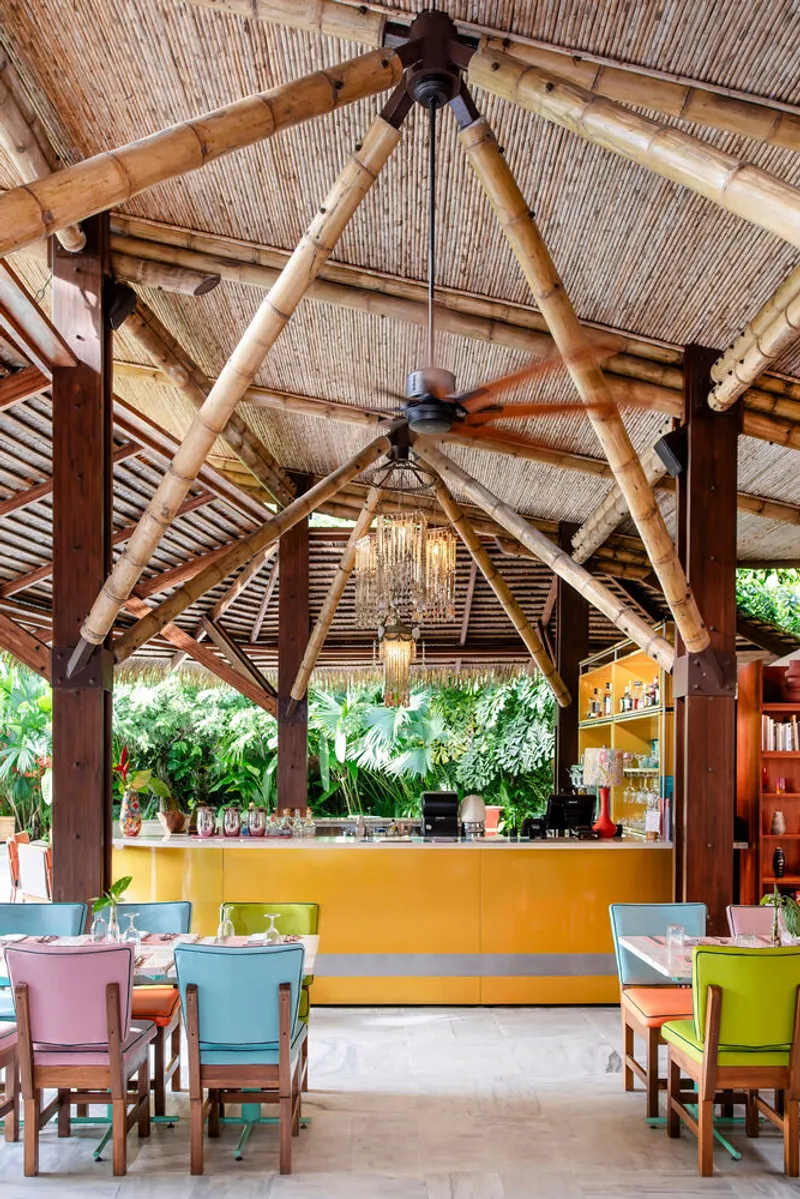
All photographs are works of Studio Saxe




Popular Articles
Popular articles from the community


Riyadh For All: Intergenerational Urban Design for Active Aging in Rabat
Riyadh For All reimagines urban design in Rabat with intergenerational co-living, adaptive courtyards, and Moroccan cultural exchange today.

The Musturak Paradise: Senior Living Architecture for a Connected Future in Temara, Morocco
The Musturak Paradise reimagines senior living architecture in Temara via private homes, social spaces, culture, community, and shared care.

Conexión: Biophilic Design Reimagines High-Rise Living in Hong Kong
Conexión reimagines high-rise living in Hong Kong through biophilic design, green facades, shared spaces, daylight, water and nature within.

The Ocean Hive: Sustainable Architecture for a Self-Sufficient Civilization at Sea
The Ocean Hive imagines sustainable architecture at sea, where modular habitats, algae, wave power and ocean waste sustain a growing colony.

Similar Reads
You might also enjoy these articles


Hodi-Mandai Geram
Project Function: Preservation and revitalization of the Intangible heritage and socio-spatial identity of the Hodi by Housing, Cultural Memory Center, Sacred Grove, landscape, local tourism economy


Olio Towers: A Mid-Rise for Performers That Fuses Housing, Rehearsal, and Stage
Located blocks from Houston's Theater District, this modular tower stacks living units around a central performance atrium.

Oasis: Modular Green Housing Carved into Dhaka's Urban Fabric
A shortlisted Plugin Housing entry reclaims unauthorized settlements in Dhaka with stepped concrete volumes, green roofs, and ventilation-driven design.

Black Hole: A Floating Megastructure for the Post-Physical Era
Emiliano Mazzarotto envisions a spherical, self-scaling arena where e-sports, digital hotels, and holographic stadiums replace traditional public space.


Explore Hospitality Building Competitions
Discover active competitions in this discipline



Challenge to reimagine the Iron Throne


Photograph architecture without architects


Illustrate the lost glory of Angkor Wat - Render Challenge


Design challenge to reuse E-waste
Comments (0)
Please login or sign up to add comments
No comments yet. Be the first to comment!