
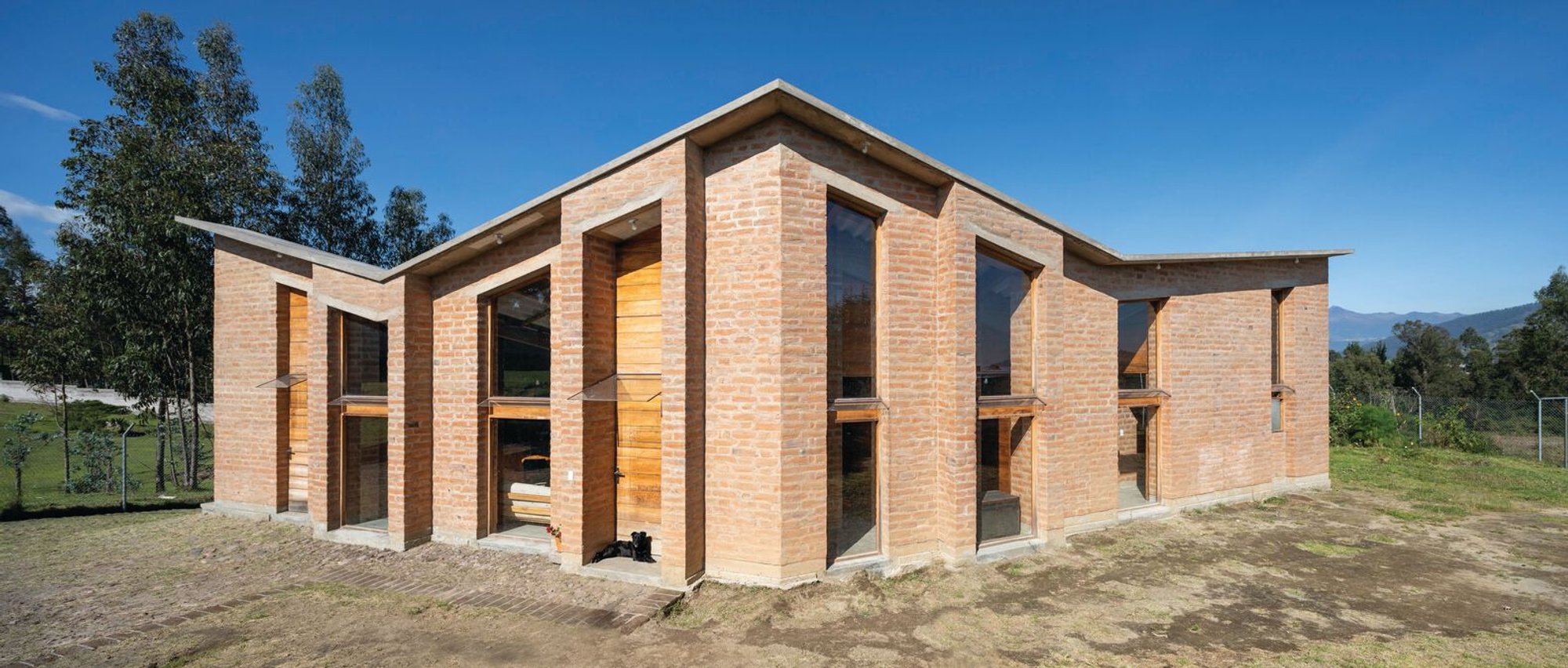
Alangasí House by Emilio López Arquitecto: A Contemporary Rural Retreat Rooted in Andean Landscape
Compact brick house in Ecuador blending landscape-inspired design, passive climate response, warm materials, and rural living transition.

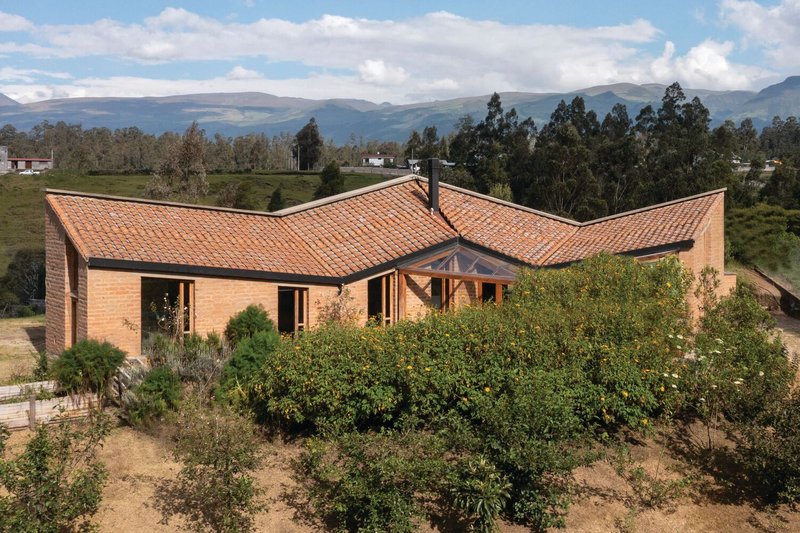
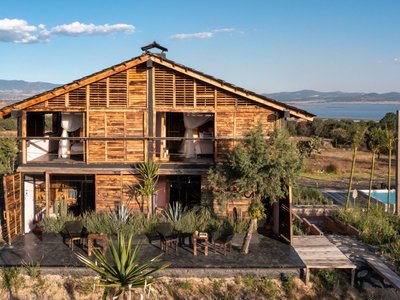
The Alangasí House, designed by Emilio López Arquitecto, is a compact yet expressive residential project located on the outskirts of Quito, Ecuador. Envisioned as a countryside refuge, this 110-square-meter home reflects a gradual transition from urban living to a more serene, nature-connected lifestyle. The design responds sensitively to its elevated hilltop setting, where exposure to strong winds and expansive views demanded both protection and openness.
Contextual Design and Architectural Strategy
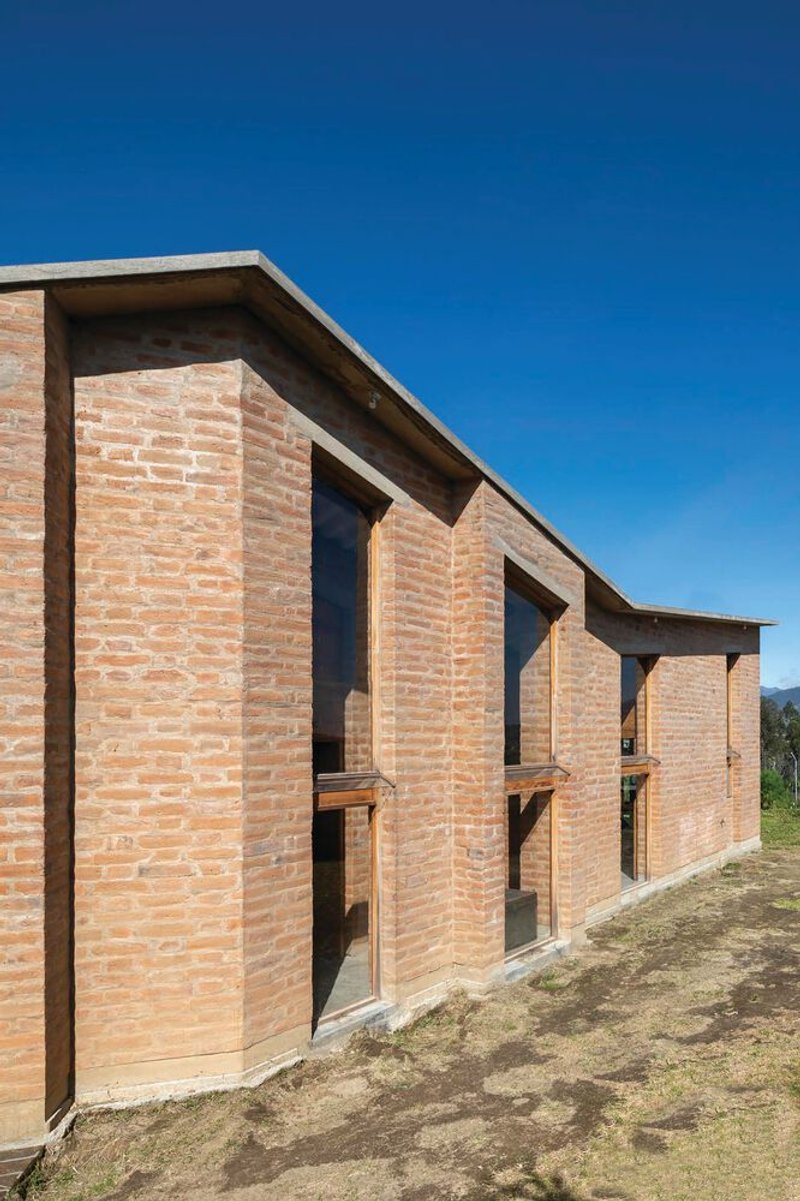
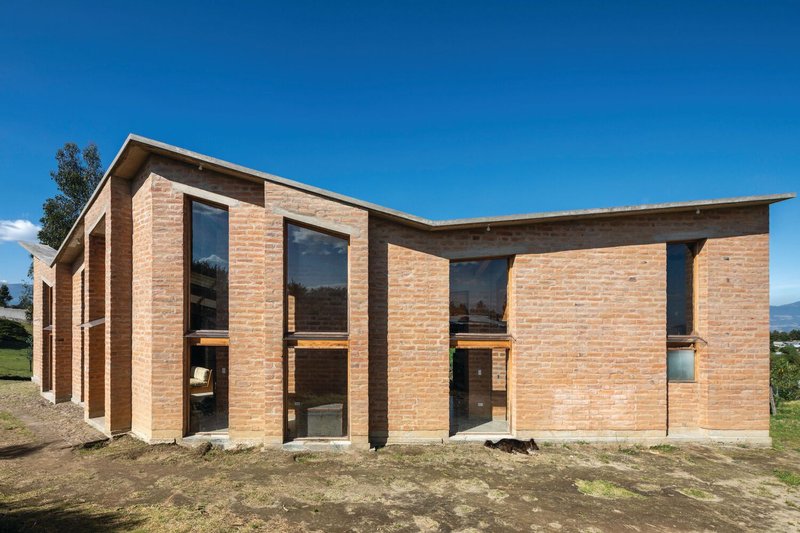
Positioned strategically on a small hill, the house embraces its surroundings while addressing climatic challenges. The use of load-bearing brick walls forms the structural backbone of the residence, offering a sense of security and durability. These thick masonry walls are punctuated by carefully placed openings that frame views while shielding the interiors from harsh environmental conditions and ensuring privacy.
Materiality and Spatial Experience
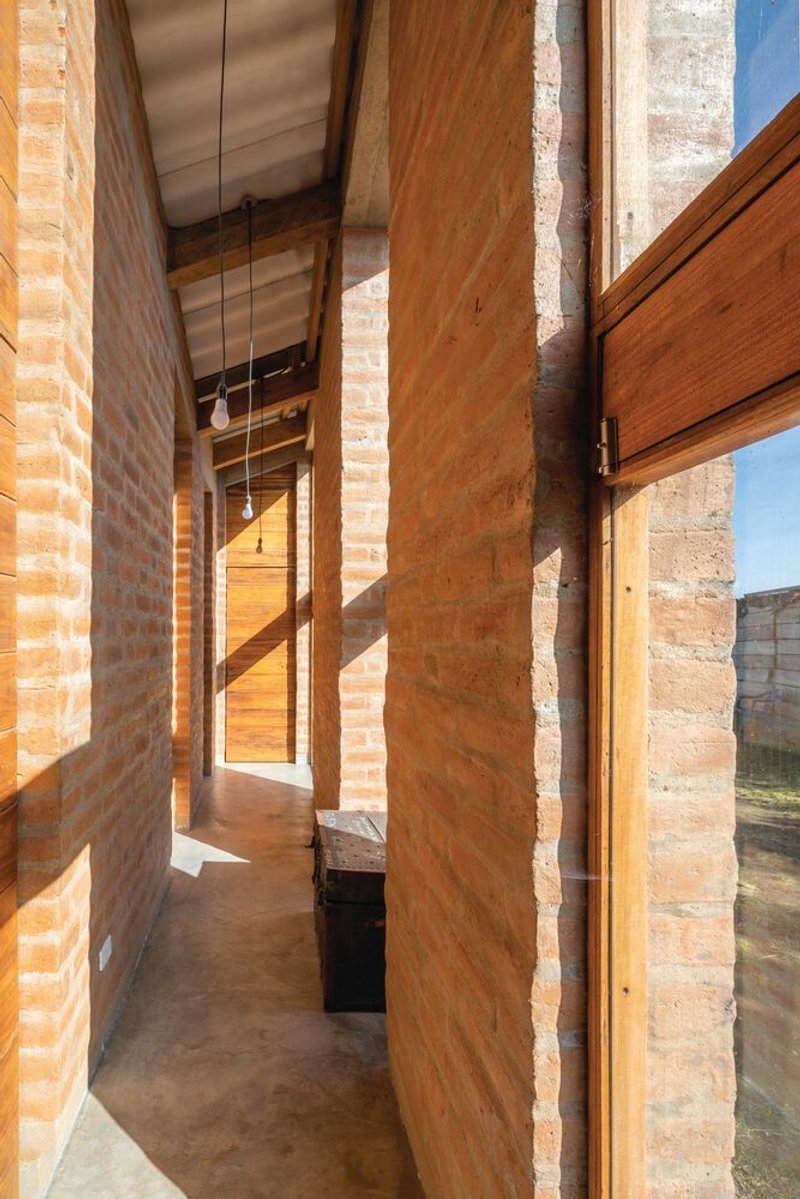
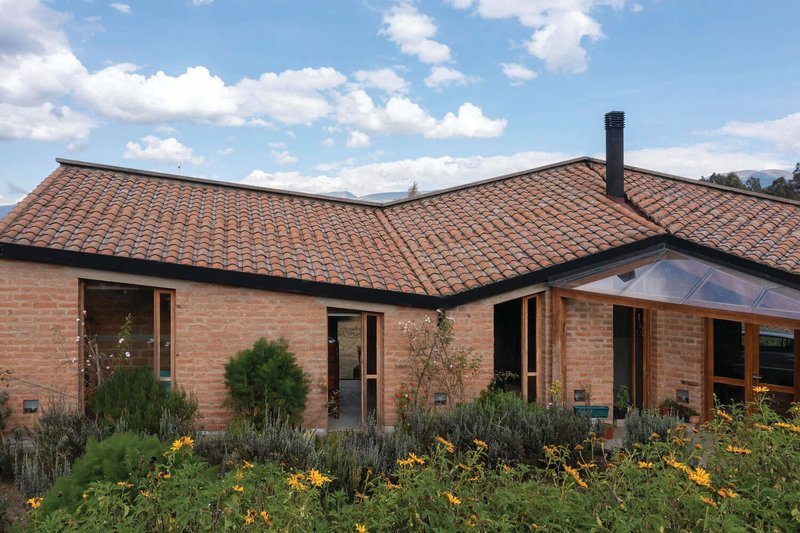
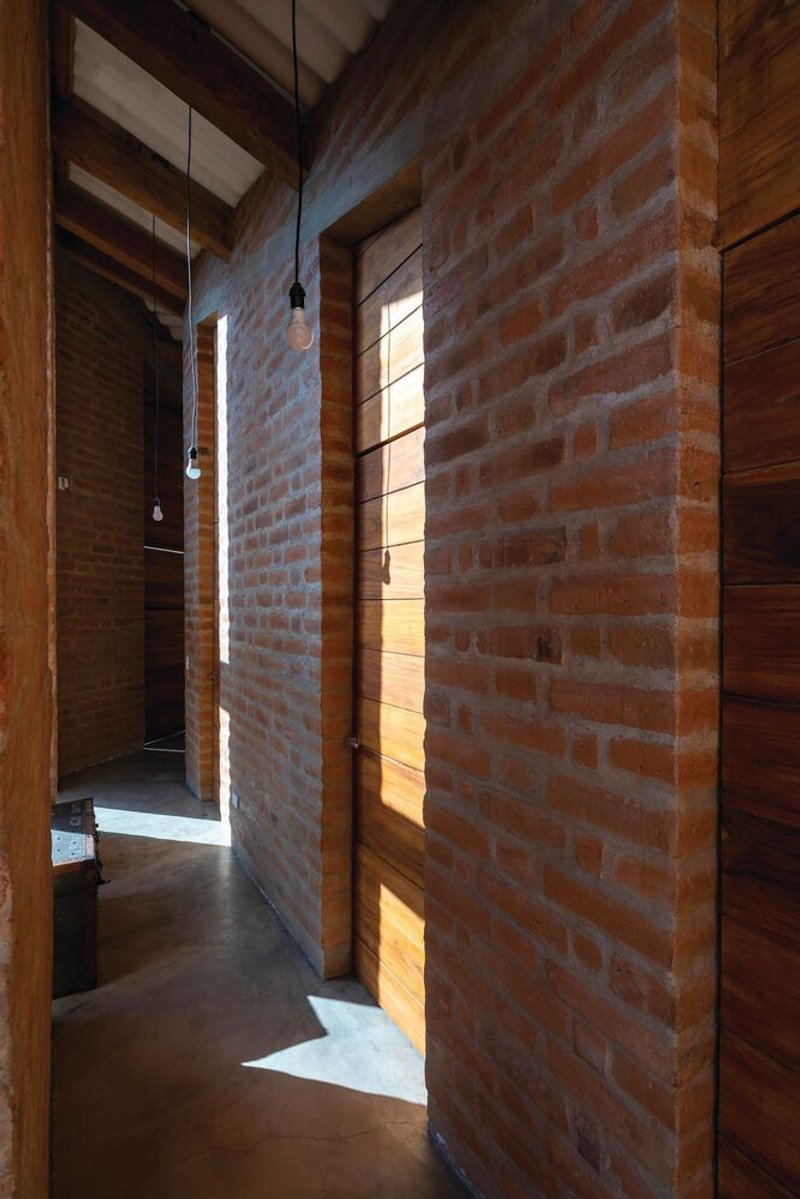
Brick plays a dominant role not only structurally but also aesthetically, extending seamlessly into the interior spaces. The tactile quality of exposed brick creates a warm and grounded atmosphere, complemented by a wooden roof structure finished with traditional tile cladding. The interplay between brick and wood introduces a natural material palette that reinforces the house’s rural identity.
A key conceptual element in the design is the idea of “folding,” inspired by the dynamic topography of the Andean mountain range. The architecture subtly mimics the folds of the landscape, allowing the structure to integrate harmoniously with its environment. This approach reduces the visual impact of the building while enhancing its connection to the site.
Indoor-Outdoor Relationship and Sustainable Living
An exterior pergola constructed with wood and glass extends the living space outward, continuing the architectural language of the folded roof. This semi-open area serves as a transitional zone between interior and exterior, later adapted by the client into a lush garden and small nursery. This transformation reinforces the project’s identity as a hybrid between house and garden, promoting a sustainable and self-sufficient lifestyle.
Cost-Effective and Functional Interiors
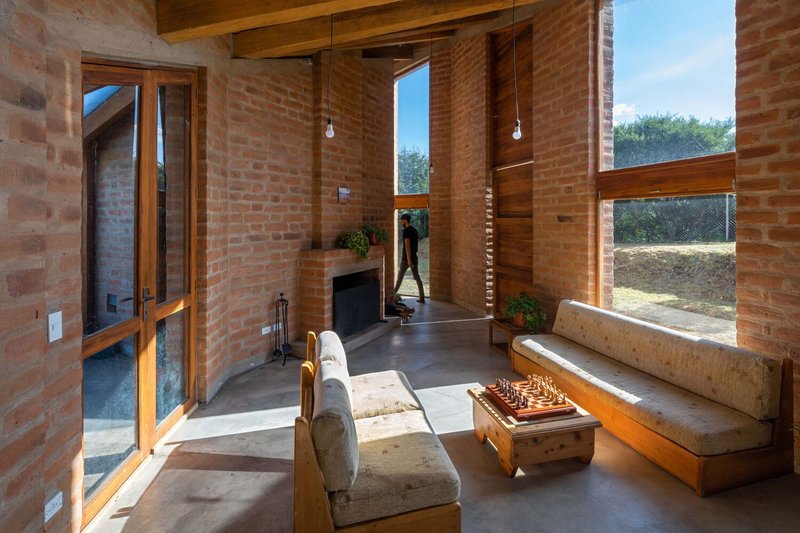
The interiors are defined by simplicity and efficiency. Smooth cement flooring and custom-built furniture, crafted from leftover materials of the roof structure, demonstrate a resourceful approach to construction. These economical solutions not only reduce costs but also maintain a cohesive design language throughout the home.
The Alangasí House stands as a thoughtful example of contemporary rural architecture, where material honesty, environmental responsiveness, and spatial innovation come together to create a meaningful living experience.
All photographs are works of
Andres.V




Popular Articles
Popular articles from the community

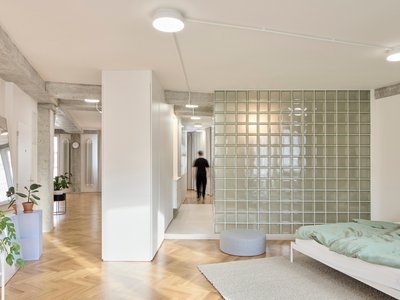
RDTH architekti Rips Out Nearly Every Wall in a Prague Apartment and Replaces Them with Furniture
A 101-square-meter post-war flat in Prague trades rigid partitions for a single rotated furniture block, curtains, and glass concrete.
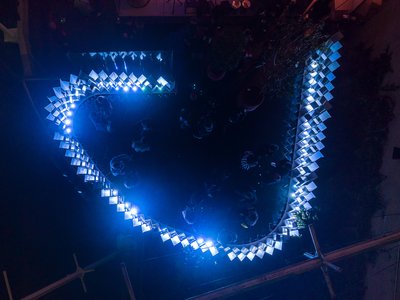
Rojkind Arquitectos and Think Parametric Build a Glueless Pavilion from 67 Interlocking Panels
A serpentine fiber-cement installation in Chapultepec Park celebrates a decade of architectural media in Mexico City.
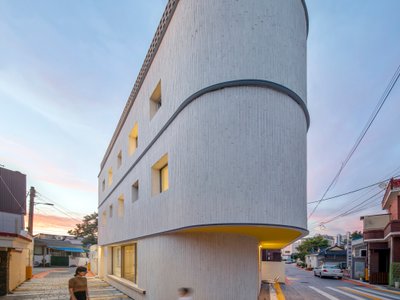
YOAP Architects Round a Corner in Yeongcheon with a Cylindrical Community Hub
A 197-square-meter brick and ribbed-clad tower turns a forgotten alley corner in South Korea into a public garden with a low threshold.

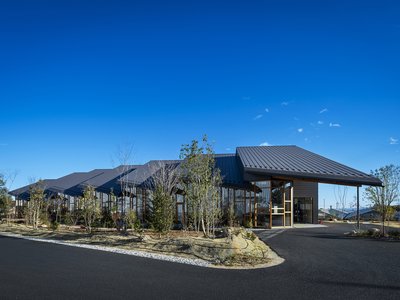
20 Most Popular Office Building Projects of 2025
From biophilic workspaces in India to net-positive energy offices in New Delhi, 20 office building projects that defined architecture in 2025.


Similar Reads
You might also enjoy these articles

Kokaistudios Wraps a Shanghai Retail Podium in Horizontal Louvers That Echo Its Foster + Partners Neighbor
A four-storey glass-roofed gateway links an underground commercial valley to the revitalized north bank of Shanghai's Suzhou River.
Fausto Terán and Toro Fuse Japanese Craft with Mexican Tradition in a Lakeside Retreat
Nakamura House pairs Shou-Sugi-Ban charred pine with handmade clay tile at the foot of Atlangatepec Lagoon in Mexico.
RDTH architekti Rips Out Nearly Every Wall in a Prague Apartment and Replaces Them with Furniture
A 101-square-meter post-war flat in Prague trades rigid partitions for a single rotated furniture block, curtains, and glass concrete.

SWA Group Spirals a Landscape Memorial into the Woods of Sandy Hook
A 1.8-acre clearing in Newtown, Connecticut, honors 26 lives lost with water, stone, and a single sycamore tree.


Explore Architecture Competitions
Discover active competitions in this discipline




The International Standard for Design Portfolios


The Global Benchmark for Architecture Dissertation Awards


The Global Benchmark for Graduation Excellence


Challenge to reimagine the Iron Throne
Comments (0)
Please login or sign up to add comments
No comments yet. Be the first to comment!