
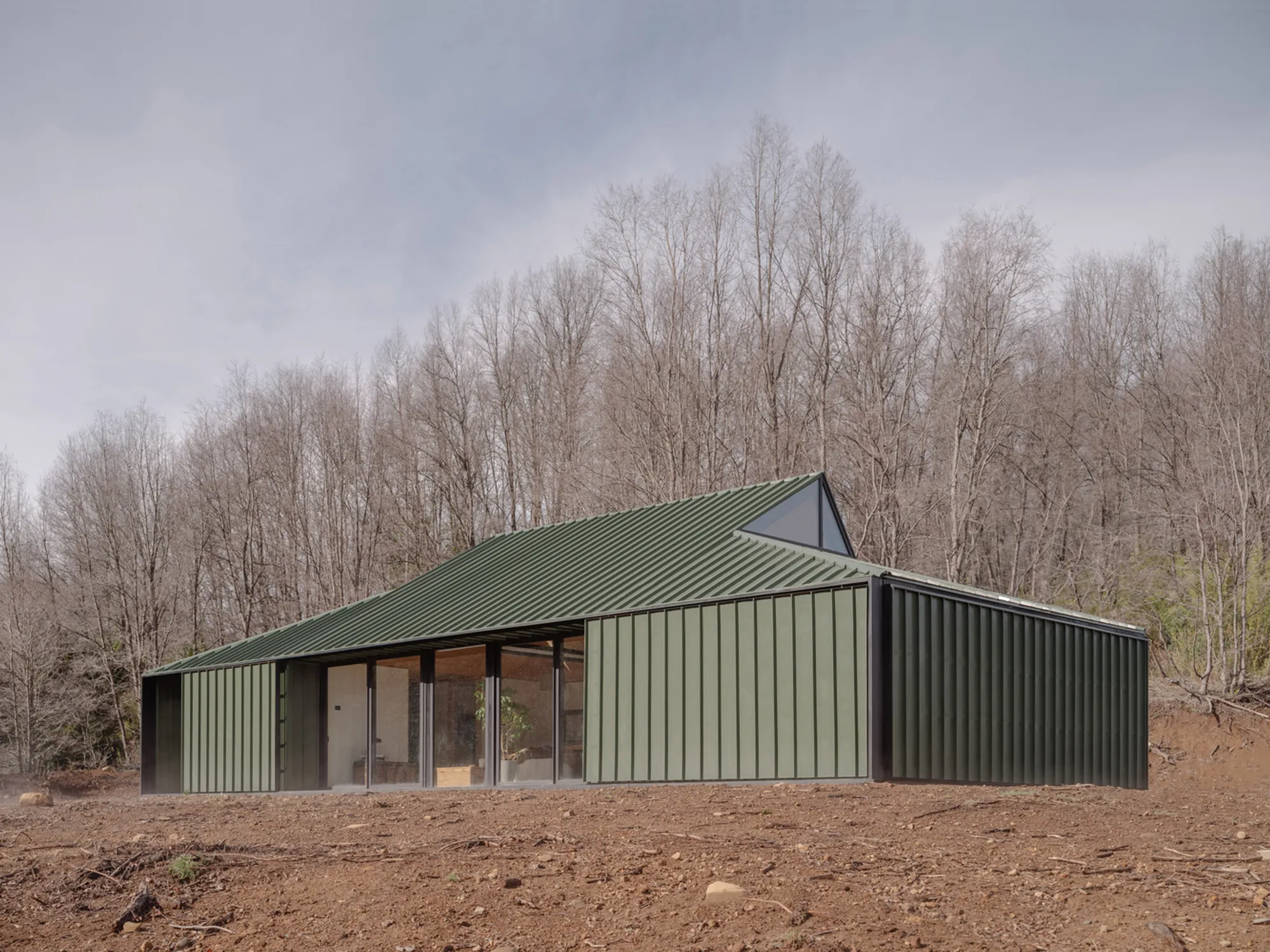
Alejandra House by Duarte Fournies Arquitectos: Sustainable Modern Living in the Andes
Alejandra House in Chile by Duarte Fournies Arquitectos features a compact, wood-clad design with open central space, natural light, and valley views.


Architects: Duarte Fournies Arquitectos (Hernán Fournies & Juan Pablo Duarte)
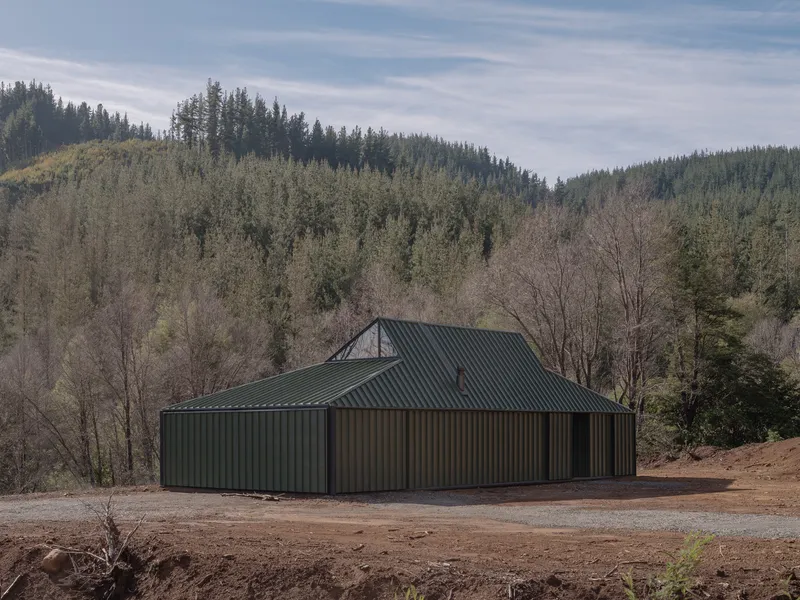
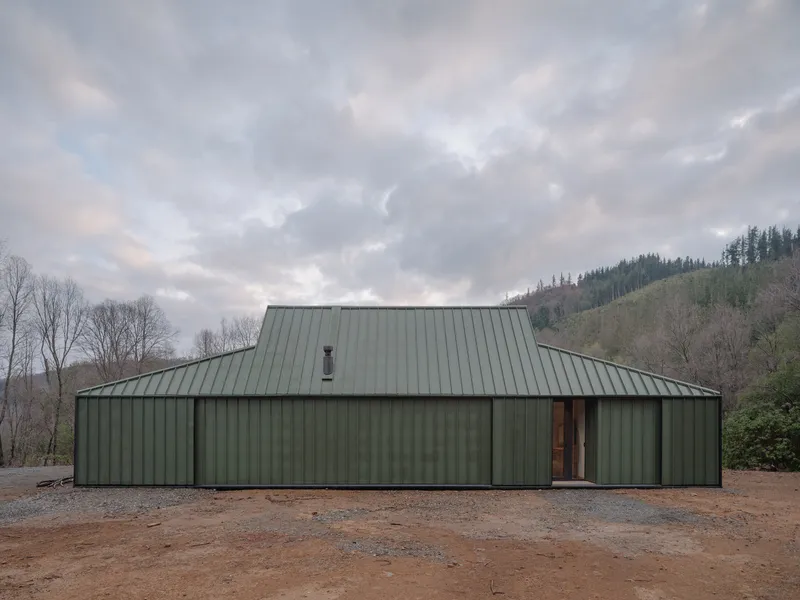
Nestled in the heart of the Trancas Valley in Central Chile, the Alejandra House is a masterful example of modern, sustainable residential architecture designed for solitary living and occasional visitors. Set against the dramatic backdrop of the Andes Mountains, this secluded home responds sensitively to the extreme local climate: snowy winters, rainy conditions, and hot, clear summers, through efficient spatial planning and material choices.
Compact Design with Maximum Efficiency
With a modest footprint of 100 m² interior and an additional 20 m² semi-exterior space for parking and loggia, the Alejandra House optimizes every square meter. The architects arranged the home’s programmatic spaces: master bedroom, two guest bedrooms, living room, dining area, and kitchen, around a central open plan, while service and visitor areas are strategically placed at the building’s ends. This design minimizes circulation space, improves heating efficiency, and maximizes natural lighting throughout the house.
The main southern entrance leads into a hall connecting the guest bedrooms to the central living areas, while a secondary service access links the parking and loggia directly to the interior, ensuring smooth circulation without exposure to outdoor conditions.
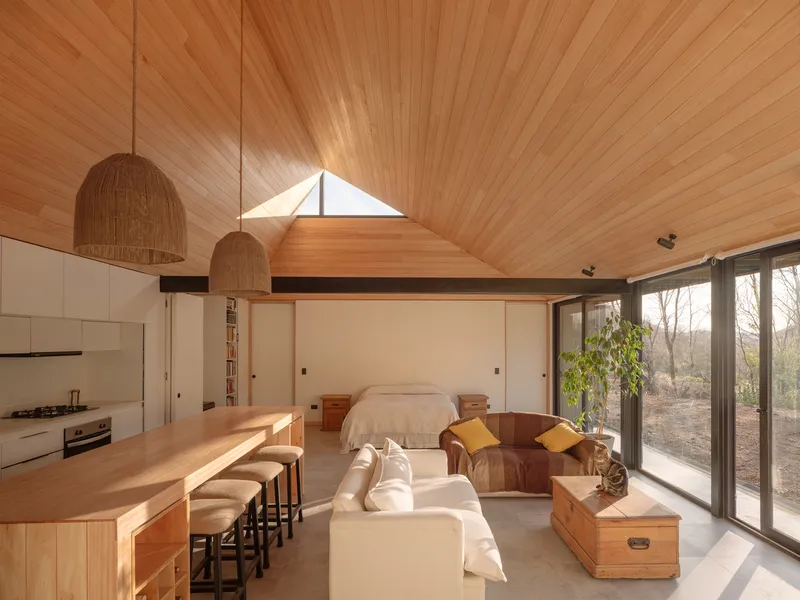
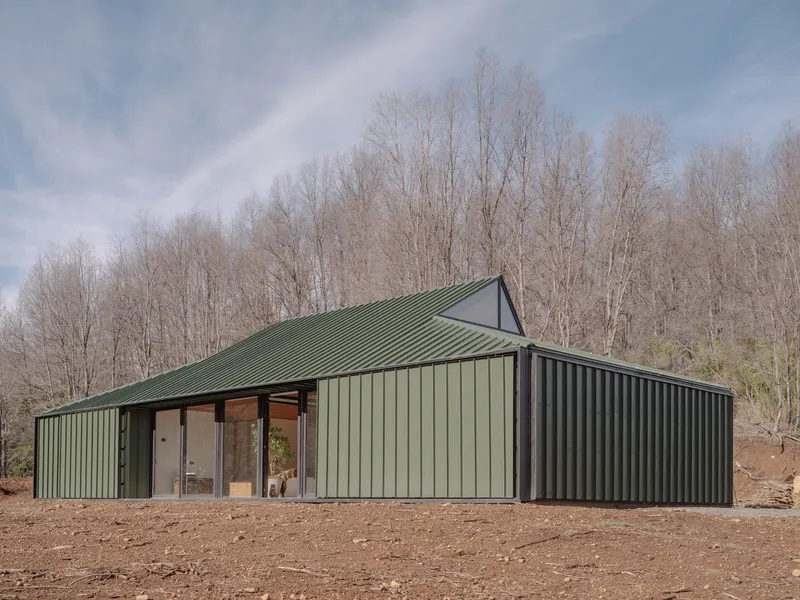
Elevated Central Space
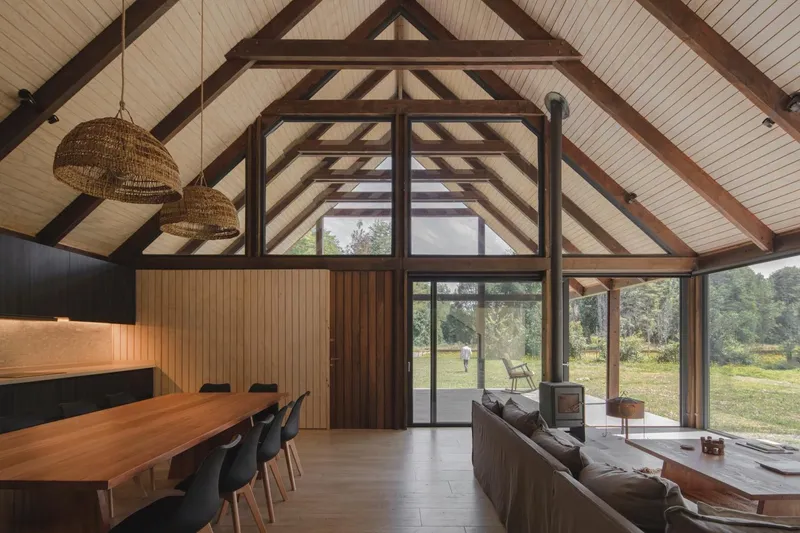
The central living space features heightened ceilings, allowing rainwater drainage while creating a sense of openness within limited square footage. The living room, dining area, kitchen, and master bedroom occupy this core, with folding doors that provide flexibility between private and public zones. The design ensures that residents enjoy both intimacy and spaciousness simultaneously.
Thoughtful Orientation and Views
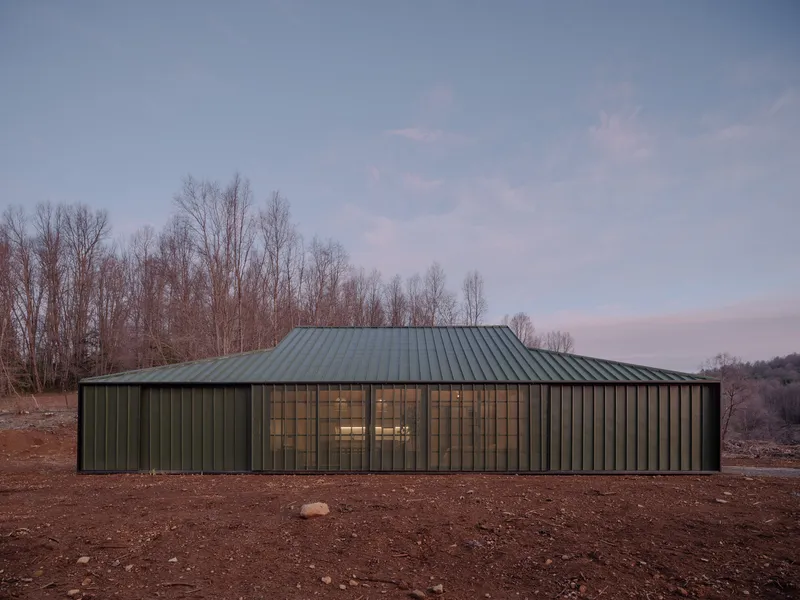
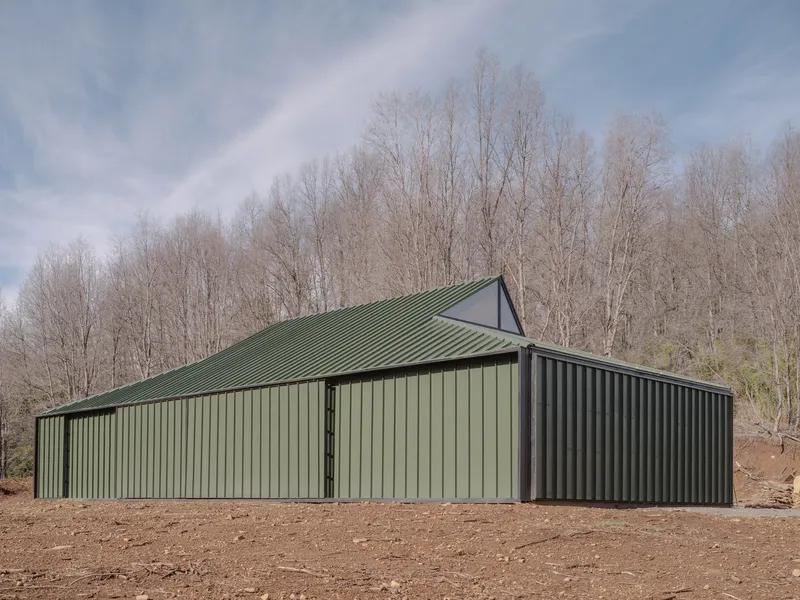
The home carefully balances privacy with connection to the landscape. Furniture and cabinetry are concentrated along the south façade to create a solid, hermetic appearance with selective openings, while the north façade features expansive windows capturing sunlight and panoramic views of the valley. This orientation optimizes passive solar gain and strengthens the home’s relationship with its natural surroundings.
Material Simplicity for Natural Integration
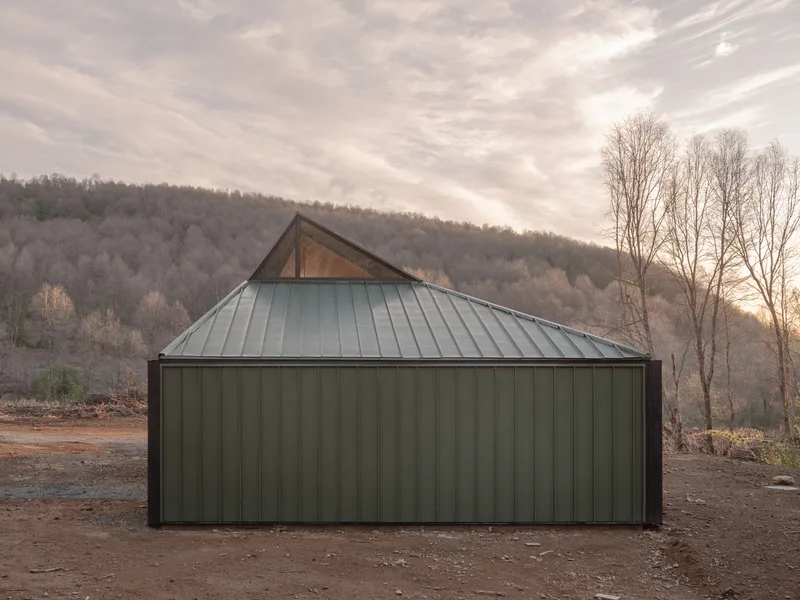
Alejandra House is constructed entirely from wood, with eucalyptus wood interiors and metal-clad exteriors, creating a neutral yet striking aesthetic that complements the surrounding forest. The limited palette of materials emphasizes the natural landscape while providing durability against the local climate. Sliding metal panels on all façade openings enhance security and address climatic challenges, blending seamlessly with the building’s exterior.
A Home Designed for the Andes
Alejandra House is a serene retreat that demonstrates how sustainable design, material restraint, and spatial efficiency can create a comfortable, modern home in extreme climates. Its carefully considered layout, natural materiality, and responsive orientation embody the best practices in contemporary residential architecture in Chile.
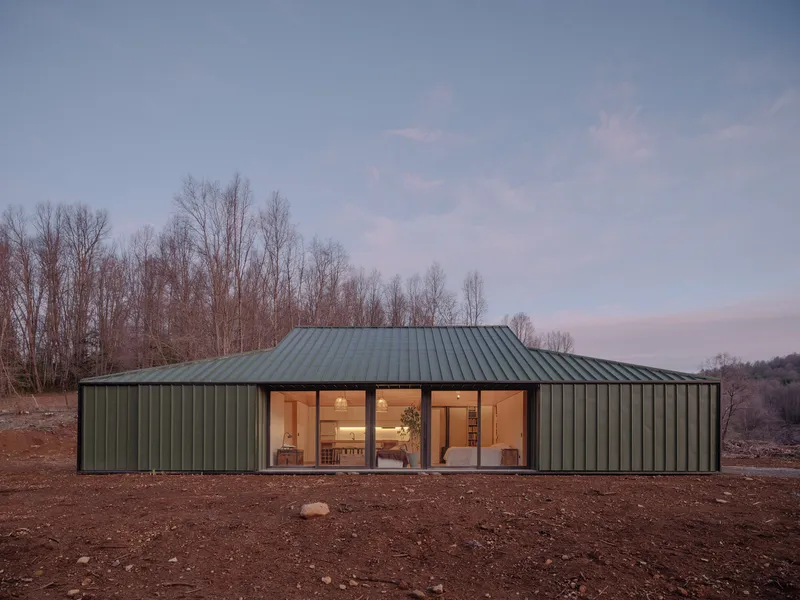
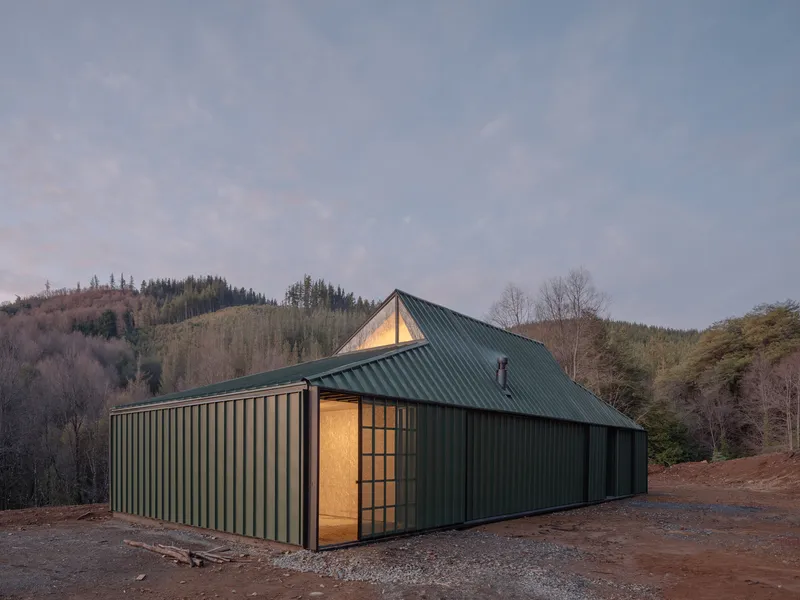
All photographs are works of Marcos Zegers



Popular Articles
Popular articles from the community


Co-life: Sustainable Architecture for Age-Friendly Community Living
Co-life reimagines sustainable architecture for seniors through courtyards, rammed earth, shared gardens, and spaces designed for belonging.

Riyadh For All: Intergenerational Urban Design for Active Aging in Rabat
Riyadh For All reimagines urban design in Rabat with intergenerational co-living, adaptive courtyards, and Moroccan cultural exchange today.

The Earth Pod: 3D Printed Homes for Resilient Refugee Communities
The Earth Pod reimagines refugee housing through 3D printed homes made from clay, combining resilience, self-sufficiency, and rapid shelter.

Play: Fragments of Their World
Familiar architecture becomes modular playground design, creating safe spaces where displaced children can learn, connect, imagine and play.

Similar Reads
You might also enjoy these articles


Hodi-Mandai Geram
Project Function: Preservation and revitalization of the Intangible heritage and socio-spatial identity of the Hodi by Housing, Cultural Memory Center, Sacred Grove, landscape, local tourism economy


Olio Towers: A Mid-Rise for Performers That Fuses Housing, Rehearsal, and Stage
Located blocks from Houston's Theater District, this modular tower stacks living units around a central performance atrium.

Oasis: Modular Green Housing Carved into Dhaka's Urban Fabric
A shortlisted Plugin Housing entry reclaims unauthorized settlements in Dhaka with stepped concrete volumes, green roofs, and ventilation-driven design.

Black Hole: A Floating Megastructure for the Post-Physical Era
Emiliano Mazzarotto envisions a spherical, self-scaling arena where e-sports, digital hotels, and holographic stadiums replace traditional public space.


Explore Housing Competitions
Discover active competitions in this discipline



Challenge to reimagine the Iron Throne


Photograph architecture without architects


Illustrate the lost glory of Angkor Wat - Render Challenge


Design challenge to reuse E-waste
Comments (0)
Please login or sign up to add comments
No comments yet. Be the first to comment!