
Aluminum Grotto and Public Ground Installation by HAS Design and Research in Bangkok
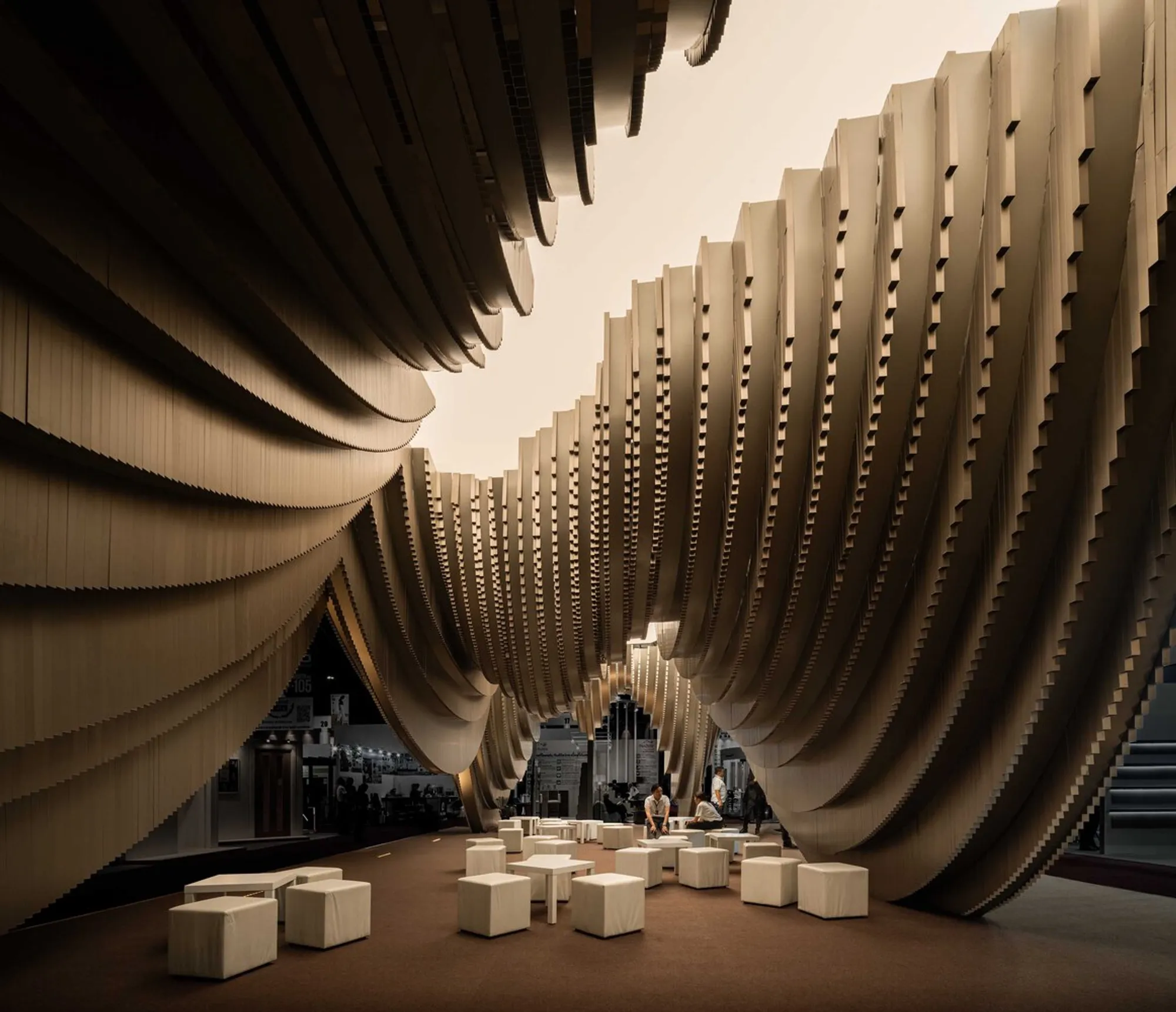
The Aluminum Grotto by HAS Design and Research is a handcrafted, elevated public pavilion in Bangkok promoting learning, art, and cultural engagement.


The Aluminum Grotto and Public Ground Installation is an innovative architectural installation by HAS Design and Research, located in Bangkok, Thailand. Covering an area of 180 m² and completed in 2024, this project commemorates the 90th anniversary of The Association of Siamese Architects under Royal Patronage (ASA). Spearheaded by lead architects Jenchieh Hung and Kulthida Songkittipakdee, with lighting by Light Is and structural support from Pacific Pipe Co., Ltd., the project seamlessly combines public engagement, craft, and architectural experimentation.
Concept and Design Philosophy
The installation was commissioned by S-ONE Group and KIN, Thailand’s leading aluminum companies, to celebrate the country’s prominence as Southeast Asia’s foremost metal manufacturing exporter. The Aluminum Grotto and Public Ground is designed as a public-centric space, providing free access to activities including art exchanges, educational workshops, and interactive learning. By removing commercial operations, the architects prioritized idea exchange and cultural engagement, reflecting a commitment to community and learning.
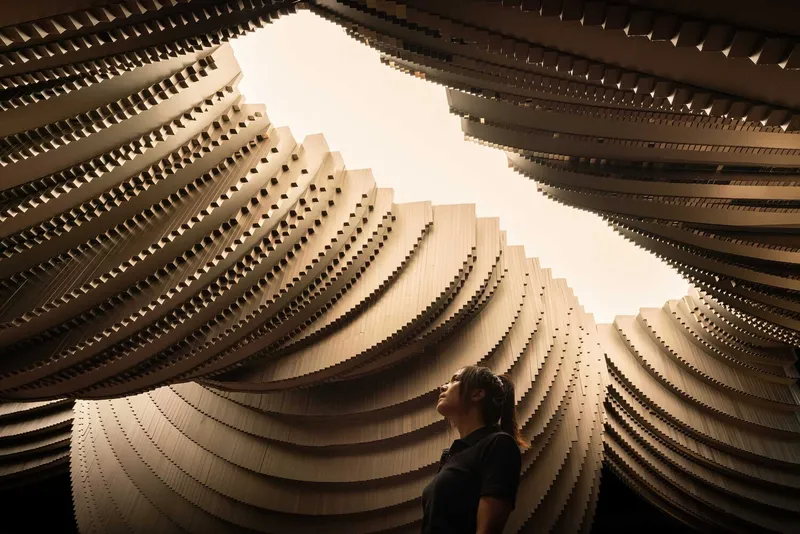
HAS Design and Research envisioned the installation as a valley-like grotto, creating a serene, naturalistic environment amid the dense exposition. The design recalls Thailand’s historical reliance on natural landscapes for dwellings, while also addressing contemporary urban challenges, such as Bangkok’s green space deficit, with only 6.99 m² per capita compared to the World Health Organization’s recommended 9 m².
Architectural Features and Experience
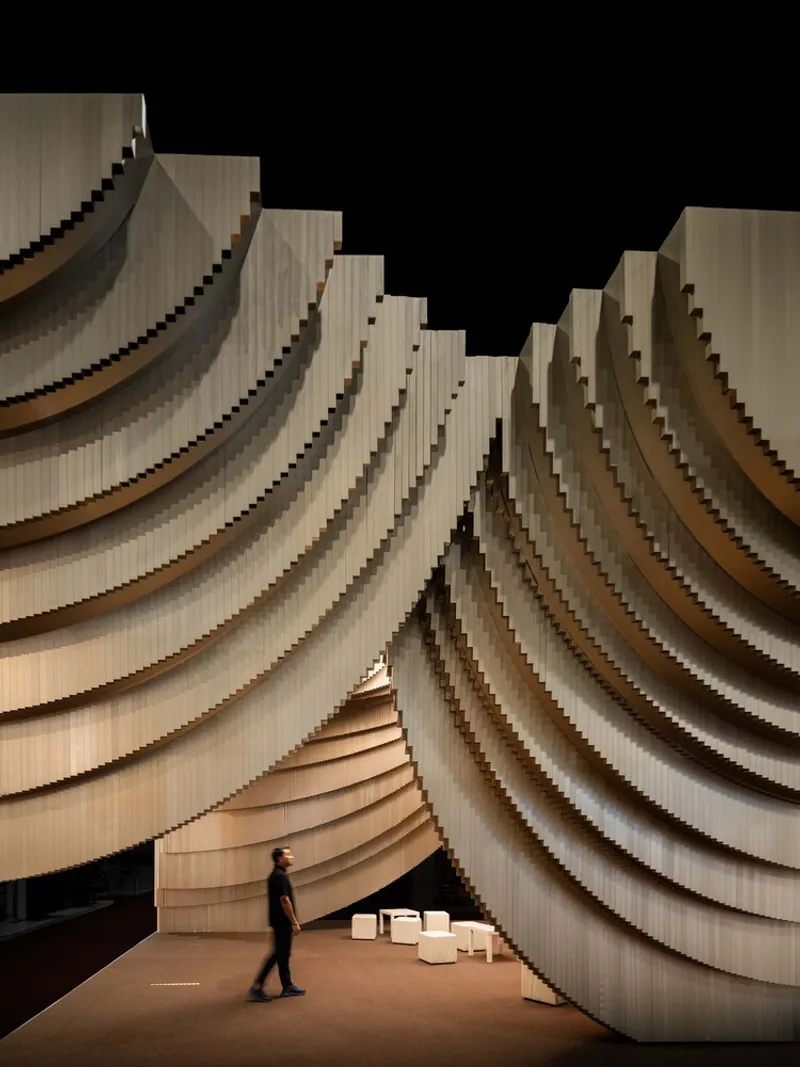
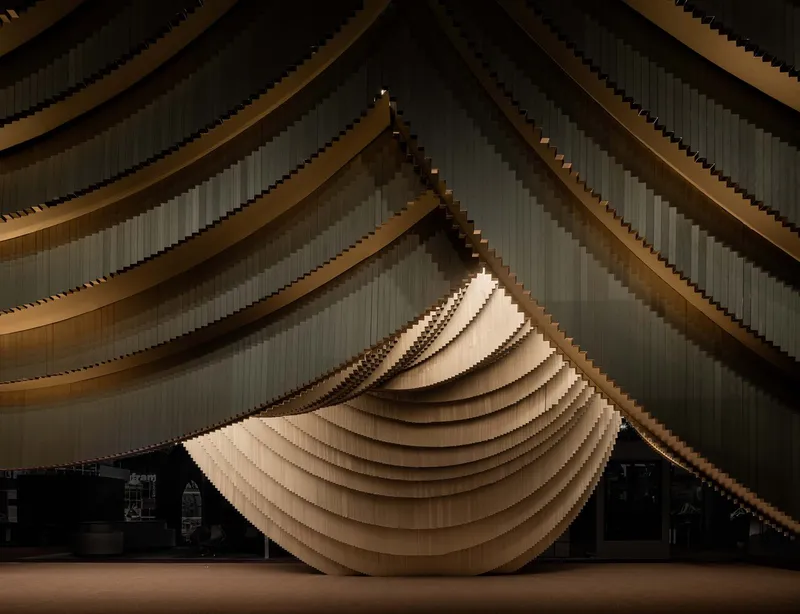
The installation’s elevated structure opens up space underneath, generating additional gray space for public gatherings. This approach echoes the multifunctional “Tai toon” spaces of traditional Thai stilt houses. The grotto-like environment transforms under natural light during special moments, creating ceremonial atmospheres and unique sensory experiences. The interplay of light and shadow enhances educational, cultural, and social functions, making every visit immersive and memorable.

Materiality and Craftsmanship
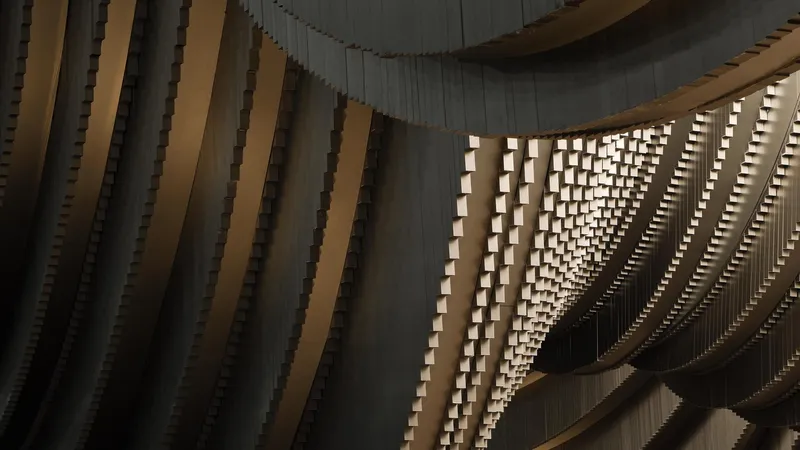
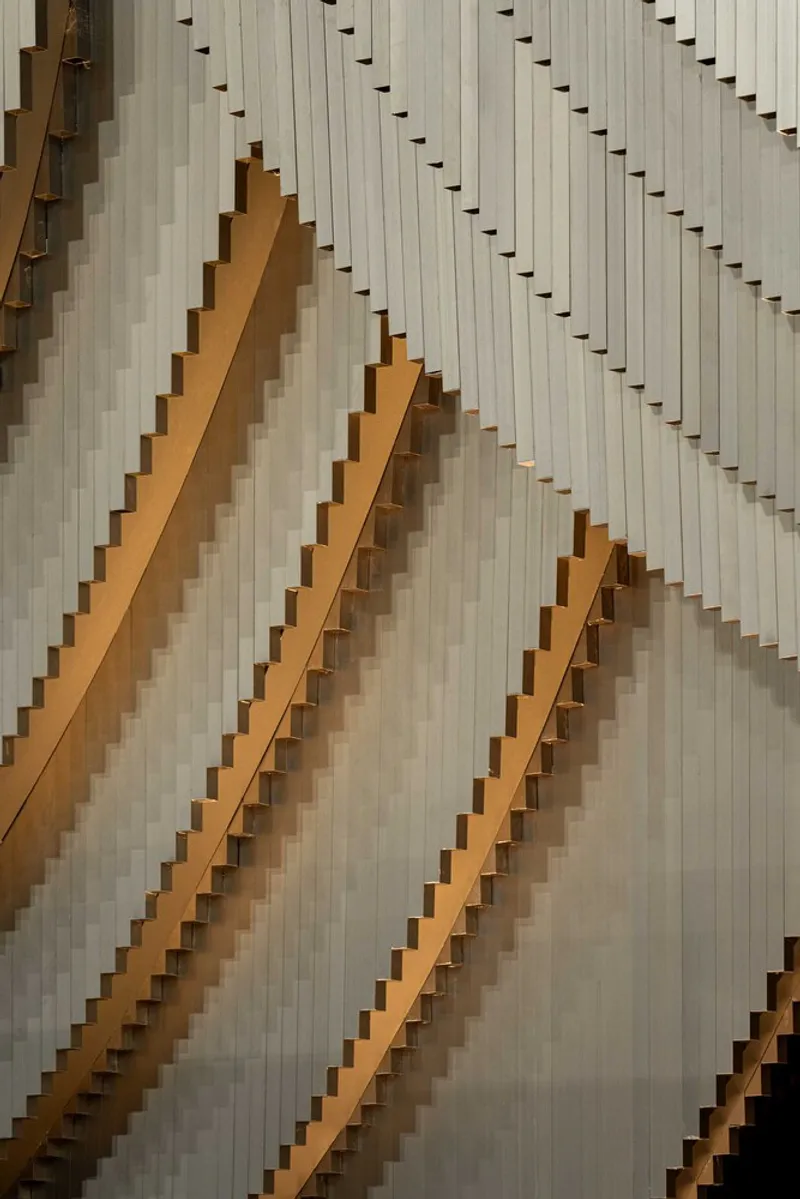
Constructed from hundreds of thousands of aluminum rods, each uniquely cut and assembled by skilled craftsmen, the installation exemplifies Total-ness Design: where skin, structure, and function merge seamlessly. This meticulous craftsmanship draws inspiration from Thai temple architecture, demonstrating how industrial materials can retain traditional artisanal value. The project blends Thailand’s heritage with contemporary innovation, offering visitors a tangible exploration of local craftsmanship, metalwork, and architectural experimentation.

Social and Cultural Impact
The Aluminum Grotto and Public Ground transcends the conventional pavilion concept by offering a multifunctional public space. It encourages community interaction, educational participation, and cultural appreciation, reflecting HAS Design and Research’s vision of architecture as a tool for social engagement. Visitors experience a unique combination of craftsmanship, material innovation, and cultural storytelling, highlighting the potential of architectural design to connect past traditions with contemporary urban needs.
All photographs are works of
DOF Sky|Ground



Popular Articles
Popular articles from the community


Co-Life: Senior Housing Design That Reconnects Older Adults With the City
Co-Life reimagines senior housing design through healing gardens, shared streets, workshops, and a sustainable community across generations.

AL-JANNAH: Sustainable Architecture and Permaculture for Afghan Widows
AL-JANNAH uses sustainable architecture and permaculture to create resilient oasis of housing, learning, work and renewal for Afghan widows.

EW PARK: Sustainable Architecture Reimagines the Future of Urban Parking
EW PARK reimagines city parking as a modular wooden tower combining automation, solar energy, electric mobility, and adaptable urban design.

Co-life: Sustainable Architecture for Age-Friendly Community Living
Co-life reimagines sustainable architecture for seniors through courtyards, rammed earth, shared gardens, and spaces designed for belonging.

Similar Reads
You might also enjoy these articles

FAMM Arquitectura Organizes Ten Villas Around Courtyards and Jungle in Nosara, Costa Rica
El Molino pairs two elongated volumes with deep overhangs and timber louvers to build a compact coastal community five minutes from the beach.
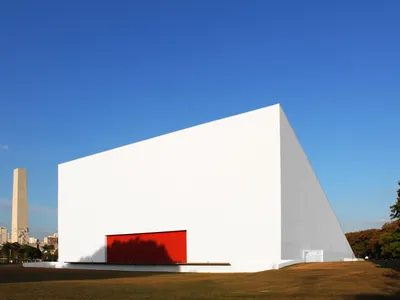
Oscar Niemeyer's Ibirapuera Park Pavilions Define São Paulo's Cultural Identity in Concrete and Curve
A constellation of modernist volumes set within São Paulo's most important urban park, conceived for the city's 400th anniversary in 1954.
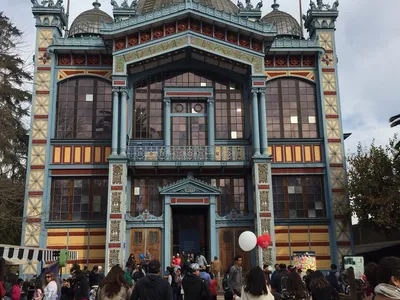
How Henri Picq's 1889 Paris Pavilion Traveled 11,000 Kilometers to Become Santiago's Artequín Museum
A prefabricated iron and glass pavilion built for the Paris Universal Exposition found a second life as a children's art museum in Chile.
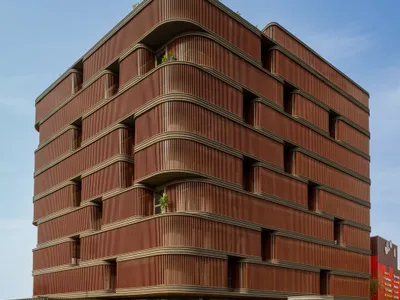
Sanjay Puri Architects Wraps a Jaipur Office Tower in Capsule-Shaped Green Buffers
A nine-level climate-responsive workplace near Jaipur Airport uses stacked planter terraces and aluminium screens to fight 40°C heat.


Explore Architecture Competitions
Discover active competitions in this discipline



Challenge to design public laboratory


Challenge to reimagine the Iron Throne


Photograph architecture without architects


Illustrate the lost glory of Angkor Wat - Render Challenge
Comments (0)
Please login or sign up to add comments
No comments yet. Be the first to comment!