

ARCA Portable Garden by Takk + Mireia Luzárraga + Alejandro Muiño
ARCA Portable Garden by Takk introduces mobile green solutions, enhancing urban biodiversity, reducing CO2, and reimagining sustainable public spaces.


The ARCA Portable Garden, designed by Takk with architects Mireia Luzárraga and Alejandro Muiño, is a pioneering project that envisions mobile green solutions to address urban biodiversity loss and climate challenges. Completed in 2022 in Barcelona, Spain, and captured beautifully by photographer José Hevia, the project introduces a portable green ecosystem that travels through the city to combat pollution, promote biodiversity, and enhance public spaces.
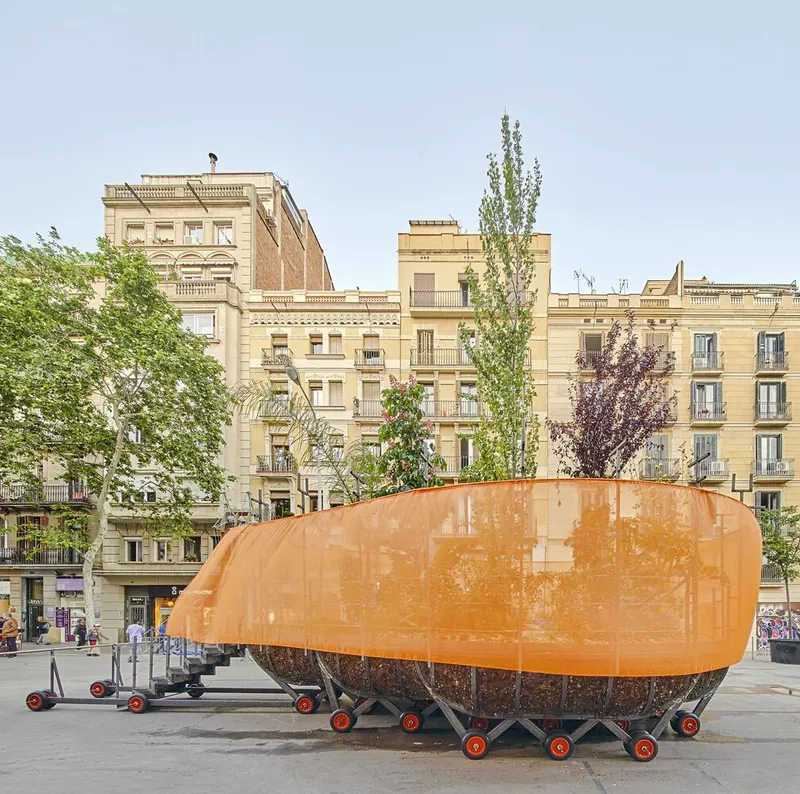
Addressing Biodiversity Loss
The project responds to the alarming decline of biodiversity, where up to one million species could vanish in the coming decades due to climate change, pollution, and habitat destruction. Cities, as major contributors to CO2 emissions and heat island effects, exacerbate this situation. Moreover, urban green spaces often feature a limited variety of species selected for aesthetic purposes, contributing to ecological homogenization and weakening the resilience of urban ecosystems.
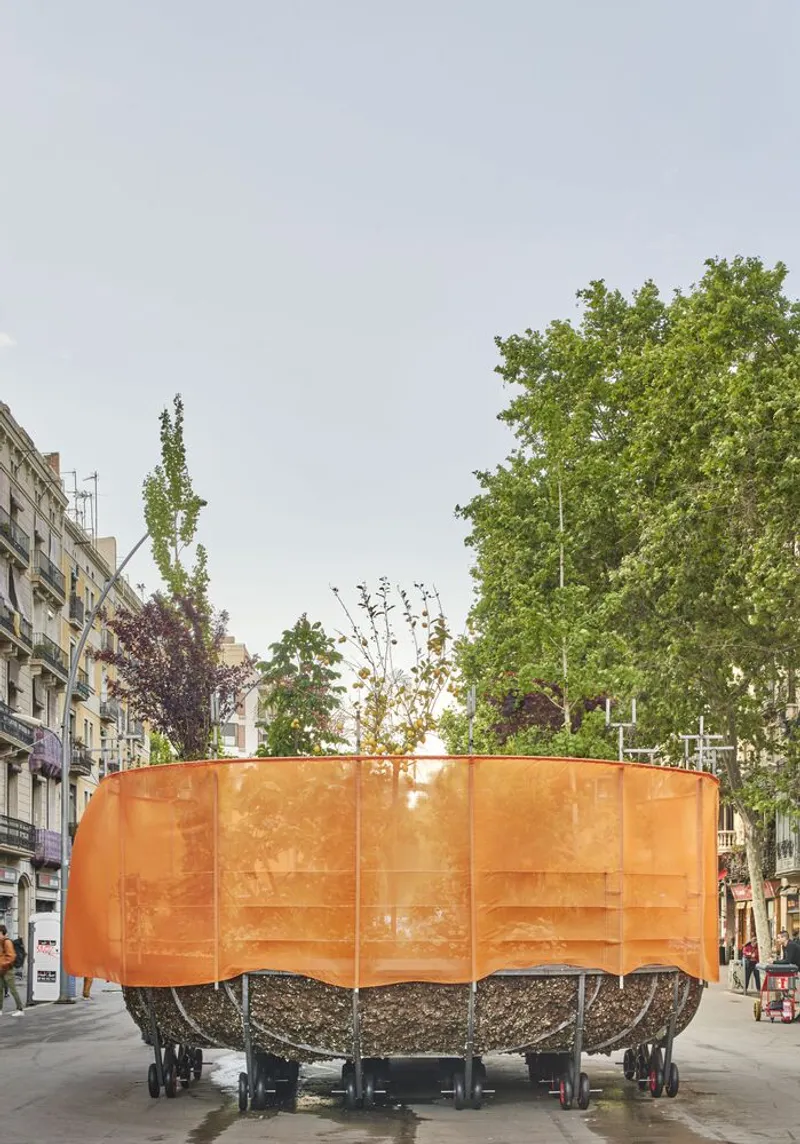
Concept and Design
ARCA Portable Garden is a mobile reservoir that houses a diverse range of trees, shrubs, plants, and insects capable of:
• Absorbing high levels of CO2: Certain species included in the installation can absorb 10 times more CO2 than typical plants, directly mitigating pollution.
• Promoting food sovereignty: The project features wild edible species, introducing alternative food sources and encouraging sustainable food practices.
• Fostering ecological relationships: By facilitating mutualism, tenantism, and symbiosis, the installation invites various species to co-exist and thrive, supporting biodiversity.
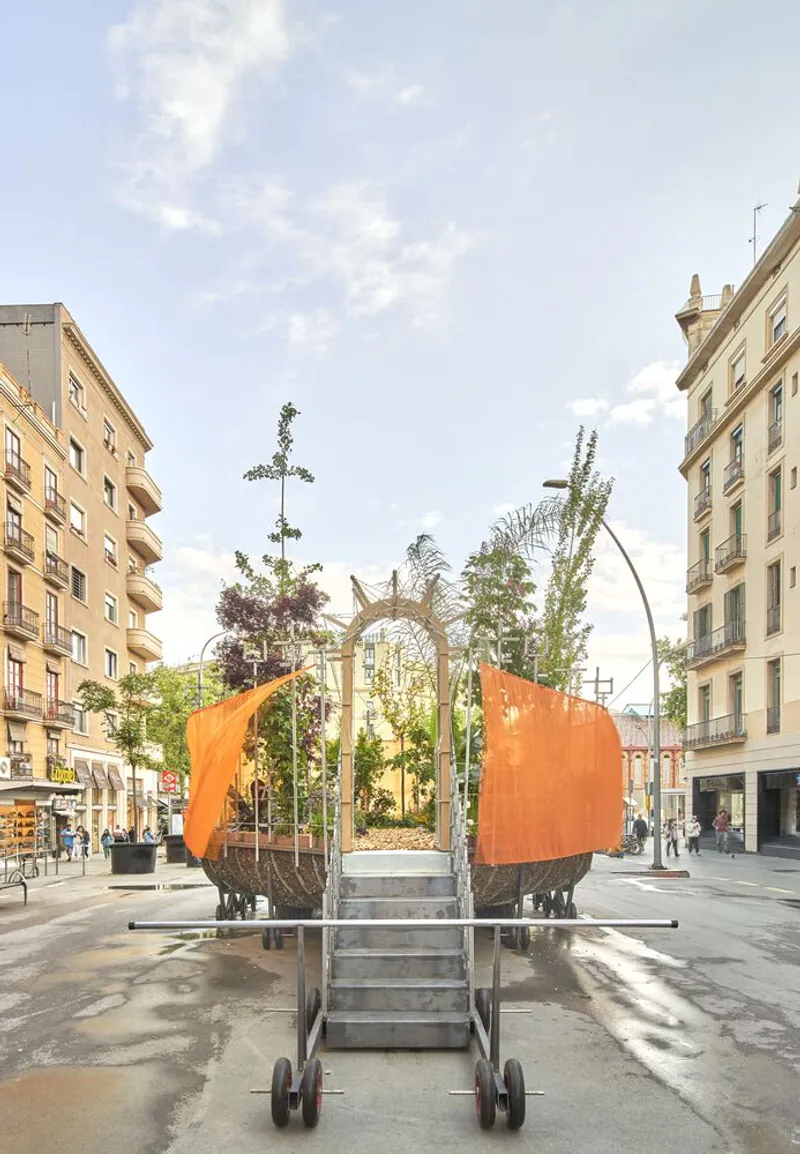
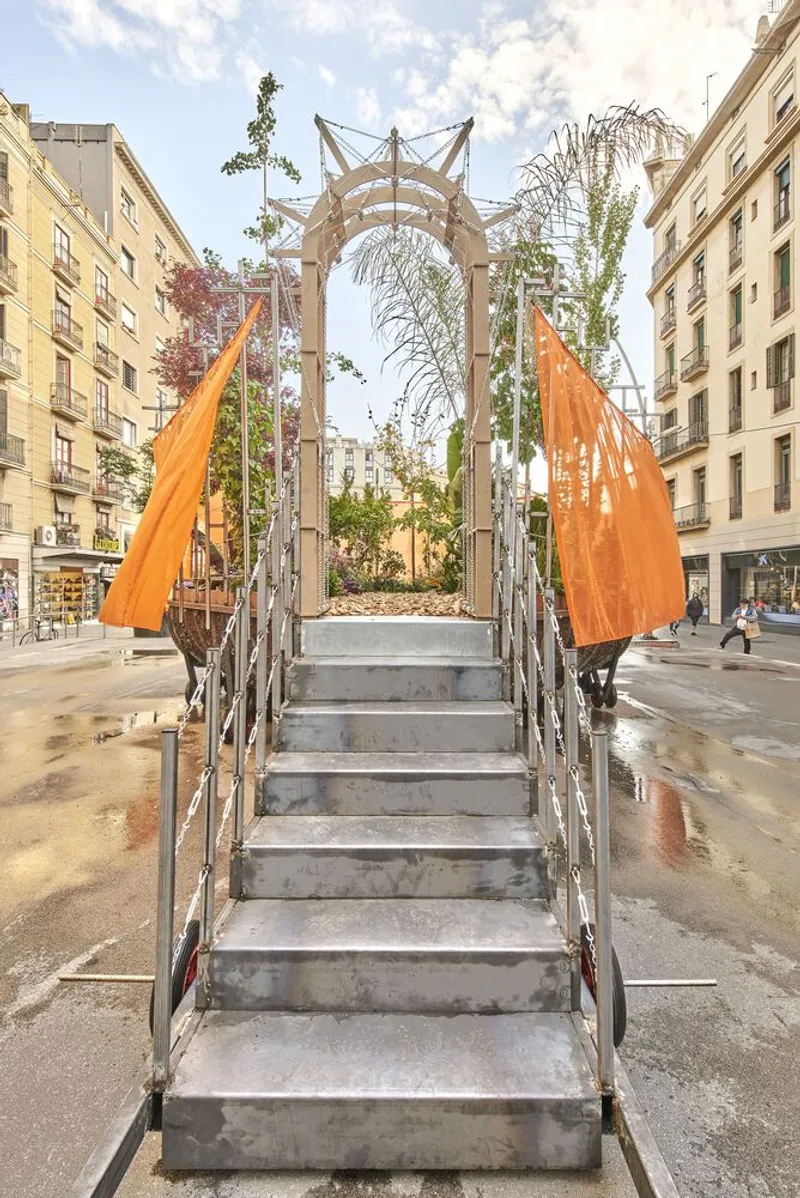
Urban Mobility and Environmental Impact
During the project’s showcase, the ARCA Portable Garden traveled through the streets of Barcelona, serving as a pilot initiative that demonstrated the potential of movable green spaces. These portable gardens can be positioned in high-pollution zones, providing immediate environmental benefits and creating new urban green spaces in densely populated areas.
The mobile gardens also act as open classrooms where communities engage with interspecies botanical knowledge, promoting environmental awareness and sustainable urban practices. This initiative offers a glimpse into a future where temporary yet impactful interventions can transform urban environments into eco-conscious, biodiverse landscapes.
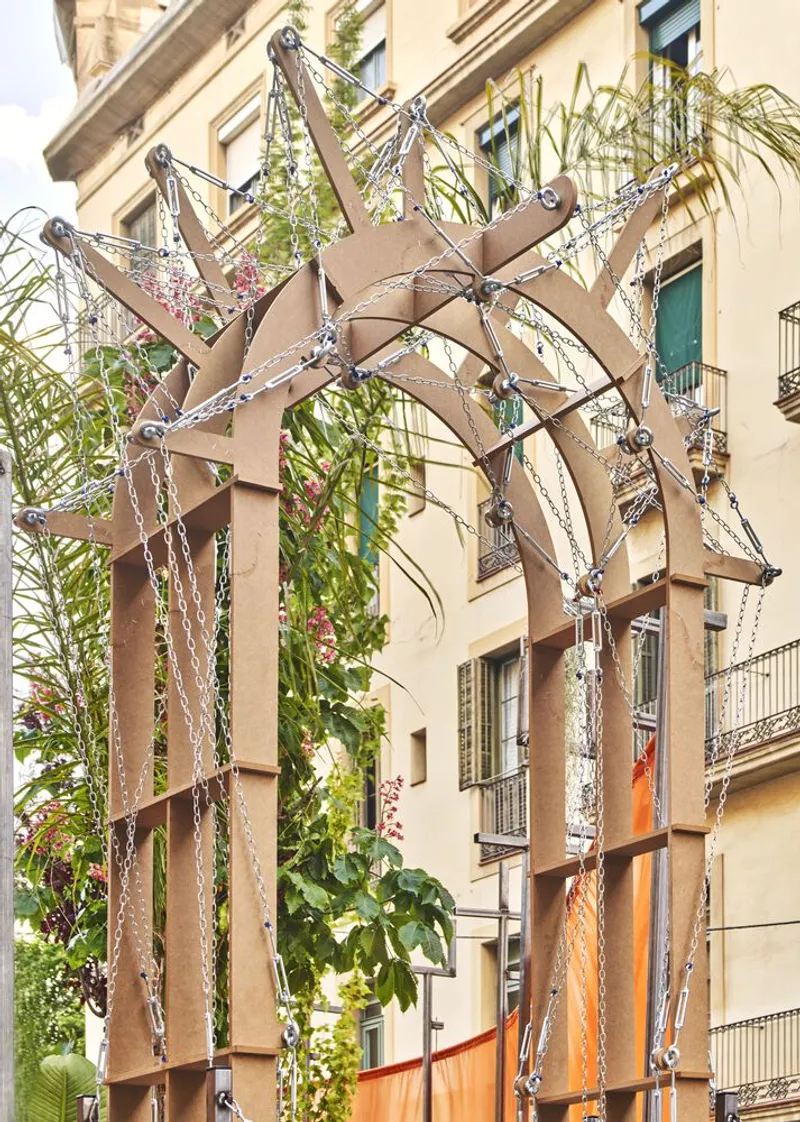
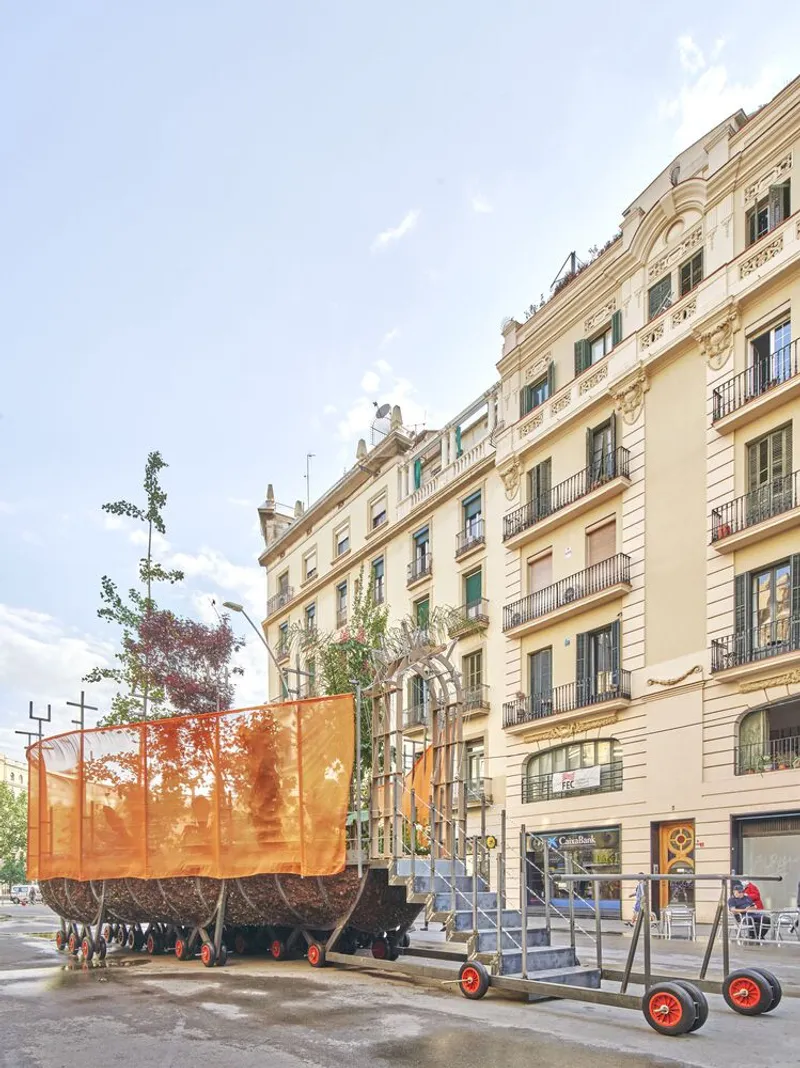
Structural and Functional Innovation
The project leverages the temporary, material, and political possibilities of the present to visualize future scenarios where urban ecosystems can be revitalized. The portable garden merges architecture, environmental science, and community interaction, offering solutions that are as necessary as they are desirable.
Future Implications
The success of the ARCA Portable Garden highlights the potential of similar initiatives to transform urban spaces by:
• Enhancing biodiversity in cities through portable green infrastructure.
• Reducing carbon footprints by positioning green modules in high-emission areas.
• Educating communities about ecological diversity and sustainable practices.
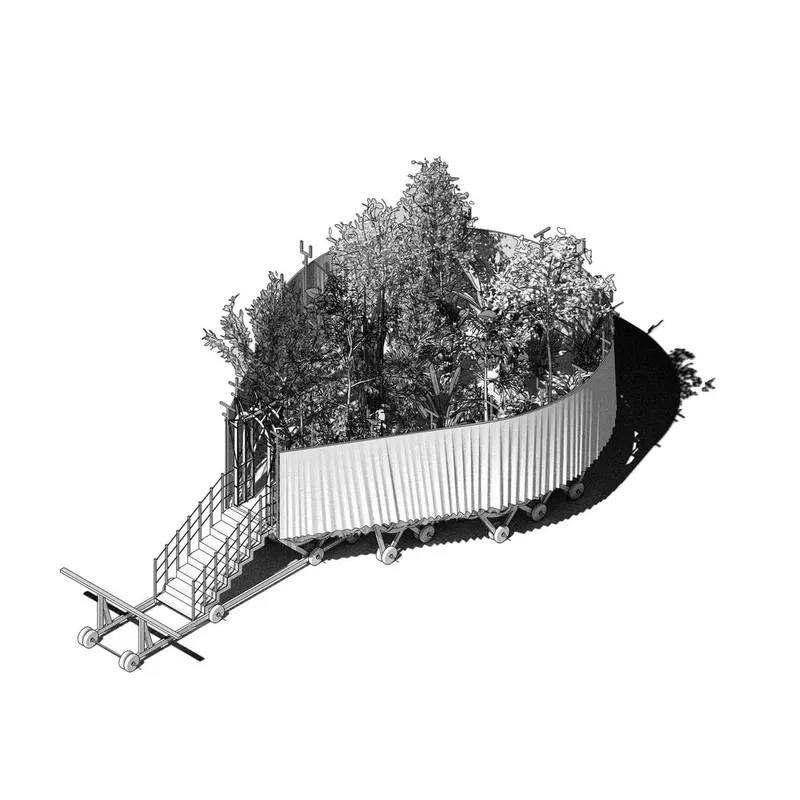
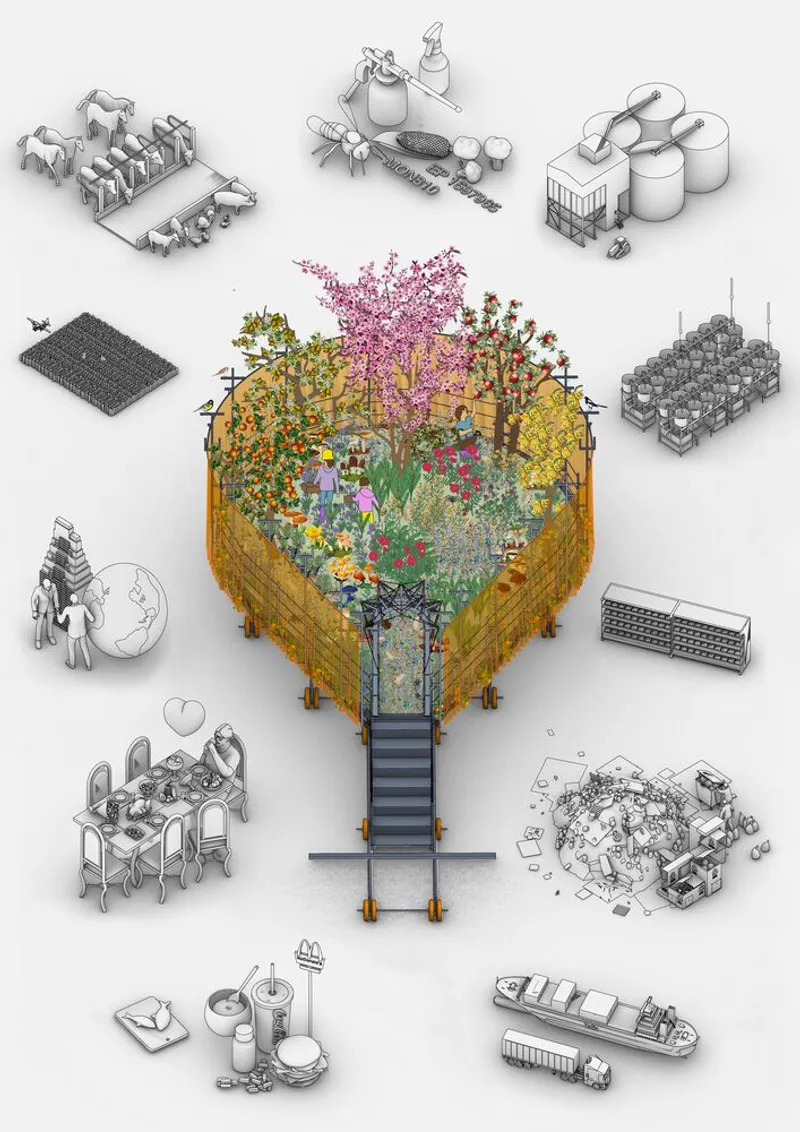
By integrating biodiversity with urban mobility, this project opens the door to innovative solutions that not only mitigate the effects of climate change but also reimagine the possibilities of public space in the 21st century.All photographs are works of José Hevia




Popular Articles
Popular articles from the community


Co-life: Sustainable Architecture for Age-Friendly Community Living
Co-life reimagines sustainable architecture for seniors through courtyards, rammed earth, shared gardens, and spaces designed for belonging.
EW PARK: Sustainable Architecture Reimagines the Future of Urban Parking
EW PARK reimagines city parking as a modular wooden tower combining automation, solar energy, electric mobility, and adaptable urban design.

Conexión: Biophilic Design Reimagines High-Rise Living in Hong Kong
Conexión reimagines high-rise living in Hong Kong through biophilic design, green facades, shared spaces, daylight, water and nature within.

Riyadh For All: Intergenerational Urban Design for Active Aging in Rabat
Riyadh For All reimagines urban design in Rabat with intergenerational co-living, adaptive courtyards, and Moroccan cultural exchange today.


Similar Reads
You might also enjoy these articles


Hodi-Mandai Geram
Project Function: Preservation and revitalization of the Intangible heritage and socio-spatial identity of the Hodi by Housing, Cultural Memory Center, Sacred Grove, landscape, local tourism economy


Olio Towers: A Mid-Rise for Performers That Fuses Housing, Rehearsal, and Stage
Located blocks from Houston's Theater District, this modular tower stacks living units around a central performance atrium.

Oasis: Modular Green Housing Carved into Dhaka's Urban Fabric
A shortlisted Plugin Housing entry reclaims unauthorized settlements in Dhaka with stepped concrete volumes, green roofs, and ventilation-driven design.

Black Hole: A Floating Megastructure for the Post-Physical Era
Emiliano Mazzarotto envisions a spherical, self-scaling arena where e-sports, digital hotels, and holographic stadiums replace traditional public space.
Explore Landscape Design Competitions
Discover active competitions in this discipline



Challenge to reimagine the Iron Throne


Photograph architecture without architects


Illustrate the lost glory of Angkor Wat - Render Challenge


Design challenge to reuse E-waste
Comments (0)
Please login or sign up to add comments
No comments yet. Be the first to comment!