
Architects Unite for Building Resilient Communities: Highlights from the UIA World Congress 2023
Can Architecture Shape a More Resilient Future? Exploring the Discussions at the UIA World Congress of Architects 2023


Copenhagen, Denmark - The upcoming UIA World Congress of Architects 2023 is set to become a global platform for architects to delve into the intricate relationship between architecture and the 17 UN Sustainable Development Goals (SDGs). The Congress, scheduled to take place from July 2 to 6 in Copenhagen, will witness architects from around the world convene to exchange ideas and insights on how architecture can influence and contribute to the attainment of these vital goals.
Over the past two years, the Science Track and its international Scientific Committee have meticulously studied the various ways in which architecture can respond to the SDGs. This extensive research has led to the formulation of six science panels, each addressing a specific theme: a design for Climate Adaptation, design for Rethinking Resources, a design for Resilient Communities, a design for Health, a design for Inclusivity, and a design for Partnerships for Change.
In a bid to foster comprehensive discussions, Congress issued an international call for papers in 2022. The response was overwhelming, with over 750 submissions from 77 countries. Out of these, 296 papers have been selected for presentation at the UIA World Congress of Architects 2023, adding a diverse range of perspectives to the discourse.
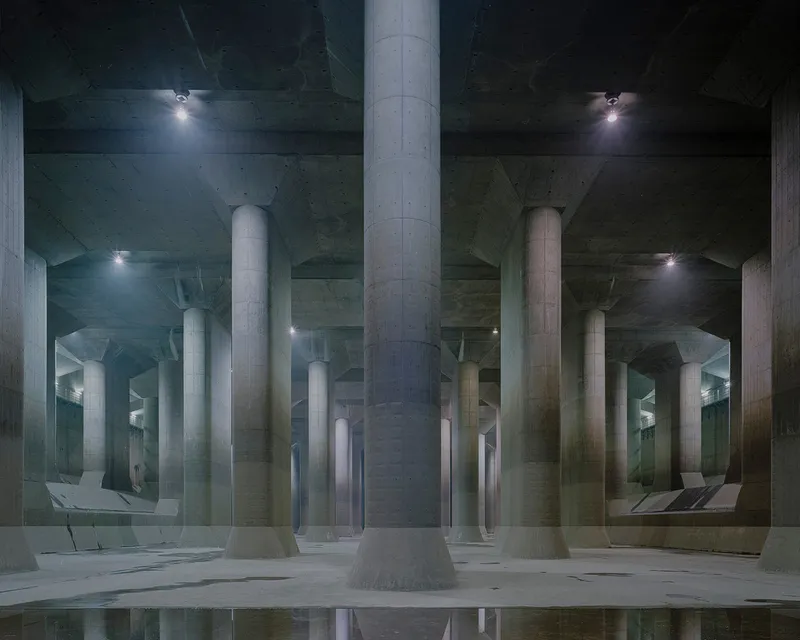
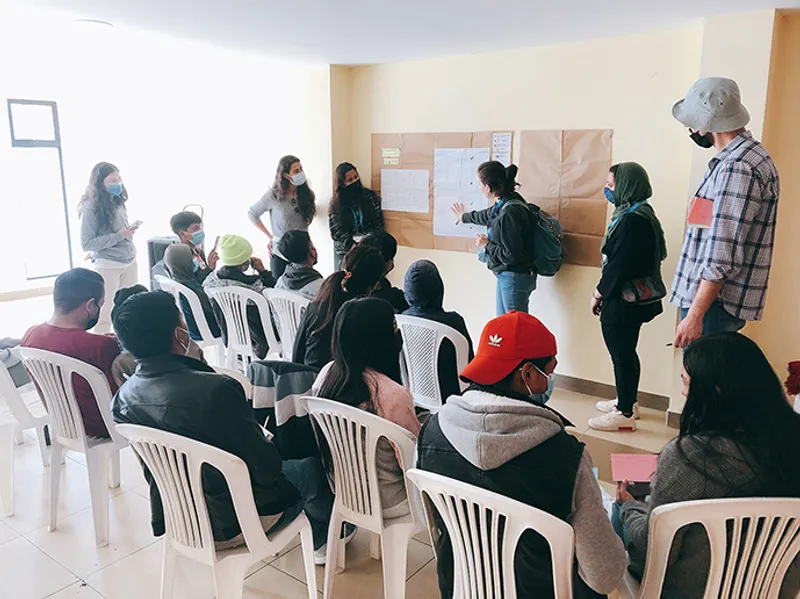
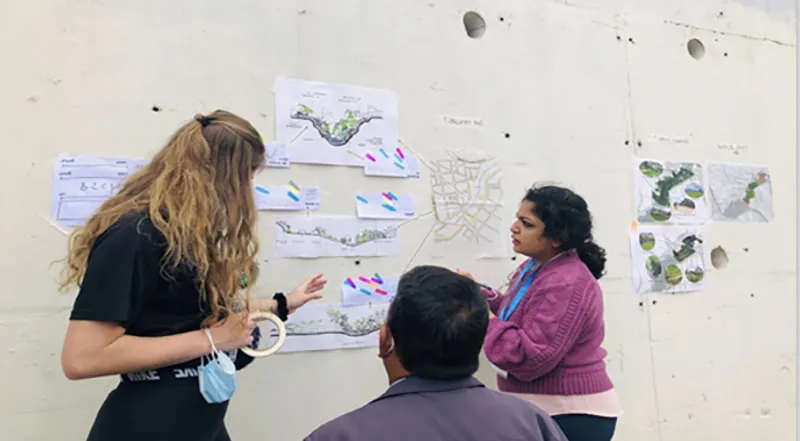
In a recent interview, Anna Rubbo, Senior Researcher at the Center for Sustainable Urban Development (CSUD), The Climate School, Columbia University, and Juan Du, Professor and Dean of the John H. Daniels Faculty of Architecture, Landscape and Design, University of Toronto, shared their insights as co-chairs of the Design for Resilient Communities panel.

Reflecting on the concept of resiliency, Rubbo and Du expressed concerns about the term becoming overused and diluted in meaning. They emphasized the importance of establishing a practical and relevant definition that centres around the interaction between people, architecture, and the built and natural environments. Recognizing the impact of climate change, the ongoing COVID-19 pandemic, and social inequalities, they underscored the significance of addressing these challenges by empowering communities rather than imposing top-down approaches.
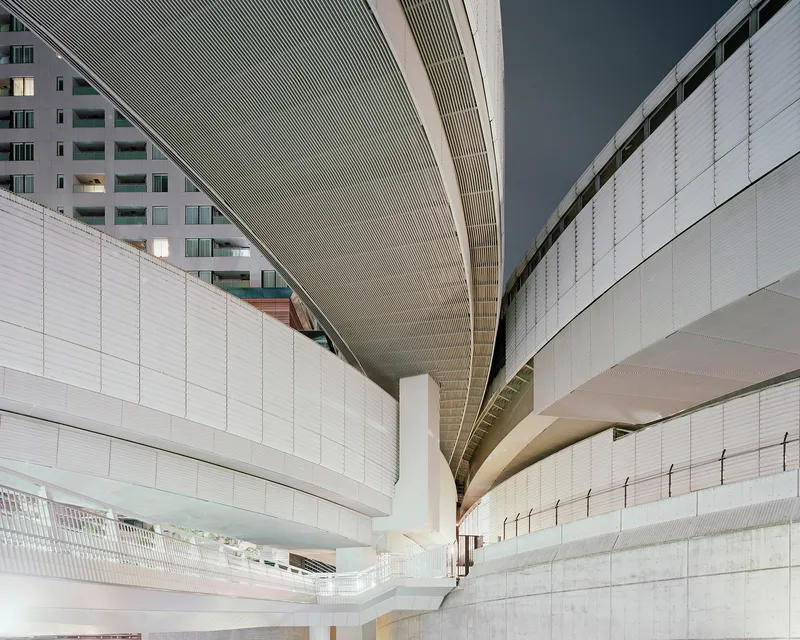
Rubbo highlighted the potential benefits of engaging with the SDGs in architectural education, research, and practice. She viewed the SDGs as a comprehensive roadmap toward a more sustainable future and stressed the need for deeper interdisciplinary approaches to design, transcending conventional sustainability certifications. Rubbo emphasized that architects must go beyond achieving sustainability scores and embrace the common language offered by the SDGs to confront global challenges and drive sustainable transformation across geographies.
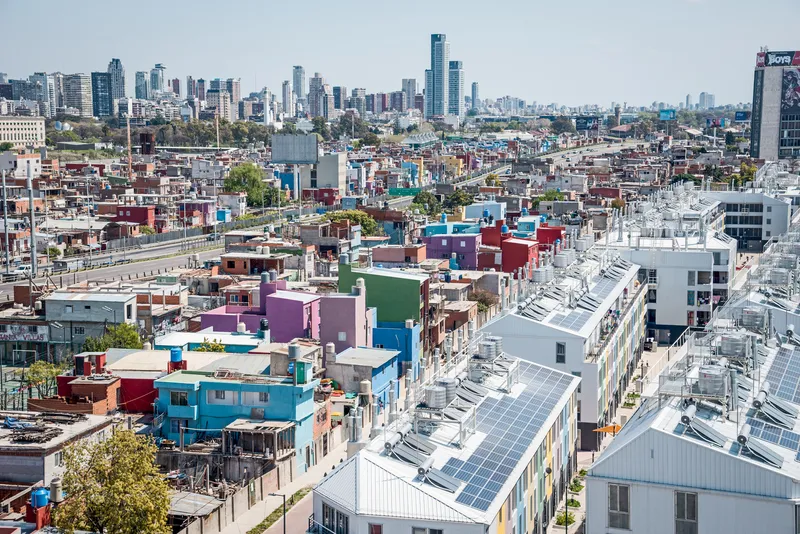
Du discussed the transformative power of architecture, emphasizing its ability to shape our living environments and contribute to global sustainability efforts. While acknowledging the usefulness of the UN SDGs as a framework, Du urged architects to consider them as starting points rather than goals, adapting their application to specific local contexts, economies, and cultures.

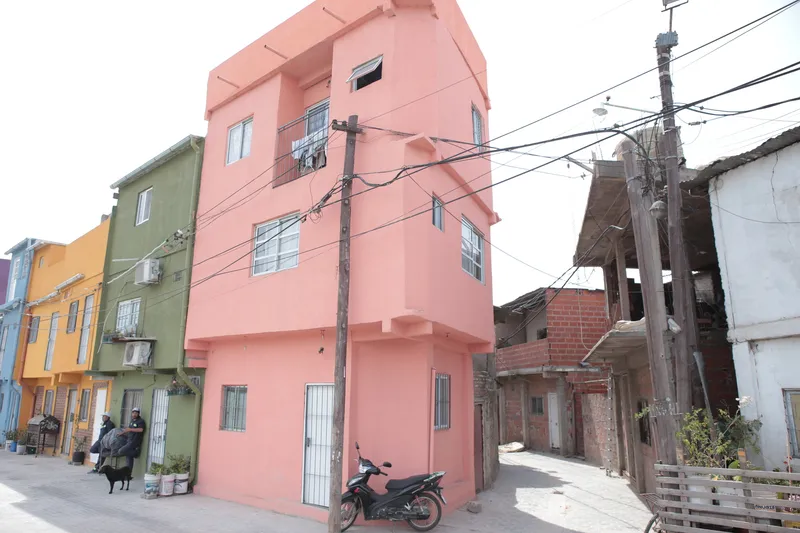
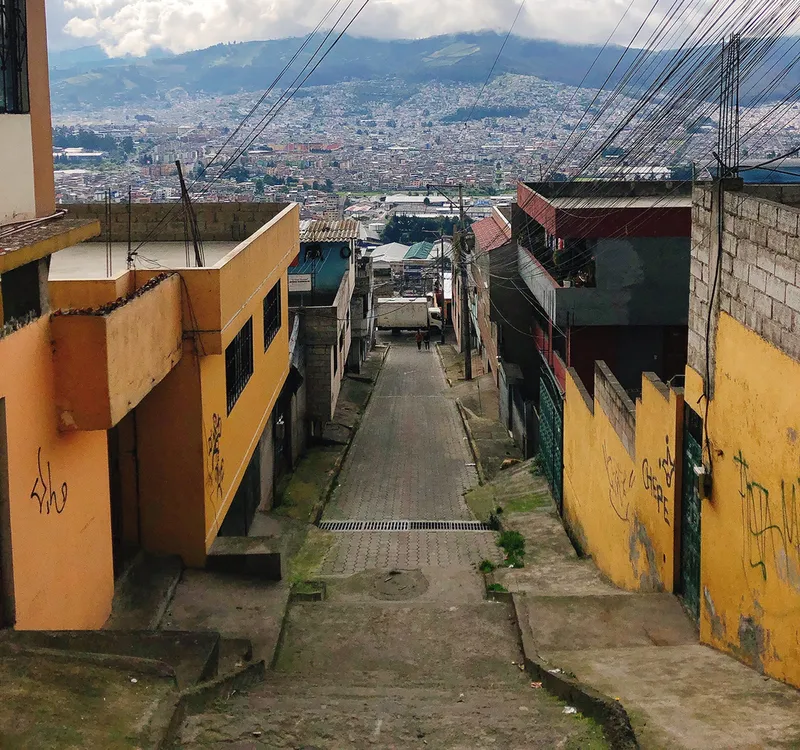
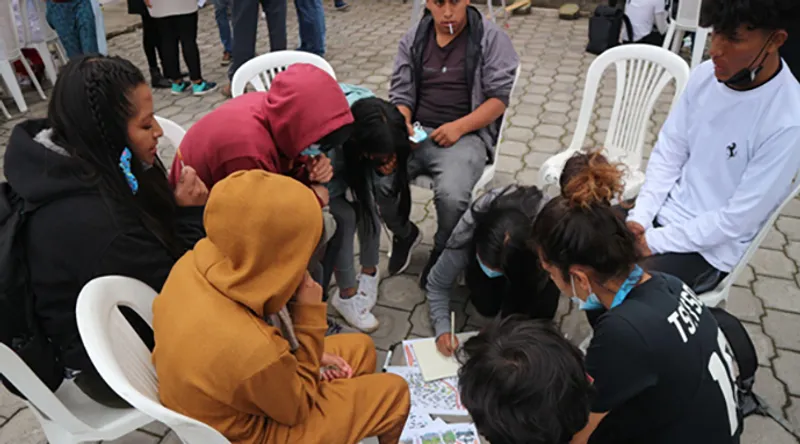
The Design for Resilient Communities panel received an impressive array of submissions, with housing and the right to the city emerging as a central focus. Papers exploring the themes of the SDGs in everyday life, people as partners, the global crisis and designing resilience, and design education and resilient communities will be presented during the Congress. The collection of papers challenges conventional notions of sustainable architecture and community design, emphasizing the agency of architecture and its potential to address social, urban, regional, and geopolitical practices and policies.

As the Congress approaches, the overarching question looms: will the delegates translate their newfound knowledge and insights into tangible action within their own communities? The co-chairs expressed their hopes for the Congress to serve as a catalyst for change, inspiring architects to apply the SDGs in their respective practices, schools, and communities.








Popular Articles
Popular articles from the community

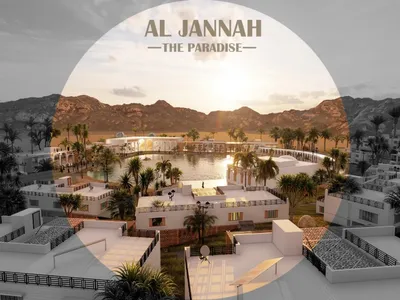
AL-JANNAH: Sustainable Architecture and Permaculture for Afghan Widows
AL-JANNAH uses sustainable architecture and permaculture to create resilient oasis of housing, learning, work and renewal for Afghan widows.

The Musturak Paradise: Senior Living Architecture for a Connected Future in Temara, Morocco
The Musturak Paradise reimagines senior living architecture in Temara via private homes, social spaces, culture, community, and shared care.

Riyadh For All: Intergenerational Urban Design for Active Aging in Rabat
Riyadh For All reimagines urban design in Rabat with intergenerational co-living, adaptive courtyards, and Moroccan cultural exchange today.

Co-life: Sustainable Architecture for Age-Friendly Community Living
Co-life reimagines sustainable architecture for seniors through courtyards, rammed earth, shared gardens, and spaces designed for belonging.


Similar Reads
You might also enjoy these articles

Day and Night Park: A Time-Based Urban Newsstand in Beijing
A temporary urban newsstand in Beijing blending travel, light, and reading through poetic colors, compact form, and community-focused design.

Modernist Patio Renovation in El Masnou, Barcelona by Oliver Segura Arquitectura + Cebrià Arquitectura
Modernist patio renovation blending tradition and innovation with a movable pool, leveled floors, and Catalan materials in El Masnou.

Alto Residencial Coop: Cooperative Housing Development in Santiago de Compostela by Carbajo Barrios Arquitectos
A linear cooperative housing complex blending white volumes and perforated metal façades, enhancing community living, natural light, privacy, and urban integration.

Vil Genis School by BPA ARCHITECTURE – Massy, France
Vil Genis School in Massy, France, features sustainable design, south-facing classrooms, community integration, accessible spaces, and modern educational architecture.


Explore World Architects Competitions
Discover active competitions in this discipline



Challenge to reimagine the Iron Throne


Photograph architecture without architects


Illustrate the lost glory of Angkor Wat - Render Challenge


Design challenge to reuse E-waste
Comments (0)
Please login or sign up to add comments
No comments yet. Be the first to comment!