

Architectural Brilliance Shines as Brazilian Pavilion Claims Golden Lion at Biennale Architettura 2023
What Sets the Brazilian Pavilion Apart to Win the Golden Lion at Biennale Architettura 2023?


The Brazilian Pavilion has been awarded the prestigious Golden Lion for Best National Participation at the 18th International Architecture Exhibition – La Biennale di Venezia. This is the first time the award has been given to the Brazilian Pavilion. Curators Gabriela de Matos and Paulo Tavares, along with representatives from the Fundação Bienal de São Paulo, accepted the award at the opening of the 59th International Art Exhibition – La Biennale di Venezia in Venice. Their exhibition, Terra [Earth], was recognized for its excellence.
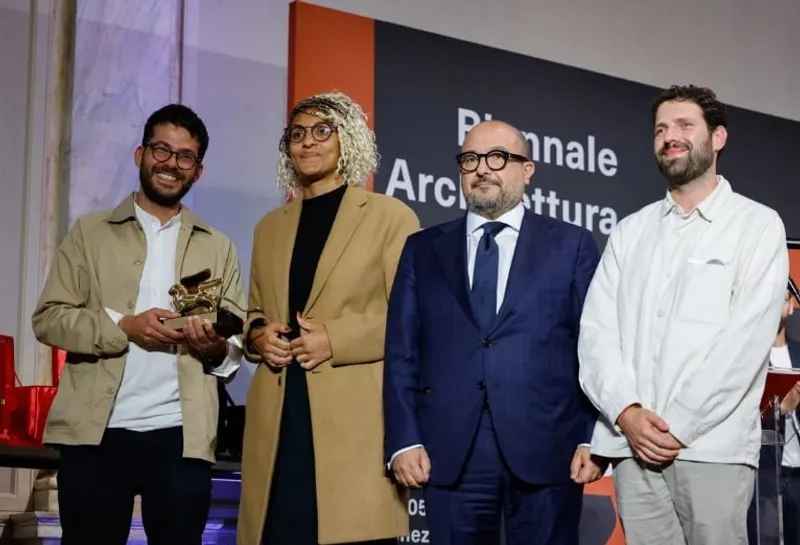
Gabriela de Matos and Paulo Tavares, curators of the Brazilian Pavilion at the 18th International Architecture Exhibition, were delighted to receive the award. Inspired by Lesley Lokko, they expressed their joy in presenting Brazil as a diasporic territory, with great ancestral contributions from Afro-Brazilian and Indigenous communities. They believe that these technologies are essential in creating a more equitable future for humanity and in restoring and protecting our natural world. Photo: Jacopo Salvi, courtesy of La Biennale di Venezia.

The jury awarded the "Golden Lion for Best National Participation" to Brazil for their research exhibition and architectural intervention at the 18th International Architecture Exhibition – La Biennale di Venezia. This exhibition, curated by Gabriela de Matos and Paulo Tavares, centred the philosophies and imaginaries of indigenous and black populations towards modes of reparation and was titled Terra [Earth]. Photo: Jacopo Salvi, courtesy of La Biennale di Venezia.

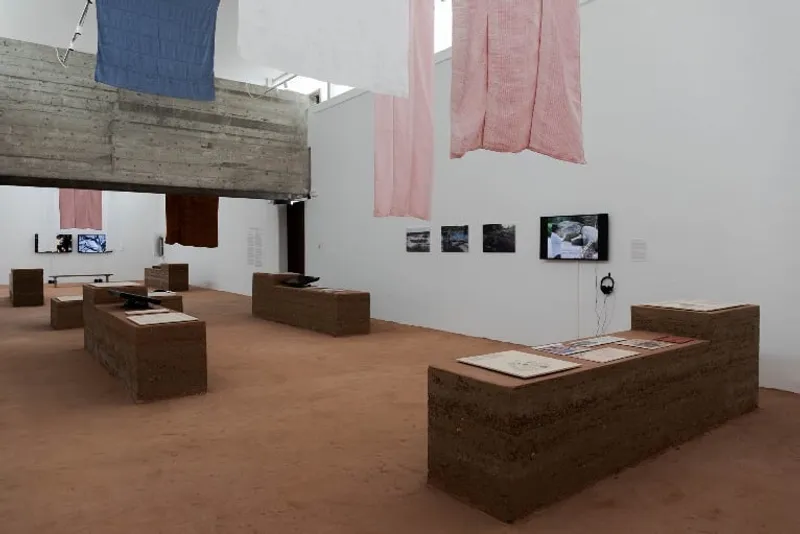
"Our curatorial proposal is based on thinking of Brazil as Earth. Earth as soil, fertilizer, ground and territory. But also the earth in its global and cosmic sense, as a planet and the common house of all life, human and non-human. Earth as memory, and also as future, looking at the past and at heritage to expand the field of architecture in the face of the most pressing contemporary urban, territorial and environmental issues," say the curators.

The entrance to the Brazilian pavilion features elements of Brazilian popular dwellings, contrasting with the modernist features of the building, such as the fences with the Adinkra symbol of the Akan people of West Africa, which is widely used in fence designs in most Brazilian cities and symbolizes looking to the knowledge of our ancestors to build a better future. The first gallery of the pavilion, titled “Decolonizing the Canon”, questions the imagination of Brasília being built in the middle of nowhere, as its Indigenous and Quilombola inhabitants were removed from the region in the colonial period and pushed to the fringes with the imposition of the modernist city. The gallery seeks to show a more complex, diverse, and plural image of the territory, architecture, and heritage of national formation and modernity in Brazil, presenting neglected narratives through architecture, landscape, and heritage. It includes an audiovisual work by filmmaker Juliana Vicente, archive photographs compiled by historian Ana Flávia Magalhães Pinto, the ethnohistorical map of Brazil by Curt Nimuendajú, and the “Brasília Quilombola map”, both commissioned for the occasion.
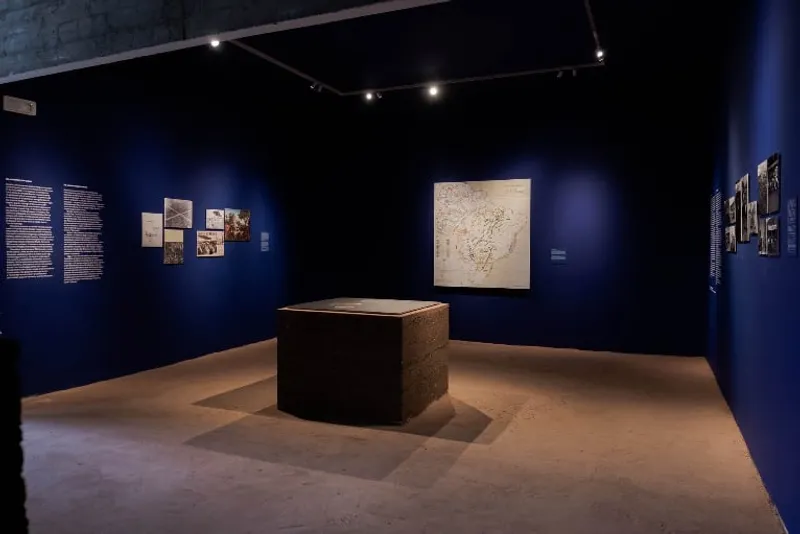

The 18th International Architecture Exhibition at La Biennale di Venezia will feature the Brazilian Pavilion, titled "Terra [Earth]". The exhibition is commissioned by José Olympio da Veiga Pereira, President of the Fundação Bienal de São Paulo, and curated by Gabriela de Matos and Paulo Tavares.
Participants: Ana Flávia Magalhães Pinto; Ayrson Heráclito; Day Rodrigues with a collaboration from Vilma Patrícia Santana Silva; Fissura collective; Ilê Axé Iyá Nassô Oká (Casa Branca do Engenho Velho); Juliana Vicente; Mbya-Guarani Indigenous peoples; Tukano, Arawak and Maku Indigenous peoples; Alaká Weavers (Ilê Axé Opô Afonjá); Thierry Oussou; Vídeo nas Aldeias.


Popular Articles
Popular articles from the community


Tsunami Convergenics: Turning Catastrophic Ocean Forces into Underwater Housing Infrastructure
A speculative underwater settlement off the coast of Onagawa, Japan, treats tsunamis and typhoons as energy sources rather than threats.

Faces of the Soviet Avant-Garde: Turning Moscow's Street Names into an Open-Air Museum
A network of sculptural installations across a Moscow residential district transforms forgotten architect names into spatial encounters with cultural memor

Opera on the Sea: Driftwood Logic Shapes a Timber Opera House on Estonia's Coast
Trevor Orgill's opera house translates the entangled drift of floating timber into a civic building where wood, water, and music converge.

Temporary Home for Dogs: A Reversed Zoo Rethinks Animal Shelter Architecture
In Bucharest, a sinuous corridor and freed landscape flip the logic of containment, designing a shelter that works to make itself unnecessary.

Similar Reads
You might also enjoy these articles
116 Rokeby Building, Collingwood
Sustainable Collingwood office building featuring double-skin façade, natural ventilation, rooftop amenities, and carbon-neutral design focused on wellbeing and longevity.
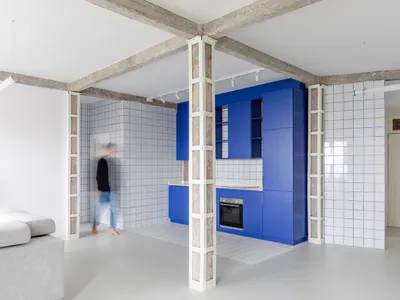
Contemporary Apartment Renovation in Spain: RV House by BIAN Opens Up to the Sea
A minimalist 1930s apartment in Santander is transformed into a flexible, sea-facing home through contemporary Spanish renovation.
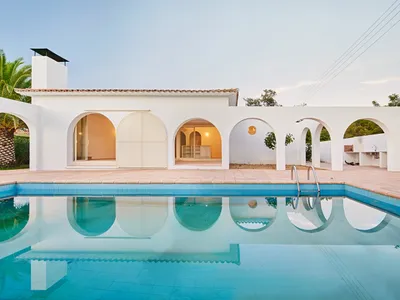
3 Marías House: A Contemporary Mediterranean Courtyard Retreat by Bajet Giramé + Burckhardt
Mediterranean courtyard home blending traditional architecture with modern design, terracotta flooring, flexible interiors, sustainable climate strategies, and garden integration.
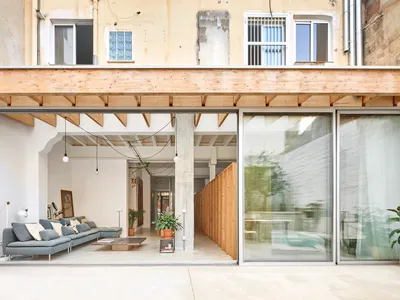
NZ10 Apartment by auba studio: Adaptive Reuse in Palma de Mallorca
Adaptive reuse apartment transforms bakery into light-filled home with patios, privacy layers, and wood interiors enhancing urban living experience.

Explore Biennale Competitions
Discover active competitions in this discipline

Challenge to reimagine the Iron Throne

Photograph architecture without architects

Illustrate the lost glory of Angkor Wat - Render Challenge

Design challenge to reuse E-waste
Comments (0)
Please login or sign up to add comments
No comments yet. Be the first to comment!