
Architectural Restoration Project at Mineless: Reviving Historical Spaces in Taiwan
The Mineless Heritage Restoration Project transforms a historic Taiwanese mine into a multifunctional cultural space through innovative architectural restoration.

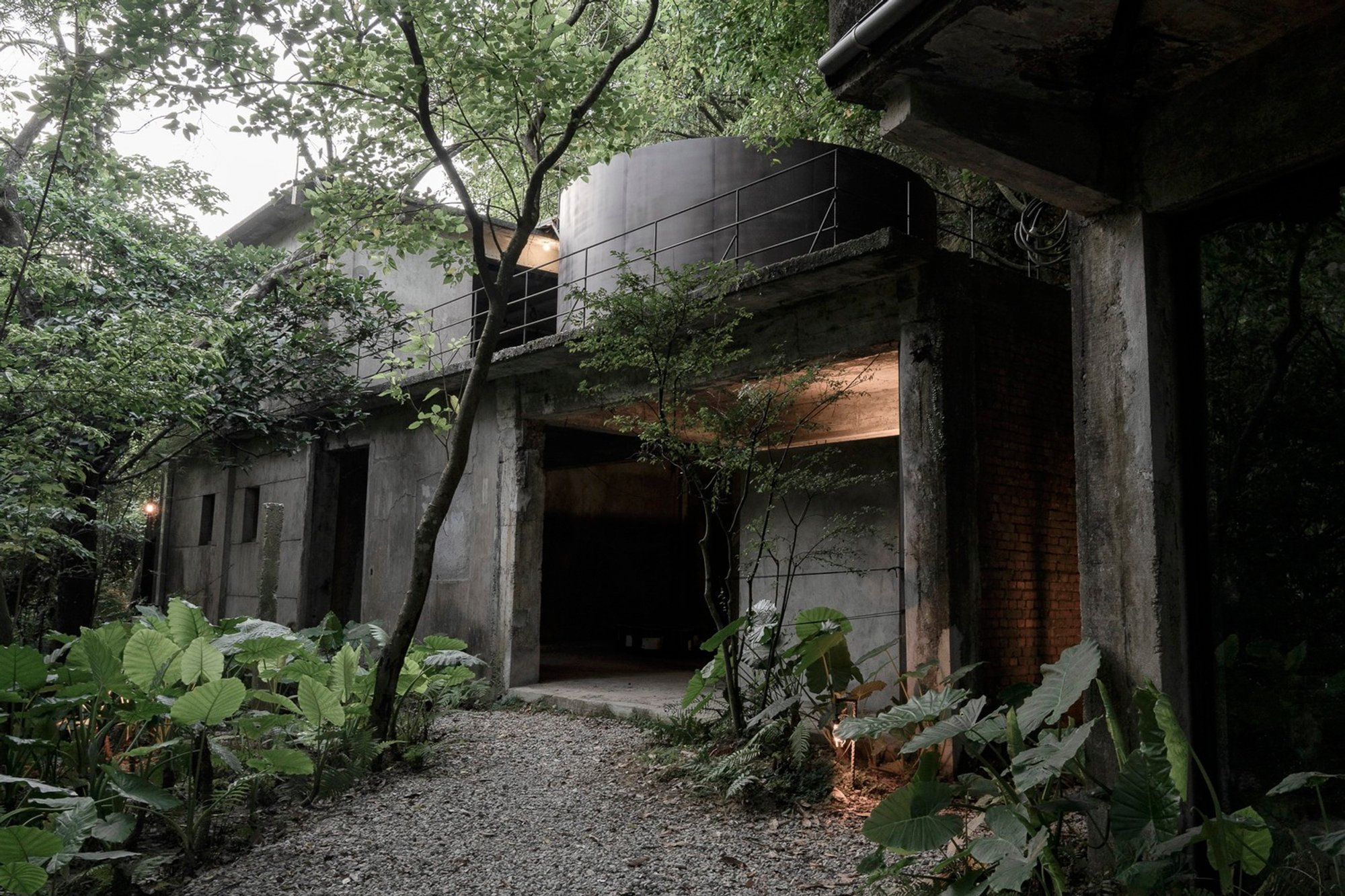
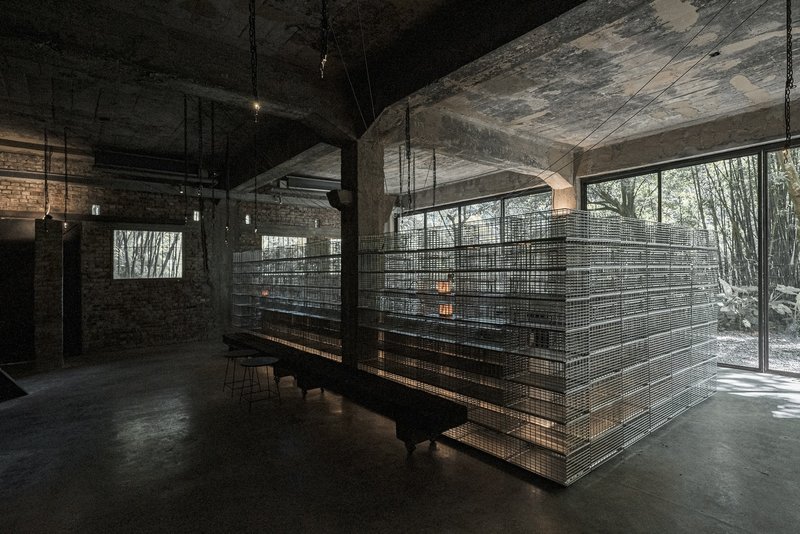
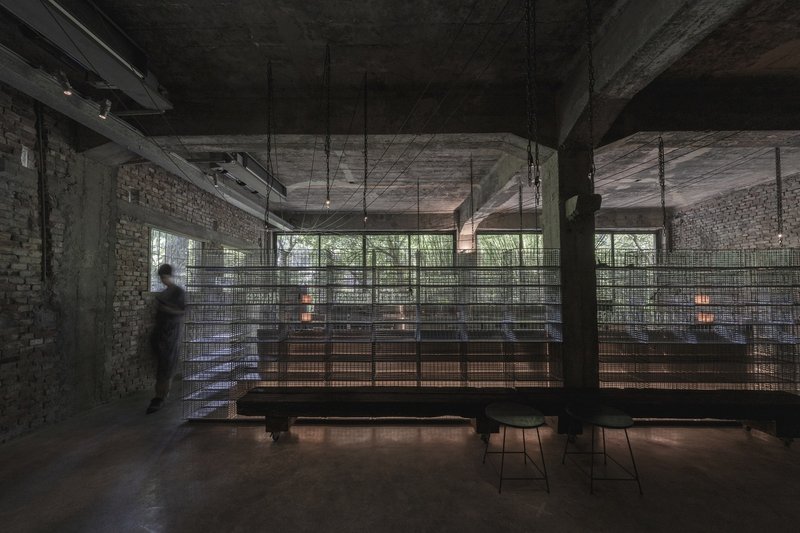
In the scenic mountainous terrain of Baiji Section in Sanxia District, New Taipei City, an extraordinary architectural restoration project unfolds at the historic site of the Chungyi Coal Mine. The "Mineless Heritage Restoration Project", spearheaded by DIVOOE ZEIN Architects, transforms a once-abandoned logistic facility into a vibrant cultural hub.
Historical Context and Site Overview
The Legacy of Chungyi Coal Mine
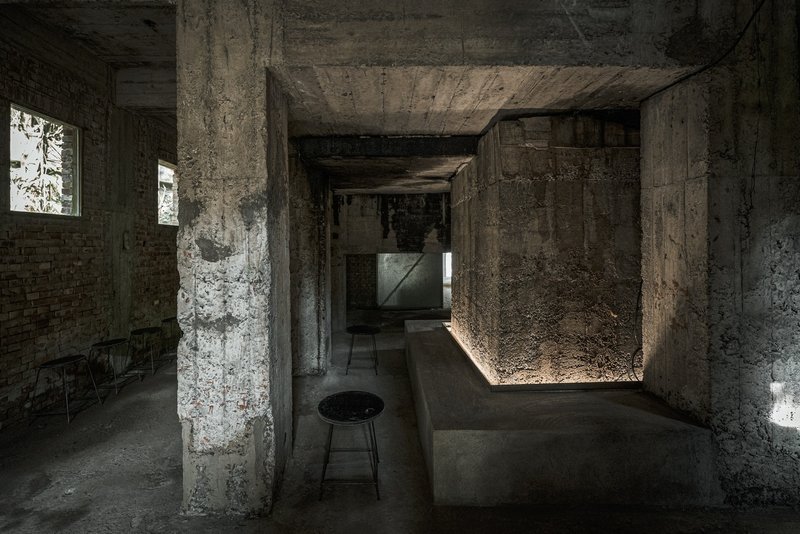
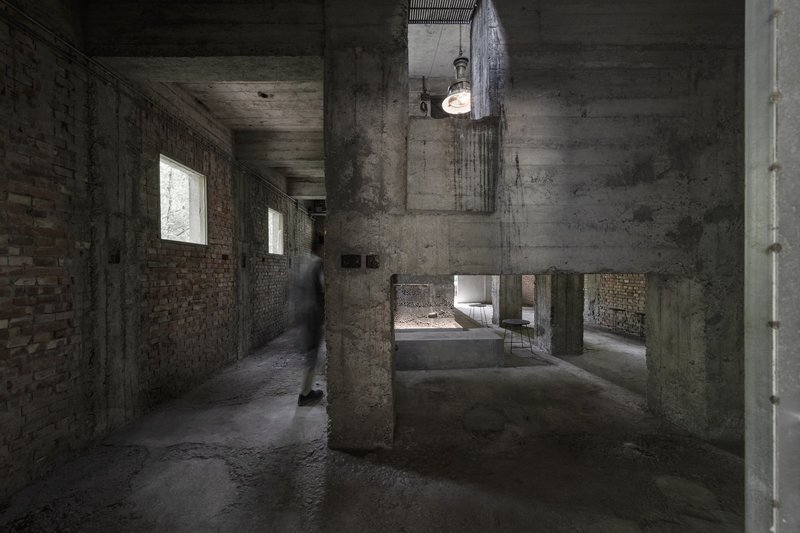
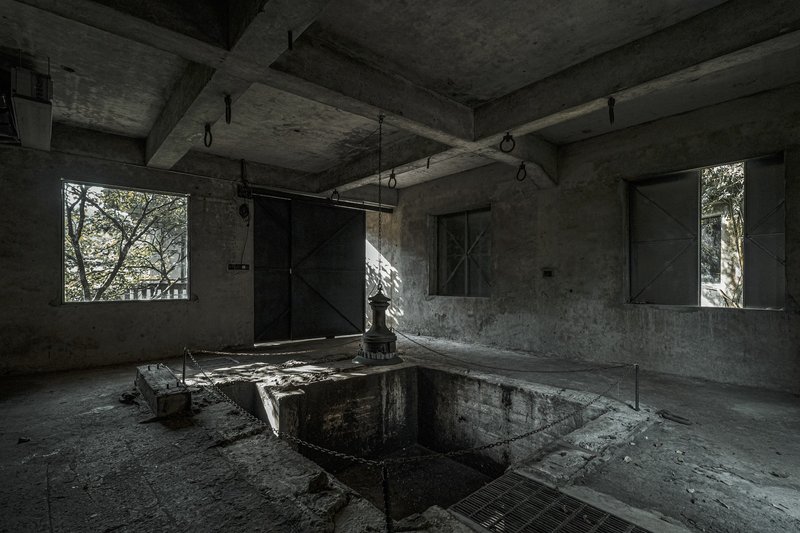
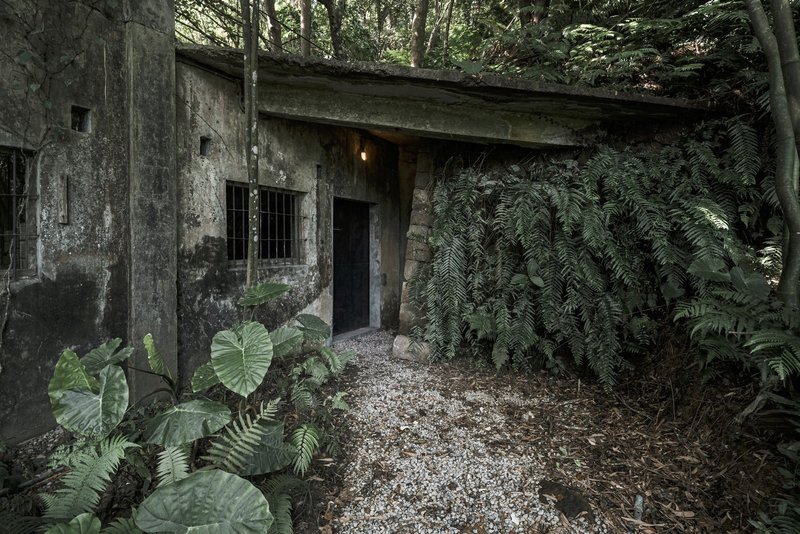
The site's rich history dates back to the Japanese colonial era, featuring remnants like administrative offices, a crane base, coal washing areas, and workers' dormitories. After Taiwan ceased all mining activities in 2000, these industrial buildings lay dormant, scattered across the wilderness, until the advent of the restoration project.
Architectural Vision and Design Strategy
Repurposing with Respect
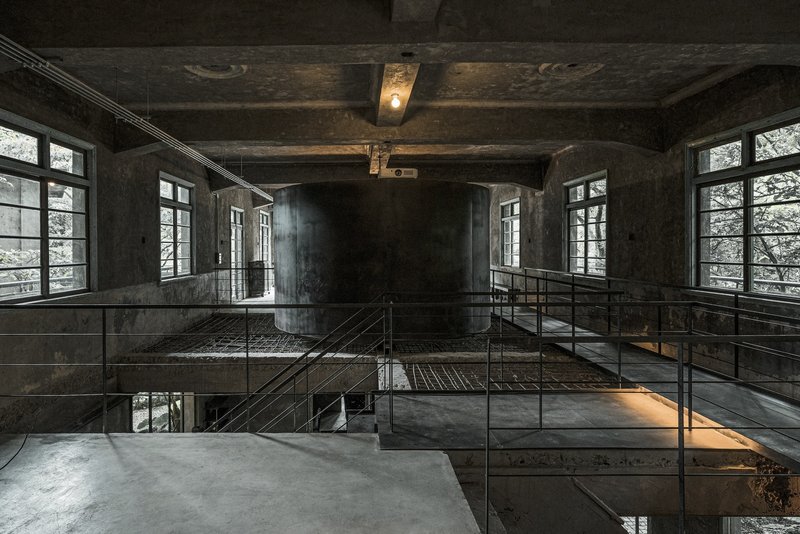
Led by DIVOOE ZEIN Architects, the restoration focuses on preserving the site’s historical essence while introducing contemporary functionalities. The project covers an area of 790 m² and was completed in 2023, showcasing a commitment to sustainable and reversible restoration techniques.
A Blend of Old and New
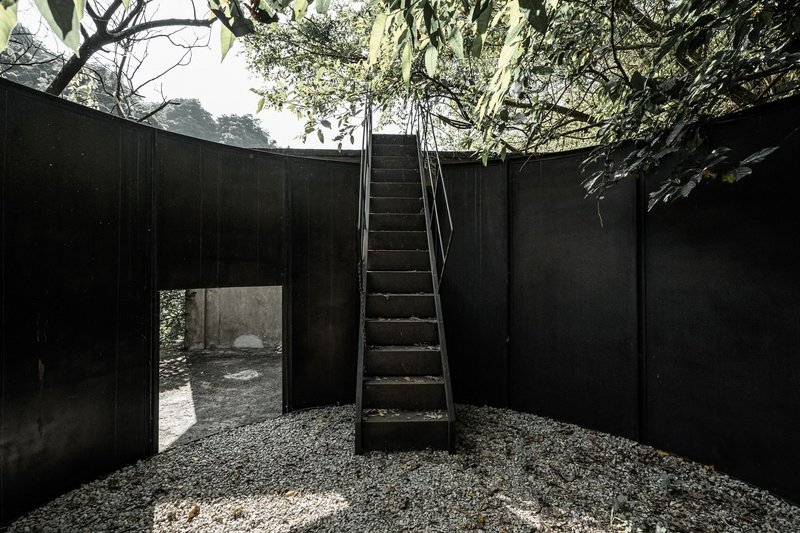
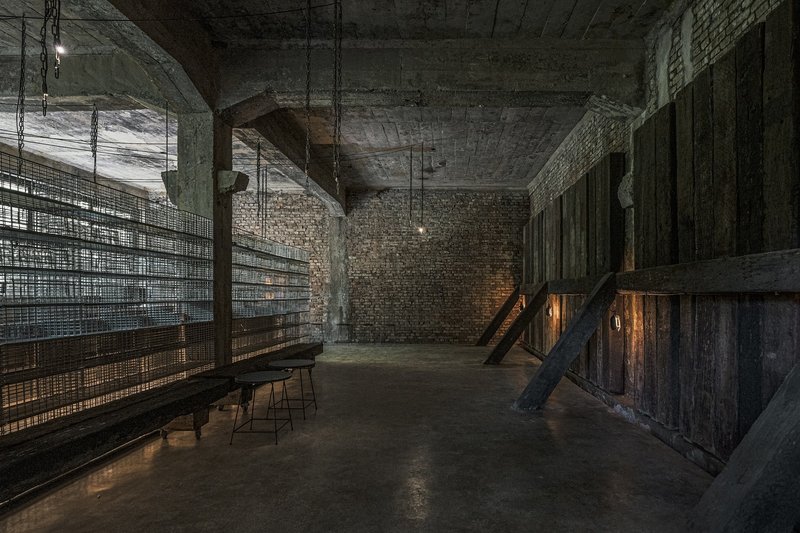
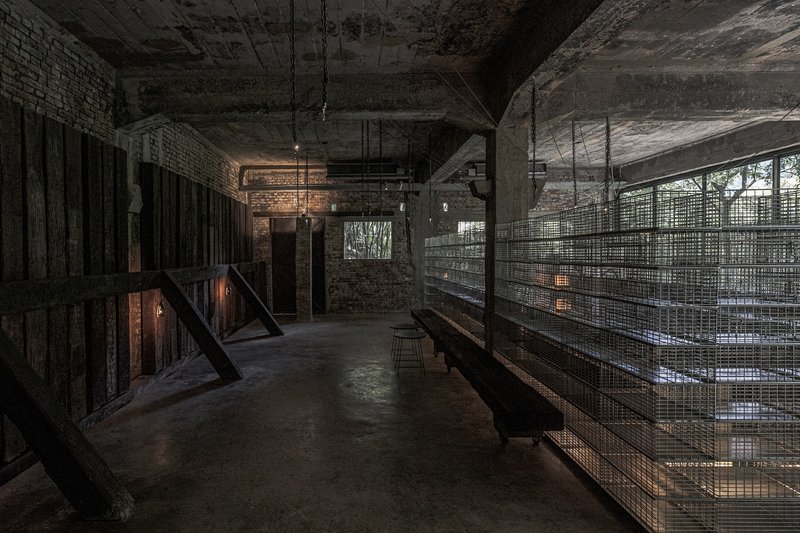
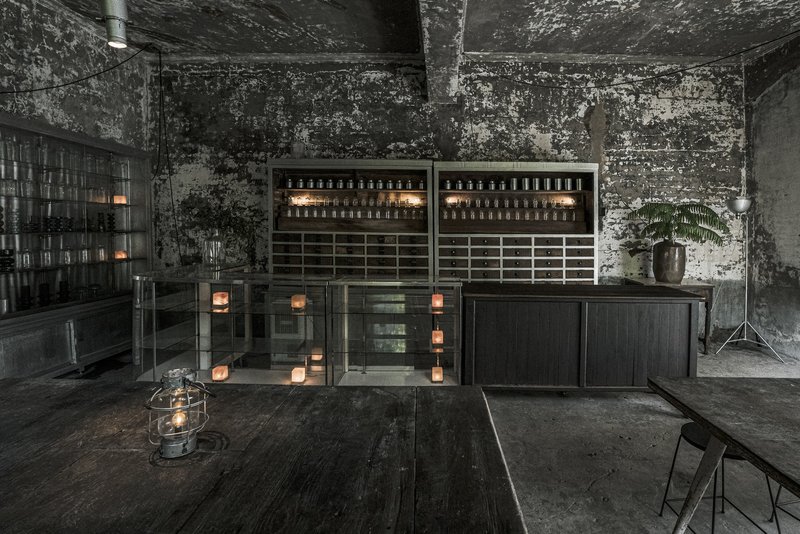
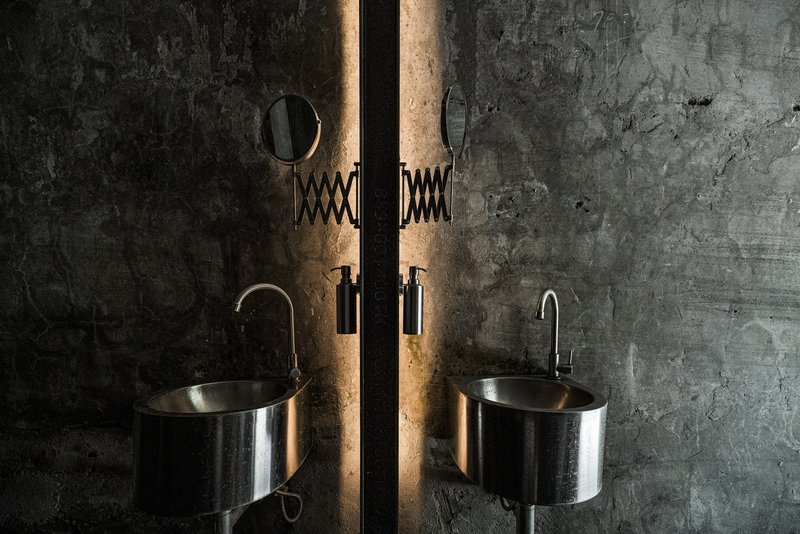
The design cleverly incorporates materials like black iron and recycled old wood, which not only respects the original architecture but also adds a modern touch with their aged rust and weathered textures.
New Functions for a Historical Site
Cultivating Contemporary Uses
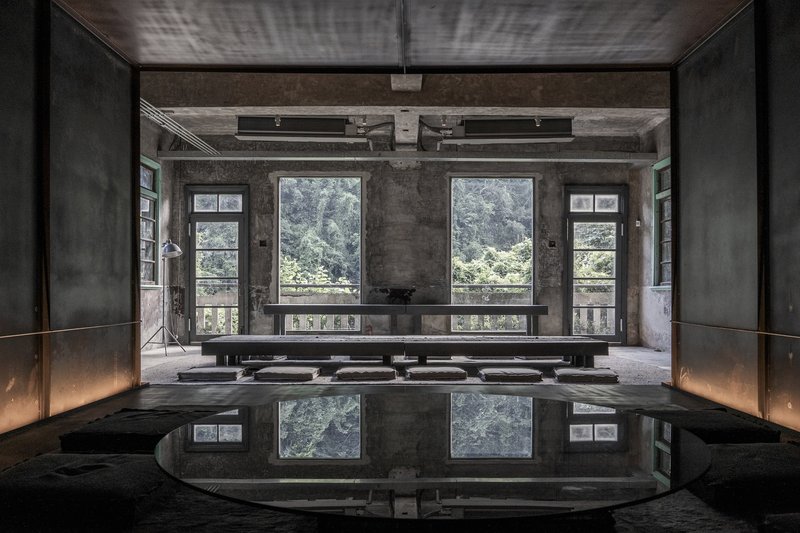
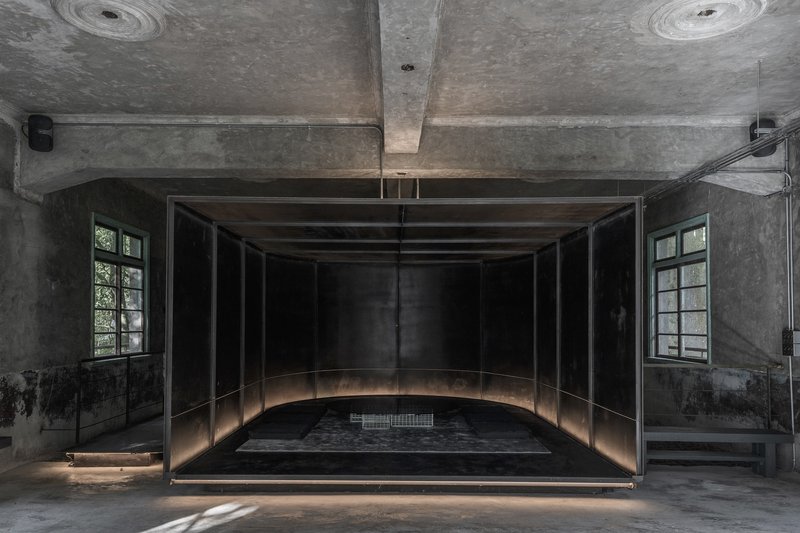
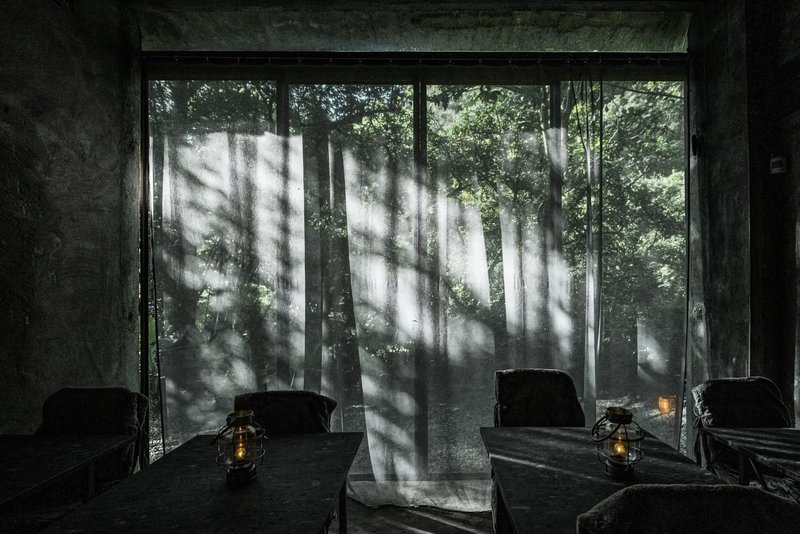
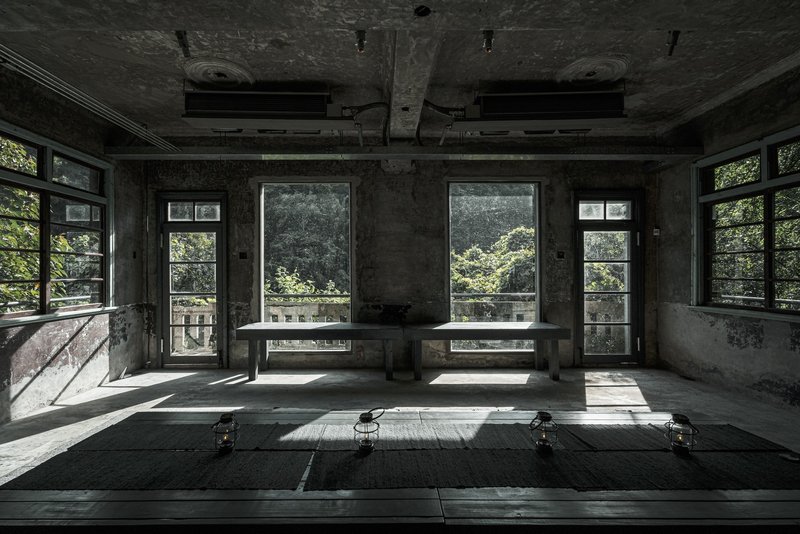
The once-functional spaces now serve diverse new purposes, including a wild herb tea shop, a small theater, and an art exhibition area. Each space is carefully designed to foster human connection with history and nature, creating tranquil environments for meditation and social interaction.
Sustainable Practices and Materials in Restoration
Eco-Friendly Techniques
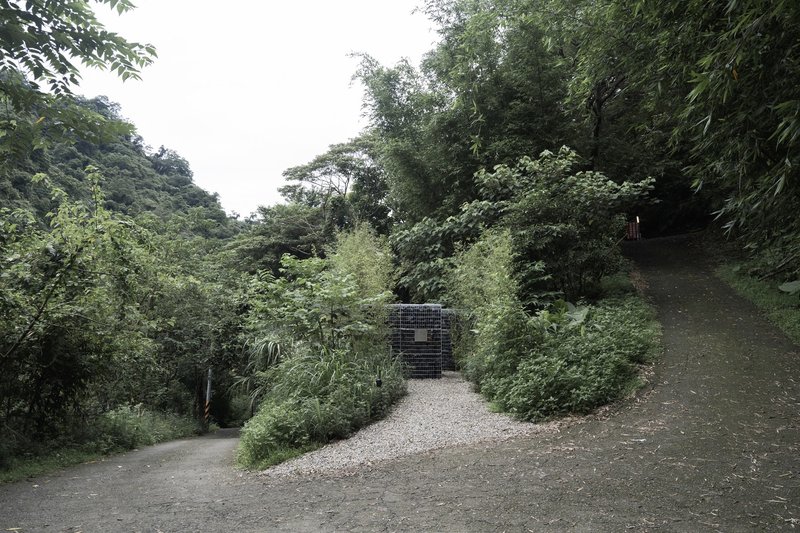
The restoration employs environmentally friendly methods that are gentle on the historical structures, such as using native plants for landscaping and hand-made vintage furniture to enhance the aesthetic appeal and historical accuracy.
Impact of the Mineless Heritage Restoration Project
This architectural restoration project not only revives a piece of Taiwanese heritage but also sets a benchmark for similar projects globally. It demonstrates how architectural ingenuity can breathe new life into forgotten spaces, making them relevant and functional for contemporary society.
All photographs are work of Justin Kao




Popular Articles
Popular articles from the community

Reincarnation Weaves a Three-Story Retreat into the Green Landscape of Rural Bangladesh
Ara Manor in Narsingdi dissolves the line between domestic architecture and its lush surroundings through screens, courtyards, and planted rooftops.
PLATAFORMArq Folds a Concrete Roof Over the Portuguese Mountains in House #474
A 220-square-meter residence in Teixoso, Portugal, wraps board-formed concrete into an angular canopy that frames the Serra da Estrela foothills.
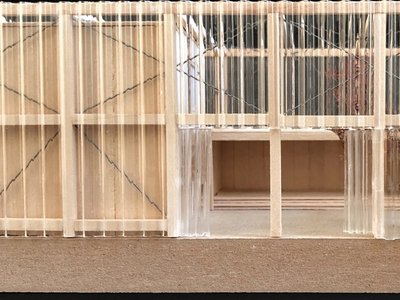
Kaffeebühnen: Coffee Shop Architecture Designed as a Civic Stage Between Vienna’s City and Park
Kaffeebühnen turns coffee shop architecture into a civic stage, linking Vienna’s park edge, urban life, warm timber yards, and coffee craft.

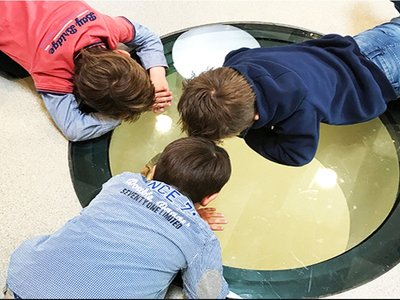
IKC de Geluksvogel: Sustainable School Architecture Designed for Free Movement and Digital Learning
IKC de Geluksvogel turns sustainable school architecture into a flexible Maastricht campus for digital learning, nature, and free movement.


Similar Reads
You might also enjoy these articles

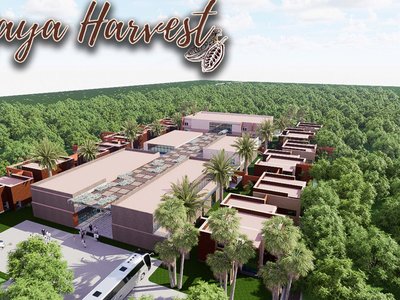
Maya Harvest: A Cacao Resort Village Rooted in Mayan Tradition and Local Craft
Situated within a Tabasco cacao plantation, this shortlisted resort proposal merges vernacular materials with hands-on cultural immersion.
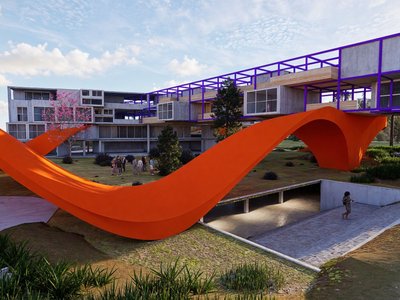
Harmonia: A River-Shaped Community That Grows Over Decades in Boa Vista
Curved pathways and modular grid structures along the Branco River create a phased settlement designed to evolve from 2030 to 2050.

The Architecture of Bathing: A Mughal Hammam Reimagined Across the Yamuna
Charlotte May's honorable mention entry for The Black Taj reinterprets Agra's bathing rituals through red sandstone, water, and framed views of the Taj Mah

Om-1: A Wall-Hung System That Moves Your Workspace Off the Desk
Modular plywood boards, magnetic pegs, and utility elements migrate clutter from the horizontal surface to the vertical plane.


Explore Cultural Architecture Competitions
Discover active competitions in this discipline




The International Standard for Design Portfolios


The Global Benchmark for Architecture Dissertation Awards


The Global Benchmark for Graduation Excellence


Challenge to reimagine the Iron Throne
Comments (0)
Please login or sign up to add comments
No comments yet. Be the first to comment!