
Arima’s Warehouses – Adaptive Reuse and Cultural Regeneration in Kawasaki by 1110 Office for Architecture
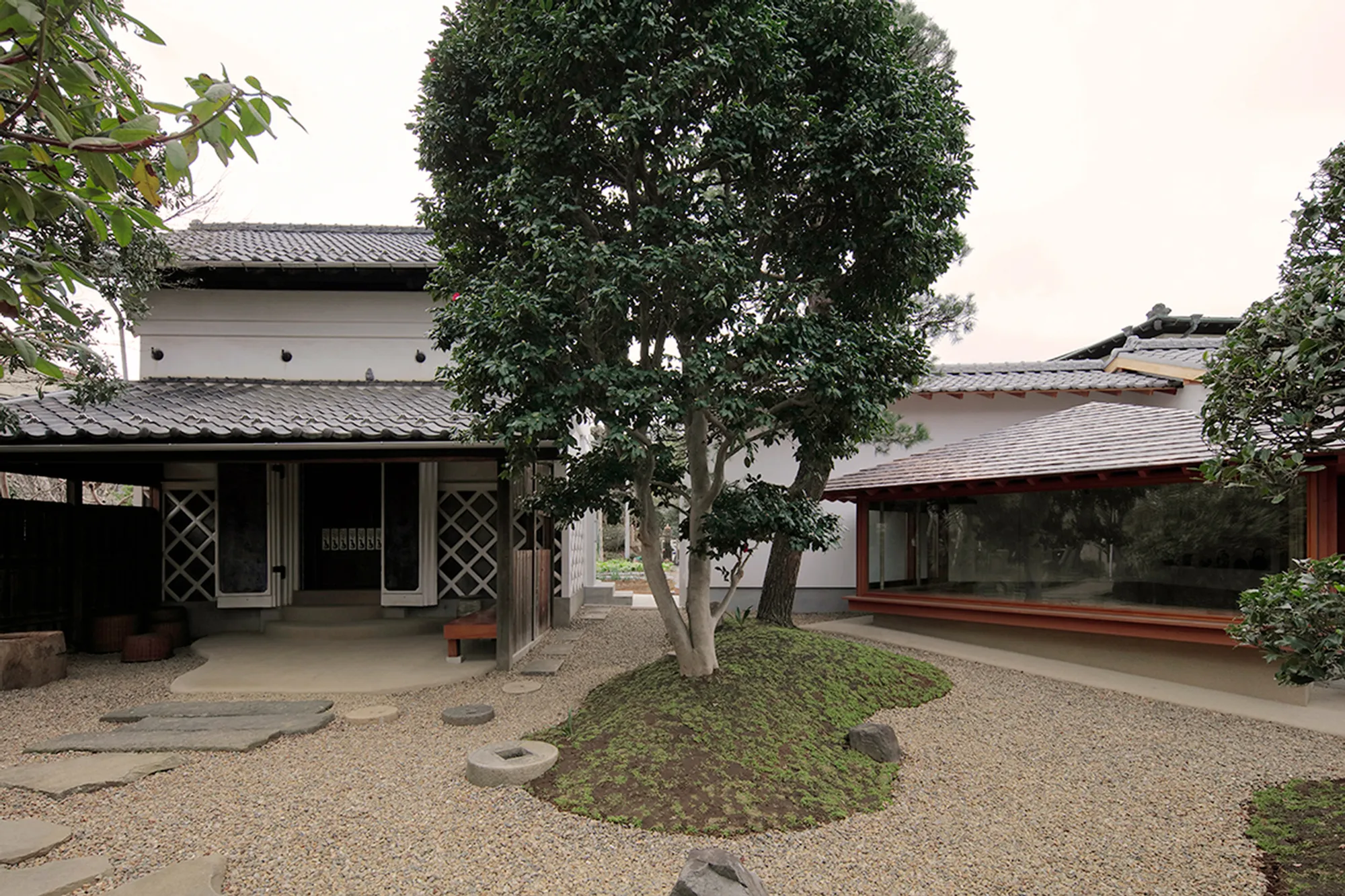
Adaptive reuse transforms a historic agricultural warehouse into a warm restaurant, paired with a new copper-roofed structure reflecting the garden.


Arima’s Warehouses by 1110 Office for Architecture is a thoughtful exploration of adaptive reuse, heritage preservation, and community-rooted design in the garden city of Miyamae, located in Kawasaki, Kanagawa Prefecture. The project transforms an untouched Edo-period agricultural warehouse into a warm, atmospheric restaurant while introducing a new warehouse for vegetable processing and storage. Together, the structures form a quiet dialogue between past and present, blending traditional craftsmanship with contemporary architecture.
A Site Defined by Memory and Landscape
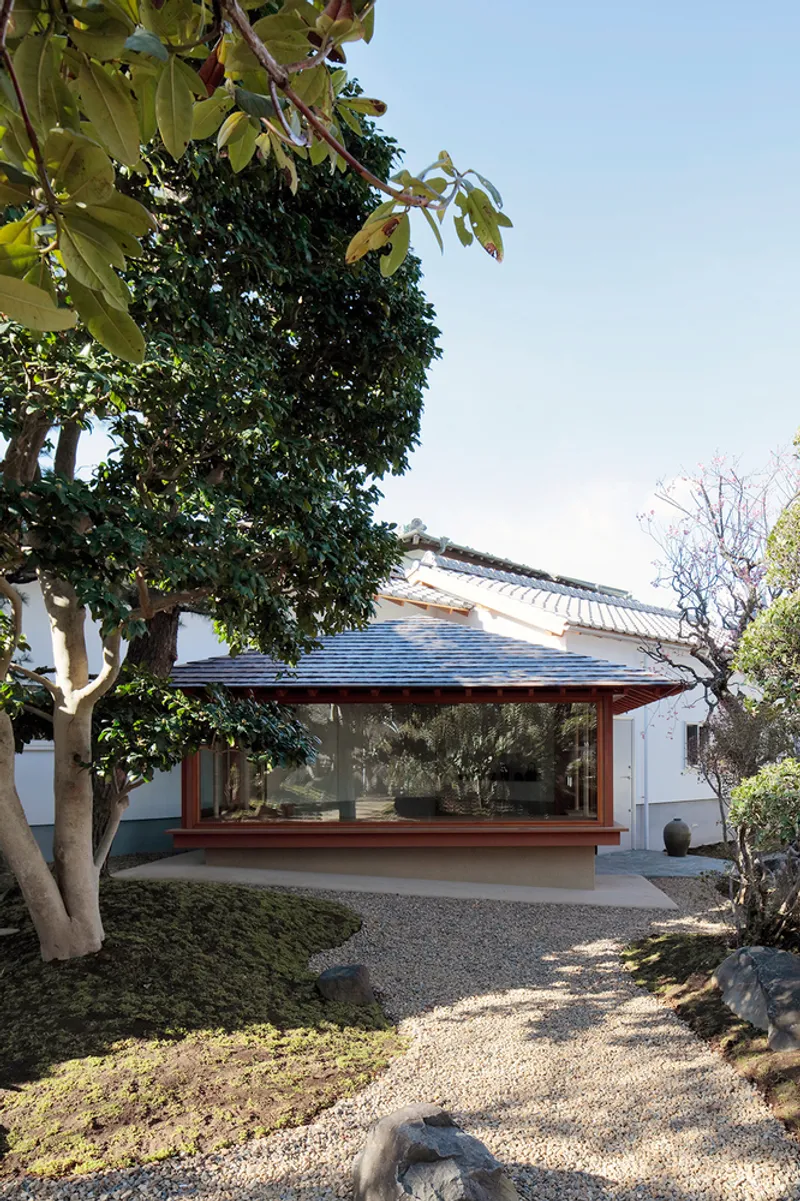
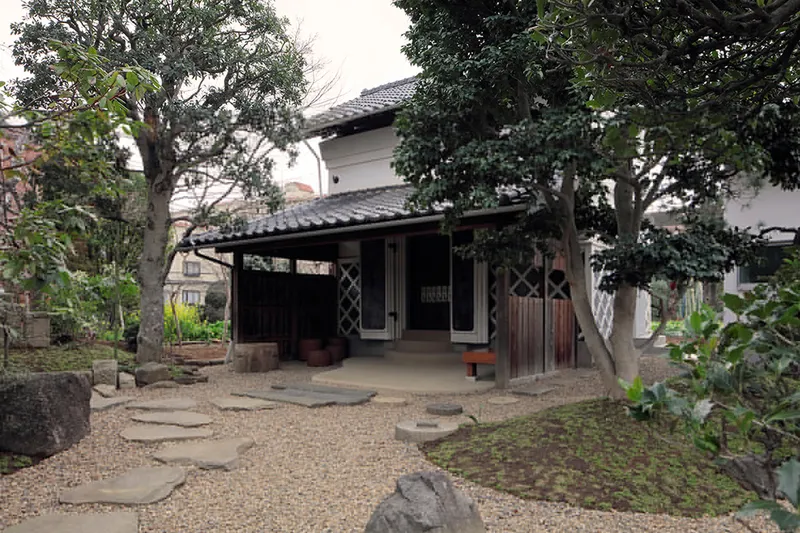
The site sits on the edge of vegetable gardens and agricultural lands—an unusually preserved fragment of postwar Japan surrounded by the rapidly modernizing Tokyo Metropolitan Area. This nostalgic character became the foundation of the project’s architectural narrative. The design team researched historical photographs and maps, using them to restore key elements: original trees were replanted in their former positions, and old limon bridge stones were repurposed as pathways and steps, reinforcing the connection between memory and place.
Transforming a Historic Kura into a Restaurant
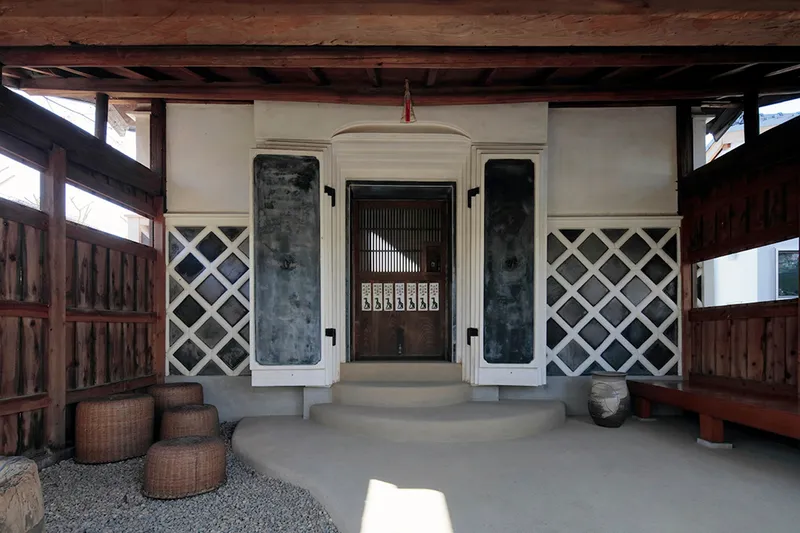
The former agricultural warehouse, a kura preserved since the late Edo period, underwent a meticulous restoration to protect its significant cultural and architectural value. The design prioritizes authenticity by using traditional materials for the façade and the heavy, imposing entrance doors.
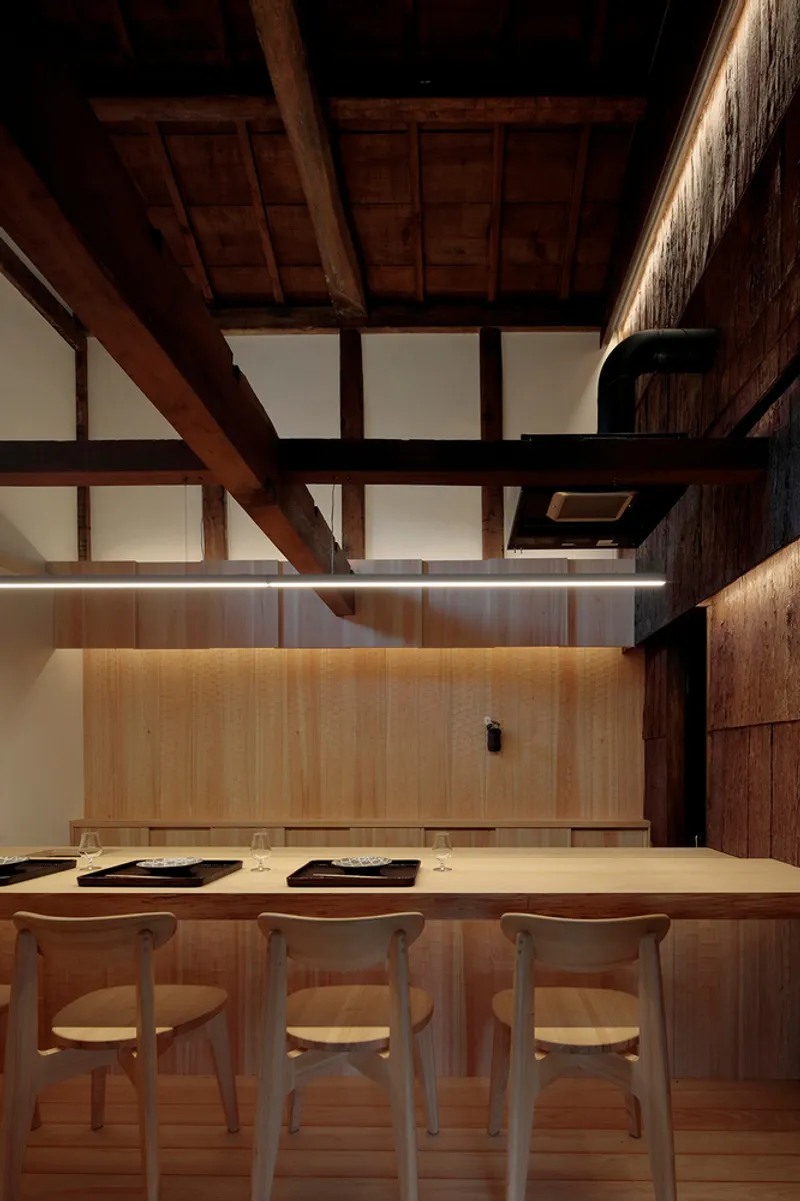
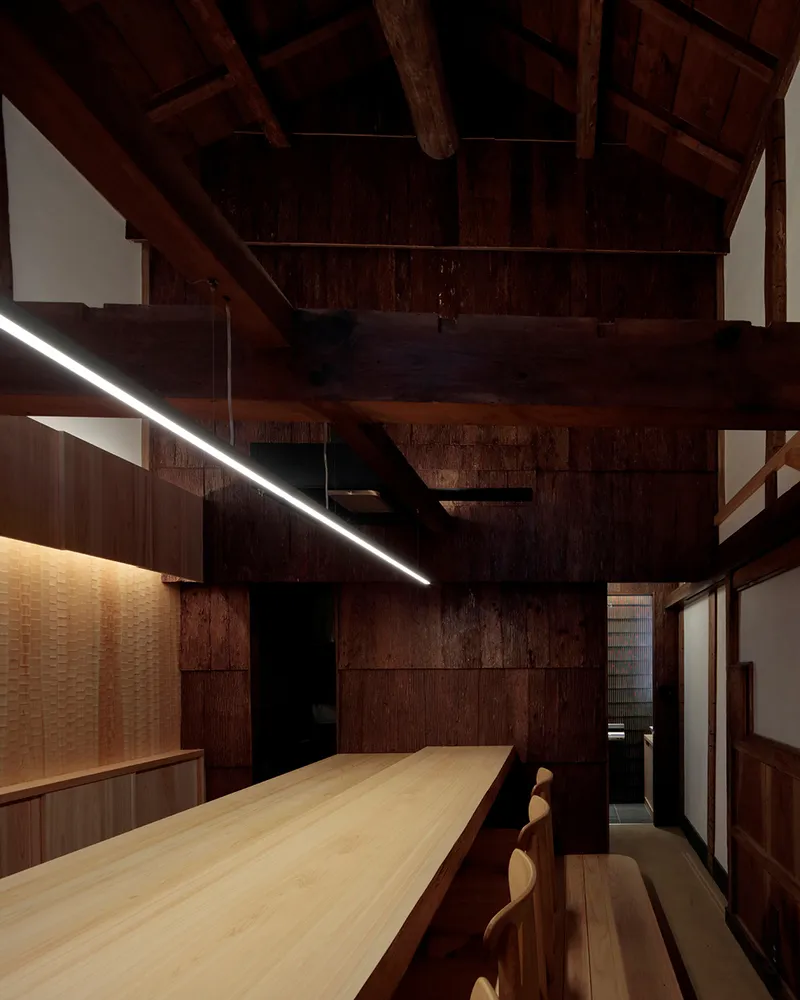
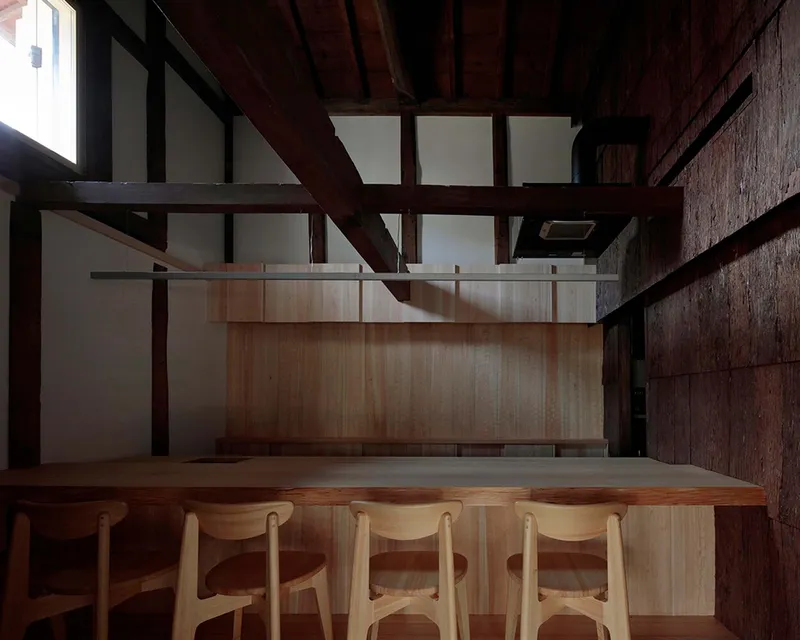
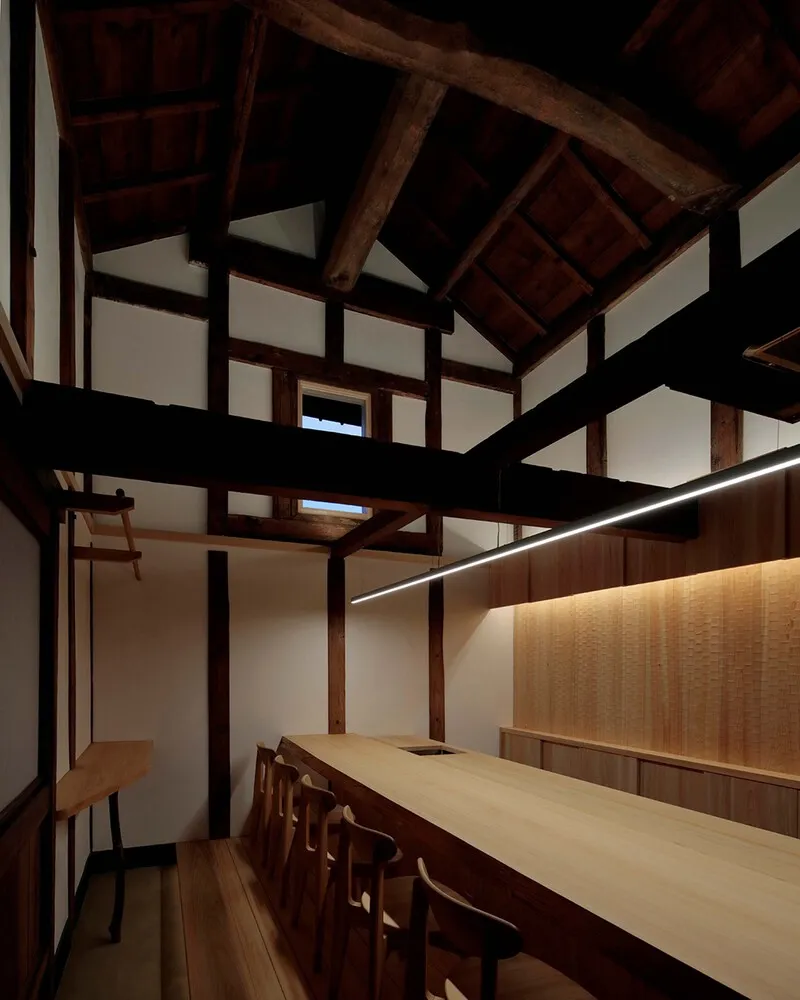
Inside, the architects removed the second-floor flooring to create a dramatic double-height space filled with daylight. This new light well highlights the exposed wooden skeleton, revealing the craftsmanship and structural beauty of the original building. The dismantled wood was not discarded—instead, it was carefully refurbished and reused as interior wall cladding, ensuring circularity and material continuity.
Locally sourced cedar was used for cladding behind the counter, generating warmth, texture, and a quiet connection to the surrounding woodland. The space feels grounded, intimate, and enveloping—“as if standing inside an old tree trunk,” the architects describe—a tactile reminder of the building’s long history.
Creating a New Warehouse Rooted in Tradition
To maintain harmony between old and new, the additional warehouse adopts the same height and sectional proportions as the original kura. Positioned directly beside it, the new volume reinforces spatial continuity and respects the site’s established hierarchy.
A defining feature of the extension is its hammered copper roof, designed through a collaborative process between the architects, clients, and local community. Residents joined a summer workshop to hand-hammer each copper sheet, embedding the structure with collective craftsmanship and cultural meaning. The roof’s reflective surface catches the colors of surrounding trees and changing light, subtly merging architecture with landscape.
Although newly built, the warehouse feels seamlessly integrated—“new, but not new”—capturing the spirit of traditional kura architecture without direct imitation.
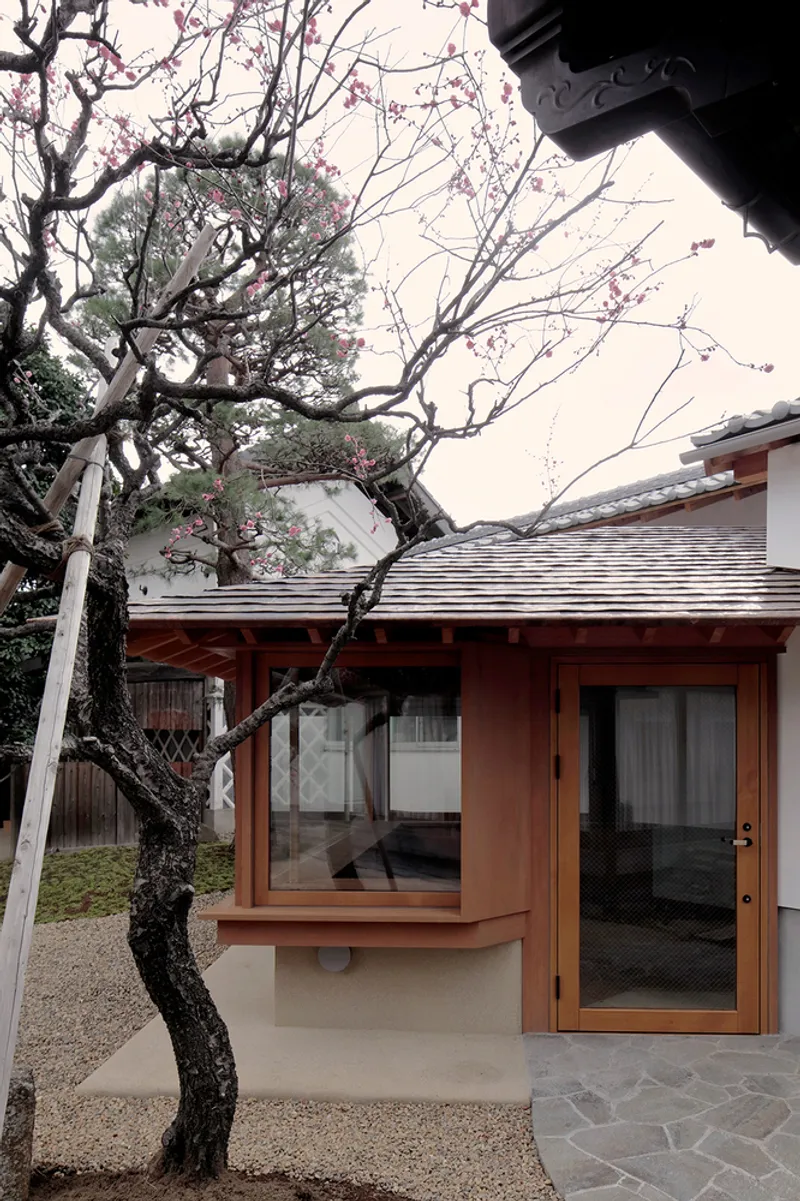
A Tea Room Embracing the Garden
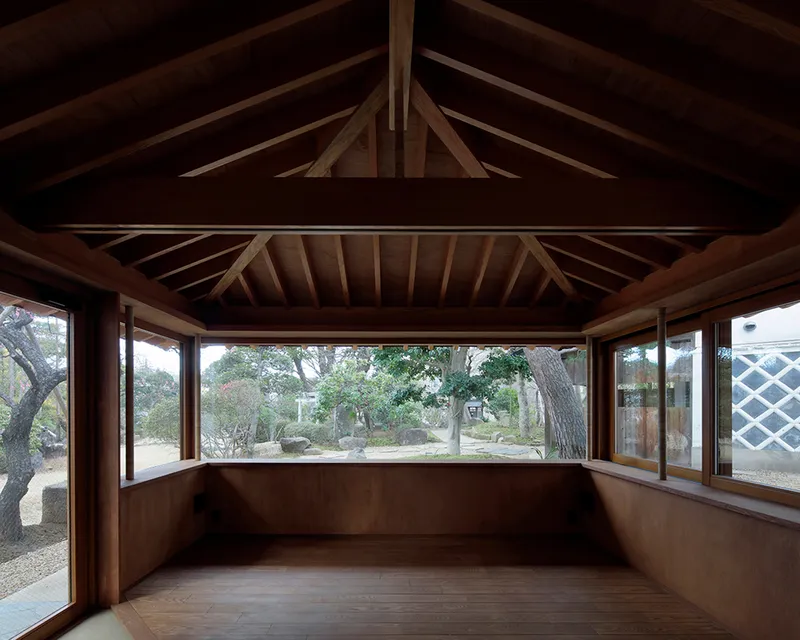
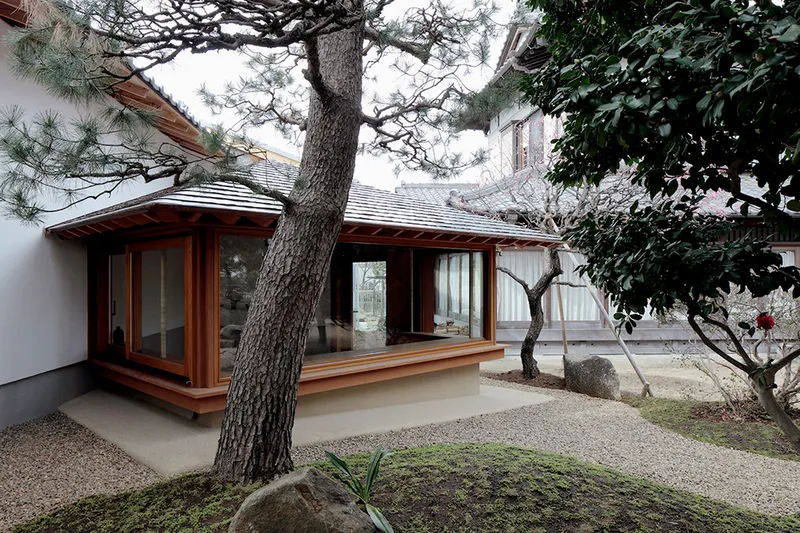
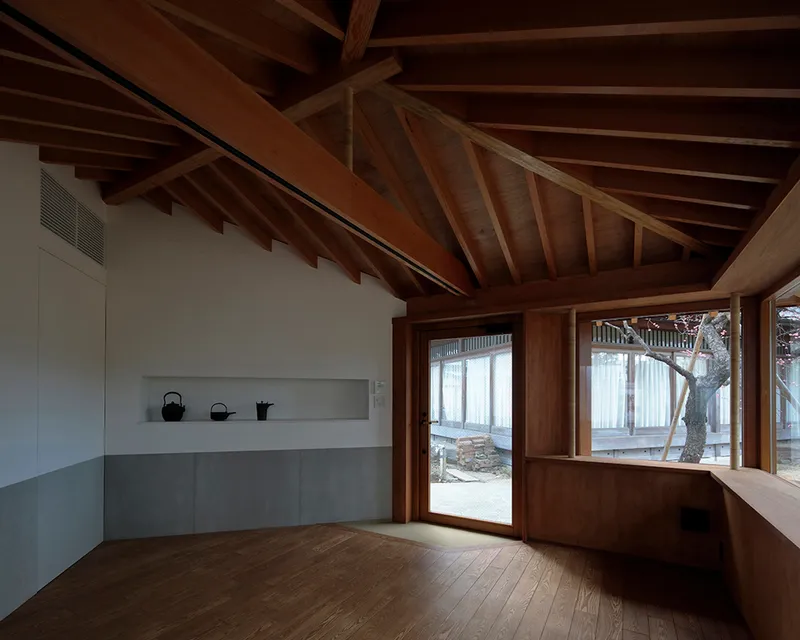
Attached at a 45-degree angle, a small tea room orients itself toward the most picturesque view of the garden. This quiet pavilion fosters contemplation and frames the site’s restored natural elements, completing the project’s balance between heritage, landscape, and community use.
A Model of Thoughtful Adaptive Reuse
Arima’s Warehouses exemplifies how contemporary architecture can: • Respect historic structures while adapting them for new public programs • Reuse existing materials to promote sustainable construction • Strengthen community identity through participatory making • Revitalize rural-urban edges through sensitive design interventions
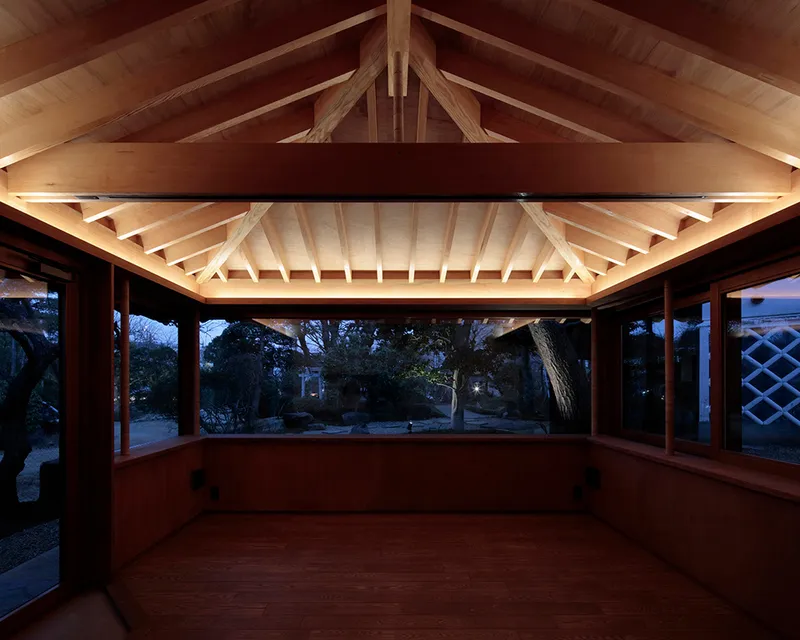
All photographs are works of Torimura Kouichi



Popular Articles
Popular articles from the community


Conexión: Biophilic Design Reimagines High-Rise Living in Hong Kong
Conexión reimagines high-rise living in Hong Kong through biophilic design, green facades, shared spaces, daylight, water and nature within.

Lunar Spiral: Space Architecture Shaped by the Mathematics of the Universe
Lunar Spiral reimagines space architecture through Fibonacci geometry, lunar regolith, levitating habitats, and self-sustaining Moon living.

Co-Life: Senior Housing Design That Reconnects Older Adults With the City
Co-Life reimagines senior housing design through healing gardens, shared streets, workshops, and a sustainable community across generations.

The Earth Pod: 3D Printed Homes for Resilient Refugee Communities
The Earth Pod reimagines refugee housing through 3D printed homes made from clay, combining resilience, self-sufficiency, and rapid shelter.


Similar Reads
You might also enjoy these articles


Hodi-Mandai Geram
Project Function: Preservation and revitalization of the Intangible heritage and socio-spatial identity of the Hodi by Housing, Cultural Memory Center, Sacred Grove, landscape, local tourism economy


Olio Towers: A Mid-Rise for Performers That Fuses Housing, Rehearsal, and Stage
Located blocks from Houston's Theater District, this modular tower stacks living units around a central performance atrium.

Oasis: Modular Green Housing Carved into Dhaka's Urban Fabric
A shortlisted Plugin Housing entry reclaims unauthorized settlements in Dhaka with stepped concrete volumes, green roofs, and ventilation-driven design.

Black Hole: A Floating Megastructure for the Post-Physical Era
Emiliano Mazzarotto envisions a spherical, self-scaling arena where e-sports, digital hotels, and holographic stadiums replace traditional public space.

Explore Architecture Competitions
Discover active competitions in this discipline



Challenge to reimagine the Iron Throne


Photograph architecture without architects


Illustrate the lost glory of Angkor Wat - Render Challenge


Design challenge to reuse E-waste
Comments (0)
Please login or sign up to add comments
No comments yet. Be the first to comment!