

Arts Building By MiMool Arquitectura & Design de Interiores
Arts Building in Porto transforms a historic structure into contemporary apartments through adaptive reuse, restored facades, green courtyards, and modern architectural additions.


The Arts Building by MiMool Arquitectura & Design de Interiores is a sensitive architectural intervention that reimagines a historically layered site in Porto, Portugal, transforming it into a contemporary residential complex while preserving the city’s architectural heritage. Located on Rua de Adolfo Casais Monteiro, the project balances restoration, demolition, and new construction to create 14 thoughtfully designed housing units within a revitalized urban block.
Originally, the site consisted of a traditional street-facing building alongside industrial structures extending deep into the plot, leaving little usable open space. MiMool’s proposal began with the strategic demolition of obsolete industrial volumes and impermeable courtyard surfaces, allowing the interior of the plot to breathe again. This decision was key in reintroducing light, greenery, and spatial clarity into the development.
Respecting History, Introducing Contemporary Layers
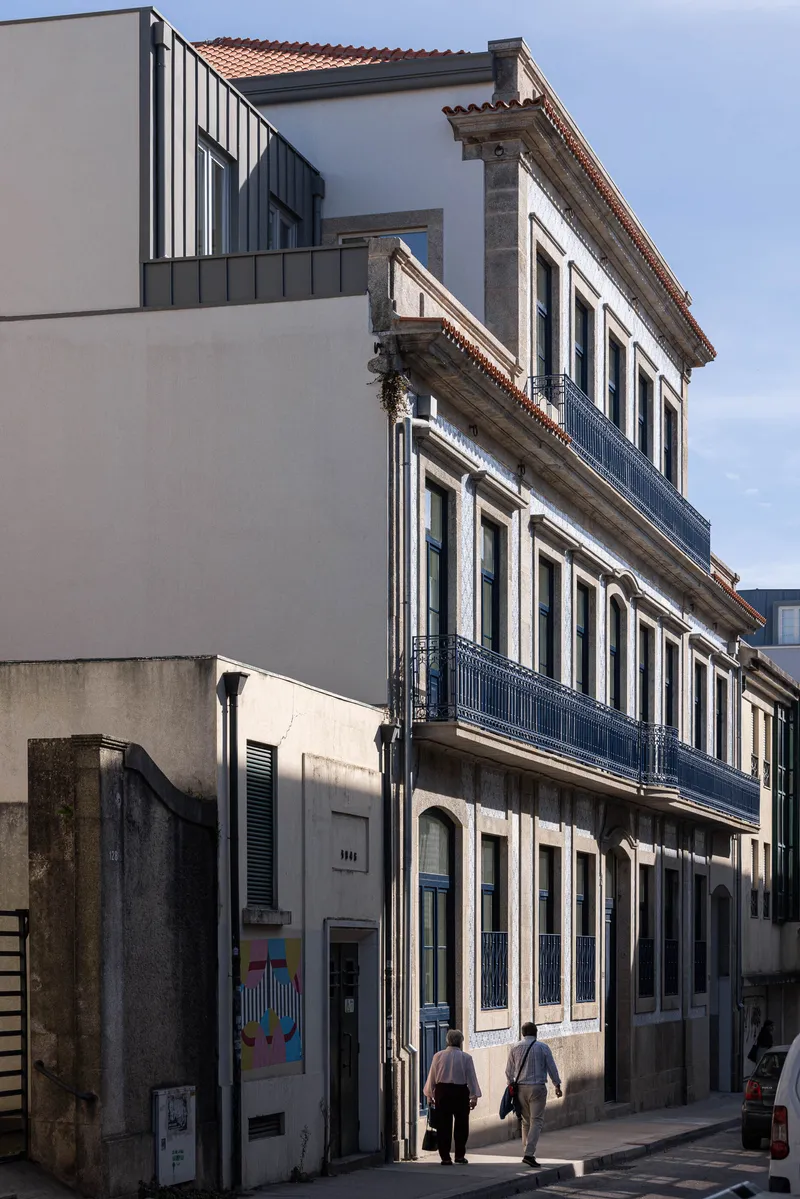
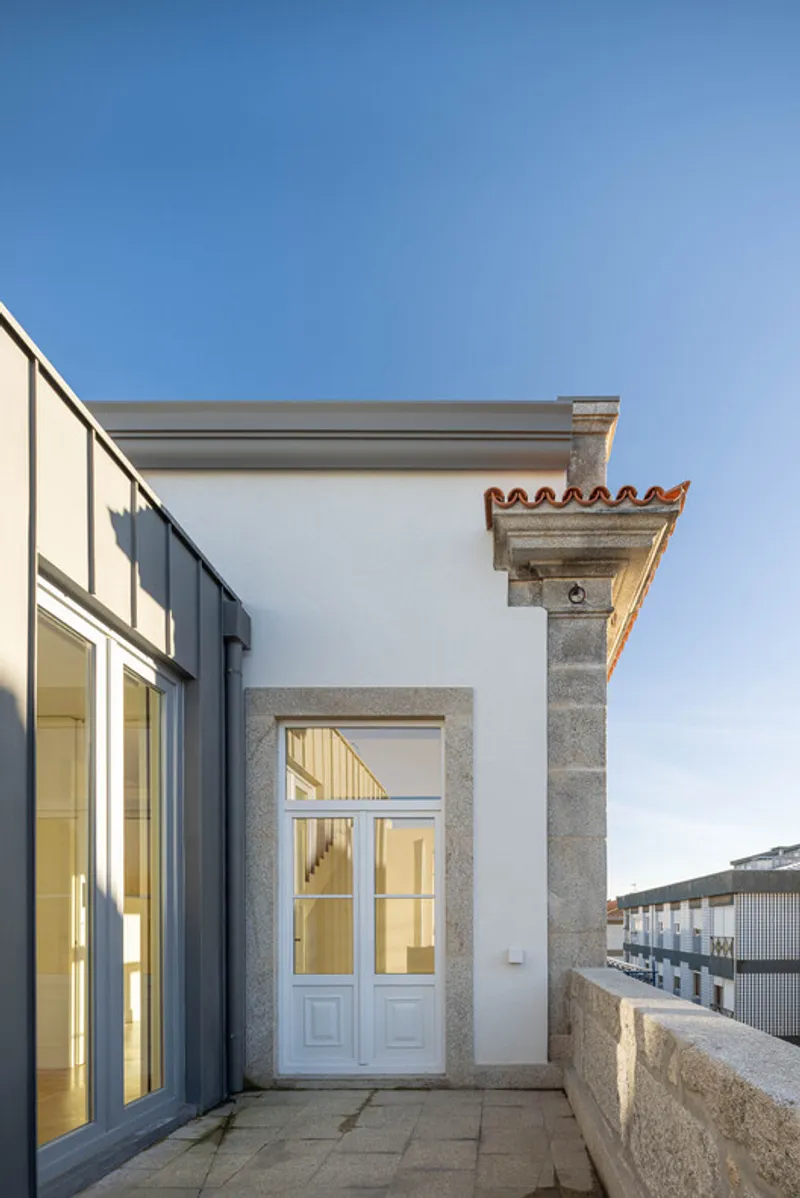
The street-facing building retained its original four-floor structure, including an attic level, while the eastern wing stepped down to three floors. One of the most defining gestures was the addition of a setback upper floor, clad in pre-patinated anthracite zinc with concealed fixings. This contemporary volume subtly distinguishes itself from the historic fabric while maintaining a respectful dialogue with the existing architecture.
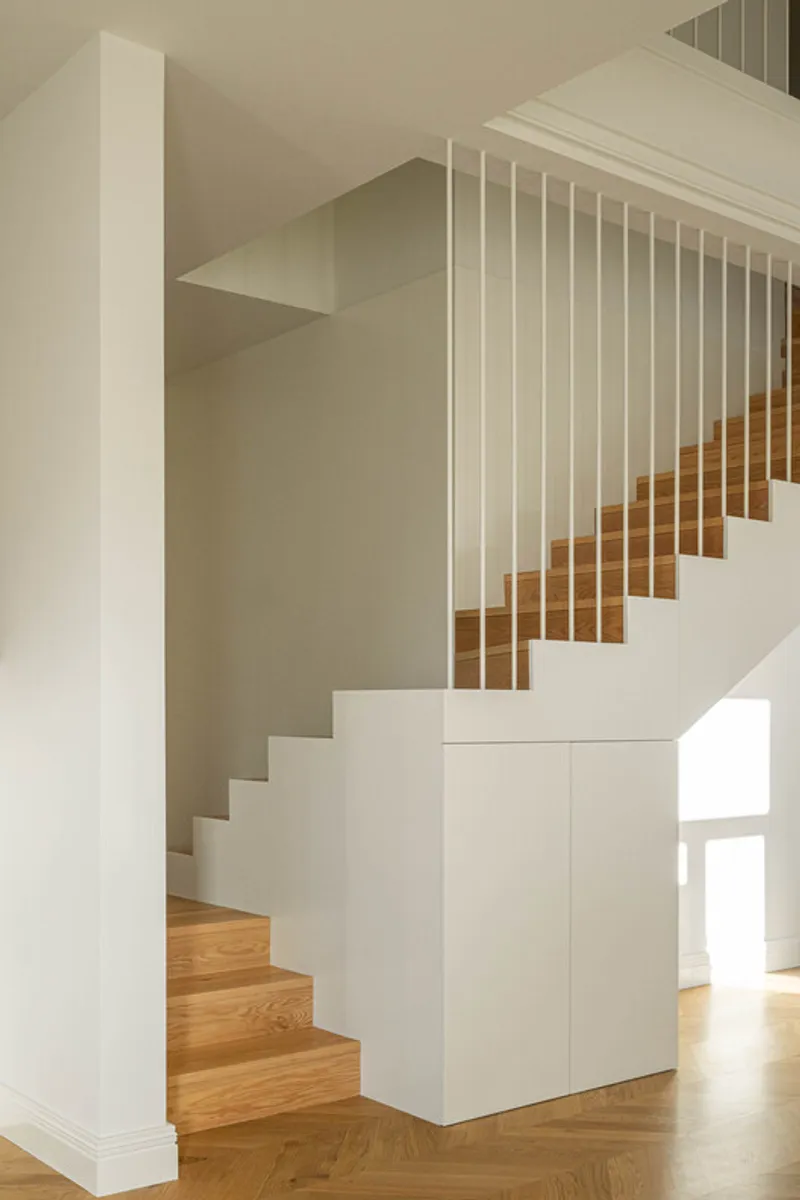
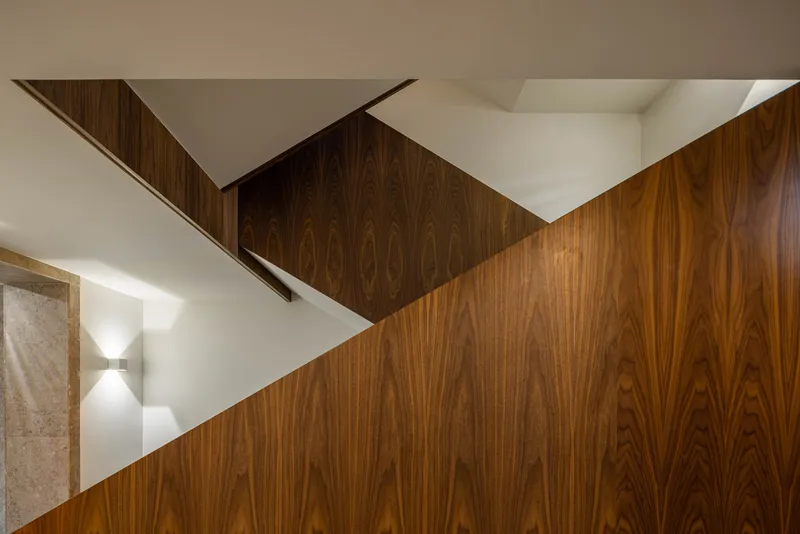
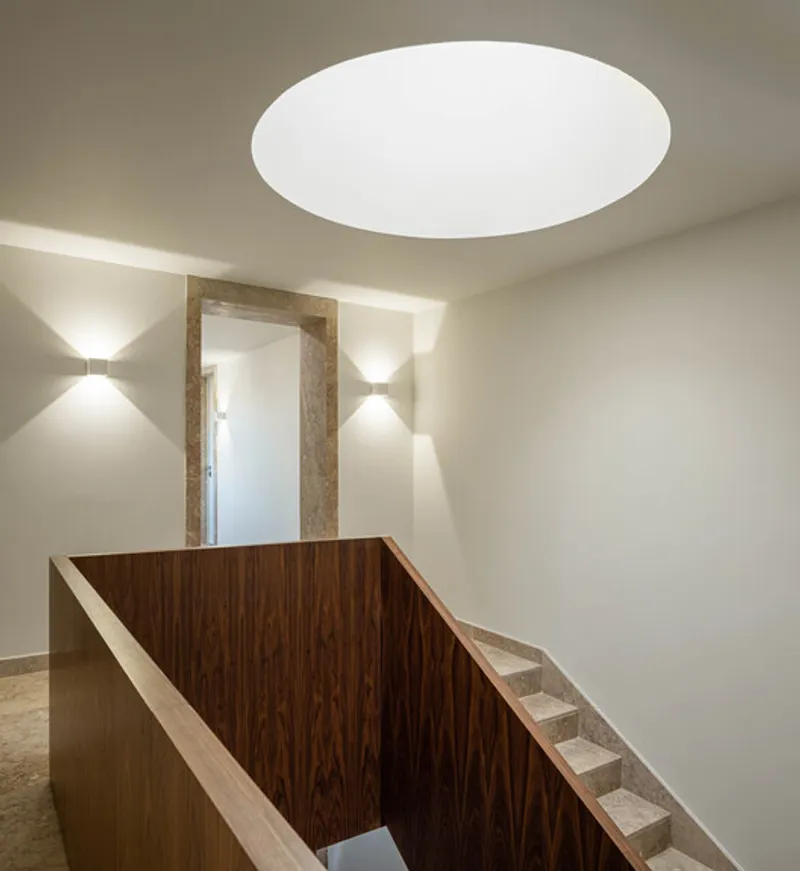
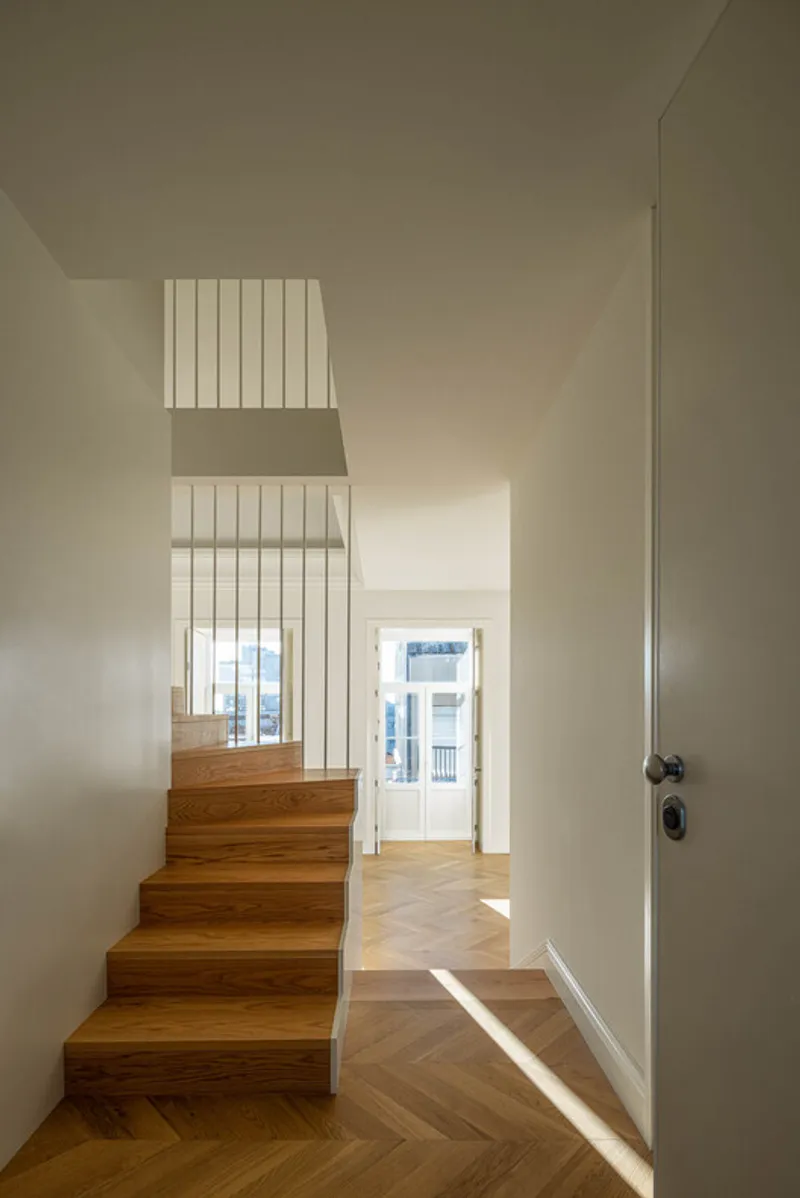
Thanks to generous ceiling heights, an intermediate floor was introduced in parts of the original volume, optimizing internal layouts without compromising spatial quality. Importantly, these changes are only visible from the interior courtyard, preserving the integrity of the historic street façade.
Careful Restoration of Porto’s Architectural Identity
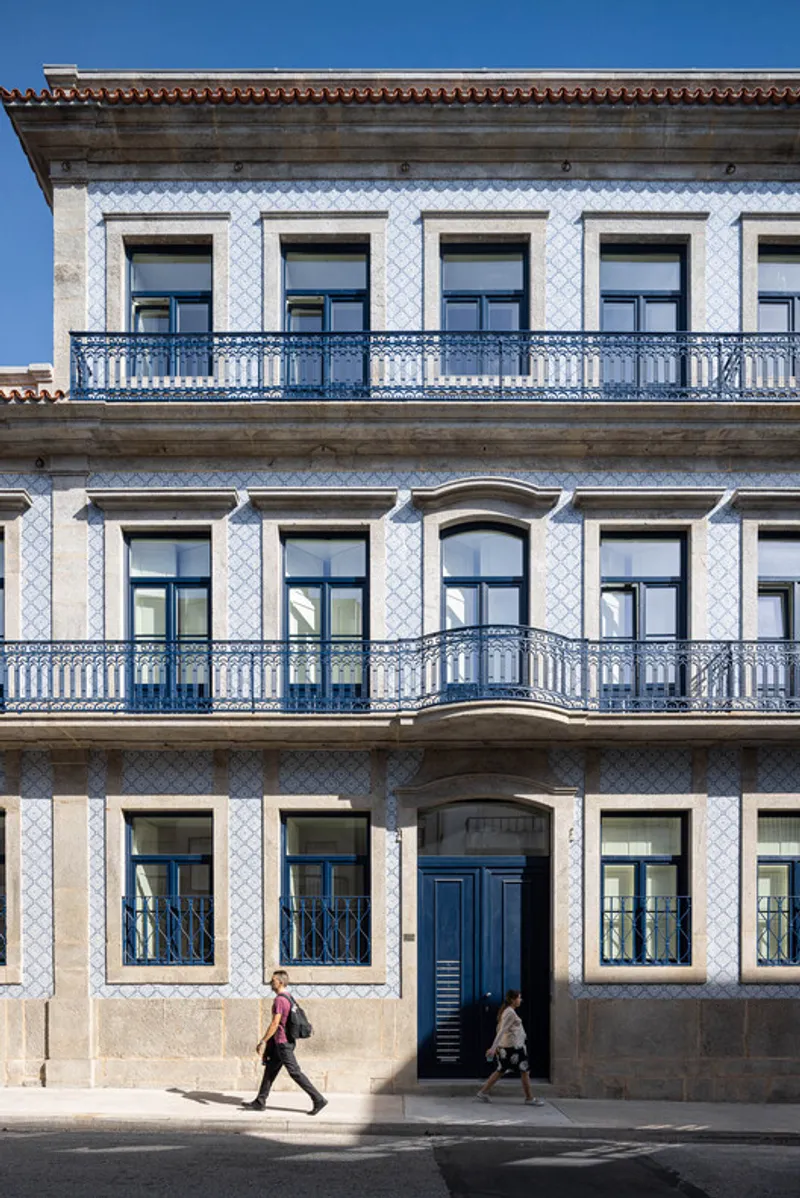
The renovation of the primary façade was approached with meticulous care. Granite stonework, iron detailing, and original ceramic tiles—some of the oldest in Porto—were carefully cleaned and restored. These tiles, historically significant and academically documented, reinforce the building’s cultural value and anchor the project firmly within Porto’s architectural lineage.
At the rear, façade modifications resulting from the additional floor were carefully designed to echo the proportions and material language of the original structure, ensuring visual cohesion across old and new elements.
Courtyard as a Green Urban Heart
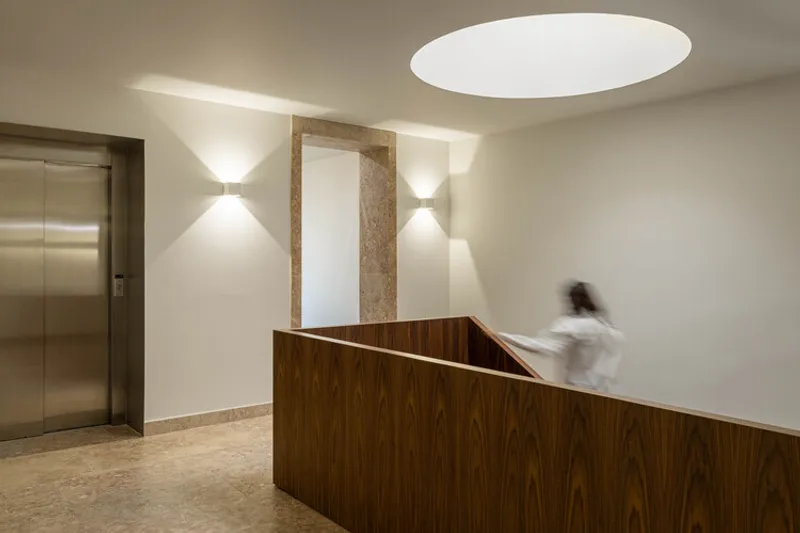
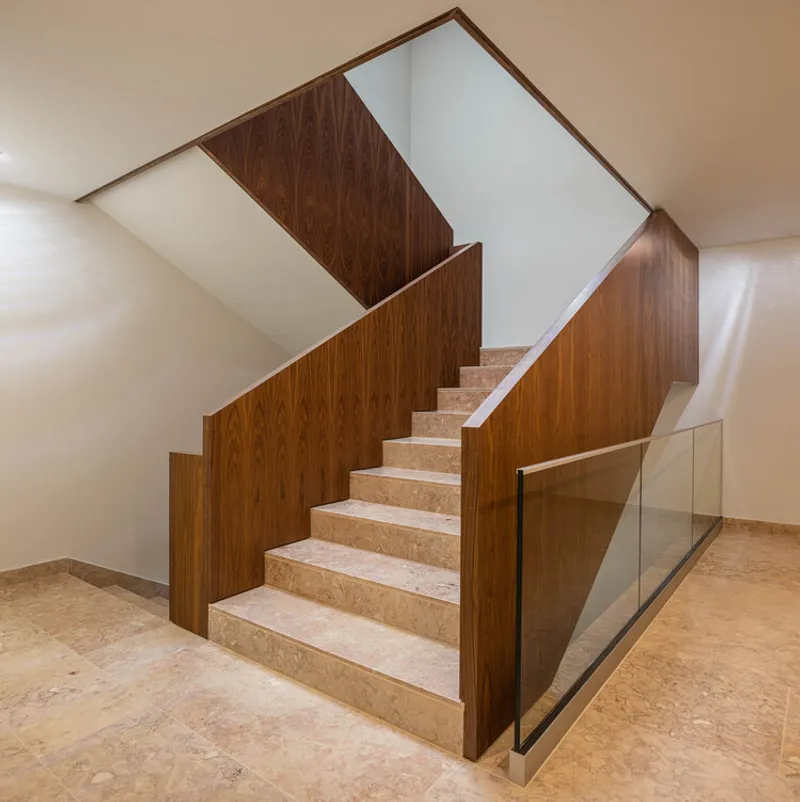
In contrast to the historic façade, the volume extending into the courtyard adopts a clean, contemporary architectural language, deliberately avoiding stylistic competition with the main building. This distinction allows both identities to coexist harmoniously.
The newly liberated courtyard prioritizes green space over hardscape, introducing private patios, landscaped pathways, and shared outdoor areas that enhance residents’ quality of life. Private parking is discreetly integrated, ensuring functionality without compromising the serenity of the communal environment.
A Balanced Urban Transformation
The Arts Building exemplifies how adaptive reuse, heritage preservation, and contemporary residential design can converge successfully. By blending historic restoration with modern architectural interventions, MiMool Arquitectura & Design de Interiores delivers a project that is both contextually rooted and forward-looking—a refined model for sustainable urban regeneration in historic European cities.
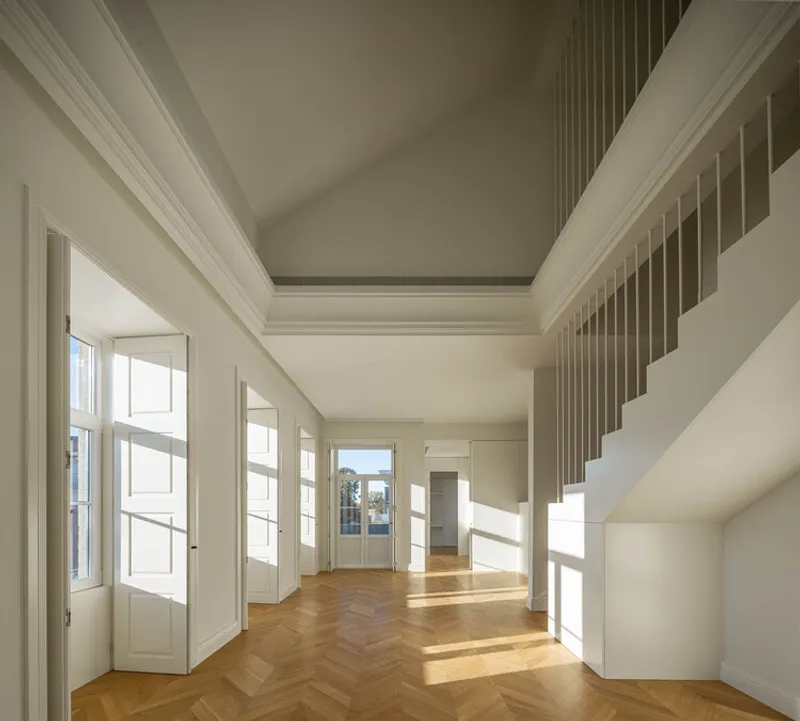
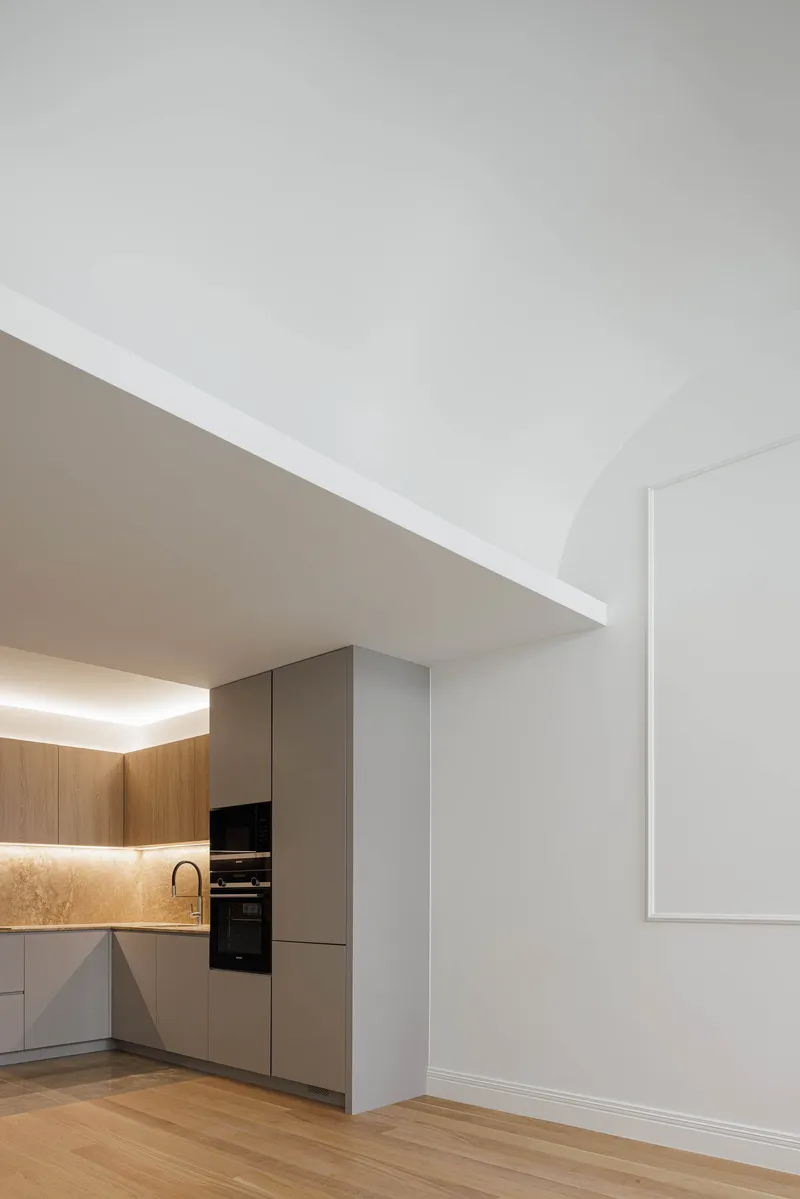
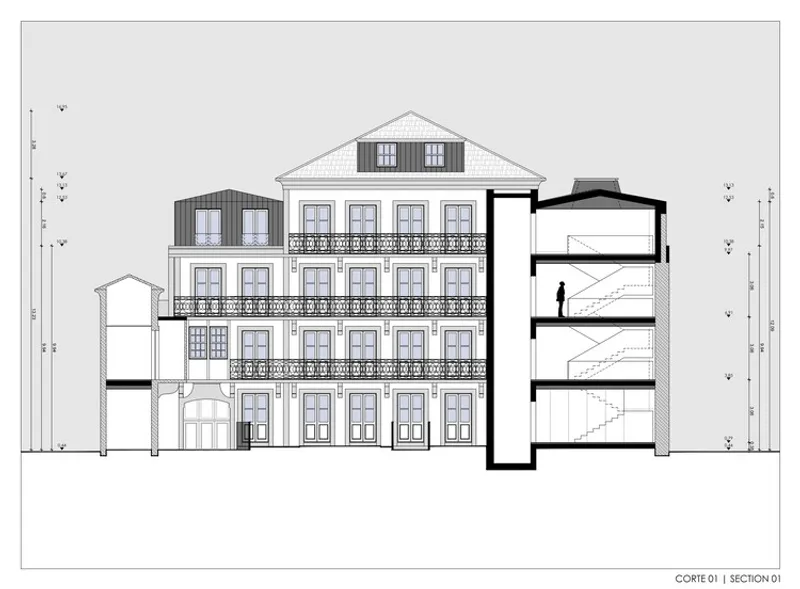
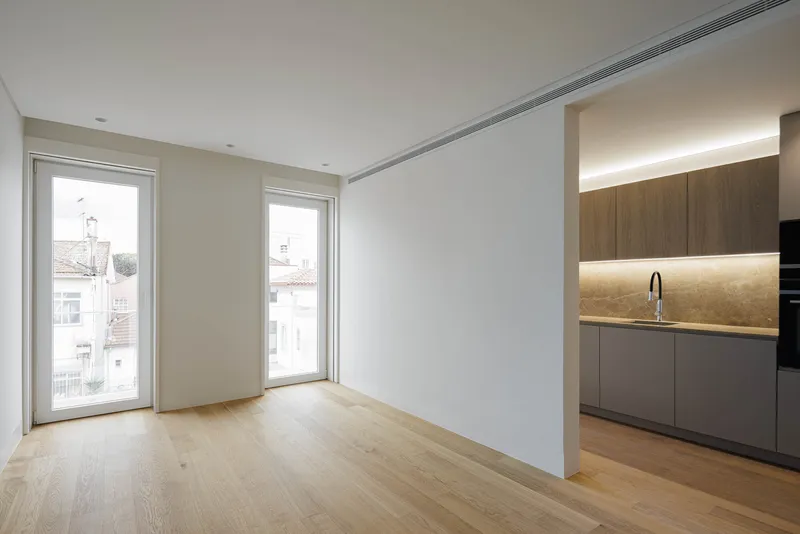
All the photographs are works of Ivo Tavares Studio


Popular Articles
Popular articles from the community


Singing Woman: Contemporary Architecture Inspired by Estonia’s Voice and the Sea
Singing Woman turns Estonia’s song culture into flowing opera house architecture, blending public life, landscape, sea, and national memory.
Temporary Home for Dogs: A Reversed Zoo Rethinks Animal Shelter Architecture
In Bucharest, a sinuous corridor and freed landscape flip the logic of containment, designing a shelter that works to make itself unnecessary.
Faces of the Soviet Avant-Garde: Turning Moscow's Street Names into an Open-Air Museum
A network of sculptural installations across a Moscow residential district transforms forgotten architect names into spatial encounters with cultural memor

Manzana Morphosis: Stretching Barcelona's Grid into a Living Landscape for 2050
A radical reworking of the Eixample manzana turns density into a tool for generous public space, vertical ecology, and environmental performance.

Similar Reads
You might also enjoy these articles


Hodi-Mandai Geram
Project Function: Preservation and revitalization of the Intangible heritage and socio-spatial identity of the Hodi by Housing, Cultural Memory Center, Sacred Grove, landscape, local tourism economy


Olio Towers: A Mid-Rise for Performers That Fuses Housing, Rehearsal, and Stage
Located blocks from Houston's Theater District, this modular tower stacks living units around a central performance atrium.

Oasis: Modular Green Housing Carved into Dhaka's Urban Fabric
A shortlisted Plugin Housing entry reclaims unauthorized settlements in Dhaka with stepped concrete volumes, green roofs, and ventilation-driven design.

Black Hole: A Floating Megastructure for the Post-Physical Era
Emiliano Mazzarotto envisions a spherical, self-scaling arena where e-sports, digital hotels, and holographic stadiums replace traditional public space.

Explore Porto Local Tiles Competitions
Discover active competitions in this discipline

Challenge to design mud housing for contemporary communities

Challenge to reimagine the Iron Throne

Photograph architecture without architects

Illustrate the lost glory of Angkor Wat - Render Challenge
Comments (0)
Please login or sign up to add comments
No comments yet. Be the first to comment!