

ATO House: Sustainable Residential Architecture in San Isidro by IR arquitectura
ATO House by IR arquitectura in San Isidro harmonizes modern living with nature, featuring layered substrates, green roof, and sustainable, passive systems.


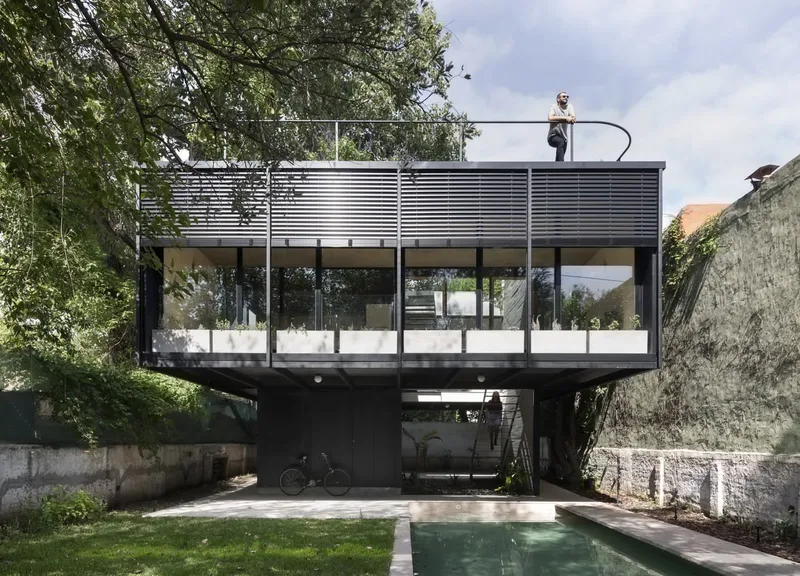
Located in San Isidro, Argentina, the ATO House by IR arquitectura (2020) exemplifies a thoughtful integration of modern residential design with its surrounding ecological context. Perched near the Bajo de San Isidro Ecological Reserve, the project responds to unique site conditions, including pre-existing trees, a subdivided swimming pool, and the natural pathways of local wildlife, particularly turtles that cross the road to spawn. These environmental factors inspired a design strategy that prioritizes ecosystem integration, sustainable living, and biophilic connections.
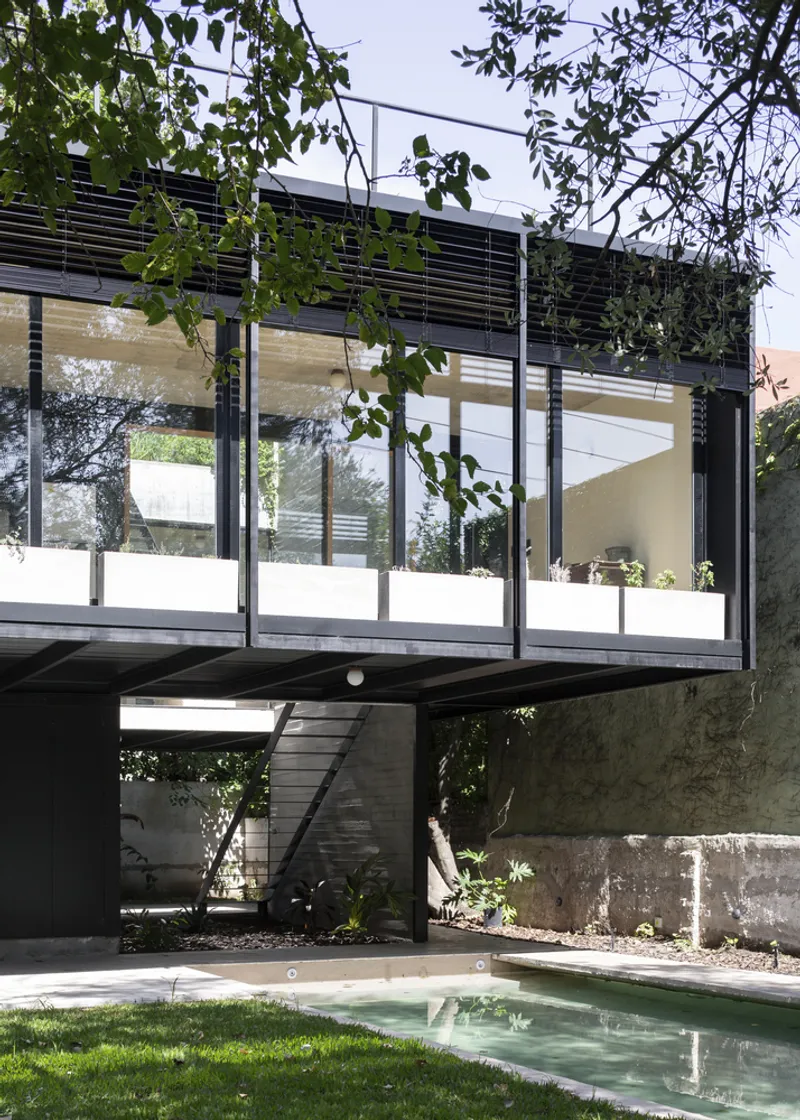
Site-Responsive Design and Substrate Organization
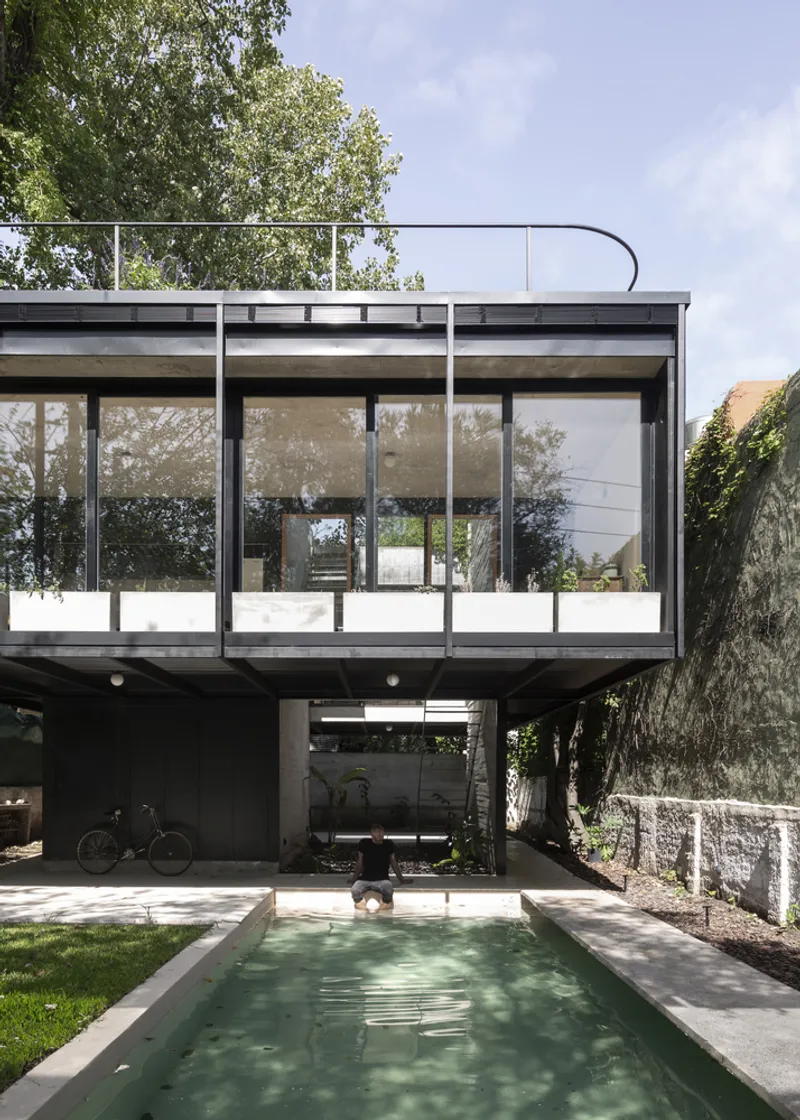
The ATO House is organized across three distinct substrates, each tailored to optimize both human use and ecological interaction:
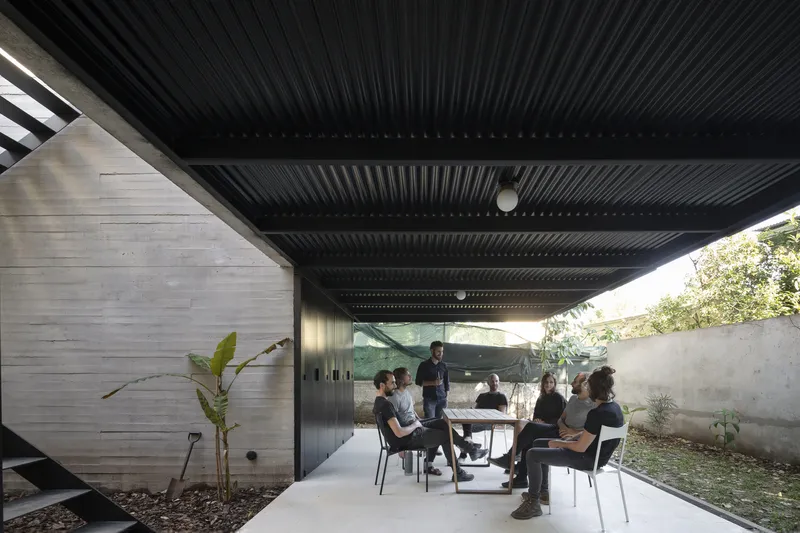
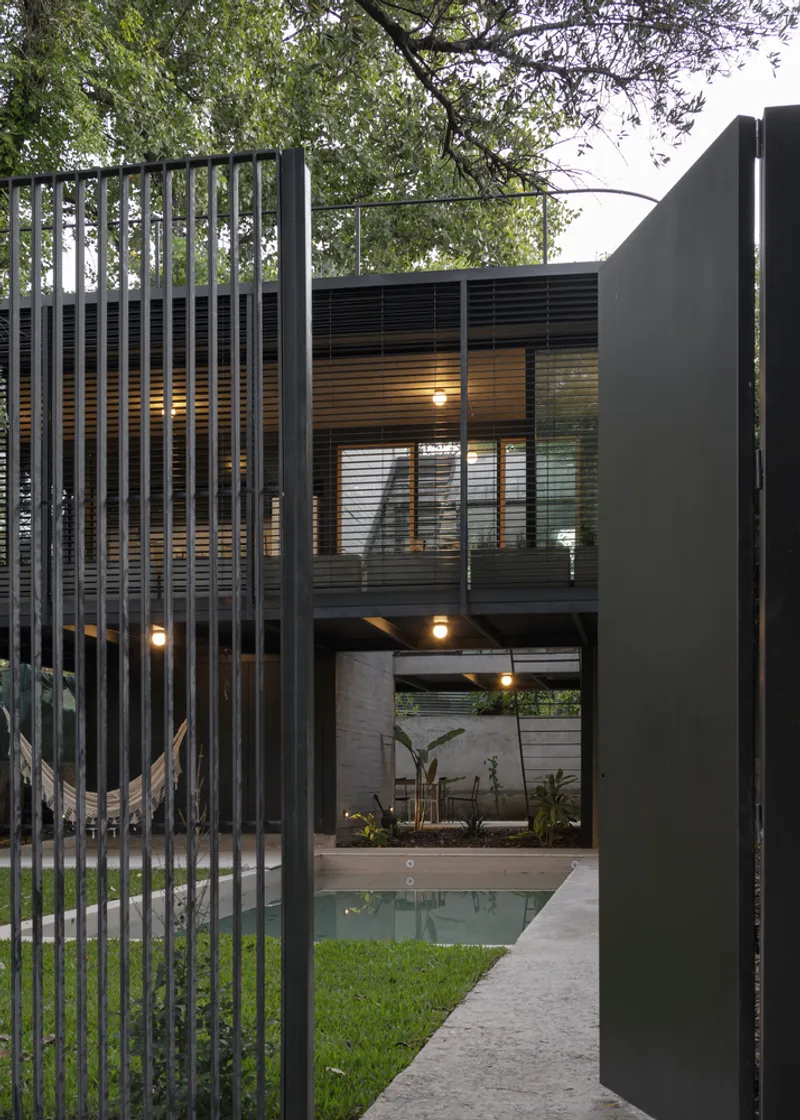
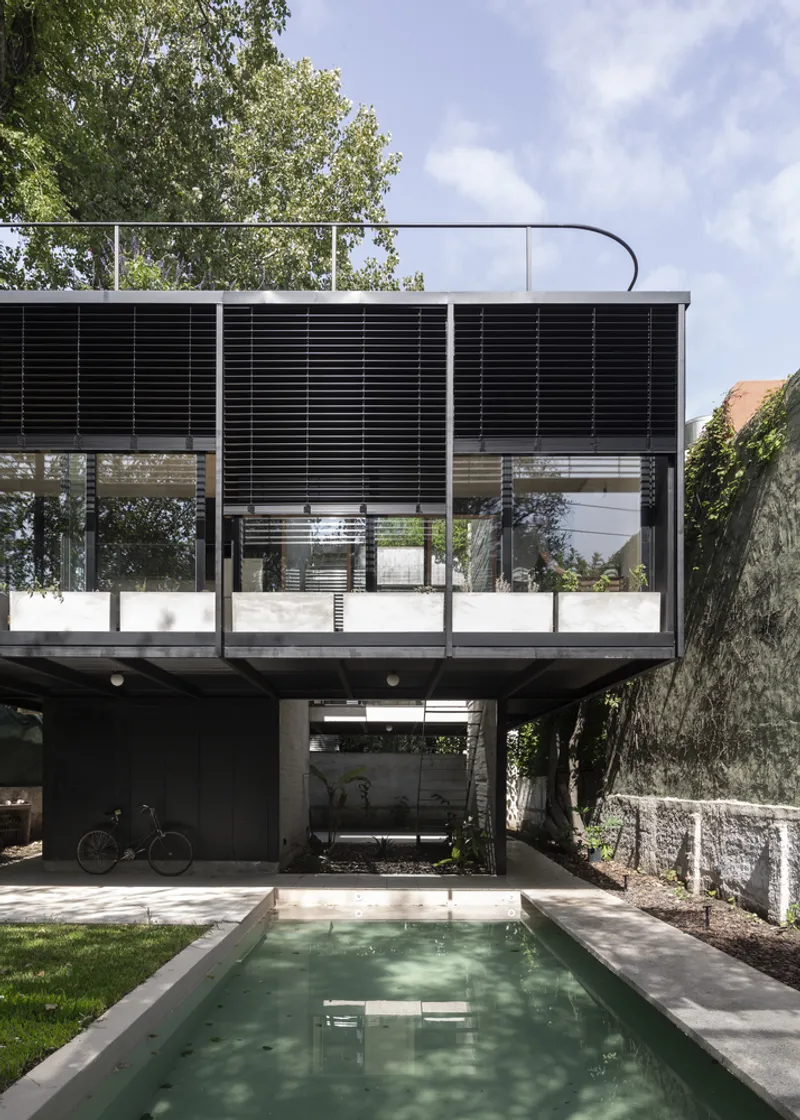
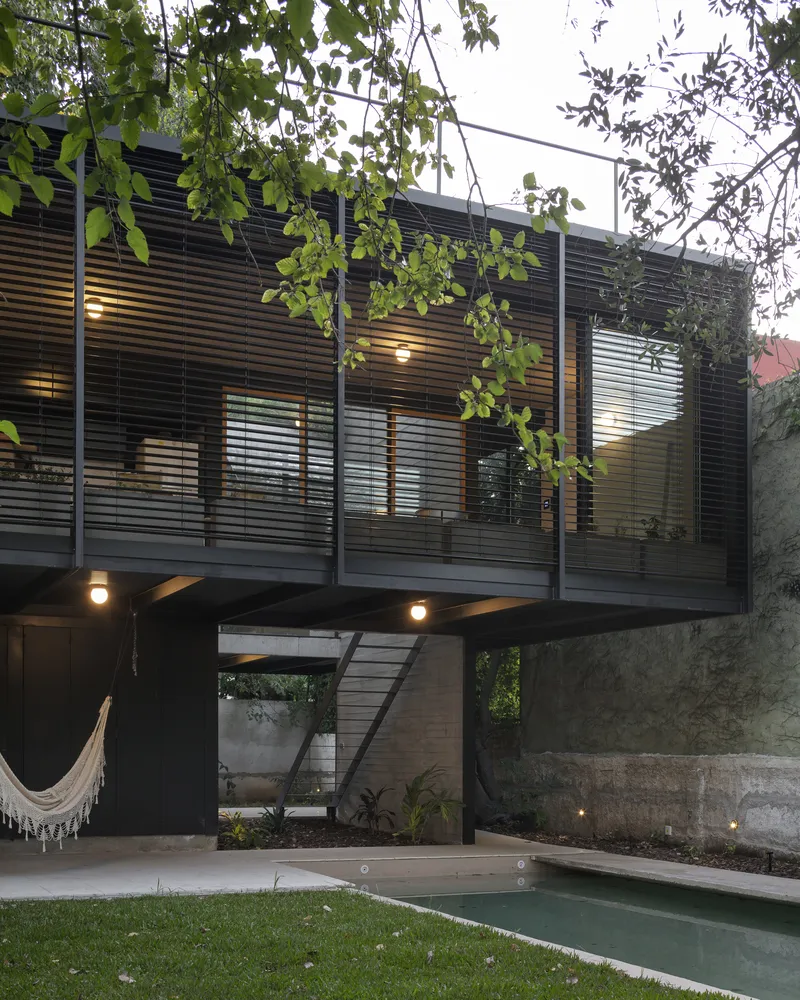
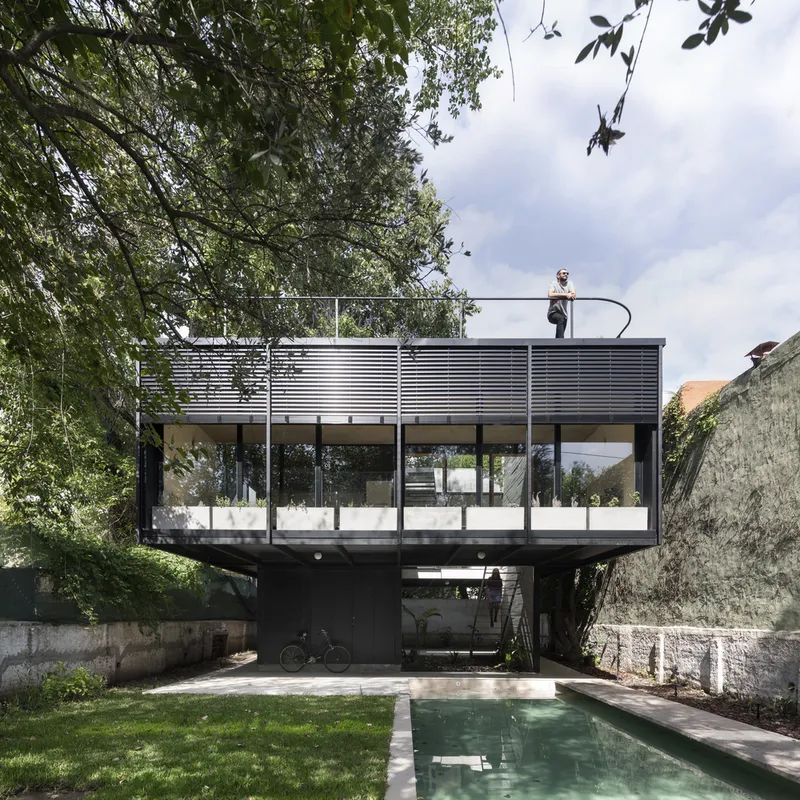
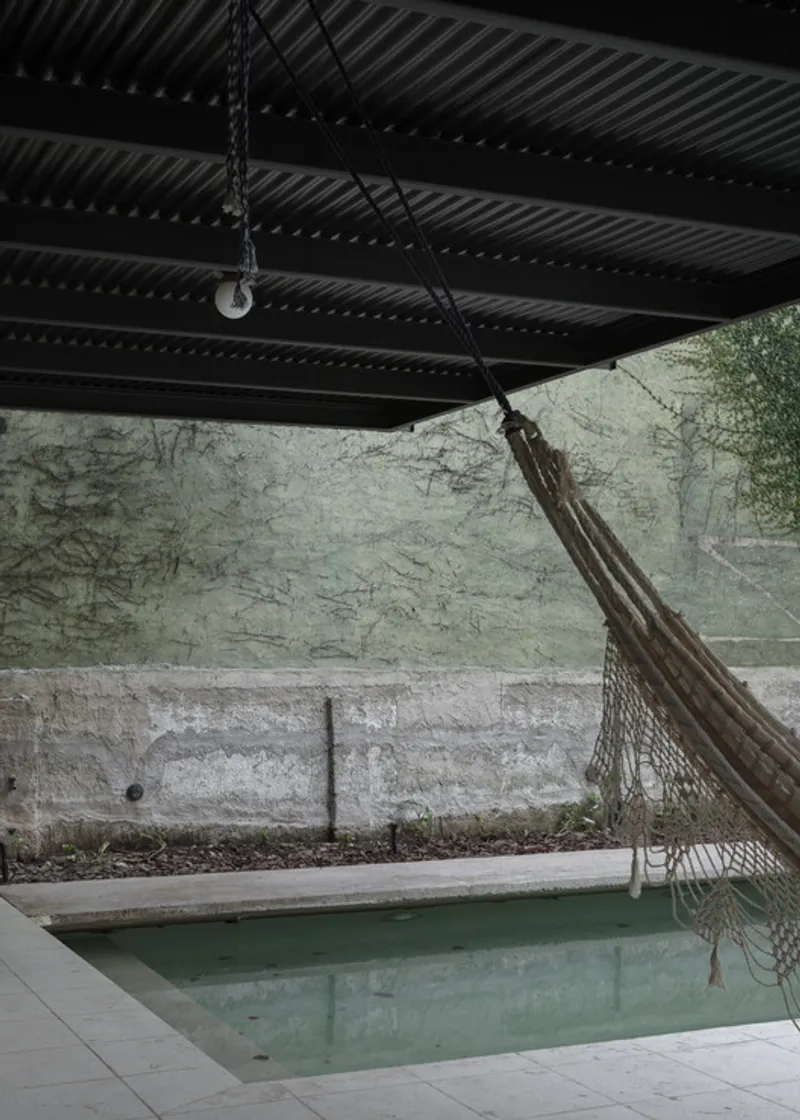
- Ground-Level Substrate: Conserving the land’s natural exchanges, this level offers semi-covered outdoor spaces, seamlessly connecting residents with the surrounding vegetation and pool area. The absence of perimeter columns and flexible floor and ceiling planes create a sense of continuity with the natural landscape.
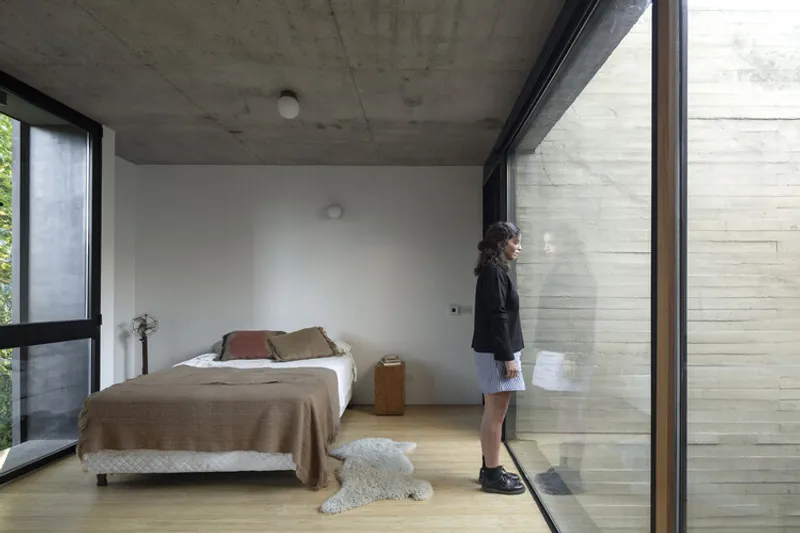
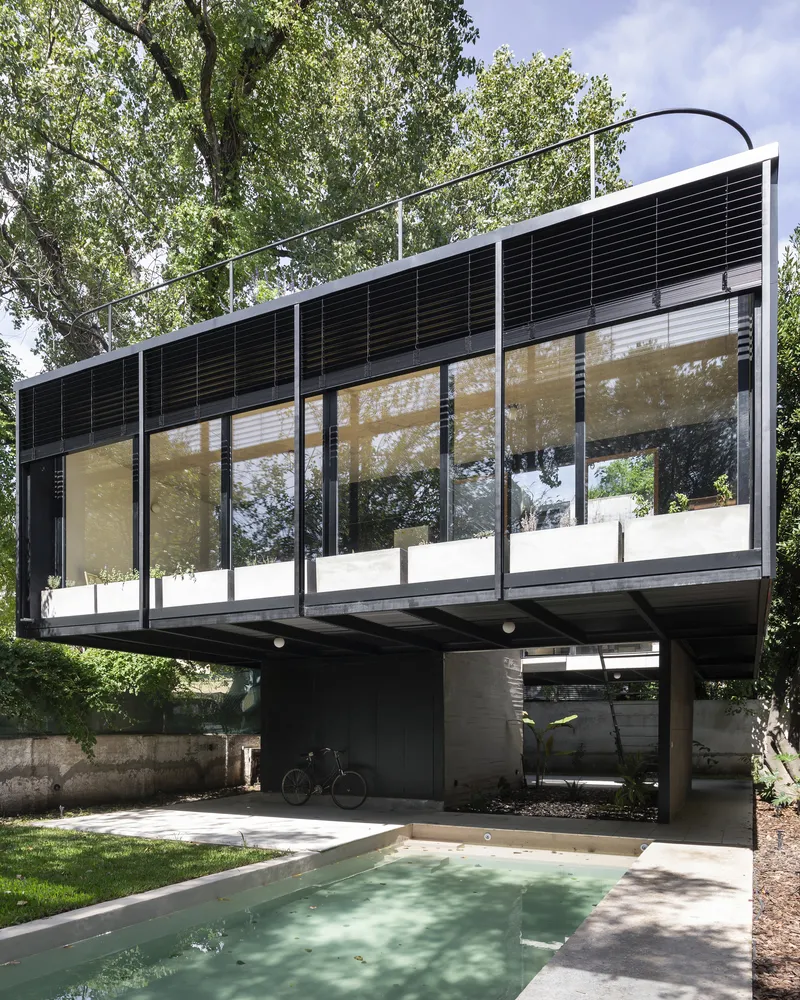
- First-Floor Substrate: Elevated to the height of the treetops, this level enhances views, air circulation, and visual connections with the reserve. Vertical enclosures are strategically oriented to respond to sunlight and environmental conditions, maximizing comfort while maintaining energy efficiency.
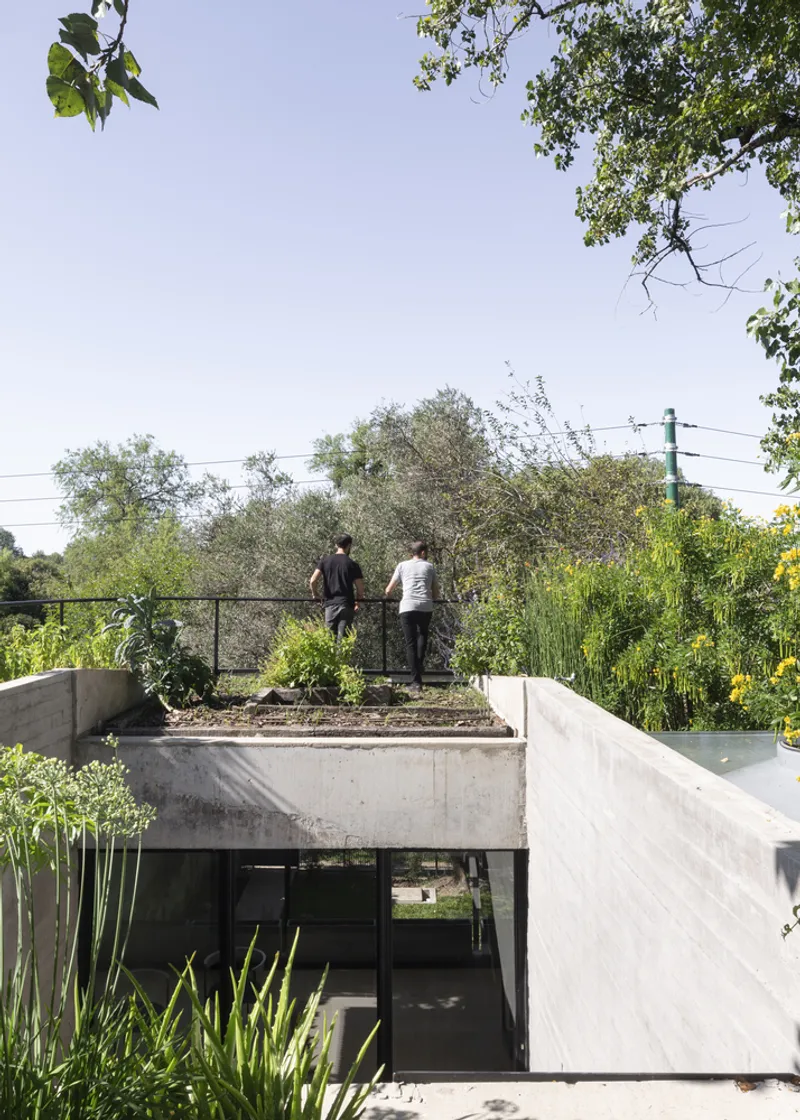
- Roof Substrate: A fully landscaped roof supports autochthonous vegetation and edible species, promoting biological exchange through bird- and insect-mediated seed dispersal, effectively extending the ecological influence of the reserve.
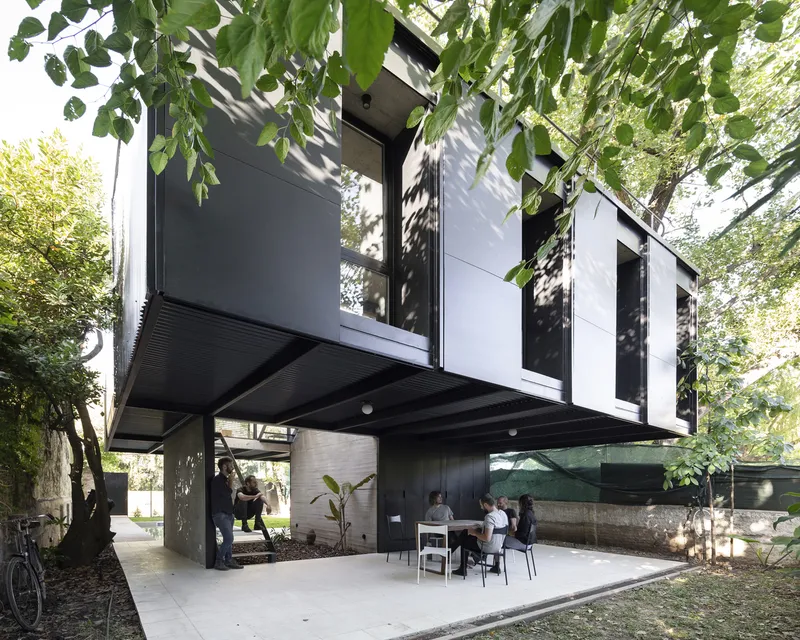
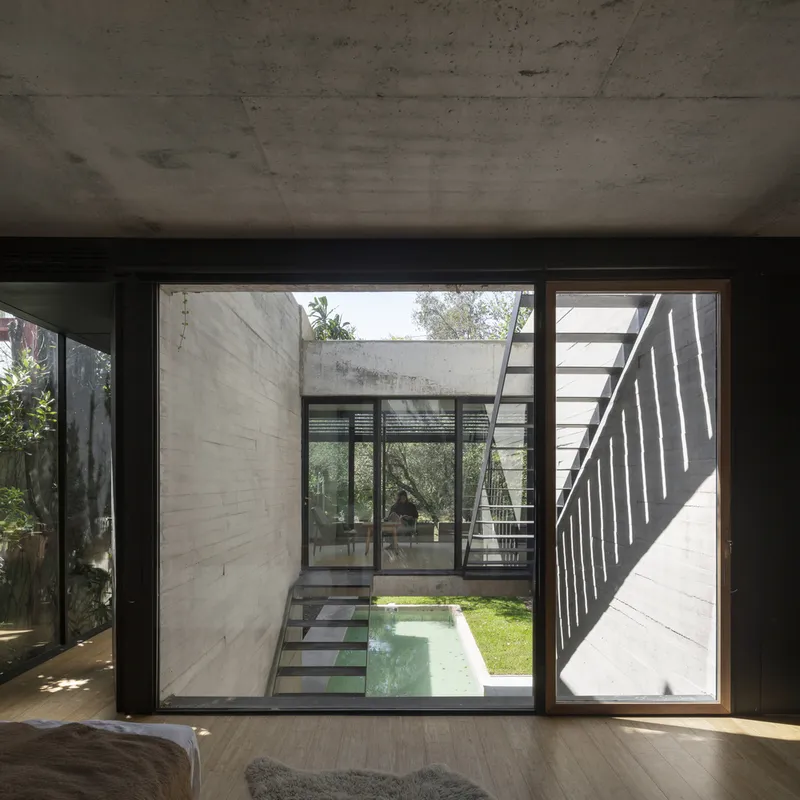
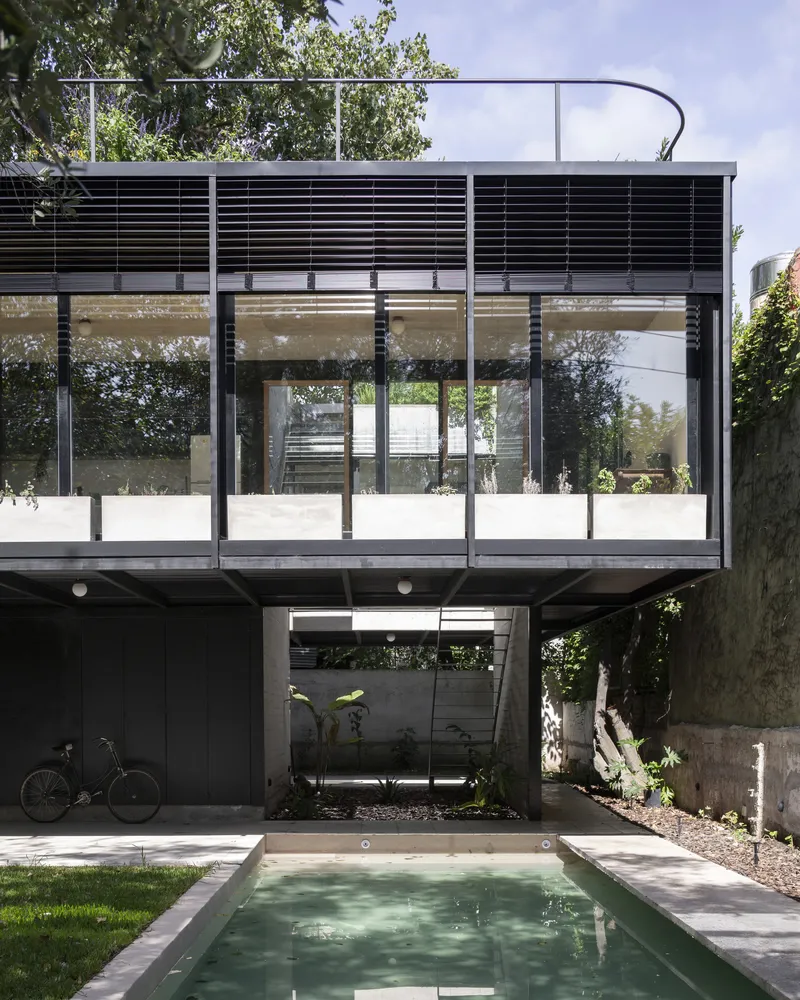
Structural and Spatial Innovation
The house’s structure consists of three concrete walls supporting the first-floor slab. Inverted beams with corbels suspend a metal structure, forming the ground-floor slab. This innovative approach defines four distinct use areas per floor, including a sanitary core, vertical circulation void, and lateral spaces parallel to the street. The built volume is strategically set back from property boundaries, allowing continuous air flow and visual independence from neighboring buildings.
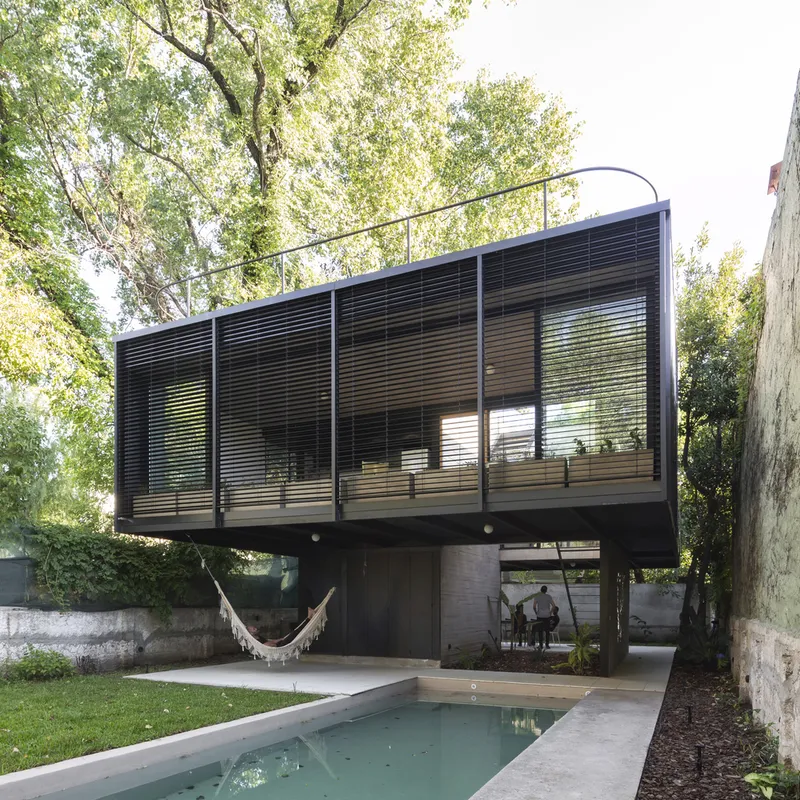
Light materials complement the concrete partitions, enabling flexible reconfiguration of functional spaces over time. Envelope planes adapt to each orientation, optimizing daylight, shading, and natural ventilation.
Sustainable Technology and Passive Design
ATO House incorporates advanced sustainable systems to enhance thermodynamic efficiency:
- High-performance carpentry, flowerbeds, and robotic blinds provide variable environmental mediation.
- A geothermal system leverages groundwater temperatures for year-round heating and cooling.
- Photovoltaic panels reduce grid electricity consumption.
- Home automation centralizes lighting, irrigation, and security, optimizing energy use and comfort.
These features work together to create a resilient, environmentally conscious residence, blending modern architecture with ecological stewardship.
All photographs are works of
Federico Cairoli




Popular Articles
Popular articles from the community


Co-life: Sustainable Architecture for Age-Friendly Community Living
Co-life reimagines sustainable architecture for seniors through courtyards, rammed earth, shared gardens, and spaces designed for belonging.
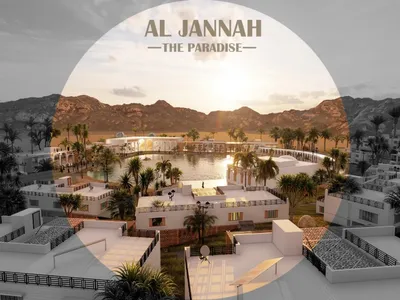
AL-JANNAH: Sustainable Architecture and Permaculture for Afghan Widows
AL-JANNAH uses sustainable architecture and permaculture to create resilient oasis of housing, learning, work and renewal for Afghan widows.

Conexión: Biophilic Design Reimagines High-Rise Living in Hong Kong
Conexión reimagines high-rise living in Hong Kong through biophilic design, green facades, shared spaces, daylight, water and nature within.

The Musturak Paradise: Senior Living Architecture for a Connected Future in Temara, Morocco
The Musturak Paradise reimagines senior living architecture in Temara via private homes, social spaces, culture, community, and shared care.


Similar Reads
You might also enjoy these articles

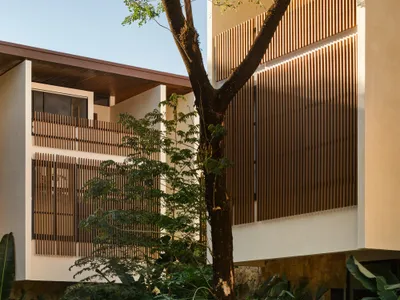
FAMM Arquitectura Organizes Ten Villas Around Courtyards and Jungle in Nosara, Costa Rica
El Molino pairs two elongated volumes with deep overhangs and timber louvers to build a compact coastal community five minutes from the beach.
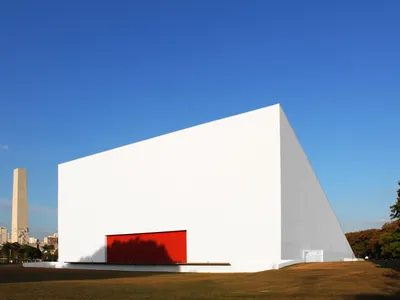
Oscar Niemeyer's Ibirapuera Park Pavilions Define São Paulo's Cultural Identity in Concrete and Curve
A constellation of modernist volumes set within São Paulo's most important urban park, conceived for the city's 400th anniversary in 1954.
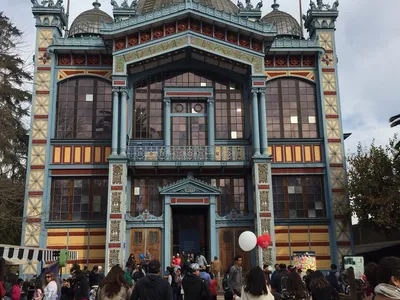
How Henri Picq's 1889 Paris Pavilion Traveled 11,000 Kilometers to Become Santiago's Artequín Museum
A prefabricated iron and glass pavilion built for the Paris Universal Exposition found a second life as a children's art museum in Chile.
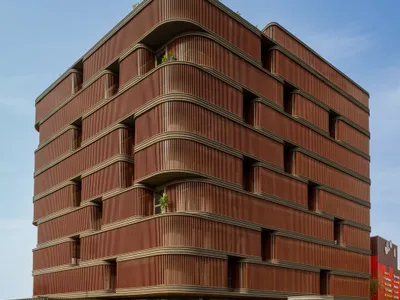
Sanjay Puri Architects Wraps a Jaipur Office Tower in Capsule-Shaped Green Buffers
A nine-level climate-responsive workplace near Jaipur Airport uses stacked planter terraces and aluminium screens to fight 40°C heat.
Explore Architecture Competitions
Discover active competitions in this discipline



Challenge to reimagine the Iron Throne


Photograph architecture without architects


Illustrate the lost glory of Angkor Wat - Render Challenge


Design challenge to reuse E-waste
Comments (0)
Please login or sign up to add comments
No comments yet. Be the first to comment!