
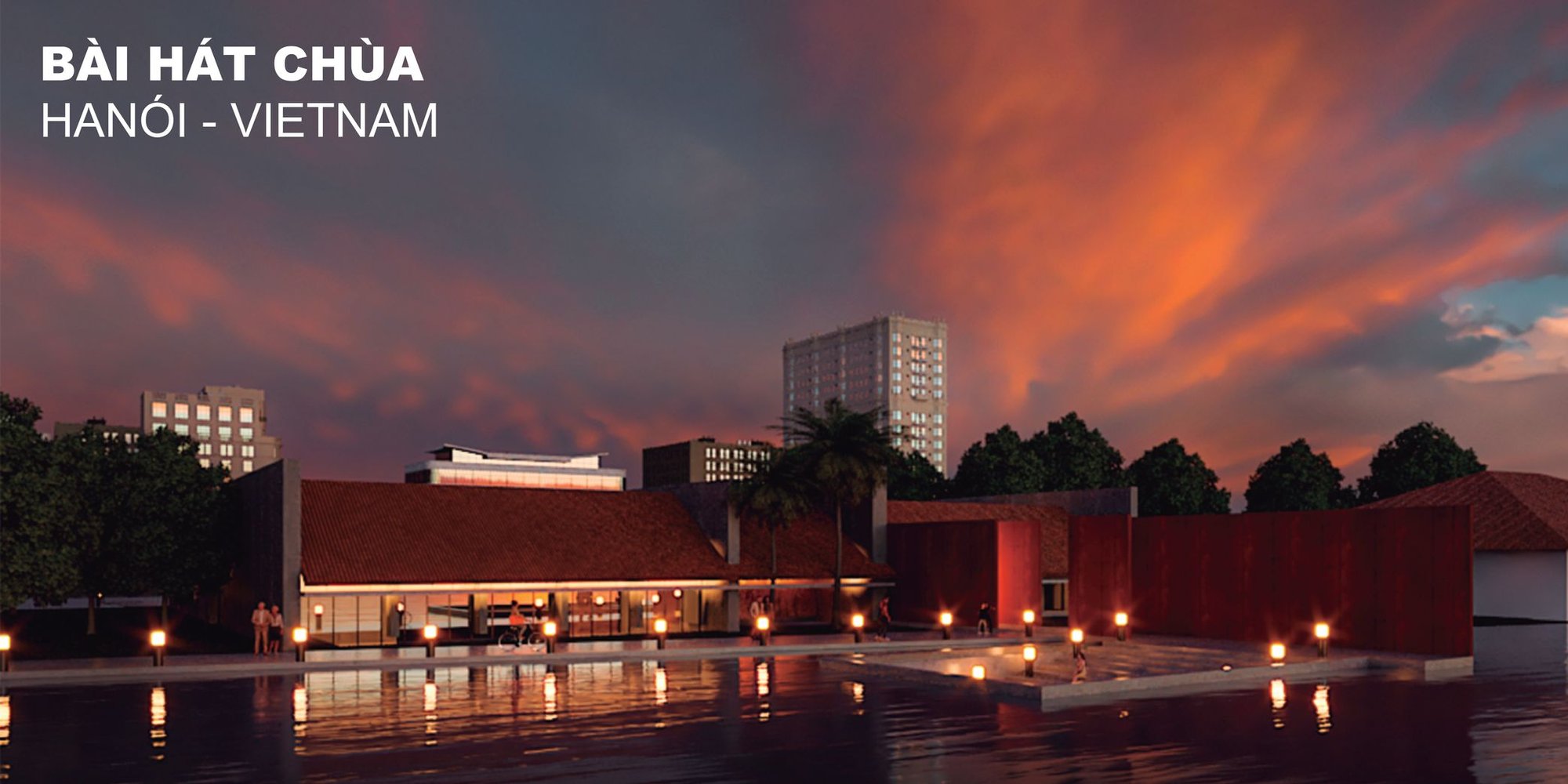
Bài Hát Chùa: An Architectural Harmony in Hanoi
A detailed look at the Bài Hát Chùa Music Center's cultural and architectural harmony in Hanoi.

In the heart of Hanoi, where music and art are intrinsic to the city's soul, stands the Bài Hát Chùa Music Center. This architectural marvel, designed by Hugo Pelaez and the winner of the Save Song competition, is a testament to the seamless fusion of cultural, architectural, and natural elements. The project, nestled in Quang An, is a beacon of harmony and culture, honoring Hanoi's rich musical roots.
Concept and Design Philosophy
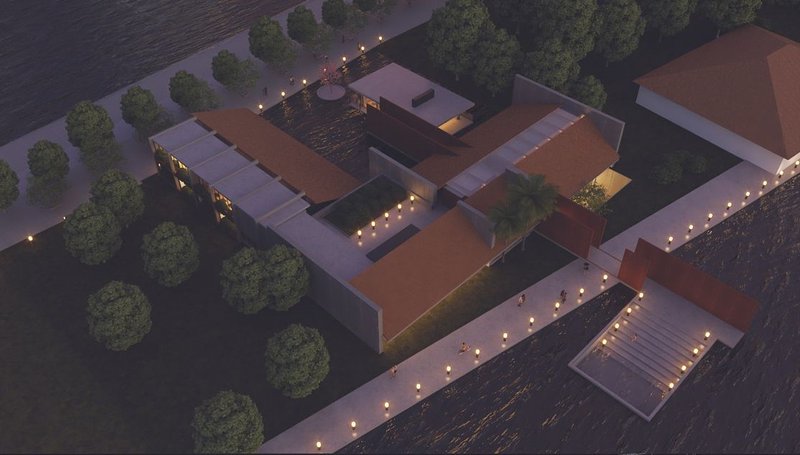
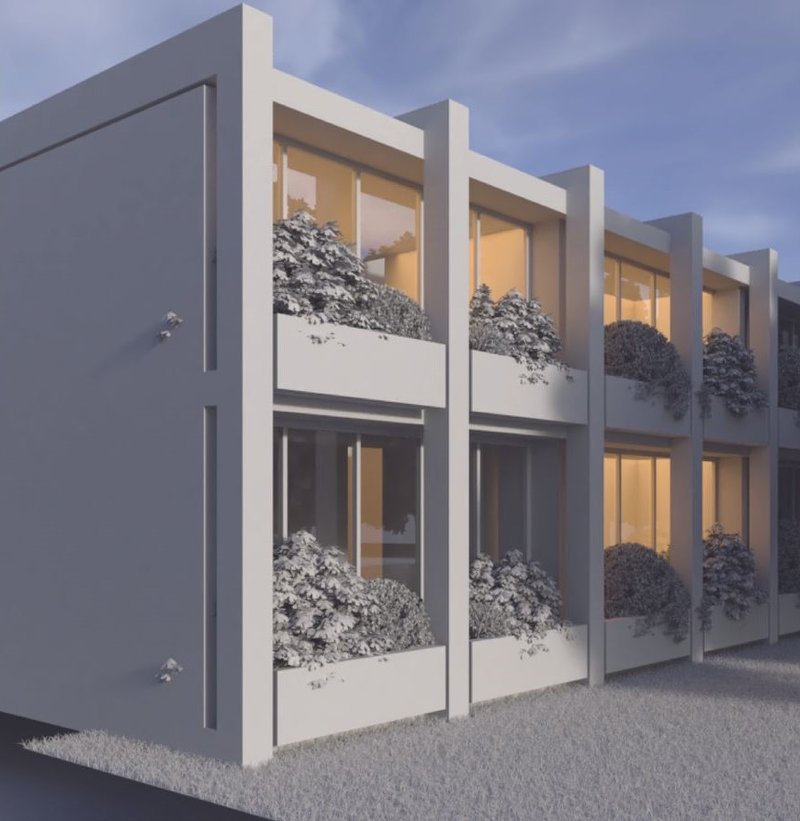
The Bài Hát Chùa Music Center, or Song of the Temple, is a masterpiece that harmoniously merges traditional and contemporary design elements. The architecture serves as a living monument to Vietnamese music, embodying the essence of the country's cultural heritage. The use of sturdy concrete symbolizes the resilience of Vietnamese culture, while wood represents local craftsmanship, creating an authentic and timeless design.
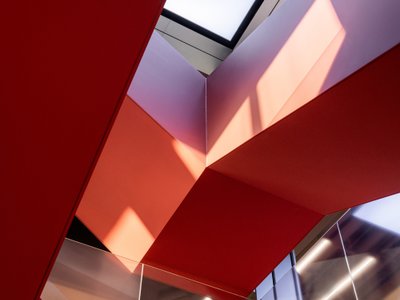
The design palette includes colors that evoke spirituality, such as red and yellow, intertwined with the elegance of black, creating a vibrant and dynamic canvas. This blend of colors not only enhances the visual appeal but also resonates with the spiritual undertones of the center.
Integration with Nature
One of the most striking features of the Bài Hát Chùa Music Center is its integration with the surrounding natural environment. The center is surrounded by a mirror of water, symbolizing purity and fluidity, which merges seamlessly with the natural lakes. This water element not only enhances the aesthetic appeal but also creates a serene and tranquil atmosphere, conducive to musical and artistic endeavors.
The site plan shows how the project is strategically placed between two bodies of water, with a large green area and a Vietnamese temple nearby. This layout creates a harmonious composition, blending traditional, spiritual, material, and cultural elements into a cohesive whole.
Functional Spaces
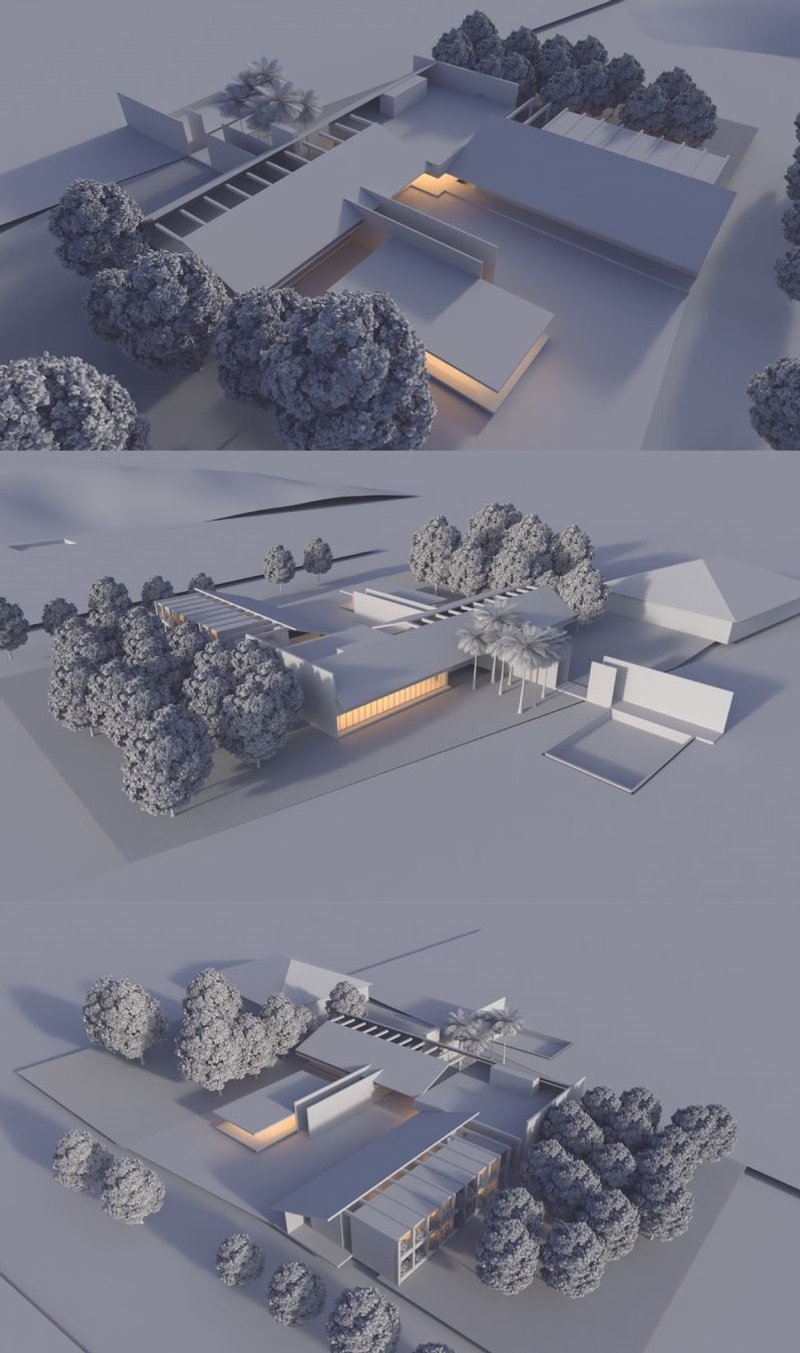
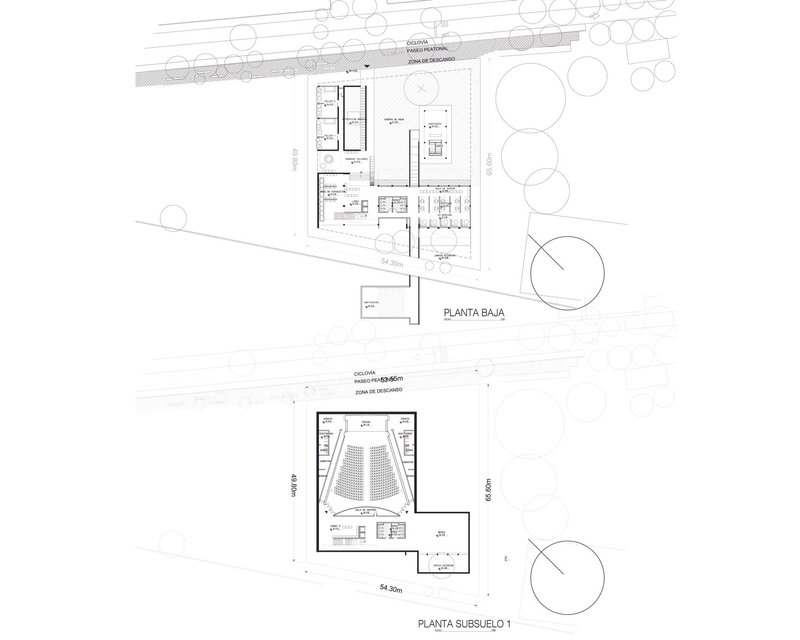
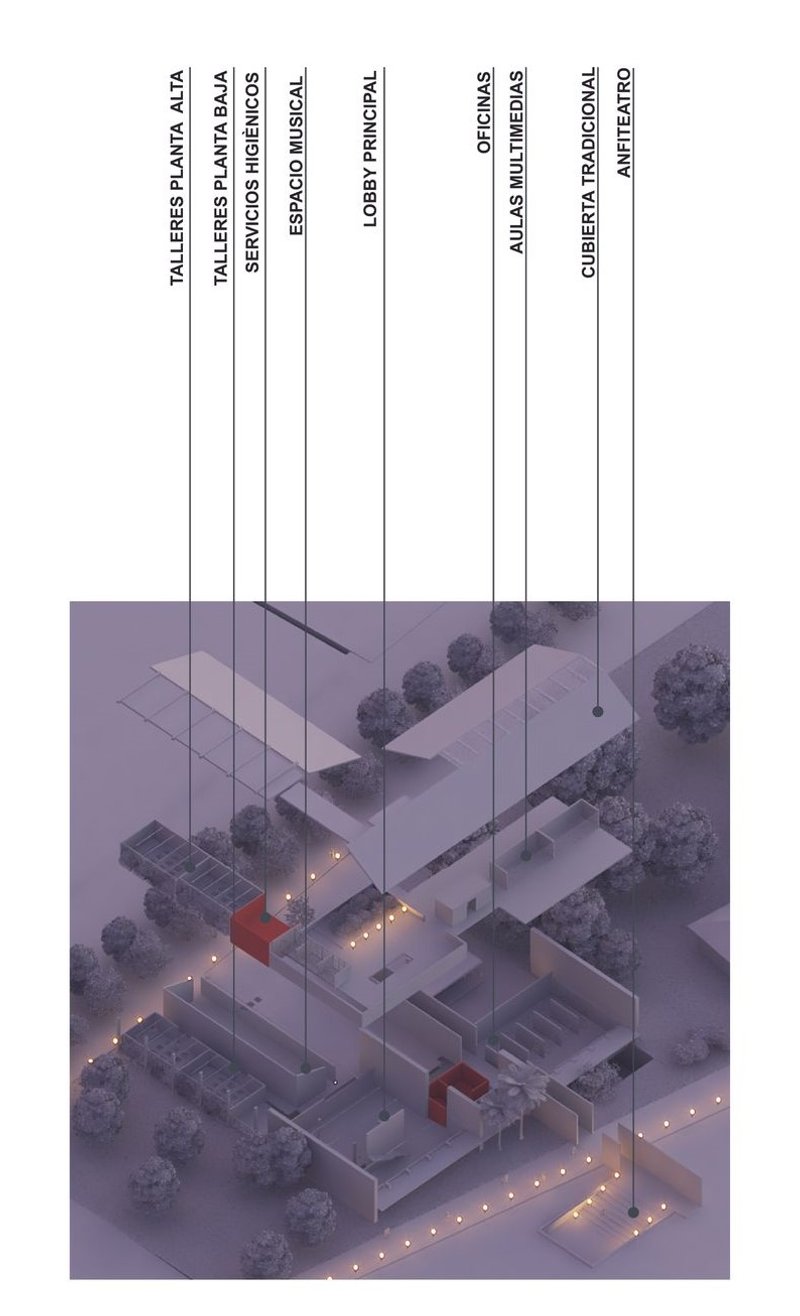
The Bài Hát Chùa Music Center is composed of five distinct blocks, each designed to fulfill a specific function related to the practice and display of traditional music. These blocks include:
Theater: A space for performances, showcasing traditional Vietnamese music and dance.
Recording Studio: Equipped with state-of-the-art technology for recording and producing music.
Musical Exhibition: A gallery space for exhibits related to the history and culture of Vietnamese music.
Workshops: Areas designated for teaching and practicing music.
Lobby and Rest Areas: Spaces for relaxation and social interaction, enhancing the community aspect of the center.
Structural Design and Materials
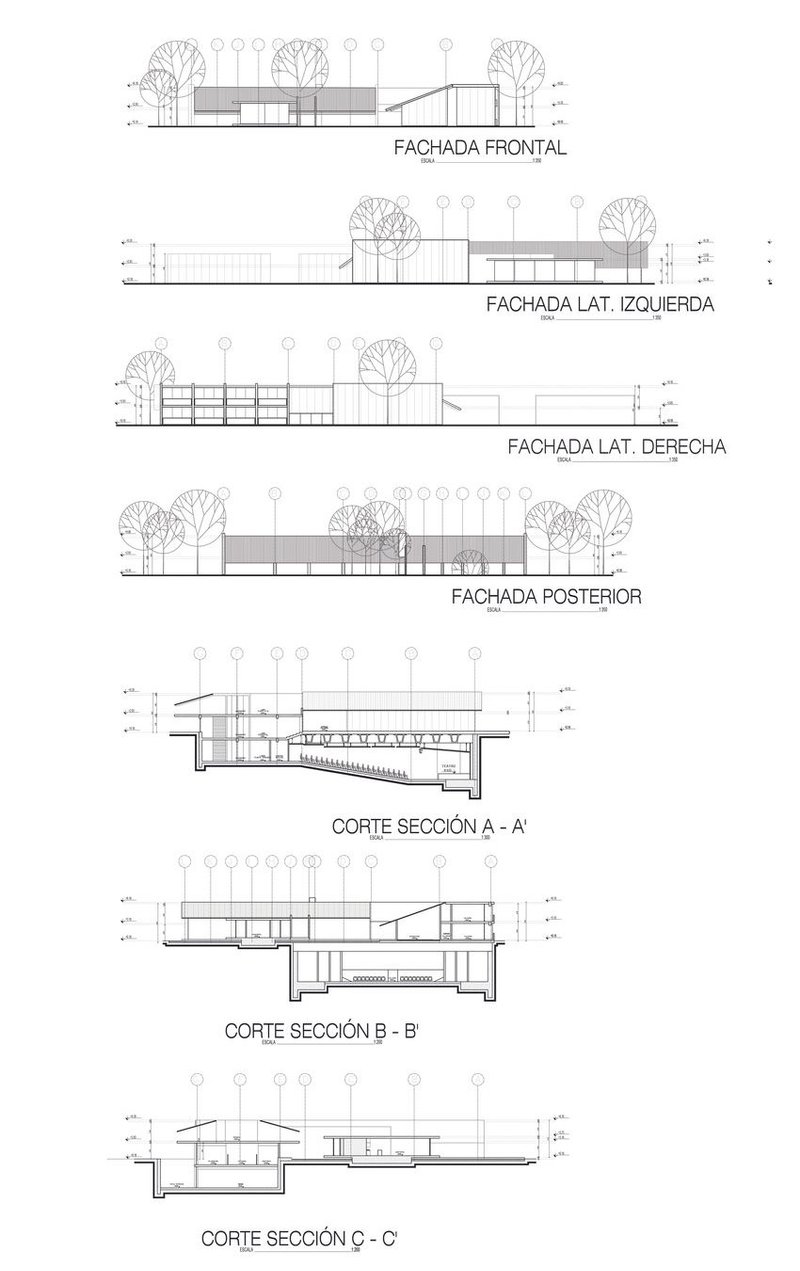
The structural design of the Bài Hát Chùa Music Center is characterized by a constructive system that ensures harmonious integration with its natural surroundings. The main strategy is based on two types of structures: the load-bearing structure and the portico structure. This dual approach optimizes the interior spaces for both musical and exhibition functions, ensuring flexibility and functionality.
Materials play a crucial role in the design. The predominant use of concrete and wood in their pure states translates into an authentic and timeless aesthetic. The combination of these materials not only provides durability but also reflects the cultural significance of Vietnamese craftsmanship.
Dark and Contemplative Spaces
The interior design includes dark spaces, where large concrete walls create a sense of spirituality and contemplation. These areas, combined with water elements, generate a melody of their own, where music and nature coexist in perfect harmony. The play of light and shadows in these spaces enhances the sensory experience, making it a worthy setting for musical admiration and reflection.
The Bài Hát Chùa Music Center is more than just a building; it is a cultural landmark that honors and promotes the rich musical traditions of Hanoi. By integrating harmoniously with the surrounding natural environment, characterized by lagoons and scenic landscapes, the center provides a serene and inspiring space for the practice and display of traditional music. This architectural masterpiece, with its elegant synthesis of contemporary and traditional elements, stands as a testament to Hanoi's cultural legacy, ensuring that music and harmony thrive in this vibrant city.




Popular Articles
Popular articles from the community

Ippolito Fleitz Group Identity Architects Turn Eight Floors in Shanghai into a Vertical Creative City
Publicis Groupe's new headquarters in Xintiandi reimagines the office as a courtyard-driven urban landscape stacked across eight floors.
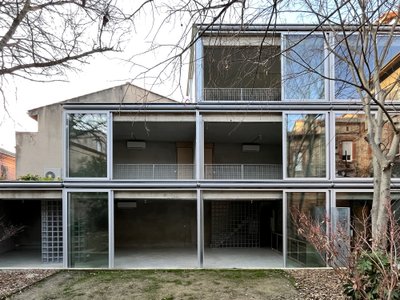
BAST Slots a Four-Story Glass House into a Narrow Gap Between Toulouse Townhouses
In the dense Bonnefoy district, a stepped infill building merges home and office while preserving a majestic hackberry tree.
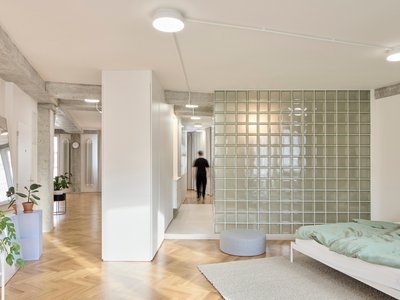
RDTH architekti Rips Out Nearly Every Wall in a Prague Apartment and Replaces Them with Furniture
A 101-square-meter post-war flat in Prague trades rigid partitions for a single rotated furniture block, curtains, and glass concrete.
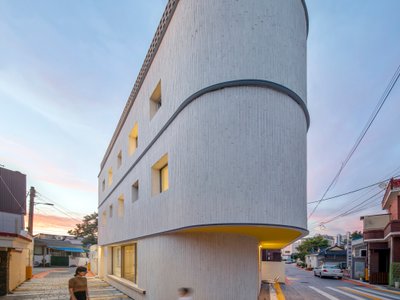
YOAP Architects Round a Corner in Yeongcheon with a Cylindrical Community Hub
A 197-square-meter brick and ribbed-clad tower turns a forgotten alley corner in South Korea into a public garden with a low threshold.


Similar Reads
You might also enjoy these articles

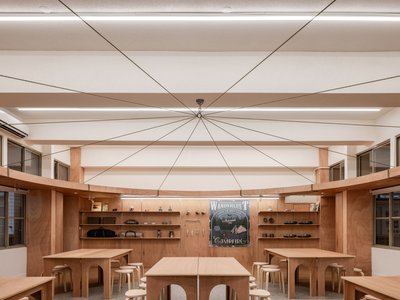
317studio Turns an 87 m² Classroom into a Forest Clearing for Scouts in New Taipei City
A rope canopy, student-made specimens, and campfire geometry replace rows of desks in this Scouting classroom in Xizhi District.
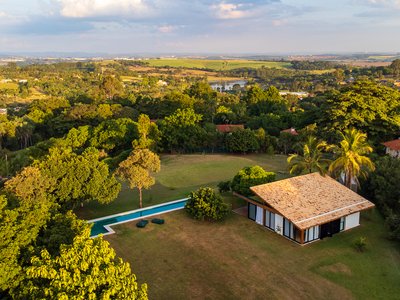
24 7 Arquitetura Builds a Timber Pavilion as a Family's First Act on a 5,000 m² Brazilian Plot
In Jaguariúna, a prefabricated glulam house nestles among mature trees as the opening move of a larger residential masterplan.
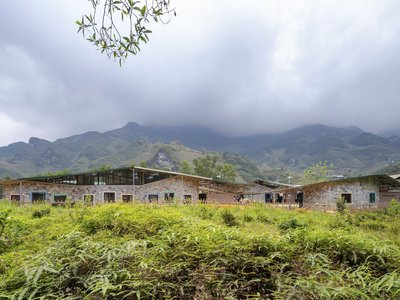
1+1>2 Architects Build a School from 900 Blocks of Hmong Stone on Vietnam's Rocky Plateau
On a barren valley in Ha Giang province, a community quarried its own stone to raise a kindergarten and primary school rooted in Hmong identity.
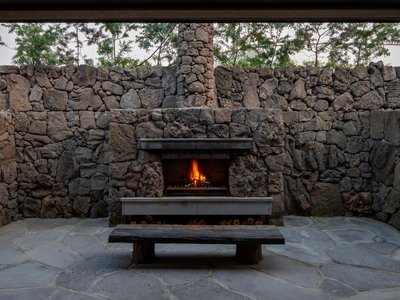
100A Associates Builds a Volcanic Stone Retreat on Jeju Island Rooted in Ritual and Restraint
Watarstay [Wa:Tar] in Bongseong-ri channels Jeju's basalt, reed, and hemp into a 150 m² hospitality space shaped by contemplation.


Explore Architecture Competitions
Discover active competitions in this discipline




The International Standard for Design Portfolios


The Global Benchmark for Architecture Dissertation Awards


The Global Benchmark for Graduation Excellence


Challenge to design an urban locus of culture and heritage
Comments (0)
Please login or sign up to add comments
No comments yet. Be the first to comment!