
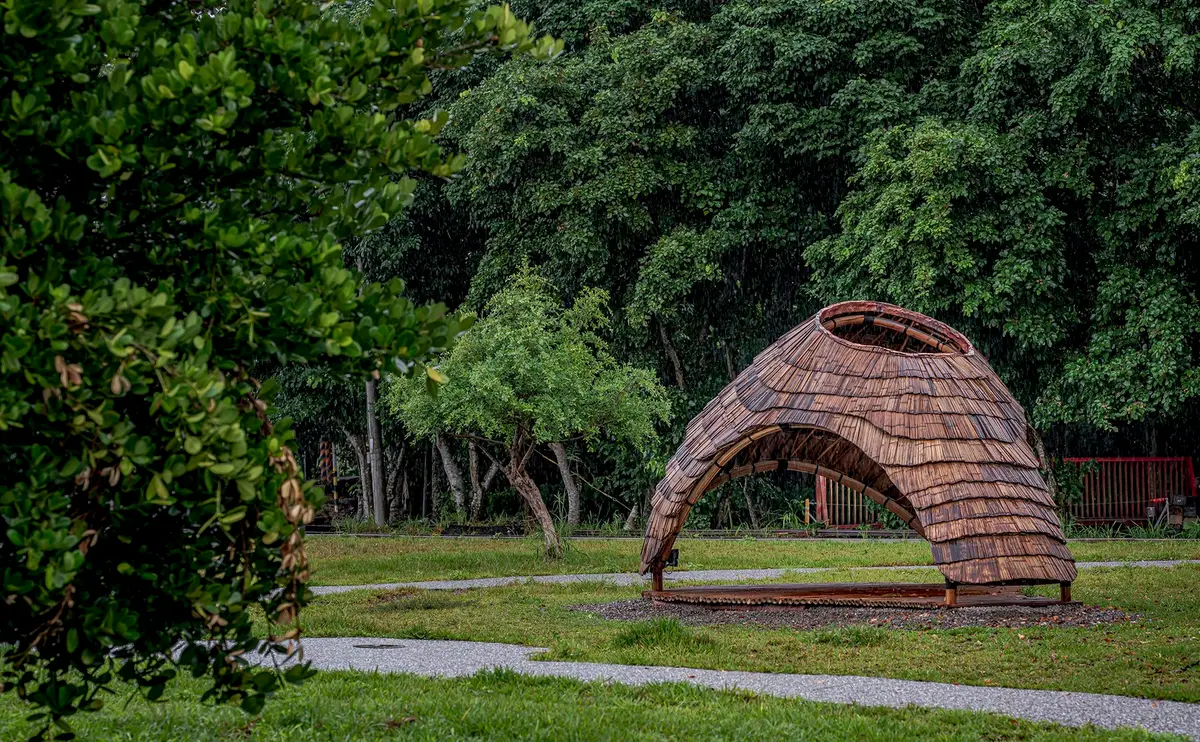
Bamboo Pavilion Architecture: The Symbiosis Pavilion by Yuan Architects in Taiwan
The article explores the Symbiosis Pavilion, showcasing innovative bamboo architecture blending tradition, sustainability, and modern design in Taiwan.


Bamboo Pavilion Architecture
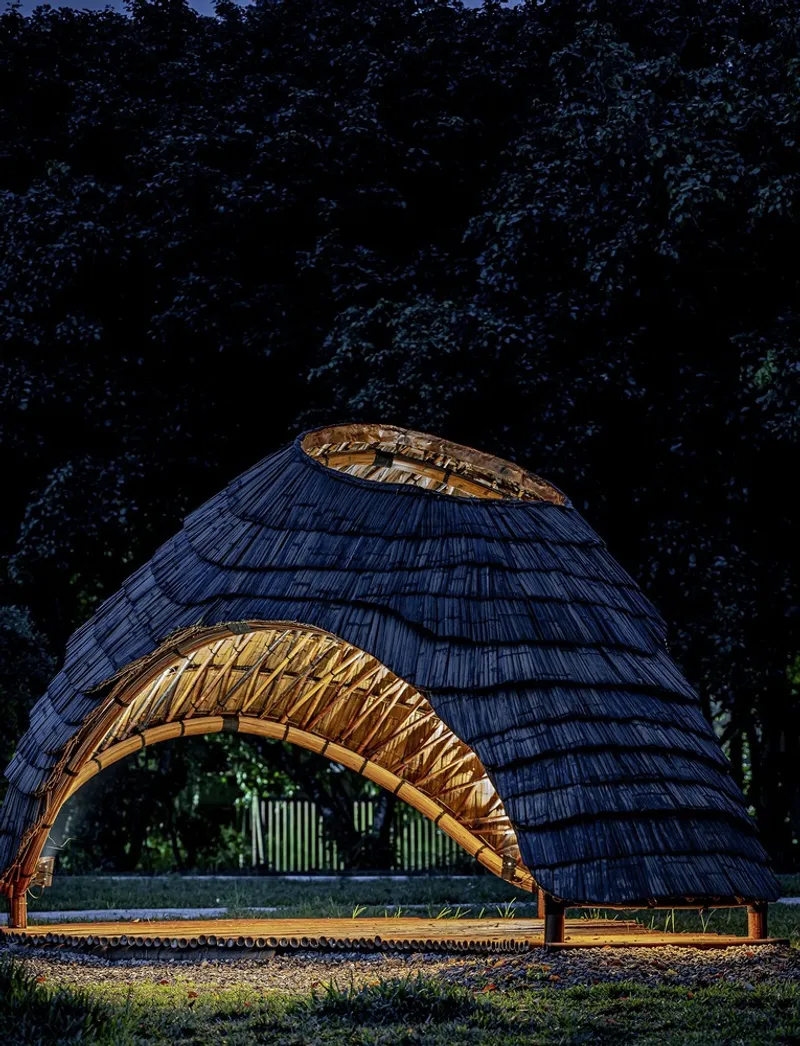
Bamboo has been a versatile and sustainable material in architecture for centuries. Yuan Architects' Symbiosis Pavilion, located in Chiayi, Taiwan, exemplifies the potential of bamboo in modern pavilion architecture. This innovative structure harmonizes traditional materials with contemporary design, celebrating the region's rich history and natural beauty.
Location and Significance
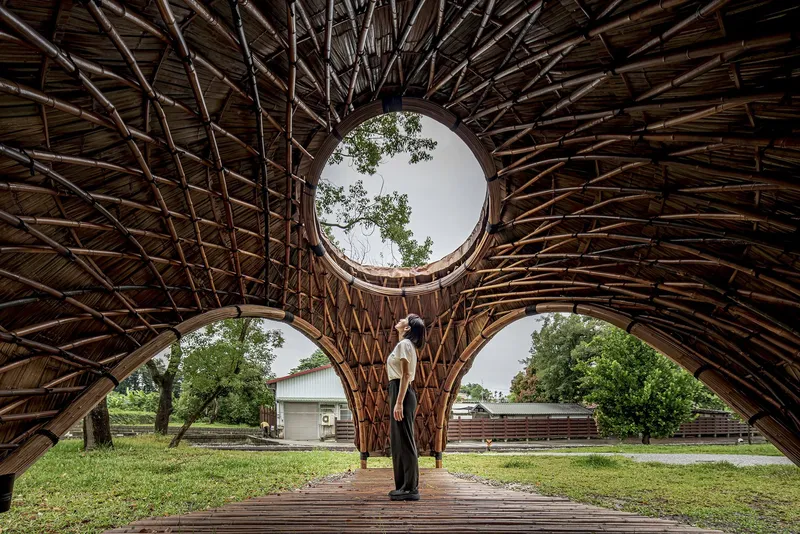
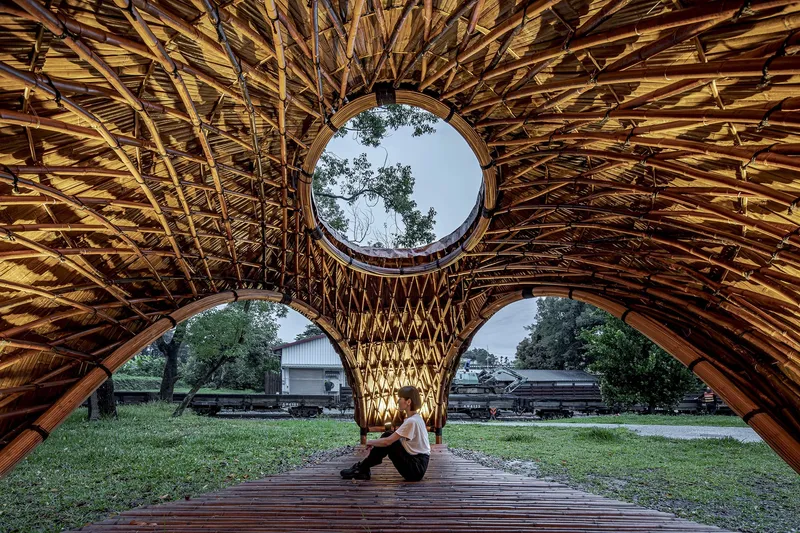
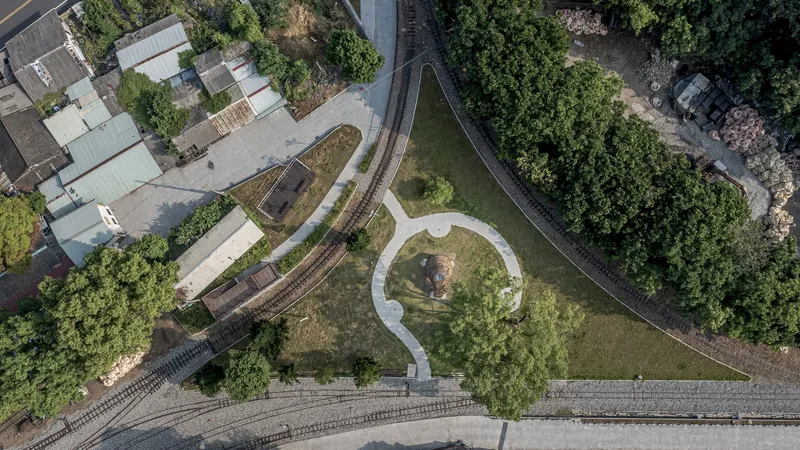
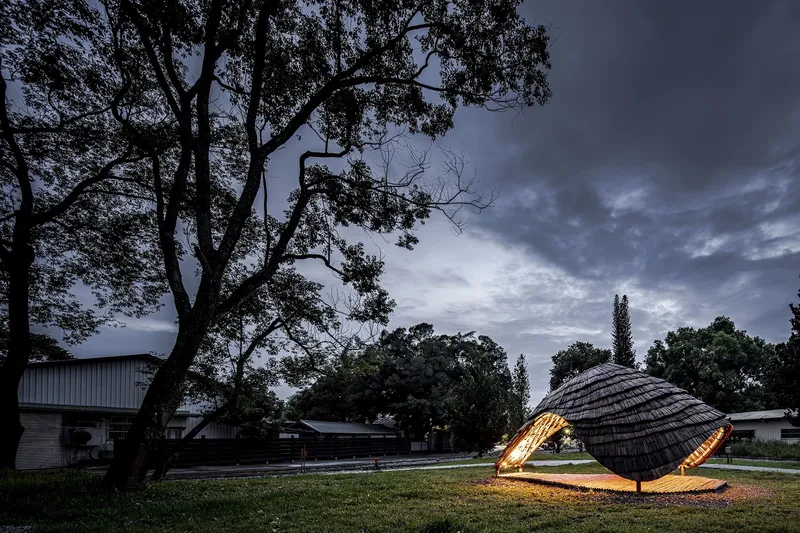
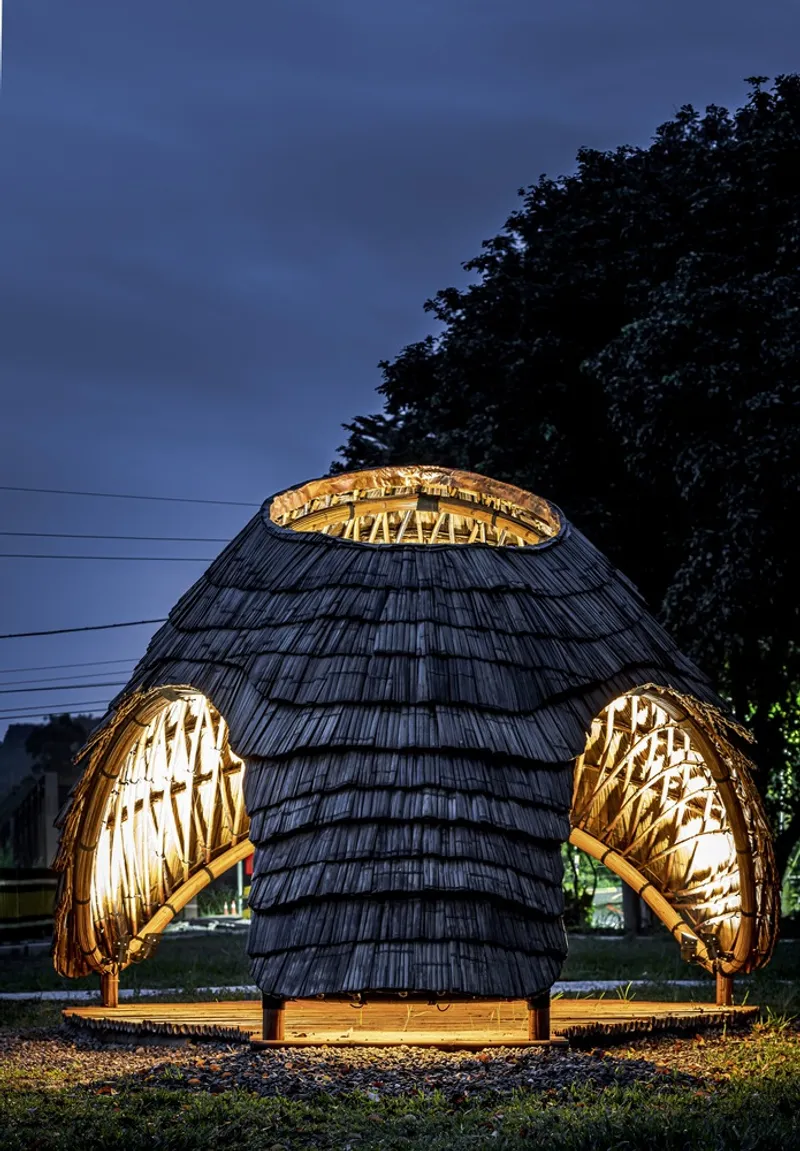
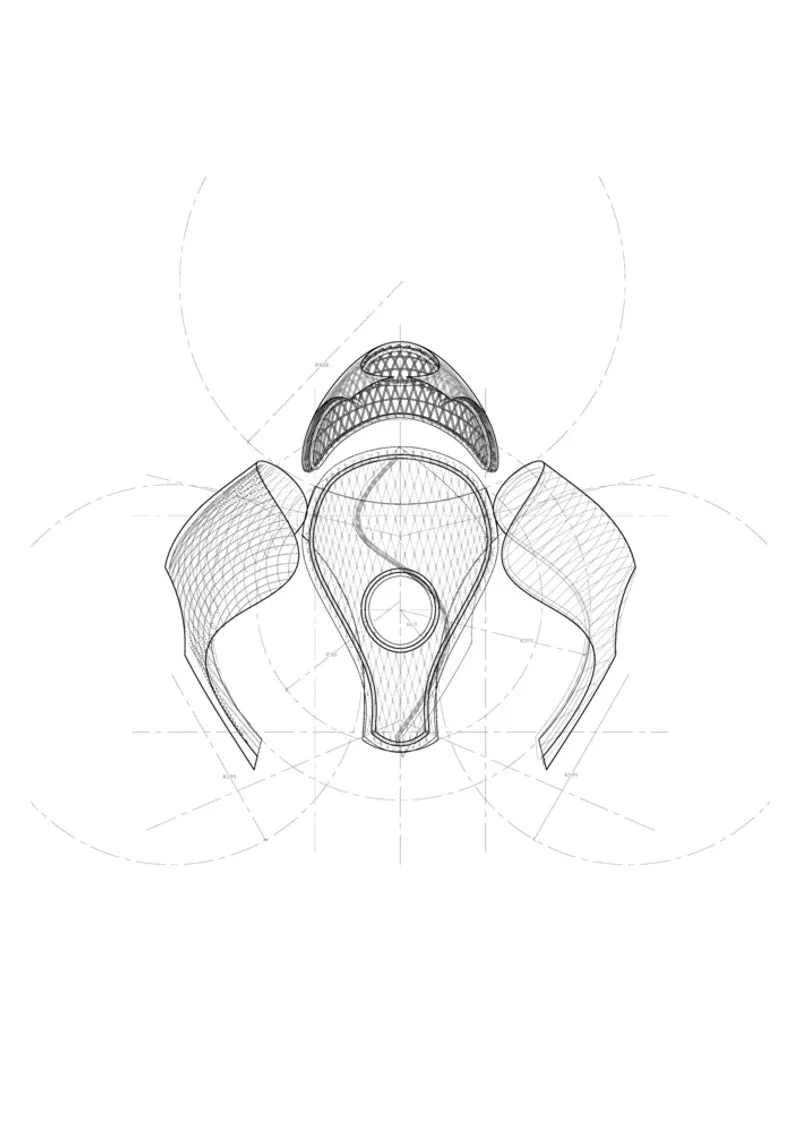
The Symbiosis Pavilion is situated at Zhuqi Station, a historical junction where the forest railway converges and diverges. This unique location inspired the pavilion's triangular base, symbolizing the interconnectedness of the past and future of the Zhuqi forest railway.
Design Philosophy: A Blend of Tradition and Modernity
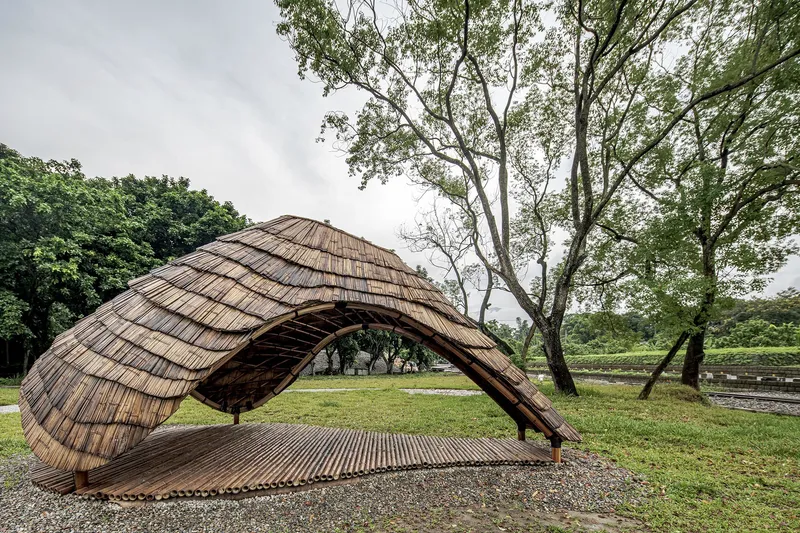
The pavilion's design combines the elegance of bamboo forests with the structured geometry of industrial railways. Using bamboo as the primary material, Yuan Architects created a tensile and rhythmic spatial structure that resonates with the local culture while embracing modern construction techniques.
Structural Highlights
1. Sustainable Bamboo Construction
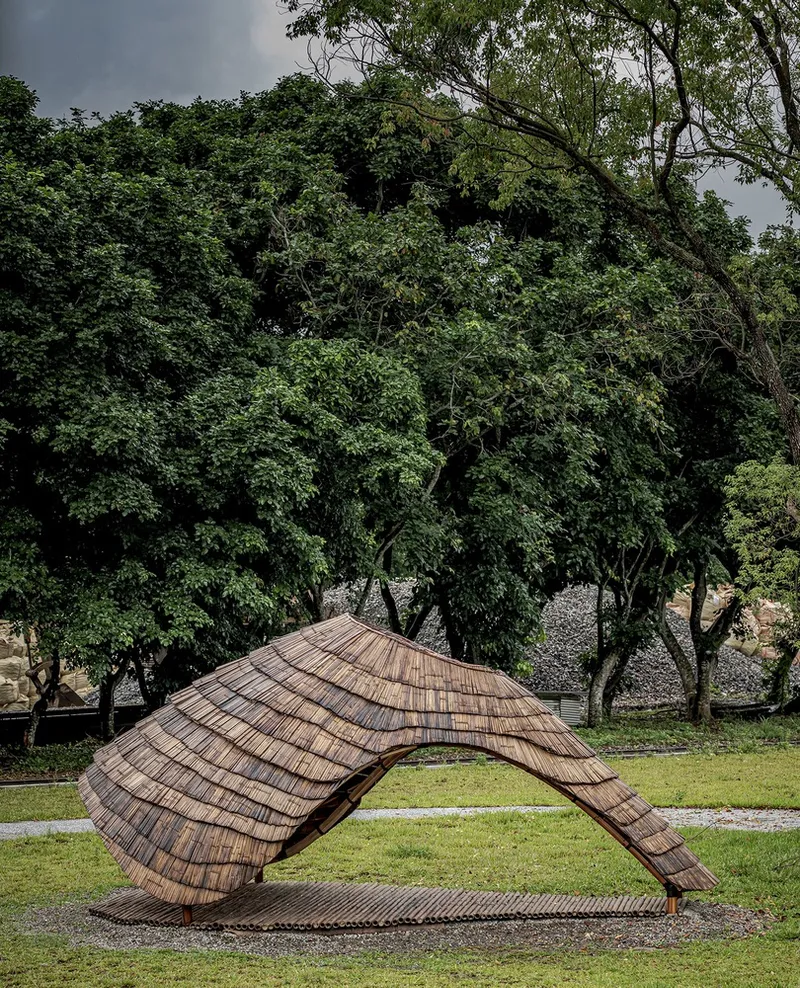
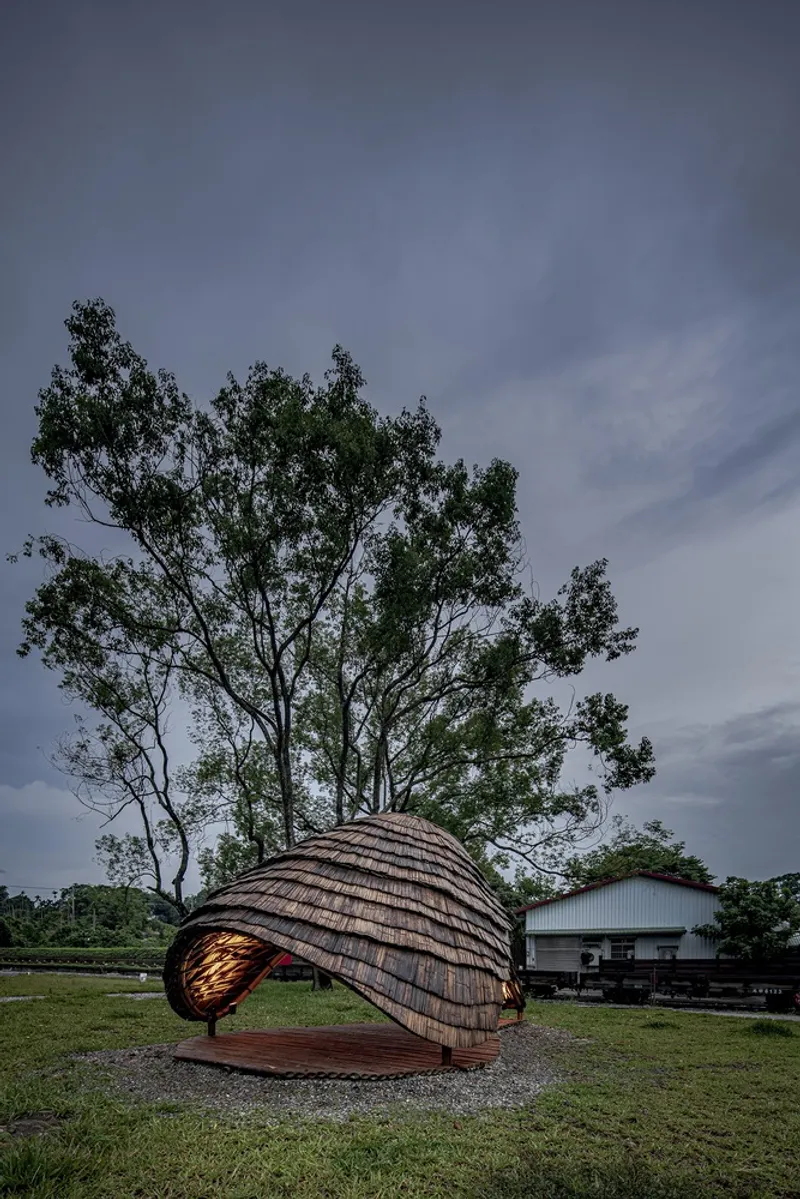
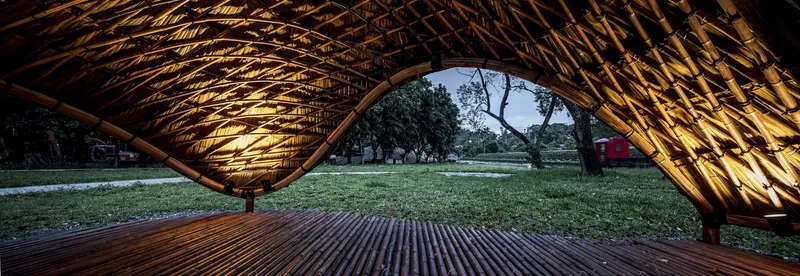
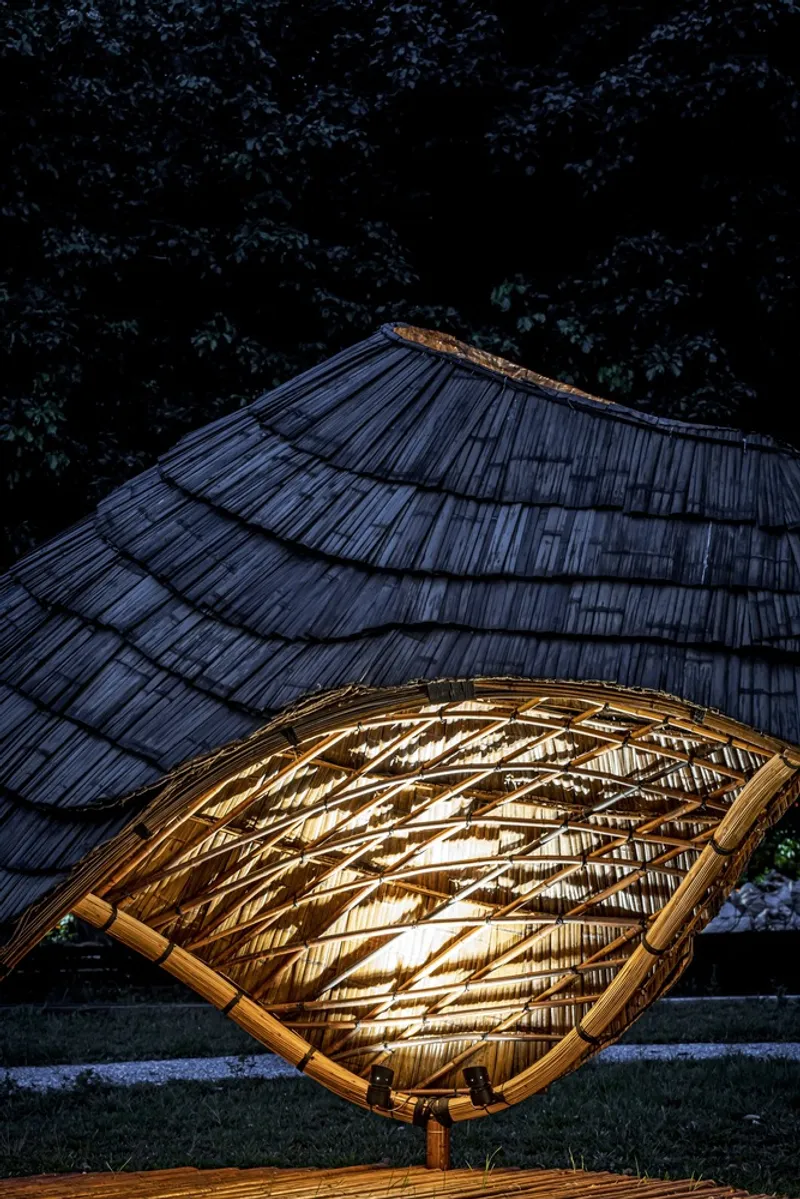
Bamboo, renowned for its flexibility and strength, forms the backbone of the pavilion. This material is not only eco-friendly but also aligns with the principles of circular sustainability. The bamboo tiles covering the hyperboloid rooftop enhance the pavilion’s visual appeal and functionality.
2. Metallic and Bamboo Fusion
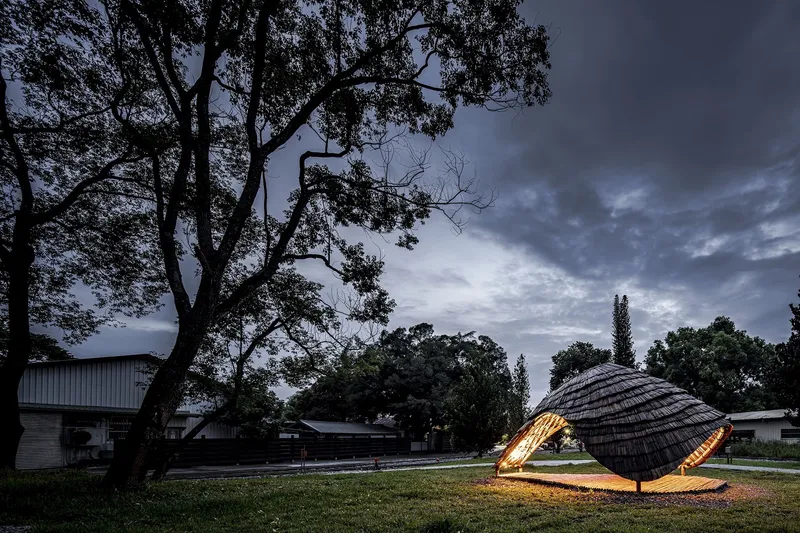
The structural design incorporates the rigidity of metal with the flexibility of bamboo. This fusion ensures the pavilion is both sturdy and adaptive, echoing the balance of natural and industrial elements.
3. Hyperboloid Rooftop Design
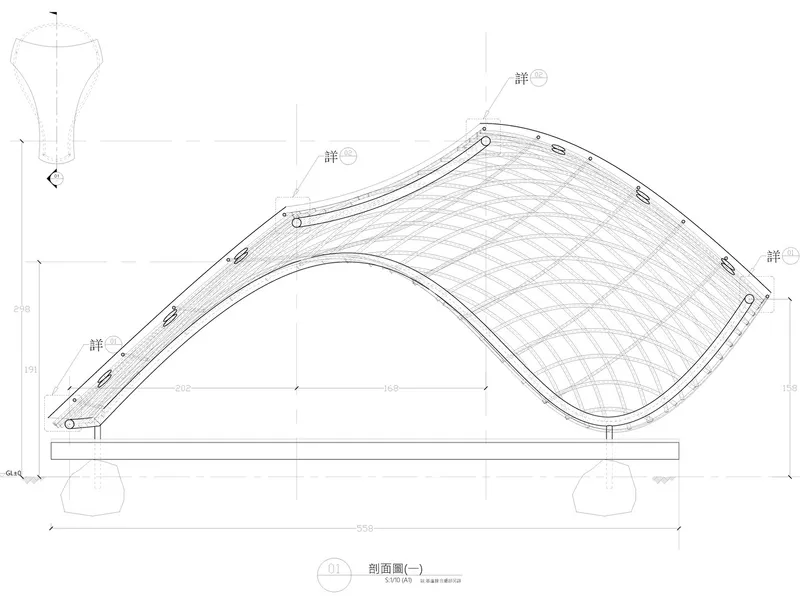
The pavilion’s hyperboloid rooftop is a standout feature. Covered with bamboo tiles, it showcases the versatility of bamboo in creating complex geometric forms, emphasizing the interplay between tradition and innovation.
Cultural and Environmental Impact
The Symbiosis Pavilion goes beyond aesthetic appeal—it represents a dialogue between architecture and nature. By using locally sourced bamboo, the project minimizes its carbon footprint while supporting regional craftsmanship. Moreover, the pavilion acts as a cultural landmark, connecting visitors with the historical and ecological essence of the Zhuqi forest railway.
Key Features of the Symbiosis Pavilion
a. Eco-Friendly Design
Sustainability is at the core of the pavilion. The use of bamboo not only reduces environmental impact but also promotes renewable materials in modern architecture.
b. Cultural Resonance
The pavilion’s design reflects the cultural identity of Zhuqi, merging the traditional aesthetics of bamboo forests with the industrial legacy of the railway.
c. Innovative Geometry
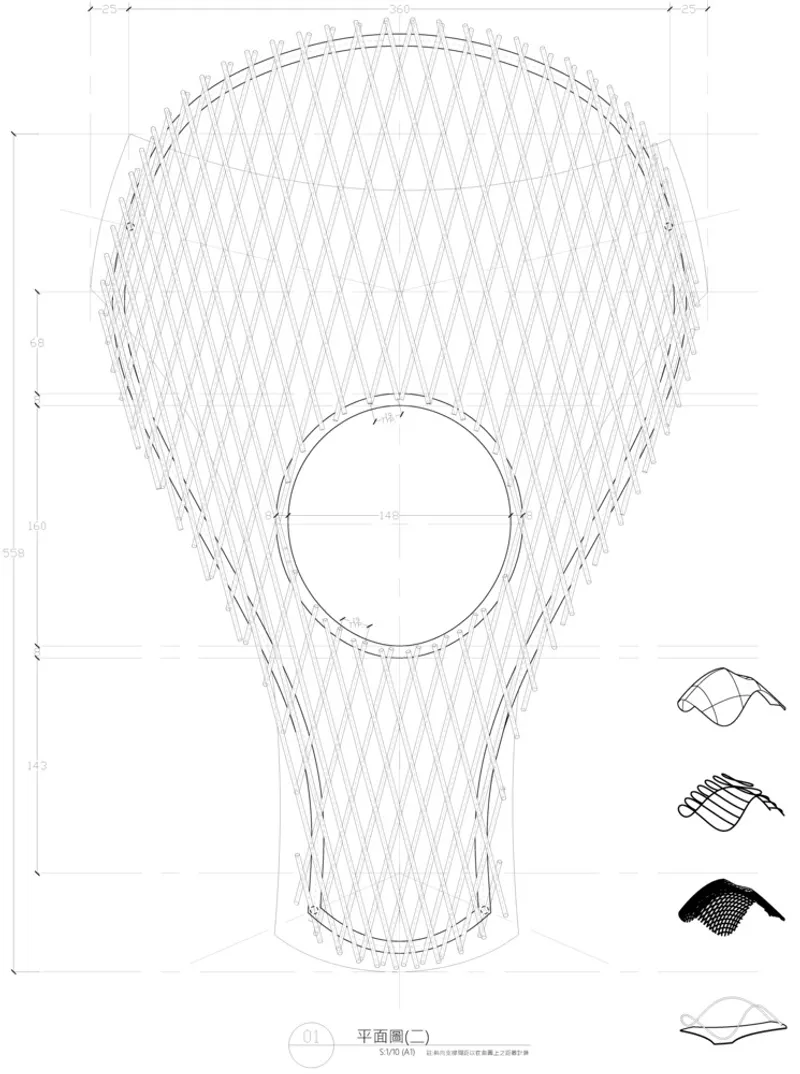
Through digital fabrication techniques, the bamboo structure achieves a geometric complexity that is both functional and visually captivating.
The Future of Bamboo Pavilion Architecture
The Symbiosis Pavilion is a testament to how traditional materials like bamboo can be reimagined in contemporary architecture. It sets a precedent for future projects that seek to integrate sustainability, cultural significance, and modern design.
The Symbiosis Pavilion by Yuan Architects stands as a beacon of innovation in bamboo pavilion architecture. It highlights the possibilities of blending tradition with modernity while fostering sustainability and cultural heritage. As architecture continues to evolve, projects like the Symbiosis Pavilion inspire a harmonious coexistence between human design and nature.
All the photographs are work of Bamboo New Field


Popular Articles
Popular articles from the community


Play: Fragments of Their World
Familiar architecture becomes modular playground design, creating safe spaces where displaced children can learn, connect, imagine and play.

Conexión: Biophilic Design Reimagines High-Rise Living in Hong Kong
Conexión reimagines high-rise living in Hong Kong through biophilic design, green facades, shared spaces, daylight, water and nature within.

The Musturak Paradise: Senior Living Architecture for a Connected Future in Temara, Morocco
The Musturak Paradise reimagines senior living architecture in Temara via private homes, social spaces, culture, community, and shared care.

Co-Life: Senior Housing Design That Reconnects Older Adults With the City
Co-Life reimagines senior housing design through healing gardens, shared streets, workshops, and a sustainable community across generations.

Similar Reads
You might also enjoy these articles


Hodi-Mandai Geram
Project Function: Preservation and revitalization of the Intangible heritage and socio-spatial identity of the Hodi by Housing, Cultural Memory Center, Sacred Grove, landscape, local tourism economy


Olio Towers: A Mid-Rise for Performers That Fuses Housing, Rehearsal, and Stage
Located blocks from Houston's Theater District, this modular tower stacks living units around a central performance atrium.

Oasis: Modular Green Housing Carved into Dhaka's Urban Fabric
A shortlisted Plugin Housing entry reclaims unauthorized settlements in Dhaka with stepped concrete volumes, green roofs, and ventilation-driven design.

Black Hole: A Floating Megastructure for the Post-Physical Era
Emiliano Mazzarotto envisions a spherical, self-scaling arena where e-sports, digital hotels, and holographic stadiums replace traditional public space.

Explore Bamboo Construction Competitions
Discover active competitions in this discipline

Challenge to design a portable theatre

Challenge to design a portable music platform

Challenge to design an open learning module for the elderly

Challenge to reimagine the Iron Throne
Comments (0)
Please login or sign up to add comments
No comments yet. Be the first to comment!