
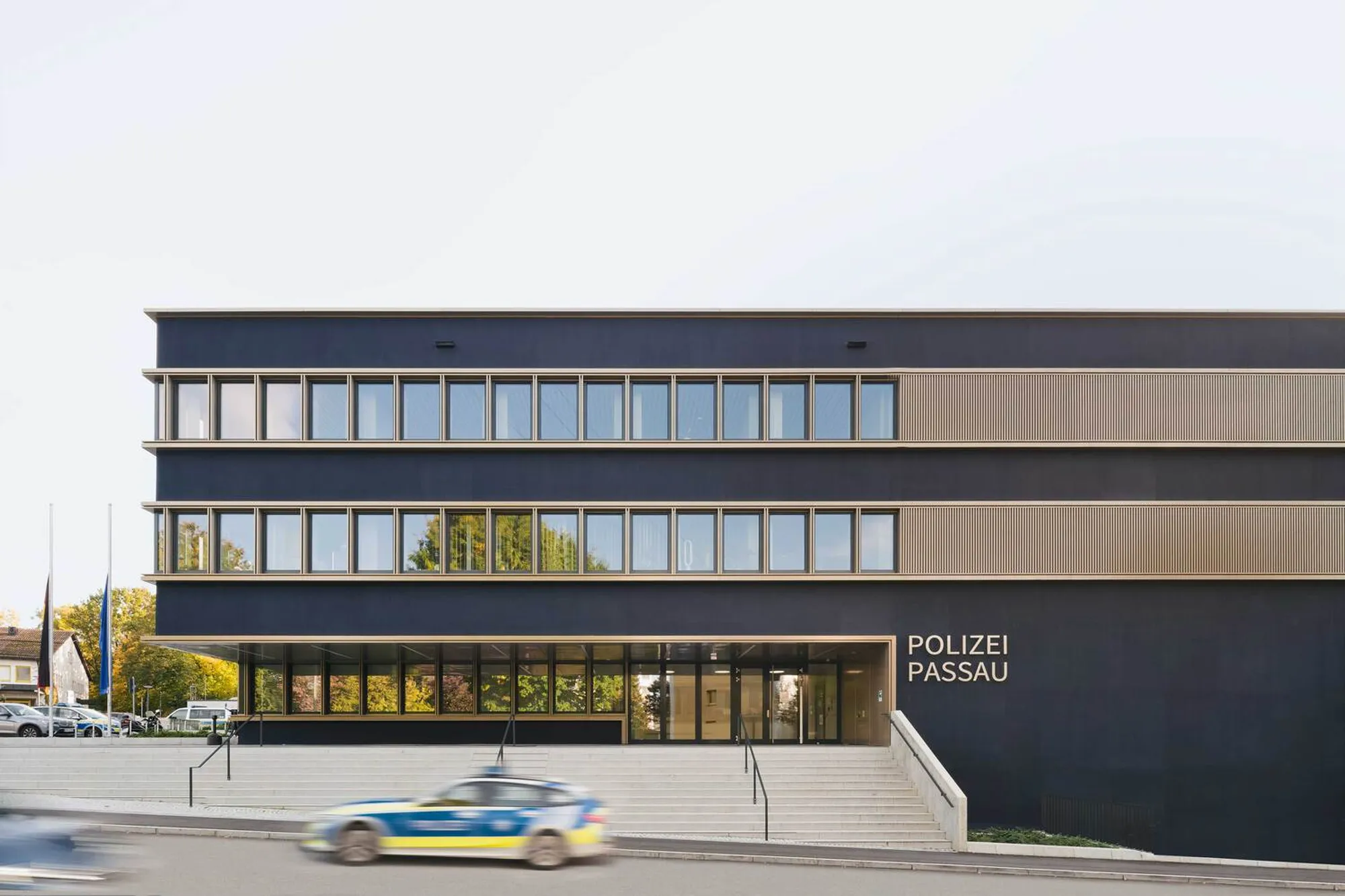
Bavarian State Police Headquarters in Passau by wulf architekten: A Modern Architectural Landmark Integrating Security and Urban Harmony
The Bavarian State Police Headquarters in Passau by wulf architekten combines security, urban integration, and modern courtyard architecture seamlessly.


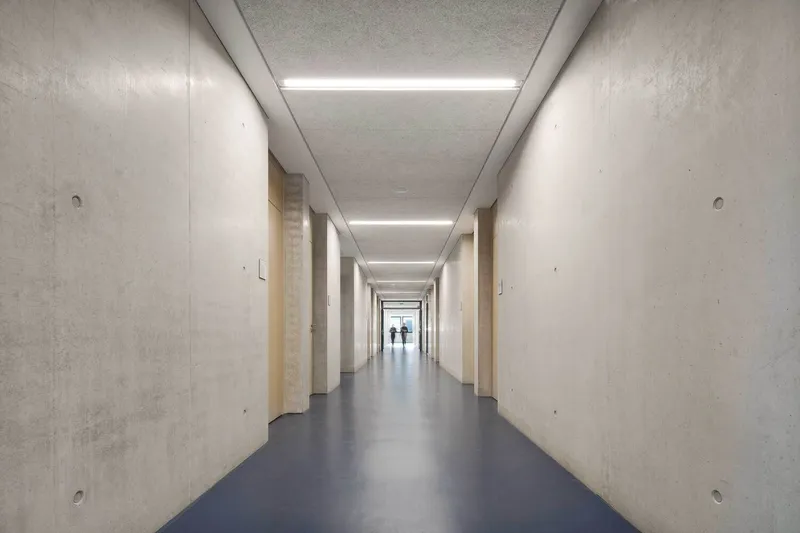
Located in the picturesque city of Passau, Germany, the Bavarian State Police Headquarters, designed by renowned architectural firm wulf architekten, is an exemplary project combining functional security needs with a refined urban presence. Completed in 2022, this 26,000 square meter facility redefines police architecture by harmonizing stringent security requirements with the city's architectural fabric and landscape.
Architectural Concept and Urban Integration
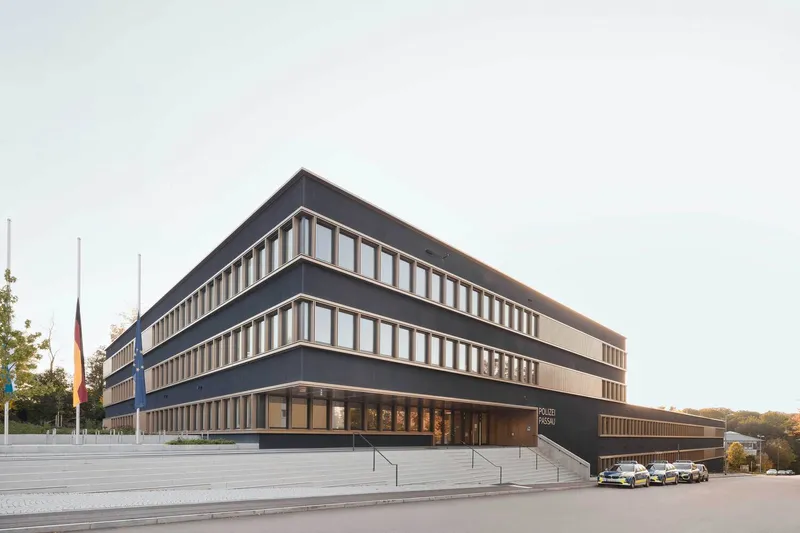
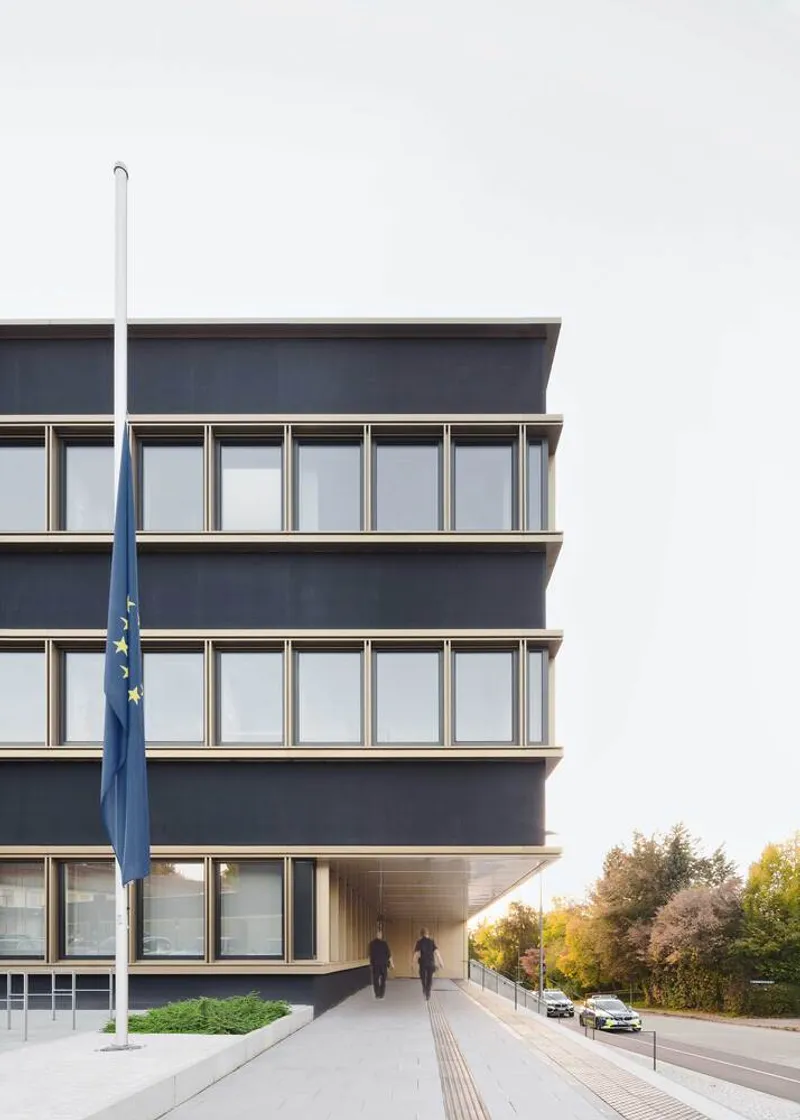
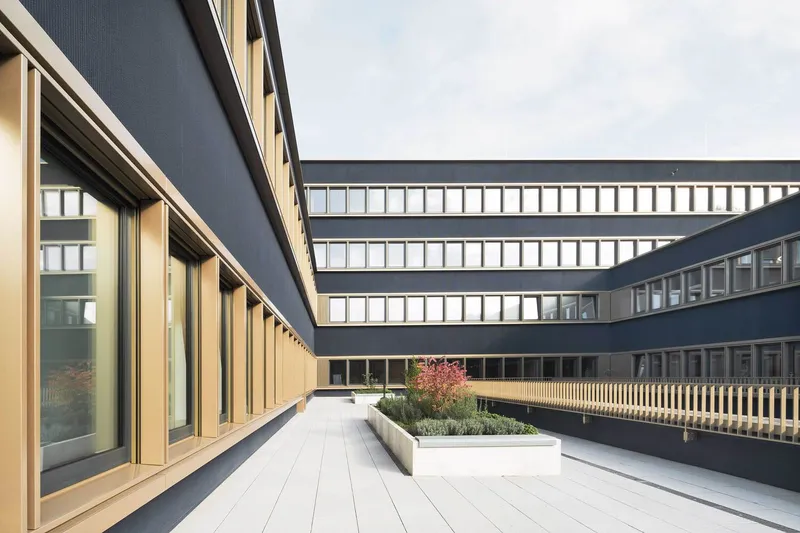
The building’s design follows a clearly defined rectangular contour aligned parallel to Karlsbader Straße, establishing a strong urban order and presence. This layout not only respects the existing cityscape but also creates a visually compelling architectural landmark that corresponds to the building’s importance within Passau. The architects adopted a courtyard typology that thoughtfully adapts to the sloping terrain, enhancing the building's silhouette and establishing an emblematic form that responds dynamically to its site context.
Rather than separating the facility into a main building and a detached garage, the design integrates these functions into one cohesive, courtyard-centered structure. This integration reflects modern principles of functional zoning and spatial efficiency, while contributing to a cohesive exterior aesthetic.
Facade Design and Materiality
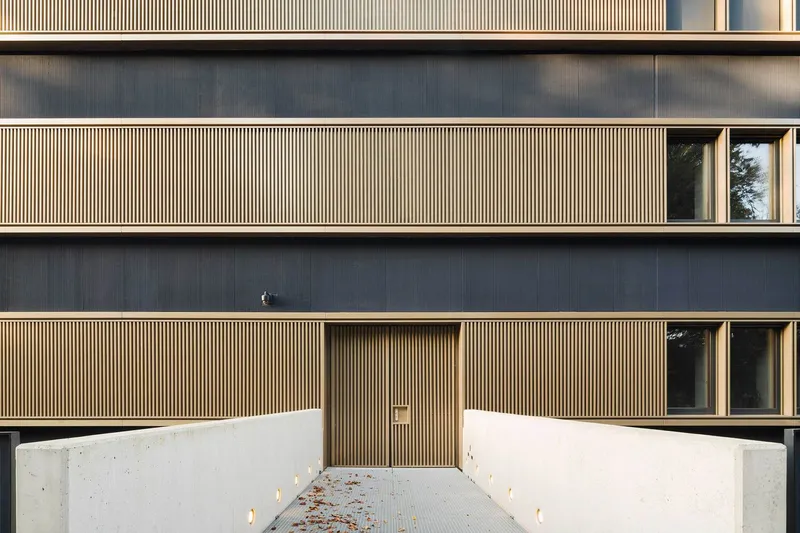
The facade features a carefully orchestrated height graduation and horizontal structuring that engages in a dynamic dialogue with the natural slope of the terrain. This approach ensures the building appears visually balanced and contextual, avoiding the monolithic, fortress-like appearance often associated with police facilities. The chosen materials and finishes present a high-grade, refined appearance, reinforcing the authority of the institution while maintaining openness to the public.
Urban Development and Public Interaction
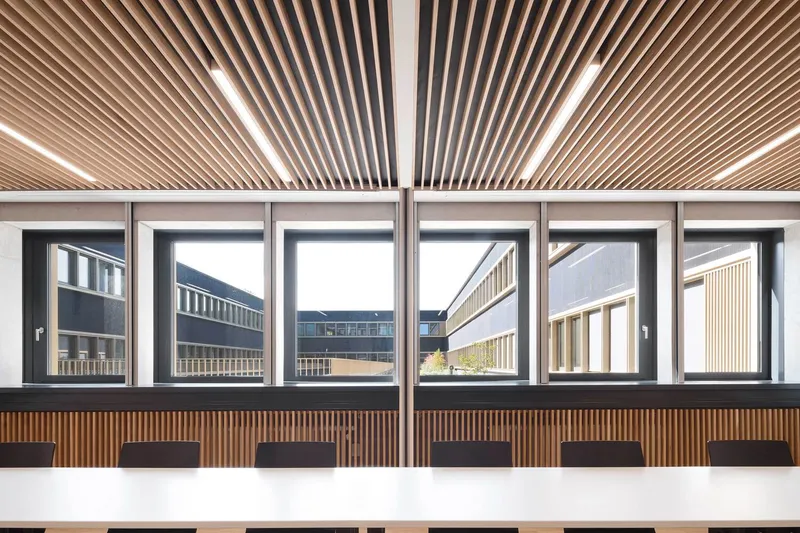
One of the most innovative aspects of the design is the elimination of traditional, secured police yards typically positioned in front of such facilities. By designing the building as a single, coherent entity, the architects managed to relocate these secured areas internally, thereby enhancing the urban environment and fostering better integration with the city. This design choice allows the police headquarters to engage with the public naturally and transparently, avoiding the fortress mentality and promoting a community-friendly image.
Technical Specifications and Collaborative Expertise
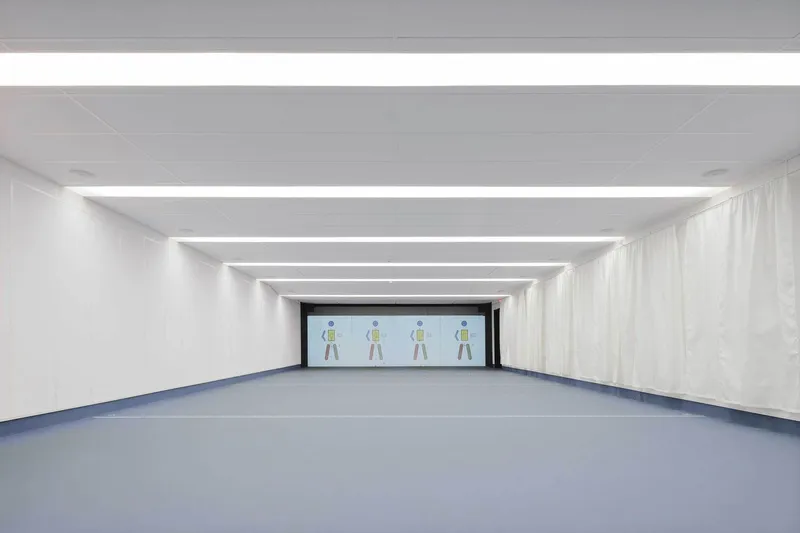
The project was realized with expert collaboration across disciplines to meet high standards of construction, security, and environmental performance. Key collaborators include:
- Construction Management: Aidenberger Architekten GmbH
- Structural Engineering: Bollinger + Grohmann Ingenieure
- Building Physics: BBI Ingenieure GmbH
- Landscape Design: Peter Kitzmüller Landschaftsarchitekt
- Electrical Planning: Koscheinz & Partner
- MEP & HVAC Consulting: Haydn Energie Team GmbH
- Acoustics and Soundproofing: Hoock & Partner Sachverständige PartG mbB
High-quality manufacturers contributed essential products such as Lamilux glass roofs and skylights, Schüco window systems, Heradesign acoustic panels, Hormann security doors, and Schlagmann Poroton masonry materials to ensure a blend of durability, safety, and aesthetic appeal.
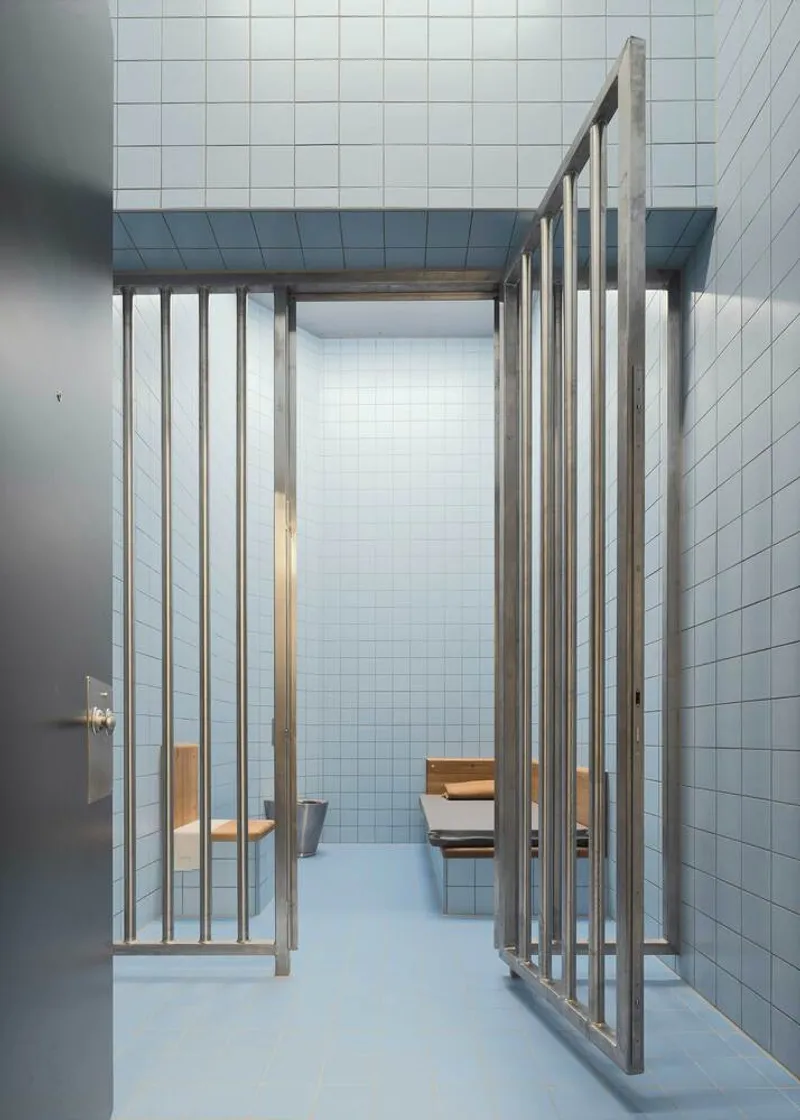
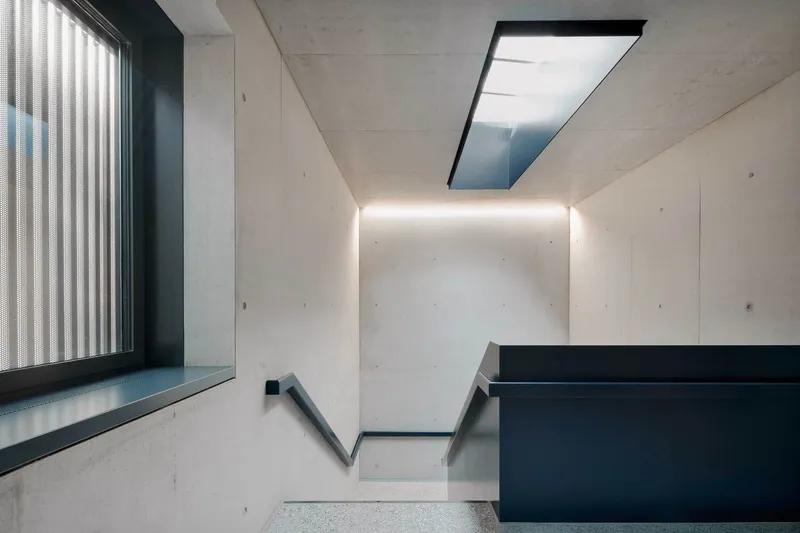
Photography and Visual Documentation
The project’s exterior and interior have been beautifully captured by photographer Brigida González, emphasizing the interplay of light, materiality, and form that characterize the building’s architectural identity.
All Photographs are works of Brigida González for wulf architekten



Popular Articles
Popular articles from the community


The Earth Pod: 3D Printed Homes for Resilient Refugee Communities
The Earth Pod reimagines refugee housing through 3D printed homes made from clay, combining resilience, self-sufficiency, and rapid shelter.

Riyadh For All: Intergenerational Urban Design for Active Aging in Rabat
Riyadh For All reimagines urban design in Rabat with intergenerational co-living, adaptive courtyards, and Moroccan cultural exchange today.

Play: Fragments of Their World
Familiar architecture becomes modular playground design, creating safe spaces where displaced children can learn, connect, imagine and play.

Conexión: Biophilic Design Reimagines High-Rise Living in Hong Kong
Conexión reimagines high-rise living in Hong Kong through biophilic design, green facades, shared spaces, daylight, water and nature within.

Similar Reads
You might also enjoy these articles


Hodi-Mandai Geram
Project Function: Preservation and revitalization of the Intangible heritage and socio-spatial identity of the Hodi by Housing, Cultural Memory Center, Sacred Grove, landscape, local tourism economy


Olio Towers: A Mid-Rise for Performers That Fuses Housing, Rehearsal, and Stage
Located blocks from Houston's Theater District, this modular tower stacks living units around a central performance atrium.

Oasis: Modular Green Housing Carved into Dhaka's Urban Fabric
A shortlisted Plugin Housing entry reclaims unauthorized settlements in Dhaka with stepped concrete volumes, green roofs, and ventilation-driven design.

Black Hole: A Floating Megastructure for the Post-Physical Era
Emiliano Mazzarotto envisions a spherical, self-scaling arena where e-sports, digital hotels, and holographic stadiums replace traditional public space.


Explore Architecture Competitions
Discover active competitions in this discipline



Challenge to reimagine the Iron Throne


Photograph architecture without architects


Illustrate the lost glory of Angkor Wat - Render Challenge


Design challenge to reuse E-waste
Comments (0)
Please login or sign up to add comments
No comments yet. Be the first to comment!