
Beauty Acupuncture Clinic Ryu no Ana: A Masterpiece of Japanese Wellness Architecture
Beauty Acupuncture Clinic Ryu no Ana exemplifies Japanese wellness architecture, merging traditional Kyoto townhouses with modern healing spaces for acupuncture and meditation.


Reimagining Traditional Townhouses for Modern Healing
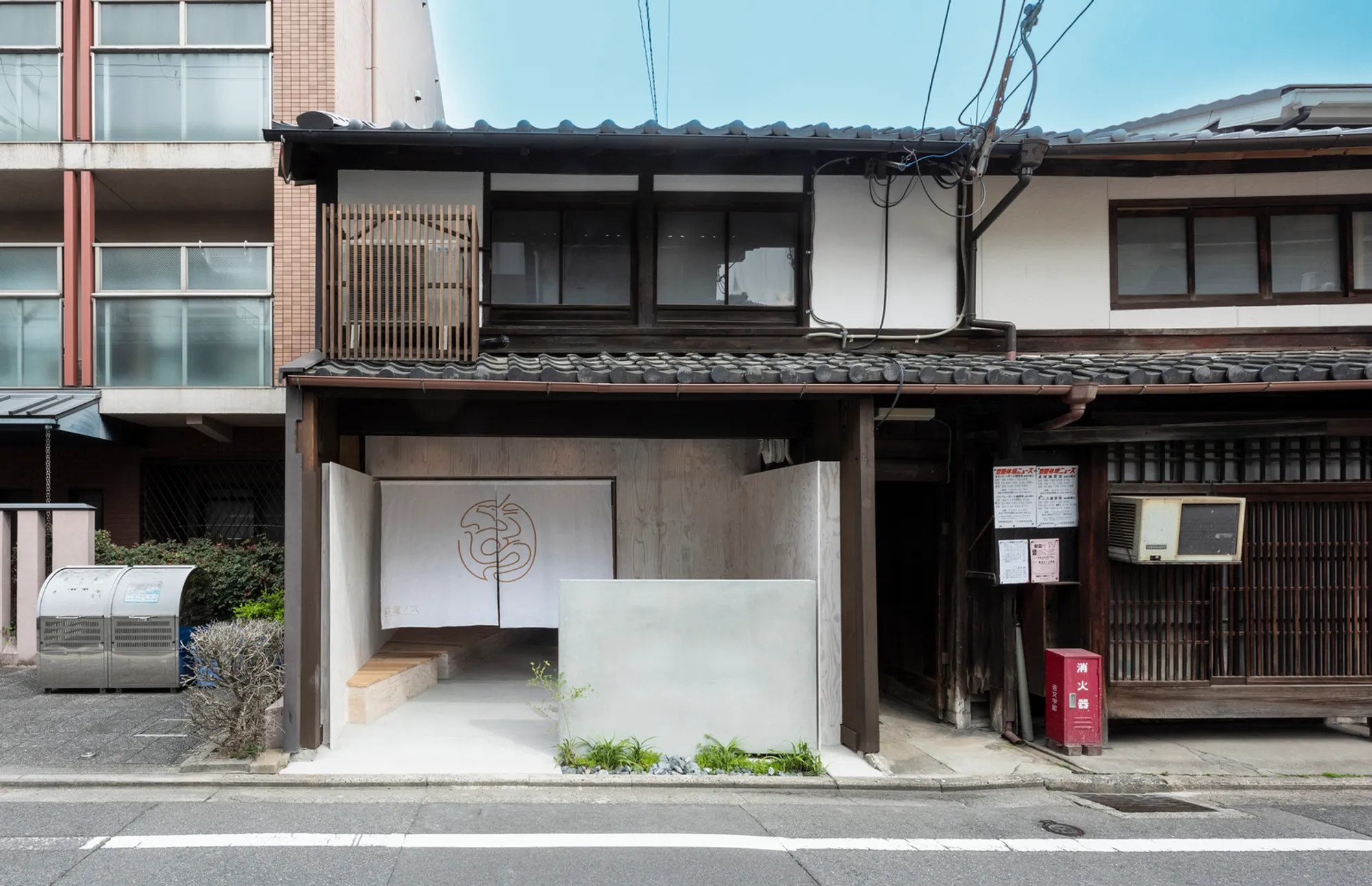
Located in the heart of Kyoto, Beauty Acupuncture Clinic Ryu no Ana is a striking example of Japanese wellness architecture, where traditional design elements merge seamlessly with contemporary healing spaces. Designed by td-Atelier and ENDO SHOJIRO DESIGN, the project breathes new life into two historic townhouses, transforming them into a sanctuary for acupuncture, meditation, and holistic wellness.
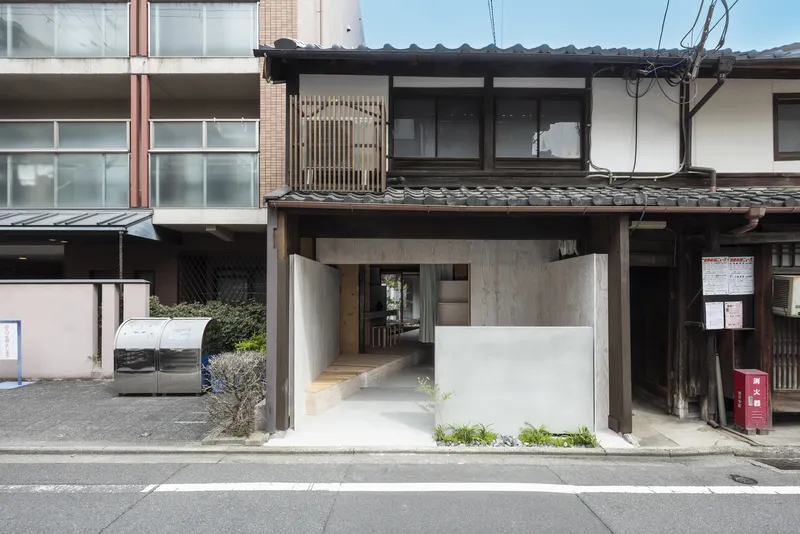
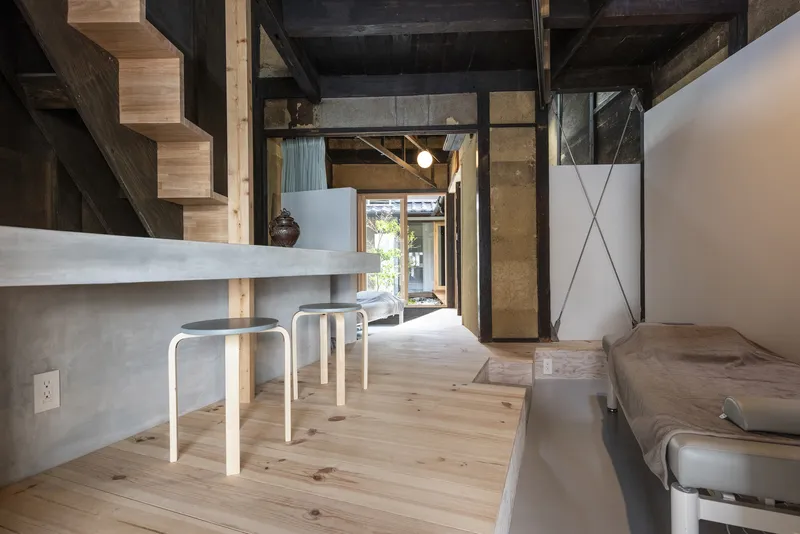
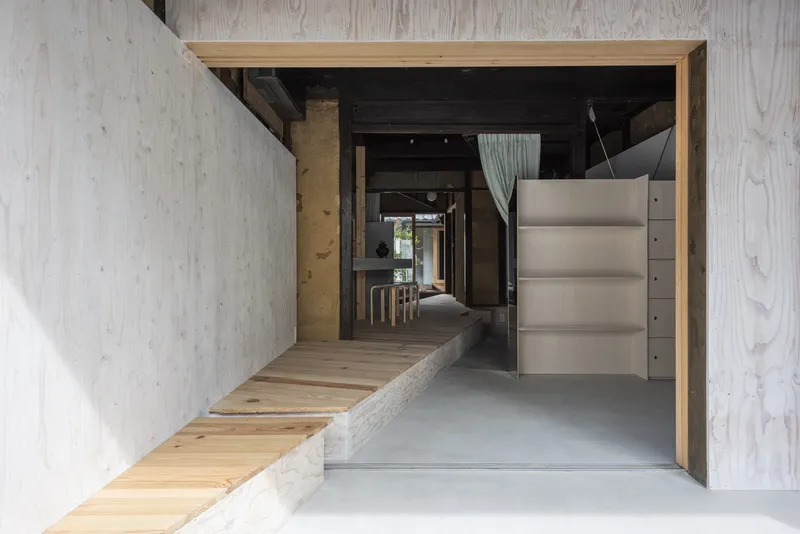
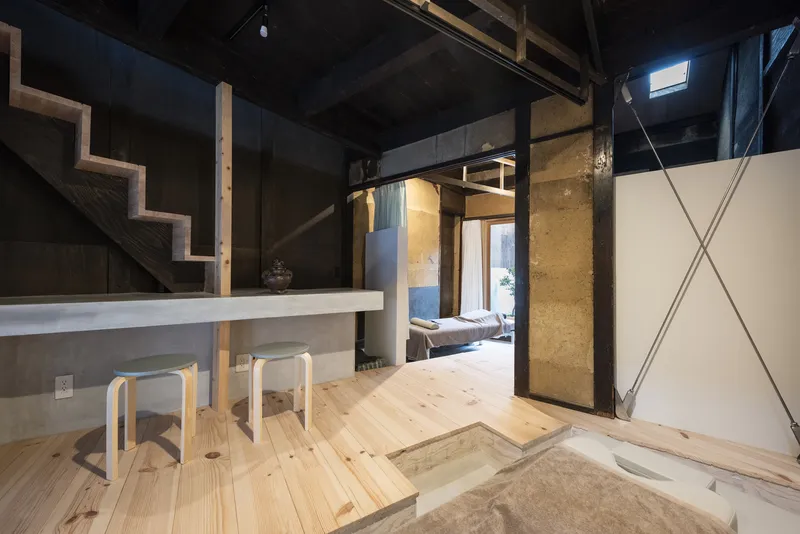
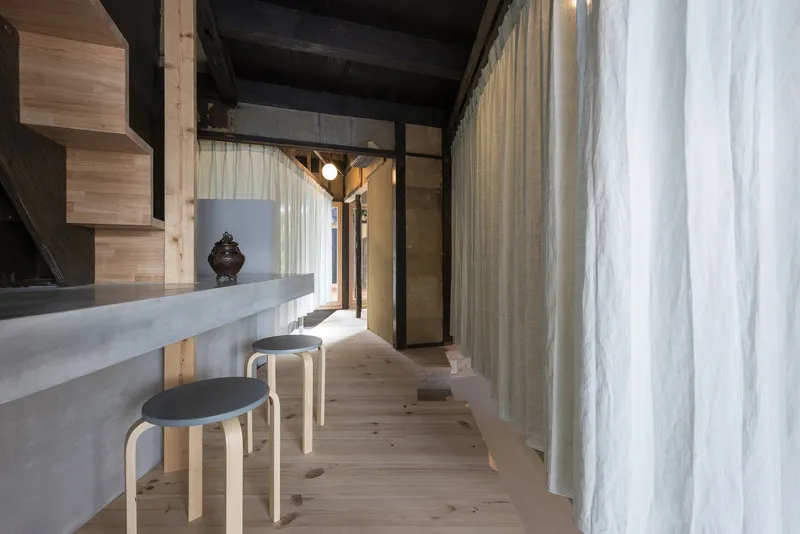
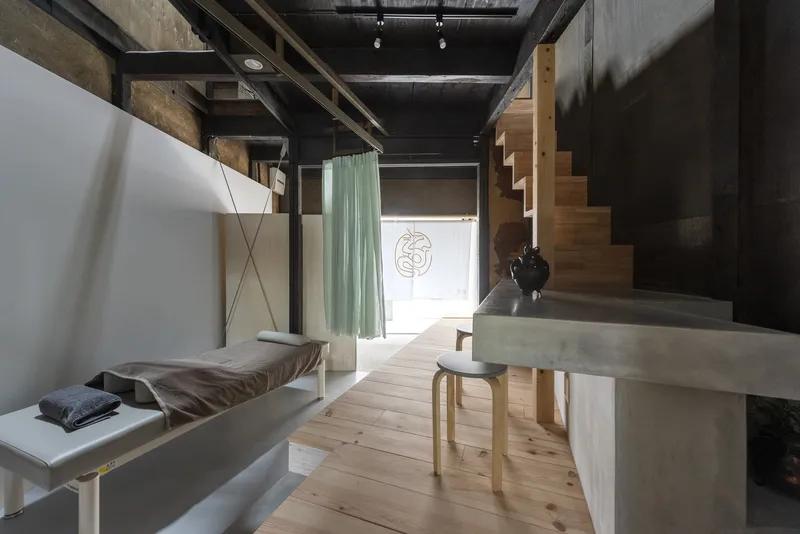
The renovation respects the historic essence of the structures while optimizing their functionality. With a narrow yet elongated footprint—only 3.5 meters wide and 21 meters deep—the design introduces diagonal axes to maximize space efficiency. This innovative spatial reconfiguration not only enhances movement but also establishes a fluid connection between treatment and relaxation areas.
A Spatial Dialogue Between Healing and Tranquility
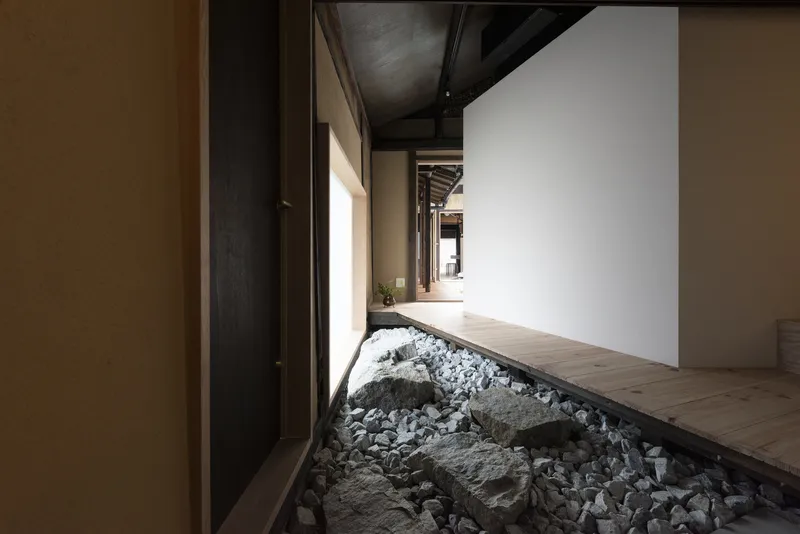
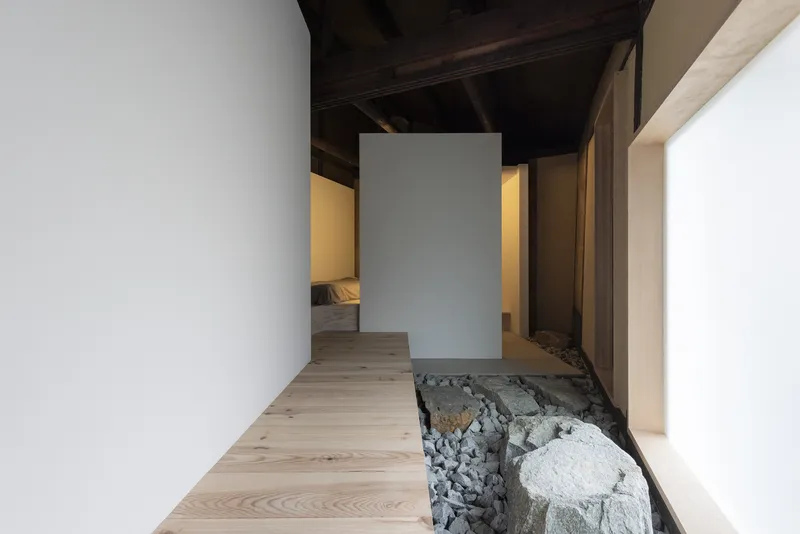
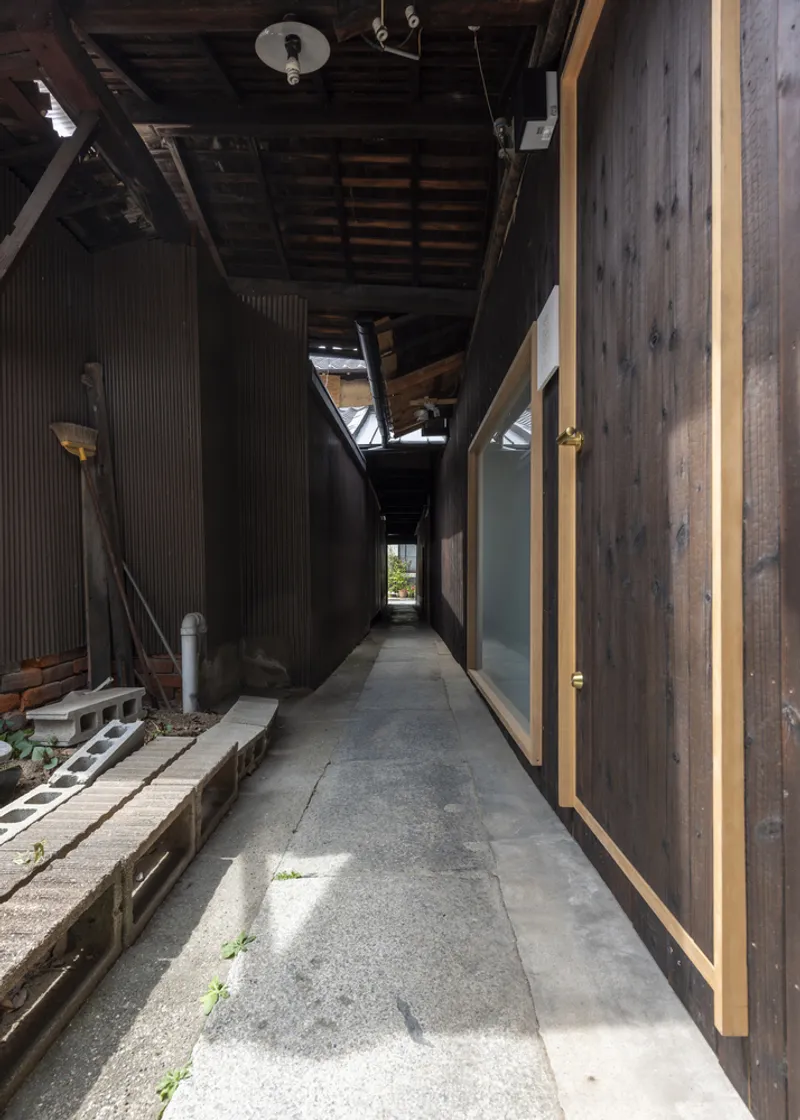
The clinic is divided into two distinct yet interconnected buildings. The roadside structure houses the acupuncture and moxibustion treatment rooms, where carefully arranged spaces follow the diagonal floor plan, allowing for uninterrupted sightlines from the entrance to the courtyard. The back building, accessed through a traditional tunnel alley, serves as a relaxation space for meditation, featuring minimalistic white volumes that encourage serenity and mindfulness.
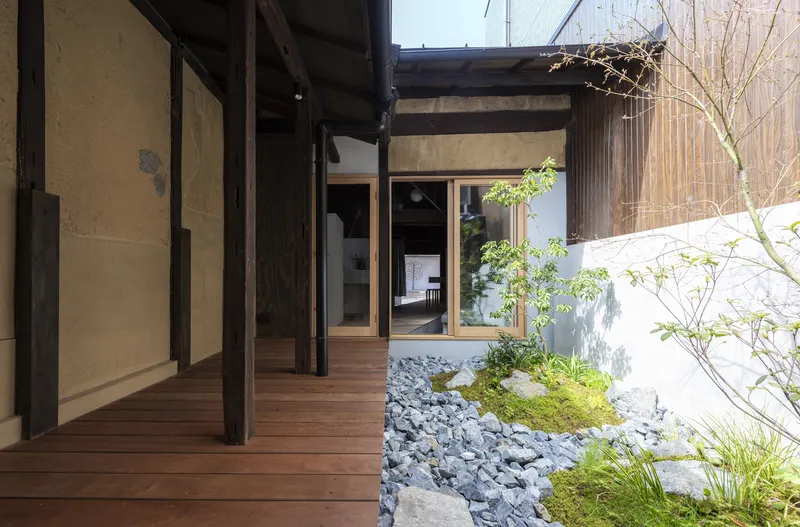
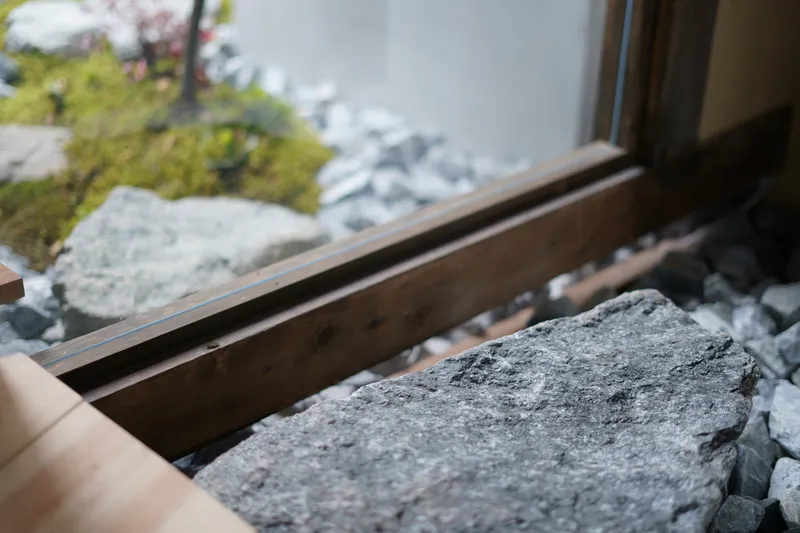
An engawa—a traditional Japanese veranda—links the two spaces, reinforcing the harmonious flow between interior and exterior. The courtyard, which sits at the heart of the clinic, serves as a natural extension of the built environment, blurring the boundaries between inside and outside. The integration of natural light, wooden textures, and traditional architectural elements enhances the sense of tranquility, offering visitors a retreat from the urban environment.
The Essence of Japanese Wellness Architecture
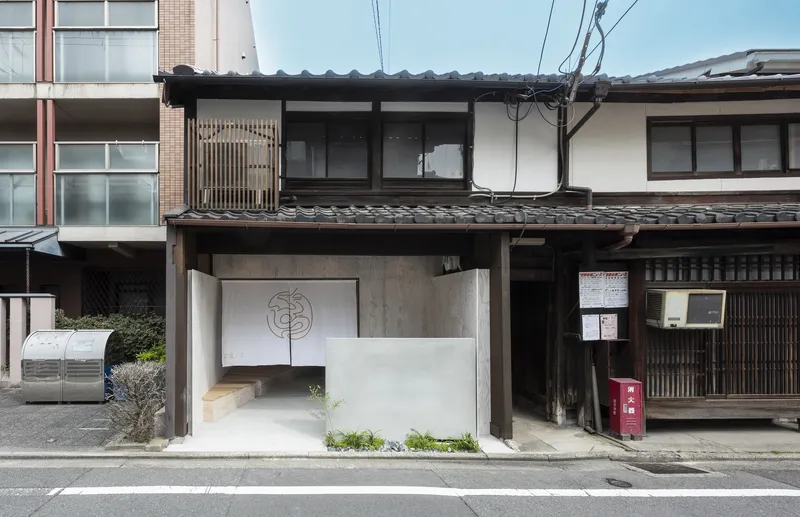
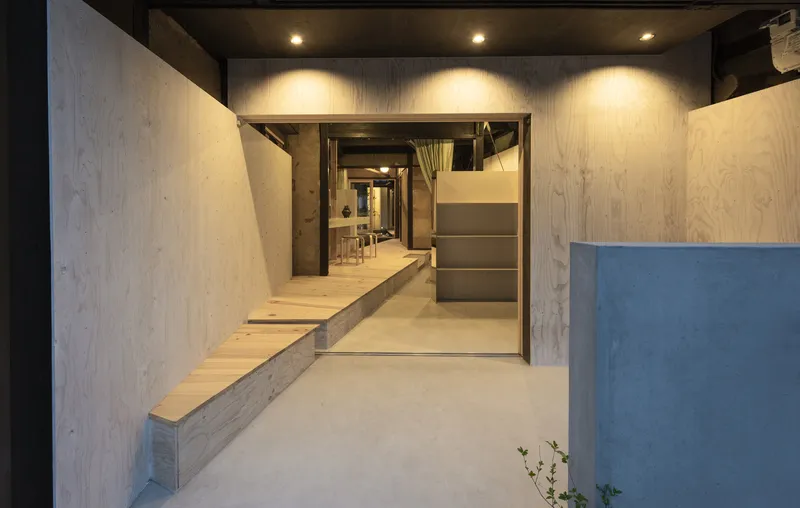
A key principle of Japanese wellness architecture is the seamless transition between nature and built form. At Ryu no Ana, this philosophy is realized through architectural gestures that dissolve rigid spatial divisions. The extended floor at the entrance, which doubles as a public bench, subtly invites engagement with the city, while shoji-inspired screens and minimalist partitions create a fluid interplay of openness and privacy.
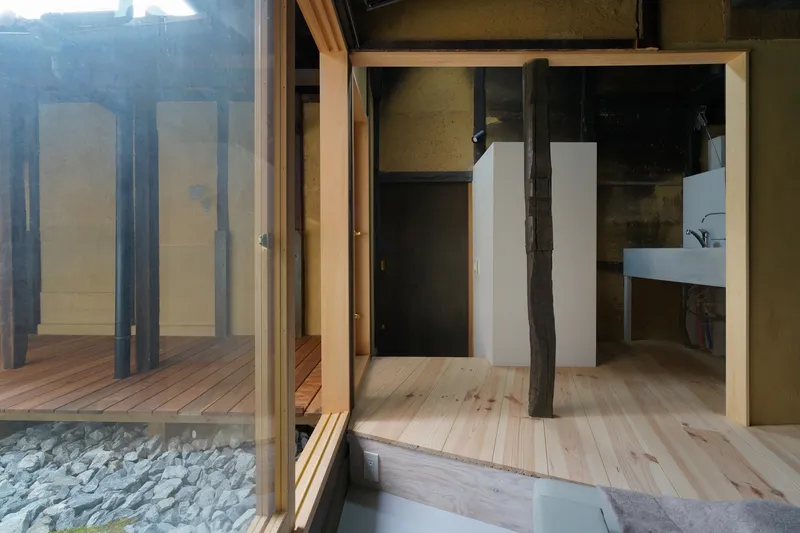
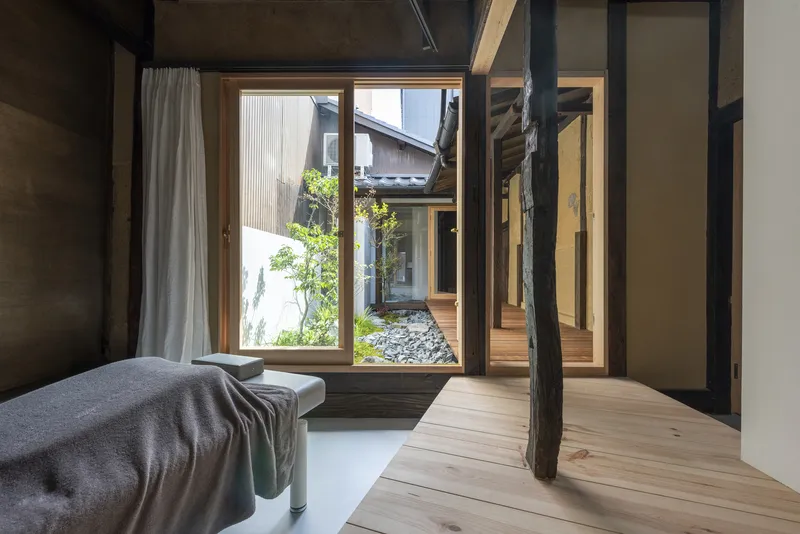
By incorporating time-honored design strategies—such as blurring spatial thresholds and using organic materials—the project achieves a modern reinterpretation of Japanese architectural wisdom. The careful orchestration of natural elements within the healing environment provides both physical and psychological comfort, embodying the timeless principles of balance and harmony.
A Contemporary Sanctuary Rooted in Tradition
Beauty Acupuncture Clinic Ryu no Ana is more than a healthcare facility; it is an architectural manifestation of wellness, designed to nurture both body and mind. Through a masterful blend of tradition and innovation, it stands as a benchmark for contemporary Japanese wellness architecture, demonstrating how historic spaces can be revitalized to serve modern needs while preserving their intrinsic cultural value.
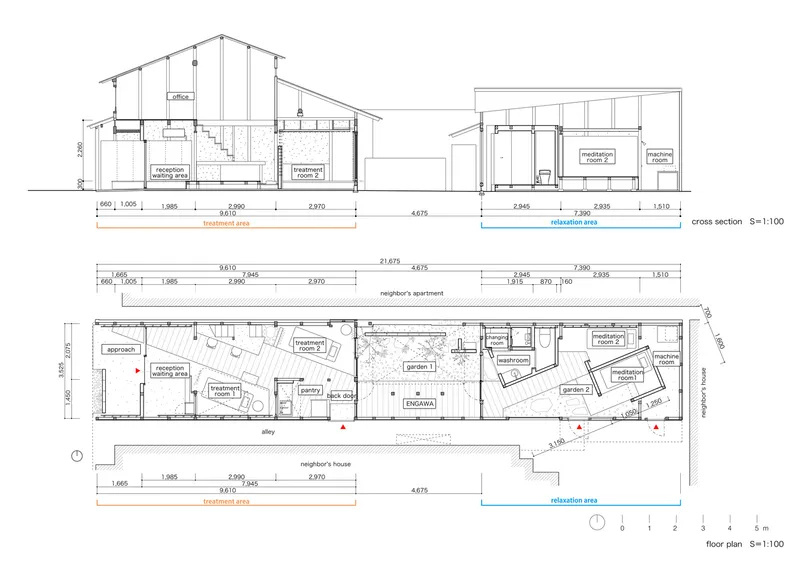
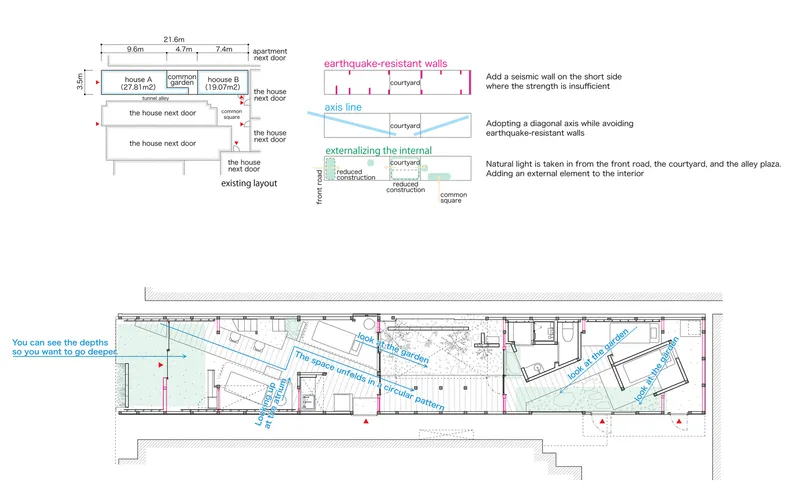
All photographs are works of Matsumura Kohei




Popular Articles
Popular articles from the community


Lunar Spiral: Space Architecture Shaped by the Mathematics of the Universe
Lunar Spiral reimagines space architecture through Fibonacci geometry, lunar regolith, levitating habitats, and self-sustaining Moon living.

The Musturak Paradise: Senior Living Architecture for a Connected Future in Temara, Morocco
The Musturak Paradise reimagines senior living architecture in Temara via private homes, social spaces, culture, community, and shared care.

Conexión: Biophilic Design Reimagines High-Rise Living in Hong Kong
Conexión reimagines high-rise living in Hong Kong through biophilic design, green facades, shared spaces, daylight, water and nature within.

Play: Fragments of Their World
Familiar architecture becomes modular playground design, creating safe spaces where displaced children can learn, connect, imagine and play.


Similar Reads
You might also enjoy these articles

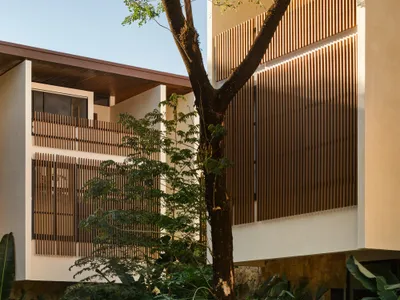
FAMM Arquitectura Organizes Ten Villas Around Courtyards and Jungle in Nosara, Costa Rica
El Molino pairs two elongated volumes with deep overhangs and timber louvers to build a compact coastal community five minutes from the beach.
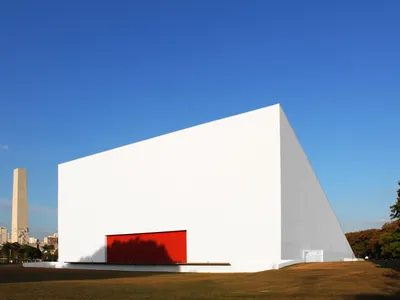
Oscar Niemeyer's Ibirapuera Park Pavilions Define São Paulo's Cultural Identity in Concrete and Curve
A constellation of modernist volumes set within São Paulo's most important urban park, conceived for the city's 400th anniversary in 1954.
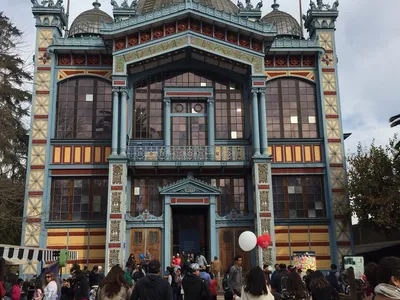
How Henri Picq's 1889 Paris Pavilion Traveled 11,000 Kilometers to Become Santiago's Artequín Museum
A prefabricated iron and glass pavilion built for the Paris Universal Exposition found a second life as a children's art museum in Chile.
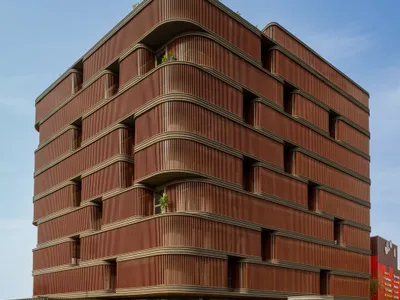
Sanjay Puri Architects Wraps a Jaipur Office Tower in Capsule-Shaped Green Buffers
A nine-level climate-responsive workplace near Jaipur Airport uses stacked planter terraces and aluminium screens to fight 40°C heat.


Explore Architecture Competitions
Discover active competitions in this discipline



Challenge to reimagine the Iron Throne


Photograph architecture without architects


Illustrate the lost glory of Angkor Wat - Render Challenge


Design challenge to reuse E-waste
Comments (0)
Please login or sign up to add comments
No comments yet. Be the first to comment!