
Beijing Hutong Renovation: Preserving History with "Xiaotang No.12"
Xiaotang No.12: A Beijing hutong renovation blending historical preservation with modern architectural elements by IARA

Xiaotang No.12 and the Essence of Hutong Renovations
"Xiaotang No.12," a project nestled in the heart of Beijing's historical hutongs, represents a poignant blend of preservation and modernity. Hutongs, with their narrow alleys and traditional courtyard homes, are emblematic of Beijing's rich cultural past. Amidst the city's rapid urbanization, projects like Xiaotang No.12 stand as a testament to the delicate balance between retaining historical essence and accommodating contemporary needs.
Historical Context of Xiaotang Hutong
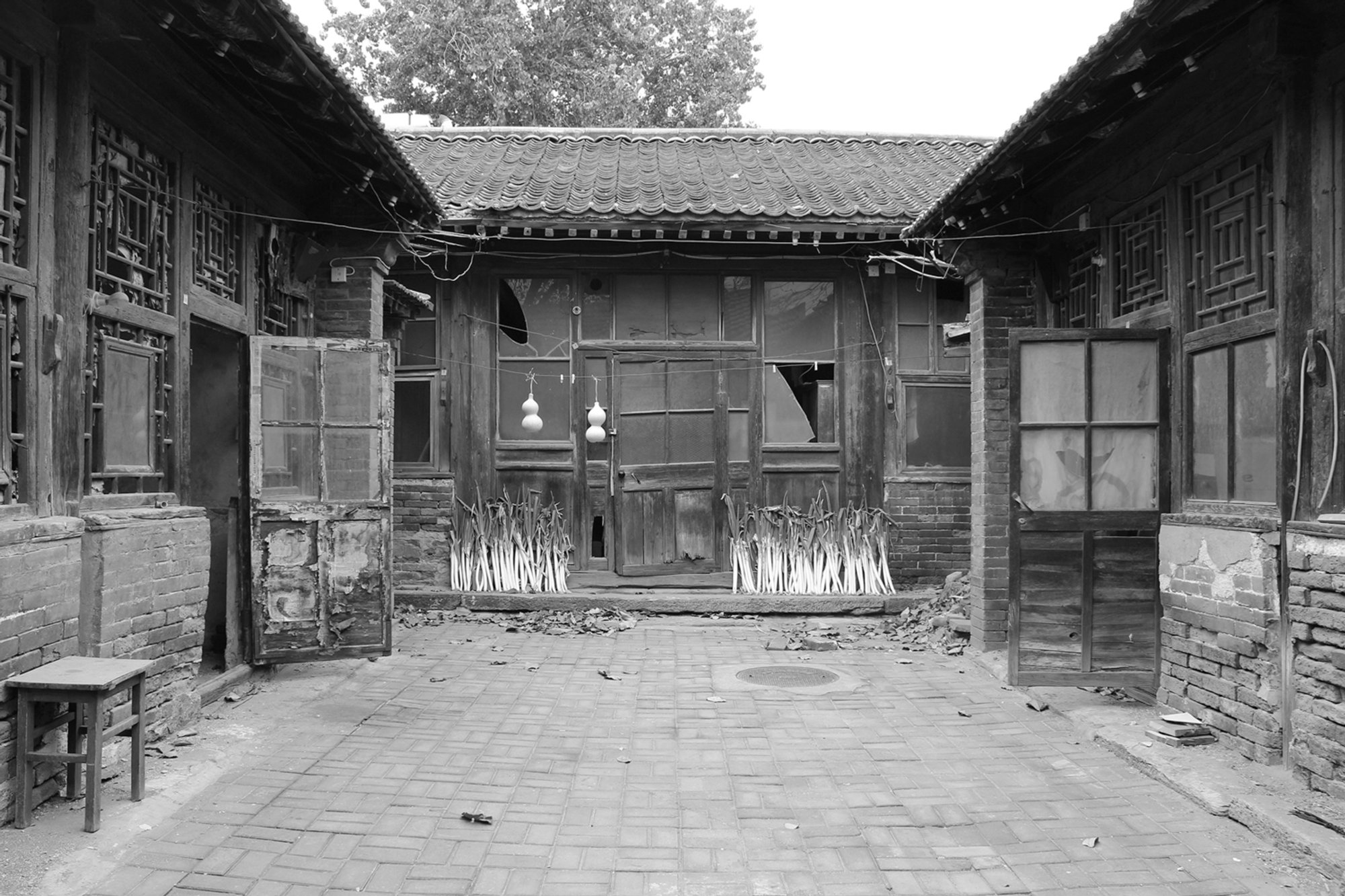
Xiaotang Hutong, with its origins tracing back to the Republican era, is a living museum of Beijing's urban evolution. Its name, officially designated in 1965, encapsulates the transformation from "Chuantangmen" to a vibrant community emblematic of Beijing's architectural and societal shifts. This hutong, characterized by its serpentine layout and organic growth, embodies the city's historical layers and the communal life that once thrived within these narrow lanes.
The Renovation Philosophy of Xiaotang No.12
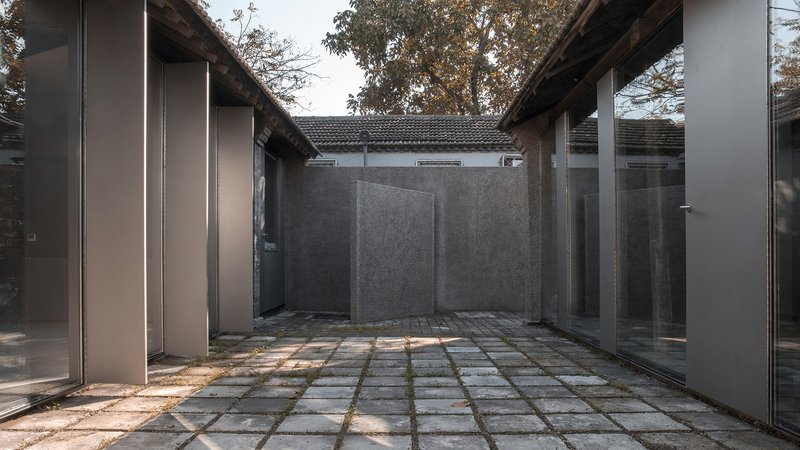
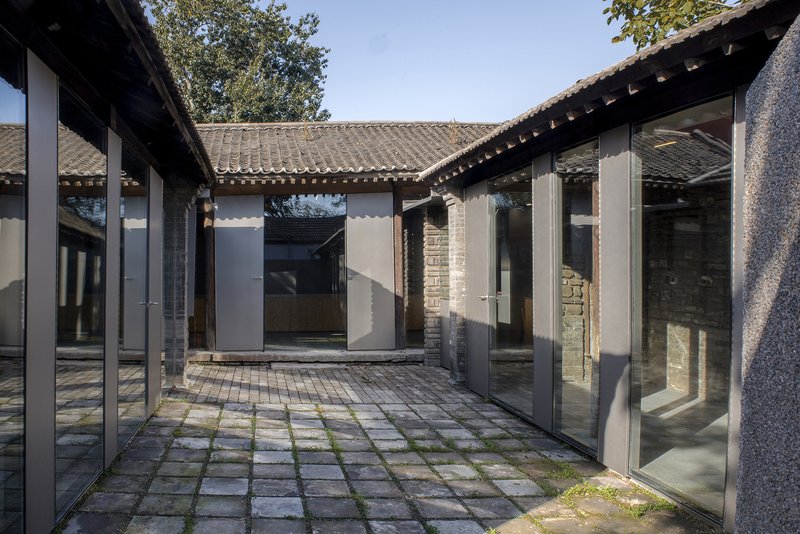
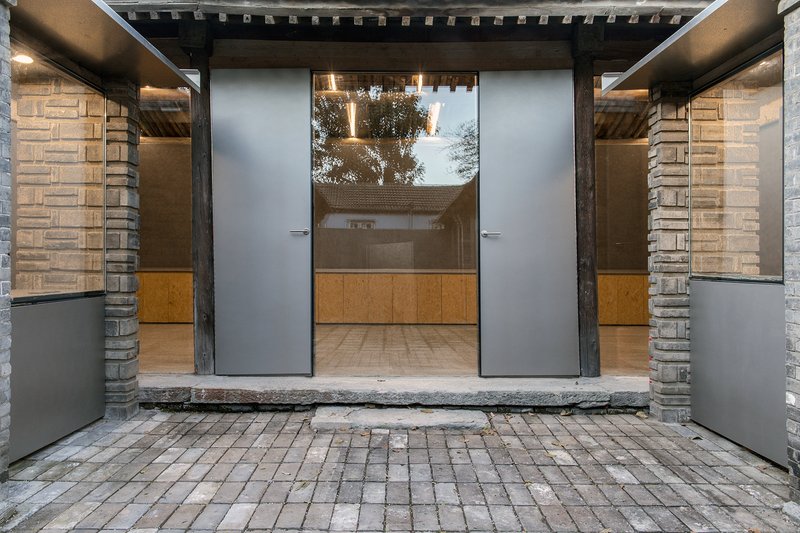
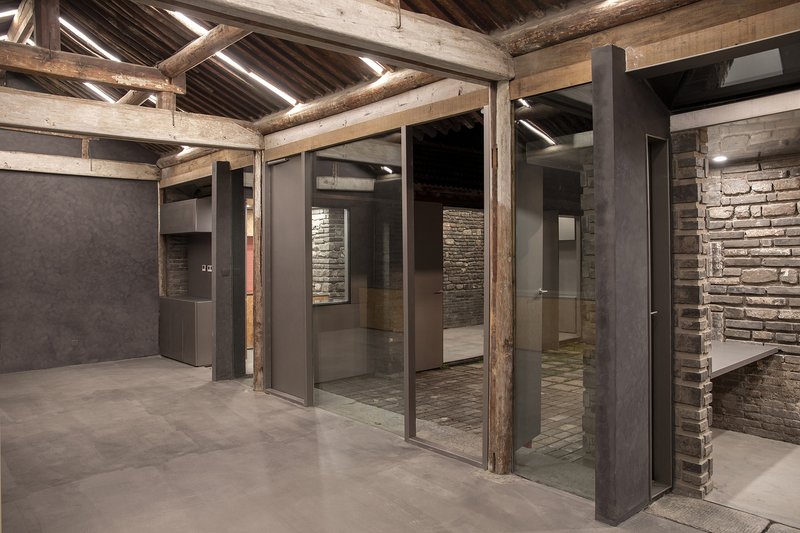
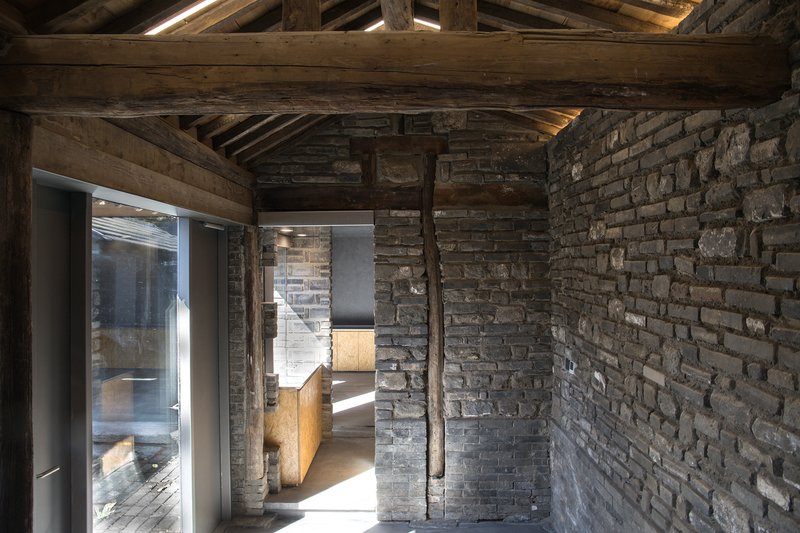
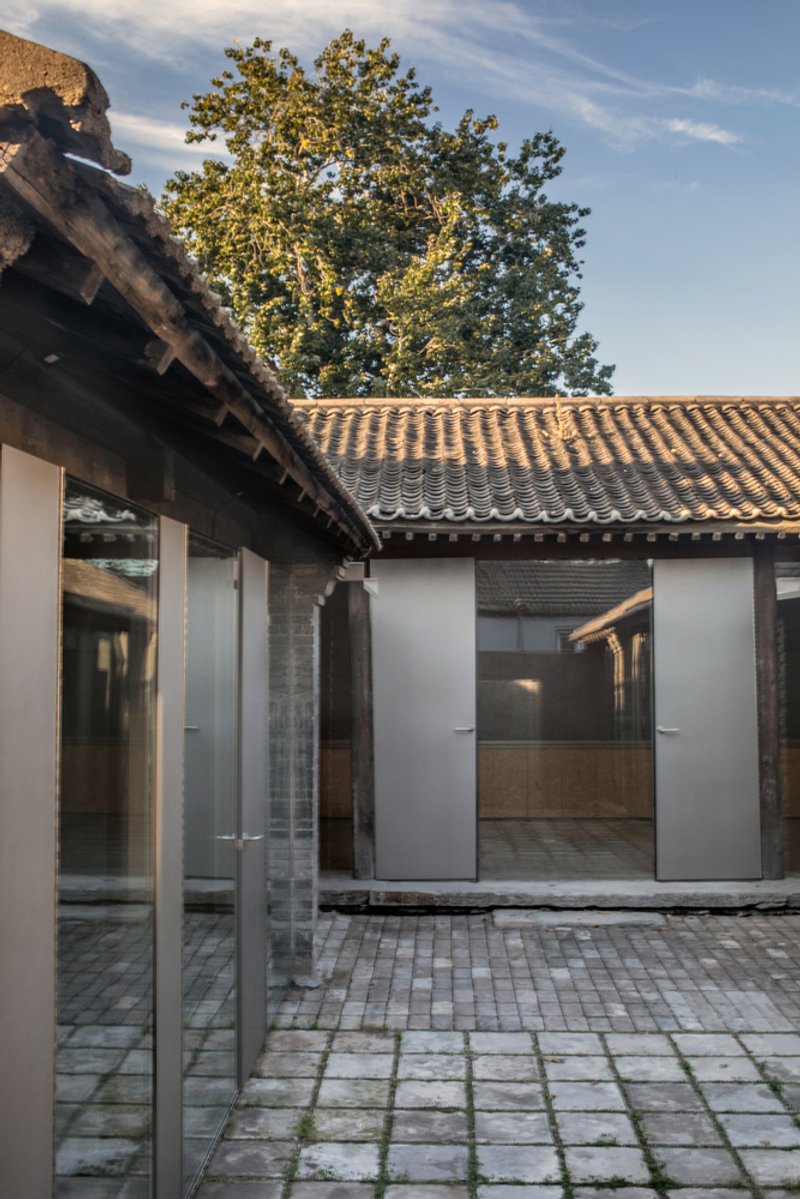
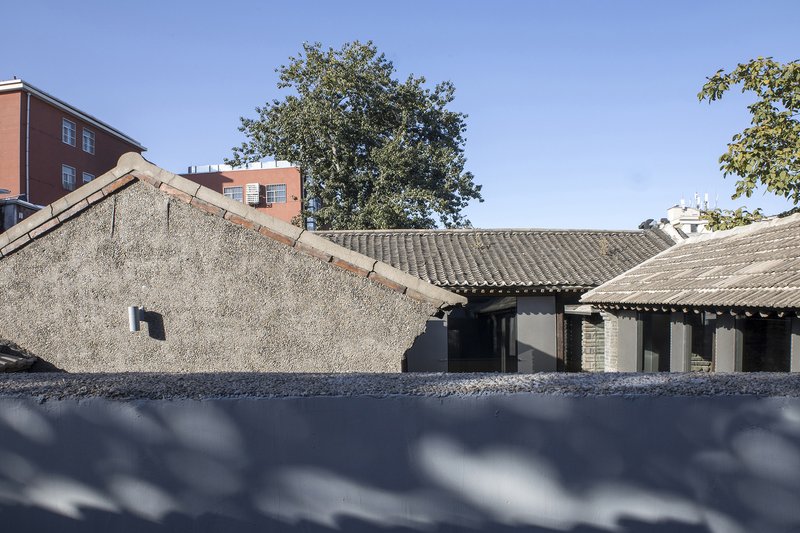
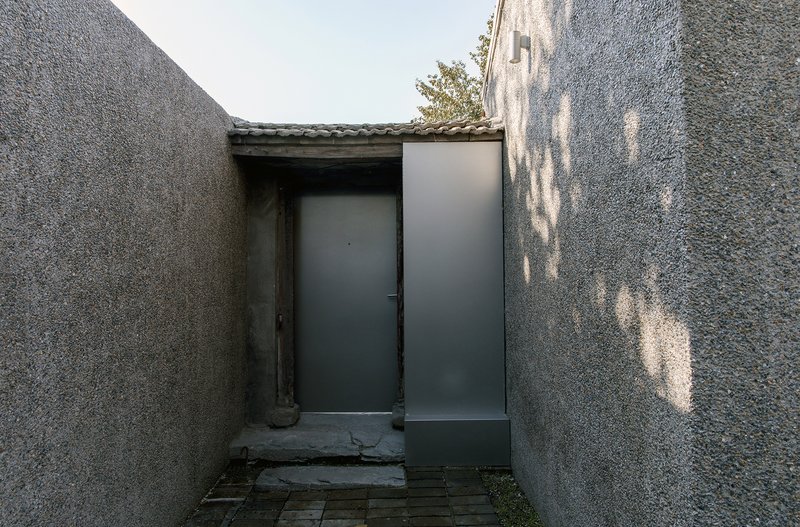
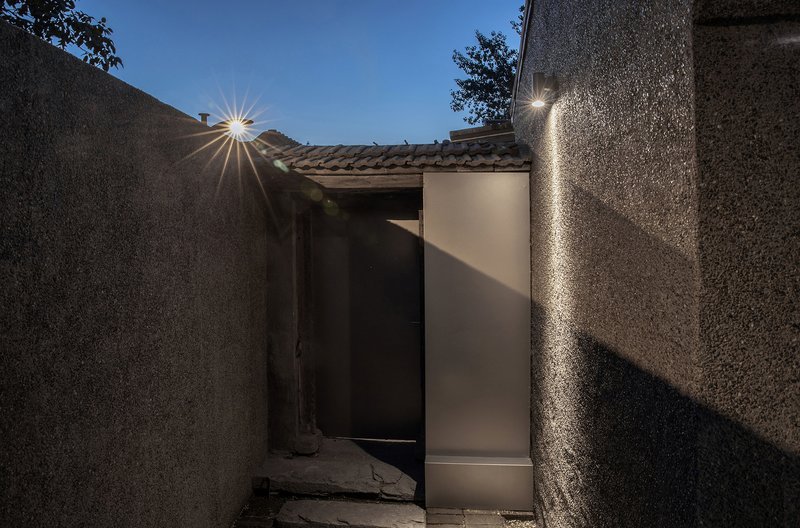
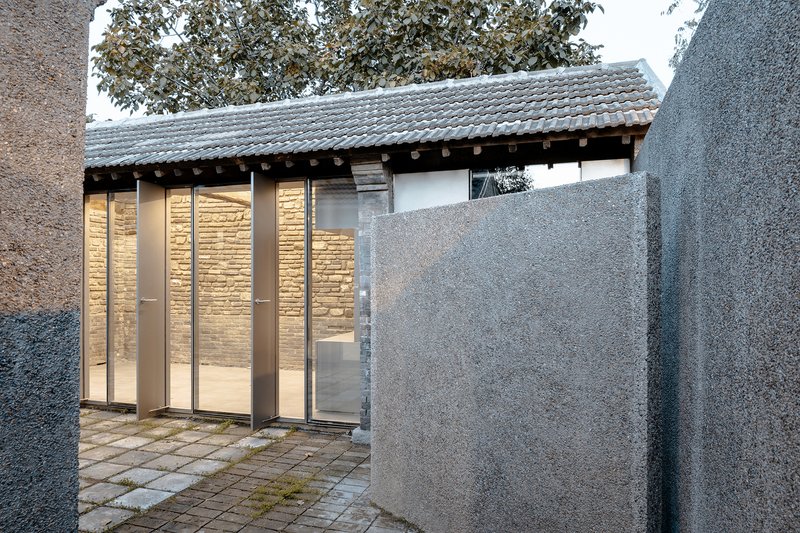
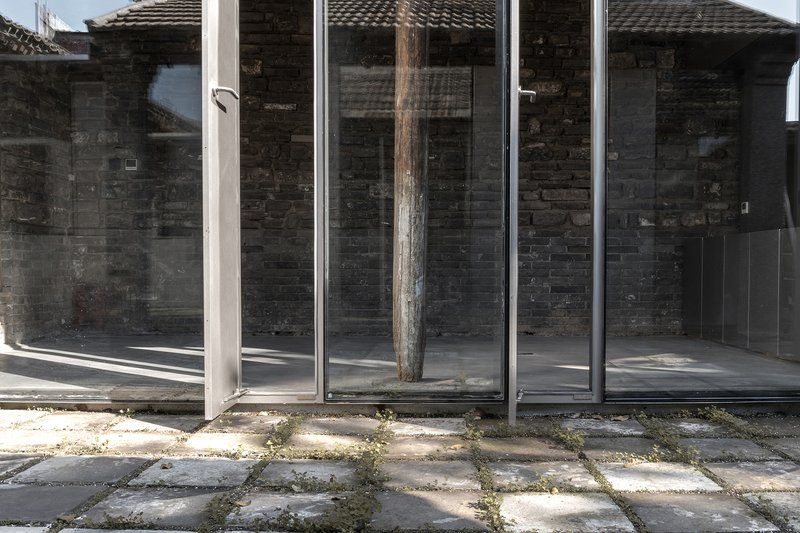
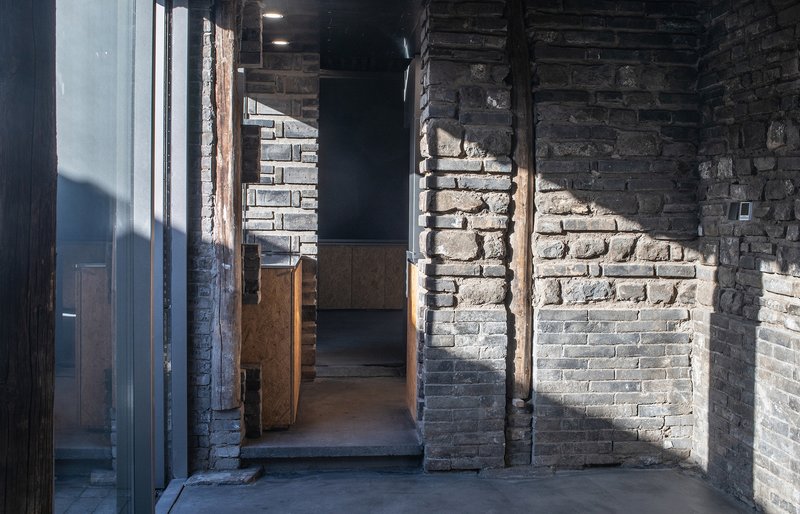
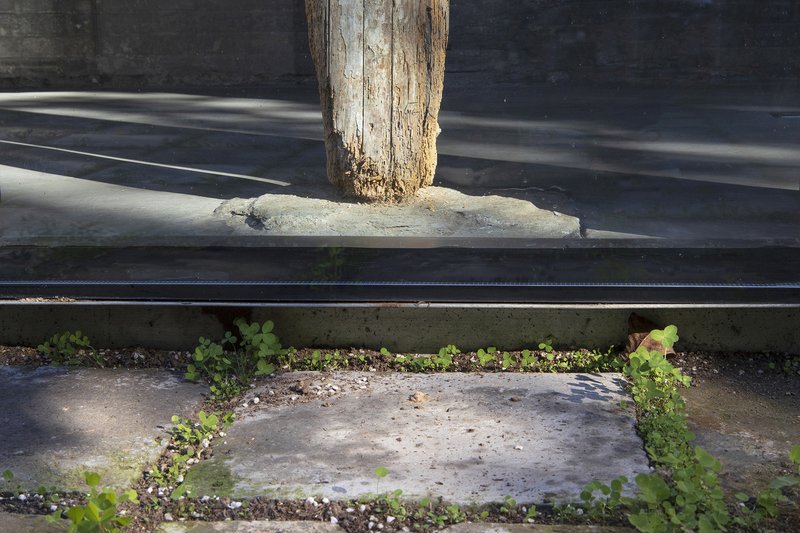
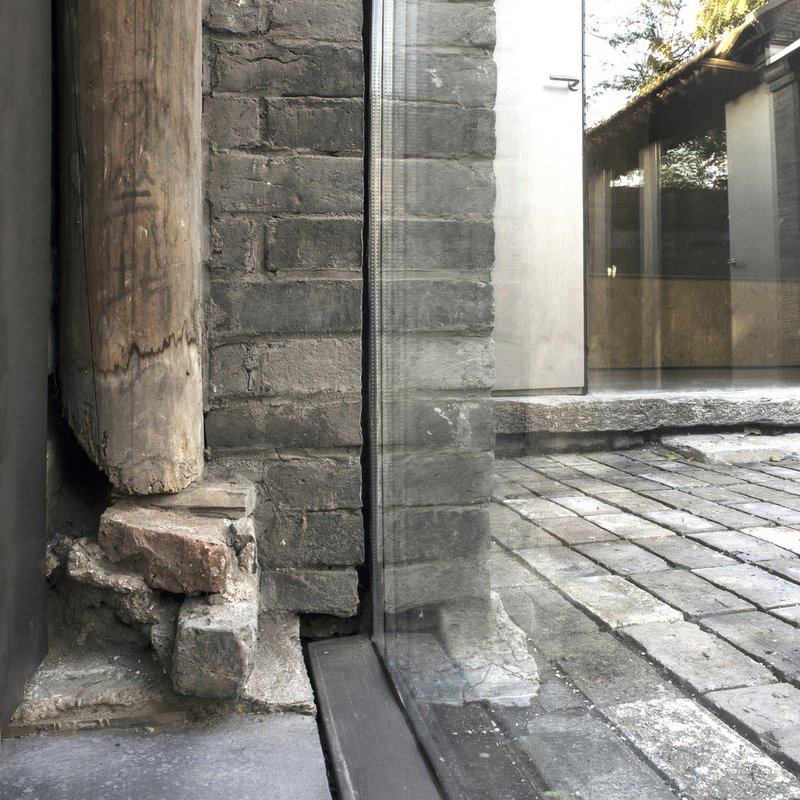
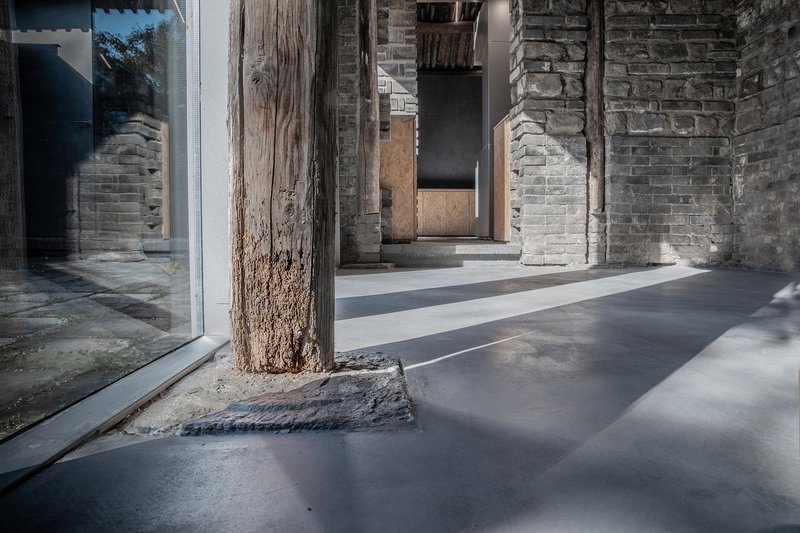
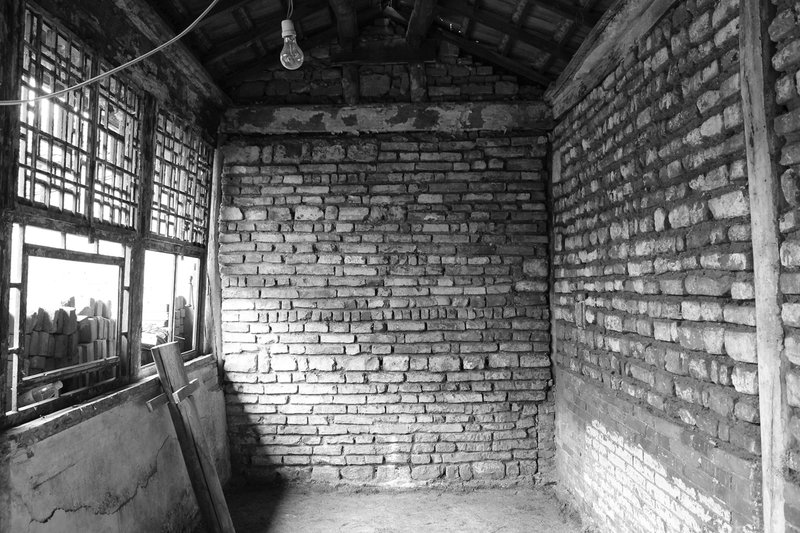
The renovation of Xiaotang No.12 by IARA Architects is a narrative of reverence for the original while embracing the new. This project underscores the philosophy of subtraction—peeling back the layers of modern alterations to reveal and reinforce the original wooden structures and brick walls. It's a process likened to an archaeological excavation, where each element is meticulously preserved or restored to echo its historical significance, while new, modern materials are introduced to ensure the building meets contemporary functional requirements.
Integrating Modernity with Tradition
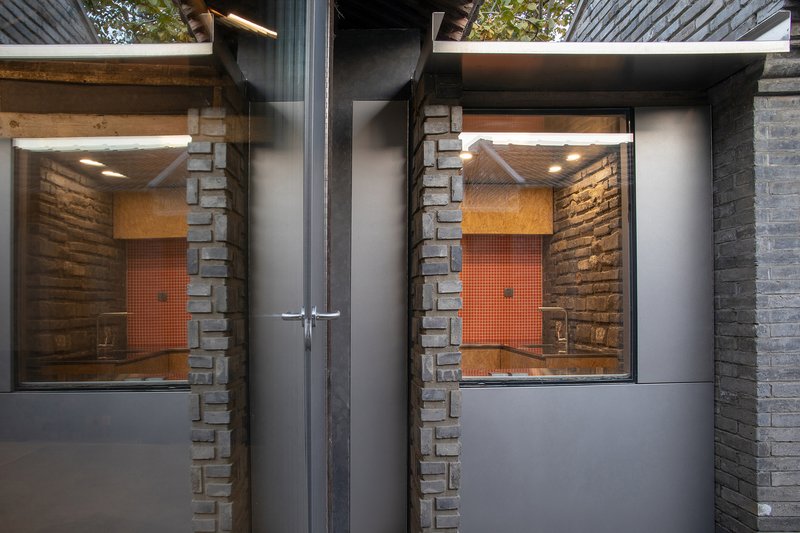
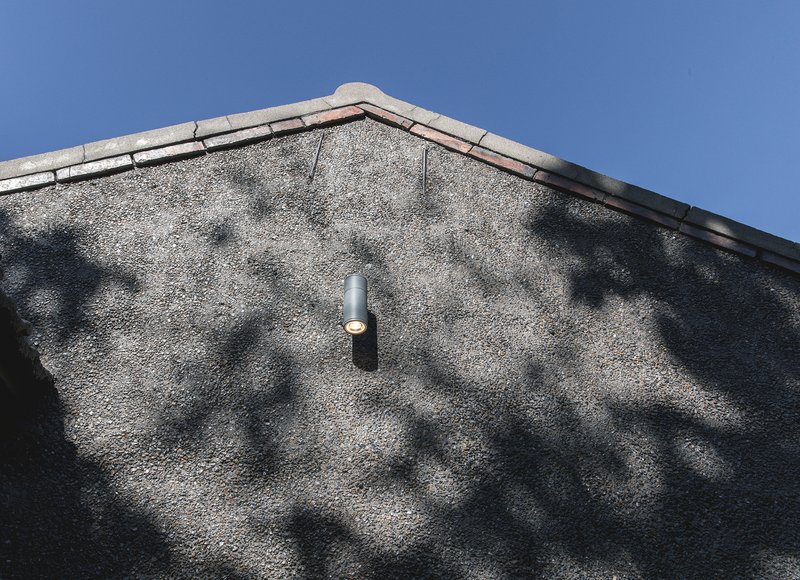
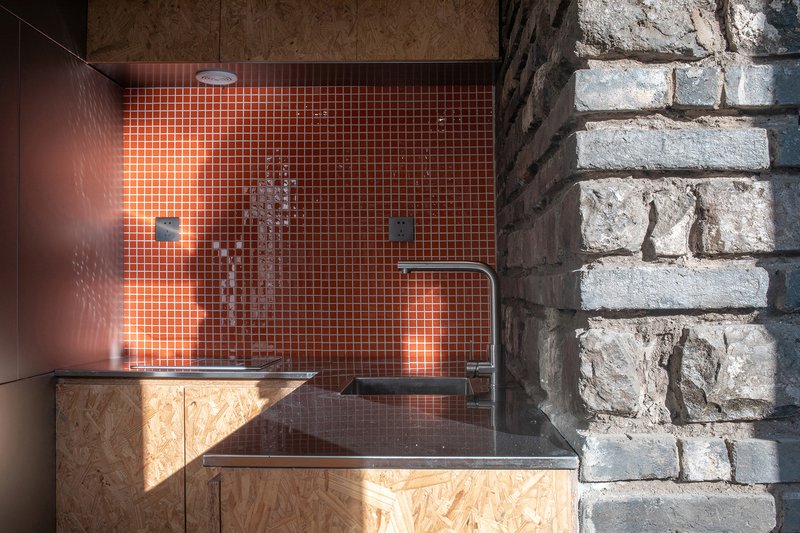
The incorporation of modern materials such as metal panels, OSB, and glass contrasts yet complements the traditional fabric of the hutong. This juxtaposition is not merely aesthetic but functional, offering solutions to the logistical challenges of renovating in dense, historic neighborhoods. The prefabrication and careful assembly of these elements signify a forward-thinking approach to urban renewal, one that respects the past while boldly stepping into the future.
The Role of Xiaotang No.12 in Urban Renewal
Xiaotang No.12 is more than a renovation project; it is a narrative of resilience and adaptation. Spanning two tumultuous years marked by the COVID-19 pandemic, the project's completion is a testament to the commitment of its creators and the community. The accompanying documentary, "The Small Yard," chronicles this journey, offering insights into the challenges and triumphs of preserving Beijing's cultural heritage amidst modern pressures.
The Future of Beijing Hutong Renovations
As Beijing continues to evolve, the renovation of Xiaotang No.12 serves as a beacon for future hutong renovations. It exemplifies how architectural interventions can respect and revive historical contexts while providing for contemporary needs. Projects like these are crucial in maintaining the cultural fabric of Beijing, offering lessons in sustainability, community, and the importance of architectural heritage in our rapidly changing world.
By prioritizing the preservation of historical elements and integrating them with modern conveniences, "Beijing Hutong Renovation" projects like Xiaotang No.12 highlight a pathway toward sustainable urban development that honors the past while looking to the future.
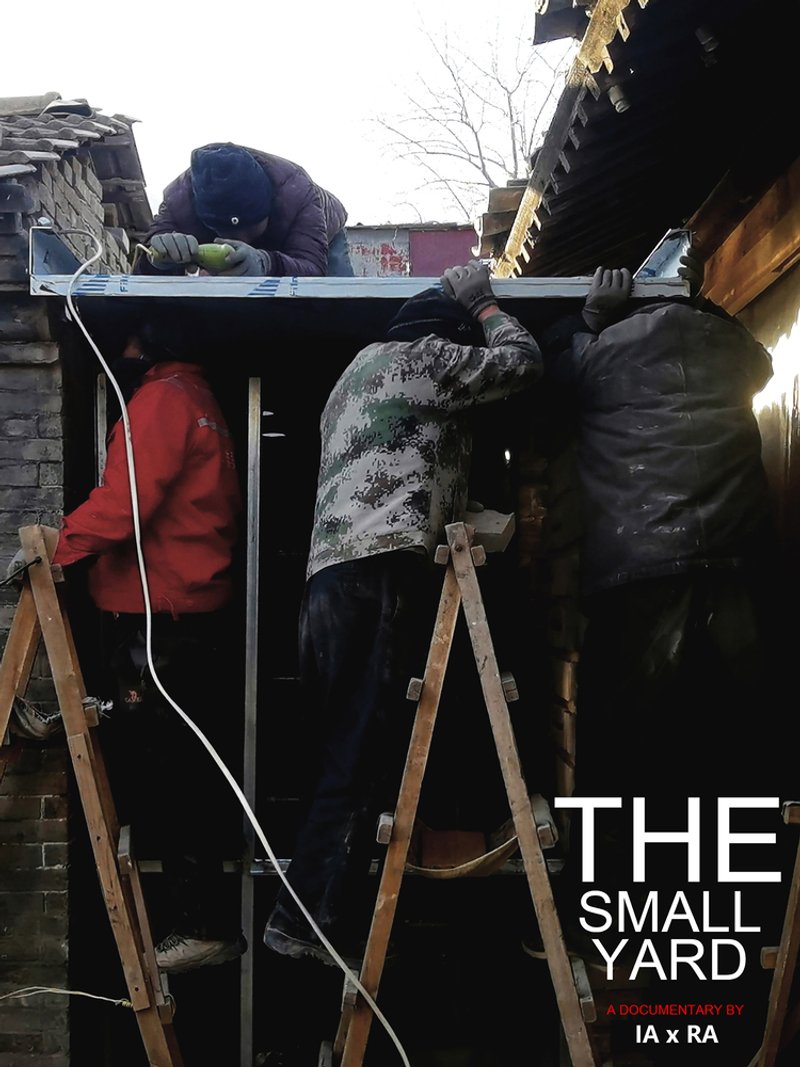
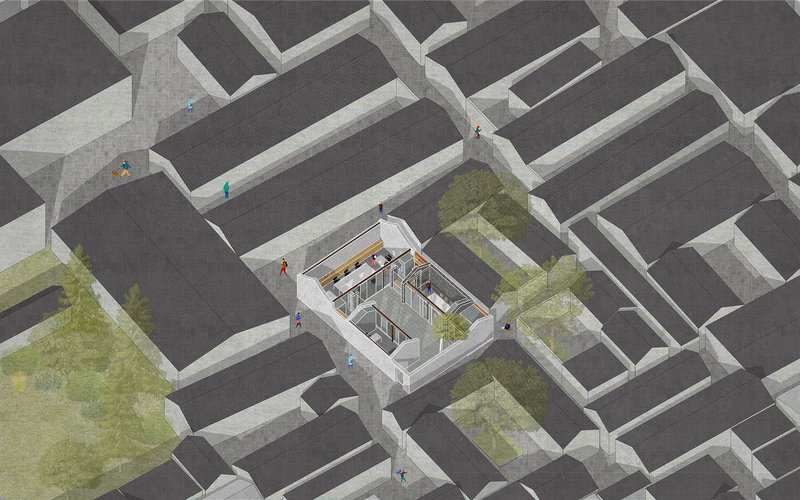
All photographs work of Xin Li、Aurelien Chen




Popular Articles
Popular articles from the community

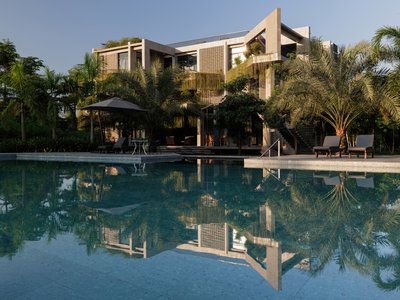
Reincarnation Weaves a Three-Story Retreat into the Green Landscape of Rural Bangladesh
Ara Manor in Narsingdi dissolves the line between domestic architecture and its lush surroundings through screens, courtyards, and planted rooftops.
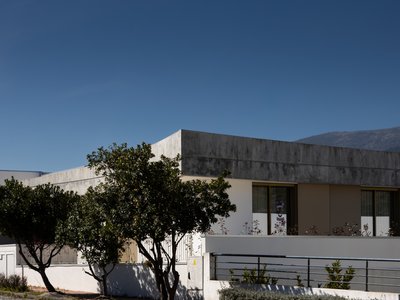
PLATAFORMArq Folds a Concrete Roof Over the Portuguese Mountains in House #474
A 220-square-meter residence in Teixoso, Portugal, wraps board-formed concrete into an angular canopy that frames the Serra da Estrela foothills.
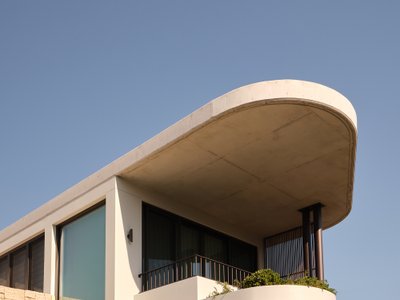
Stanton Architects Sculpts a Curving Family Home into Sydney's Inner West Fabric
Five Dock House uses cantilevers, curved concrete, and layered courtyards to carve out privacy on a tight suburban lot in Sydney.

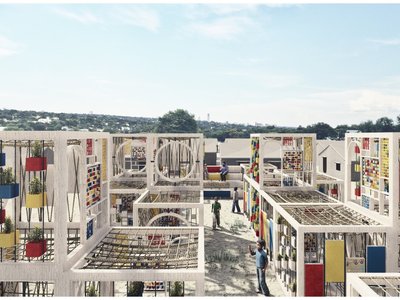
The Faith: Modular Architecture for Play, Learning, and Hope in Kutupalong Refugee Camp
A modular playground architecture project in Bangladesh where play, learning, safety, and hope rebuild childhood inside a refugee camp anew.


Similar Reads
You might also enjoy these articles
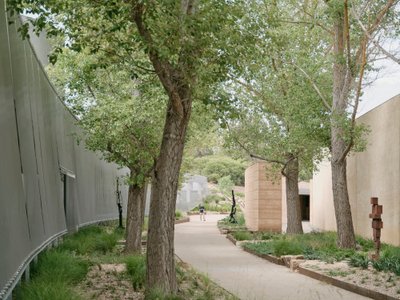
Kerstin Thompson Architects Buries a Cultural Center Beneath Its Own Car Park in the Yarra Valley
The Eva and Marc Besen Centre at TarraWarra hides 2,375 square metres of gallery and archive space under a reinstated landscape in Healesville, Australia.
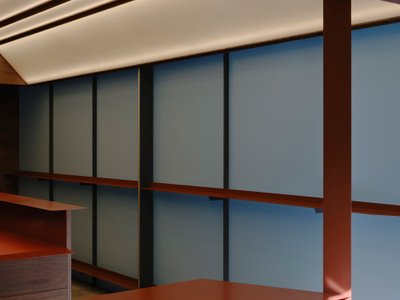
Kerry Kounnapis Packs 800 Daily Coffees into a 43-Square-Metre Melbourne Laneway Bar
Palace Coffee channels Pellegrini's and European standing bars through oxide-red steel and spotted gum timber in a Ridgway Place sliver.
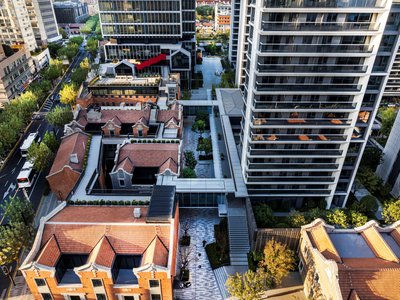
Nikken Sekkei Stacks a Three-Dimensional Lilong Atop Shanghai's Historic Alleyways
A 180-meter tower and restored heritage houses on Nanjing West Road reimagine communal lane life as a vertical mixed-use district.
PLATAFORMArq Folds a Concrete Roof Over the Portuguese Mountains in House #474
A 220-square-meter residence in Teixoso, Portugal, wraps board-formed concrete into an angular canopy that frames the Serra da Estrela foothills.


Explore Residential Building Competitions
Discover active competitions in this discipline




The International Standard for Design Portfolios


The Global Benchmark for Architecture Dissertation Awards


The Global Benchmark for Graduation Excellence

Challenge to design mud housing for contemporary communities
Comments (0)
Please login or sign up to add comments
No comments yet. Be the first to comment!