
Birdwatchers' Nest: A Harmonious Blend of Nature and Architecture
Exploring the sustainable architecture and innovative design of the Birdwatchers' Nest in Manú National Park.


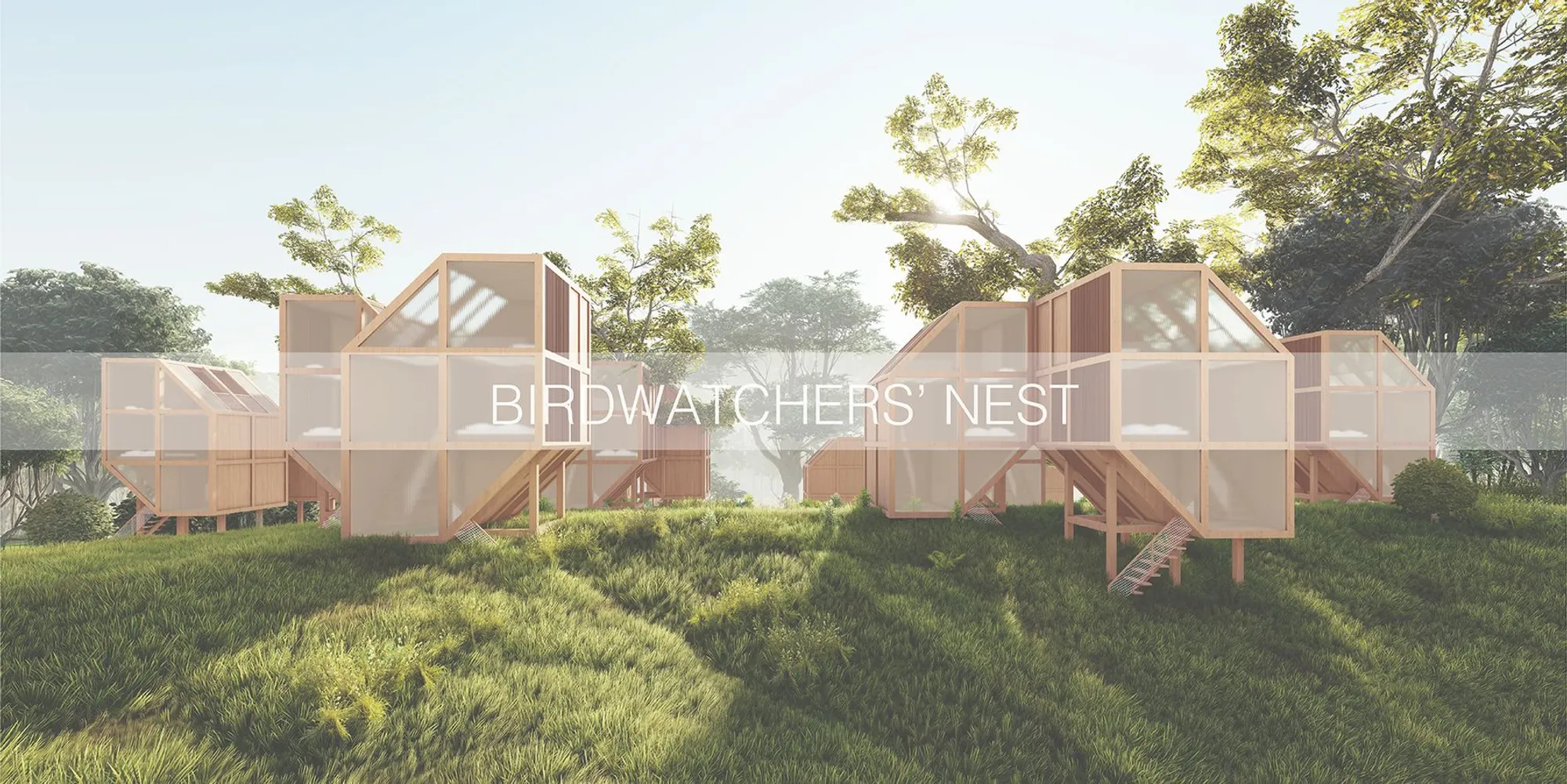
The Birdwatchers' Nest, a complex of 20 innovative hotel cabins, is a unique architectural project nestled in Manú National Park, Peru, where the Rio Manú and Rio Madre de Dios rivers converge. Designed with avian enthusiasts in mind, this project not only caters to the needs of birdwatchers but also prioritizes the welfare of the park's flora and fauna, which is home to over 1,000 bird species. This article delves into the intricacies of the Birdwatchers' Nest, exploring its design, materials, functionality, and the philosophy behind its creation.
The Birdwatchers' Nest project by Ida Owczarek, Natalia Zachmann, Alicja Kaczmarek, Winner entry of Perched competition stands out as a prime example of sustainable architecture. It embodies a balance between providing comfort and maintaining an environmentally friendly footprint. The design prioritizes user comfort, environmental friendliness, and ease of transport and installation, making it a model for future eco-friendly lodging solutions.

Design and Functionality
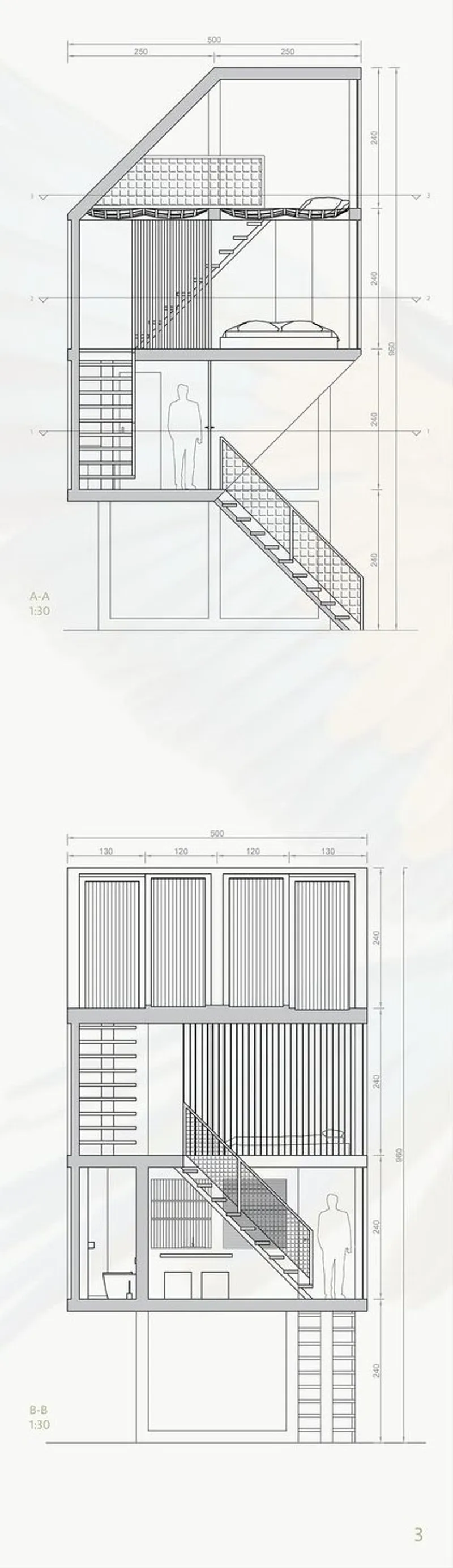
Each cabin in the Birdwatchers' Nest comprises three functional levels, each meticulously designed to serve different purposes while maximizing space and comfort. The ground floor houses the living area, which includes a bathroom, a kitchen ventilated by a system of wooden blinds, and ample storage space. This level ensures all basic amenities are within easy reach while maintaining an open, airy feel. The second level is dedicated to the sleeping area, accessed via a set of stairs. This space is designed for tranquility and relaxation, with the floor replaced by a net, offering a unique resting experience. The topmost level is a dedicated birdwatching and relaxation zone. A pair of large sliding roof windows open up to provide unobstructed views of the surrounding landscape, making birdwatching a comfortable and immersive experience. These windows also facilitate ventilation and allow natural sunlight to flood the space.
Innovative Features
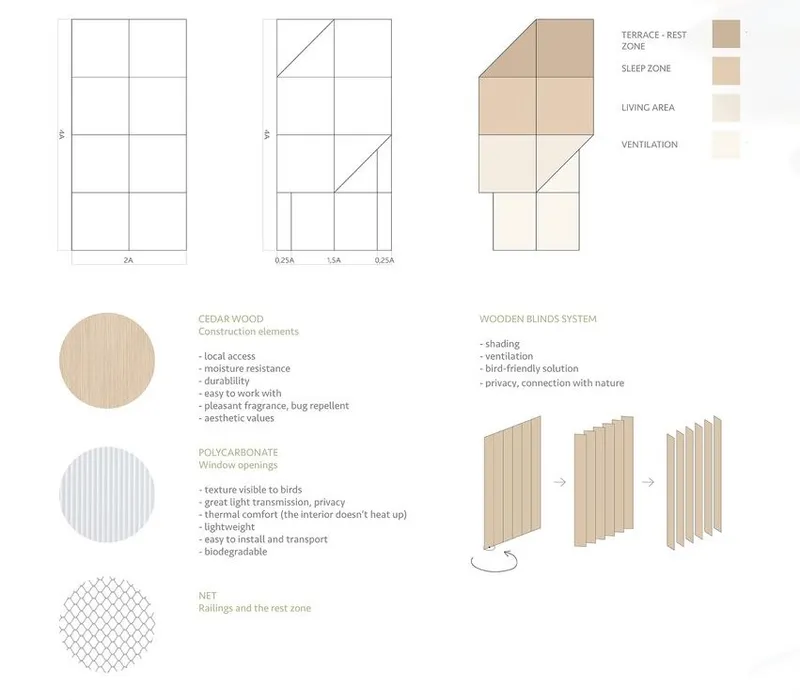
The Birdwatchers' Nest incorporates several innovative features that enhance its functionality and sustainability. The combination of the resting net and wooden blinds system ensures optimal airflow throughout the cabin. This natural ventilation system reduces the need for artificial cooling, aligning with sustainable design principles. The stairs are designed to seamlessly connect the different functional areas without interfering with the overall layout. They follow the shape of the form and lead sequentially through all the floors, ensuring easy access and movement. The kitchen and storeroom are cleverly hidden behind the blinds, achieving a minimalist look. This design choice not only saves space but also maintains the aesthetic integrity of the cabins.
Materials and Sustainability
The Birdwatchers' Nest is constructed using materials chosen for their sustainability and suitability to the local climate. The primary construction material is cedar wood, known for its moisture resistance, durability, and pleasant fragrance, which acts as a natural insect repellent. Locally sourced cedar reduces transportation costs and environmental impact. Instead of traditional glass, cellular polycarbonate is used for window openings. This material is lightweight, resistant to damage during transport, and its structure is visible to birds, preventing collisions. The netting used in the rest zones improves ventilation and light transmission while maintaining an open, unobstructed view.

Form and Modularity
The main module of the cabins is a 2.2m cube, defined by an exposed wooden structure filled with wooden or polycarbonate elements. This modular design allows for easy assembly, disassembly, and transport, ensuring minimal environmental disturbance. The cabins are elevated on a beam and post construction, which aids in wood ventilation and vegetation growth, further enhancing the project's sustainability.

Site Plan and Arrangement
The arrangement of the cabins is designed to offer various configurations based on the needs of the inhabitants. The basic module is a 5m square, allowing for flexible placement and different orientations to provide diverse views. The terraces are positioned to overlook different sides, ensuring privacy and unique perspectives of the surrounding nature.

Interior Design
The interior of the Birdwatchers' Nest is simple and functional, with a focus on minimalism and connection with nature. Functional spaces like the bathroom and kitchen are hidden behind doors and blinds, drawing attention to the central feature—the stairs leading to the resting net. This design choice ensures that the interior remains uncluttered and emphasizes the natural surroundings.
The Birdwatchers' Nest is a testament to the potential of sustainable architecture to create spaces that harmoniously blend with their natural environment. By prioritizing user comfort, environmental sustainability, and functional design, this project sets a benchmark for future architectural endeavors. The use of locally sourced materials, innovative design features, and modular construction methods makes the Birdwatchers' Nest a model of eco-friendly lodging, perfect for avian enthusiasts and nature lovers alike.




Popular Articles
Popular articles from the community

EW PARK: Sustainable Architecture Reimagines the Future of Urban Parking
EW PARK reimagines city parking as a modular wooden tower combining automation, solar energy, electric mobility, and adaptable urban design.

Hill & Cross Opera: Sculptural Opera House Architecture Shaped by Tallinn’s Landscape and Identity
Hill & Cross Opera reimagines opera house architecture in Tallinn through its sculptural hill, civic plaza, glass wave and a luminous cross.

Co-Life: Senior Housing Design That Reconnects Older Adults With the City
Co-Life reimagines senior housing design through healing gardens, shared streets, workshops, and a sustainable community across generations.

Conexión: Biophilic Design Reimagines High-Rise Living in Hong Kong
Conexión reimagines high-rise living in Hong Kong through biophilic design, green facades, shared spaces, daylight, water and nature within.


Similar Reads
You might also enjoy these articles

Day and Night Park: A Time-Based Urban Newsstand in Beijing
A temporary urban newsstand in Beijing blending travel, light, and reading through poetic colors, compact form, and community-focused design.

Modernist Patio Renovation in El Masnou, Barcelona by Oliver Segura Arquitectura + Cebrià Arquitectura
Modernist patio renovation blending tradition and innovation with a movable pool, leveled floors, and Catalan materials in El Masnou.

Alto Residencial Coop: Cooperative Housing Development in Santiago de Compostela by Carbajo Barrios Arquitectos
A linear cooperative housing complex blending white volumes and perforated metal façades, enhancing community living, natural light, privacy, and urban integration.

Vil Genis School by BPA ARCHITECTURE – Massy, France
Vil Genis School in Massy, France, features sustainable design, south-facing classrooms, community integration, accessible spaces, and modern educational architecture.


Explore Bird Watching Competitions
Discover active competitions in this discipline



Challenge to reimagine the Iron Throne


Photograph architecture without architects


Illustrate the lost glory of Angkor Wat - Render Challenge


Design challenge to reuse E-waste
Comments (0)
Please login or sign up to add comments
No comments yet. Be the first to comment!