
Biryanak Metro Plaza: An Urban Oasis Amidst Tehran's Bustle
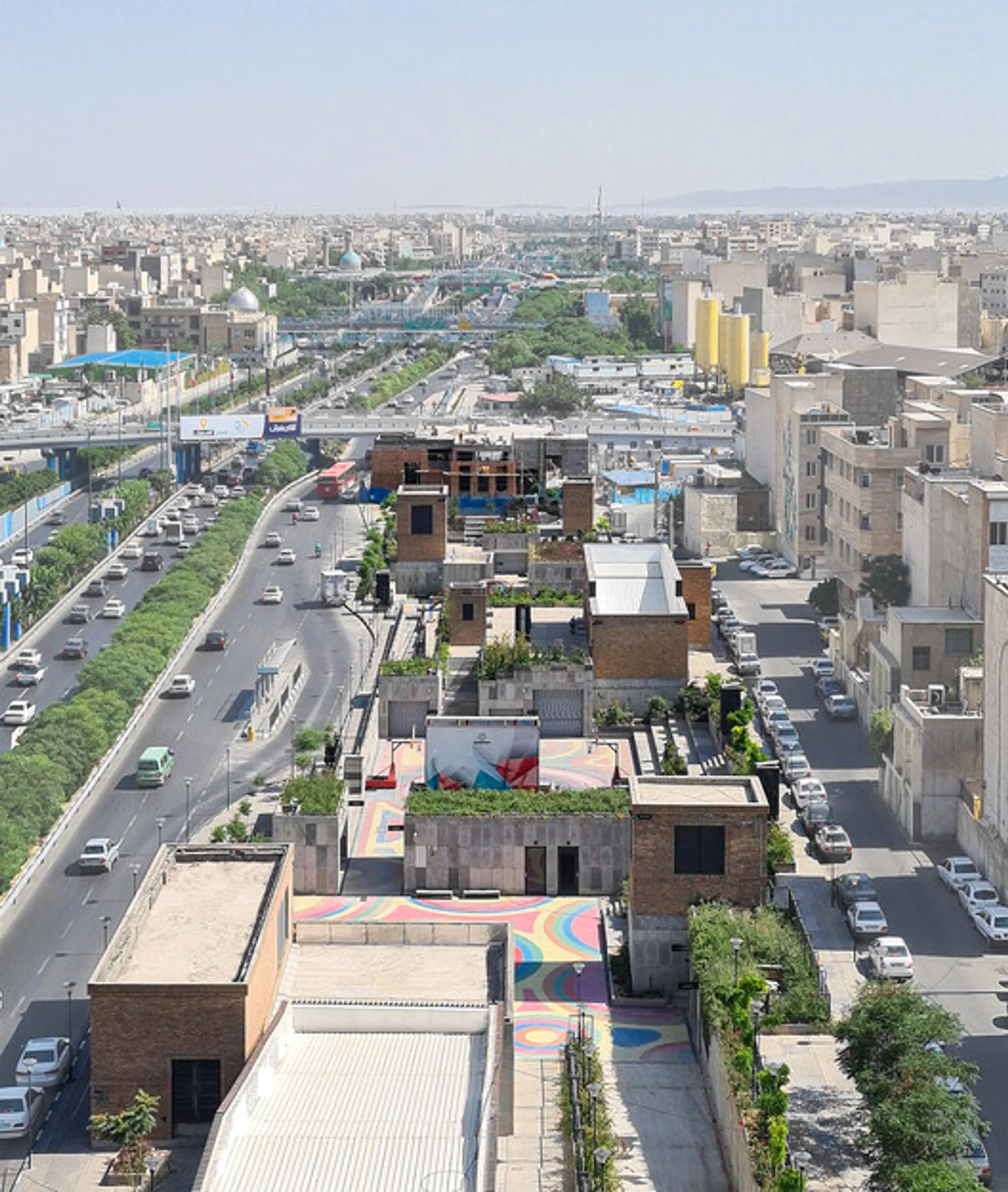
The Biryanak Metro Plaza in Tehran innovatively combines urban design with green spaces for community use.


Urban Green Spaces in Tehran
In the heart of Tehran, amidst the endless hum of city life, stands a testament to innovative urban design and green living - the Biryanak Metro Plaza. Crafted by the visionary minds at Ashrafi & Zad, this plaza is not just an architectural marvel but a beacon of sustainability and community engagement in Iran's bustling capital. This article delves into how the Biryanak Metro Plaza exemplifies the essence of urban green spaces, transforming the urban fabric of Tehran.
The Genesis of Biryanak Metro Plaza
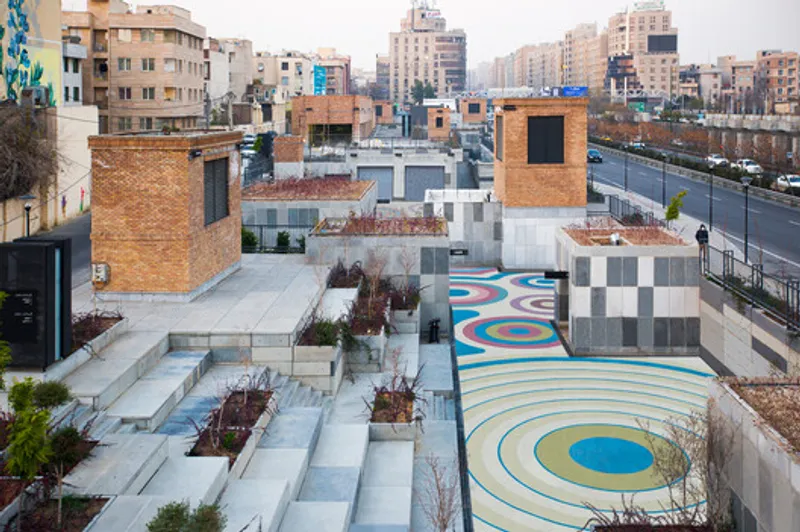
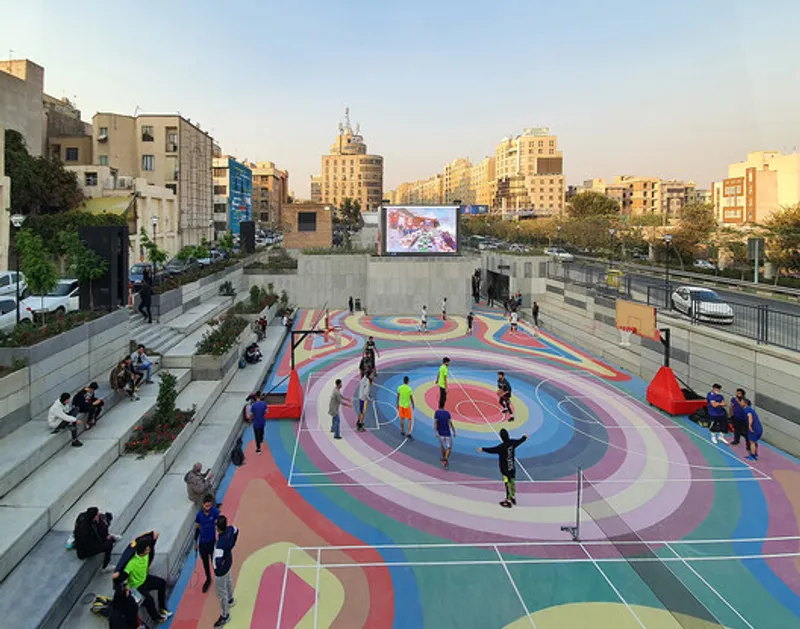
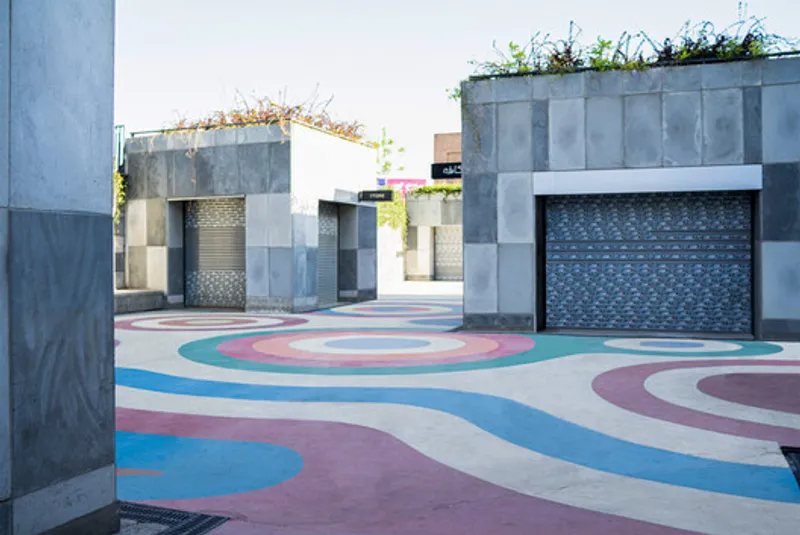
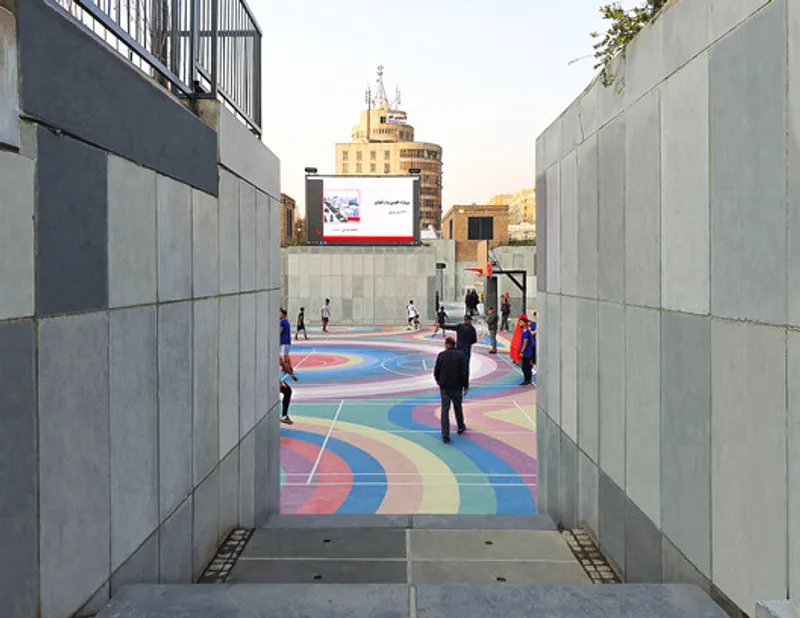
Located strategically between a busy highway and a densely populated residential area, the plaza serves as a vibrant community hub. It spans an impressive 8500 m² and was completed in 2021 under the lead architect, Raha Ashrafi. The challenge was to create a serene and accessible space amidst the cacophony of urban noise pollution and the physical constraints of its surroundings.
Tackling Urban Challenges with Green Solutions
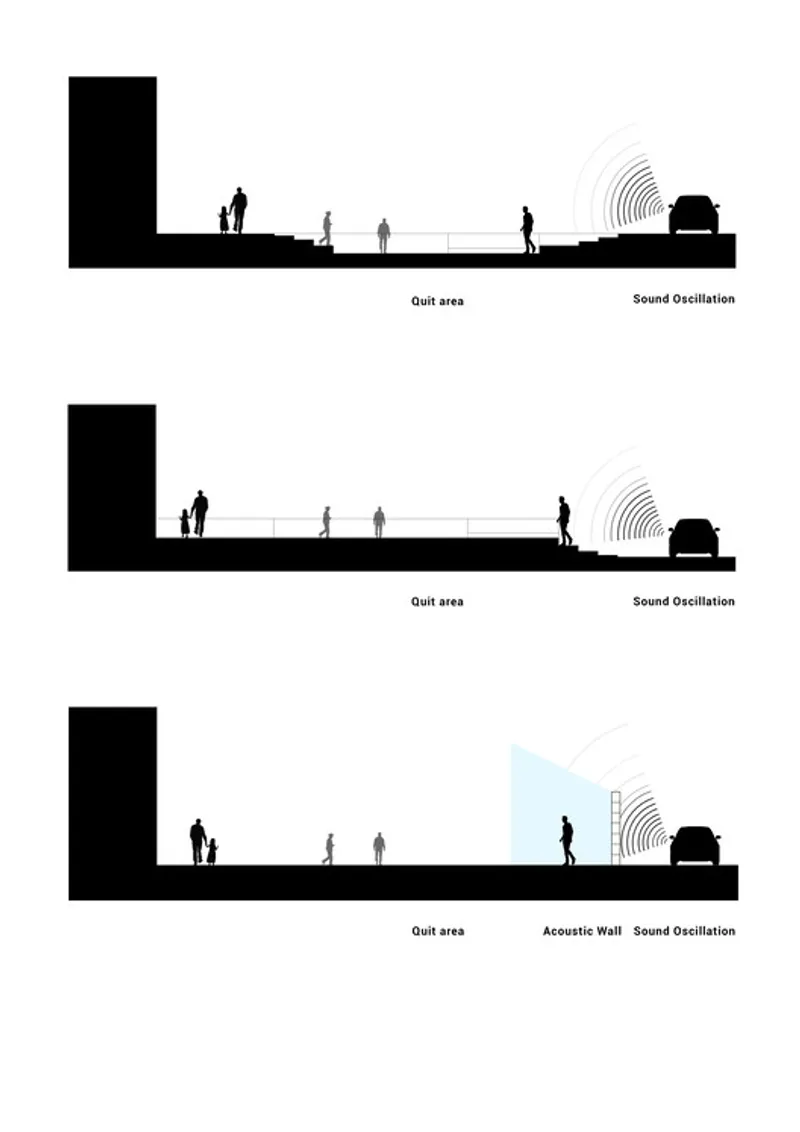
Sound Pollution Mitigation
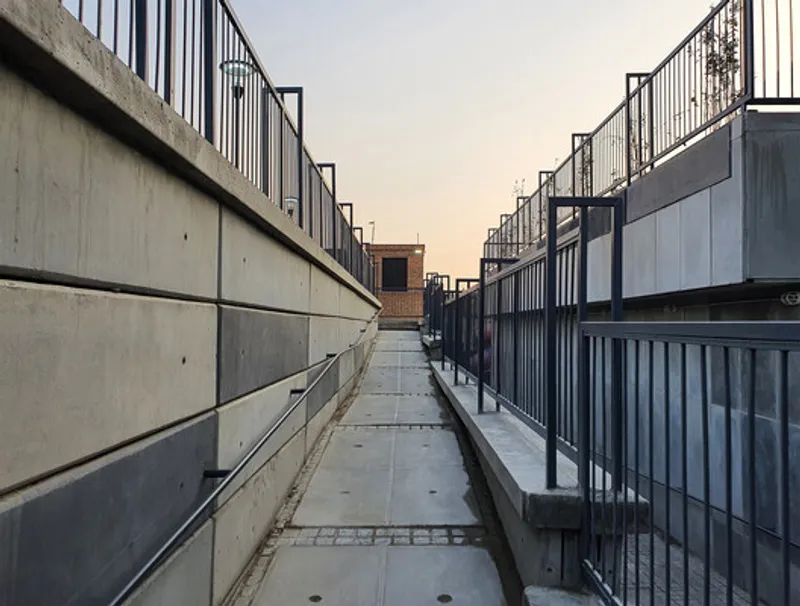
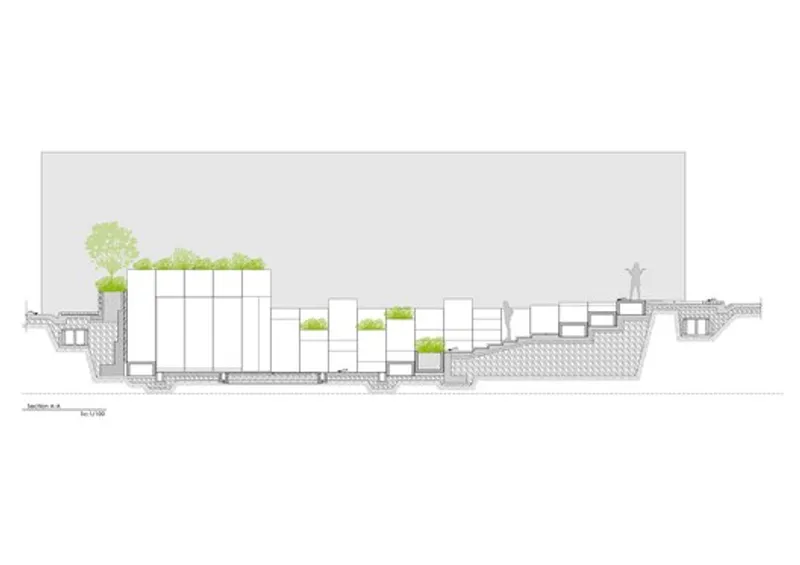
One of the paramount challenges was the relentless sound pollution from the nearby highway. Through meticulous data collection and collaboration with sound engineers, the project team implemented innovative solutions. The plaza's design incorporates natural sound barriers, leveraging the site's four-meter elevation difference relative to the highway to mitigate noise effectively. Native trees planted alongside the highway not only combat sound pollution but also add to the area's greenery, showcasing the project's commitment to urban green spaces.
Expanding Green Spaces
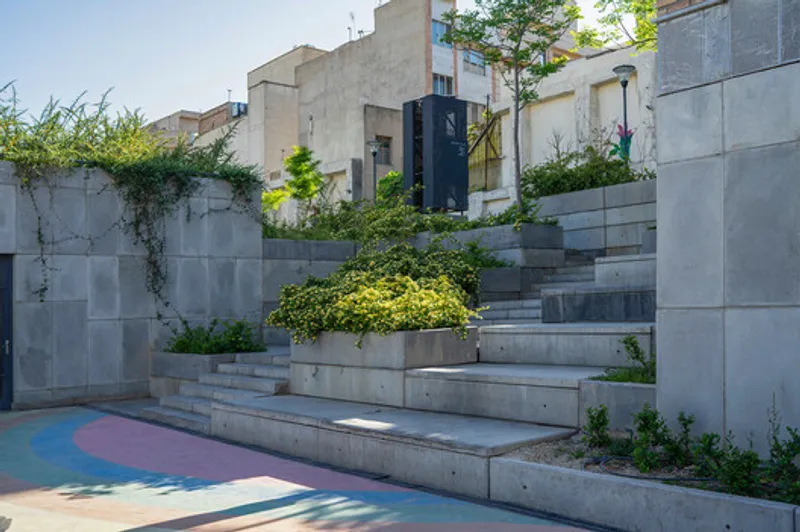
Encompassing nearly 9000 square meters, the Biryanak Metro Plaza significantly contributes to Tehran's green footprint. The selection of indigenous plants not only beautifies the space but serves a dual purpose as a natural buffer against traffic noise. This initiative underscores the project's broader aim to enhance urban green spaces, improving the overall quality of life for the city's residents.
Fostering Community and Commuter Engagement
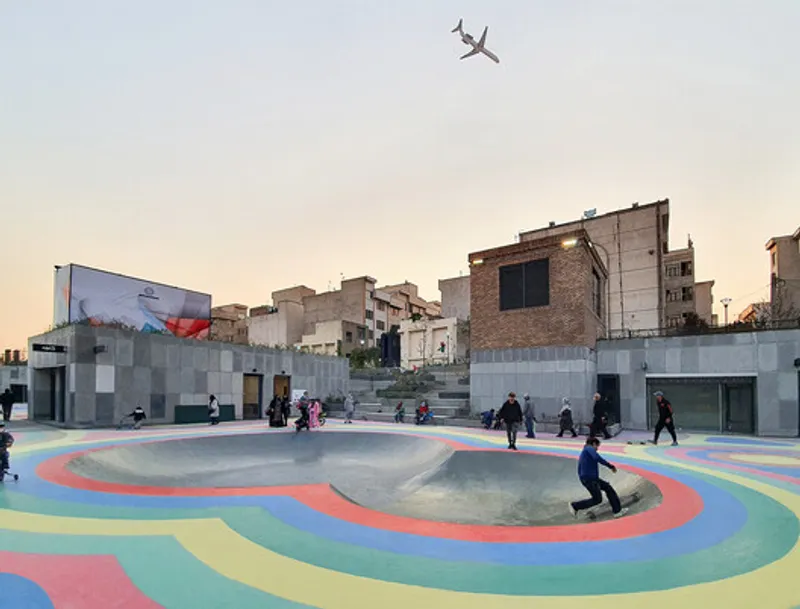
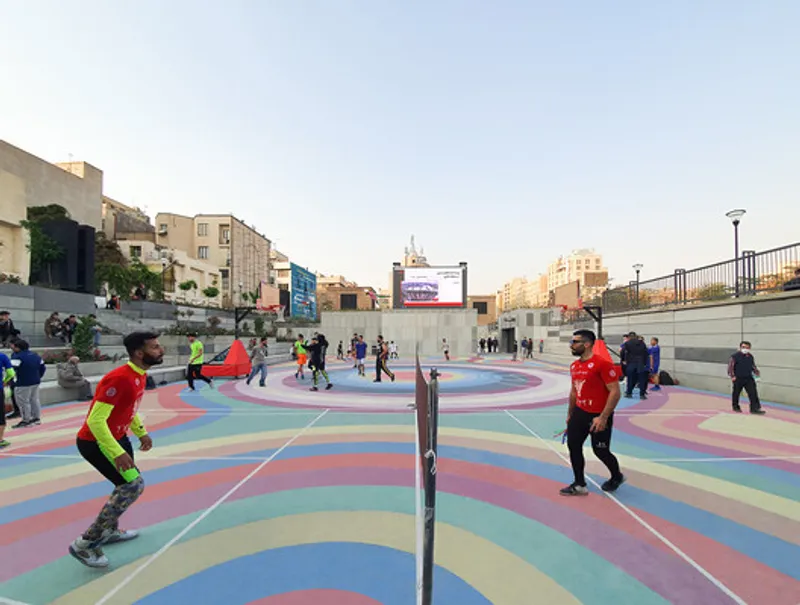
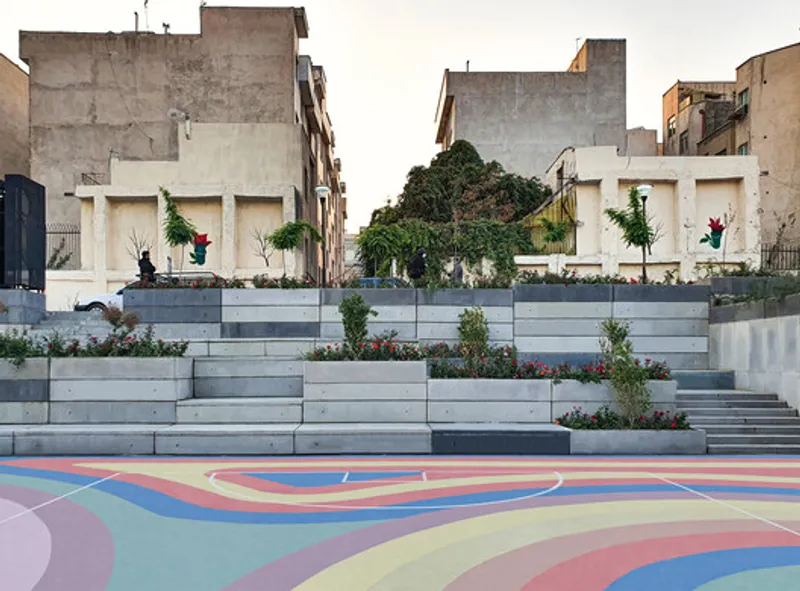
The plaza is a dynamic crossroads for local residents and commuters, designed to foster interaction and community spirit. With areas dedicated to a range of activities - from sports to leisure - the space caters to all age groups. Compact retail spaces scattered across the plaza activate the area throughout the day, ensuring safety and offering various attractions. This approach not only enhances the plaza's utility but also promotes community growth and empowerment, pivotal in the discourse on urban green spaces.
Material and Execution
The construction of Biryanak Metro Plaza was marked by efficiency and speed, utilizing prefabricated materials to streamline the implementation process. This choice of materials underscores a commitment to sustainability, aligning with the broader theme of urban green spaces by minimizing construction waste and environmental impact.
A Model for Future Urban Green Spaces
The Biryanak Metro Plaza stands as a shining example of how urban design can harmoniously blend functionality, aesthetics, and sustainability. By addressing the challenges of sound pollution, fostering community engagement, and expanding green spaces, the project sets a benchmark for future urban developments. It is a clear demonstration of how cities like Tehran can embrace green solutions to enhance urban living, making the Biryanak Metro Plaza a pivotal case study in the evolution of urban green spaces.
All photographs are work of Nima Ghanei




Popular Articles
Popular articles from the community


Hill & Cross Opera: Sculptural Opera House Architecture Shaped by Tallinn’s Landscape and Identity
Hill & Cross Opera reimagines opera house architecture in Tallinn through its sculptural hill, civic plaza, glass wave and a luminous cross.

Play: Fragments of Their World
Familiar architecture becomes modular playground design, creating safe spaces where displaced children can learn, connect, imagine and play.

The Earth Pod: 3D Printed Homes for Resilient Refugee Communities
The Earth Pod reimagines refugee housing through 3D printed homes made from clay, combining resilience, self-sufficiency, and rapid shelter.

The Musturak Paradise: Senior Living Architecture for a Connected Future in Temara, Morocco
The Musturak Paradise reimagines senior living architecture in Temara via private homes, social spaces, culture, community, and shared care.


Similar Reads
You might also enjoy these articles

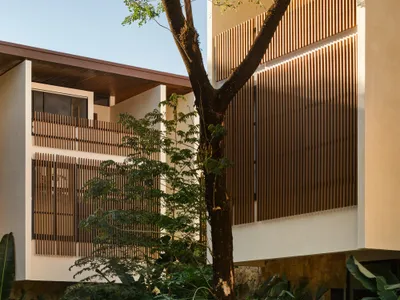
FAMM Arquitectura Organizes Ten Villas Around Courtyards and Jungle in Nosara, Costa Rica
El Molino pairs two elongated volumes with deep overhangs and timber louvers to build a compact coastal community five minutes from the beach.
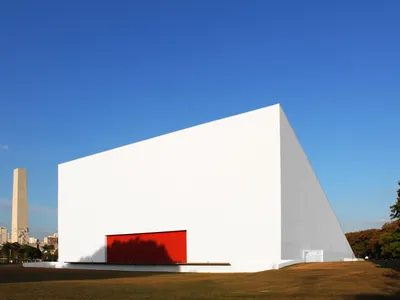
Oscar Niemeyer's Ibirapuera Park Pavilions Define São Paulo's Cultural Identity in Concrete and Curve
A constellation of modernist volumes set within São Paulo's most important urban park, conceived for the city's 400th anniversary in 1954.
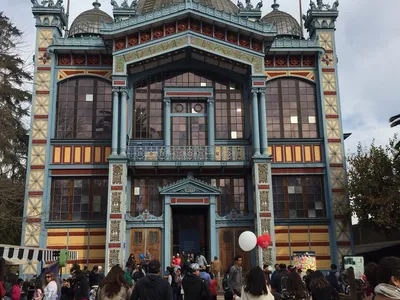
How Henri Picq's 1889 Paris Pavilion Traveled 11,000 Kilometers to Become Santiago's Artequín Museum
A prefabricated iron and glass pavilion built for the Paris Universal Exposition found a second life as a children's art museum in Chile.
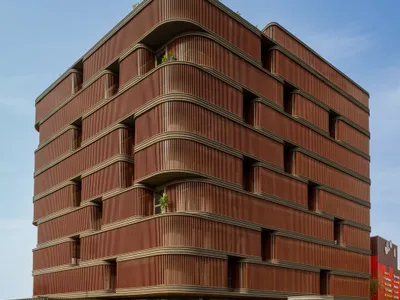
Sanjay Puri Architects Wraps a Jaipur Office Tower in Capsule-Shaped Green Buffers
A nine-level climate-responsive workplace near Jaipur Airport uses stacked planter terraces and aluminium screens to fight 40°C heat.


Explore Public Building Competitions
Discover active competitions in this discipline


Challenge to design locus for the upliftment of human rights


Challenge to reimagine the Iron Throne


Photograph architecture without architects


Illustrate the lost glory of Angkor Wat - Render Challenge
Comments (0)
Please login or sign up to add comments
No comments yet. Be the first to comment!