

Blacktown Animal Rehoming Centre by Sam Crawford Architects: A New Benchmark in Humane and Sustainable Animal Shelter Design
A sustainable, humane animal shelter integrating nature, wellness, and community to promote pet adoption and animal welfare in Blacktown.


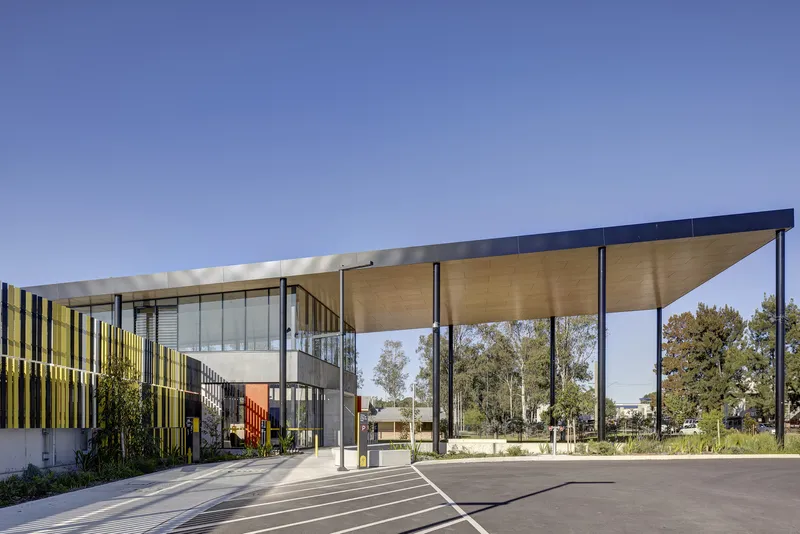
Located in Blacktown, Australia, adjacent to the lush Western Sydney Parklands, the Blacktown Animal Rehoming Centre (BARC) by Sam Crawford Architects is redefining the future of animal shelter architecture. With its expansive 6,180-square-meter layout and capacity to house up to 380 cats and dogs, BARC is the largest animal rehoming facility in the Southern Hemisphere—a progressive space designed for the well-being of both animals and humans.
A Compassionate Architectural Vision Rooted in Nature
BARC is not just a facility; it’s a healing landscape for animals, a supportive workplace for staff, and a community hub for education and outreach. The project is composed of six elongated, finger-like buildings, each dedicated to specific functions—kennels, catteries, veterinary services, and administrative spaces. These buildings are strategically arranged to maximize natural light, encourage cross-ventilation, and maintain strong visual and physical connections with the surrounding landscape.
This biophilic layout enhances animal welfare by reducing stress, increasing environmental stimulation, and supporting rehabilitation. The modular design, paired with large glazed openings, allows dogs to engage with the natural world from their private kennels while also offering areas for withdrawal and rest, critical for reducing overstimulation and acoustic discomfort.

Humane Design Meets Practical Functionality
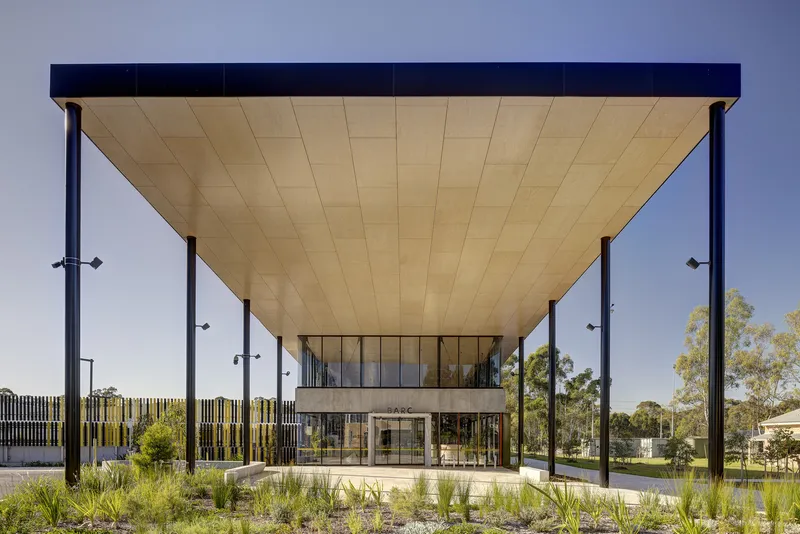
A key element of BARC’s success is its ability to merge functionality with emotional intelligence. Covered walkways connect the buildings, providing clear and separate paths for animal intake, assessment, stray reclaim, surrender, and adoption. Importantly, these pathways also segregate dogs and cats, reducing anxiety and improving operational flow.
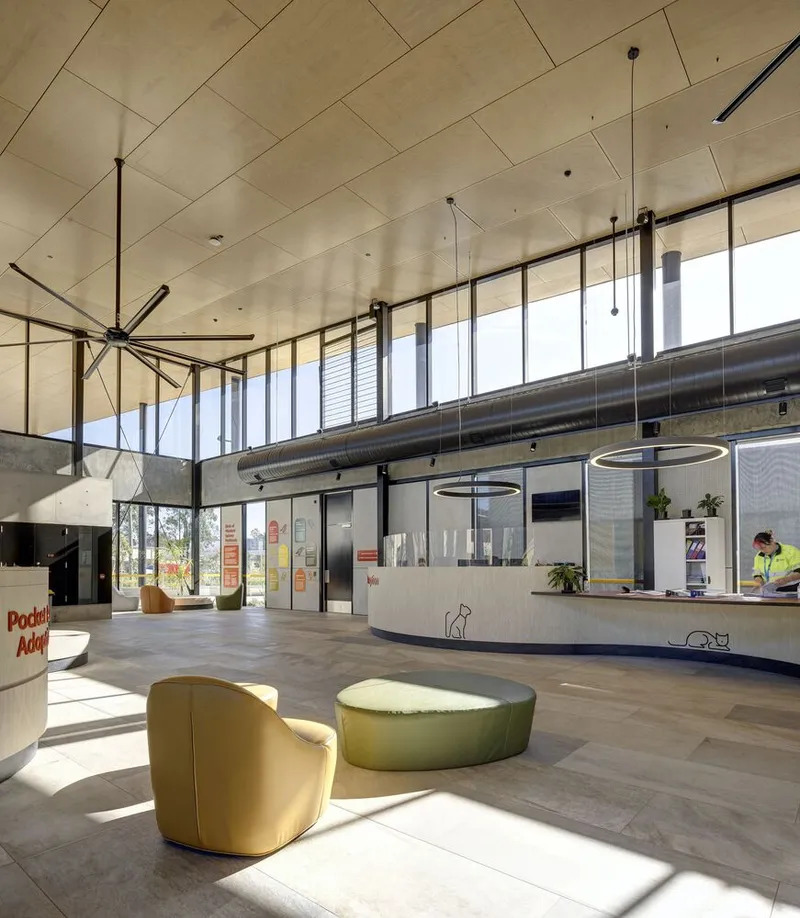
The reception building is designed as a civic landmark, with a sweeping roofline and a light-filled interior that invites the public into a safe, clear, and welcoming space. Here, visitors find 'home-like' viewing rooms, educational displays, and a multipurpose area for community workshops and training programs, reinforcing the center’s mission to educate and support future pet owners.


Color, Comfort, and Play: A Shelter That Feels Like Home
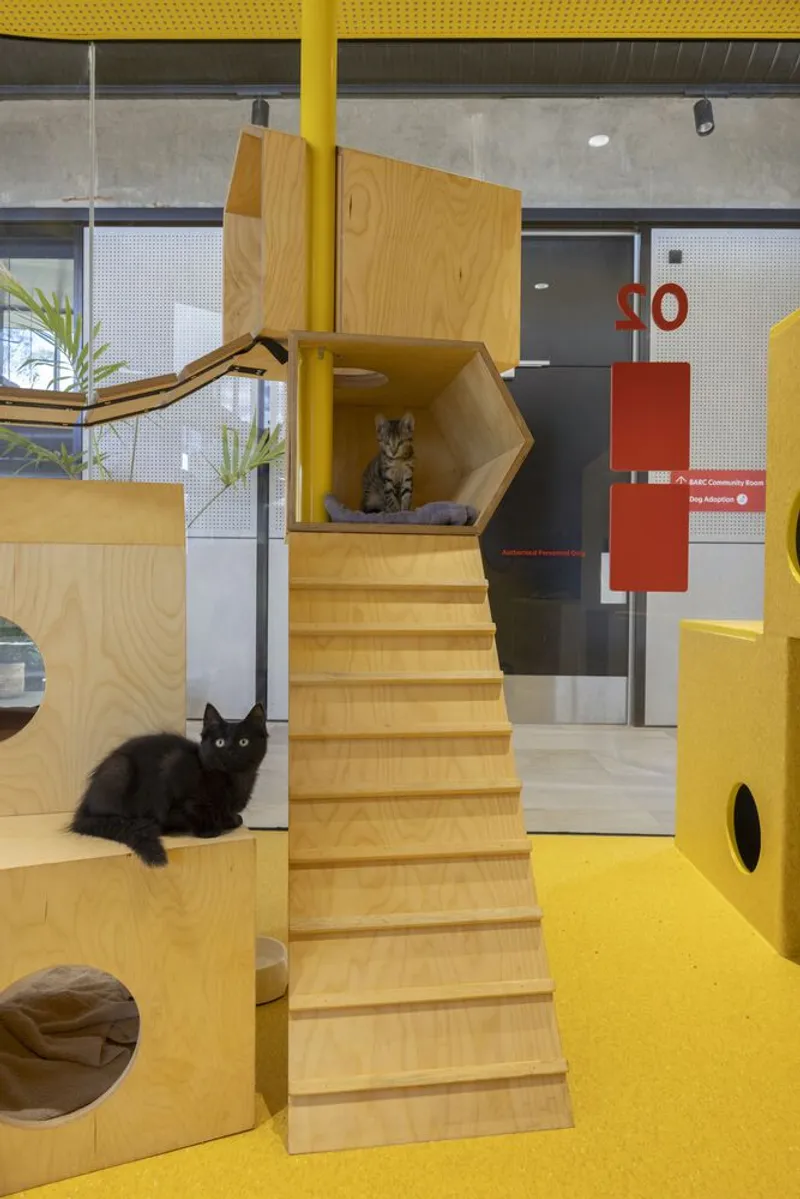
Rather than relying on cold, institutional aesthetics, the architects implemented a vibrant color palette and a variety of playful design elements—particularly in the cattery, where climbing gyms, multi-level sleeping boxes, and multicolored rooms foster engagement and comfort for feline residents.
Materials were carefully selected for durability, hygiene, and ease of maintenance, including anti-bacterial surfaces and robust finishes capable of withstanding the demands of daily shelter operations.

A Sustainable, Landscape-Integrated Approach
Surrounding the facility is a carefully curated landscape by JMD Design, integrating drought-tolerant and shade-giving native plant species. These not only provide a serene environment but also support local birdlife and serve as living art—connecting shelter residents with the broader ecosystem.
Sustainability is embedded into every layer of the project. BARC features:
- 99 kWh rooftop solar PV array
- Electric vehicle charging stations
- Passive ventilation and natural daylighting strategies
- Rainwater retention and bio-filtration zones
- Heat exchange air-conditioning systems
These initiatives ensure that the shelter operates efficiently while minimizing its environmental footprint.

More Than a Shelter—A Community Catalyst
BARC positions itself as more than a shelter—it’s a community education and support center. From pre-adoption training for future pet owners to animal care workshops, the center's multipurpose spaces are essential to building lasting bonds between humans and animals. Educational elements are seamlessly integrated into the site, including fun animal facts embedded into pavements, turning everyday movement into a learning opportunity.
All Photographs are works of Brett Boardman


Popular Articles
Popular articles from the community


ETEH Reworks the Shared Spaces of São Domingos School in Brazil Around Timber, Color and Hanging Plants
At São Domingos School in Brazil, 436 m² of hall, refectory and library are recast with timber joinery, a yellow and blue code and trailing greenery.

FCC Arquitectura Expands a Portuguese Granite House with a Board-Marked Concrete Wing
In Portugal, JV House pairs a cleaned-up whitewashed and granite dwelling with a timber-shuttered concrete extension, courtyards and a garden pool.


Singing Woman: An Opera House That Performs Before the Curtain Rises
Ovidiu Cristian Pavel's conceptual opera house translates Estonia's choral identity into a sculpted waterfront landmark facing the Baltic Sea.

Cube Design Draws an Ecological Corridor Between Two Shenzhen Hills with the Nankai Building
Beside Shenzhen's container docks, the Nankai Building pairs stacked balconies with a climbing green screen to connect two hillsides across its height.

Similar Reads
You might also enjoy these articles


Hodi-Mandai Geram
Project Function: Preservation and revitalization of the Intangible heritage and socio-spatial identity of the Hodi by Housing, Cultural Memory Center, Sacred Grove, landscape, local tourism economy


Olio Towers: A Mid-Rise for Performers That Fuses Housing, Rehearsal, and Stage
Located blocks from Houston's Theater District, this modular tower stacks living units around a central performance atrium.

Oasis: Modular Green Housing Carved into Dhaka's Urban Fabric
A shortlisted Plugin Housing entry reclaims unauthorized settlements in Dhaka with stepped concrete volumes, green roofs, and ventilation-driven design.

Black Hole: A Floating Megastructure for the Post-Physical Era
Emiliano Mazzarotto envisions a spherical, self-scaling arena where e-sports, digital hotels, and holographic stadiums replace traditional public space.

Explore Dog Shelter Competitions
Discover active competitions in this discipline

Challenge to reimagine the Iron Throne

Photograph architecture without architects

Illustrate the lost glory of Angkor Wat - Render Challenge

Design challenge to reuse E-waste
Comments (0)
Please login or sign up to add comments
No comments yet. Be the first to comment!