
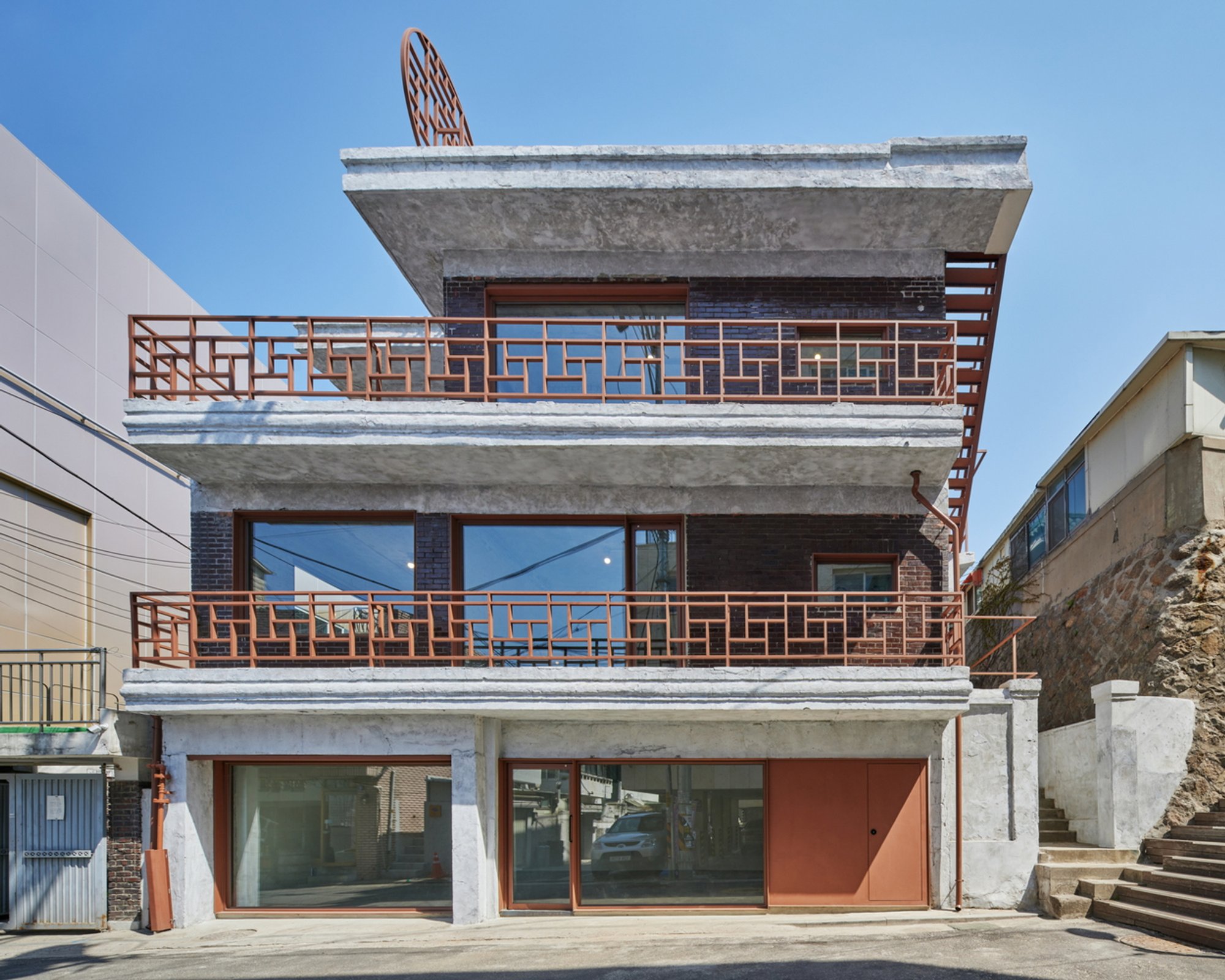
Blind Alley Mixed-Use Building by LJL Architects: A Strategic Urban Renovation in Yongsan-gu
Adaptive reuse of a 1969 Korean house into a sustainable mixed-use building, blending heritage, minimalism, and urban regeneration.

In the heart of Yongsan-gu, Seoul, LJL Architects transformed a traditional 1969 yŏnwa-jo—a black-tiled Korean house—into a resilient, multi-functional urban hub. Originally built as the mayor’s residence, the structure underwent a thoughtful architectural renovation that balances heritage preservation with modern adaptive reuse, creating a sustainable mixed-use building that addresses both economic limitations and spatial potential.
From Ambition to Adaptation: Rethinking Urban Renewal
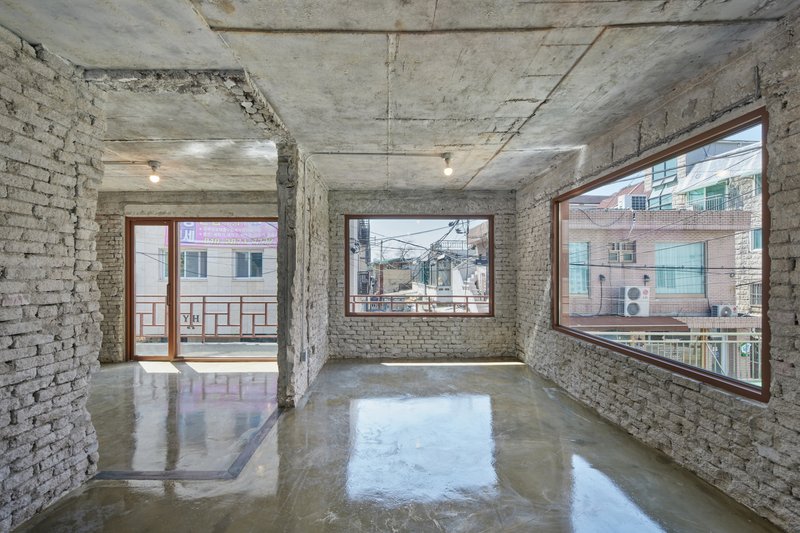
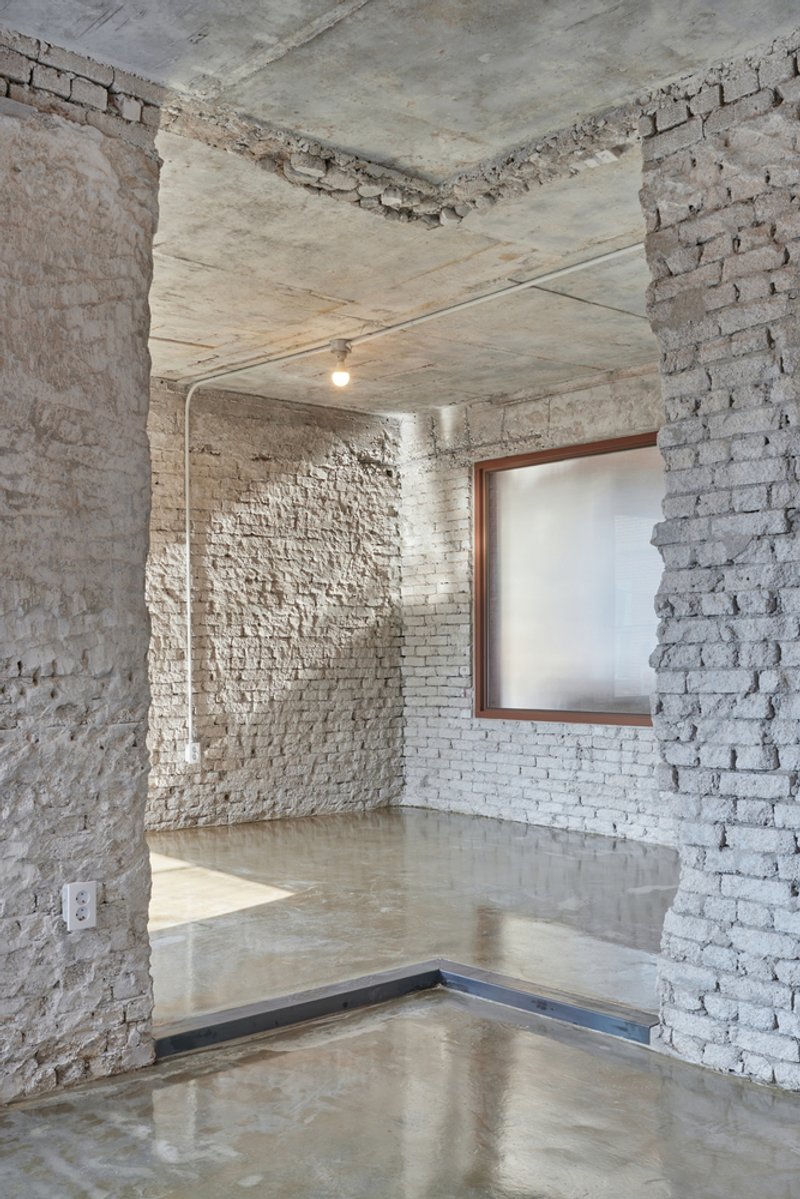
The initial vision for the Blind Alley project was bold: a five-story expansion with a reinforced steel frame to support official and commercial programs. Yet the sudden onset of the COVID-19 pandemic disrupted financial institutions and scaled back the available construction budget to just one-quarter of its original scope.
Instead of abandoning the project, LJL Architects pivoted toward a minimal-intervention strategy, retaining as much of the original building structure as possible. This shift from expansion to strategic renovation underscores the adaptability required in contemporary architecture—especially in volatile urban contexts.
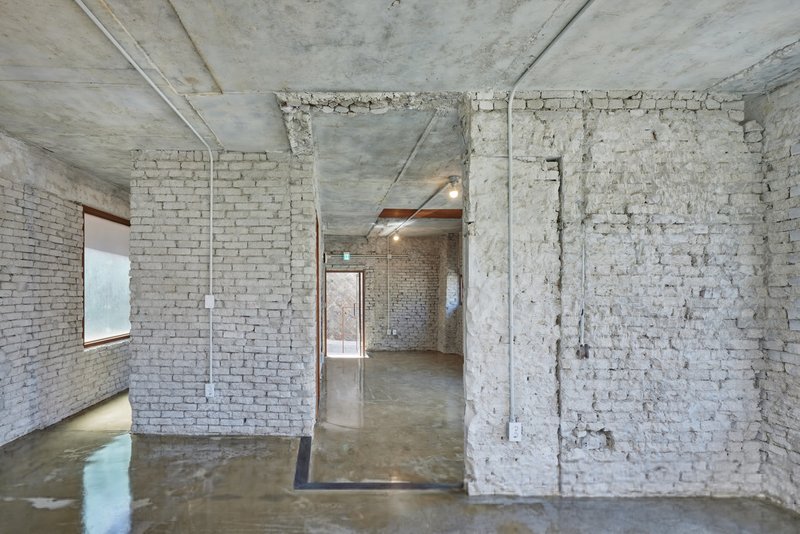
Stripping Down to Essence: Minimalism and Material Honesty
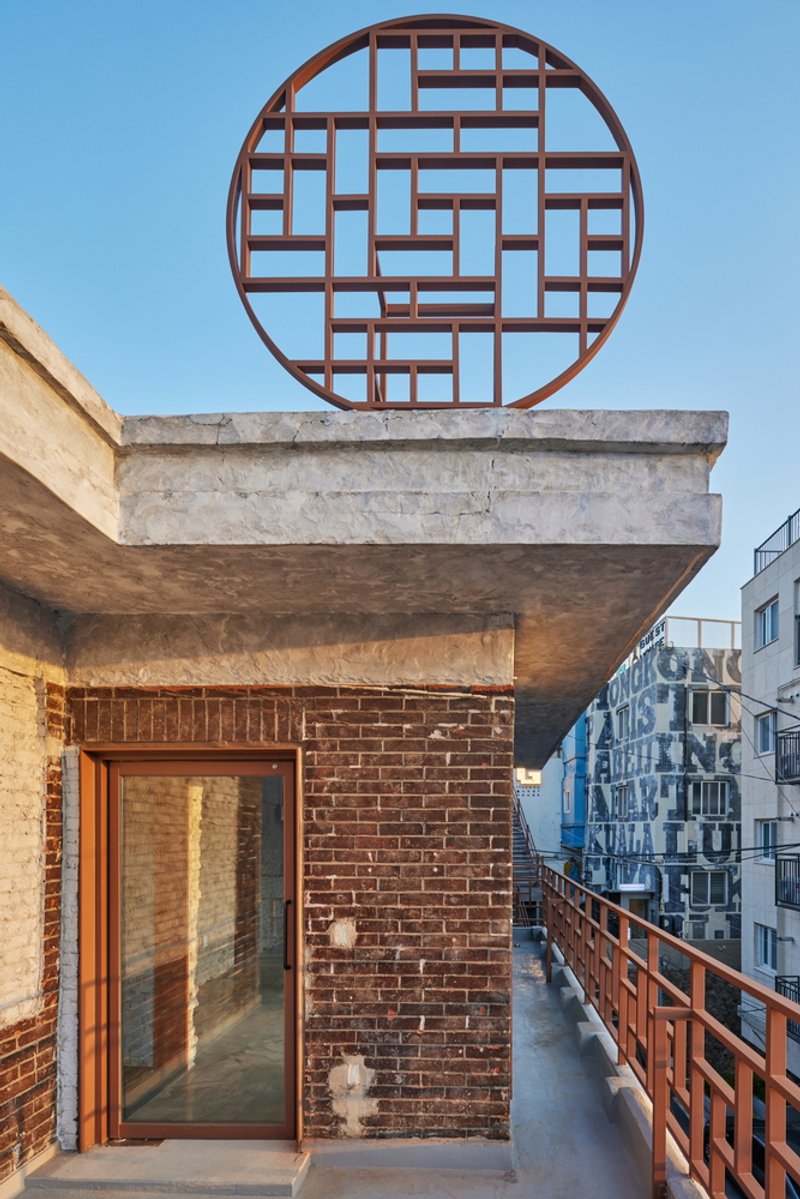
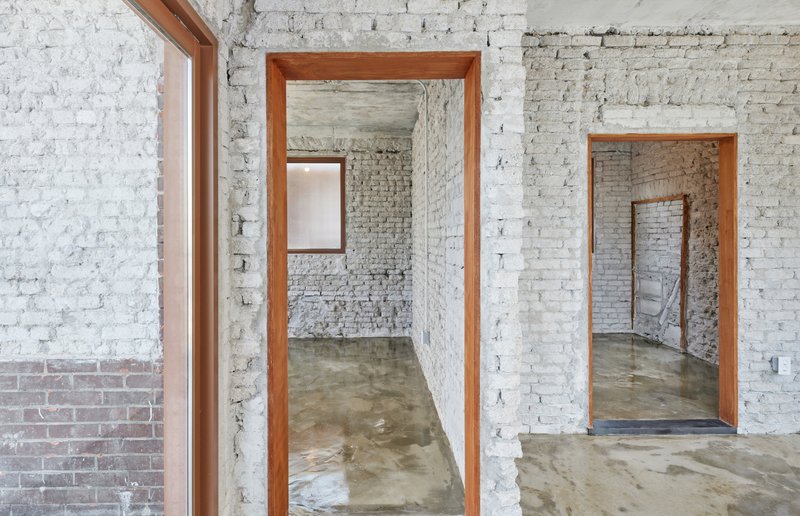
With the reduced budget, the architectural team focused on rejuvenating the existing structure. Interior and exterior walls were stripped of previous coatings and finishes, exposing the raw brickwork and concrete to reveal the material history of the house. The approach emphasized authenticity and texture, with imperfections celebrated as architectural artifacts that narrate the building’s layered past.
This reductive process was not simply aesthetic—it was a cost-effective architectural strategy. By working with what was already there, the architects reduced the need for new materials and minimized environmental impact, aligning the project with sustainable urban regeneration practices.
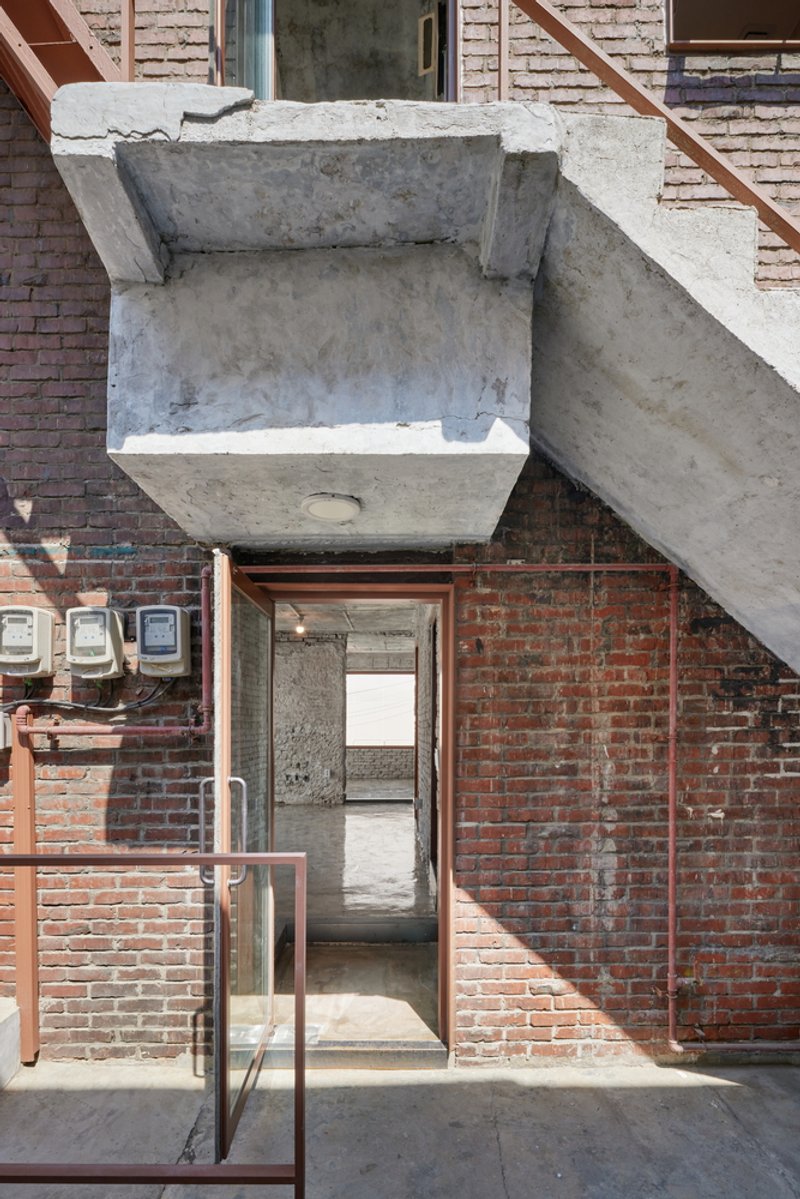
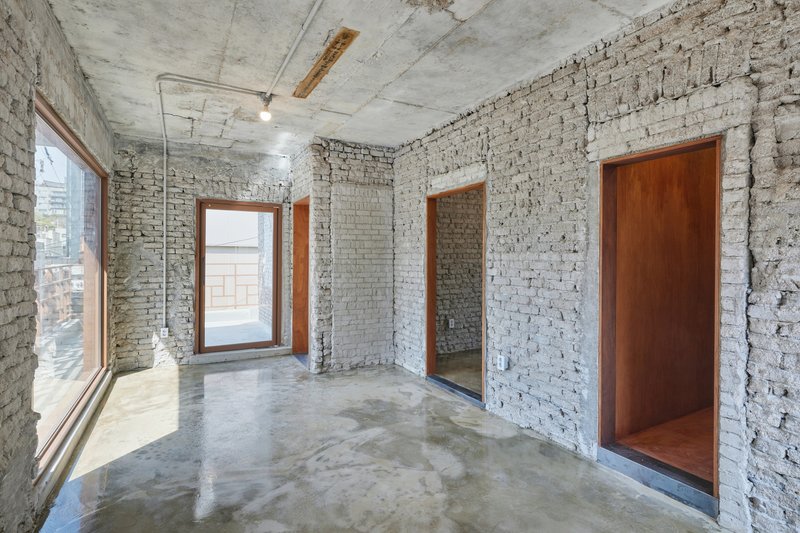
Reconfiguring the Urban Edge: A New Public Interface
At the street level, a critical intervention was made by dismantling and redesigning the building's wrought-iron railing, which once blocked the alley’s end. The redesigned edge creates a more porous and accessible interface, inviting the community into what was previously a secluded corner of the city.
This subtle urban gesture transformed the blind alley into a pedestrian-friendly micro-space, enhancing walkability and contributing to community engagement within a dense residential fabric.
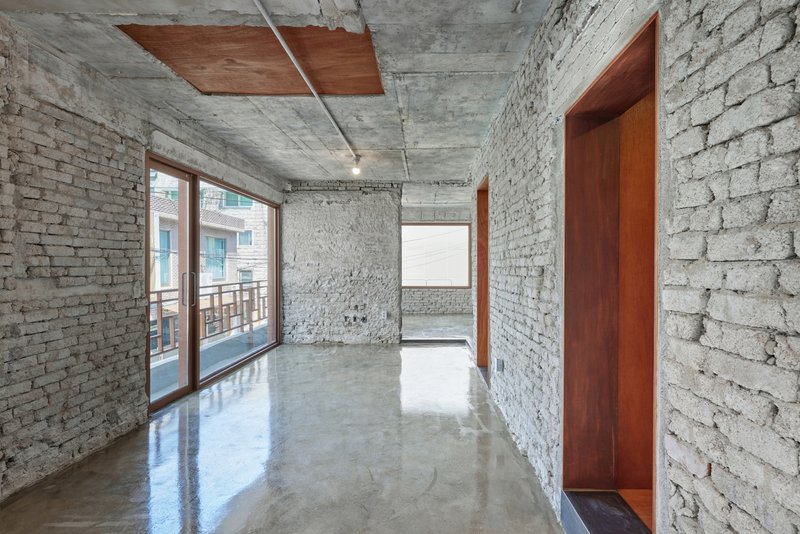
Mixed-Use with a Purpose: Flexibility for the Future
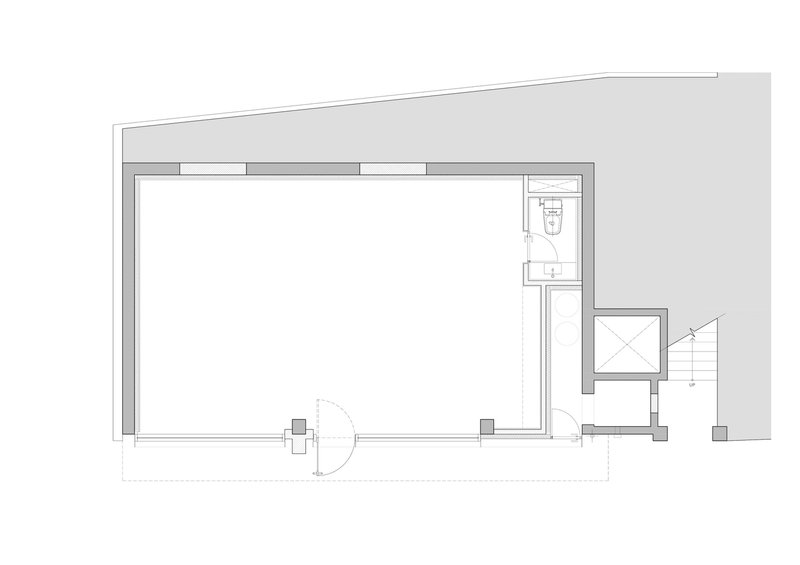
Although scaled back, the building still accommodates a mix of functions, including commercial and possibly co-working or residential units, depending on future needs. The result is a flexible, compact urban building that speaks to resilience, resourcefulness, and place-based design.
Rather than imposing a new identity, the architects allowed the building to evolve—embracing its past while opening doors to new urban possibilities.
All Photographs are works of Roh Kyung




Popular Articles
Popular articles from the community


IKC de Geluksvogel: Sustainable School Architecture Designed for Free Movement and Digital Learning
IKC de Geluksvogel turns sustainable school architecture into a flexible Maastricht campus for digital learning, nature, and free movement.
The Faith: Modular Architecture for Play, Learning, and Hope in Kutupalong Refugee Camp
A modular playground architecture project in Bangladesh where play, learning, safety, and hope rebuild childhood inside a refugee camp anew.
Milan Crossover: Sustainable Architecture for a New Fashion Culture in Milan
Milan Crossover transforms fashion culture through sustainable architecture, linking material libraries, remake studios, and public runways.

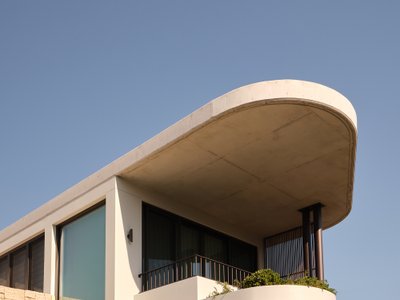
Stanton Architects Sculpts a Curving Family Home into Sydney's Inner West Fabric
Five Dock House uses cantilevers, curved concrete, and layered courtyards to carve out privacy on a tight suburban lot in Sydney.
Similar Reads
You might also enjoy these articles

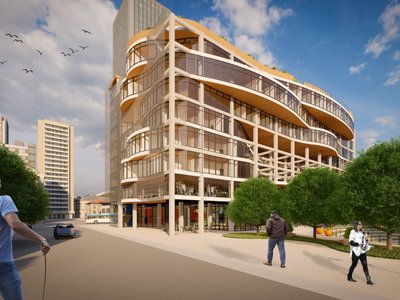
Olio Towers: A Mid-Rise for Performers That Fuses Housing, Rehearsal, and Stage
Located blocks from Houston's Theater District, this modular tower stacks living units around a central performance atrium.
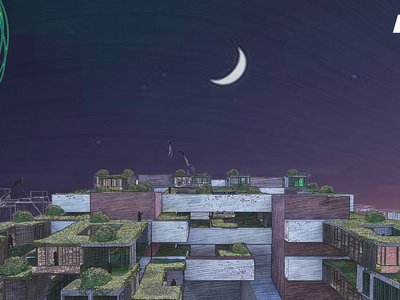
Oasis: Modular Green Housing Carved into Dhaka's Urban Fabric
A shortlisted Plugin Housing entry reclaims unauthorized settlements in Dhaka with stepped concrete volumes, green roofs, and ventilation-driven design.

Black Hole: A Floating Megastructure for the Post-Physical Era
Emiliano Mazzarotto envisions a spherical, self-scaling arena where e-sports, digital hotels, and holographic stadiums replace traditional public space.
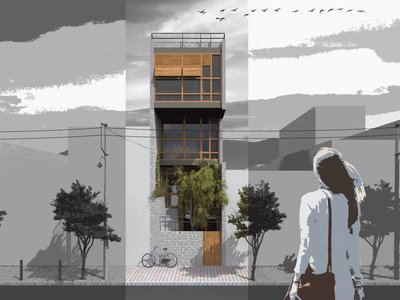
Compact & Sustainable Living in Piraeus: A Four-Level Family Home Built Around Light and Air
A narrow townhouse in one of Greece's densest port cities uses a central atrium and passive strategies to house three generations under one roof.


Explore Commercial Buildings Competitions
Discover active competitions in this discipline




The International Standard for Design Portfolios


The Global Benchmark for Architecture Dissertation Awards


The Global Benchmark for Graduation Excellence


Challenge to reimagine the Iron Throne
Comments (0)
Please login or sign up to add comments
No comments yet. Be the first to comment!