
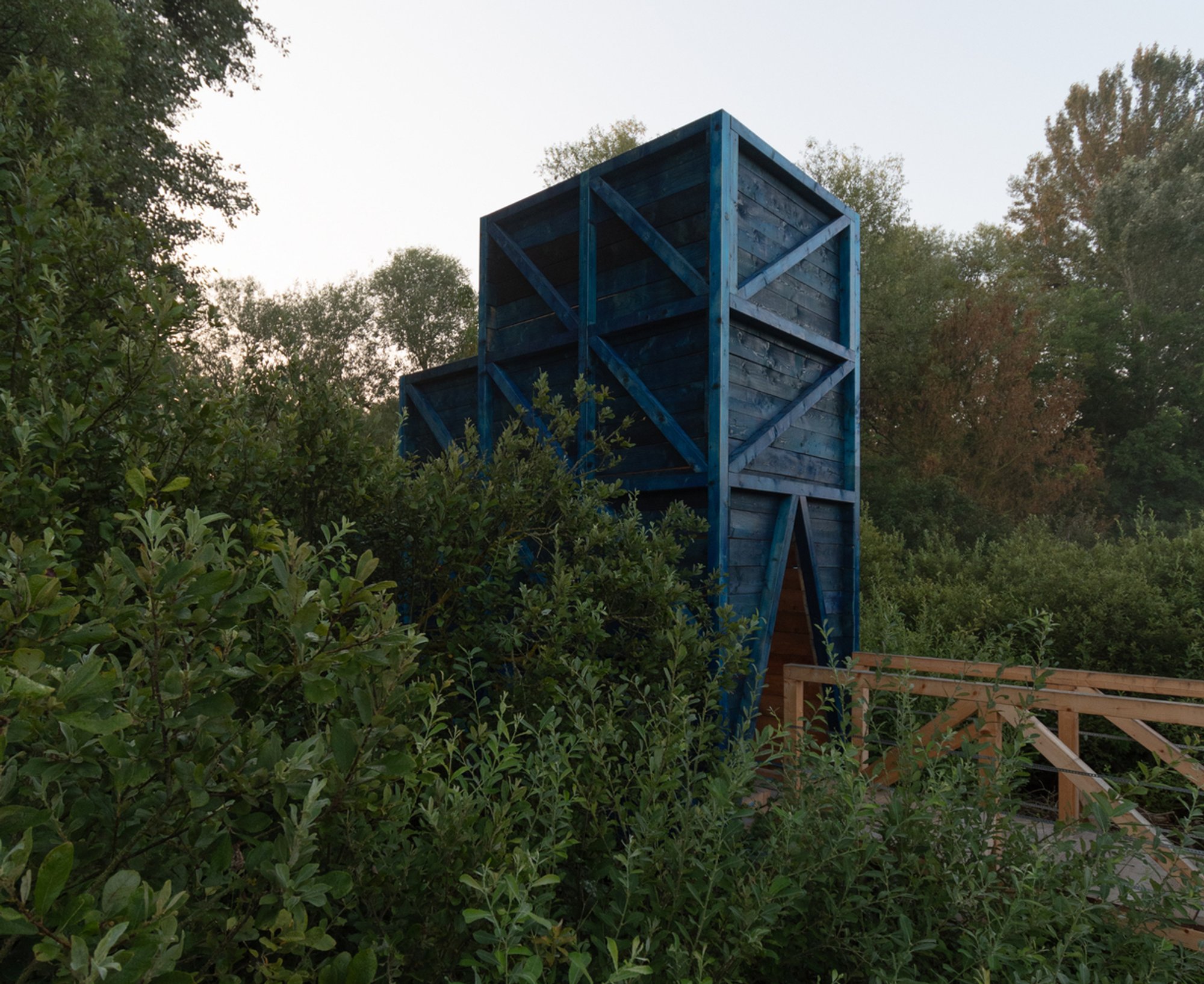
Blue Signature by Paradigma Ariadné: A Unique Architectural Journey into Hungary’s Fragile Boglands
Blue Signature by Paradigma Ariadné creates blue pavilions and a trail, showcasing Hungary’s fragile boglands with sustainable architecture.

Location: Dunakeszi, Hungary Architects: Paradigma Ariadné Project Area: 900 m² Year Completed: 2023 Photography: Szabolcs Molnár Lead Architects: Szabolcs Molnár, Attila Róbert Csóka, Dávid Smiló Manufacturers: Rothoblaas, Reisser
Hungary’s Natural Wetland Treasures
Boglands are intricate, fragile wetland ecosystems that differ significantly from typical swamps or marshes. Characterized by complex soil and living environments, these natural habitats support diverse wildlife and play a vital ecological role. Historically, the Budapest region was surrounded by extensive boglands, thanks to its proximity to the Danube River. However, centuries of drainage have reduced these wetlands to only a few remaining hectares today.
One of these rare, untouched boglands is nestled between a major shopping center and the M0 highway on Budapest’s outskirts. This secluded natural haven provides shelter to approximately 50 of Hungary’s 265 bird species despite being surrounded by urban infrastructure.
Concept and Purpose: Educational Trail for Environmental Awareness
NHOOD Services Hungary Ltd., responsible for managing the land, initiated the development of an educational trail to showcase the bogland’s ecological richness and promote environmental awareness. In 2022, Paradigma Ariadné won the architectural tender to design and construct this immersive trail experience.
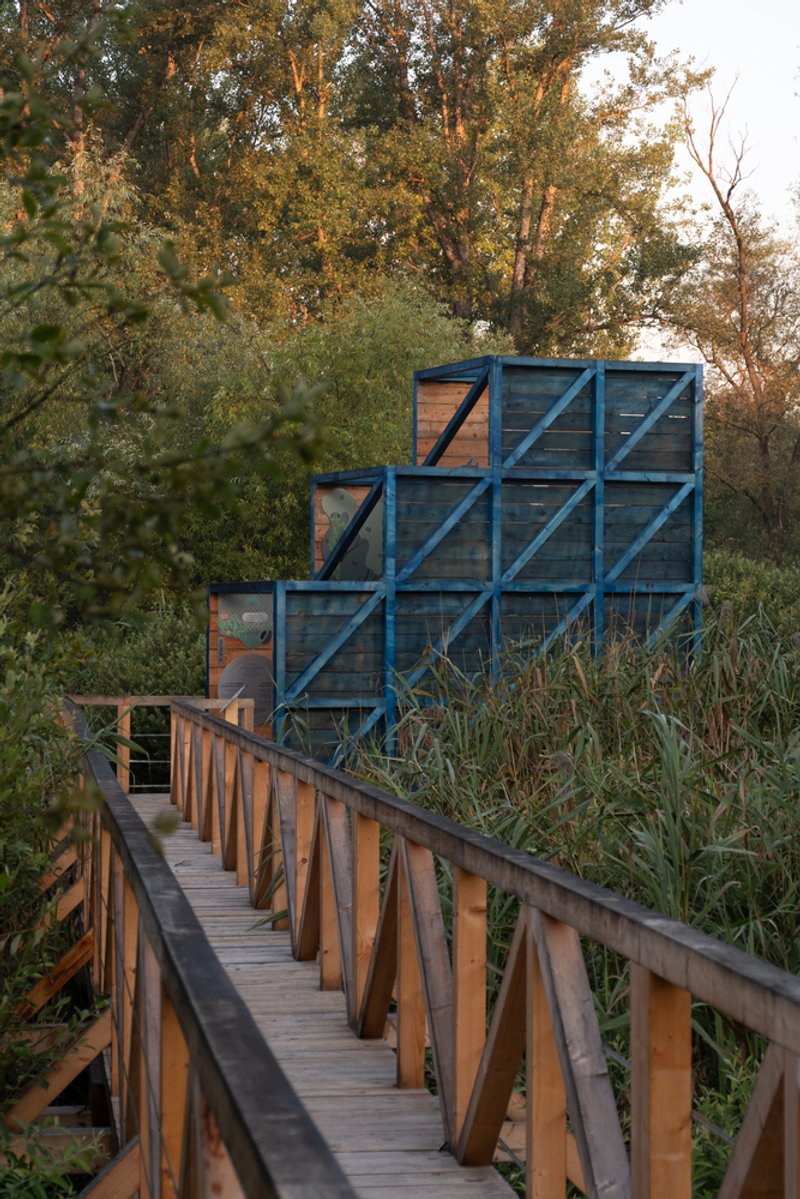
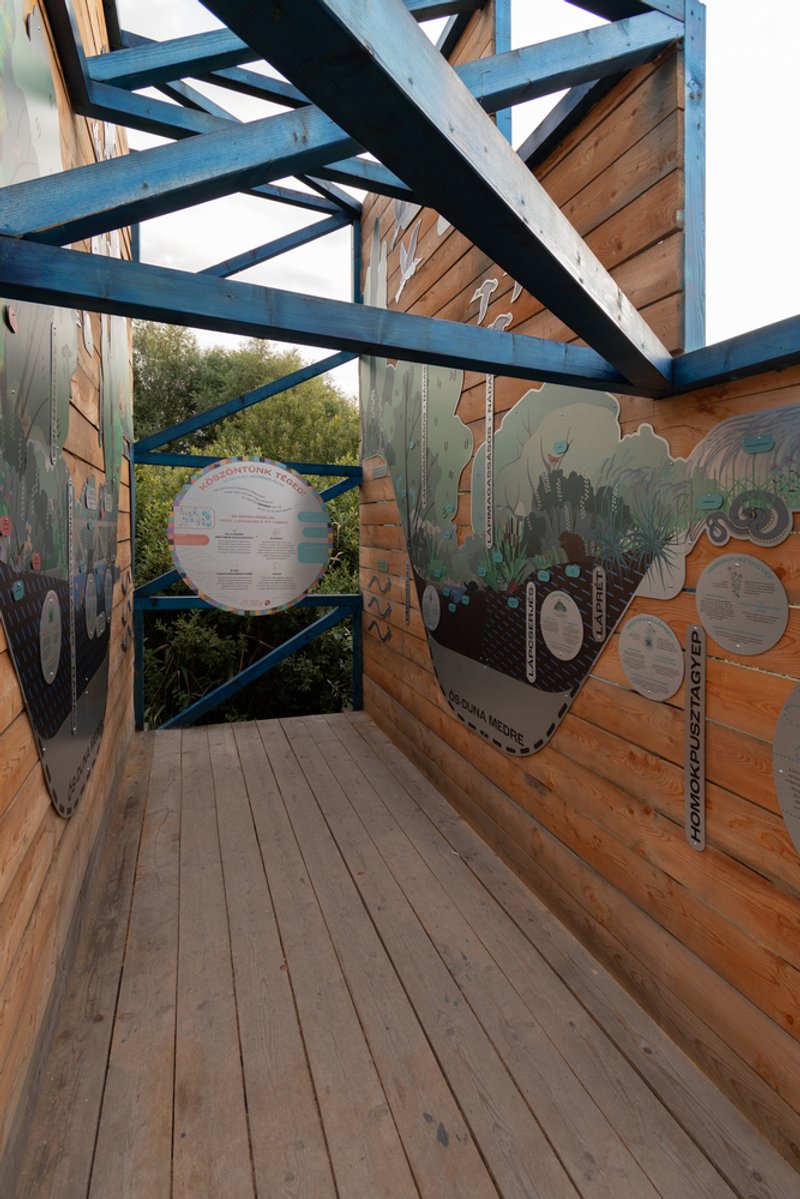
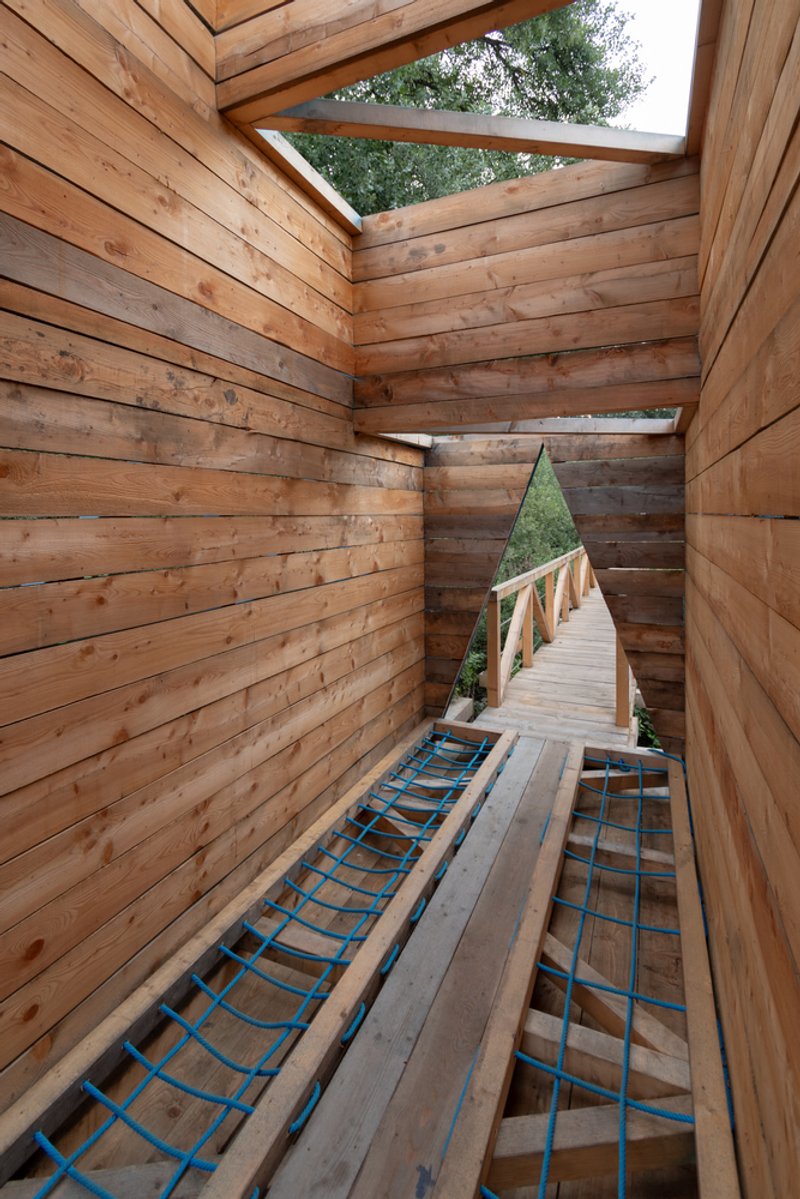
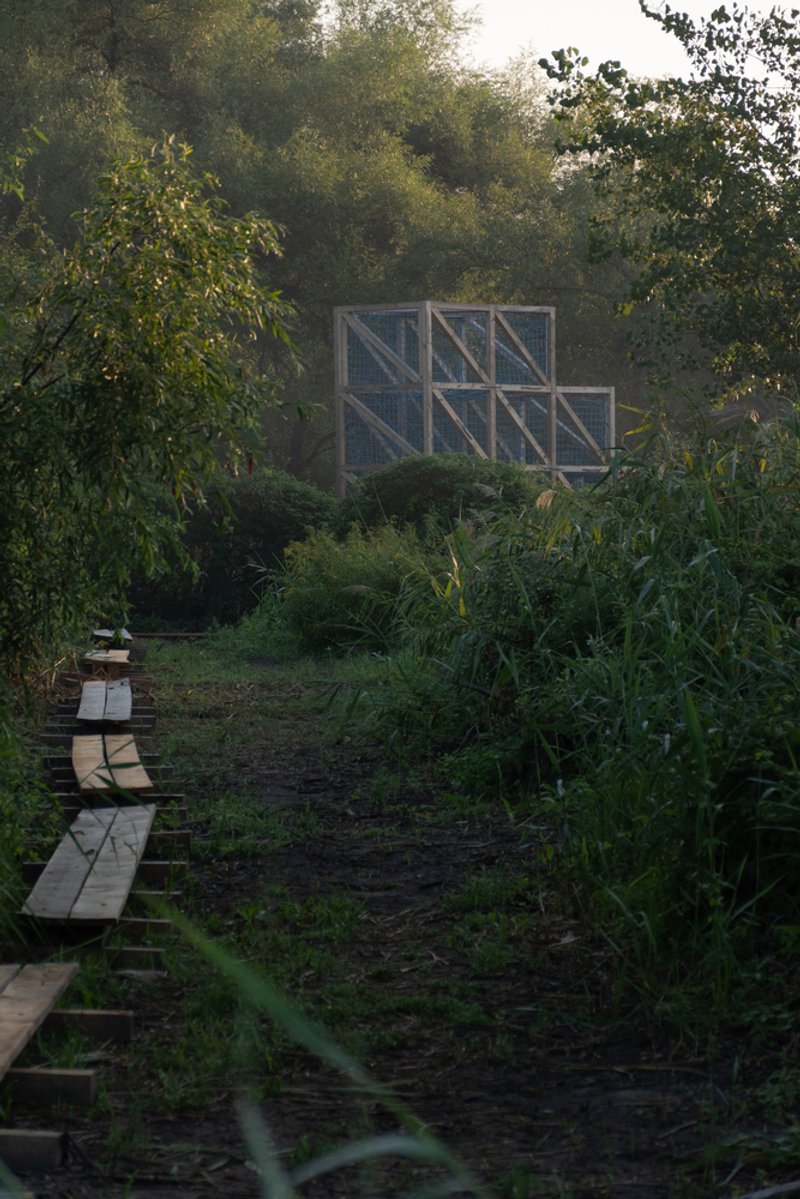
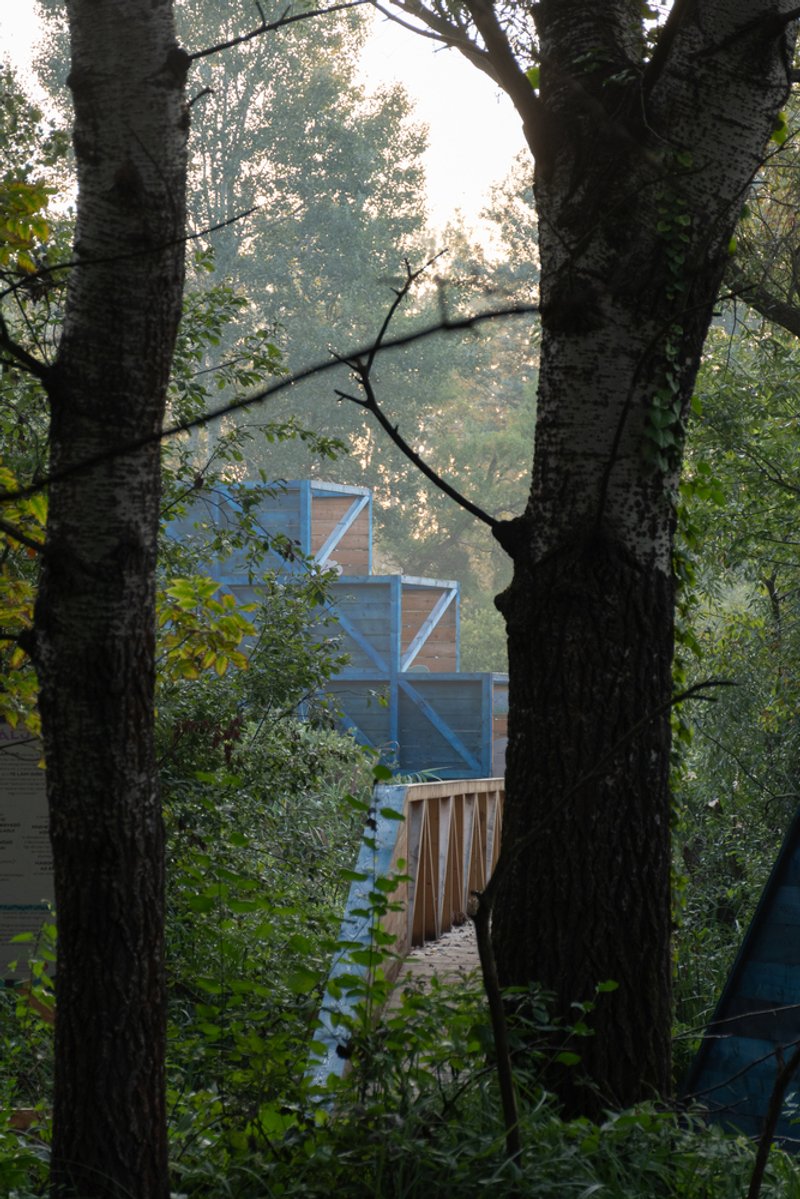
The completed project consists of an 850-meter-long trail with four uniquely designed pavilions that interpret the bogland’s geological history, biodiversity, and environmental importance. The architectural design reflects a singular stepped shape, repeated in various forms across the trail. These pavilions serve multiple functions: exhibition spaces, tactile learning stations exploring soil qualities, observation points, and climbing structures for children.
Design Philosophy: Celebrating Nature and Human Intervention
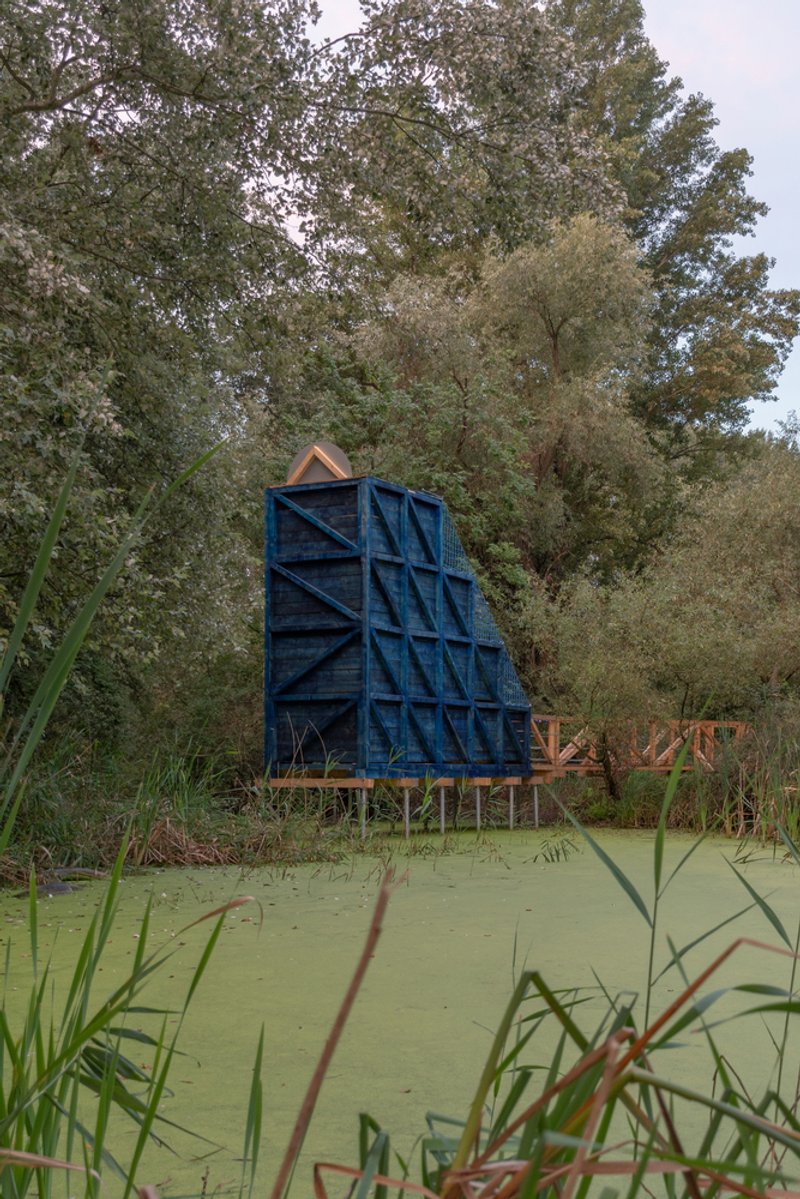
Paradigma Ariadné’s approach deliberately avoids traditional architectural forms such as house-shaped buildings, as the goal was to emphasize the artificiality of the structures amidst a natural setting. The blue pavilions appear distinctly human-made, resembling ancient monoliths or mysterious objects with unclear origins. This design choice underscores the important message that these structures are “intruders” on the landscape—reminders of humanity’s impact on fragile ecosystems.
This architectural narrative creates a sacred atmosphere, combining emotional and intellectual experiences that engage visitors with the landscape’s past and future. The project aligns with contemporary architectural theories where buildings act as spaces of meaning rather than cultural symbols.
Color and Visual Impact: The Significance of Blue
The striking blue color of the pavilions is a thoughtful choice. Blue and violet hues are among the rarest in nature, making blue a clear signal of human presence within a natural environment. Over time, climbing plants will weave across the timber frames, gradually blending the structures into the surrounding forest—much like the surreal painting The Blank Signature by René Magritte, which inspired the project’s visual concept. The pavilions simultaneously blend into and stand out from their environment, highlighting the tension between natural and artificial.
Engineering Challenges: Building on Marshy Terrain
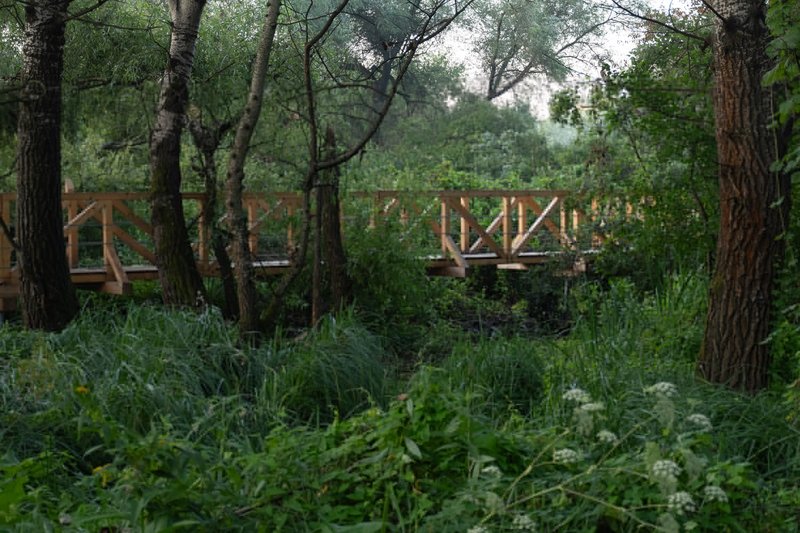
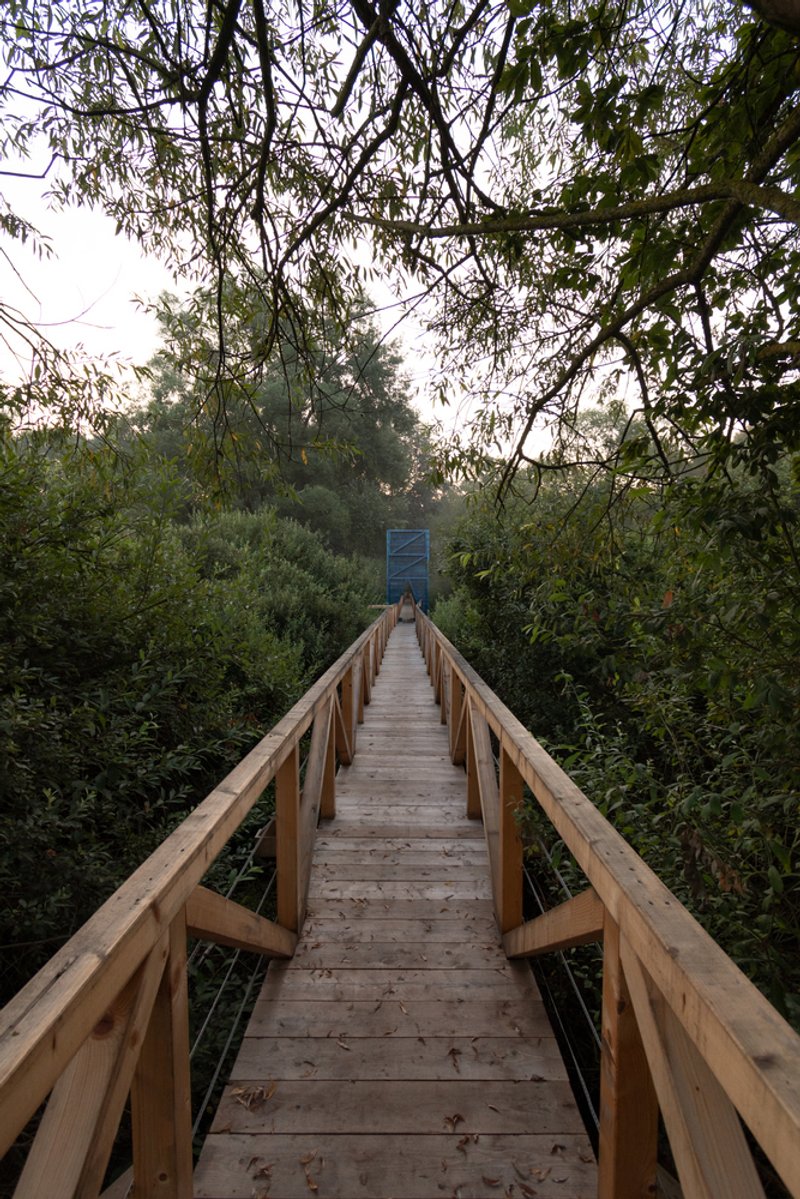
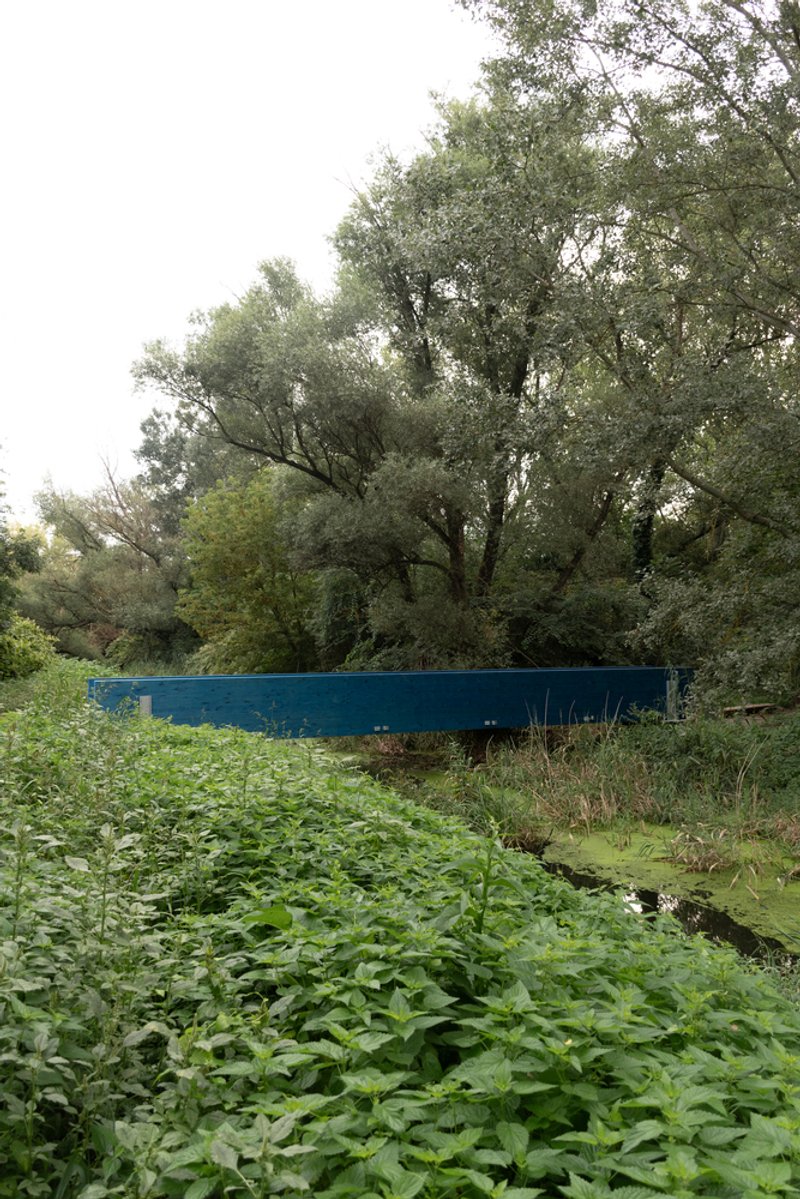
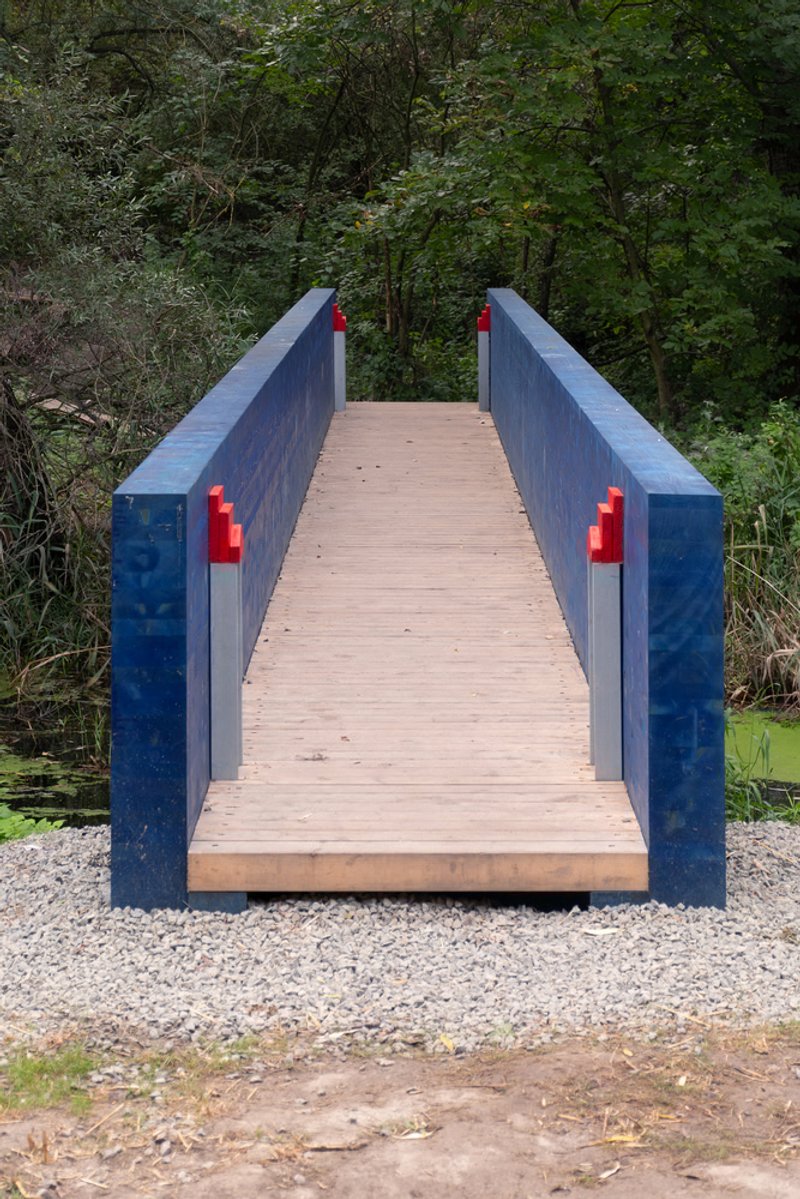
Constructing the trail and pavilions on soft, marshy soil posed significant engineering challenges. To minimize environmental disturbance, the entire trail is supported by a series of short timber bridges, each about six meters long. This design drastically reduced the number of required ground screws to 240, each drilled six meters deep to reach a stable foundation layer.
The project used 10,000 meters of timber beams and 60,000 wood screws, completed within a rapid four-month timeframe. The largest installation is a 15-meter-long bridge providing access to the bogland—the first bridge designed by Paradigma Ariadné—exemplifying their innovative approach to sustainable infrastructure in sensitive ecosystems.
Blue Signature as a Model for Eco-Conscious Architecture
Blue Signature by Paradigma Ariadné represents an innovative blend of architecture, environmental education, and ecological sensitivity. This project highlights how architectural intervention can foster deeper human connection with threatened natural environments while respecting their fragility.




Popular Articles
Popular articles from the community

Bood Design Bureau Splits a Gilan Residence in Two to Let the Forest In
Double Side House negotiates privacy and openness through interlocking concrete volumes and planted courtyards in northern Iran's humid Caspian lowlands.
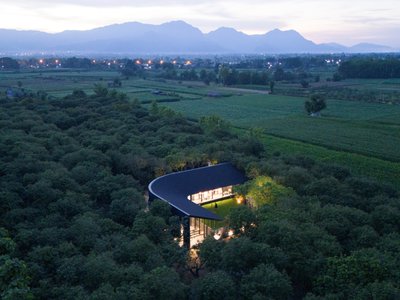
Cafe MADA: A Chiang Rai Pavilion in a Mango Orchard
BodinChapa Architects threaded a 254 m² black-roofed cafe through an existing mango orchard in Chiang Rai, Thailand, built around mature trees.
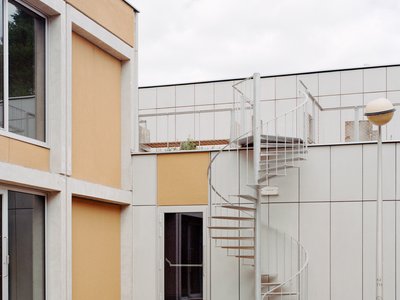
MAKER architecten Rewire a 1972 Brutalist Dormitory on the VUB Campus as a Living Lab
A modular renovation strategy in Belgium breathes new life into Willy Van Der Meeren's modernist student housing without erasing its concrete bones.
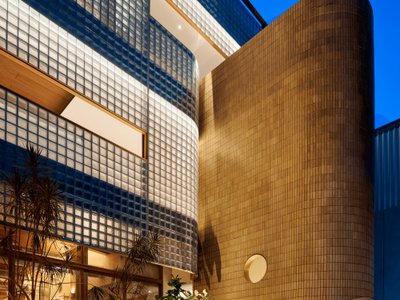
Gunawarman 35: Jakarta's Corner of Quiet Complexity
WOFF's mixed-use building in Jakarta pairs translucent glass block walls with a buff brick cylinder to hold coffee, wellness, and work under one roof.

Similar Reads
You might also enjoy these articles

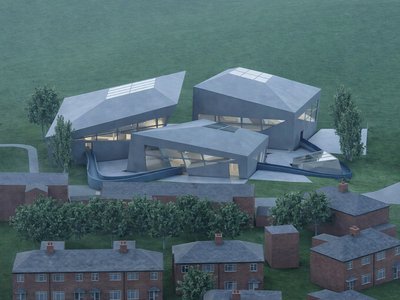
Filtering Space: A Gradual Spatial Experience
From urban intensity to spatial calm.


The Ken Roberts Memorial Delineation Competition (Krob)
As the most senior architectural drawing competition currently in operation anywhere in the world, it draws hundreds of entries each year, awarding the very best submissions in a series of medium-based categories.

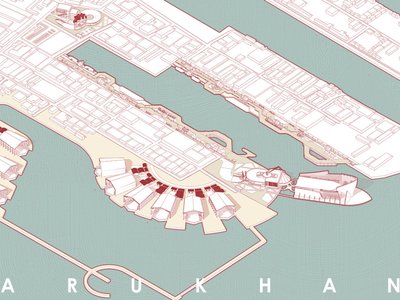
Waterfront Redevelopment and Urban Revitalization in Mumbai: Forging a New Dawn for Darukhana
A transformative waterfront redevelopment project reimagining Darukhana’s shipbreaking heritage into an inclusive urban future.
OUT-OF-MAP: A Call for Postcards on Feminist Narratives of Public Space
Rhizoma Design and Research Lab invites artists, designers, architects, researchers, and students to reflect on how feminist perspectives can reshape public space. Selected works will be exhibited in Barcelona, October 2026. Submissions open until 15 April 2026.

Explore Architecture Competitions
Discover active competitions in this discipline




The International Standard for Design Portfolios


The Global Benchmark for Architecture Dissertation Awards


The Global Benchmark for Graduation Excellence


Challenge to reimagine the Iron Throne
Comments (0)
Please login or sign up to add comments
No comments yet. Be the first to comment!