

Boston College Hoag Pavilion by Sasaki: Transforming Athletic and Campus Spaces
Boston College Hoag Pavilion by Sasaki transforms Conte Forum with light-filled practice gyms, modernized facilities, branded interiors, and accessible, vibrant campus spaces.


The Boston College Hoag Pavilion, designed by Sasaki, is a landmark renovation that elevates the university’s athletic and campus experience. Completed in 2023, this 40,000 ft² project reimagines the Conte Forum arena, creating a modern, light-filled, and highly functional facility that supports both the men’s and women’s basketball programs while strengthening the connection to the wider campus.
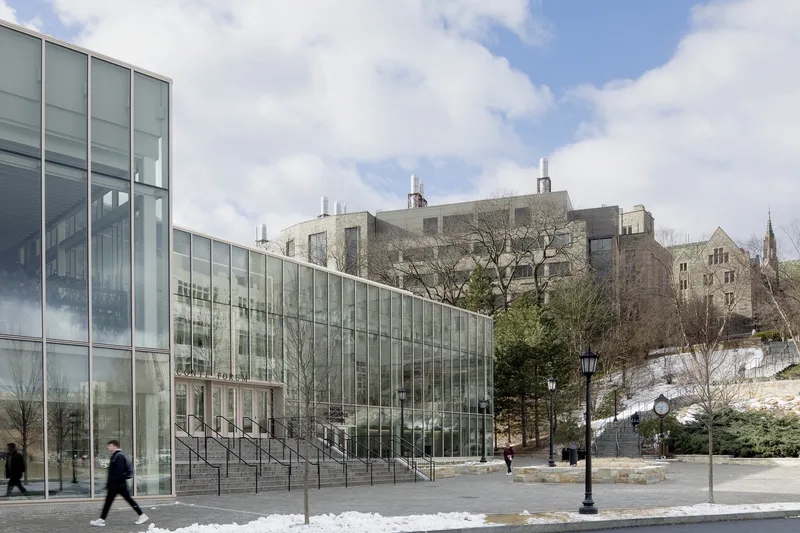
Innovative Design for Athletic Excellence
The Hoag Pavilion was conceived to provide a state-of-the-art training environment without the expense and footprint of building an entirely new facility. By creatively expanding and renovating the existing arena, Sasaki delivered a highly efficient solution that maintains continuity for athletes, allowing them to practice, train, and compete in the same facility. The design strategically upgraded a primary entrance to the arena, requiring minimal additional land while improving campus circulation and aesthetics.
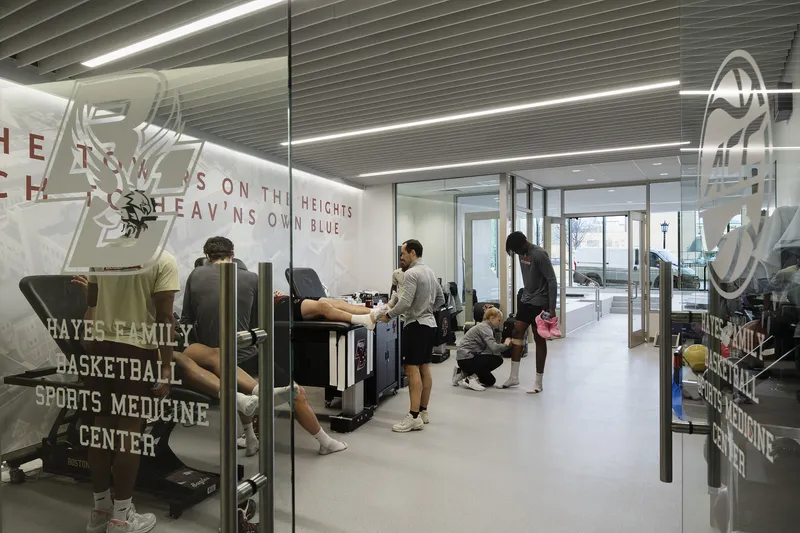
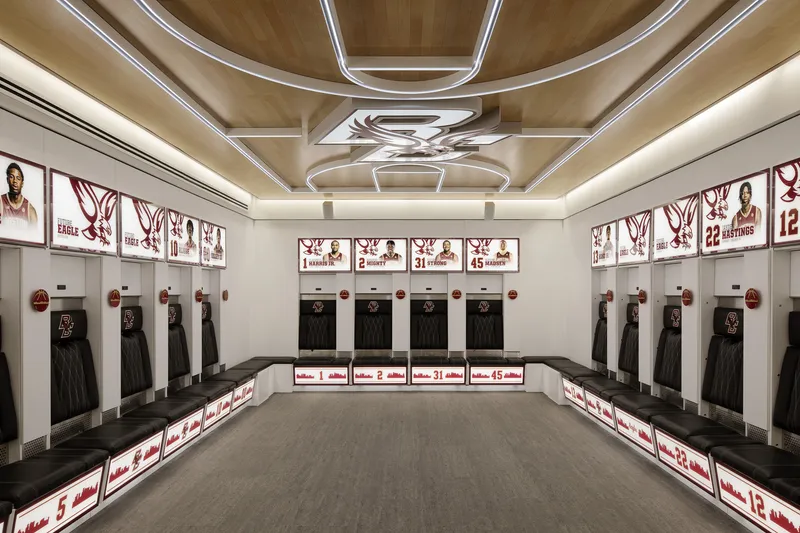
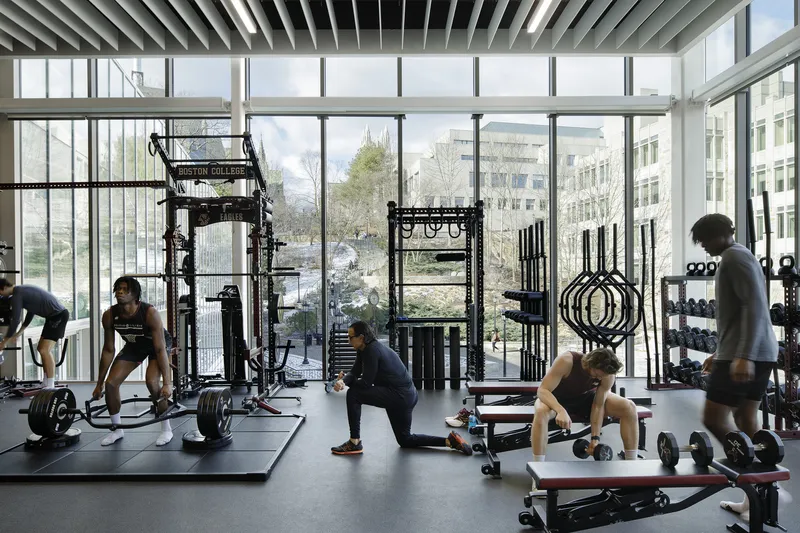
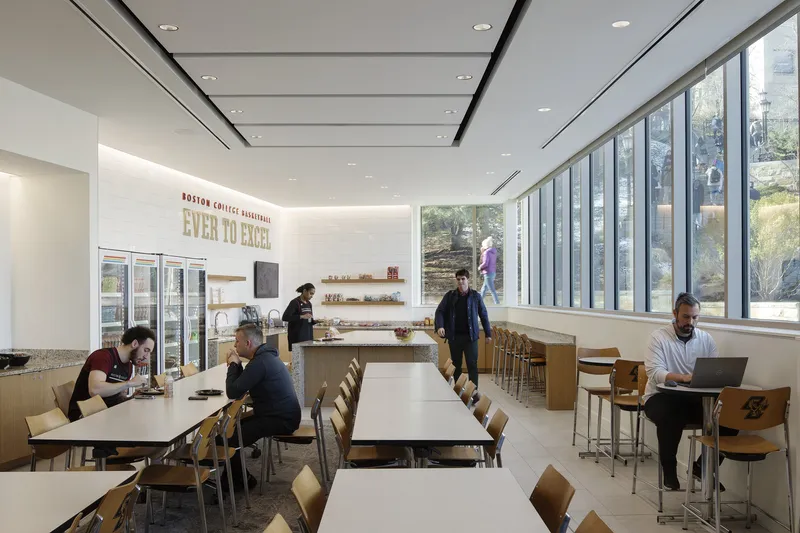
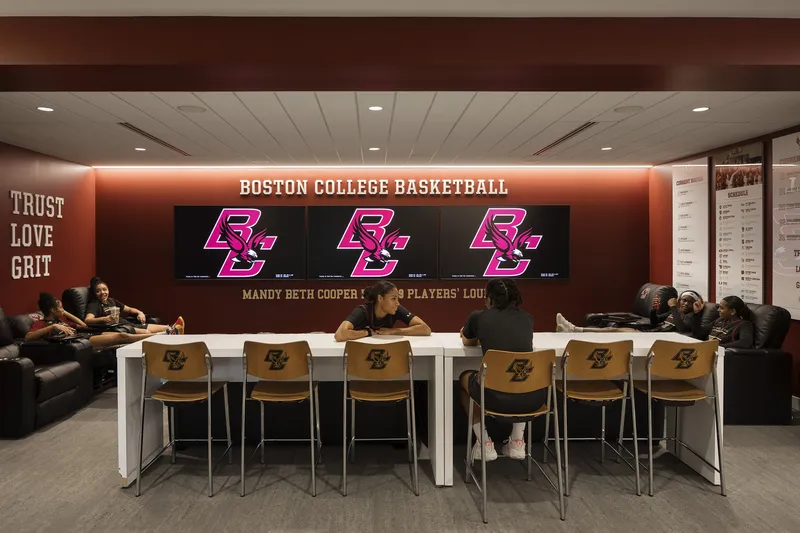
The pavilion offers a completely self-contained and secured environment for basketball teams. It includes modernized strength and conditioning areas, sports medicine and rehabilitation spaces, nutrition facilities, team lounges, and locker rooms, all designed to optimize performance and player development. Additionally, the project incorporates full rehearsal and storage areas for the marching band, seamlessly integrating diverse campus programs under one roof.
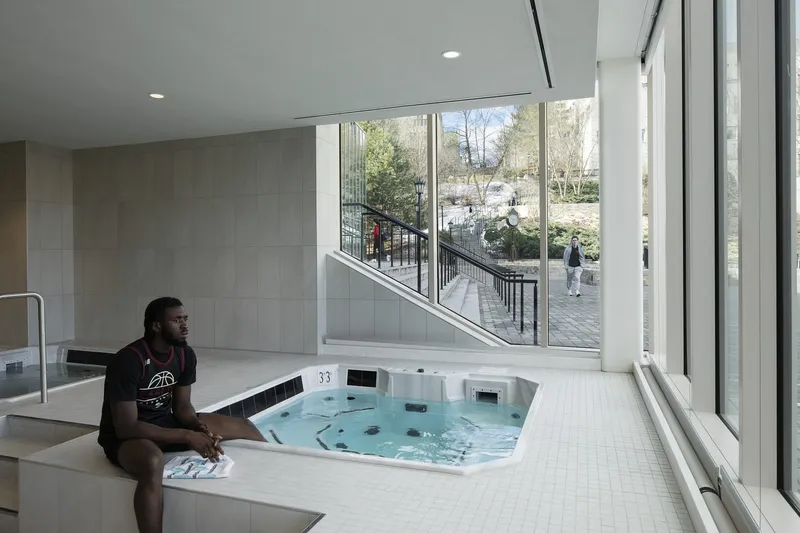
Branded Interiors to Inspire Players and Visitors
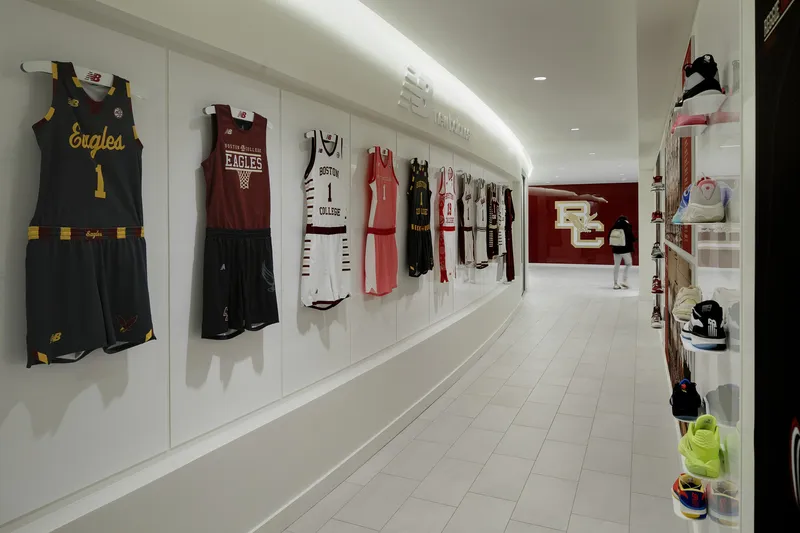
A cohesive and visually striking color scheme ties all interior spaces together. Graphics celebrate the historical achievements of Boston College basketball, while displays showcase the latest team gear from New Balance, creating an engaging environment that impresses recruits and elevates team identity. Every interior detail is designed to enhance the player and visitor experience, reflecting both performance and prestige.
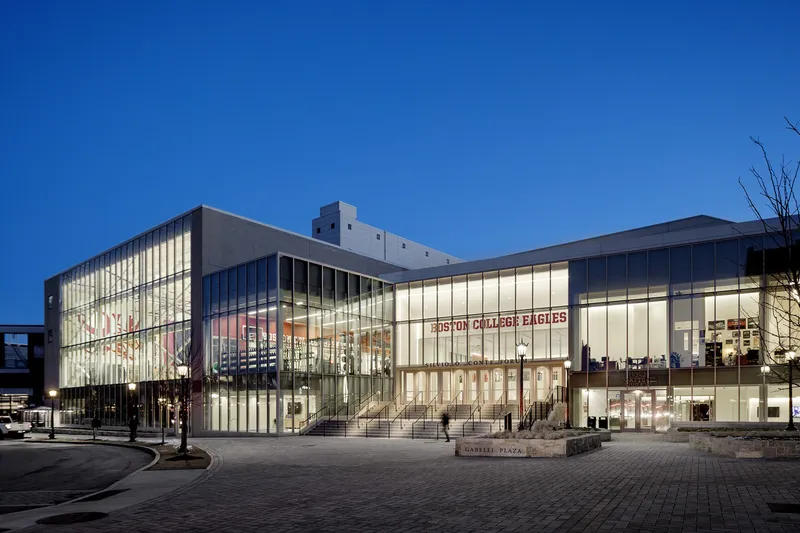
Light-Filled Practice Gym with Campus Connectivity
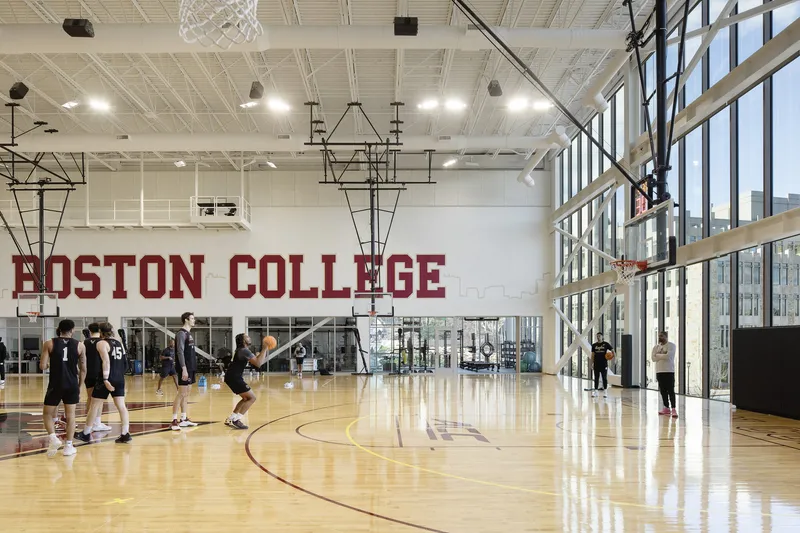
One of the most transformative aspects of the project is the renovation of the primary practice gym. Previously a windowless, shared space with wooden bleachers, the gym now features floor-to-ceiling curtain walls, flooding the interior with natural light and improving visibility to the campus. This transparency enhances connectivity between the teams and the student body, fostering community engagement and allowing passersby to appreciate athletic dedication firsthand. Careful structural engineering by LeMessurier ensures the curtain wall integrates seamlessly while maintaining the arena’s integrity.
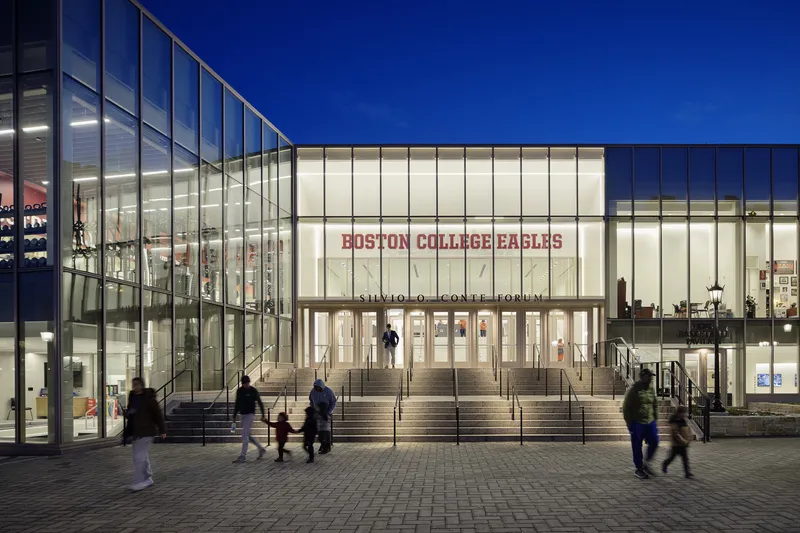
Accessible and Contemporary Entry Design
The Hoag Pavilion’s new entry vestibule and lobby enhance thermal performance and accessibility. Fully elevator-accessible, the transparent entrance showcases interior activity and vibrant graphics, offering an inviting presence on game days. The vertical glass facade introduces a contemporary architectural strategy that complements Boston College’s iconic stone collegiate gothic buildings, bridging historic character with modern functionality.
Enhanced Plaza for Social Engagement
Beyond the arena, the surrounding plaza has been thoughtfully redesigned to encourage social interaction and campus connectivity. Strategically placed planters, graded surfaces, and flexible layouts accommodate events, tailgating, and casual gatherings. A new tree grove and seating areas create shade and inviting spaces for students, faculty, and visitors alike, while enhancing accessibility and campus circulation.
Sustainability and Expertise
Sasaki collaborated with a range of experts to deliver a sustainable and resilient design. BR+A advised on sustainability, HLB provided lighting design, and Cavanaugh Tocci contributed acoustical expertise. Suffolk Construction managed the build, ensuring the project met both functional and aesthetic objectives. The pavilion’s thoughtful integration of natural light, durable materials, and efficient spatial planning highlights Boston College’s commitment to sustainable athletic architecture.
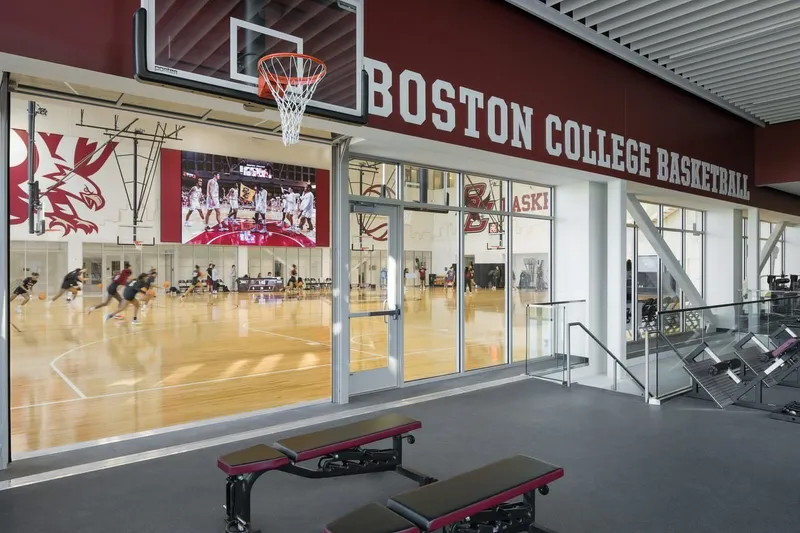
The Boston College Hoag Pavilion represents a successful blend of functionality, transparency, and aesthetic innovation. By transforming an existing arena into a modern, light-filled athletic hub with vibrant interior branding and connected campus spaces, Sasaki has created a facility that supports athlete development, enhances recruitment, and engages the broader community. This project exemplifies how thoughtful renovation and strategic design can elevate both athletic performance and campus life.
All photographs are works of
Jeremy Bittermann




Popular Articles
Popular articles from the community


Co-life: Sustainable Architecture for Age-Friendly Community Living
Co-life reimagines sustainable architecture for seniors through courtyards, rammed earth, shared gardens, and spaces designed for belonging.

Play: Fragments of Their World
Familiar architecture becomes modular playground design, creating safe spaces where displaced children can learn, connect, imagine and play.

Lunar Spiral: Space Architecture Shaped by the Mathematics of the Universe
Lunar Spiral reimagines space architecture through Fibonacci geometry, lunar regolith, levitating habitats, and self-sustaining Moon living.

The Earth Pod: 3D Printed Homes for Resilient Refugee Communities
The Earth Pod reimagines refugee housing through 3D printed homes made from clay, combining resilience, self-sufficiency, and rapid shelter.


Similar Reads
You might also enjoy these articles

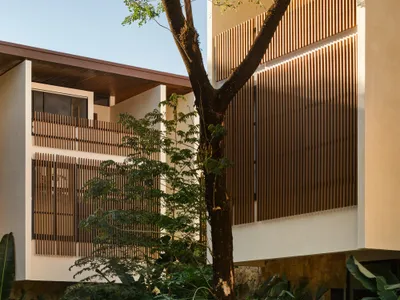
FAMM Arquitectura Organizes Ten Villas Around Courtyards and Jungle in Nosara, Costa Rica
El Molino pairs two elongated volumes with deep overhangs and timber louvers to build a compact coastal community five minutes from the beach.
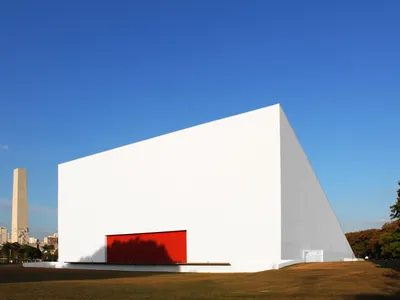
Oscar Niemeyer's Ibirapuera Park Pavilions Define São Paulo's Cultural Identity in Concrete and Curve
A constellation of modernist volumes set within São Paulo's most important urban park, conceived for the city's 400th anniversary in 1954.
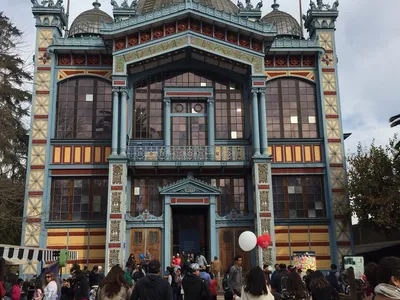
How Henri Picq's 1889 Paris Pavilion Traveled 11,000 Kilometers to Become Santiago's Artequín Museum
A prefabricated iron and glass pavilion built for the Paris Universal Exposition found a second life as a children's art museum in Chile.
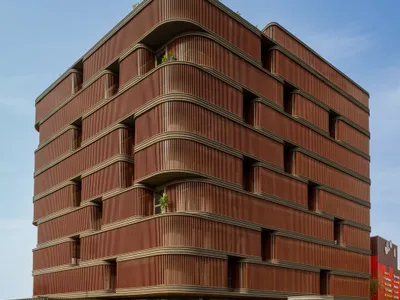
Sanjay Puri Architects Wraps a Jaipur Office Tower in Capsule-Shaped Green Buffers
A nine-level climate-responsive workplace near Jaipur Airport uses stacked planter terraces and aluminium screens to fight 40°C heat.


Explore Sports Architecture Competitions
Discover active competitions in this discipline



Challenge to design a barrier free sports center


Challenge to design an outdoor ice-rink and park


Challenge to reimagine the Iron Throne


Photograph architecture without architects
Comments (0)
Please login or sign up to add comments
No comments yet. Be the first to comment!