
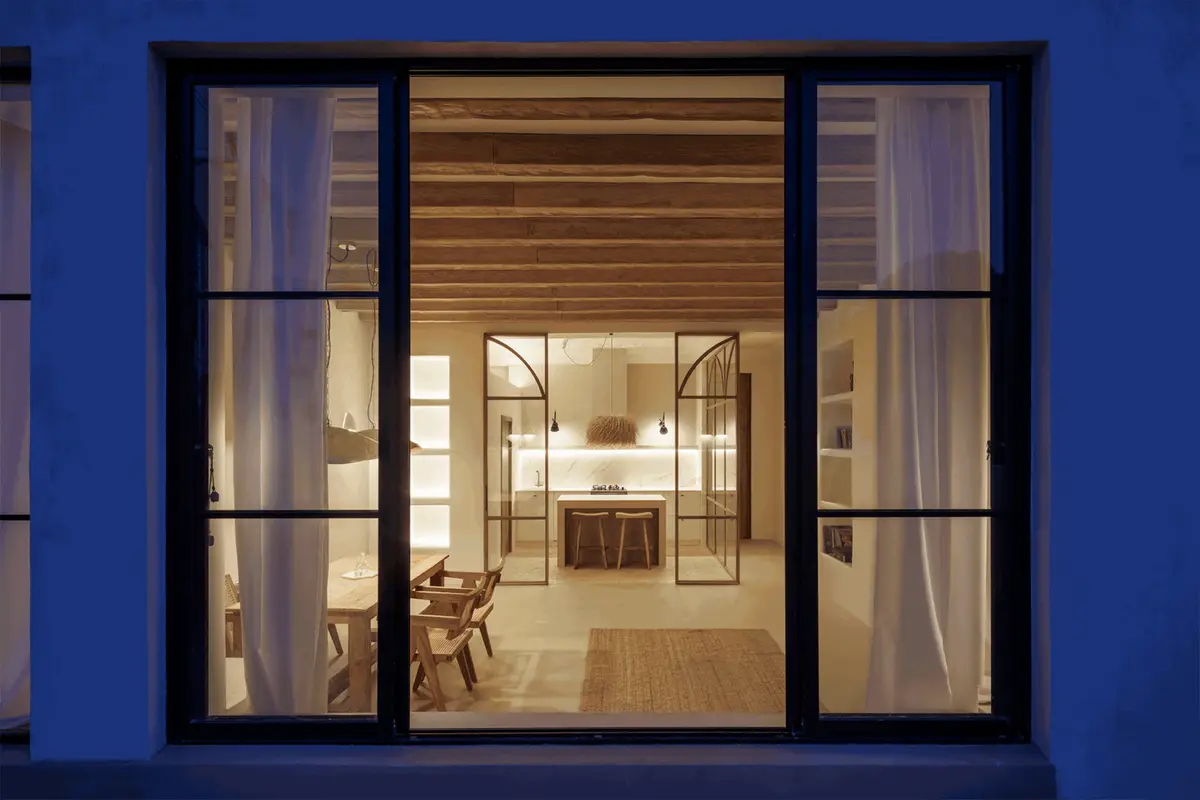
Brisa Home by Volca Interiores: A Mediterranean Interior Rooted in Tradition and Light
Brisa Home blends Mediterranean warmth, handcrafted materials, and soft lighting into a serene, light-filled interior renovation in Valencia, Spain.


Volca Interiores brings warmth, light, and Mediterranean authenticity to life in Brisa Home, a 145-square-meter residence located in sunny Valencia, Spain. Completed in 2022, this full-scale interior renovation is a celebration of noble materials, handcrafted finishes, and a spatial strategy that prioritizes natural light and serene transitions between public and private zones.

A Dialogue Between Traditional Craft and Minimalist Continuity
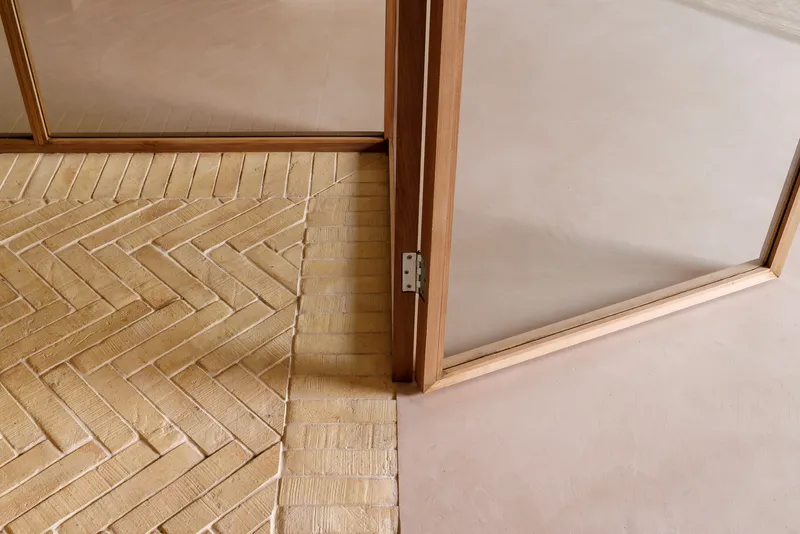
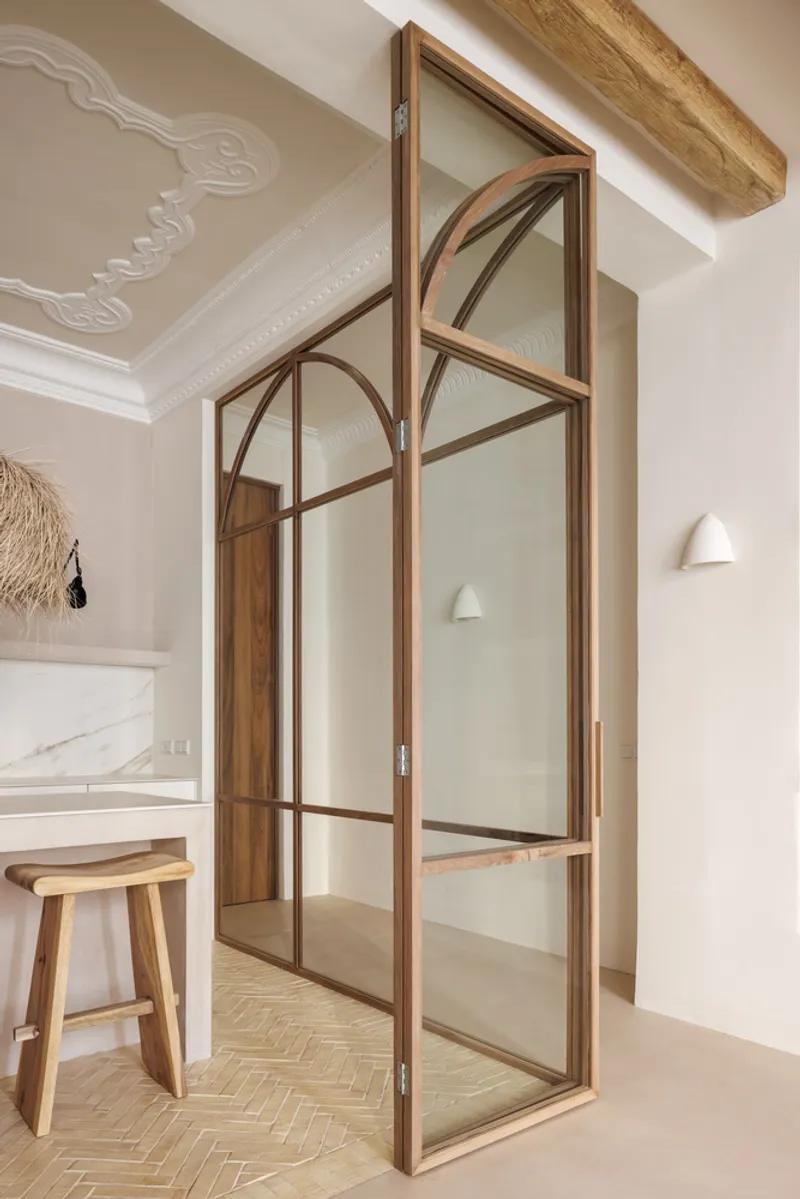
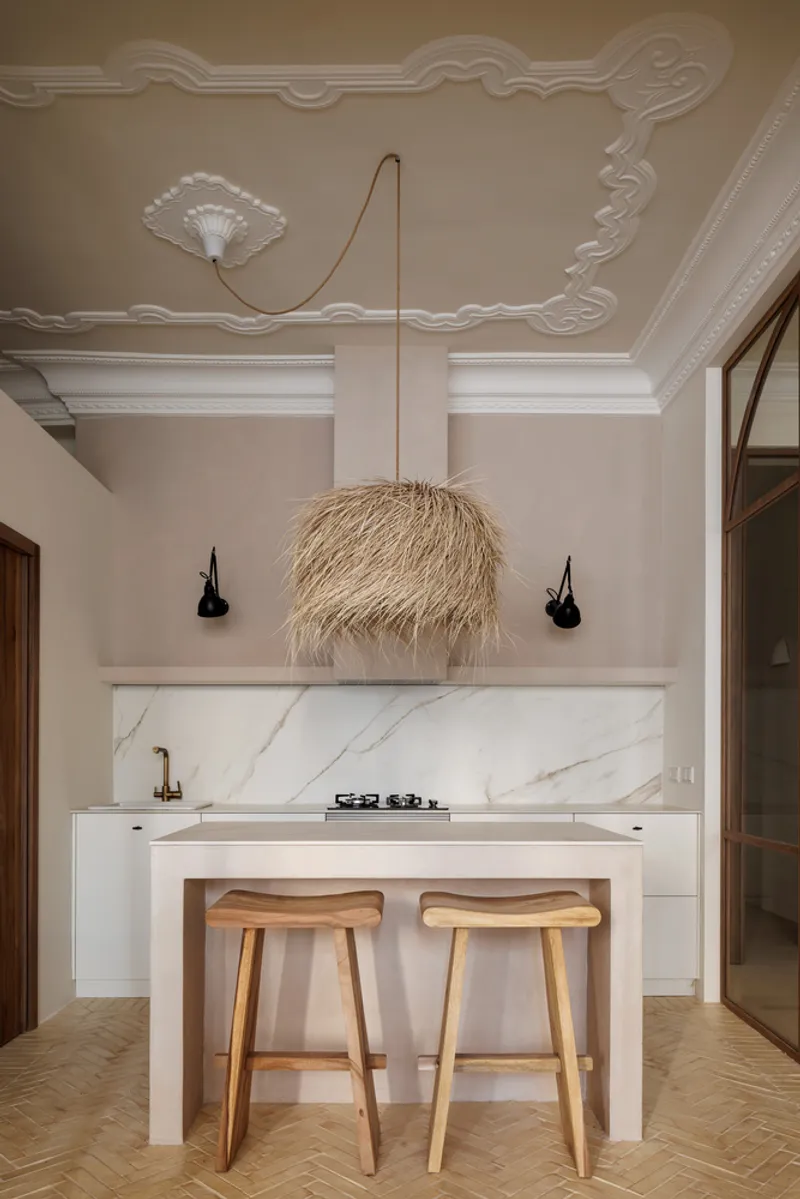
The heart of the design is rooted in a material palette that reflects the regional character. Handmade clay tiles, natural stone, and locally sourced wood are prominently featured throughout. These are seamlessly grounded by continuous microcement flooring, which lends a minimalist aesthetic while providing visual cohesion across each room.
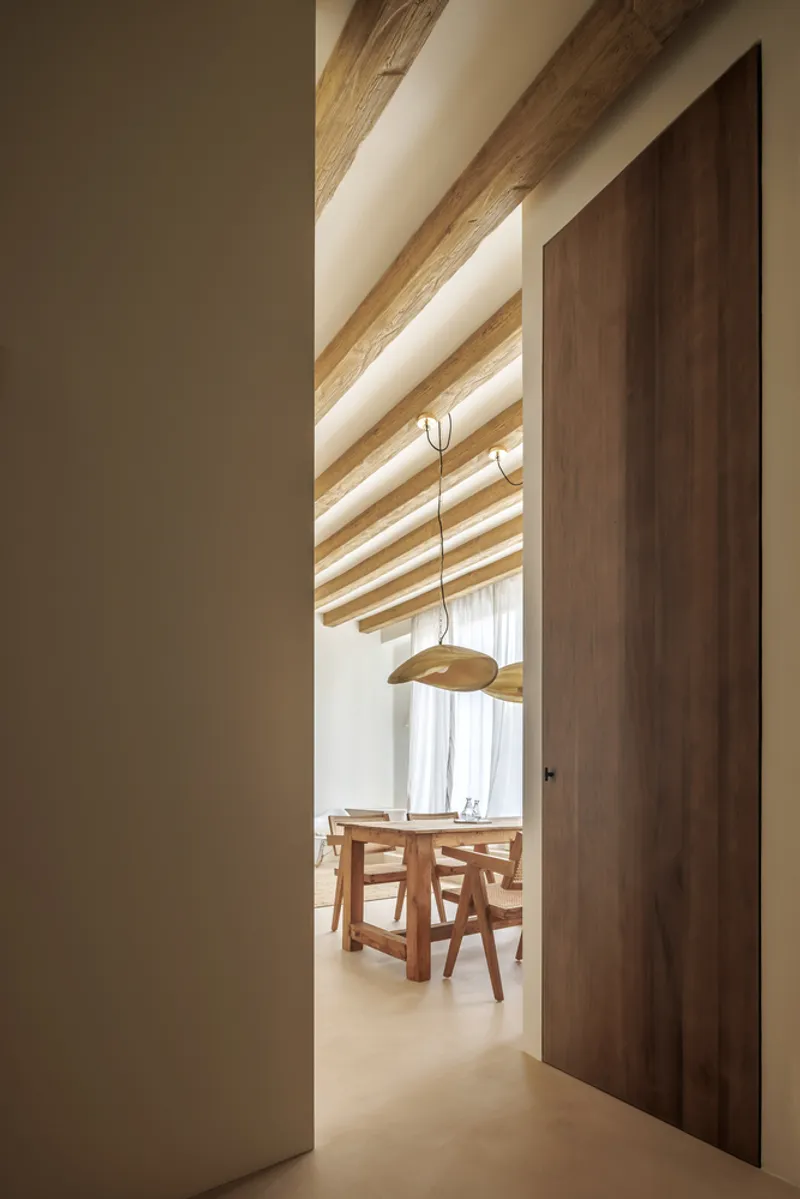
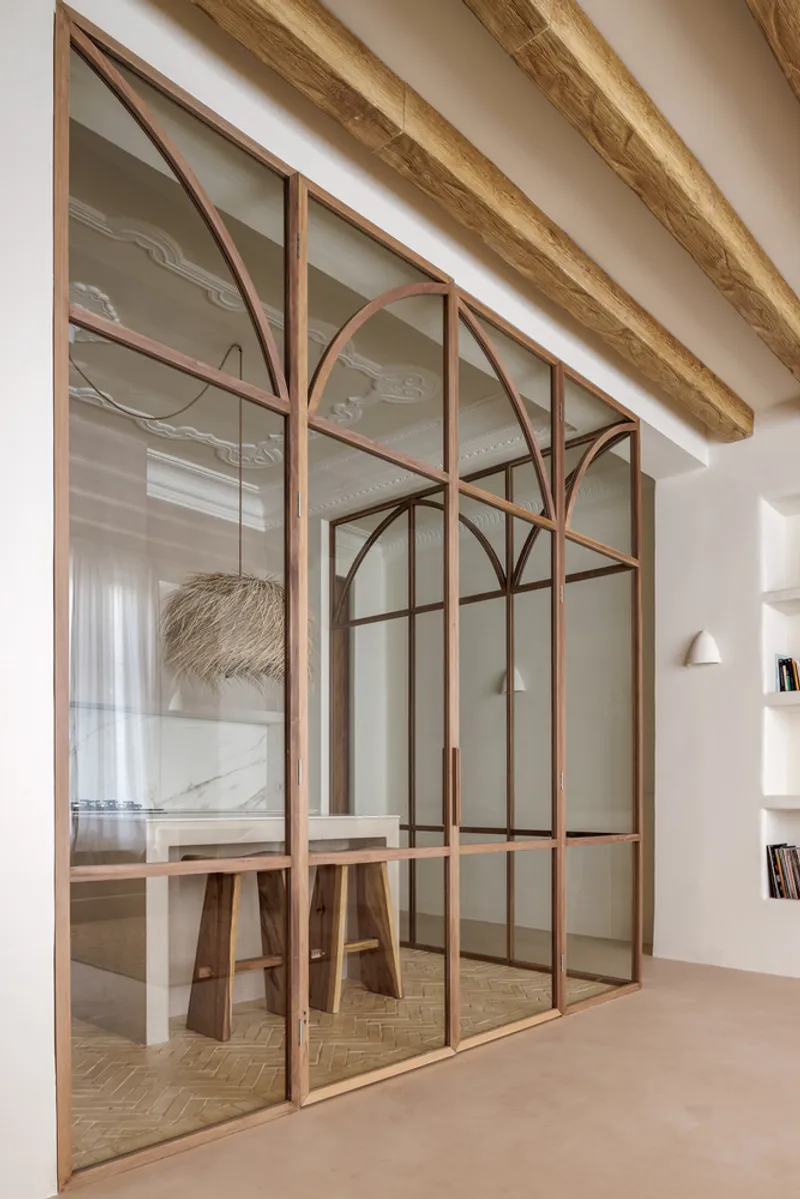
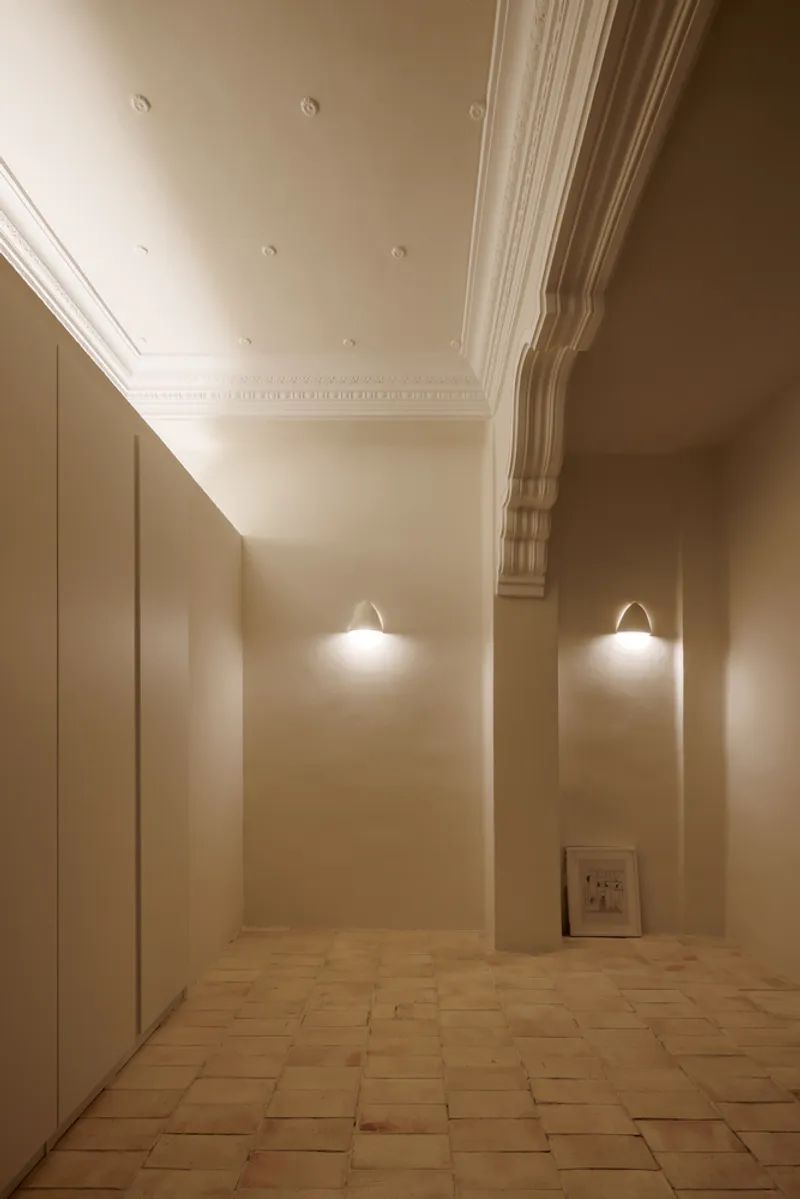
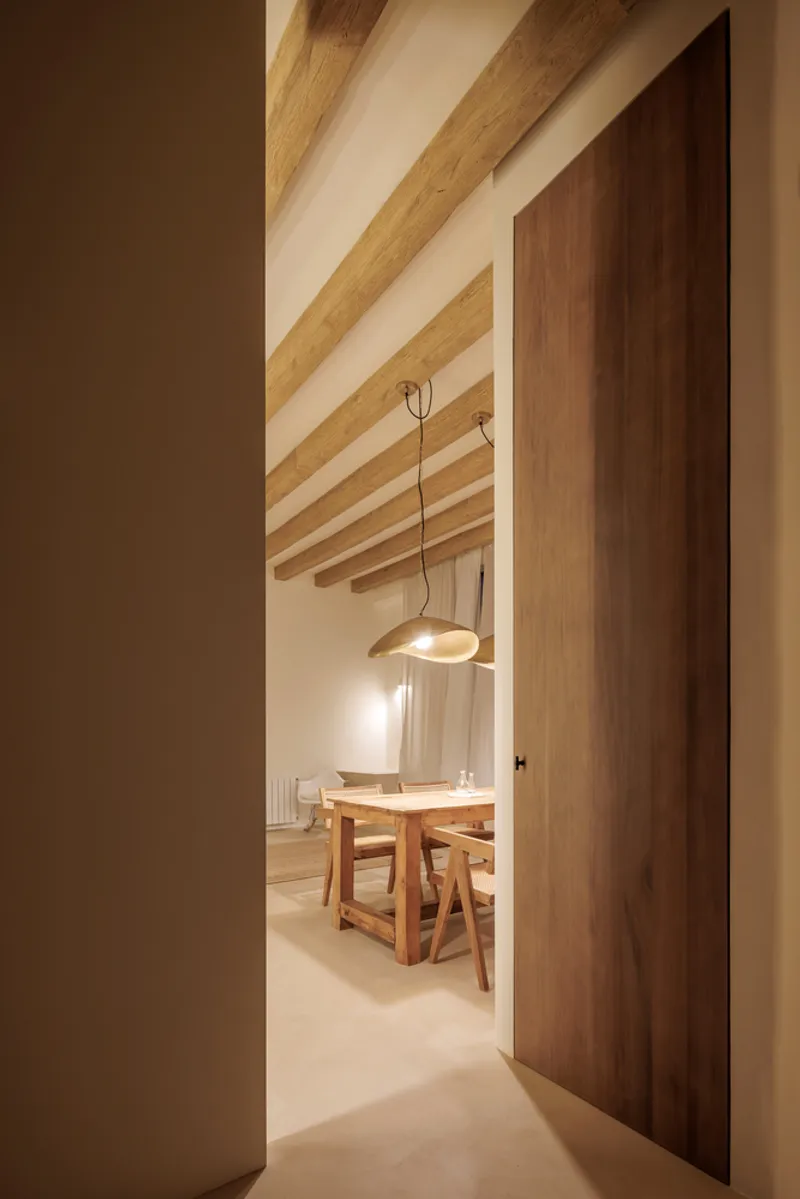
Original ceiling moldings are preserved to maintain a dialogue with the home’s architectural heritage. In contrast, the living and dining areas embrace warm, wood-effect beams—infusing the interior with rustic elegance and contemporary balance. Together, these design gestures allow the material textures and neutral color tones to harmonize fluidly across the residence.

Light-Filled Layout Centered Around the Terrace
One of the project’s key transformations was the reversal of the original floor plan to center around the outdoor terrace—a generous, sun-drenched space that now forms the core of daily life. This strategic move shifts communal areas like the kitchen, pantry, and living-dining room closer to the entry, allowing them to interact directly with the terrace and benefit from abundant natural light.
A carefully orchestrated spatial sequence follows: as one moves deeper into the home along a central corridor, the program transitions to quieter zones, including bedrooms, bathrooms, and a secluded studio at the far end. A recessed sliding door—discreetly concealed within the wall—acts as a subtle divider between the active and private halves of the home, offering flexibility without disrupting the clean lines of the interior.
Warm Lighting and Mediterranean Material Expression
Lighting plays a fundamental role in setting the atmosphere. Predominantly indirect and warm, it softly illuminates the textured surfaces—lime-painted walls and handmade clay—enhancing their natural imperfections and tactile charm. This approach echoes the timeless aesthetics of Mediterranean design, where light becomes both function and form.
Fixed furniture elements—including shelving, stair-integrated storage, and custom headboards—are designed as monolithic volumes, reinforcing the home’s artisanal character. These pieces, paired with bespoke wood details, contribute to the enveloping sense of calm and comfort throughout the space.
All Photographs are works of Alejandro Gómez Vives


Popular Articles
Popular articles from the community


Co-life: Sustainable Architecture for Age-Friendly Community Living
Co-life reimagines sustainable architecture for seniors through courtyards, rammed earth, shared gardens, and spaces designed for belonging.

Co-Life: Senior Housing Design That Reconnects Older Adults With the City
Co-Life reimagines senior housing design through healing gardens, shared streets, workshops, and a sustainable community across generations.

Conexión: Biophilic Design Reimagines High-Rise Living in Hong Kong
Conexión reimagines high-rise living in Hong Kong through biophilic design, green facades, shared spaces, daylight, water and nature within.

Lunar Spiral: Space Architecture Shaped by the Mathematics of the Universe
Lunar Spiral reimagines space architecture through Fibonacci geometry, lunar regolith, levitating habitats, and self-sustaining Moon living.

Similar Reads
You might also enjoy these articles


Hodi-Mandai Geram
Project Function: Preservation and revitalization of the Intangible heritage and socio-spatial identity of the Hodi by Housing, Cultural Memory Center, Sacred Grove, landscape, local tourism economy


Olio Towers: A Mid-Rise for Performers That Fuses Housing, Rehearsal, and Stage
Located blocks from Houston's Theater District, this modular tower stacks living units around a central performance atrium.

Oasis: Modular Green Housing Carved into Dhaka's Urban Fabric
A shortlisted Plugin Housing entry reclaims unauthorized settlements in Dhaka with stepped concrete volumes, green roofs, and ventilation-driven design.

Black Hole: A Floating Megastructure for the Post-Physical Era
Emiliano Mazzarotto envisions a spherical, self-scaling arena where e-sports, digital hotels, and holographic stadiums replace traditional public space.

Explore Architecture Competitions
Discover active competitions in this discipline

Challenge to reimagine the Iron Throne

Photograph architecture without architects

Illustrate the lost glory of Angkor Wat - Render Challenge

Design challenge to reuse E-waste
Comments (0)
Please login or sign up to add comments
No comments yet. Be the first to comment!