
BROM Residence by Atelier Carle: A Landmark in Sustainable Rural Architecture in Canada
A lakeside home in Quebec redefines sustainable rural architecture by merging historical memory with contemporary, site-specific design principles.


Reinterpreting Rural Heritage Through Contemporary Design
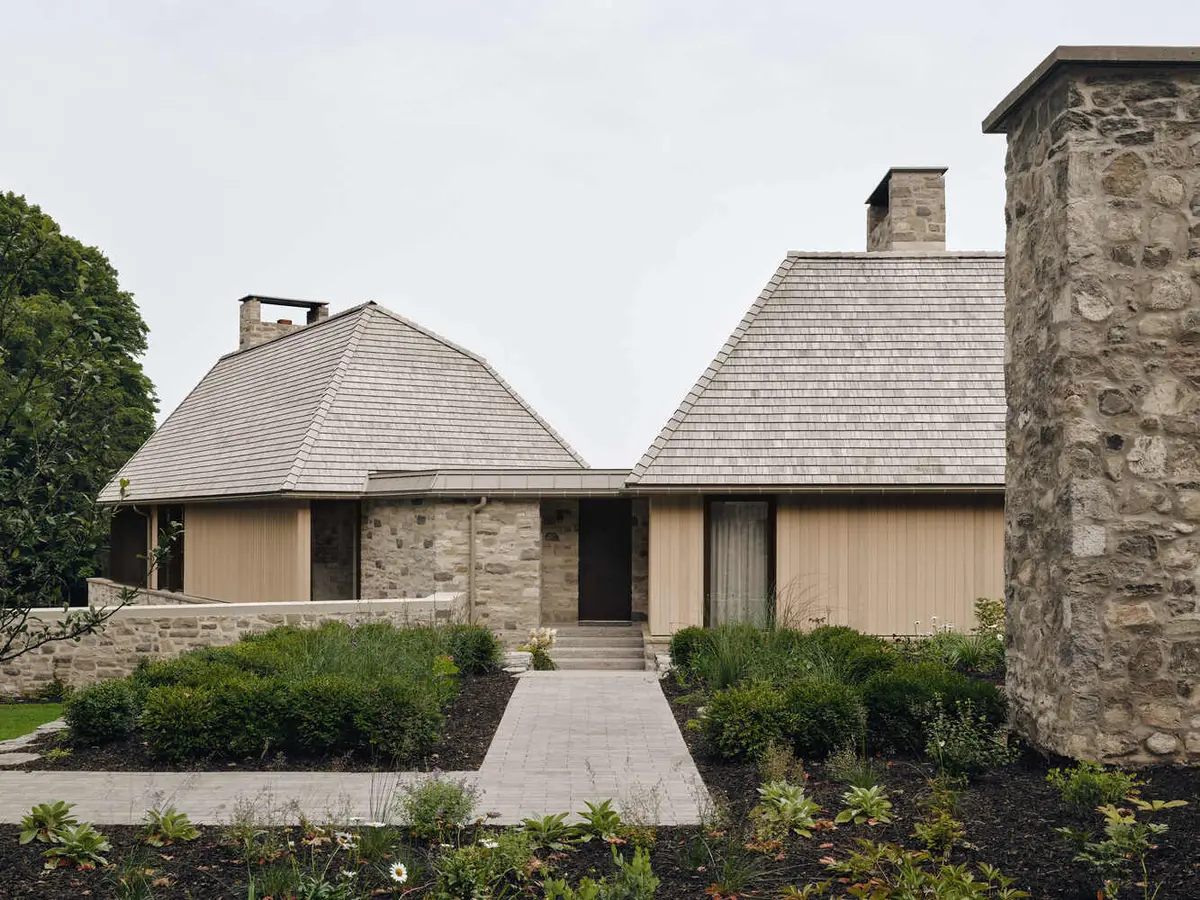
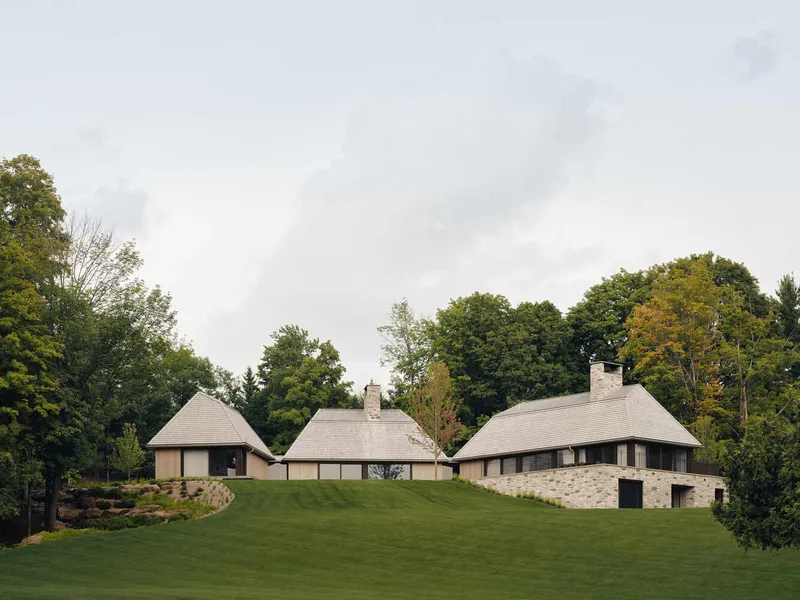
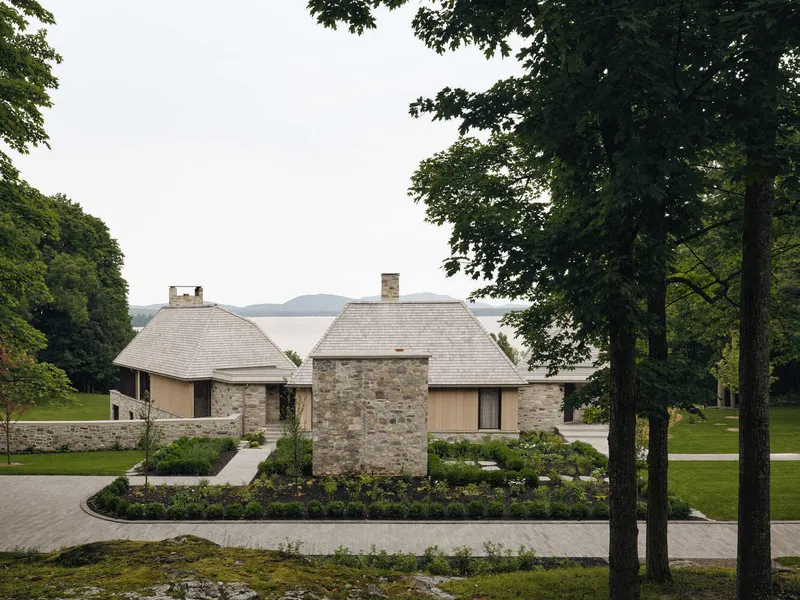
BROM Residence by Atelier Carle stands as a meaningful intervention in the evolving discourse of sustainable rural architecture in Canada. Located in the Eastern Townships, this 692 m² residence reimagines the rural homestead not just as a place of habitation, but as a culturally and environmentally responsive structure. The project occupies the grounds of a lakeside estate, once held by the same family for nearly a century, and critically explores how rural architectural heritage can be preserved, transformed, and made future-facing through thoughtful design.
A Contextual Approach to Sustainability
The design confronts the rural transformation underway in Quebec, where landscapes are constantly in flux. Atelier Carle anchors the residence in a philosophical and aesthetic reevaluation of sustainability, one that balances ecological consciousness with cultural memory. Rather than chasing a universalized, commodified version of “green architecture,” the project embraces a more site-specific strategy, rooted in regional materiality and history. This grounded approach challenges conventional practices, prompting reflection on what resilience truly means in the built environment.
From Ruins to Renewal: An Architectural Palimpsest
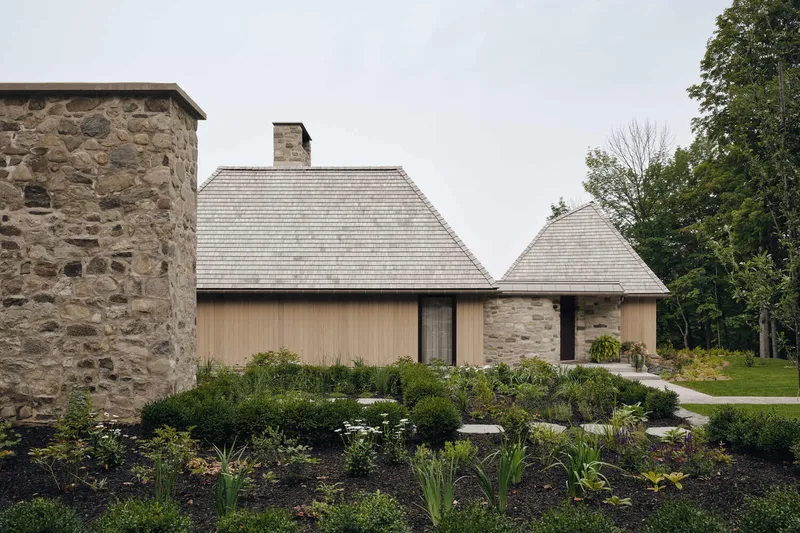
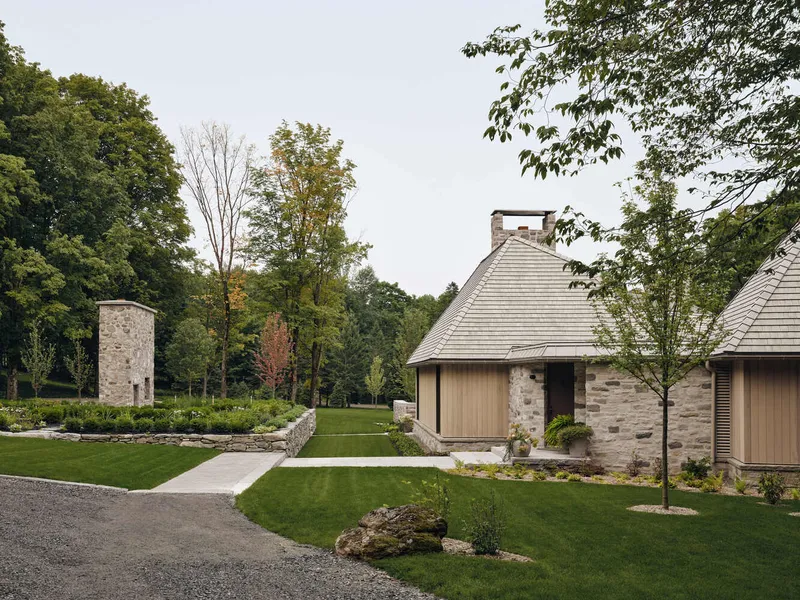
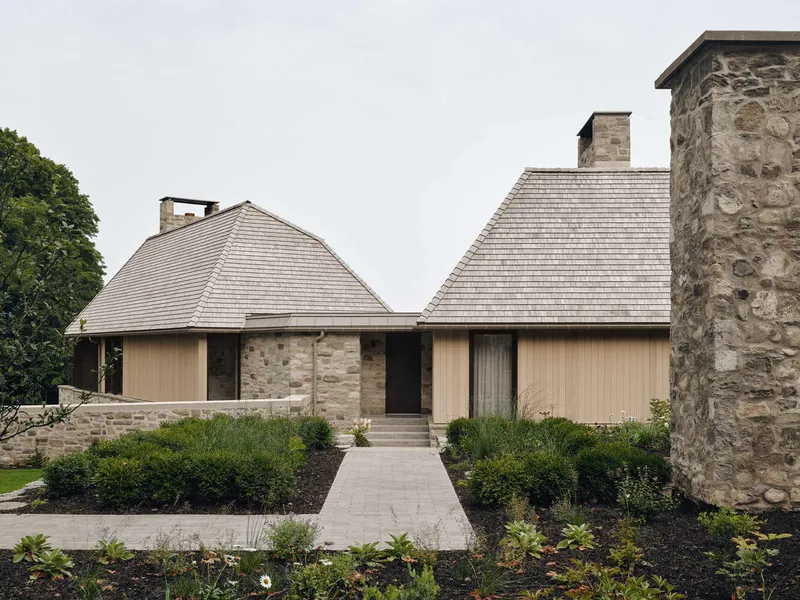
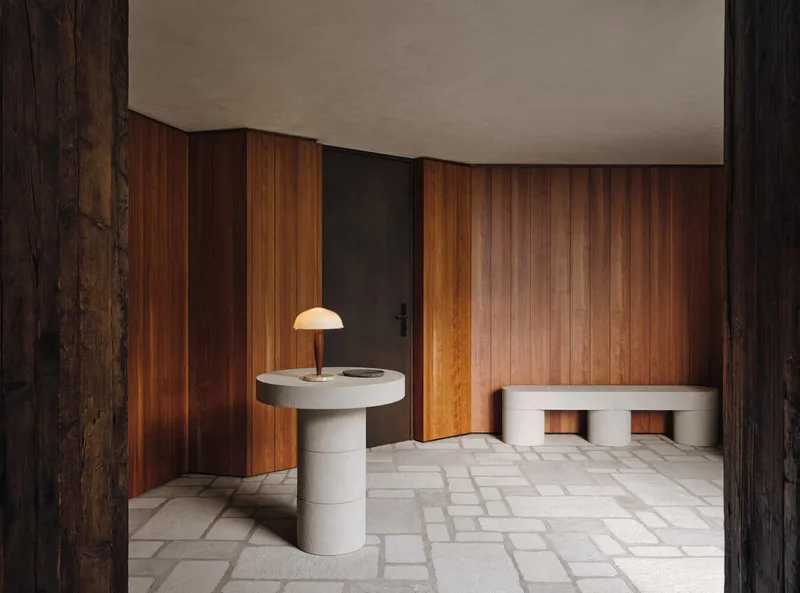
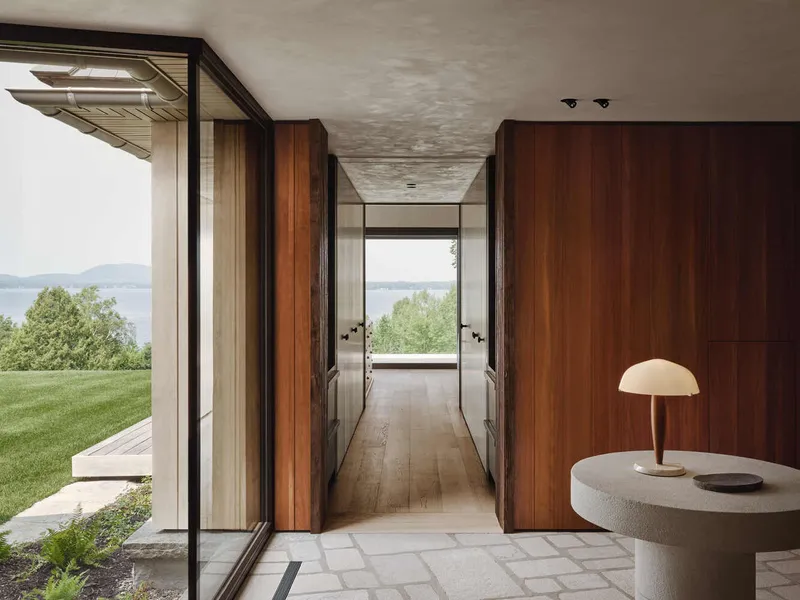
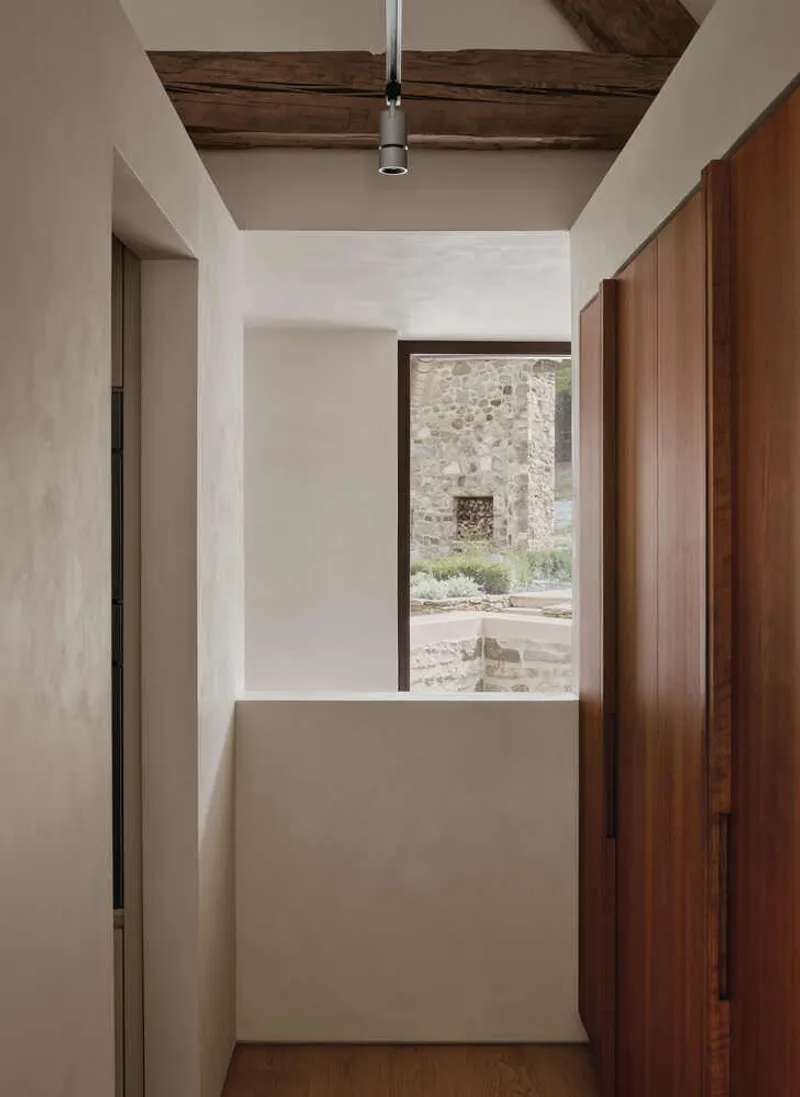
The BROM Residence does not completely preserve the former structure—a wooden house from the early 20th century—but instead builds upon its memory. The rubble stone walls and original chimney remain and are repurposed as part of a new access pathway, forging a tactile link between past and present. This conceptual strategy becomes the architectural backbone of the house: durability is expressed not through replication, but through reinterpretation. New masonry foundations and floors echo the solidity of the past while accommodating the scale and program of contemporary life.
Material Dialogues and Temporal Continuity
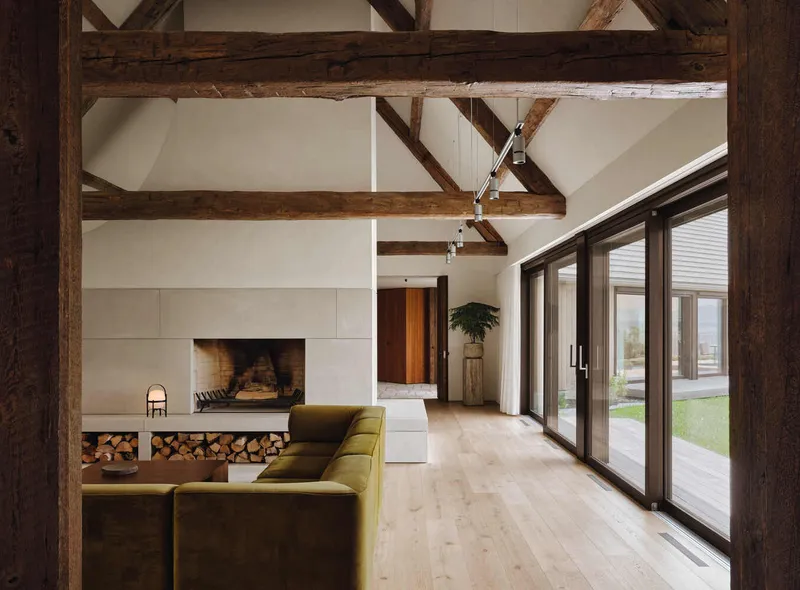
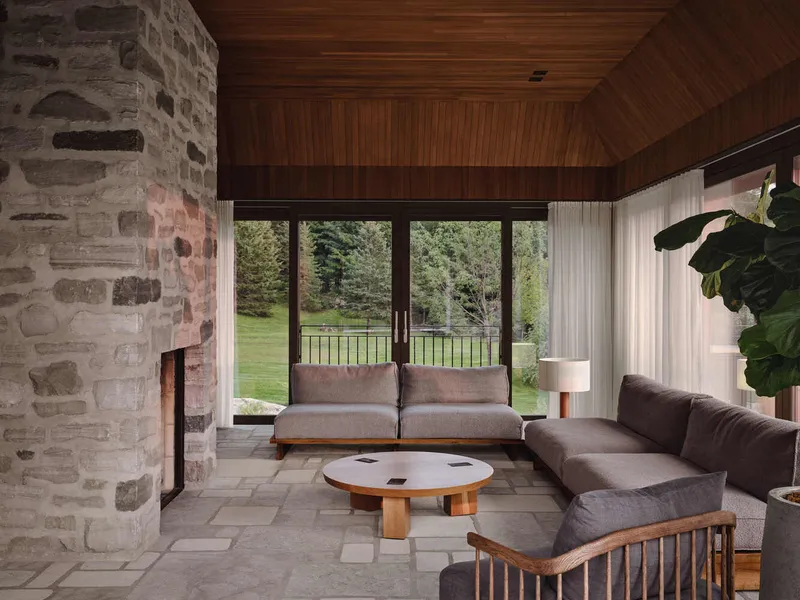
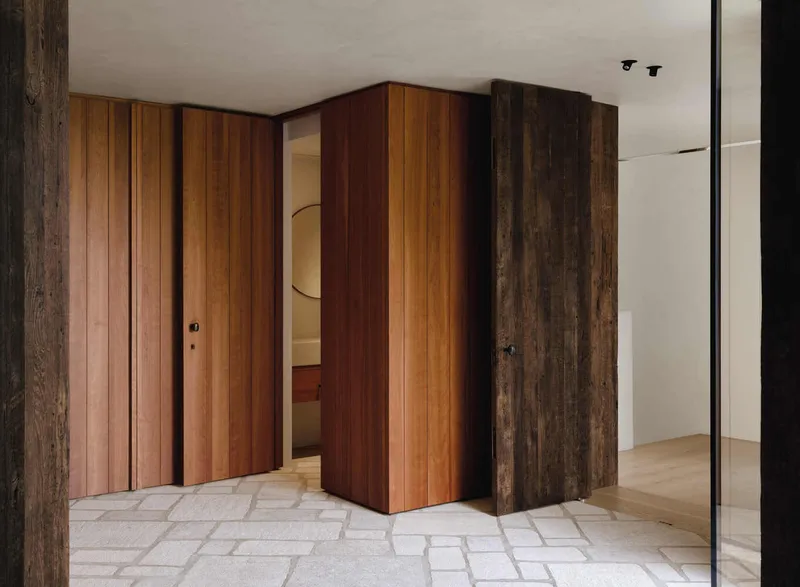
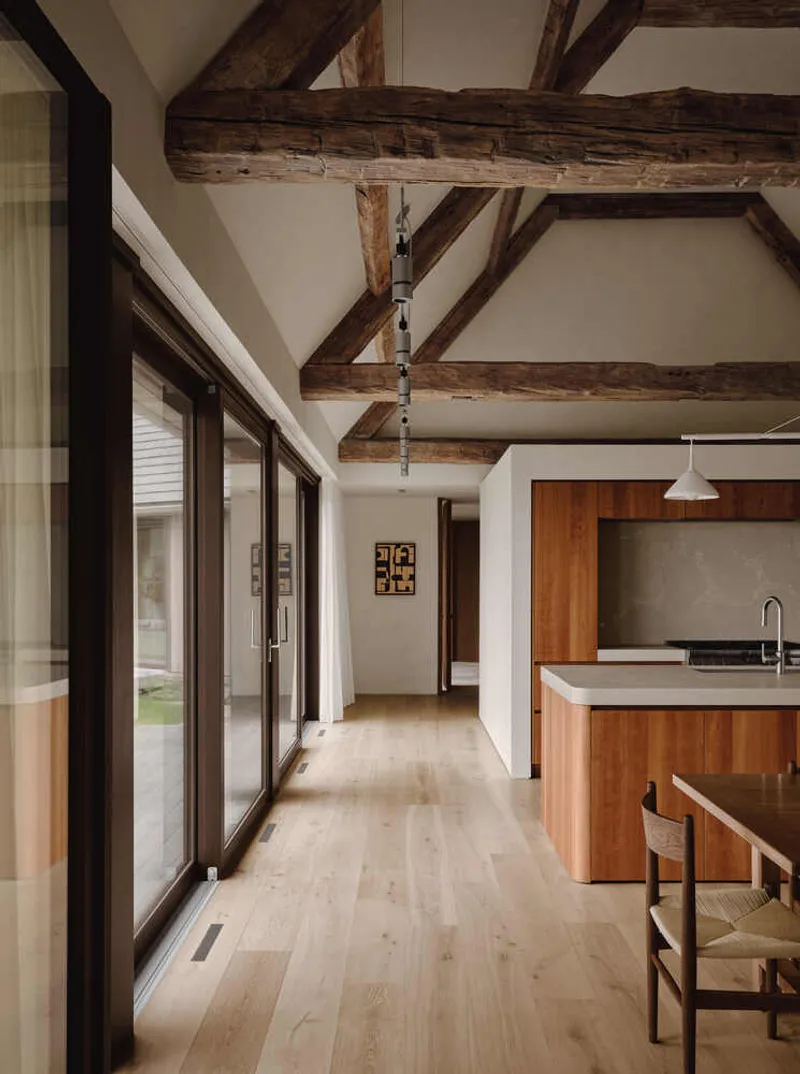
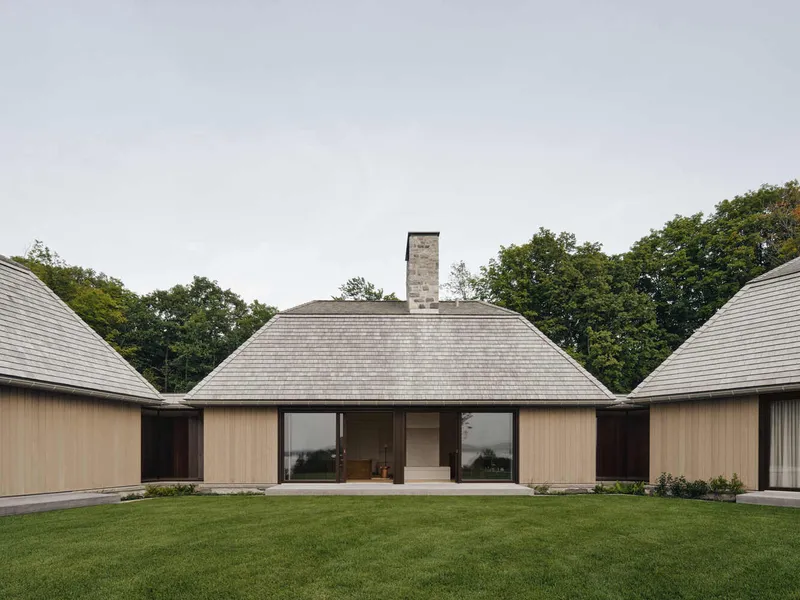
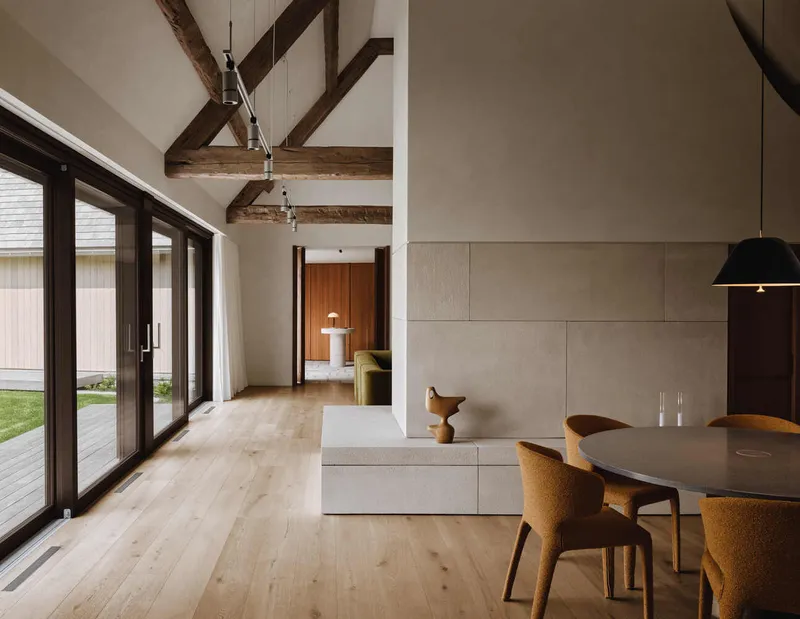
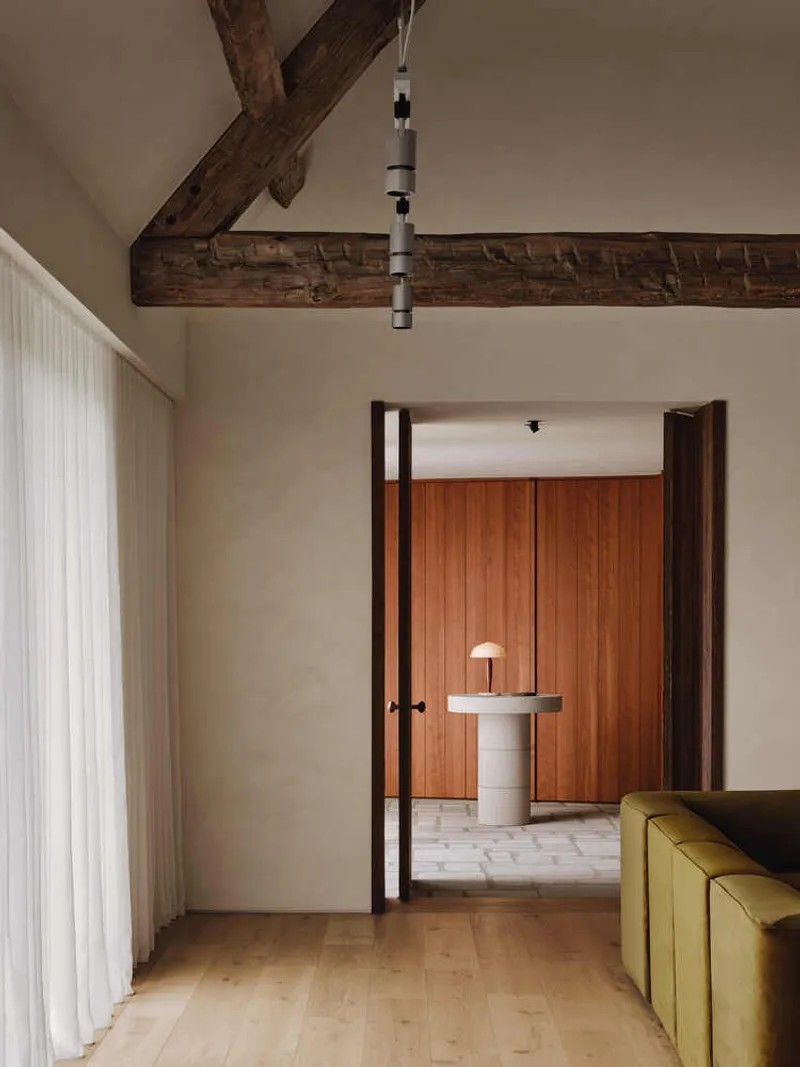
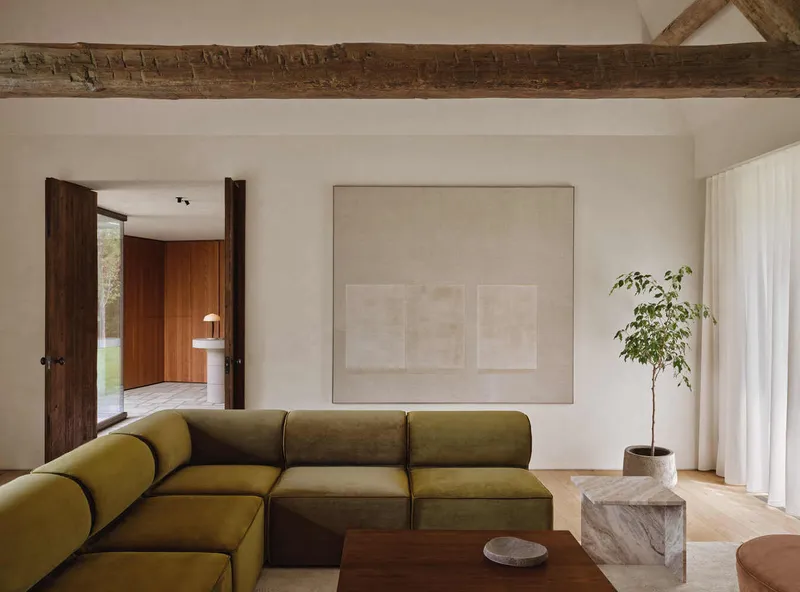
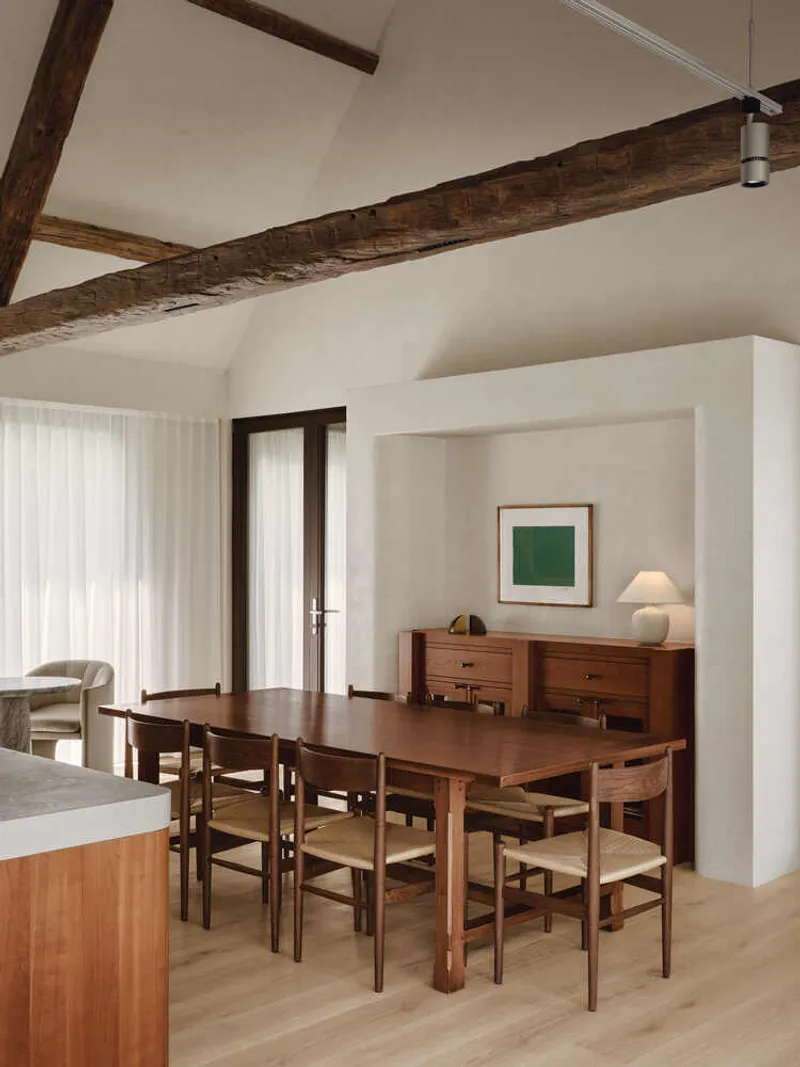
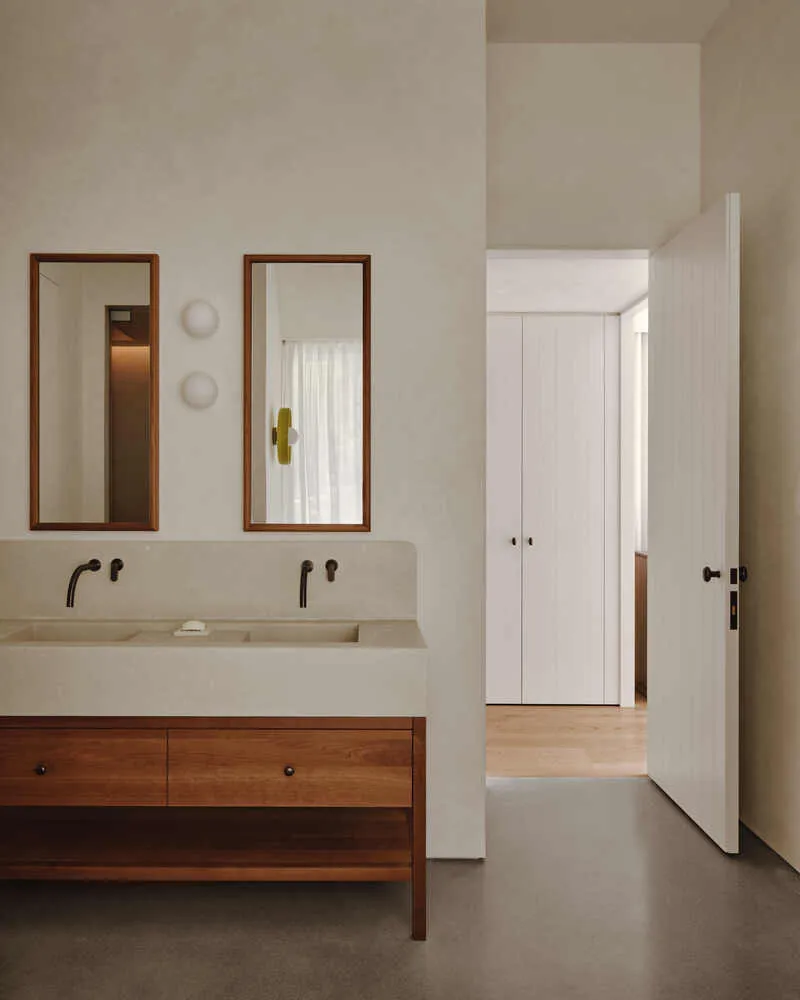
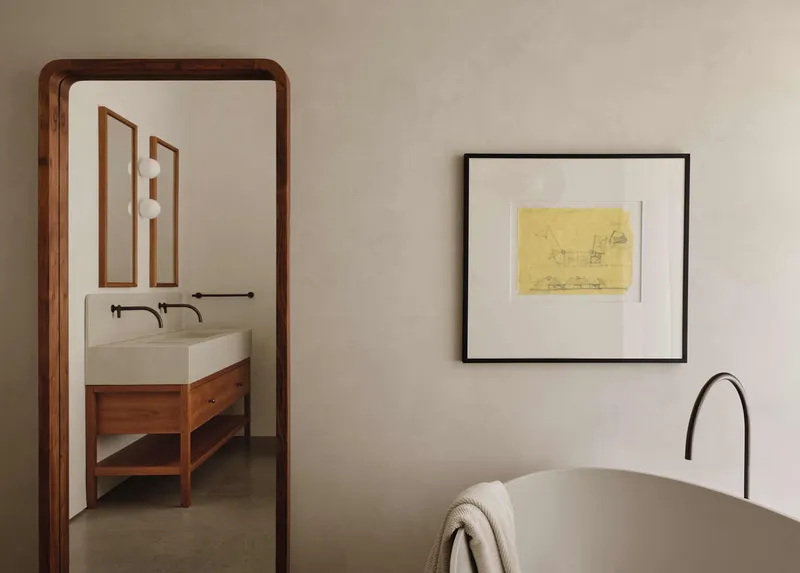
The house is a study in contrasting yet complementary materials. While stone offers a sense of permanence, warmth is reintroduced through the use of exposed timber, both inside and out. The interiors reflect this duality—wooden beams, chairs, and paneling soften the austerity of stone and anchor the residence in a timeless material narrative. The furniture and fixtures follow the same logic, curating a space that floats between eras, with a restrained palette and precise detailing that allows the architecture itself to speak.
Architecture Between the Old and the New
At its core, BROM Residence blurs the boundaries between restoration and innovation. By reframing what it means to inhabit a historic site in the 21st century, Atelier Carle challenges the limits of preservation while proposing a new standard for sustainable rural architecture in Canada. The home becomes more than a structure; it becomes a critical lens through which to view heritage, identity, and ecological responsibility.
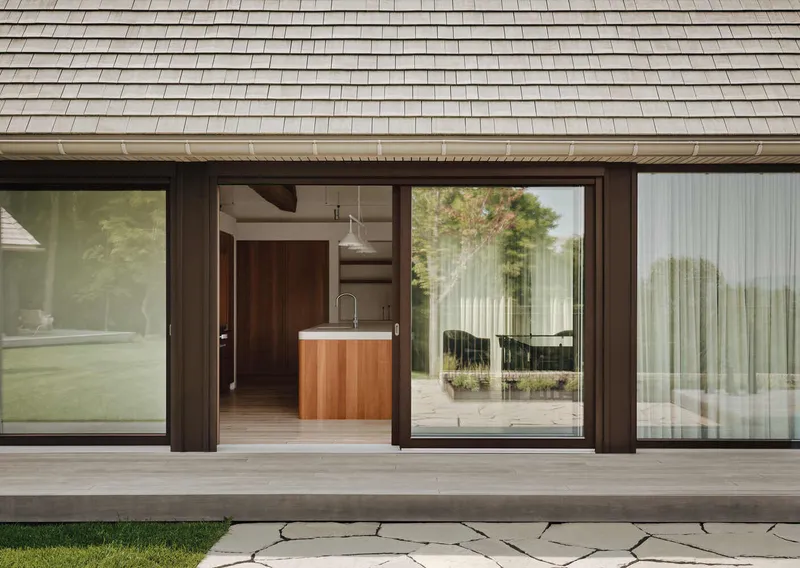
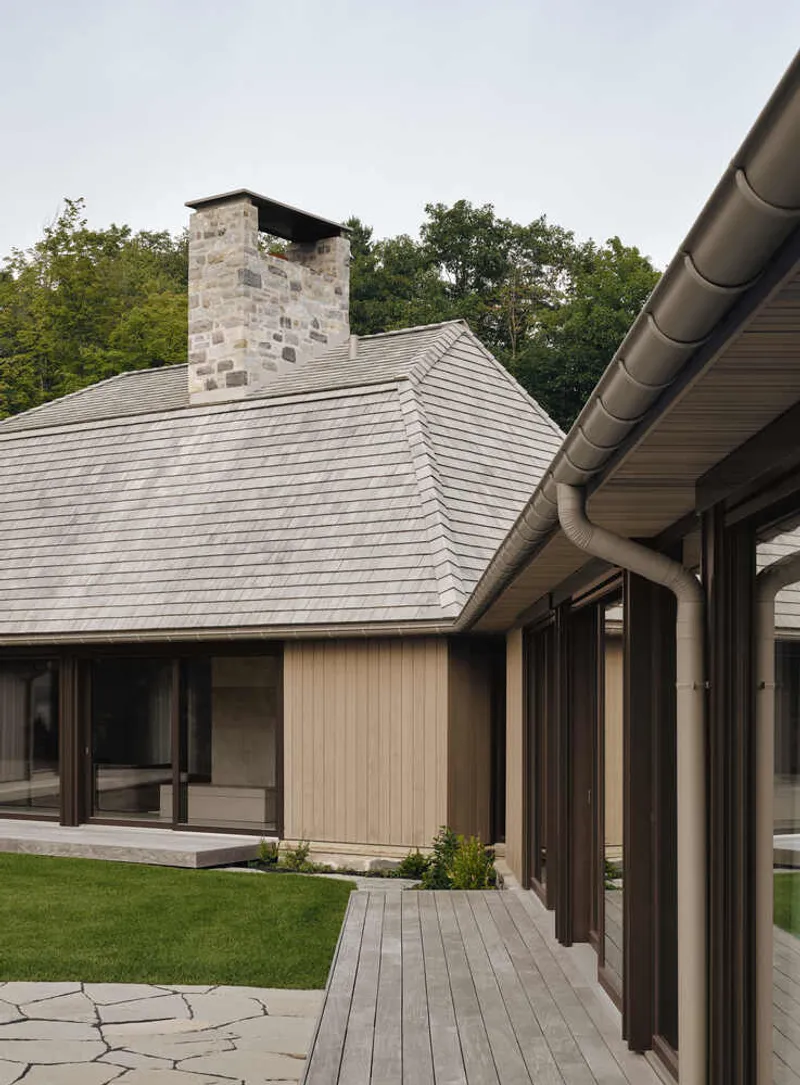
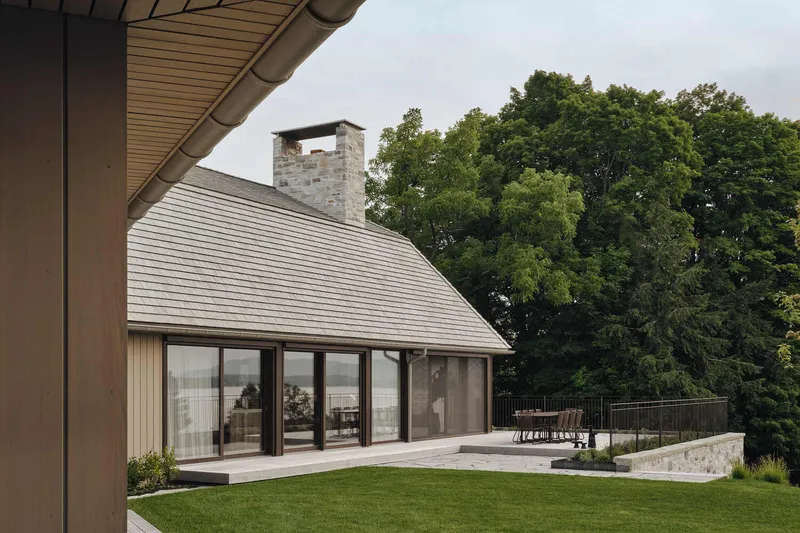
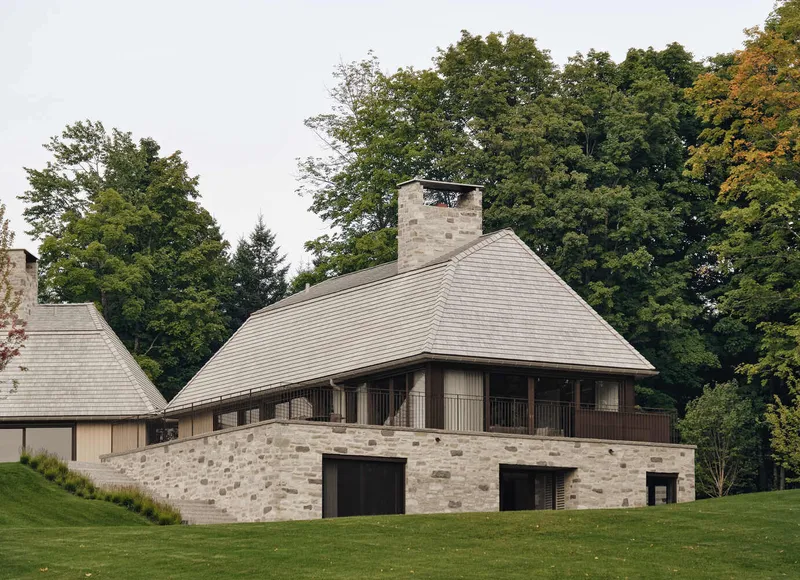
The BROM Residence exemplifies how architecture can engage with legacy while remaining contemporary, addressing not only the environmental future of rural Canada but also its cultural continuity.
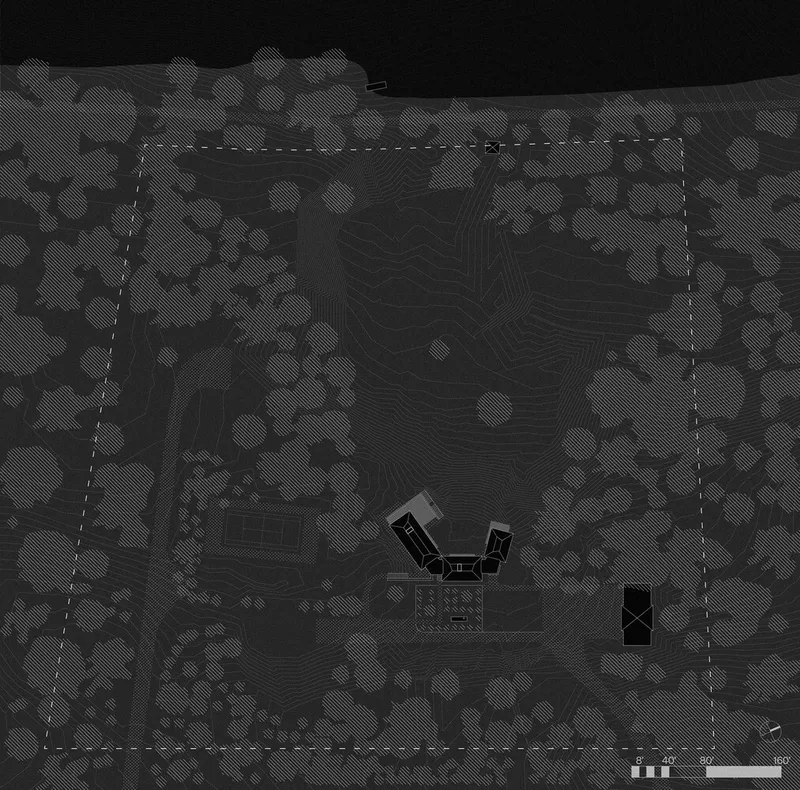
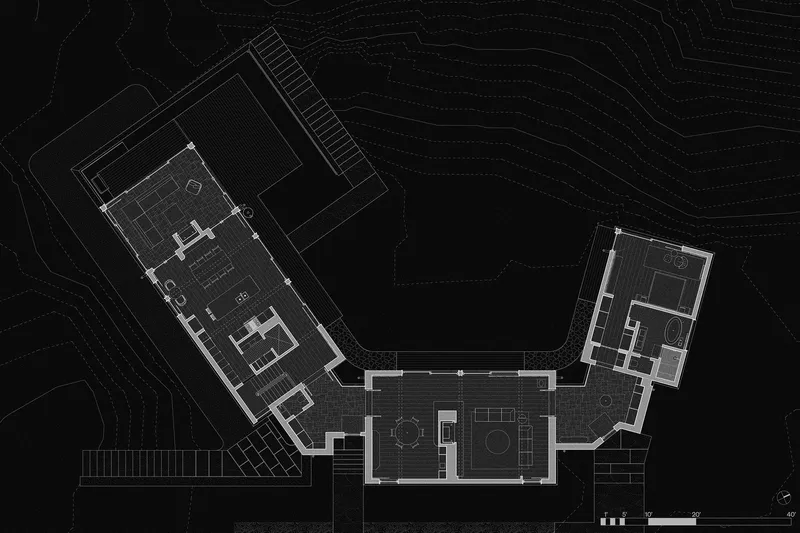
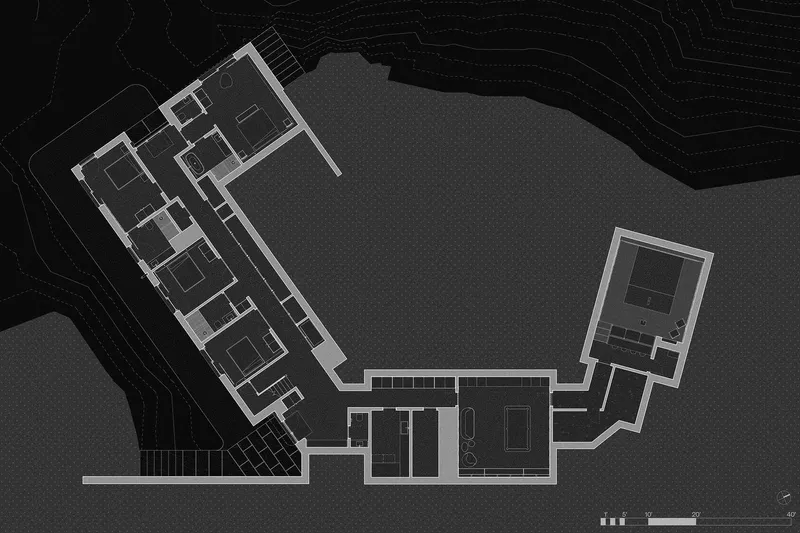
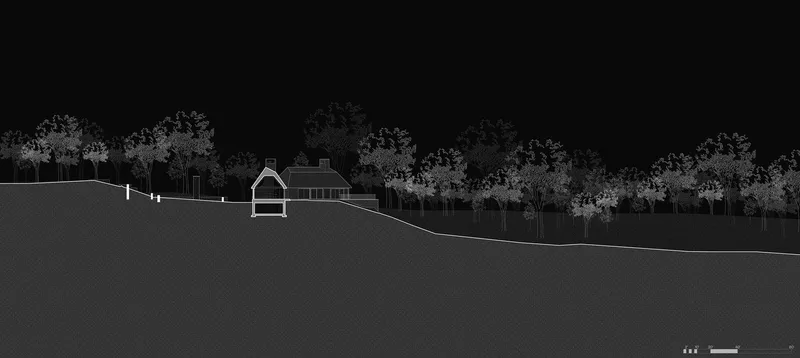
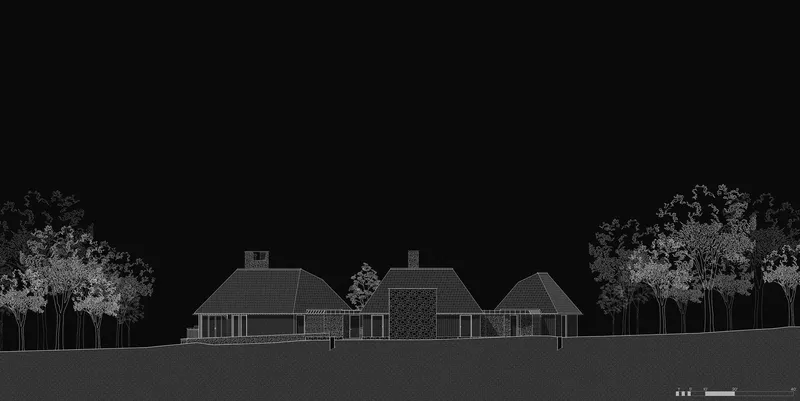
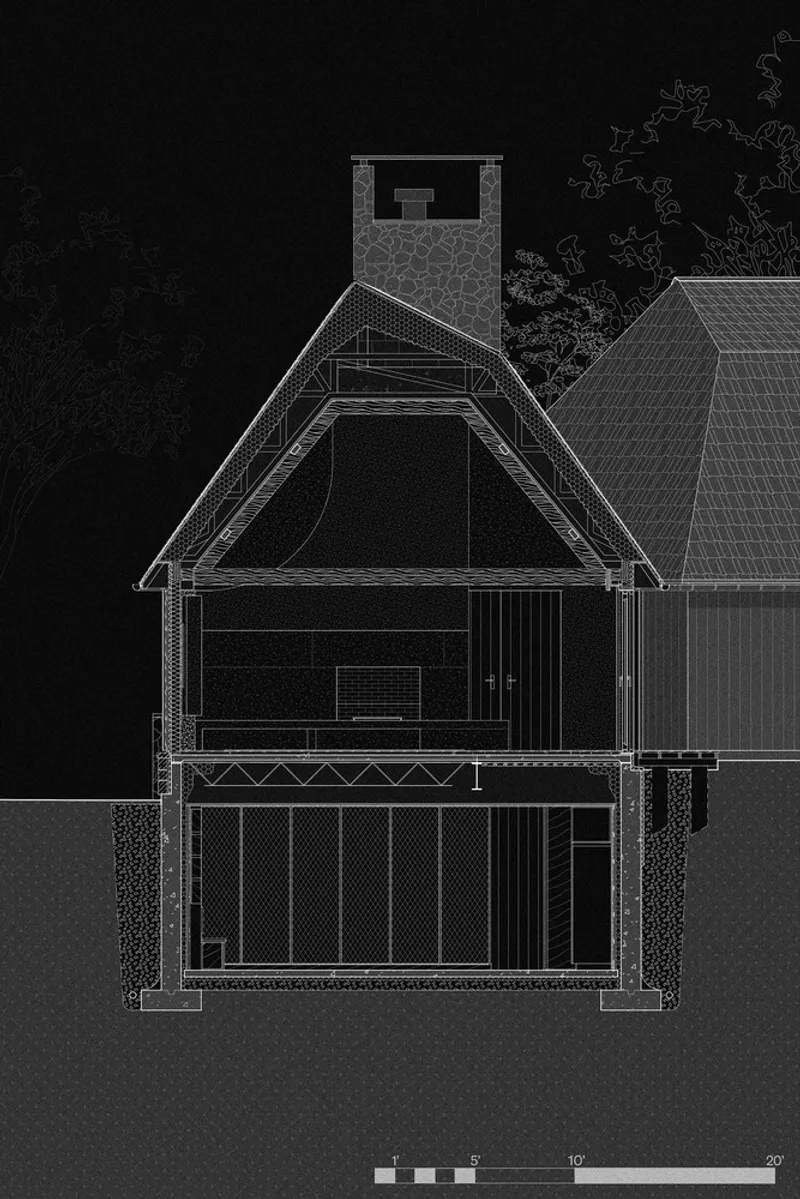
All Photographs are works of Alex Lesage


Popular Articles
Popular articles from the community


Cloaked Colonization: A Mobile Underwater Habitat That Moves Like a Fish
Micah Abaya's shortlisted EHC Pacific entry reimagines ocean settlement as a dispersed network of self-sustaining architectural organisms.

Tsunami Convergenics: Turning Catastrophic Ocean Forces into Underwater Housing Infrastructure
A speculative underwater settlement off the coast of Onagawa, Japan, treats tsunamis and typhoons as energy sources rather than threats.

Opera on the Sea: Driftwood Logic Shapes a Timber Opera House on Estonia's Coast
Trevor Orgill's opera house translates the entangled drift of floating timber into a civic building where wood, water, and music converge.

Manzana Morphosis: Stretching Barcelona's Grid into a Living Landscape for 2050
A radical reworking of the Eixample manzana turns density into a tool for generous public space, vertical ecology, and environmental performance.

Similar Reads
You might also enjoy these articles


Hodi-Mandai Geram
Project Function: Preservation and revitalization of the Intangible heritage and socio-spatial identity of the Hodi by Housing, Cultural Memory Center, Sacred Grove, landscape, local tourism economy


Olio Towers: A Mid-Rise for Performers That Fuses Housing, Rehearsal, and Stage
Located blocks from Houston's Theater District, this modular tower stacks living units around a central performance atrium.

Oasis: Modular Green Housing Carved into Dhaka's Urban Fabric
A shortlisted Plugin Housing entry reclaims unauthorized settlements in Dhaka with stepped concrete volumes, green roofs, and ventilation-driven design.

Black Hole: A Floating Megastructure for the Post-Physical Era
Emiliano Mazzarotto envisions a spherical, self-scaling arena where e-sports, digital hotels, and holographic stadiums replace traditional public space.

Explore Atelier Chardon Savard Competitions
Discover active competitions in this discipline

Challenge to reimagine the Iron Throne

Photograph architecture without architects

Illustrate the lost glory of Angkor Wat - Render Challenge

Design challenge to reuse E-waste
Comments (0)
Please login or sign up to add comments
No comments yet. Be the first to comment!