
Bundanon Art Museum & Bridge by Kerstin Thompson Architects: A Poetic Dialogue Between Art, Landscape, and Resilience
Bundanon Art Museum & Bridge blends architecture, art, and landscape, responding to climate, culture, and creativity with resilient design.


Located in Illaroo, New South Wales, the Bundanon Art Museum & Bridge by Kerstin Thompson Architects is a transformative cultural project embedded within 1,000 hectares of bushland gifted to the Australian people by artists Arthur and Yvonne Boyd in 1993. Overlooking the serene Shoalhaven River and situated on the ancestral lands of the Wodi Wodi and Yuin peoples, the site now houses an integrated cultural precinct dedicated to art, education, and environmental stewardship.
Integrating Landscape, Legacy, and Learning
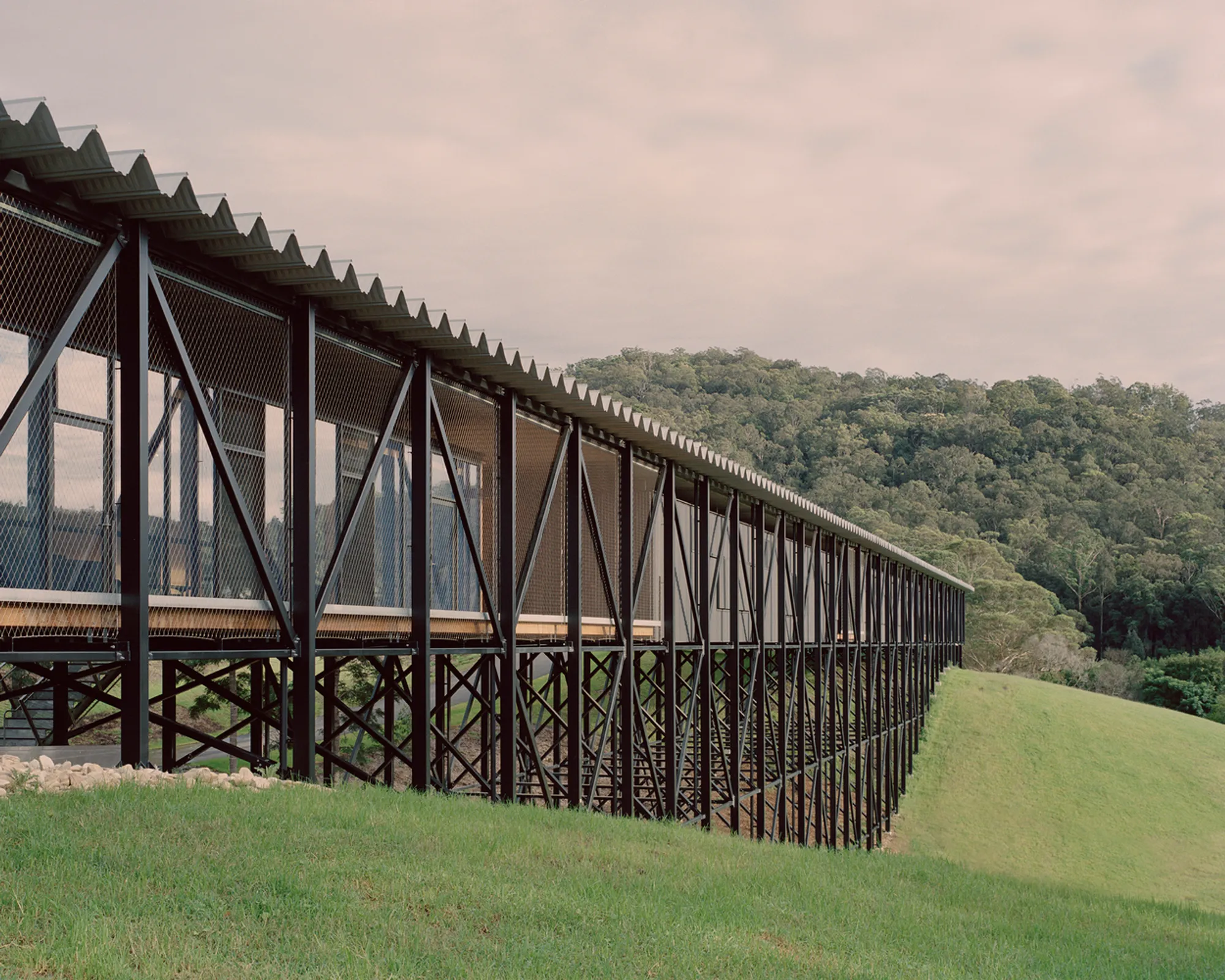
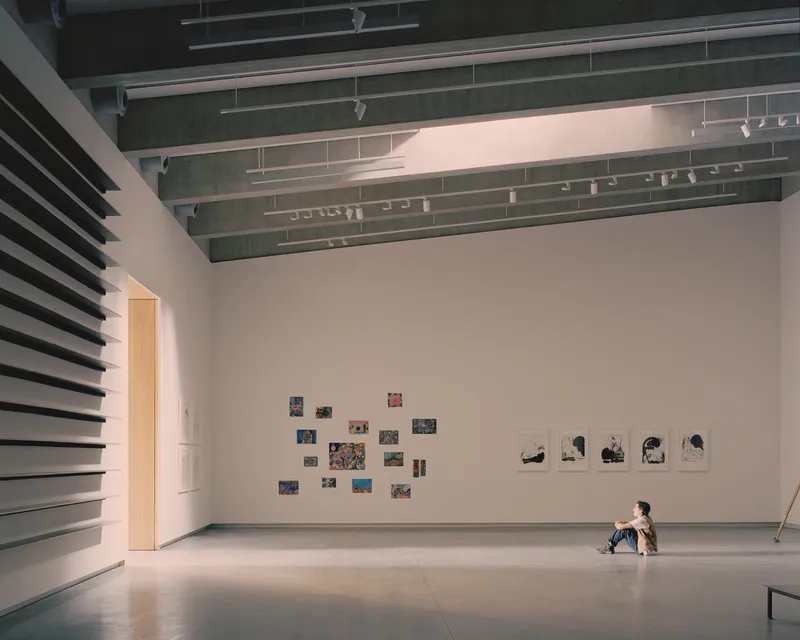
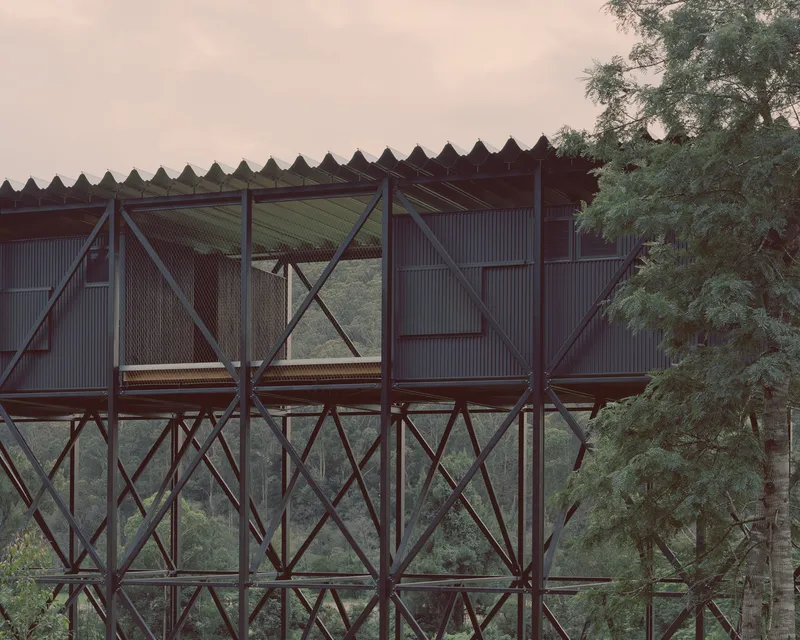
The architectural intervention consists of two new structures: the Bundanon Art Museum, which is embedded into the terrain, and The Bridge, a 160-meter-long creative learning centre dramatically suspended over a gully. Together, they reimagine how built form can engage with the past, present, and future of a site shaped by Indigenous heritage, colonial history, and the artistic legacy of Arthur Boyd.
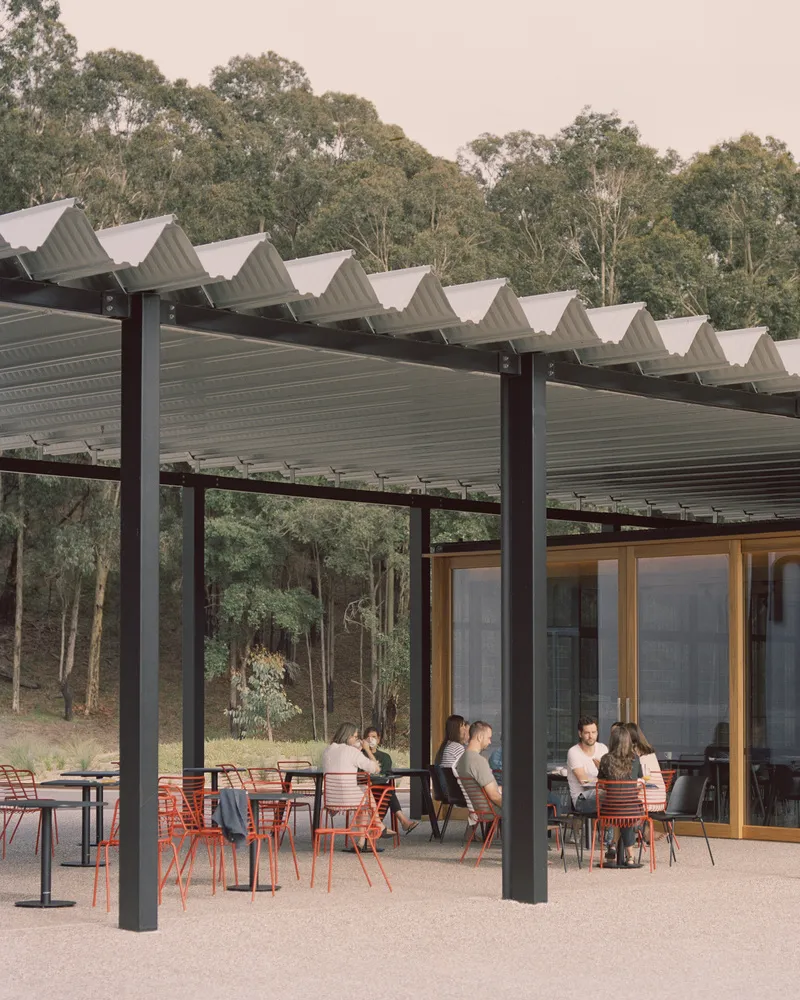
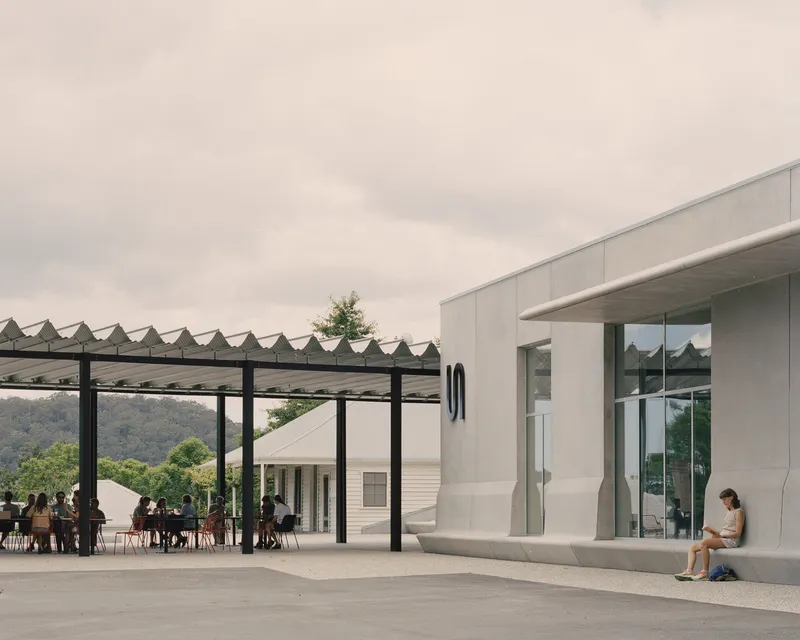
Designed to support art exhibitions, residency programs, and educational workshops, the museum and bridge form a holistic ensemble alongside the historic Boyd homestead. Anchored by a central Forecourt and Arrival Hall, the composition promotes seamless visitor navigation while reinforcing the connection between old and new.
Architecture in Response to Climate Realities
The design reflects a deep sensitivity to Australia’s increasingly volatile climate. In recent years, the Bundanon landscape has endured the extremes of bushfire and flood, prompting the need for architectural solutions that prioritize resilience and sustainability. The Museum is partially buried in the land, using thermal mass to manage internal climate, while The Bridge—raised above the floodplain—acts as a protective infrastructure in the event of natural disasters.
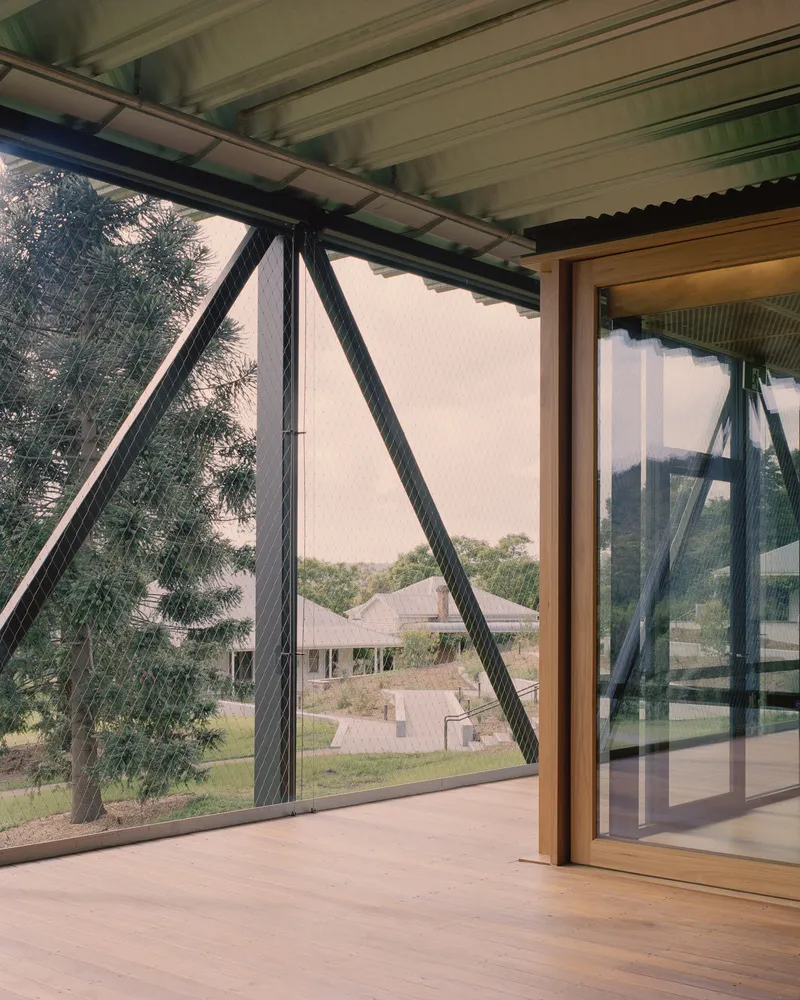
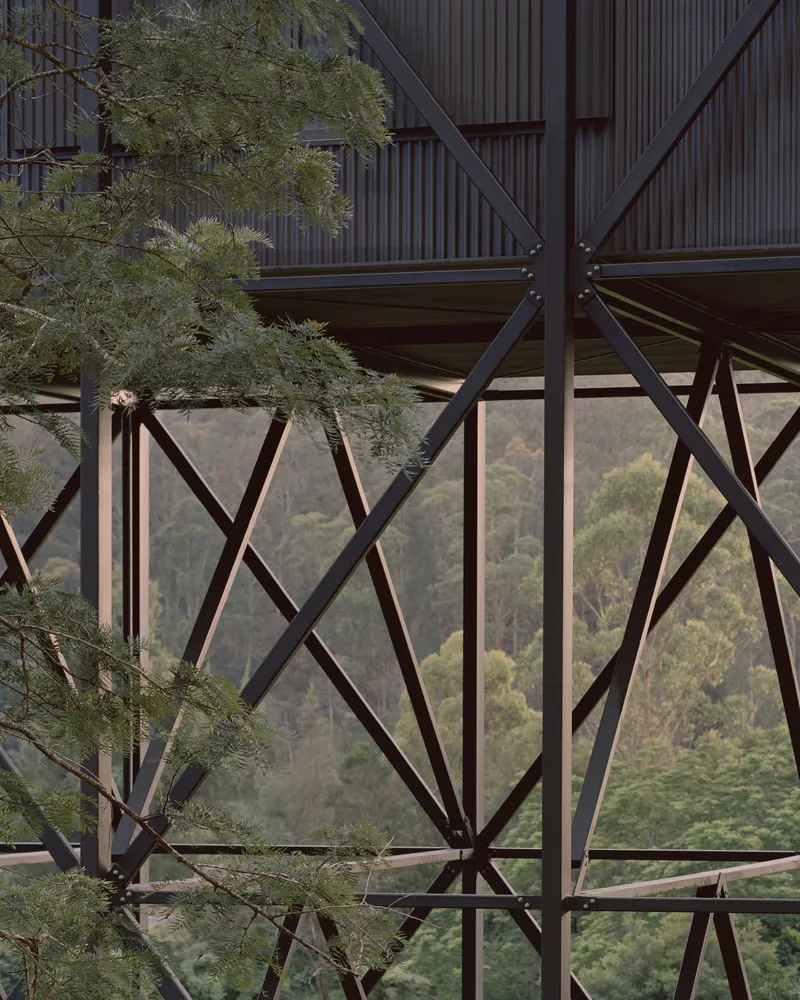
Drawing inspiration from Boyd’s paintings, which often explored the interplay between nature and culture, the architecture embraces these dualities. The material palette, structural expression, and spatial sequencing echo the surrounding forest and riverbanks, transforming the site into a living gallery where nature, art, and architecture converge.
Landscape and Cultural Narrative
Kerstin Thompson Architects collaborated with Wraight Associates and Craig Burton for landscape design and Irwin Consult/WSP for structural engineering, ensuring the project was integrated within the ecological and cultural layers of the land. The masterplan reflects a commitment to Country-centered design, recognizing the landscape not just as a backdrop but as a vital participant in storytelling and education.
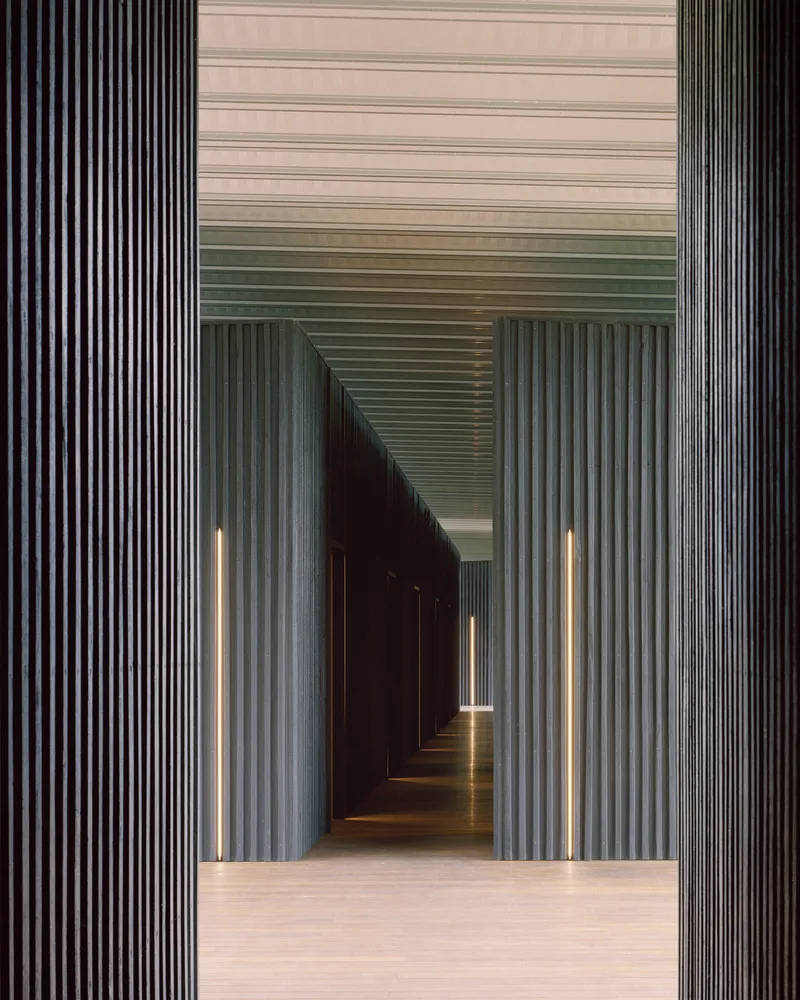
A Place of Inspiration and Exchange
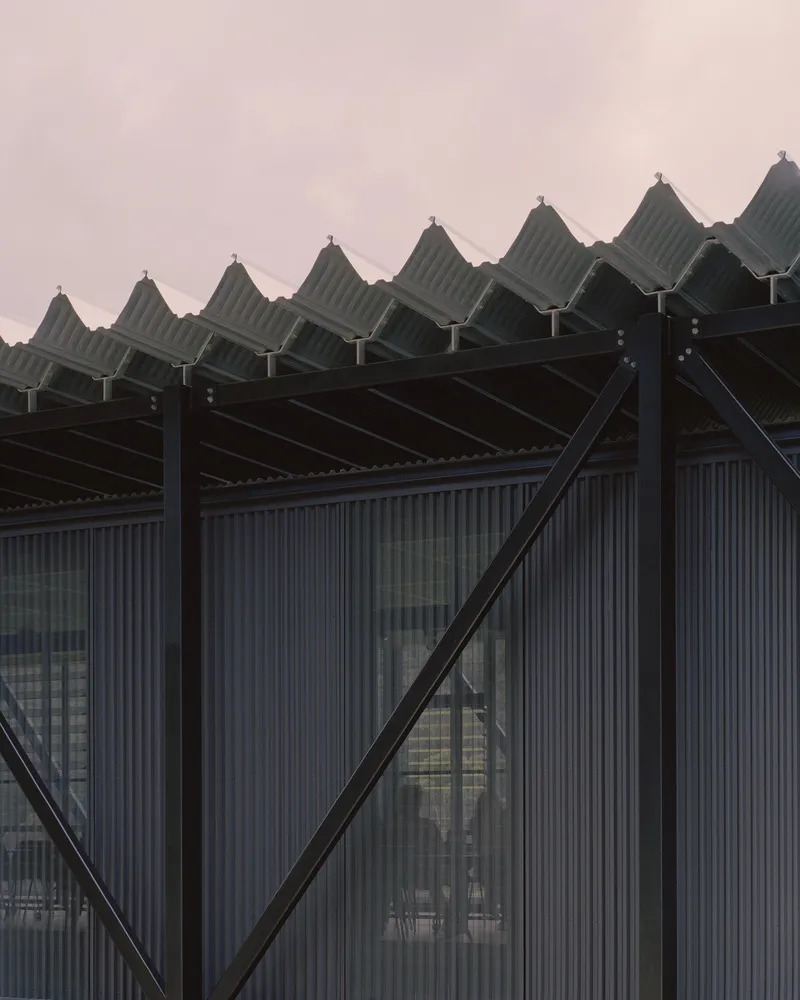
Bundanon today functions as a cultural sanctuary—a place where artists, students, researchers, and visitors engage in creative exchange. The architecture is not merely a container for art but an extension of the landscape, fostering reflection, learning, and resilience. In doing so, it honors both the deep history of the site and its evolving future as a model for sustainable cultural development.
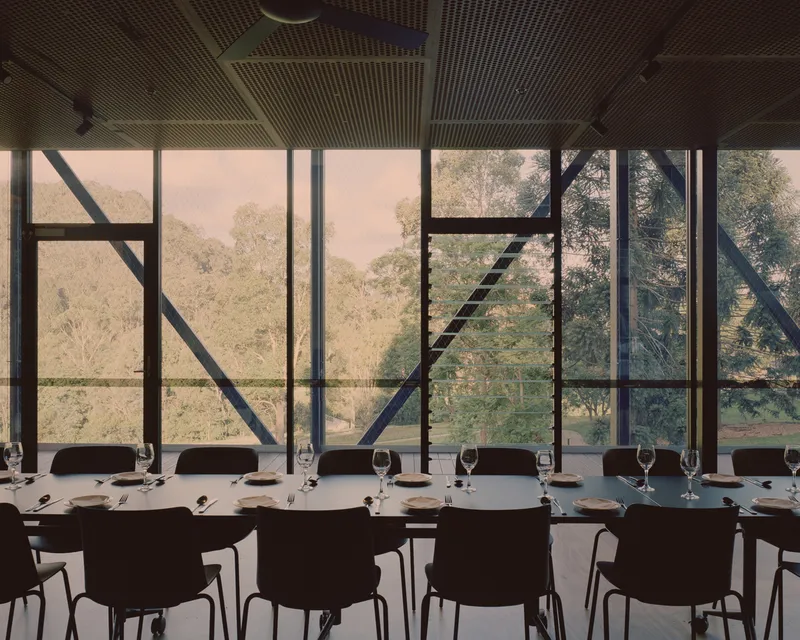
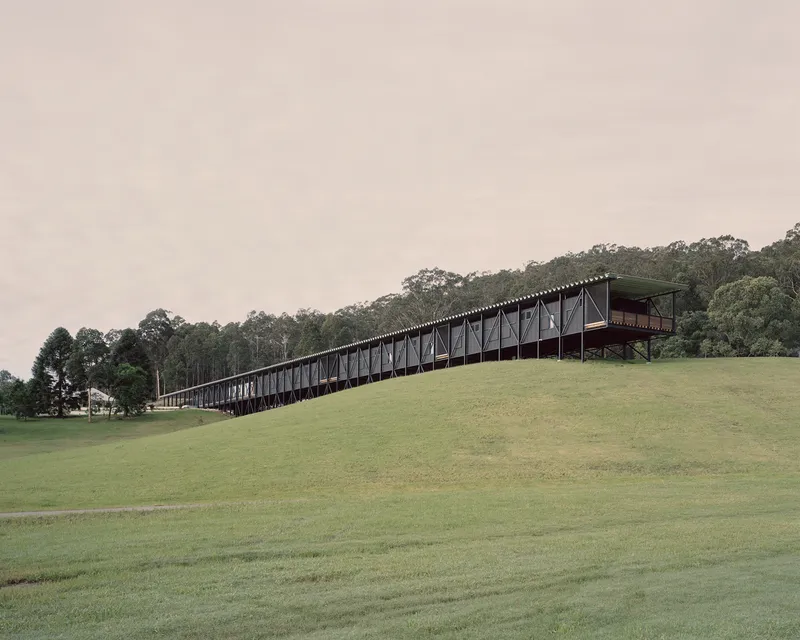
All Photographs are works of Rory Gardiner


Popular Articles
Popular articles from the community


Hill & Cross Opera: Sculptural Opera House Architecture Shaped by Tallinn’s Landscape and Identity
Hill & Cross Opera reimagines opera house architecture in Tallinn through its sculptural hill, civic plaza, glass wave and a luminous cross.

Lunar Spiral: Space Architecture Shaped by the Mathematics of the Universe
Lunar Spiral reimagines space architecture through Fibonacci geometry, lunar regolith, levitating habitats, and self-sustaining Moon living.

Co-life: Sustainable Architecture for Age-Friendly Community Living
Co-life reimagines sustainable architecture for seniors through courtyards, rammed earth, shared gardens, and spaces designed for belonging.

The Earth Pod: 3D Printed Homes for Resilient Refugee Communities
The Earth Pod reimagines refugee housing through 3D printed homes made from clay, combining resilience, self-sufficiency, and rapid shelter.

Similar Reads
You might also enjoy these articles


Hodi-Mandai Geram
Project Function: Preservation and revitalization of the Intangible heritage and socio-spatial identity of the Hodi by Housing, Cultural Memory Center, Sacred Grove, landscape, local tourism economy


Olio Towers: A Mid-Rise for Performers That Fuses Housing, Rehearsal, and Stage
Located blocks from Houston's Theater District, this modular tower stacks living units around a central performance atrium.

Oasis: Modular Green Housing Carved into Dhaka's Urban Fabric
A shortlisted Plugin Housing entry reclaims unauthorized settlements in Dhaka with stepped concrete volumes, green roofs, and ventilation-driven design.

Black Hole: A Floating Megastructure for the Post-Physical Era
Emiliano Mazzarotto envisions a spherical, self-scaling arena where e-sports, digital hotels, and holographic stadiums replace traditional public space.

Explore Landscape Design Competitions
Discover active competitions in this discipline



Challenge to reimagine the Iron Throne


Photograph architecture without architects


Illustrate the lost glory of Angkor Wat - Render Challenge


Design challenge to reuse E-waste
Comments (0)
Please login or sign up to add comments
No comments yet. Be the first to comment!