
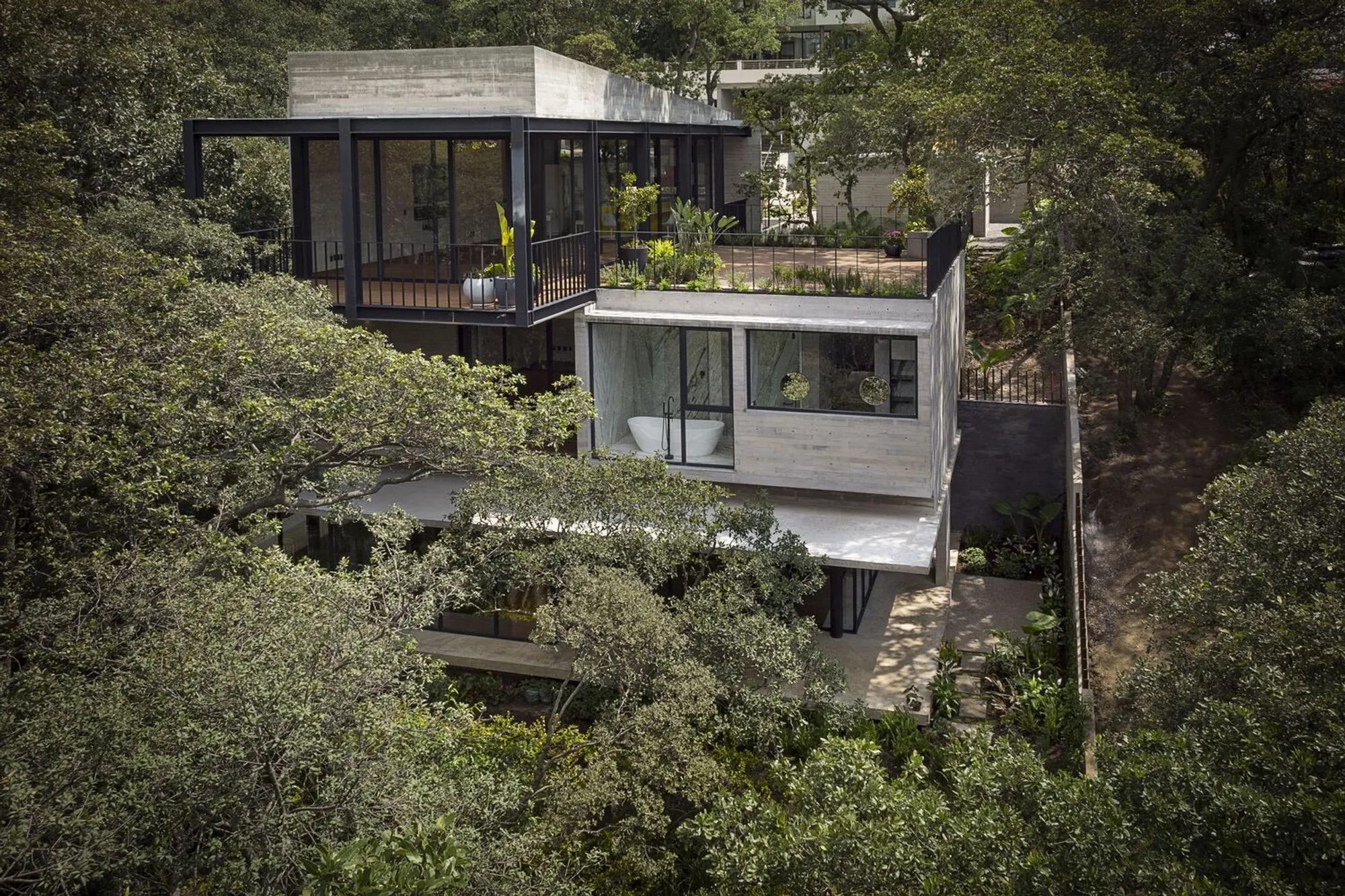
Casa AYG: A Paradigm of Sustainable Residential Architecture
Exploring Casa AYG by Miguel de la Torre, a masterpiece of sustainable architecture blending with nature.


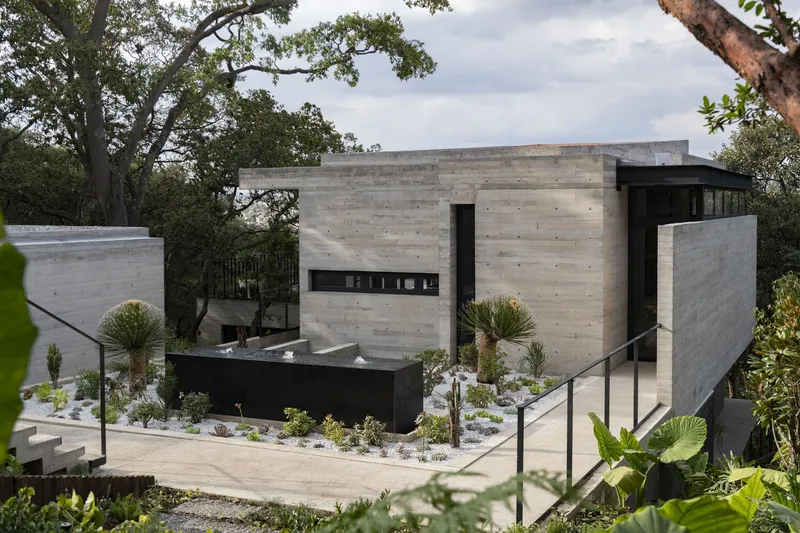
Nestled within the lush environs of Ciudad López Mateos, Mexico, Casa AYG emerges as a quintessential example of sustainable residential architecture. Designed by Miguel de la Torre, this 1016 m² dwelling harmonizes with its natural surroundings, providing a seamless blend of indoor and outdoor living. Through the lens of Jaime Navarro's photography, we delve into the architectural philosophy that makes Casa AYG a beacon of environmental integration and design innovation.
Integrating Nature with Architecture
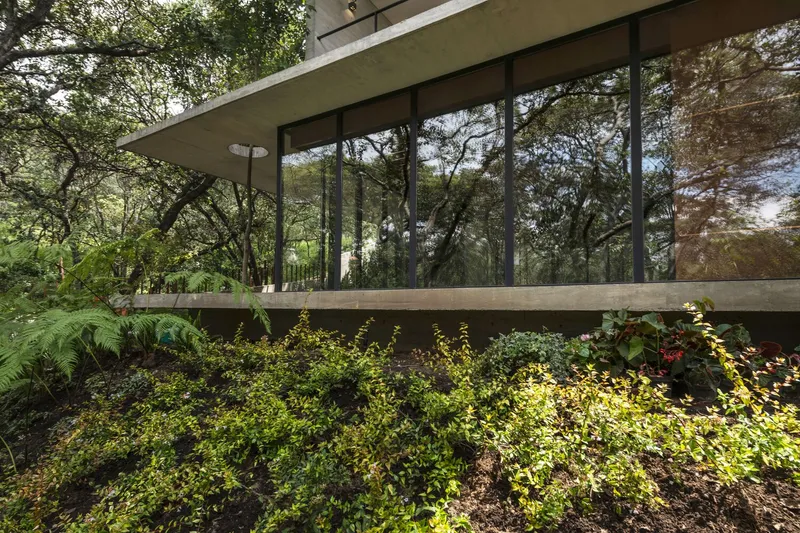
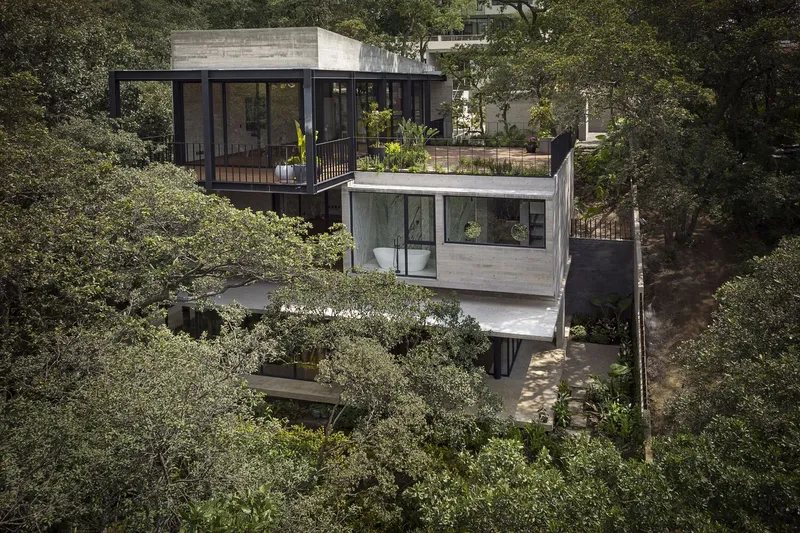
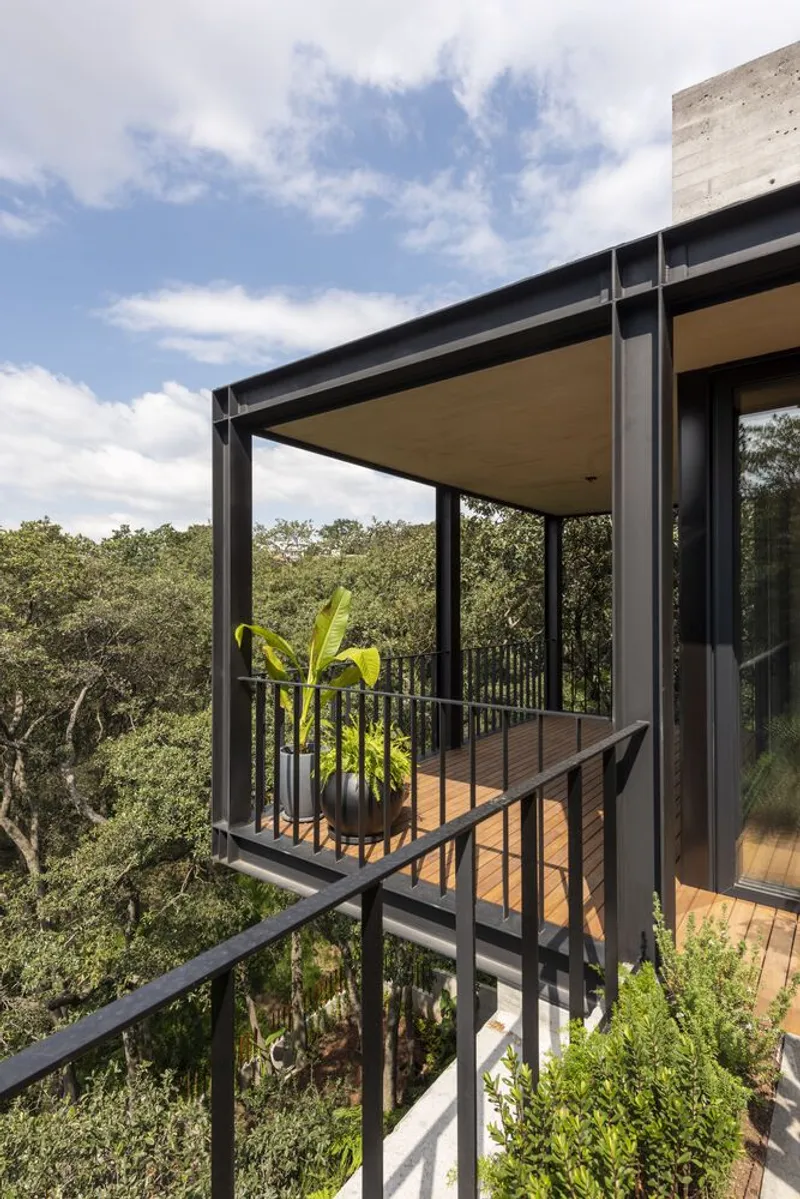
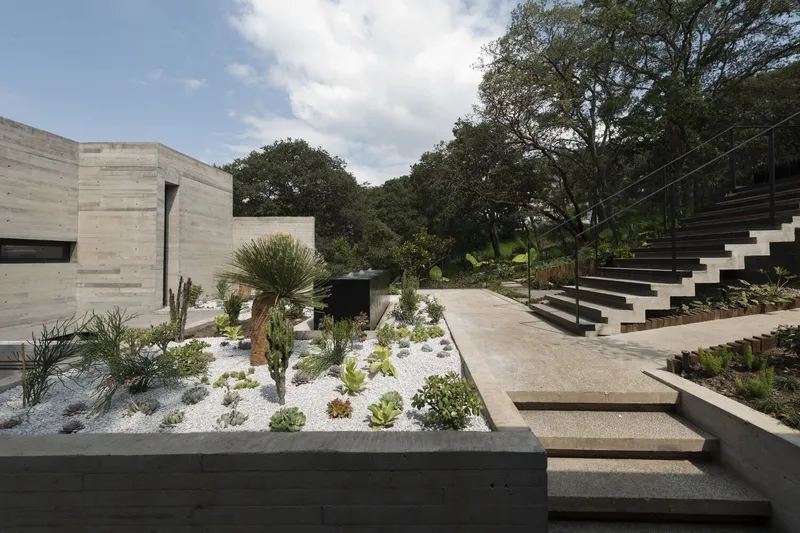
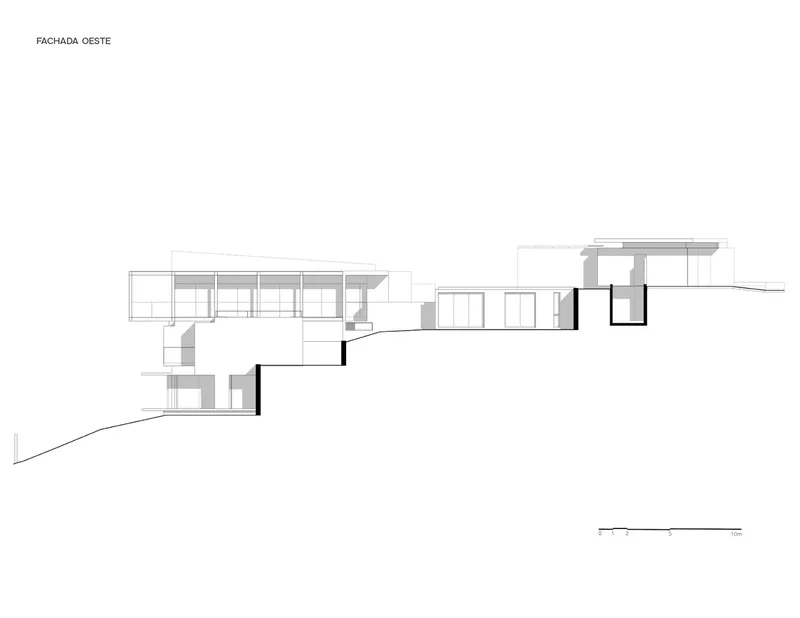
From the initial site visit, the vision for Casa AYG was clear: to respect and enhance the natural landscape. The property, adorned with vast trees and enveloping vegetation, dictated a design approach that minimized environmental impact while maximizing the aesthetic and functional benefits of its setting. The house's architectural layout is a response to the land's unique characteristics, offering a sanctuary that respects its natural heritage.
A Multilevel Design Approach
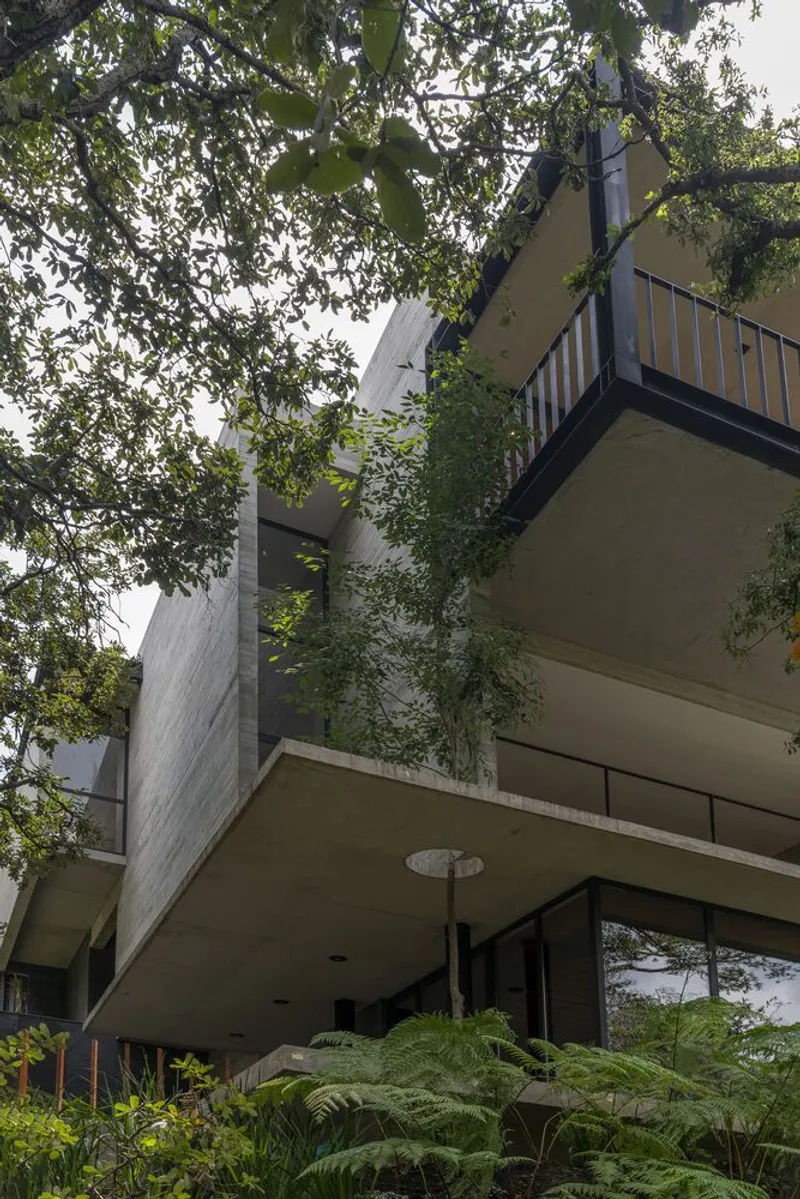
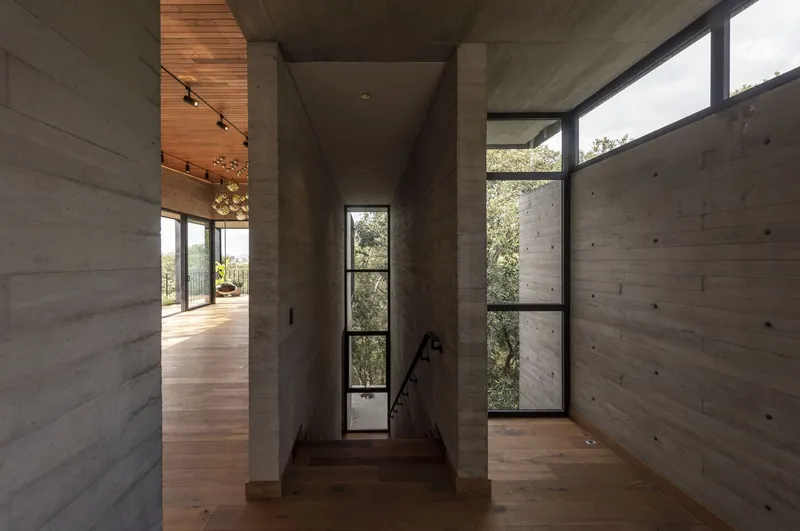
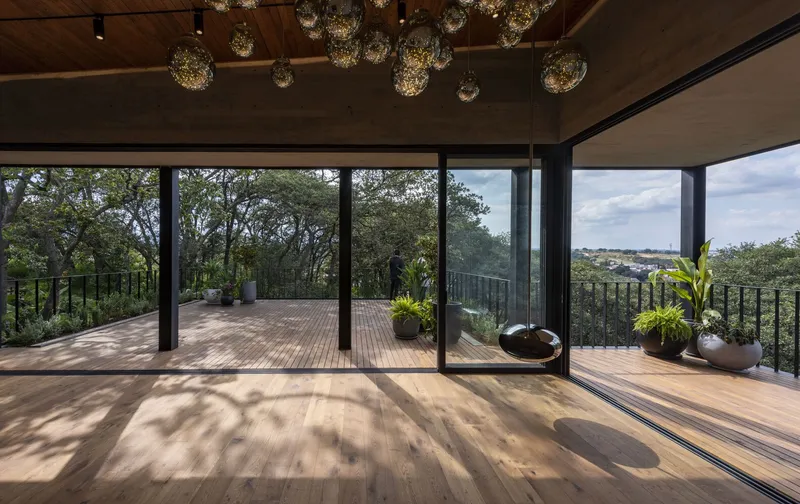
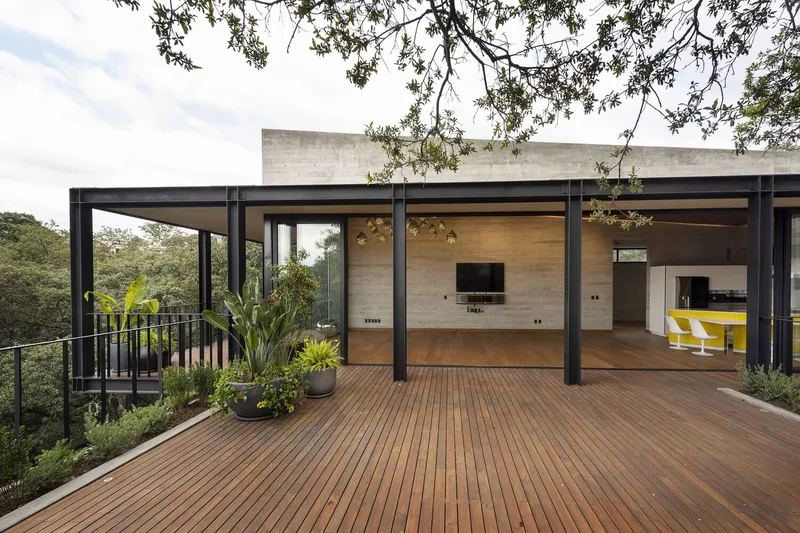
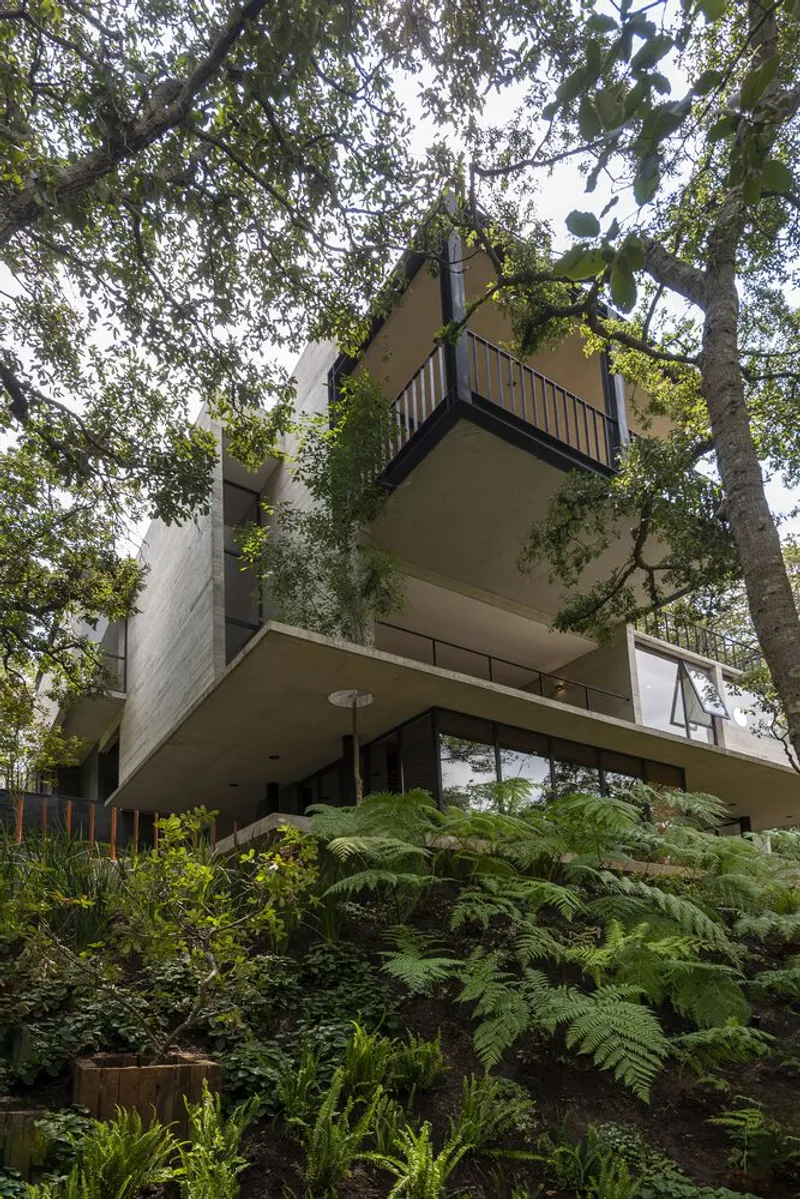
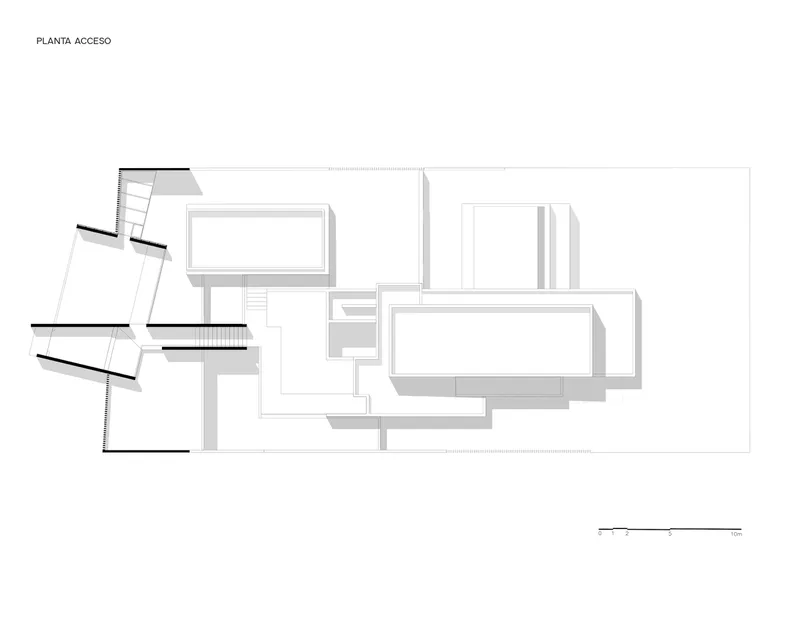
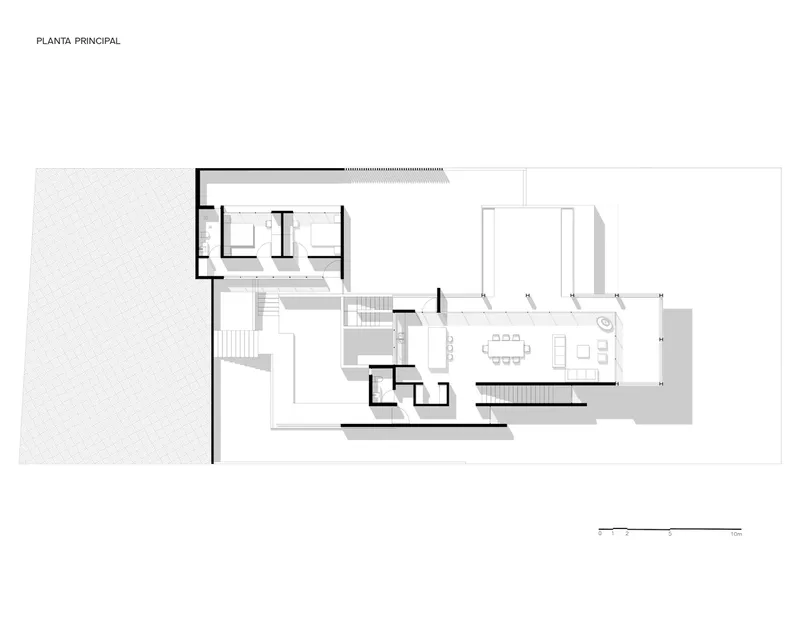
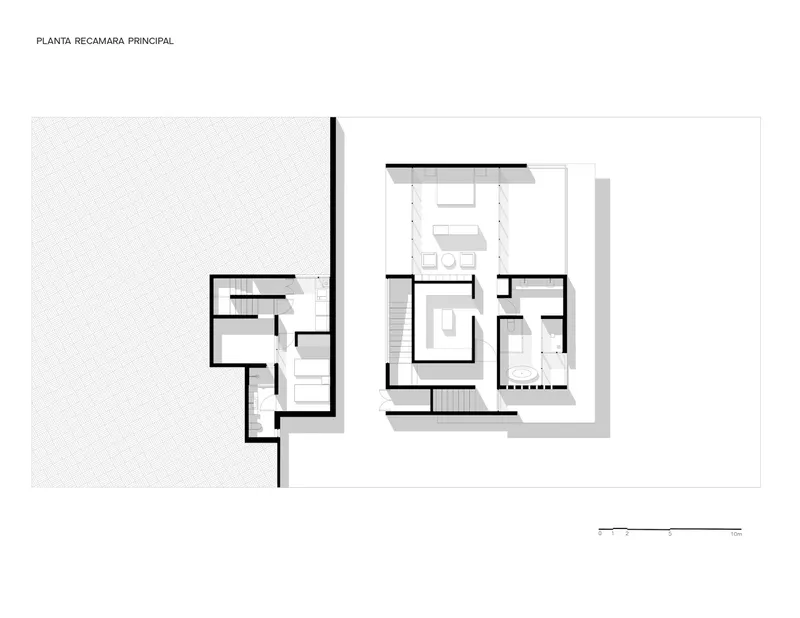
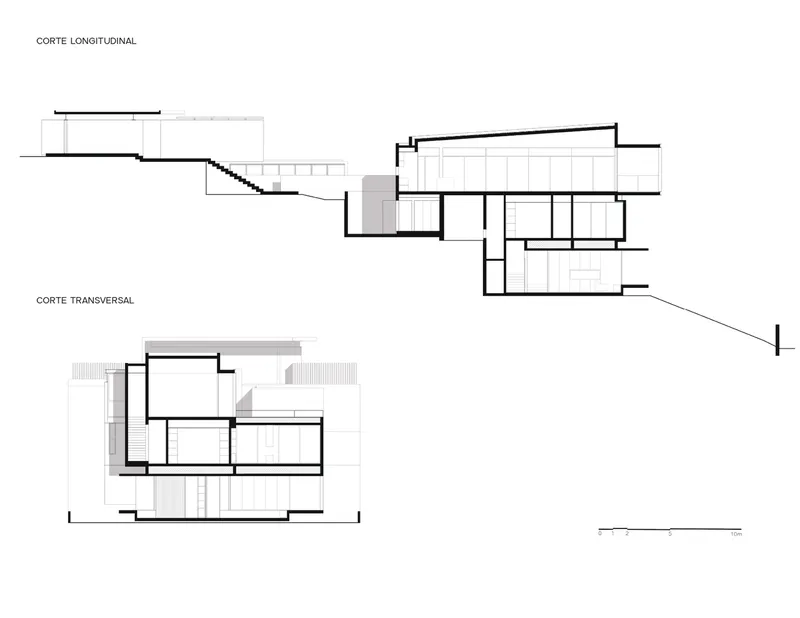
Casa AYG's structure is thoughtfully divided into four distinct levels, each serving a specific purpose while promoting fluid interaction with the outdoors. The entrance level sets the stage for a journey through nature, leading to guest bedrooms and a social area that encompasses an open kitchen, living room, dining area, and terrace. This open-plan arrangement encourages a symbiotic relationship with the environment, blurring the boundaries between inside and outside spaces.
The Heart of the Home
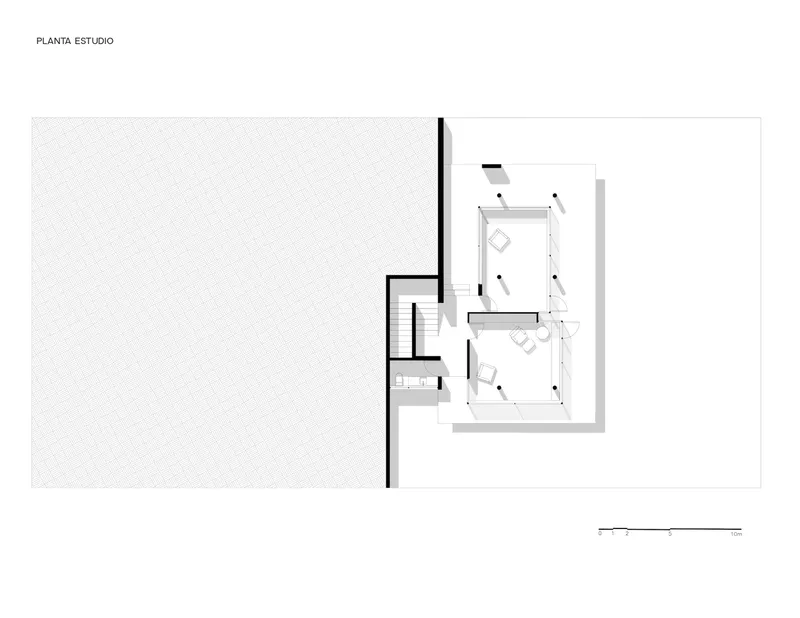
The main bedroom, situated on its own level, serves as a private retreat, offering tranquility and connection to the natural world. Above, the creative area, featuring a music studio and library, becomes a haven for inspiration, further emphasizing the home's dedication to harmonizing functional spaces with nature.
Sustainable Practices and Materials
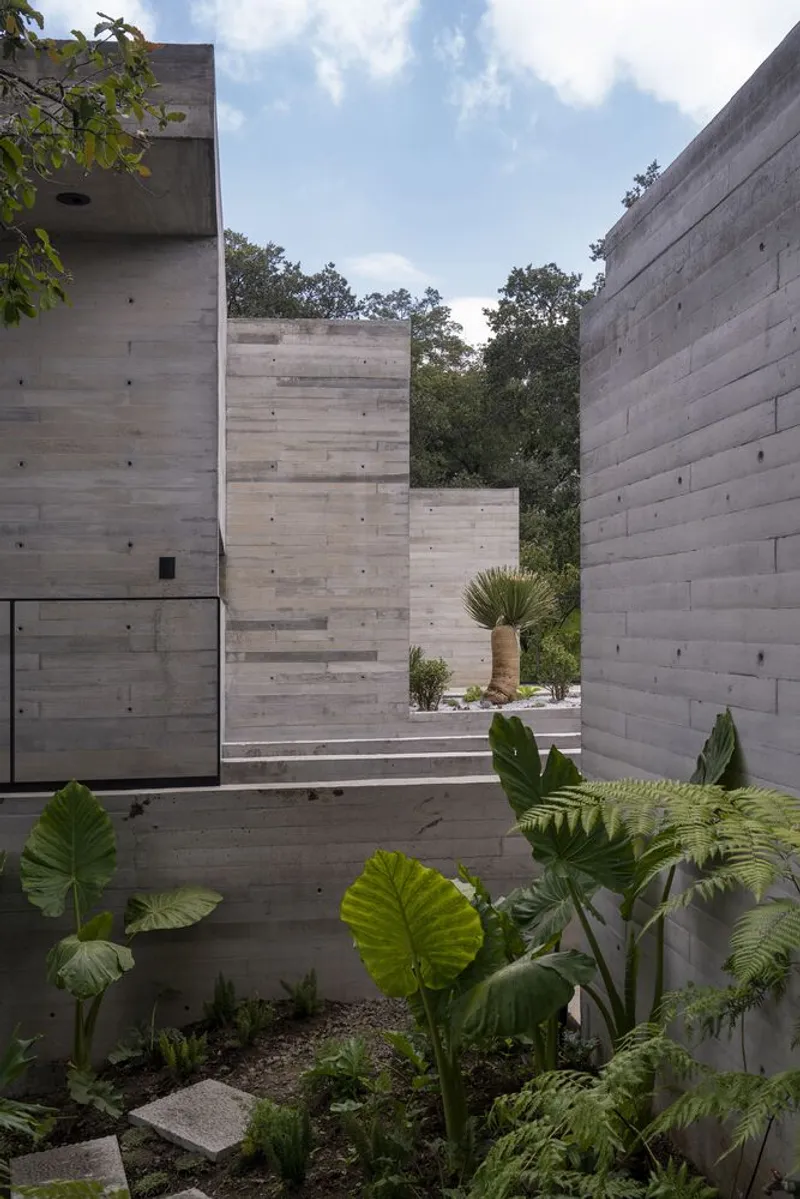
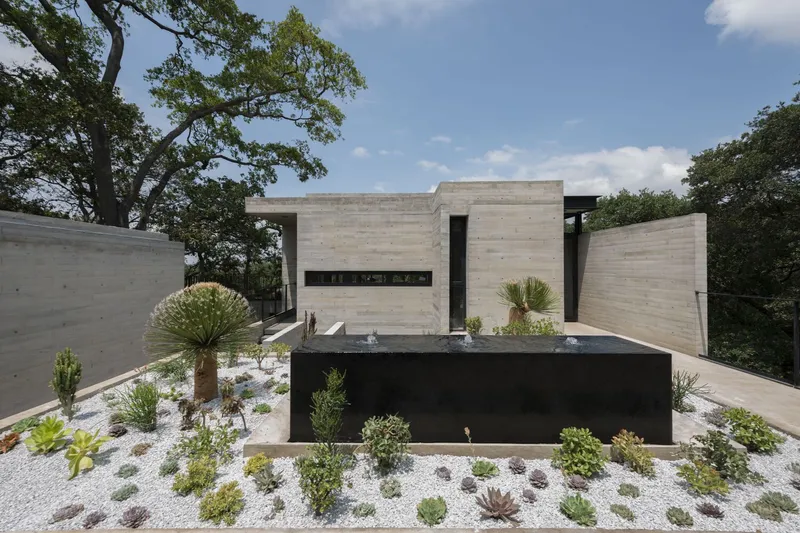
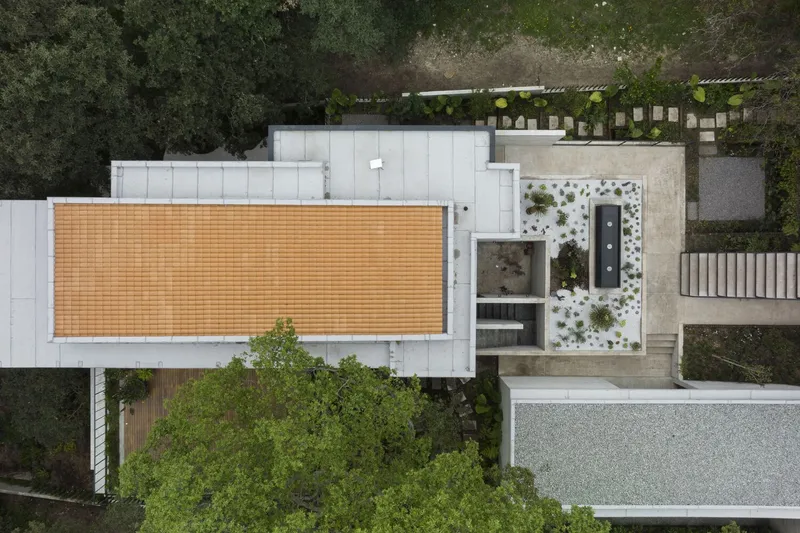
Casa AYG's design philosophy extends to its sustainable practices and choice of materials. The architectural proposal navigates site regulations by incorporating "typical" materials in innovative ways, maintaining a dialogue with the surrounding landscape. Concrete volumes are complemented by metal structures, creating a lightweight appearance. The "fifth façade" is a testament to functionality and aesthetics, incorporating traditional tiles, stone elements for sun mitigation, and solar cells that power exterior lighting and the machine room.
A Testament to Sustainable Living
Casa AYG stands as a testament to the possibilities of sustainable residential architecture. Miguel de la Torre's design is a masterful exercise in simplifying function, utilizing natural resources, and camouflaging construction to preserve the land's integrity. As we explore the seamless integration of Casa AYG with its surroundings, it becomes evident that sustainable design is not just about minimizing impact—it's about creating a dialogue between architecture and the environment, fostering a living space that is both beautiful and responsible.
In the realm of modern architecture, Casa AYG serves as a compelling example of how design can embrace sustainability without compromising on luxury or functionality. It redefines residential architecture, proving that homes can be sanctuaries that both respect and celebrate their natural surroundings.
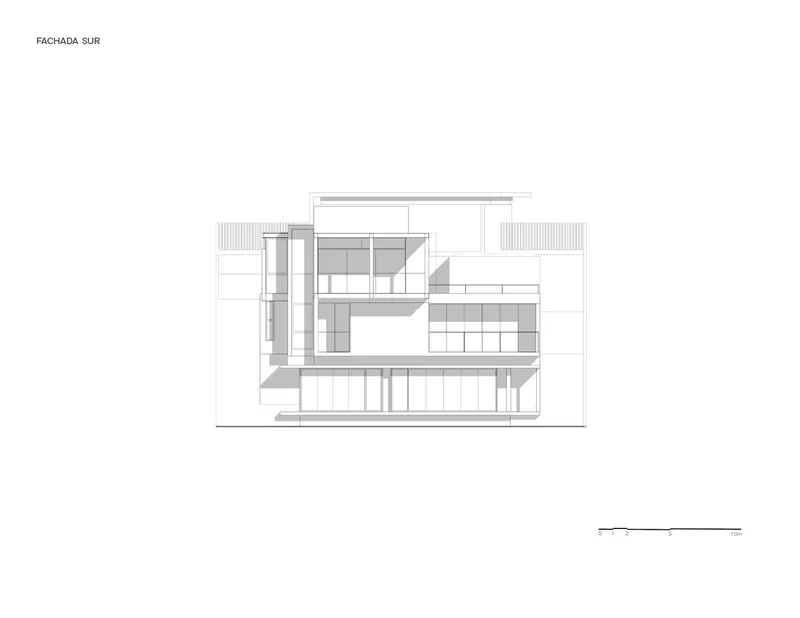
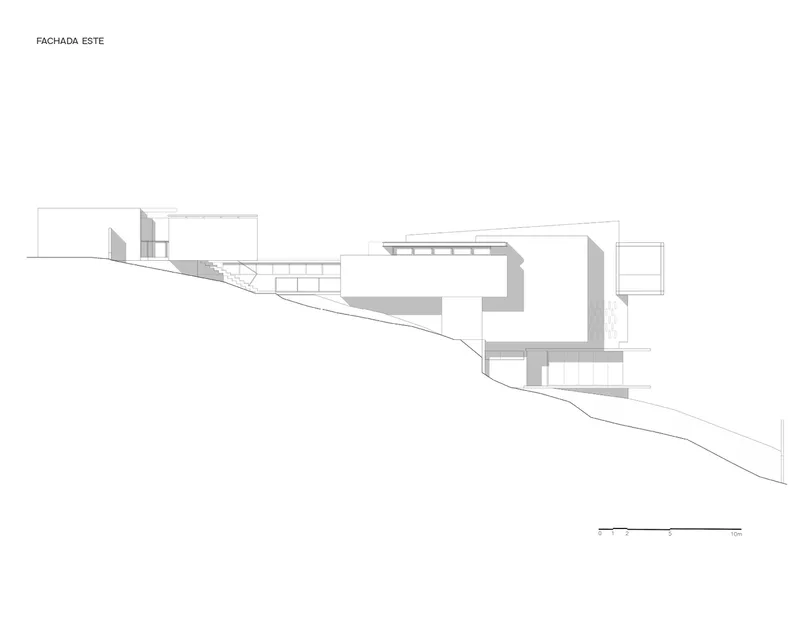
All photographs are work of Jaime Navarro




Popular Articles
Popular articles from the community


Riyadh For All: Intergenerational Urban Design for Active Aging in Rabat
Riyadh For All reimagines urban design in Rabat with intergenerational co-living, adaptive courtyards, and Moroccan cultural exchange today.

Play: Fragments of Their World
Familiar architecture becomes modular playground design, creating safe spaces where displaced children can learn, connect, imagine and play.

Co-Life: Senior Housing Design That Reconnects Older Adults With the City
Co-Life reimagines senior housing design through healing gardens, shared streets, workshops, and a sustainable community across generations.

The Musturak Paradise: Senior Living Architecture for a Connected Future in Temara, Morocco
The Musturak Paradise reimagines senior living architecture in Temara via private homes, social spaces, culture, community, and shared care.


Similar Reads
You might also enjoy these articles


Hodi-Mandai Geram
Project Function: Preservation and revitalization of the Intangible heritage and socio-spatial identity of the Hodi by Housing, Cultural Memory Center, Sacred Grove, landscape, local tourism economy


Olio Towers: A Mid-Rise for Performers That Fuses Housing, Rehearsal, and Stage
Located blocks from Houston's Theater District, this modular tower stacks living units around a central performance atrium.

Oasis: Modular Green Housing Carved into Dhaka's Urban Fabric
A shortlisted Plugin Housing entry reclaims unauthorized settlements in Dhaka with stepped concrete volumes, green roofs, and ventilation-driven design.

Black Hole: A Floating Megastructure for the Post-Physical Era
Emiliano Mazzarotto envisions a spherical, self-scaling arena where e-sports, digital hotels, and holographic stadiums replace traditional public space.


Explore Architecture Competitions
Discover active competitions in this discipline



Challenge to reimagine the Iron Throne


Photograph architecture without architects


Illustrate the lost glory of Angkor Wat - Render Challenge


Design challenge to reuse E-waste
Comments (0)
Please login or sign up to add comments
No comments yet. Be the first to comment!