
Casa da Mata: A Masterpiece of Sustainable Forest House Design
Casa da Mata exemplifies sustainable forest house design, integrating reinforced concrete, natural landscapes, and poetic architectural elements for a harmonious living experience.


Embracing Nature Through Thoughtful Architecture
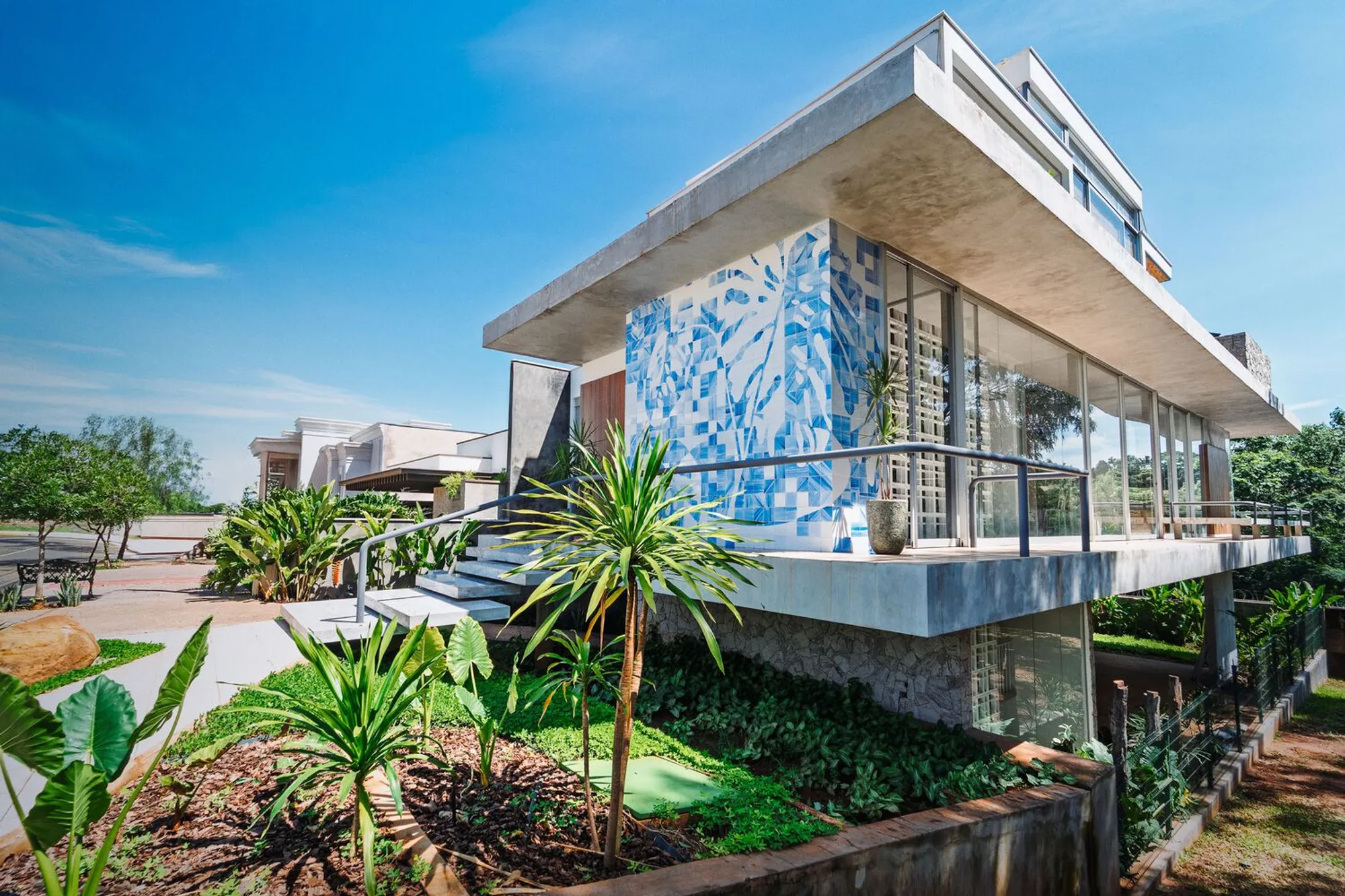
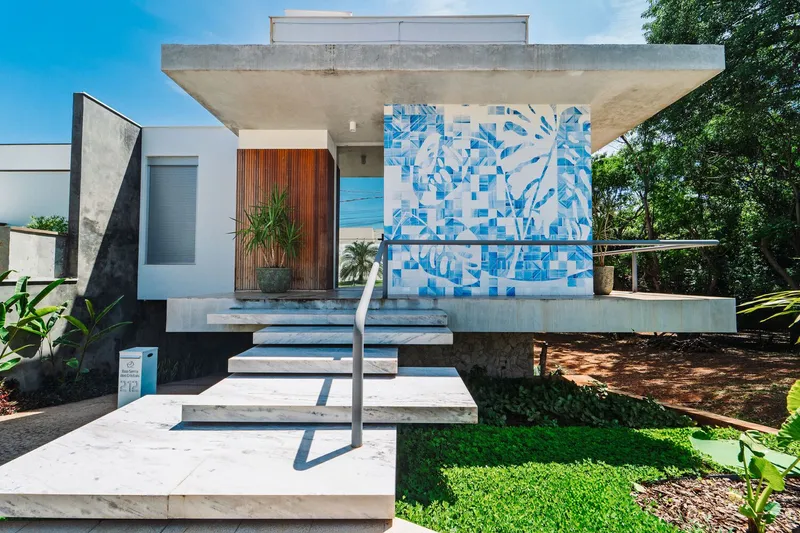
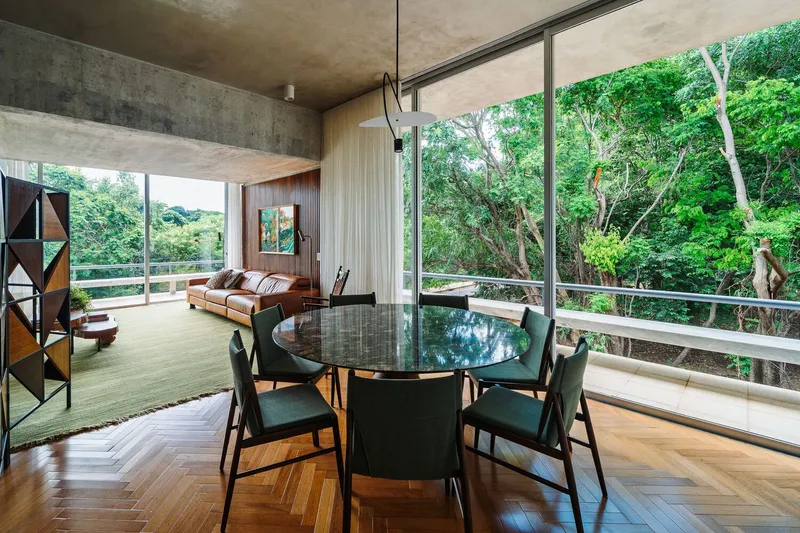
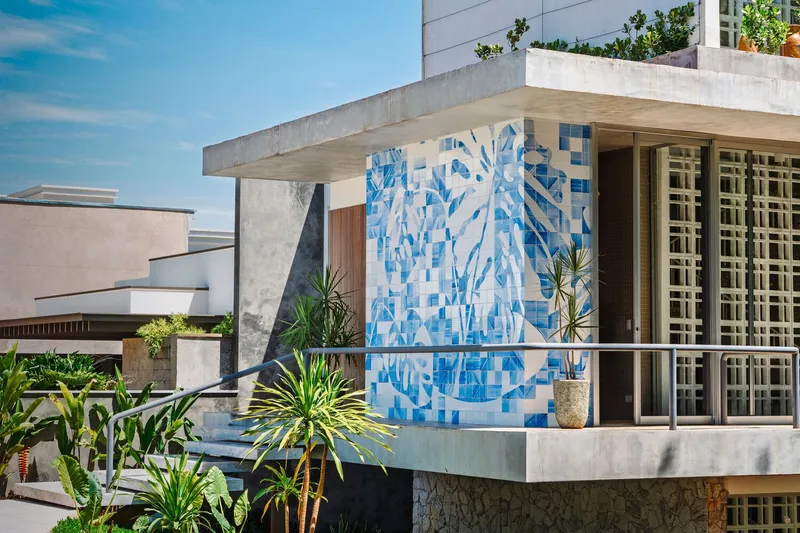
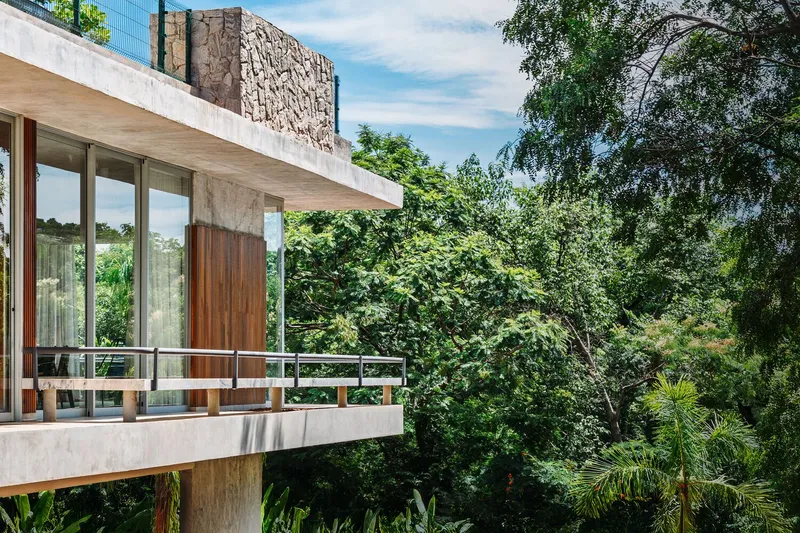
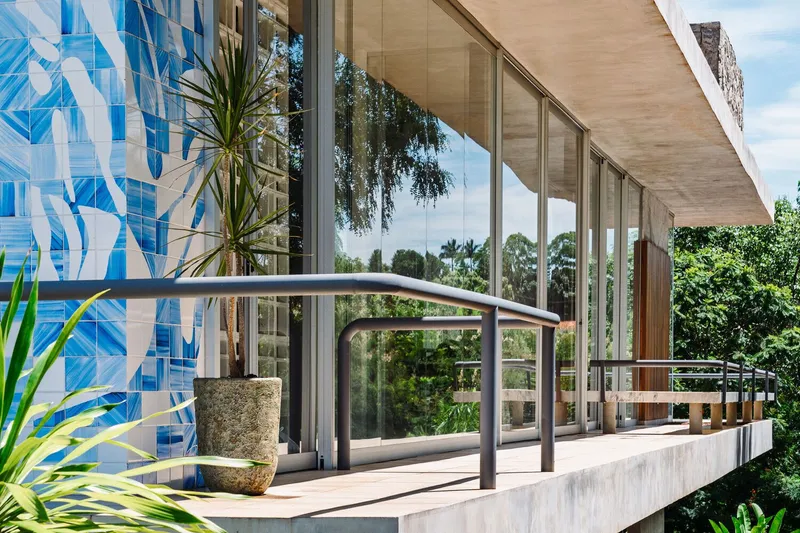
Casa da Mata, designed by Marise Calçavara Arquitetura, is a stunning example of sustainable forest house design. Nestled within lush Brazilian vegetation, the residence seamlessly integrates with its natural surroundings while offering a sophisticated architectural presence. With three floors carefully arranged to respect the terrain, the structure harmonizes reinforced concrete with expansive glass, allowing for a constant dialogue between the built and the organic environment.
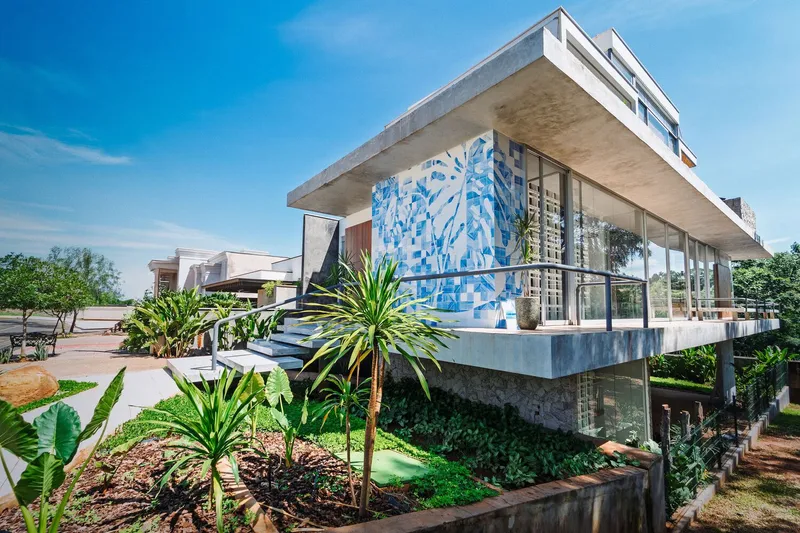
The project was conceived with a clear vision: to create an elegant, airy home that interacts fluidly with the surrounding forest. The setbacks of the plot and the client’s extensive program of requirements posed initial design challenges, which were transformed into opportunities for innovation. Through careful spatial planning, the house balances openness and privacy, forming a sanctuary where architecture and nature exist in perfect unison.
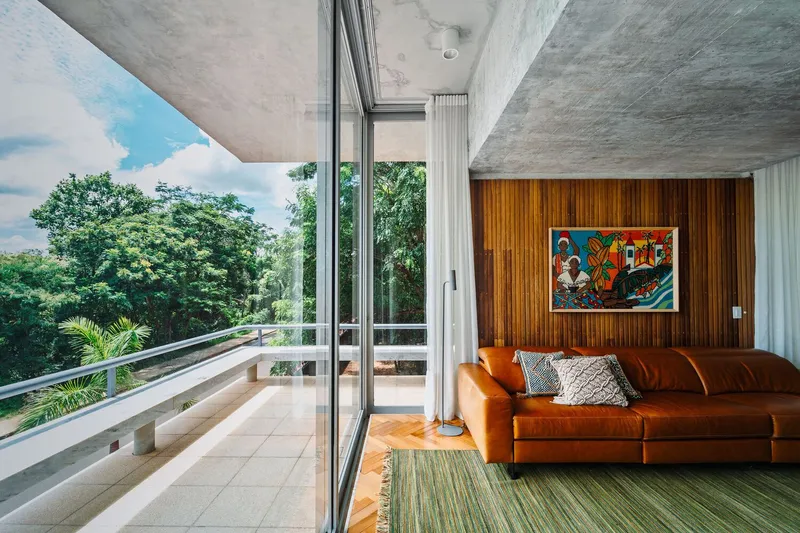
Structural Lightness and Organic Flow
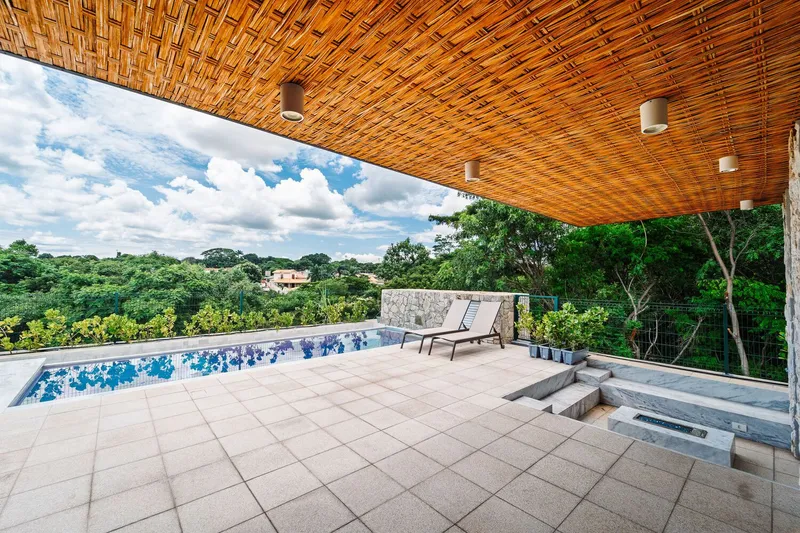
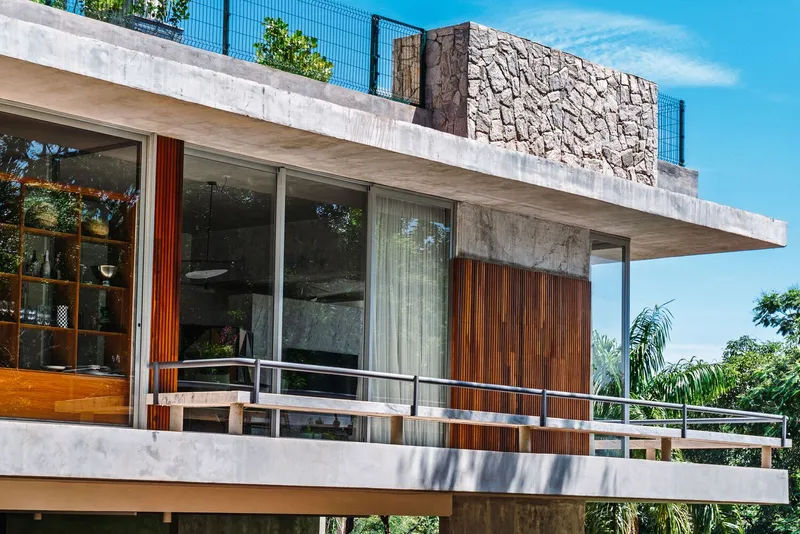
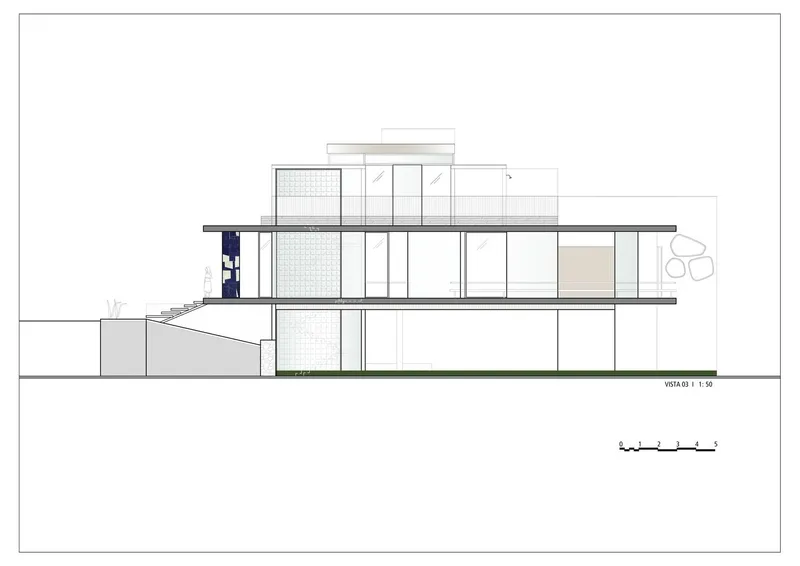
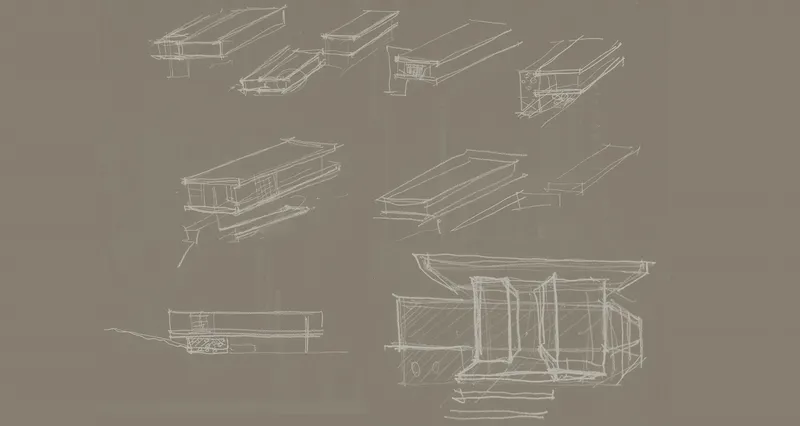
One of the defining characteristics of Casa da Mata is its structural ingenuity. The house appears to float, with recessed beams creating a clean, uninterrupted visual of two cantilevered slabs. This effect enhances the perception of weightlessness, strengthening the connection between the house and its natural setting. The rooftop pool, designed as both a leisure element and an architectural feature, offers panoramic views of the sunset while simultaneously shaping the ceiling of the TV room below, creating a cozy and intimate ambiance.
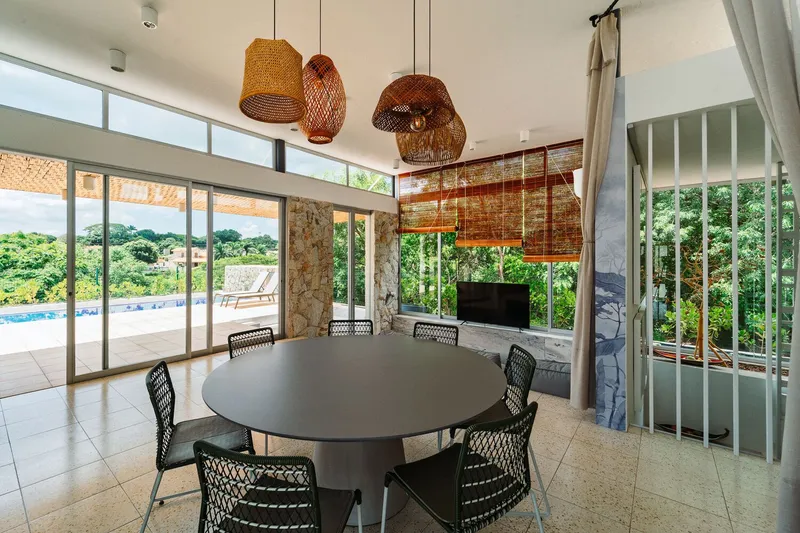
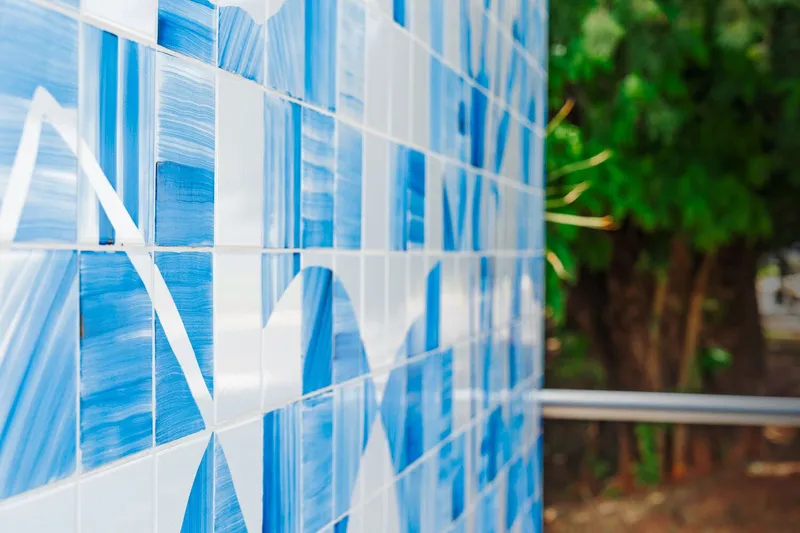
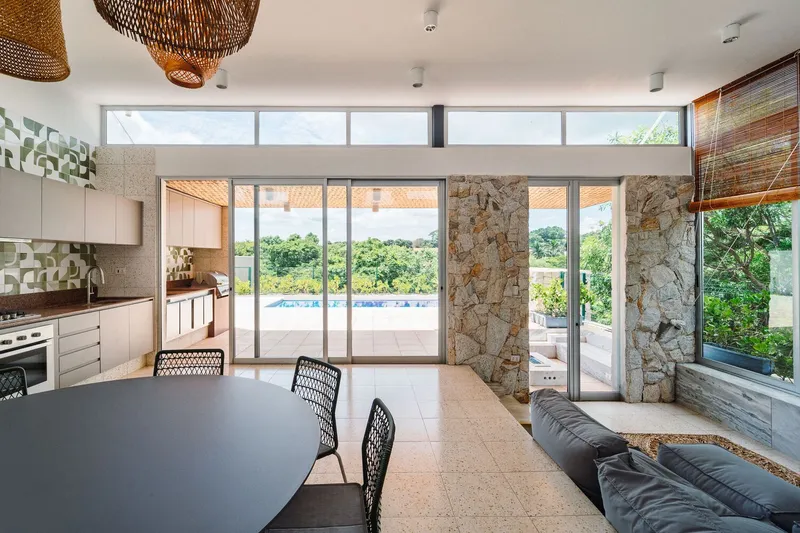
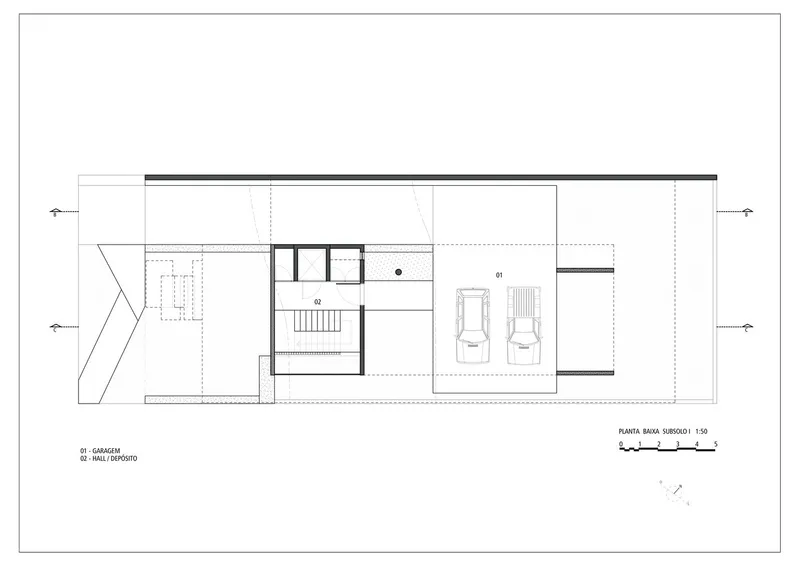
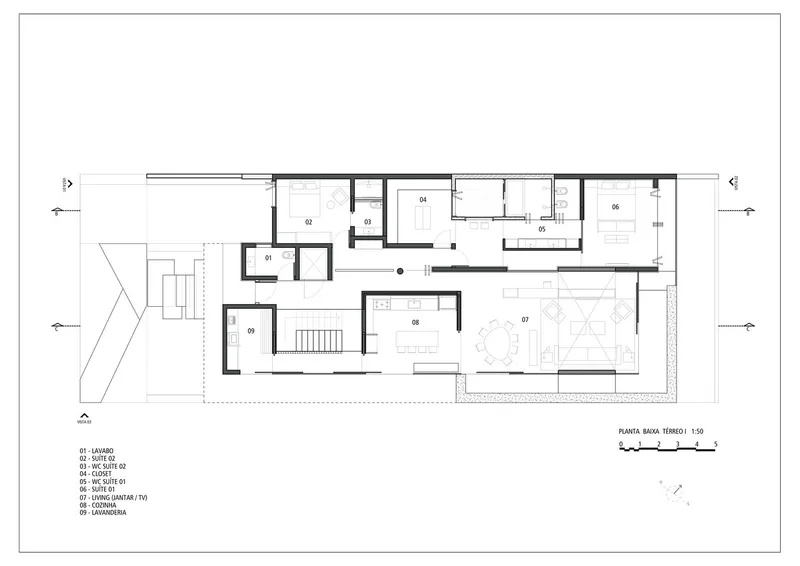
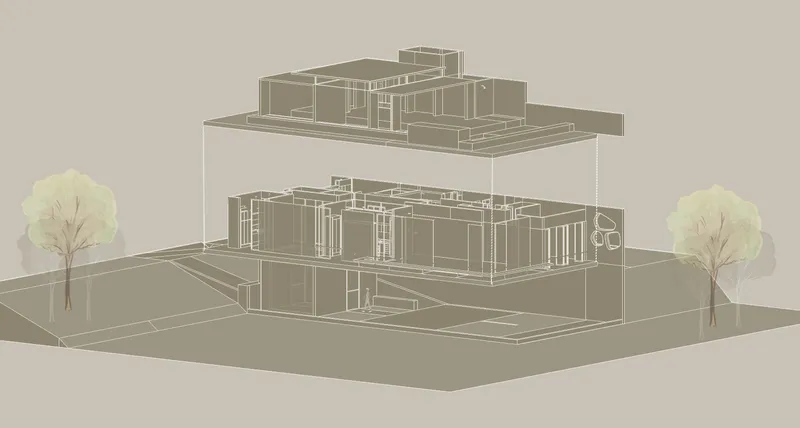
The residence is divided into three fundamental areas, each responding to the unique characteristics of the plot. The basement, leveraging the site's three-meter slope, houses circulation spaces and a garage. The middle level forms the heart of the home, where shared spaces open up to the surrounding forest, fostering a direct relationship with the landscape. The uppermost level is dedicated to leisure, with a garden, pool, and open-air terraces providing a serene retreat above the treetops.
A Staircase as a Sculptural Element
The staircase at Casa da Mata is more than a functional feature; it is a sculptural piece that defines the vertical connection of the home. Designed as a dynamic, flowing form, it enhances the spatial experience and highlights the raw beauty of exposed concrete. The architectural rhythm created by the interplay of solid and void gives the house an inherent poetry, making movement through its spaces feel effortless and organic.
The Essence of Sustainable Forest House Design
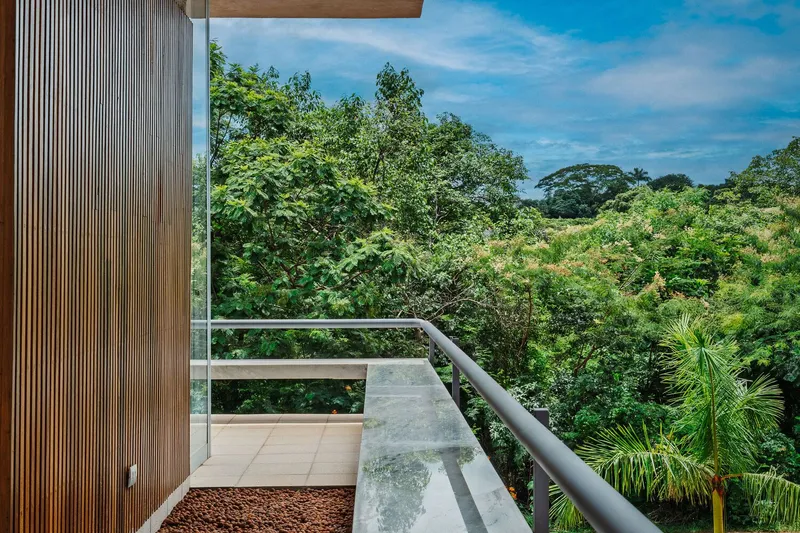
Beyond its aesthetic and spatial achievements, Casa da Mata exemplifies sustainable forest house design. By working in harmony with the land, preserving native vegetation, and employing durable materials that age gracefully, the project embraces environmental responsibility without compromising on luxury or comfort. The thoughtful integration of natural ventilation, shading, and passive cooling techniques ensures a comfortable indoor climate while minimizing the home’s ecological footprint.
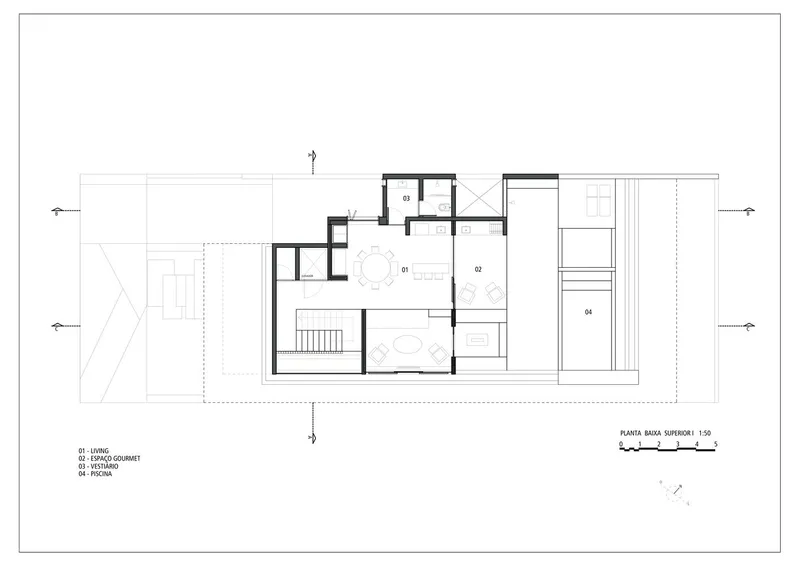
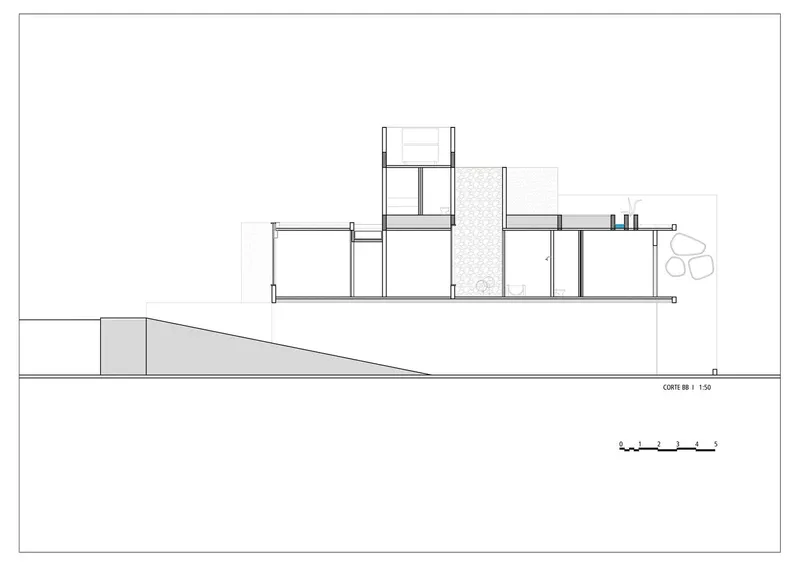
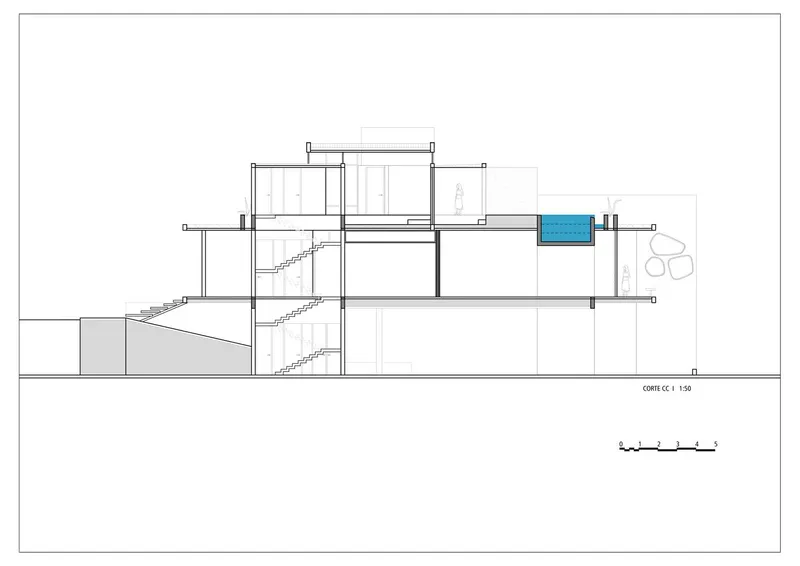
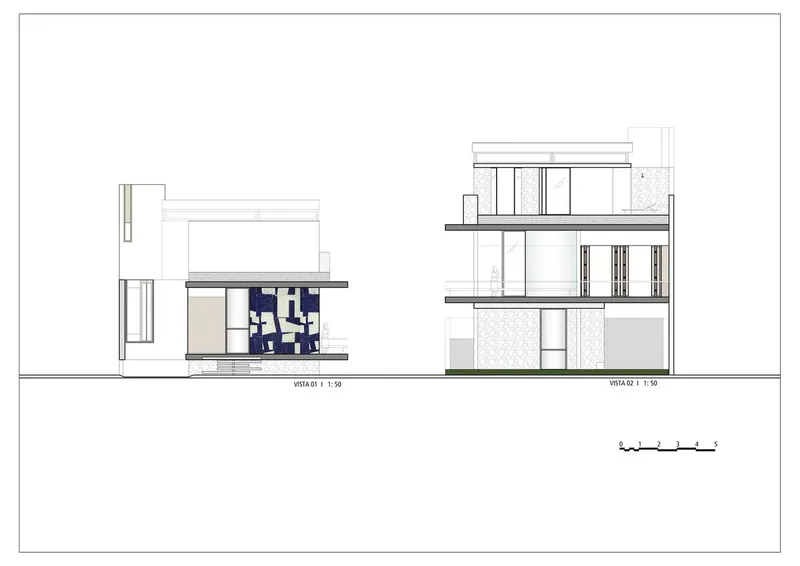
Casa da Mata is more than an architectural statement; it is a testament to the beauty of designing with, rather than against, nature. Its poetic blend of structure, form, and environment solidifies its place as a benchmark in sustainable residential architecture.
All photographs are works of Marco Luty



Popular Articles
Popular articles from the community


Hill & Cross Opera: Sculptural Opera House Architecture Shaped by Tallinn’s Landscape and Identity
Hill & Cross Opera reimagines opera house architecture in Tallinn through its sculptural hill, civic plaza, glass wave and a luminous cross.

The Ocean Hive: Sustainable Architecture for a Self-Sufficient Civilization at Sea
The Ocean Hive imagines sustainable architecture at sea, where modular habitats, algae, wave power and ocean waste sustain a growing colony.

Play: Fragments of Their World
Familiar architecture becomes modular playground design, creating safe spaces where displaced children can learn, connect, imagine and play.

The Earth Pod: 3D Printed Homes for Resilient Refugee Communities
The Earth Pod reimagines refugee housing through 3D printed homes made from clay, combining resilience, self-sufficiency, and rapid shelter.

Similar Reads
You might also enjoy these articles

FAMM Arquitectura Organizes Ten Villas Around Courtyards and Jungle in Nosara, Costa Rica
El Molino pairs two elongated volumes with deep overhangs and timber louvers to build a compact coastal community five minutes from the beach.
Oscar Niemeyer's Ibirapuera Park Pavilions Define São Paulo's Cultural Identity in Concrete and Curve
A constellation of modernist volumes set within São Paulo's most important urban park, conceived for the city's 400th anniversary in 1954.
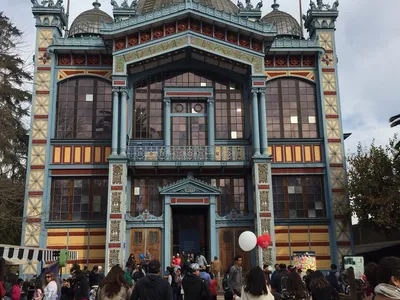
How Henri Picq's 1889 Paris Pavilion Traveled 11,000 Kilometers to Become Santiago's Artequín Museum
A prefabricated iron and glass pavilion built for the Paris Universal Exposition found a second life as a children's art museum in Chile.
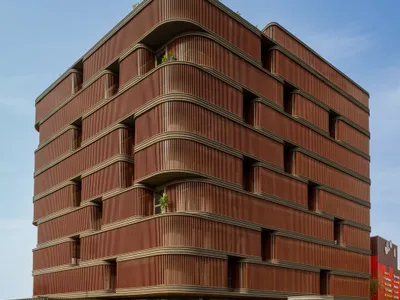
Sanjay Puri Architects Wraps a Jaipur Office Tower in Capsule-Shaped Green Buffers
A nine-level climate-responsive workplace near Jaipur Airport uses stacked planter terraces and aluminium screens to fight 40°C heat.

Explore Architecture Competitions
Discover active competitions in this discipline



Challenge to reimagine the Iron Throne


Photograph architecture without architects


Illustrate the lost glory of Angkor Wat - Render Challenge


Design challenge to reuse E-waste
Comments (0)
Please login or sign up to add comments
No comments yet. Be the first to comment!