
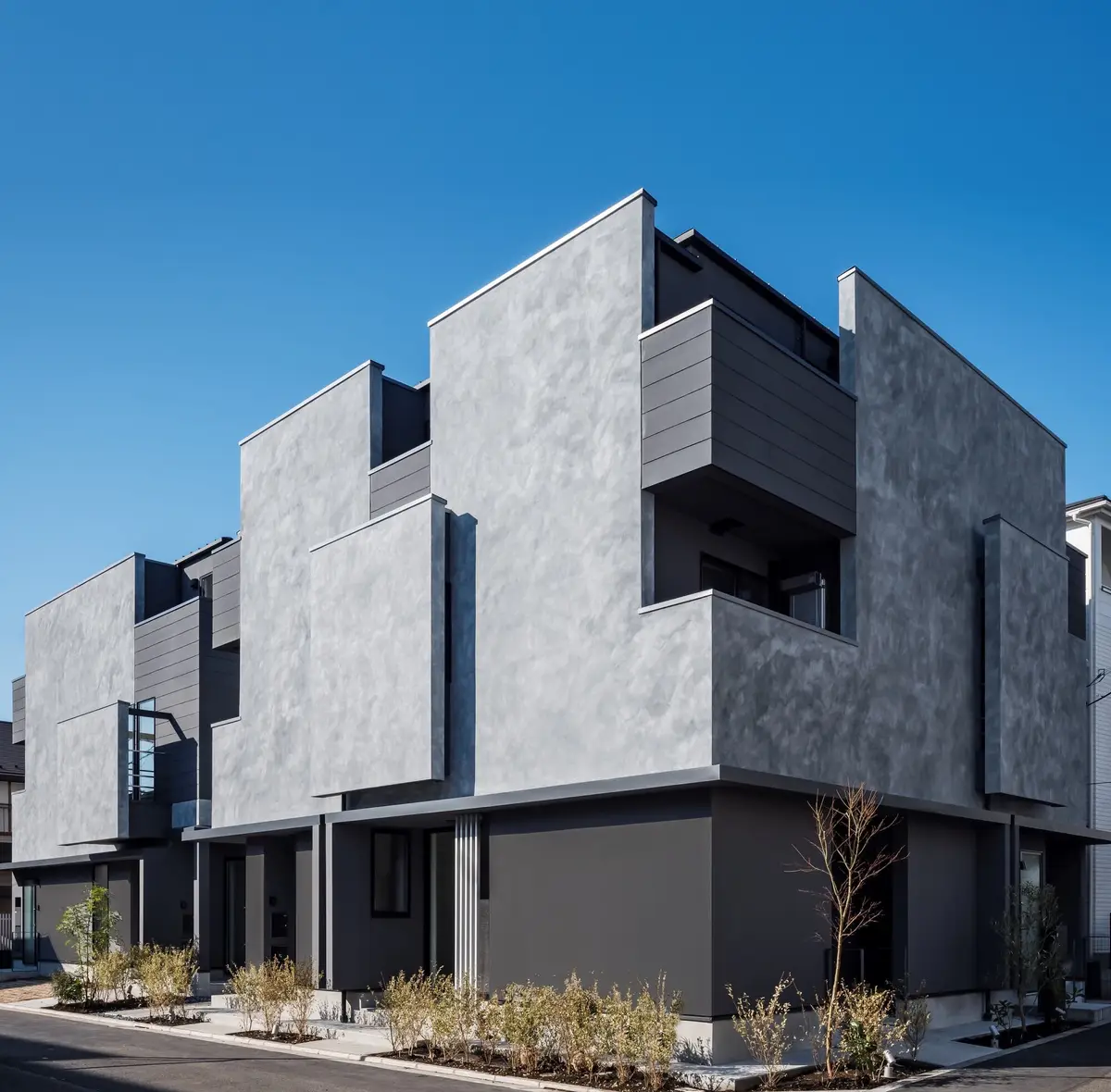
Casa Legato By Hugo Kohno Architect Associates: Innovative Urban Maisonettes in Tokyo
Casa Legato by Hugo Kohno Architect Associates offers Tokyo maisonettes with nested spaces, privacy buffers, natural light, ventilation, and adaptable urban living.


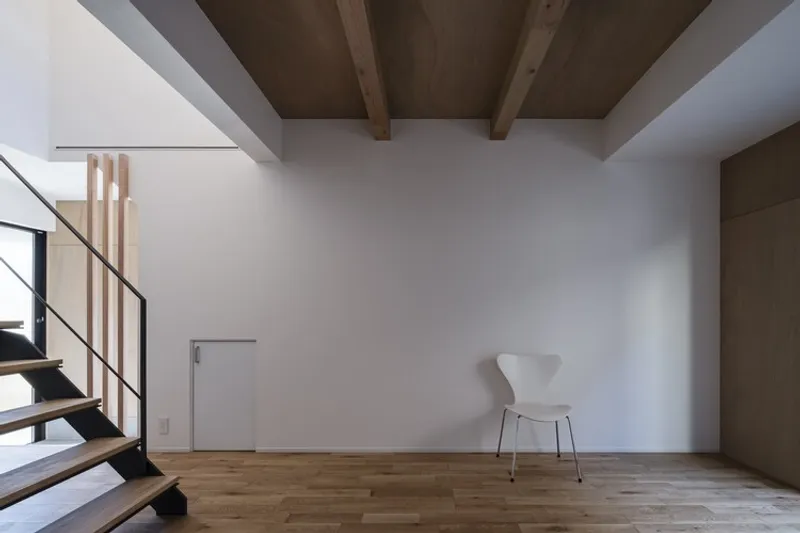
Casa Legato, designed by Hugo Kohno Architect Associates, is a modern residential complex in Tokyo, Japan, completed in 2025 with a total area of 196 m². The project comprises 11 maisonette units, thoughtfully designed to balance privacy, daylight, ventilation, and adaptability within a dense urban context adjacent to a railway line. By addressing the challenges of urban living, noise, and spatial proximity, Casa Legato redefines multi-family residential design with sensitivity to both the environment and individual lifestyles.
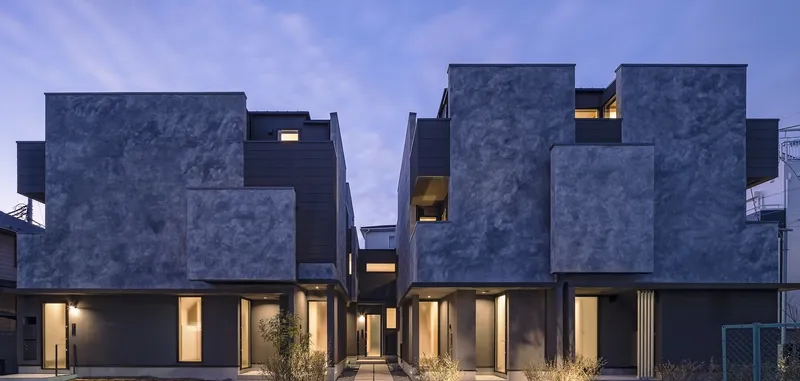
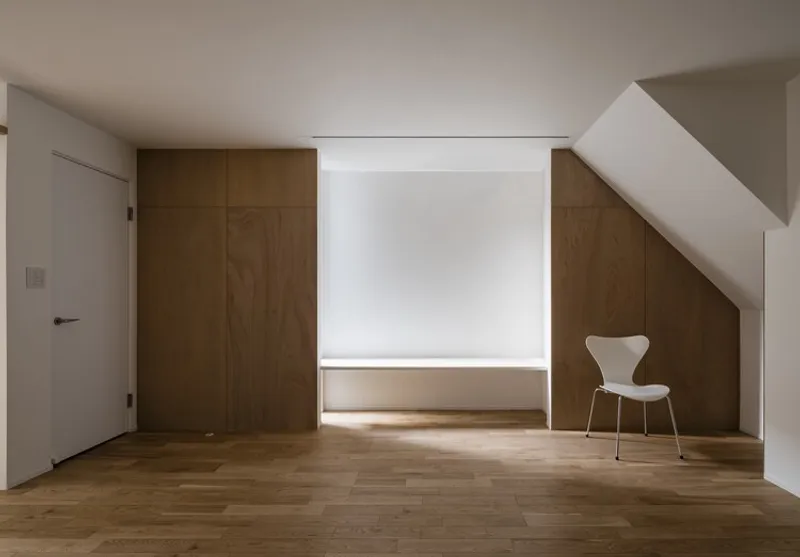
Concept: Nested Spaces for Light, Air, and Privacy
The design is organized around a system of nested spaces:
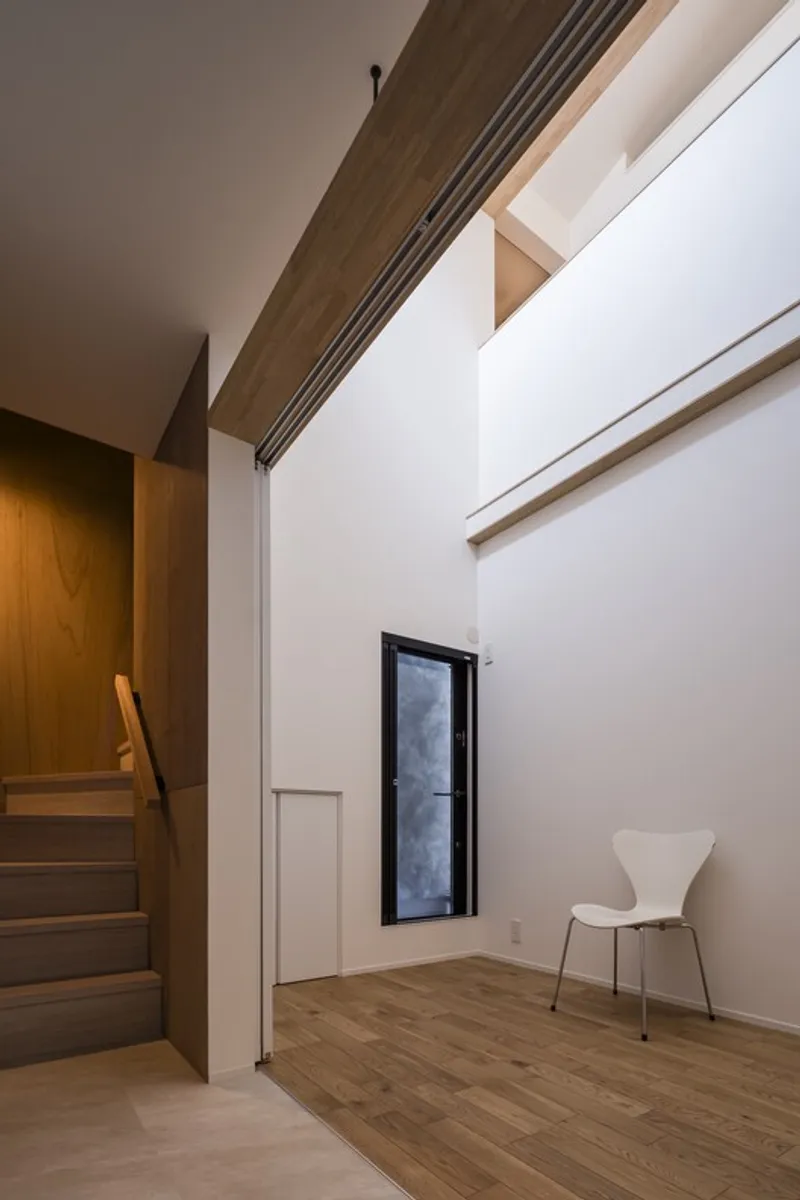
- Void Core: Central conduit for natural light and ventilation, shaping both interior comfort and the building’s exterior expression.
- Space: Primary living zones including living, dining, and kitchen areas, designed to expand and connect subtly with surrounding spaces.
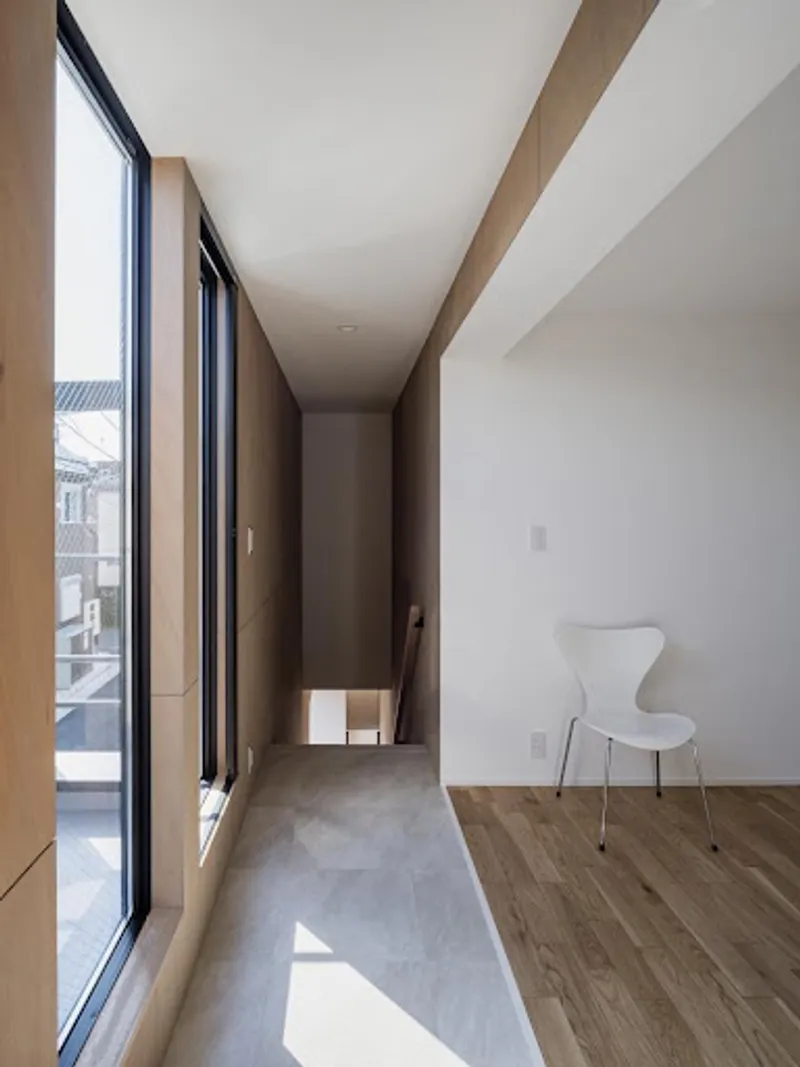
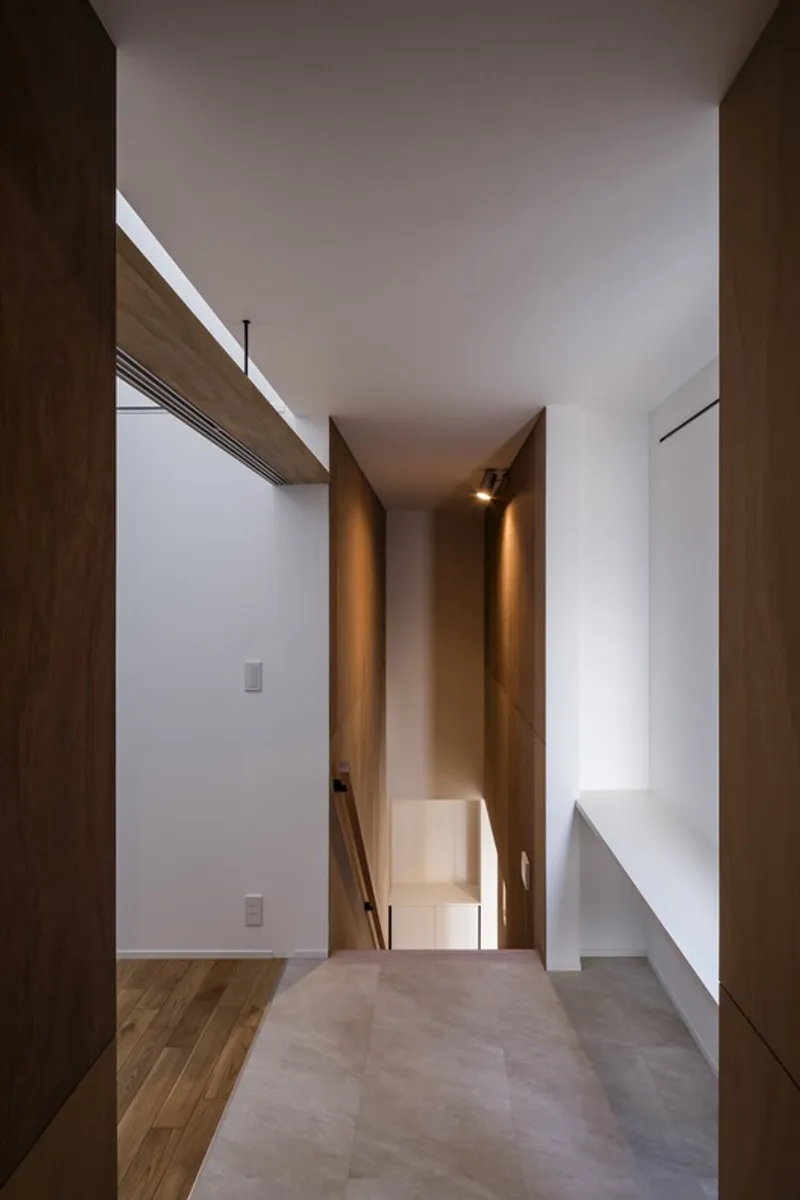
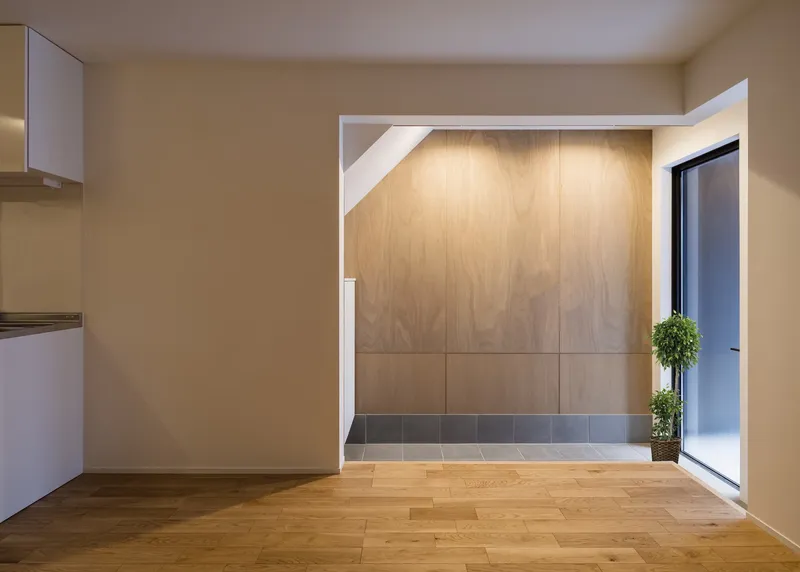
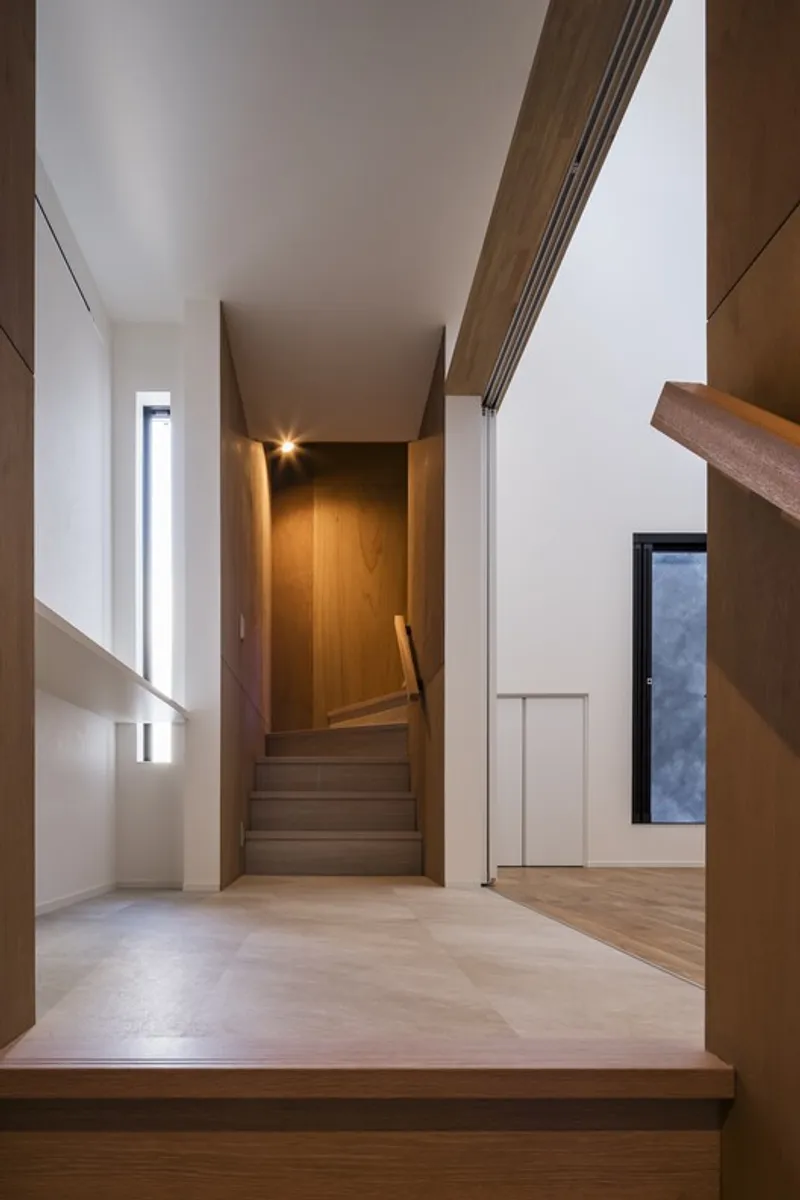
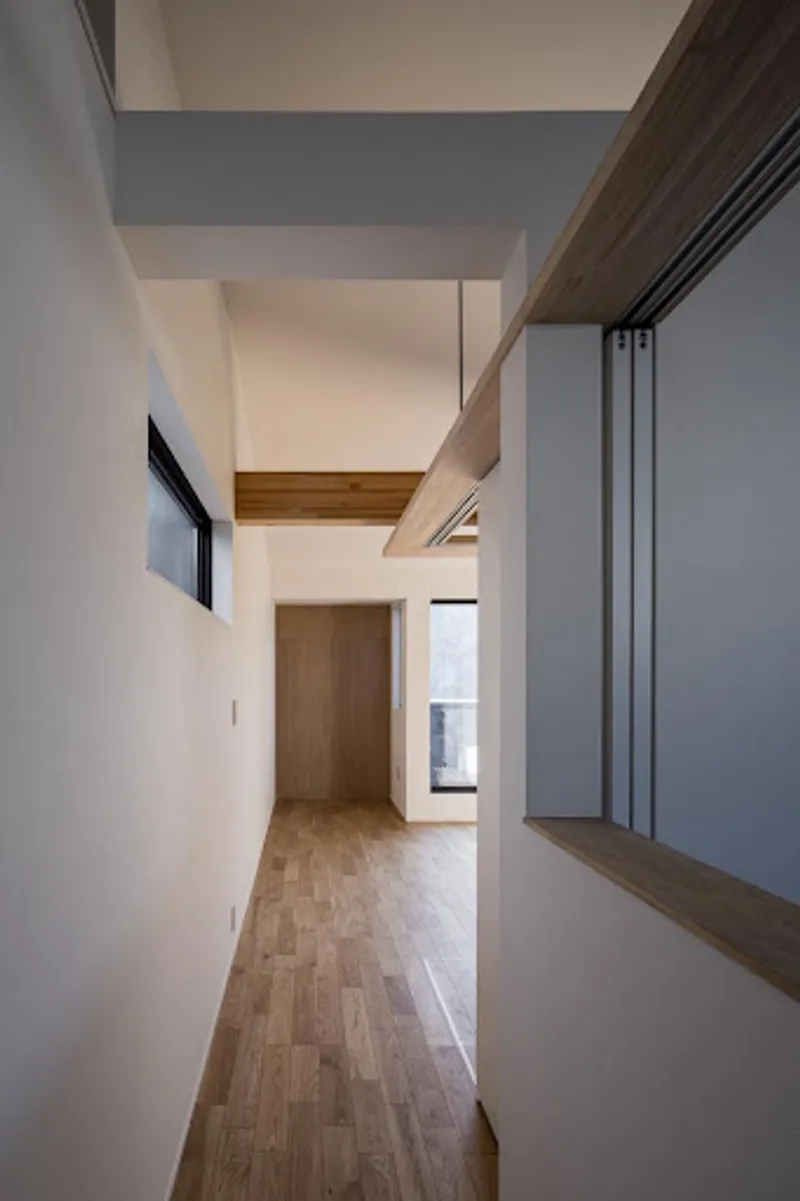
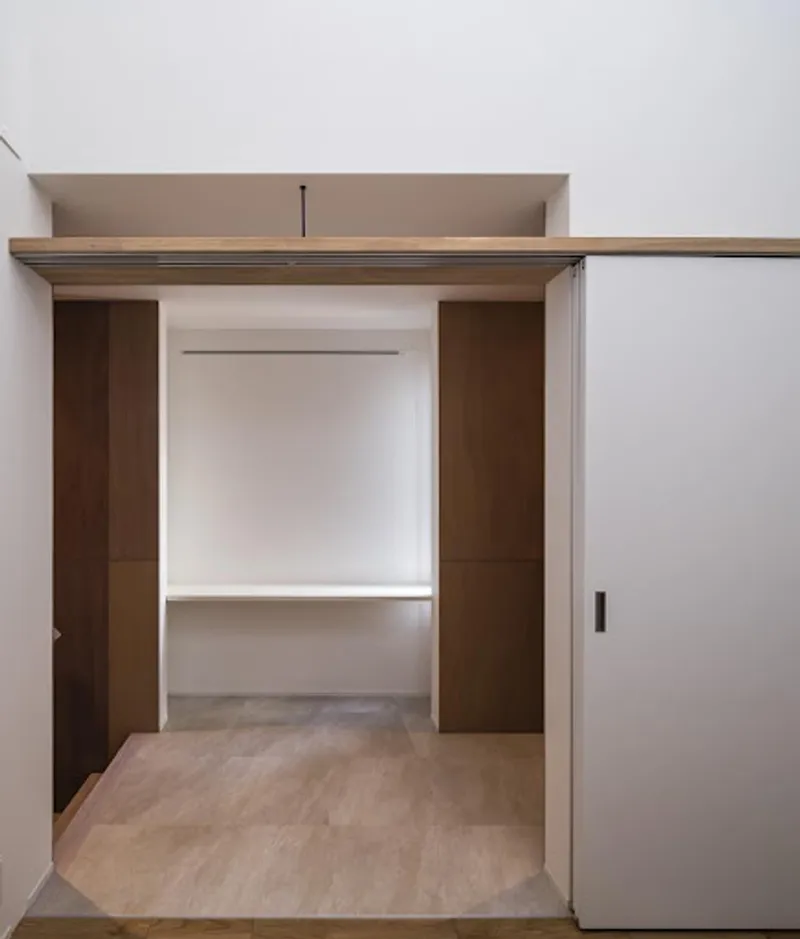
- Buffer: Stairwells, storage areas, and corridors that regulate privacy, acoustic, luminous, and thermal comfort.
- Case: The outer envelope that protects and defines each unit while responding to urban context.
This multi-layered spatial composition ensures that residents enjoy individuality, comfort, and adaptability while maintaining a coherent architectural identity.
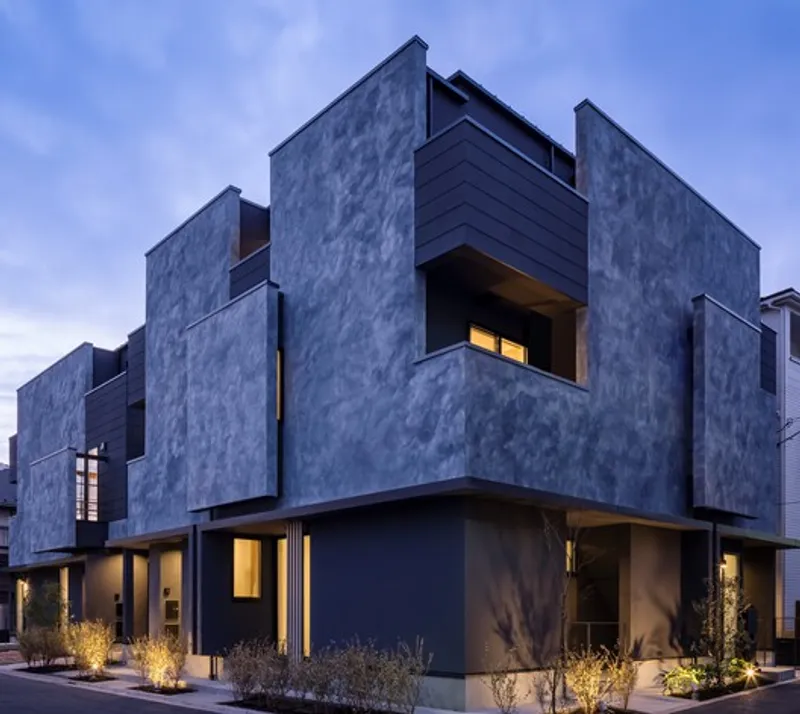
Spatial Structuring and Privacy
In dense residential environments, proximity between units often creates physical and psychological challenges. Casa Legato addresses this by using Buffer zones to separate primary living areas, wet spaces, and bedrooms, enhancing acoustic insulation and privacy. Stairs are creatively designed as intermediate annexes, expanding living spaces vertically while providing additional layers of separation.
By dividing the building into two volumes, the architects created a lane-like passage through the site, connecting central units to natural light and external views. Canopies over the first and upper floors reduce visual mass, ensuring the building integrates seamlessly with surrounding low-rise structures.
Environmental and Experiential Design
The Void Core channels daylight and wind into every unit, enhancing thermal comfort and environmental performance. The Buffer spaces act as a protective layer, balancing privacy with a connection to the exterior. By avoiding monotonous repetition, residents are encouraged to personalize and interact creatively with their homes, promoting a richer urban living experience.
Architectural Expression
Externally, Casa Legato presents distinctive projections and articulation, giving a sense of lightness and dynamism to the volumes. The interplay between voids, volumes, and canopies creates a visually engaging façade, making the complex both functional and aesthetically compelling. Internally, natural materials like wood complement concrete finishes, enhancing warmth and spatial quality within each unit.
A Modern Approach to Urban Living
Casa Legato demonstrates how thoughtful architectural strategies—combining privacy, adaptability, environmental responsiveness, and aesthetic articulation—can elevate multi-family urban housing. It serves as a model for densely built cities, offering residents a sense of individuality, comfort, and engagement with their surroundings while maintaining a cohesive architectural language.
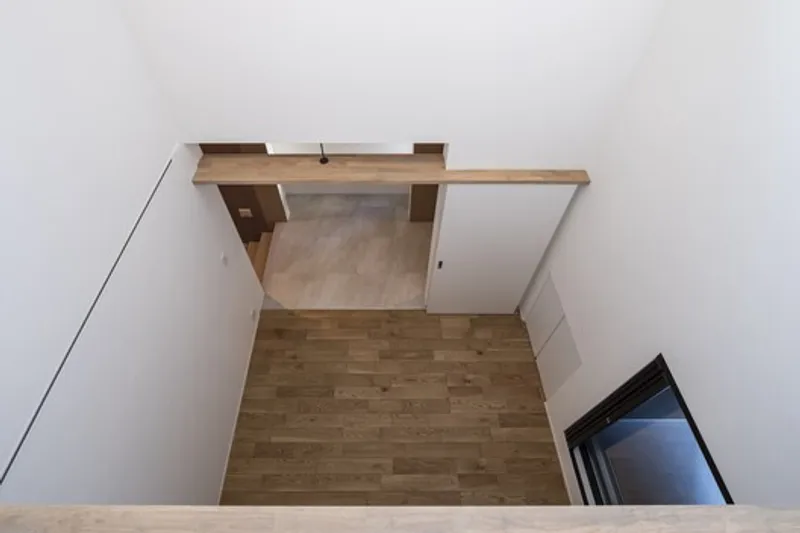
All the photographs are works of Seiichi Ohsawa


Popular Articles
Popular articles from the community


Conexión: Biophilic Design Reimagines High-Rise Living in Hong Kong
Conexión reimagines high-rise living in Hong Kong through biophilic design, green facades, shared spaces, daylight, water and nature within.

Co-Life: Senior Housing Design That Reconnects Older Adults With the City
Co-Life reimagines senior housing design through healing gardens, shared streets, workshops, and a sustainable community across generations.

Little Red Riding Hood: Architectural Design as a Journey Through Fear, Light, and Storytelling
Little Red Riding Hood reimagines the fairy tale through architectural design shaped by fear, light, scale, memory, uncertainty, and choice.

Lunar Spiral: Space Architecture Shaped by the Mathematics of the Universe
Lunar Spiral reimagines space architecture through Fibonacci geometry, lunar regolith, levitating habitats, and self-sustaining Moon living.

Similar Reads
You might also enjoy these articles


Hodi-Mandai Geram
Project Function: Preservation and revitalization of the Intangible heritage and socio-spatial identity of the Hodi by Housing, Cultural Memory Center, Sacred Grove, landscape, local tourism economy


Olio Towers: A Mid-Rise for Performers That Fuses Housing, Rehearsal, and Stage
Located blocks from Houston's Theater District, this modular tower stacks living units around a central performance atrium.

Oasis: Modular Green Housing Carved into Dhaka's Urban Fabric
A shortlisted Plugin Housing entry reclaims unauthorized settlements in Dhaka with stepped concrete volumes, green roofs, and ventilation-driven design.

Black Hole: A Floating Megastructure for the Post-Physical Era
Emiliano Mazzarotto envisions a spherical, self-scaling arena where e-sports, digital hotels, and holographic stadiums replace traditional public space.
Explore Tetsuo Kobori Architects Competitions
Discover active competitions in this discipline

Challenge to design mud housing for contemporary communities

Challenge to reimagine the Iron Throne

Photograph architecture without architects

Illustrate the lost glory of Angkor Wat - Render Challenge
Comments (0)
Please login or sign up to add comments
No comments yet. Be the first to comment!