
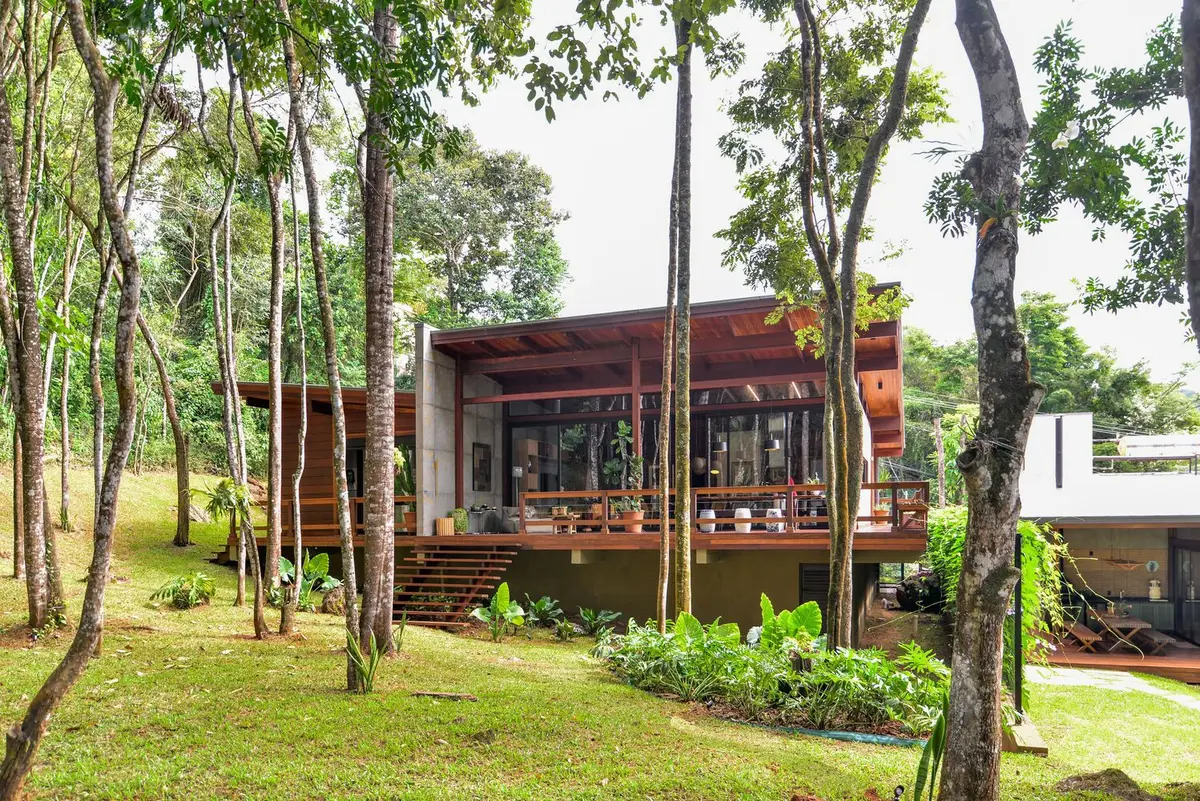
Castanheiras House: A Contemporary Residence Integrating Nature and Architecture in Nova Lima, Brazil
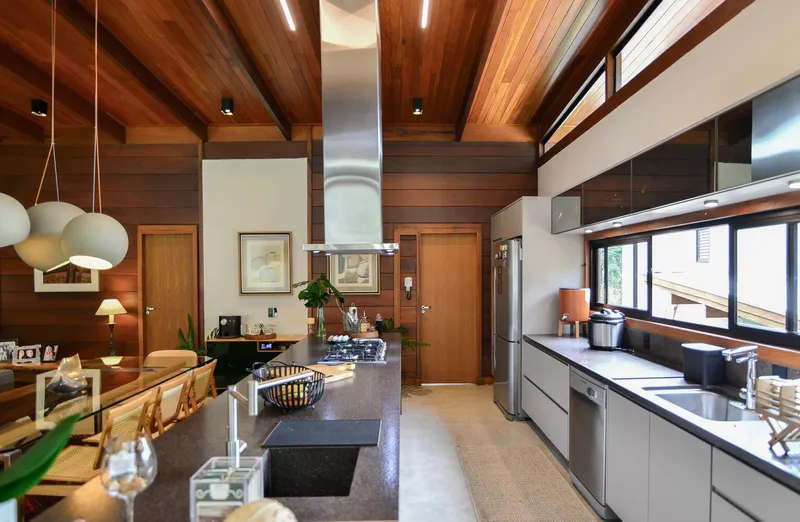
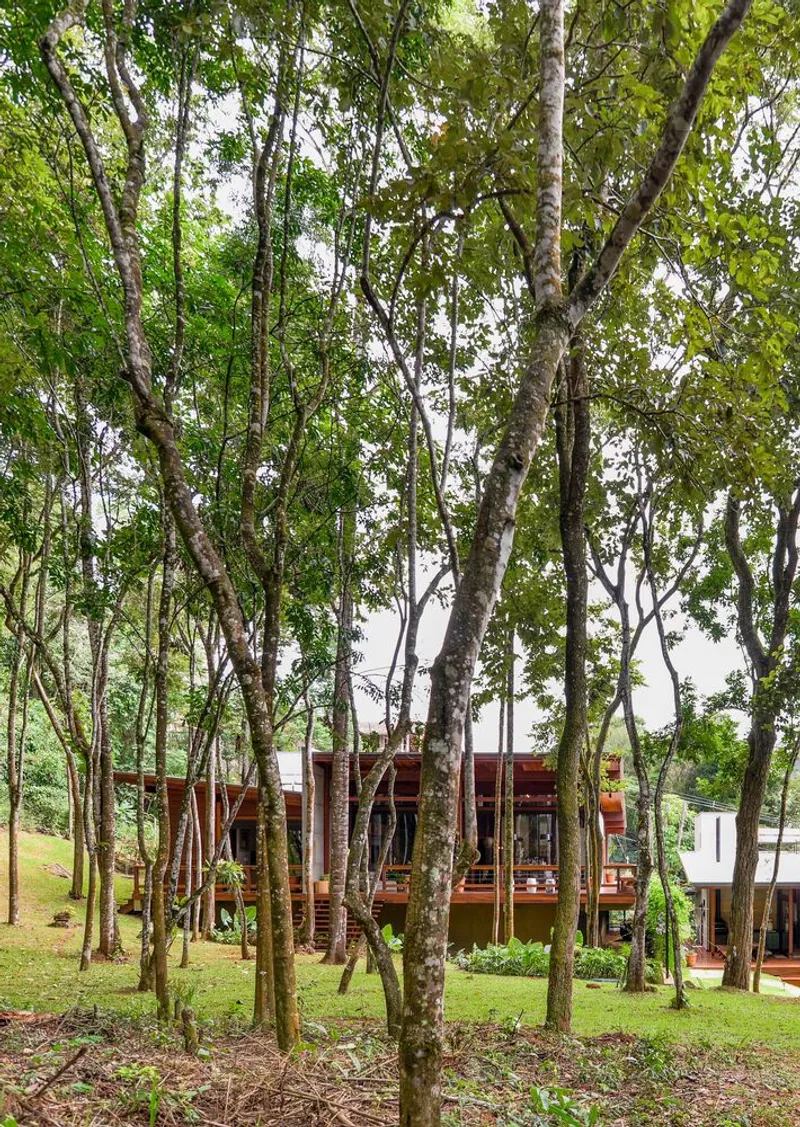
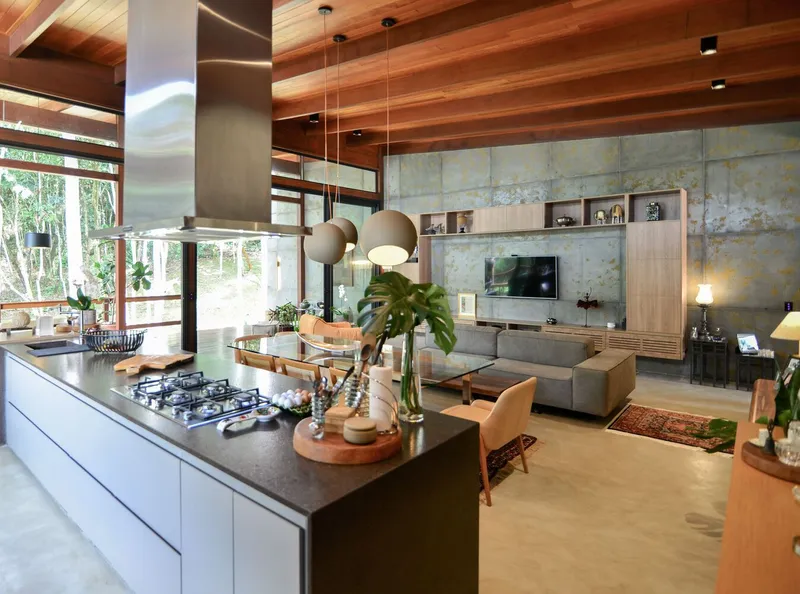
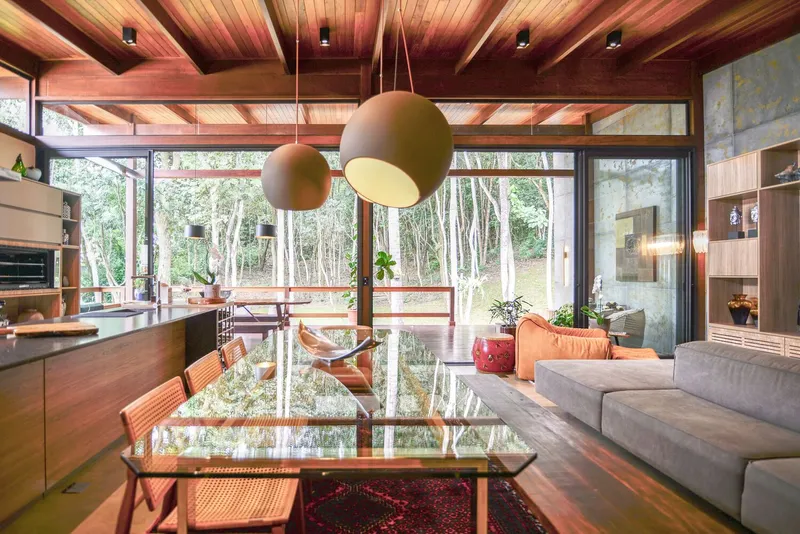
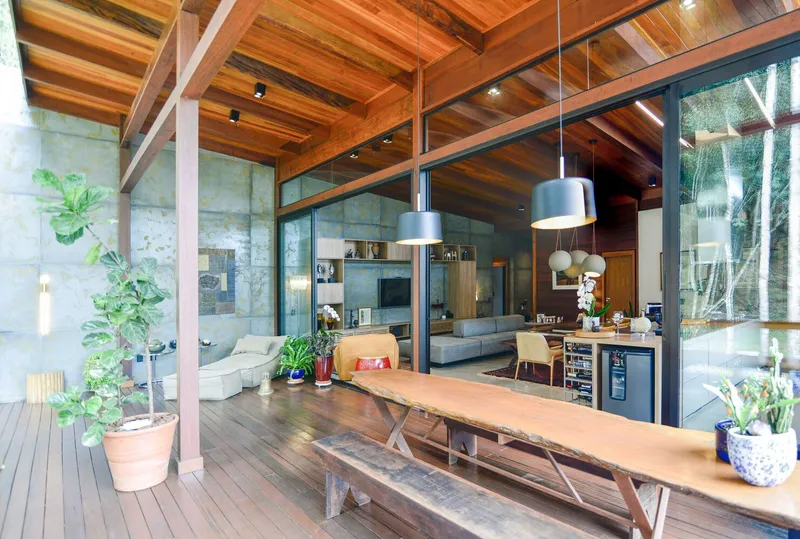
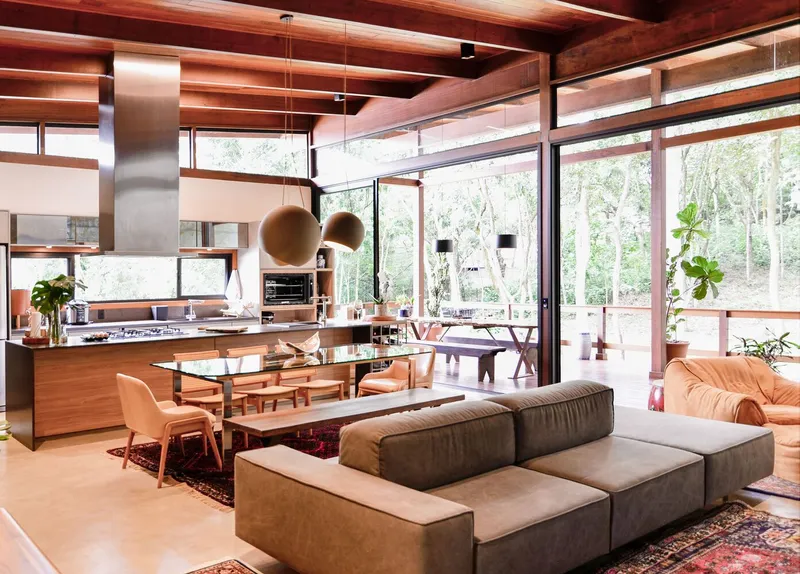
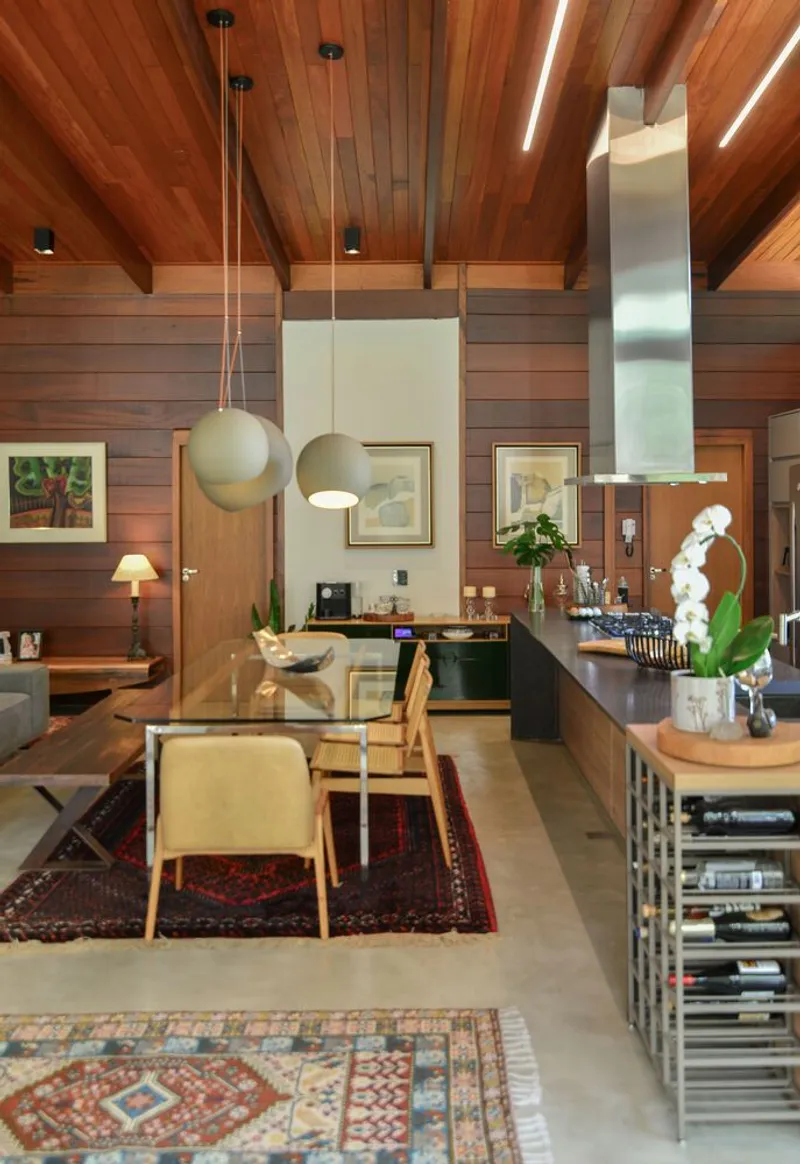
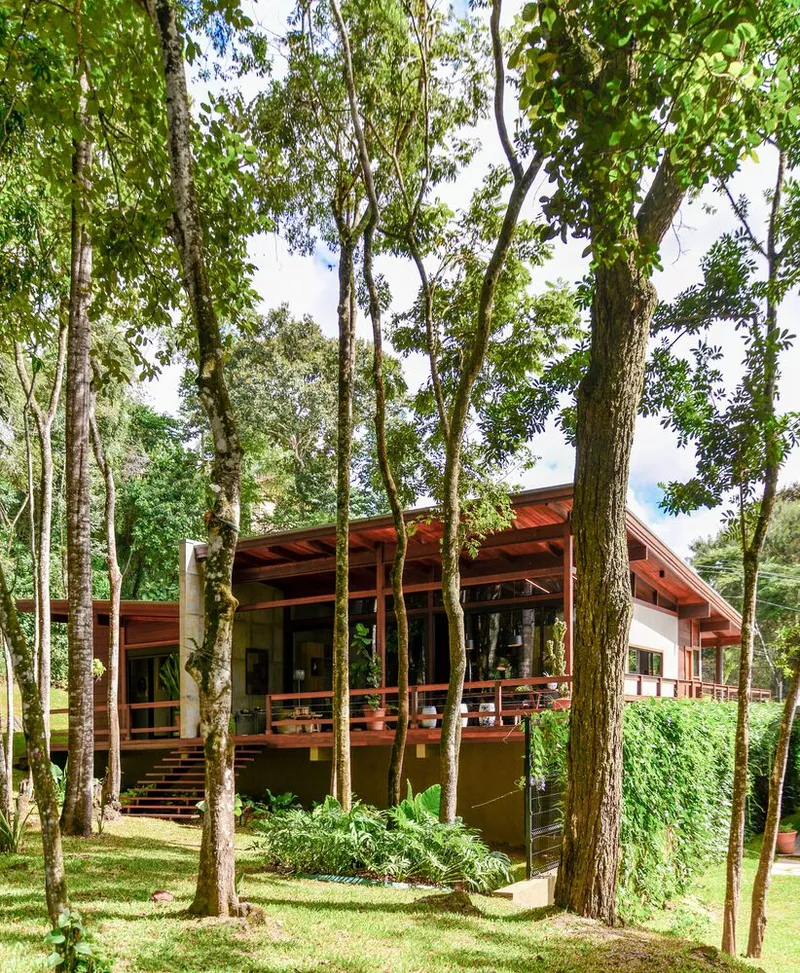
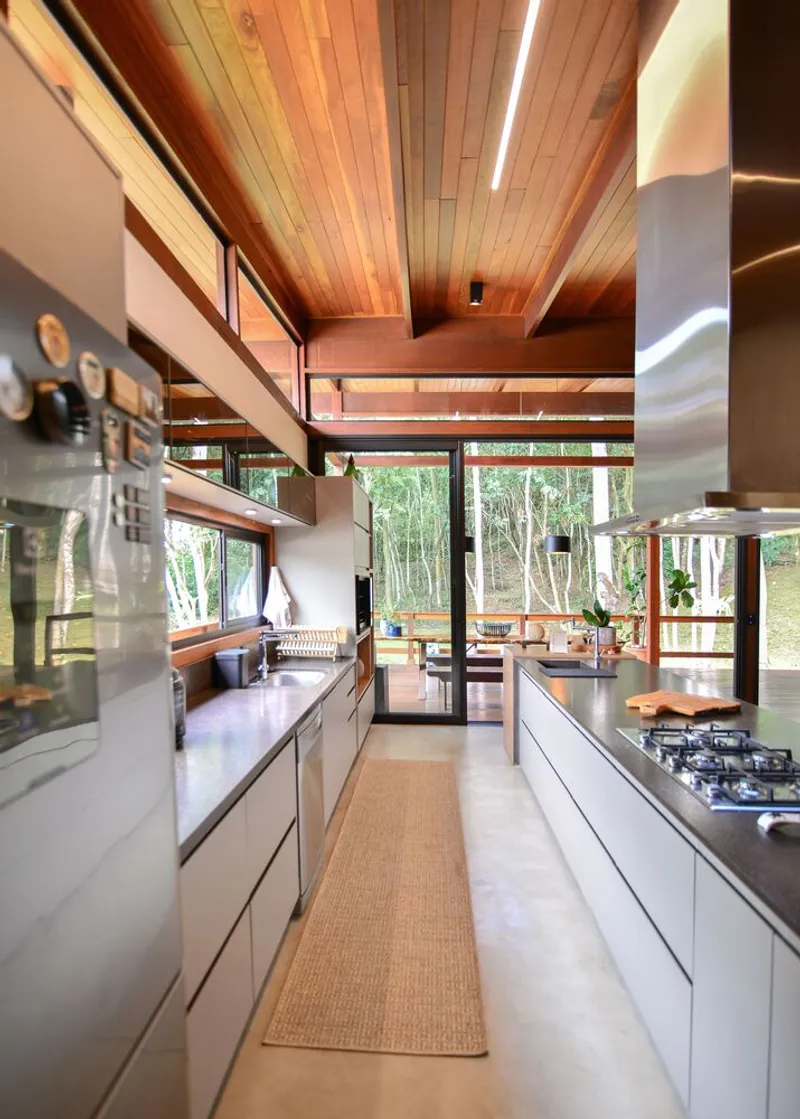
Castanheiras House in Brazil integrates wood and concrete architecture, single-level living, sloped roofs, and preserved forest views for comfortable nature-connected living.


Architects: Mateus Castilho, Patricia Bueno
Republic Square in Ljubljana stands as one of the most important architectural and political landmarks in Slovenia. Designed by renowned Slovenian architect Edvard Ravnikar in the 1960s, the square represents a significant moment in the country’s transition toward modern urban identity. Located in the historic core of Ljubljana, the project integrates monumental architecture, civic space, and urban planning into a multifunctional complex that evolved over more than two decades.
The square combines modernist towers, interconnected plazas, passages, and underground spaces to create a layered urban environment. With its distinctive triangular office towers and open civic platform, Republic Square embodies Ravnikar’s ambition to redefine Ljubljana as a modern European capital while respecting the historical fabric of the city.
Today, the square is recognized as a monument of national importance and remains a powerful symbol of Slovenian sovereignty, urban development, and architectural innovation.
The Urban Vision Behind Republic Square
The origins of Republic Square trace back to 1960 when Edvard Ravnikar won first prize in an architectural and urban planning competition aimed at creating a new political center for Ljubljana. Originally called Revolution Square, the project envisioned a monumental civic space that would serve as a symbolic representation of the socialist republic within Yugoslavia.
At the time, Ljubljana had transformed significantly from a small provincial town of around 40,000 inhabitants in the 1920s into a growing capital with more than 130,000 residents. The city required a new civic center capable of hosting political institutions, administrative buildings, and public gatherings.
Ravnikar proposed a bold modernist urban composition centered on a large monumental plaza accompanied by the Monument to the Revolution. The design aimed to transform the former garden of the Ursuline Convent into the focal point of the city’s political and cultural life.
Unlike many modernist urban plans that isolated buildings as independent objects in open space, Ravnikar approached the project with sensitivity to the surrounding historical context. His design sought to establish a dialogue between modern architecture and Ljubljana’s older urban fabric.
Modernism with Context: Ravnikar’s Architectural Philosophy
Although strongly influenced by Le Corbusier and modernist principles, Edvard Ravnikar rejected the rigid separation between architecture and urban planning that characterized early modernist ideology. Instead, he emphasized spatial relationships, urban continuity, and contextual integration.
Ravnikar believed that architecture should respond to the historical layers of a city while introducing new forms and spatial experiences. His proposal for Republic Square integrated the nearby monastery complex, the Ursuline Church, and surrounding residential buildings designed by Vladimir Šubic.
All photographs are works of
Ronaldo Melo
.
.


Popular Articles
Popular articles from the community


David Macias Steps a Doorless Stone and Plaster House Down a Tropical Colombian Hillside
In the humid hills of Colombia, Threshold House replaces the front door with an open void and terraces its 850 m² down the slope instead of fighting it.

Cube Design Draws an Ecological Corridor Between Two Shenzhen Hills with the Nankai Building
Beside Shenzhen's container docks, the Nankai Building pairs stacked balconies with a climbing green screen to connect two hillsides across its height.

LT2A and OPEN Architectes Thread a Brick and Glass High School Through a Wooded Belgian Campus
In Braine-l'Alleud, a 3,000 m² wing for Collège Cardinal Mercier pairs pale brick with a glazed colonnade, deferring to a small chapel and a dense wood.

Juan García Correa, John González and Claudia Rueda Sink a Circular Amphitheater into a Manizales Engineering Building
On the La Nubia campus in Manizales, Colombia, the S1 Building folds labs and offices into a hillside of ramped lawns that double as a campus route.

Similar Reads
You might also enjoy these articles

Gil Mello Arquitetura Tilts a Single Roof Toward the Waterfalls on a Plateau Above Aiuruoca, Brazil
In Aiuruoca, Minas Gerais, a 200 m² house of local labor and reclaimed poles pairs a low valley veranda with a tall mountain one.

U.GA Architects Wraps an Oval Rooftop Pool in Curved Board-Formed Concrete on Busan's Jeollidan-gil
In Busan's Jeonpo-dong, a 454 m² mixed-use block stacks a neighborhood facility, guest rooms and an oval rooftop pool inside spiraling concrete walls.

Felipe Hess Arquitetos Turns a Blind Stone Wall to the Street and Opens a Brazilian House onto a Courtyard and Canal
A canal-front house in Brazil hides behind painted stone and planting, then opens to an olive-tree courtyard, a reed-ceilinged porch and a curving pool.
David Macias Steps a Doorless Stone and Plaster House Down a Tropical Colombian Hillside
In the humid hills of Colombia, Threshold House replaces the front door with an open void and terraces its 850 m² down the slope instead of fighting it.

Explore Civic Architecture Competitions
Discover active competitions in this discipline

Challenge to reimagine the Iron Throne

Photograph architecture without architects

Illustrate the lost glory of Angkor Wat - Render Challenge

Design challenge to reuse E-waste
Comments (0)
Please login or sign up to add comments
No comments yet. Be the first to comment!