
CGFR House by LN Arquitectura: A Contemporary Home Sculpted into Córdoba’s Steep Landscape
Contemporary concrete-and-wood house in Córdoba, extending toward panoramic views with flexible spaces, warm materials, and seamless indoor-outdoor living connected to nature.


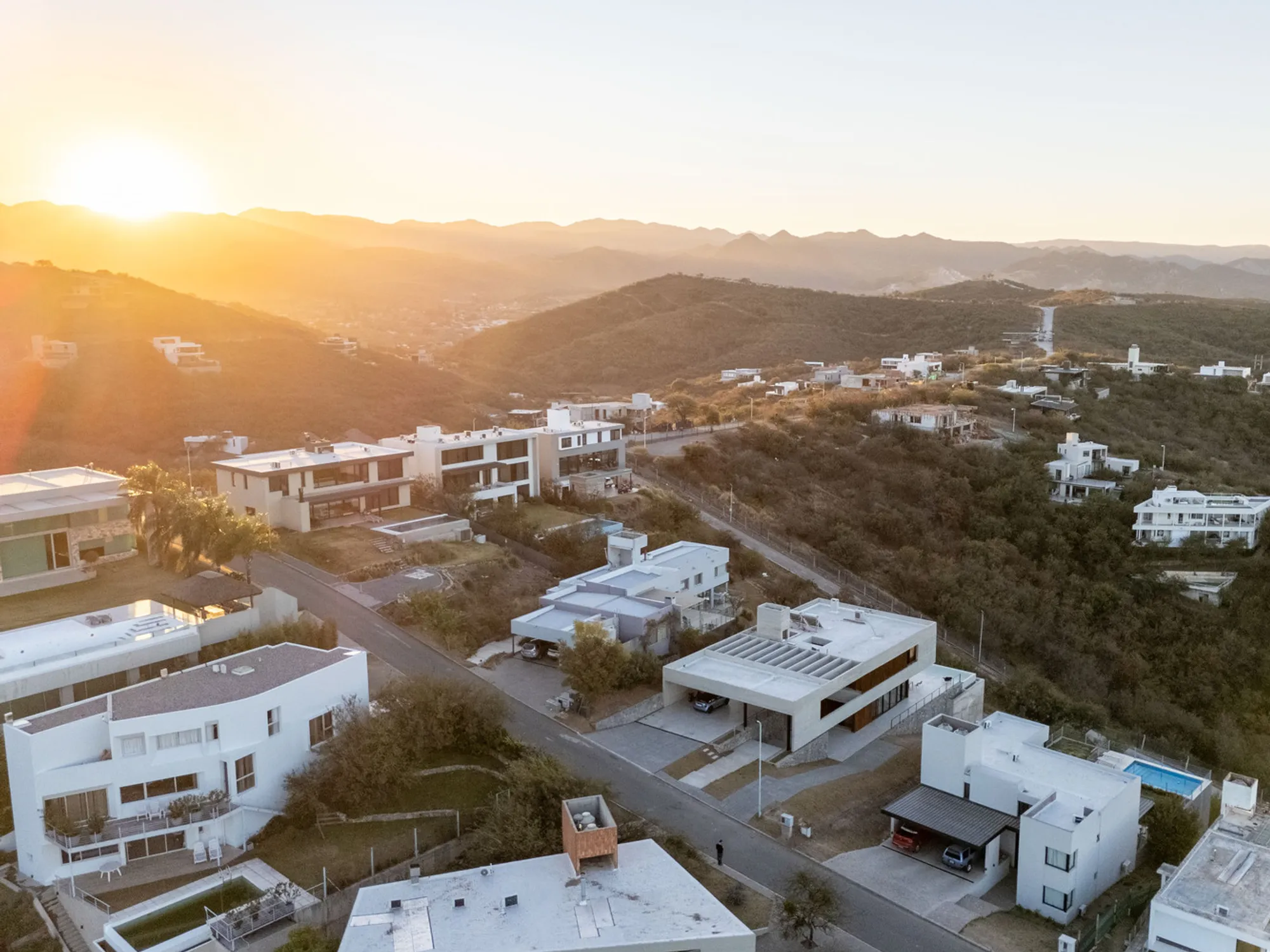
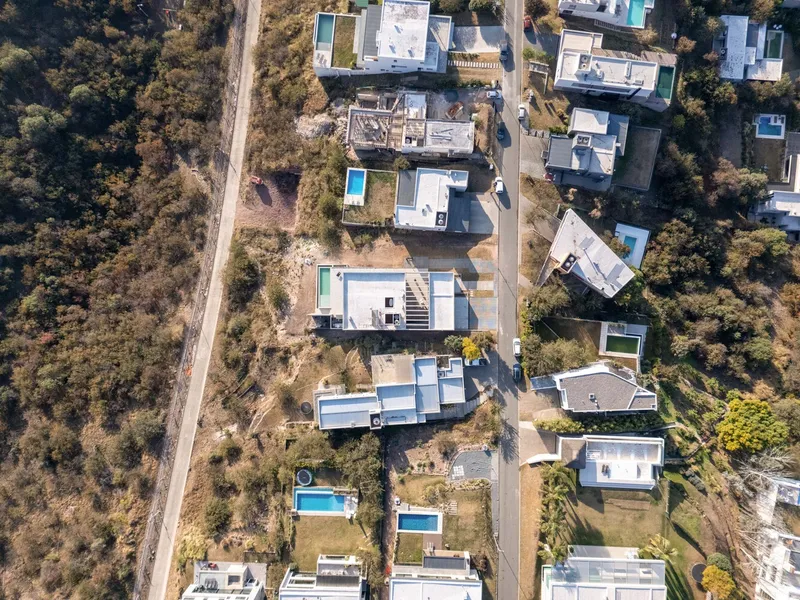
CGFR House by LN Arquitectura is a contemporary residential project located within a gated community in Córdoba, Argentina. Positioned on a plot with a steep slope toward the rear, the site naturally opens to expansive landscape views and optimal north-facing light. This unique terrain became the guiding force of the architectural concept, shaping both the volumetric strategy and the spatial organization of the home.
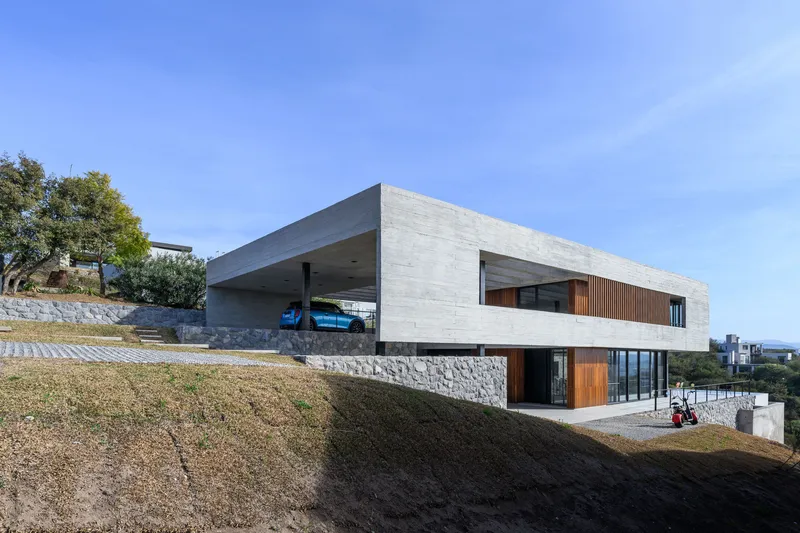
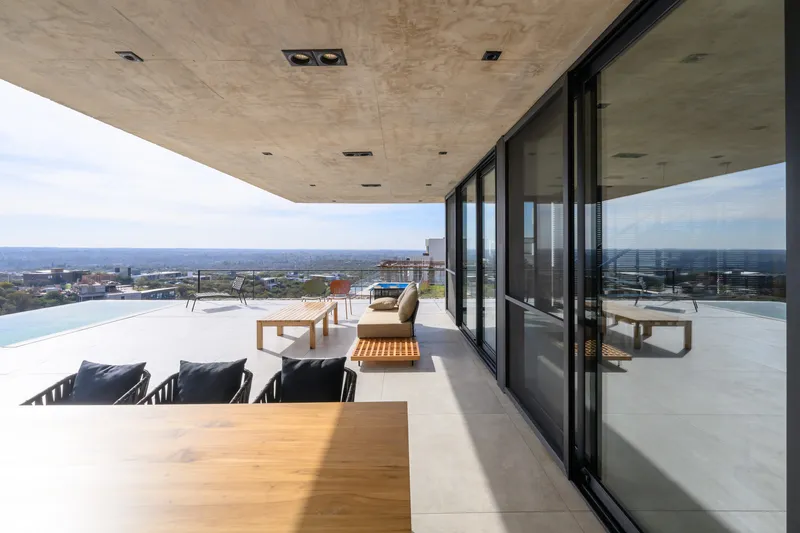
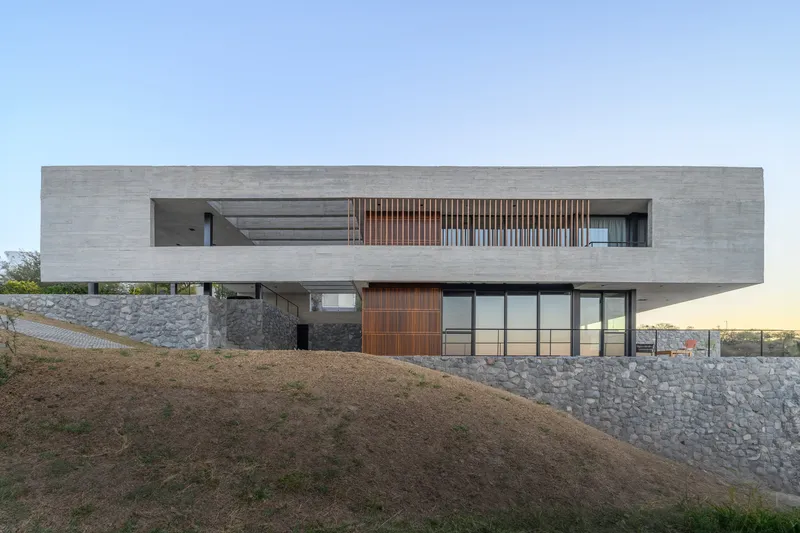
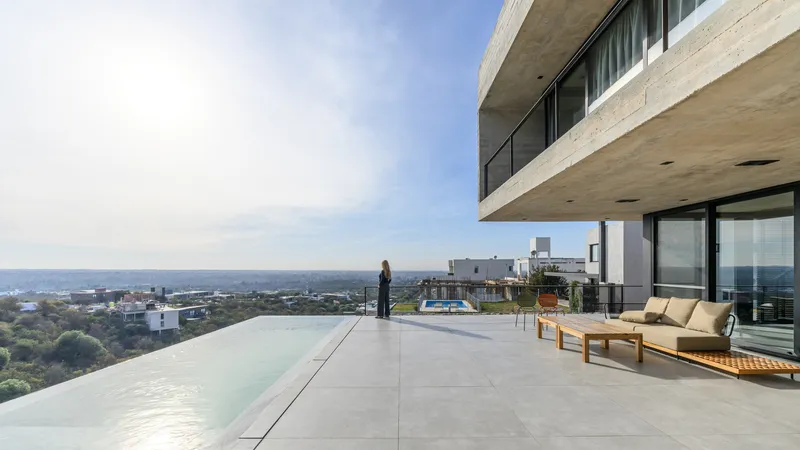
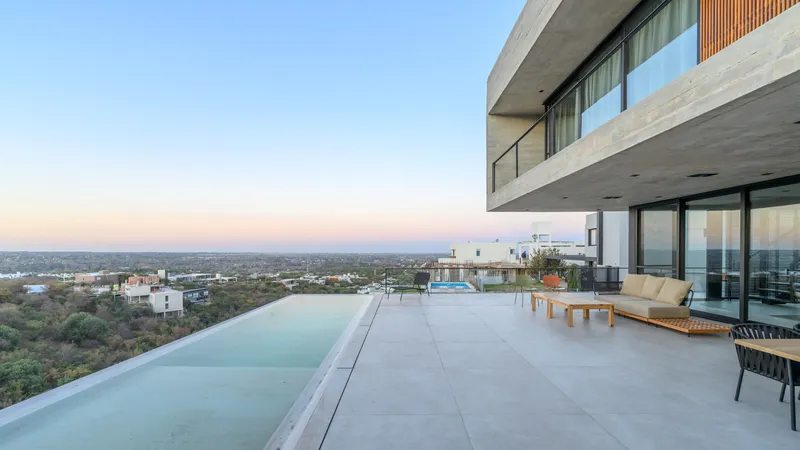
The architects designed the residence as a direct extension toward the landscape. Through this carefully calculated extrusion, the home opens fully to its surroundings while simultaneously shielding itself from nearby constructions. The result is a powerful architectural gesture that balances openness, privacy, and a strong connection to nature.
A Layered Arrival Sequence Anchored by Light and Terrain
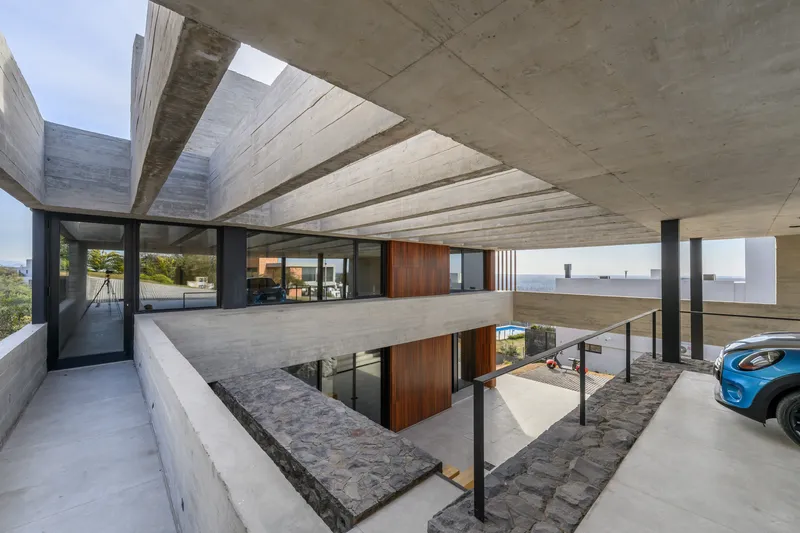
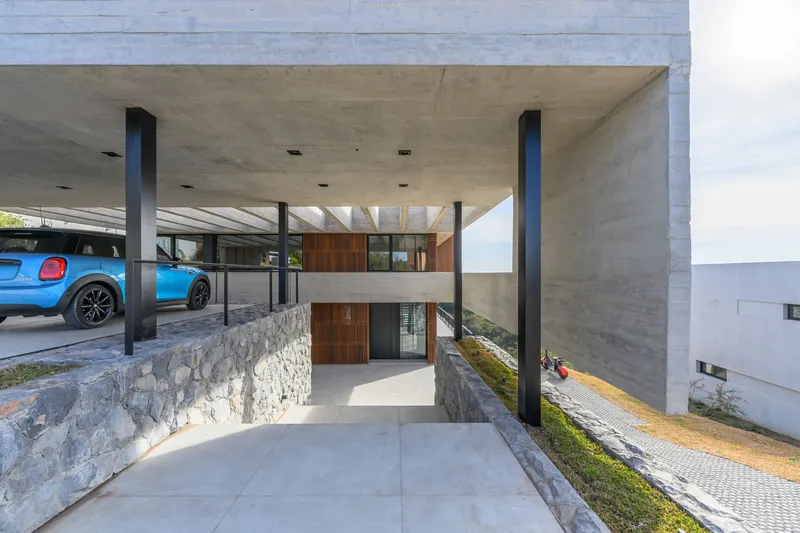
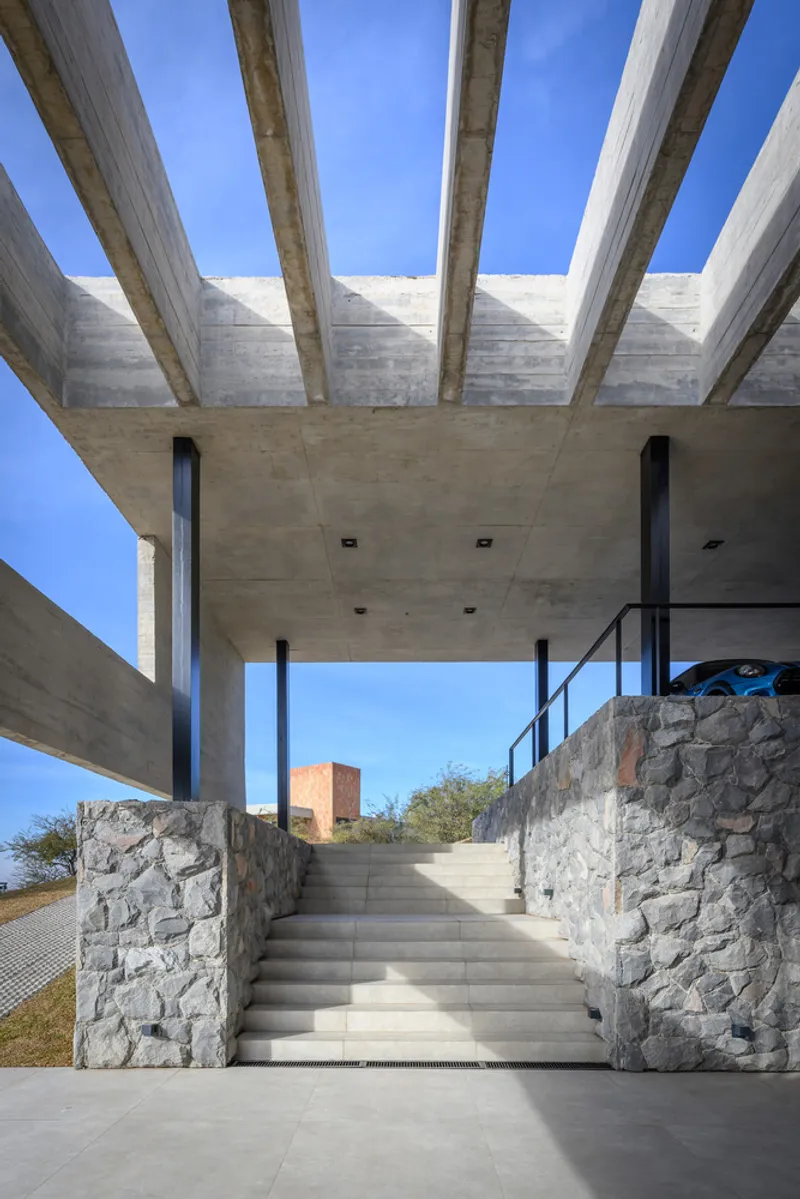
The front volume creates a generous reception area that brings together the garage, entrance courtyard, and a descending staircase that leads toward the main social level. This sectional arrangement embraces the site’s natural slope, allowing the social spaces to unfold at a lower elevation directly connected to the landscape while the private areas remain comfortably elevated.
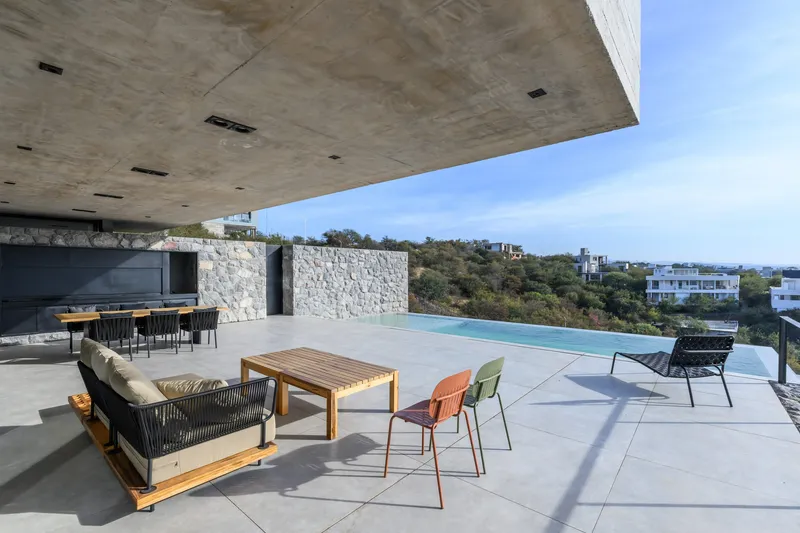
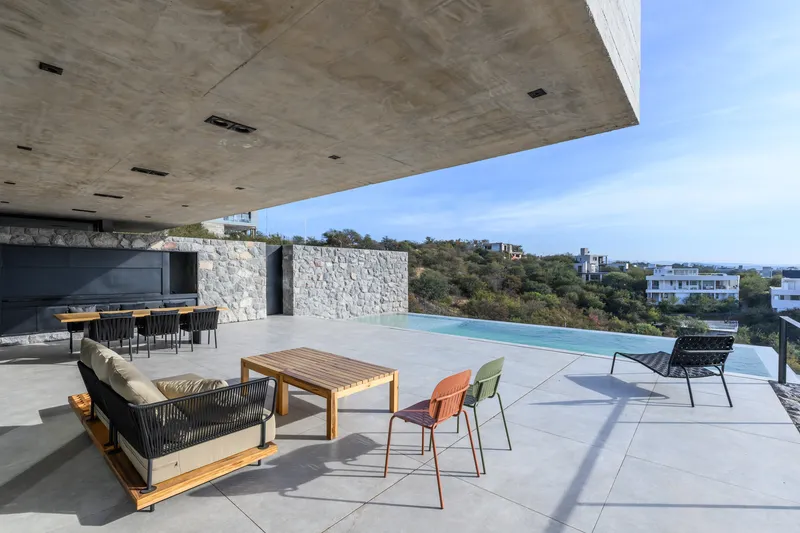
This thoughtful spatial separation enhances the everyday experience: the private zones feel protected and intimate, while the social areas extend outward with fluid indoor-outdoor transitions.
Material Warmth and Durability in a Minimalist Architectural Expression
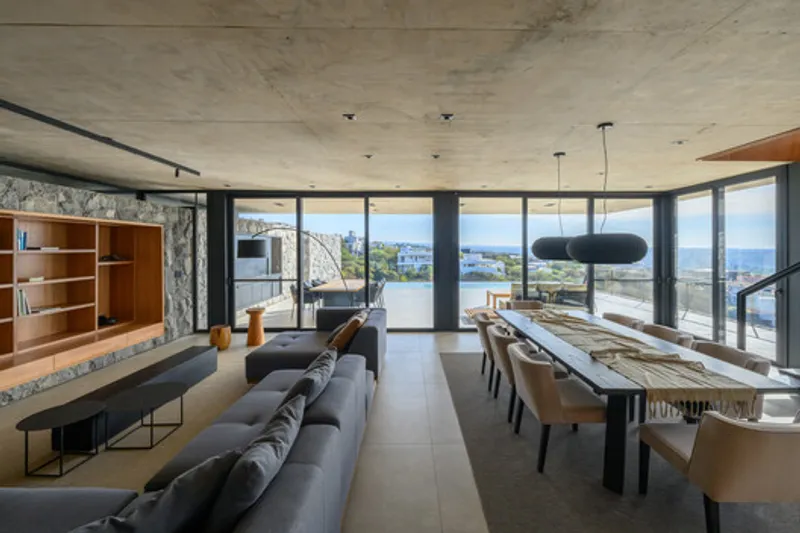
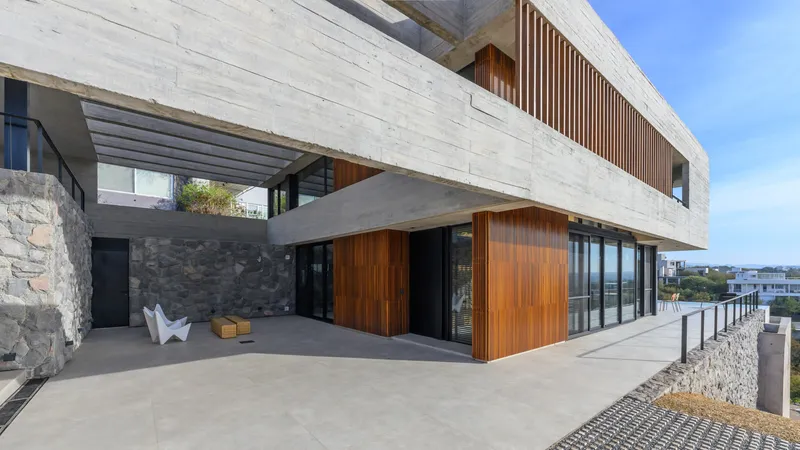
Materiality plays a central role in defining the identity of CGFR House. The architects selected noble, long-lasting materials to ensure both warmth and low maintenance. The main facades feature exposed concrete, introducing a clean, robust, and timeless presence. Complementing this, natural wood clads portions of the exterior, adding softness and tactile warmth to the contemporary composition.
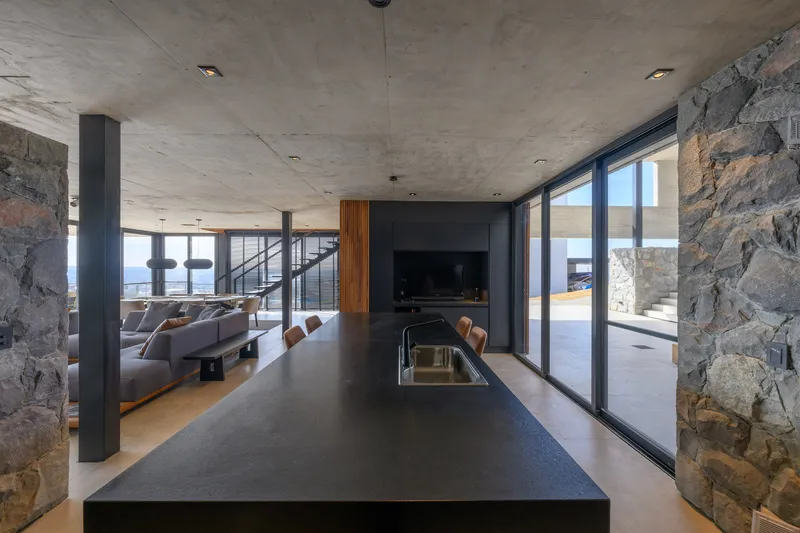
Natural stone elements further integrate the home into the landscape, grounding the structure visually and physically within its setting. Together, these materials create a serene palette that harmonizes with the surrounding environment and enhances the minimalist aesthetic.
Designed for Flexibility and Evolving Family Life
The client, an architect himself, placed high value on spatial quality and adaptability. As a result, the home is designed to accommodate both shared family life with his two teenage sons and quieter moments of retreat. The plan is intentionally flexible, allowing spaces to shift in use over time and respond to changing lifestyle needs.
Immersive Views and Climate-Responsive Openings
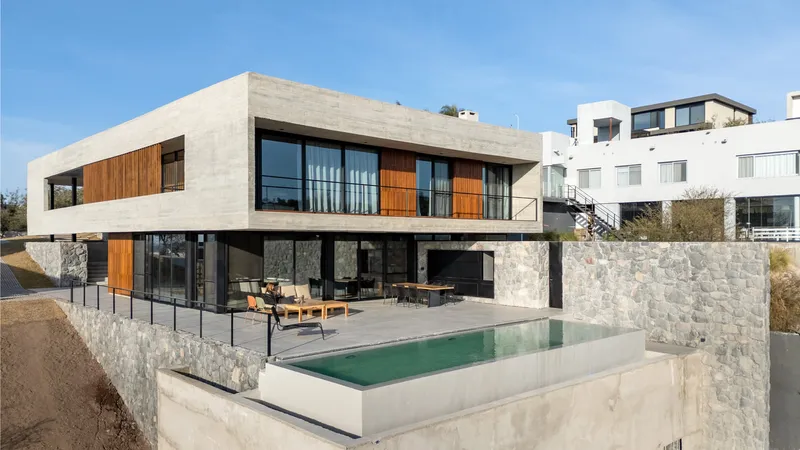
On the north elevation, vertical facades have been minimized to maximize natural light and frame sweeping panoramic views. These openings dissolve boundaries between interior and exterior spaces, creating a continuous visual dialogue with the surrounding hills.
On the east side, a carefully controlled façade incorporates wooden louvers and intermediate spaces that filter sunlight and regulate heat gain. This passive design strategy reduces glare and thermal load while preserving outward views. The interplay of shade, light, and material adds depth to the building’s architectural character.
A Contemporary Home in Constant Dialogue with Nature
CGFR House stands out not only for its minimalist and modern language but also for its deep respect for context. Every design decision, from the volumetric extrusion to the material palette and controlled openings, reinforces the home’s relationship with its unique landscape.
All photographs are works of Gonzalo Viramonte




Popular Articles
Popular articles from the community


Conexión: Biophilic Design Reimagines High-Rise Living in Hong Kong
Conexión reimagines high-rise living in Hong Kong through biophilic design, green facades, shared spaces, daylight, water and nature within.

The Ocean Hive: Sustainable Architecture for a Self-Sufficient Civilization at Sea
The Ocean Hive imagines sustainable architecture at sea, where modular habitats, algae, wave power and ocean waste sustain a growing colony.

Co-life: Sustainable Architecture for Age-Friendly Community Living
Co-life reimagines sustainable architecture for seniors through courtyards, rammed earth, shared gardens, and spaces designed for belonging.

The Earth Pod: 3D Printed Homes for Resilient Refugee Communities
The Earth Pod reimagines refugee housing through 3D printed homes made from clay, combining resilience, self-sufficiency, and rapid shelter.


Similar Reads
You might also enjoy these articles


Hodi-Mandai Geram
Project Function: Preservation and revitalization of the Intangible heritage and socio-spatial identity of the Hodi by Housing, Cultural Memory Center, Sacred Grove, landscape, local tourism economy


Olio Towers: A Mid-Rise for Performers That Fuses Housing, Rehearsal, and Stage
Located blocks from Houston's Theater District, this modular tower stacks living units around a central performance atrium.

Oasis: Modular Green Housing Carved into Dhaka's Urban Fabric
A shortlisted Plugin Housing entry reclaims unauthorized settlements in Dhaka with stepped concrete volumes, green roofs, and ventilation-driven design.

Black Hole: A Floating Megastructure for the Post-Physical Era
Emiliano Mazzarotto envisions a spherical, self-scaling arena where e-sports, digital hotels, and holographic stadiums replace traditional public space.
Explore Architecture Competitions
Discover active competitions in this discipline



Challenge to reimagine the Iron Throne


Photograph architecture without architects


Illustrate the lost glory of Angkor Wat - Render Challenge


Design challenge to reuse E-waste
Comments (0)
Please login or sign up to add comments
No comments yet. Be the first to comment!