
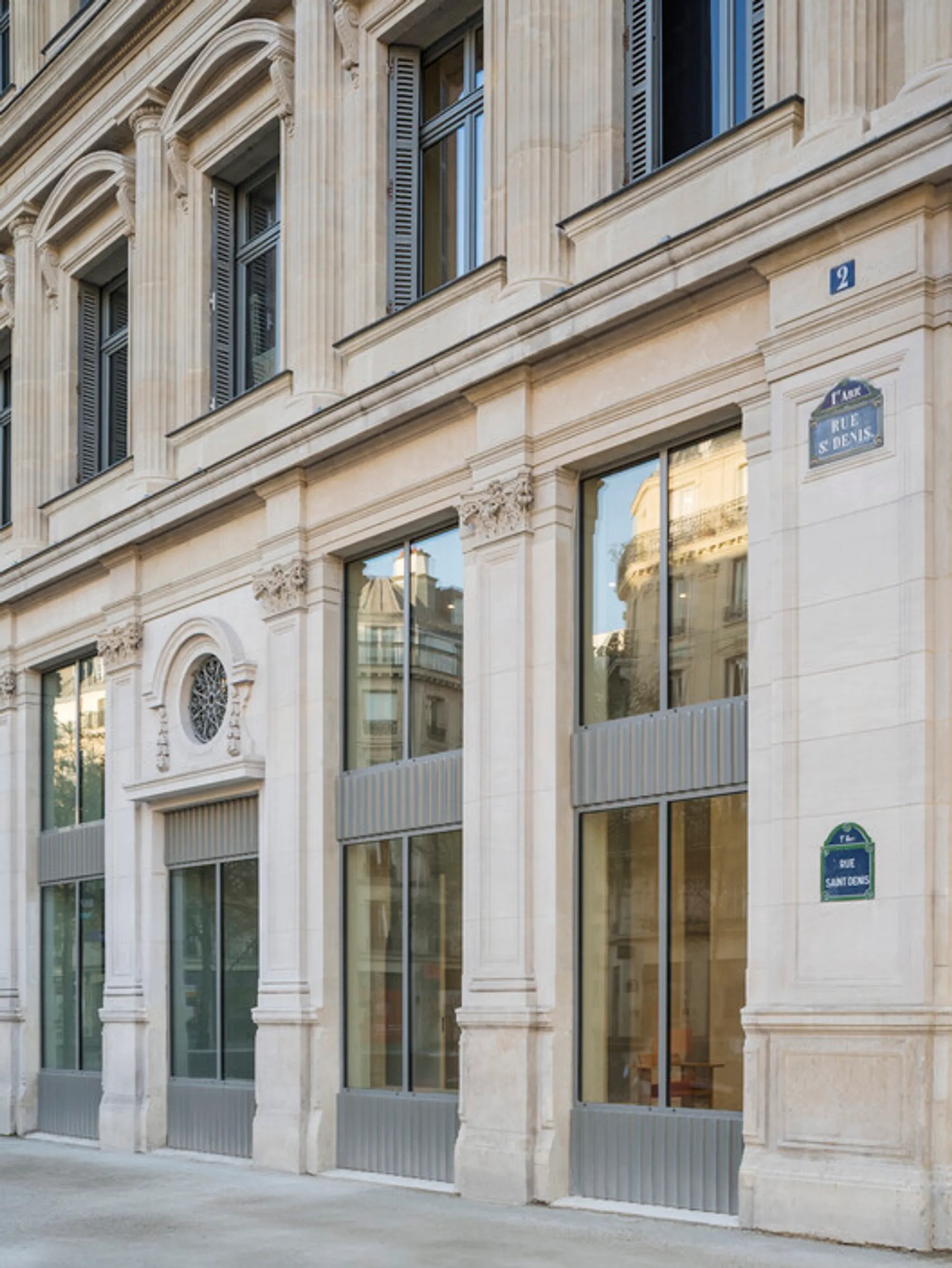
Chamber of Notaries of Paris by L'Atelier Senzu + LAGNEAU Architectes
Historic Paris notary building renovated with material reuse, curved glazing façade, double-height public spaces, improved daylight, and sustainable workplace design.


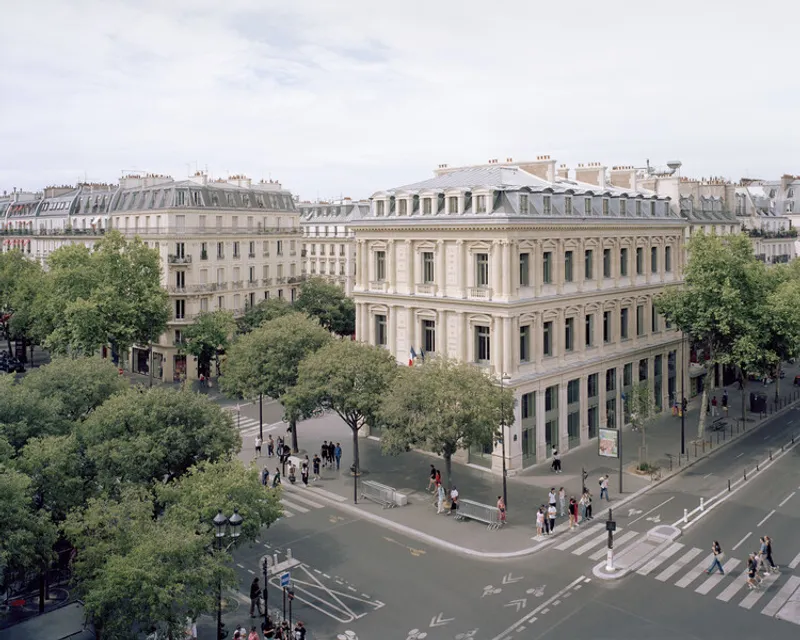
The renovation of the Chamber of Notaries of Paris represents a refined example of heritage preservation, adaptive reuse, and sustainable refurbishment architecture in central Paris. Located in the prestigious 1st arrondissement, the 2,868 m² transformation carefully balances historical conservation with contemporary spatial innovation.
Designed by L'Atelier Senzu and LAGNEAU Architectes, the project revitalizes a historically administrative building while improving workplace efficiency, environmental performance, and public accessibility.
Anastylosis as Architectural Strategy
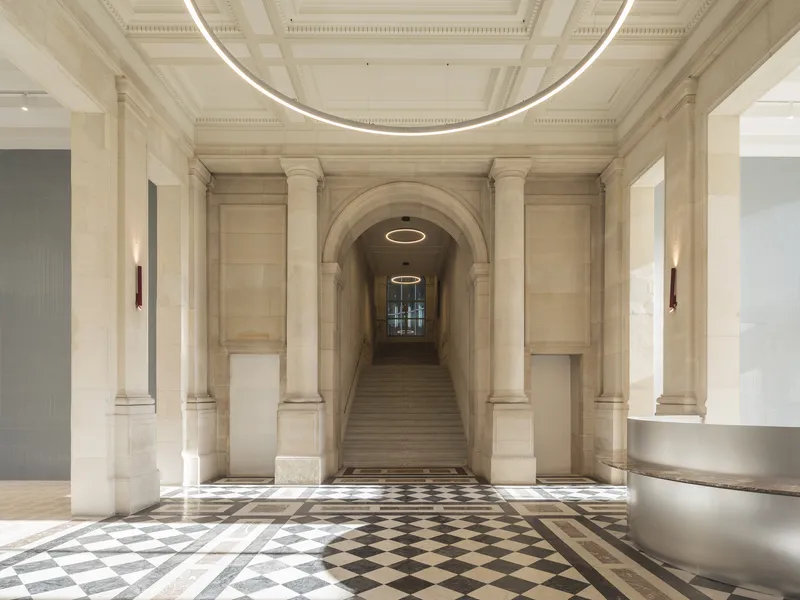
Inspired by the principle of anastylosis, the careful reassembly and renewal of existing structures, the renovation integrates measured, respectful interventions into the historic fabric.
Key sustainable strategies include:
- On-site material reuse
- Enhanced thermal performance
- Adaptive spatial planning
- Long-term flexibility for evolving needs
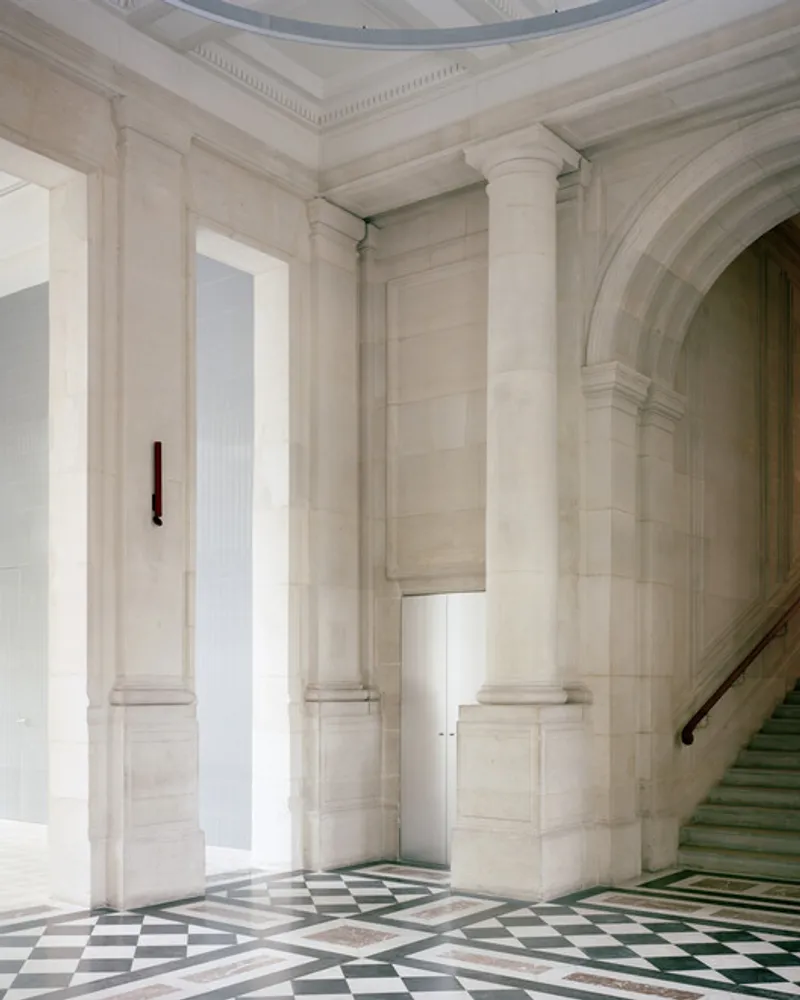
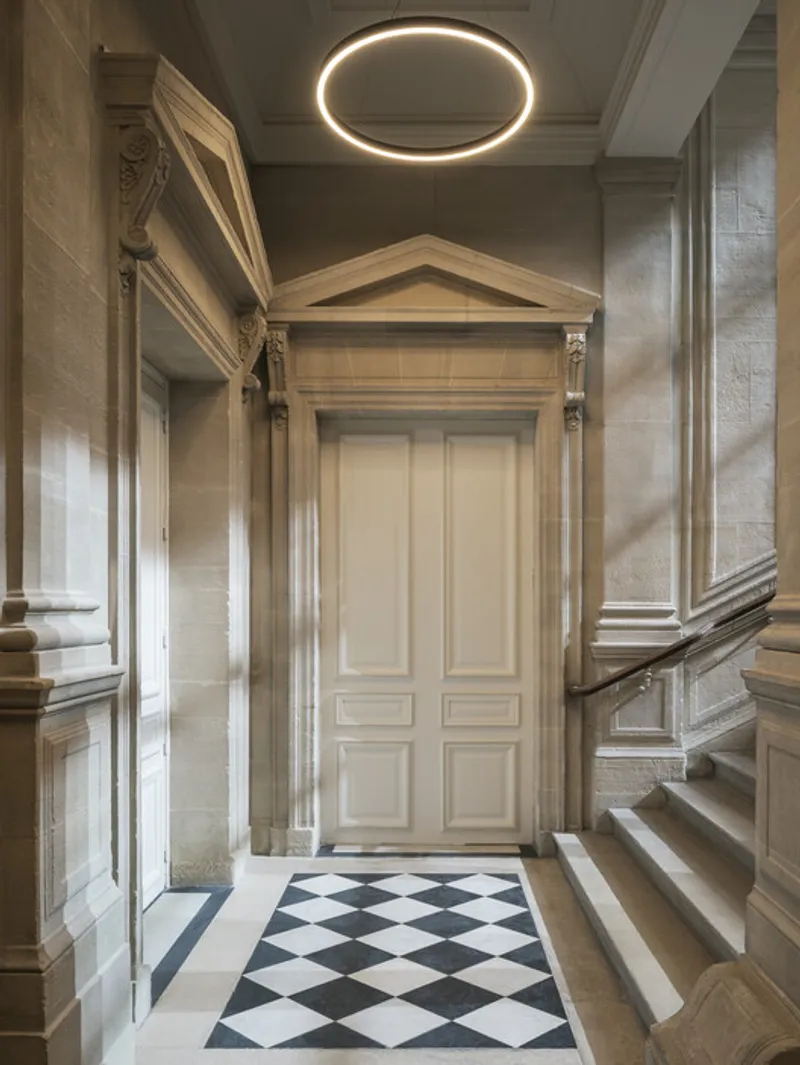
Rather than replacing materials, the architects transformed and repurposed stones extracted during demolition. These mineral elements were reinterpreted and reintegrated, reinforcing the building’s material memory while reducing environmental impact.
Public and Private: A Delicate Balance
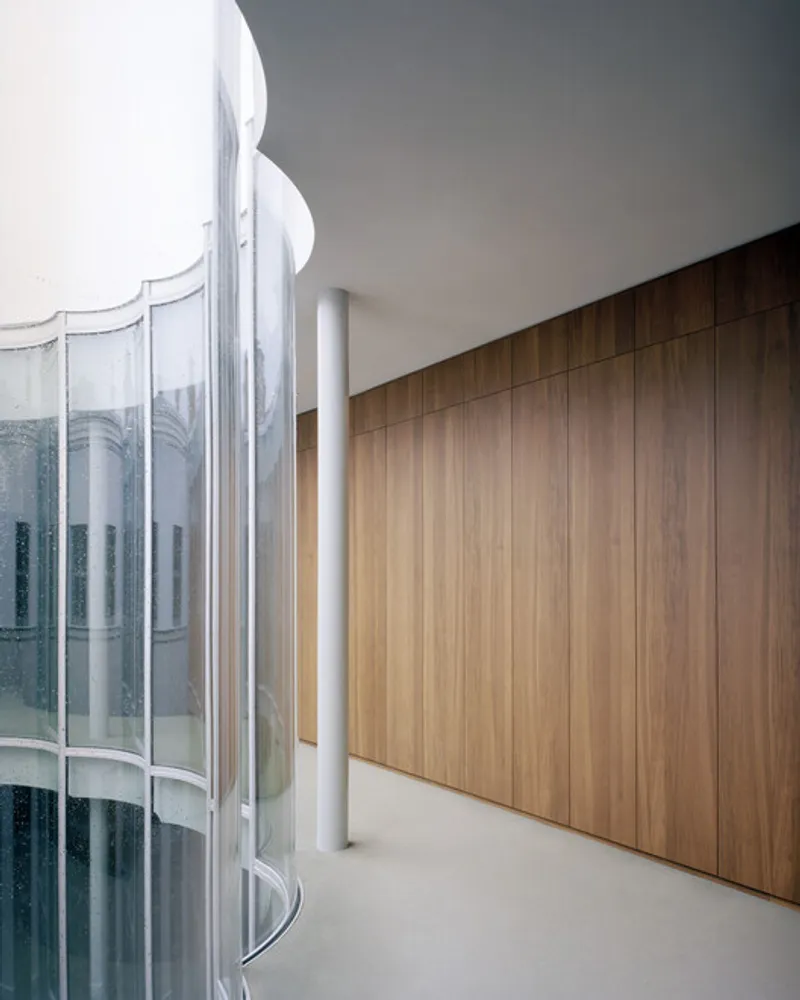
A central challenge was reorganizing circulation to clearly distinguish between public reception areas and confidential workspaces. The solution establishes:
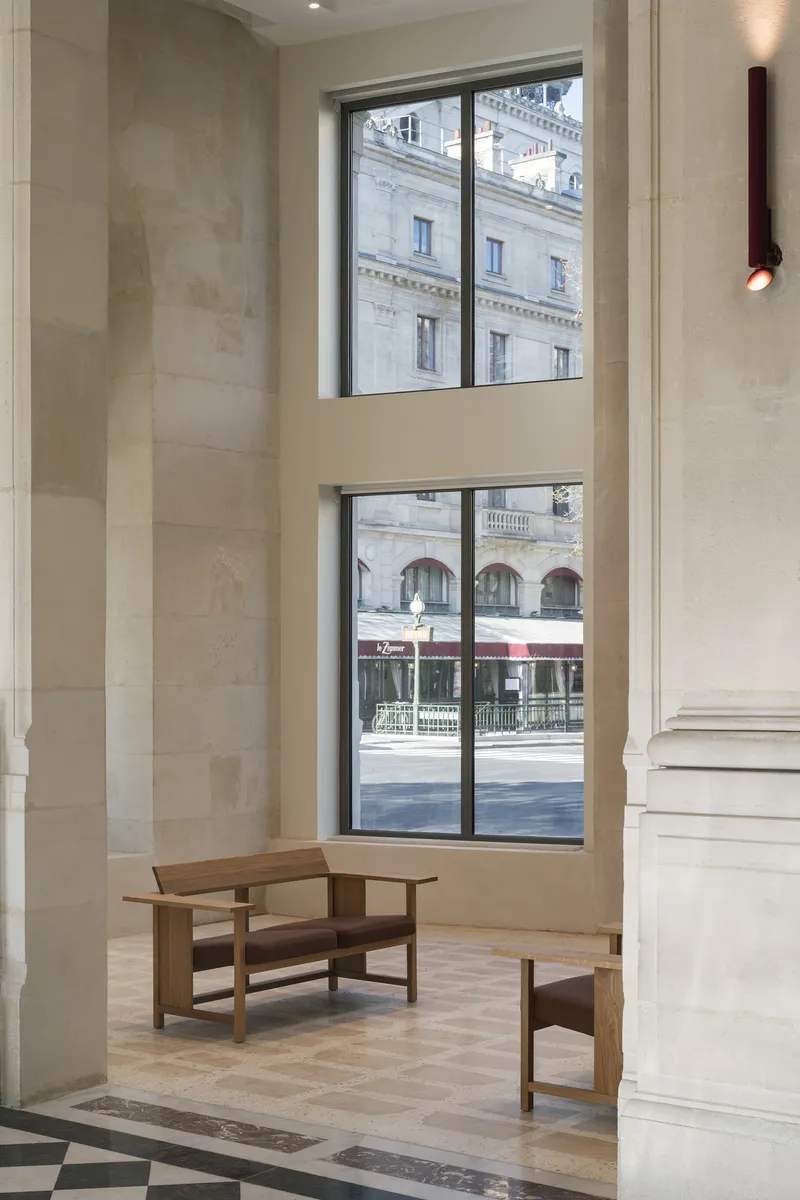
- Open, welcoming public zones facing Place du Châtelet
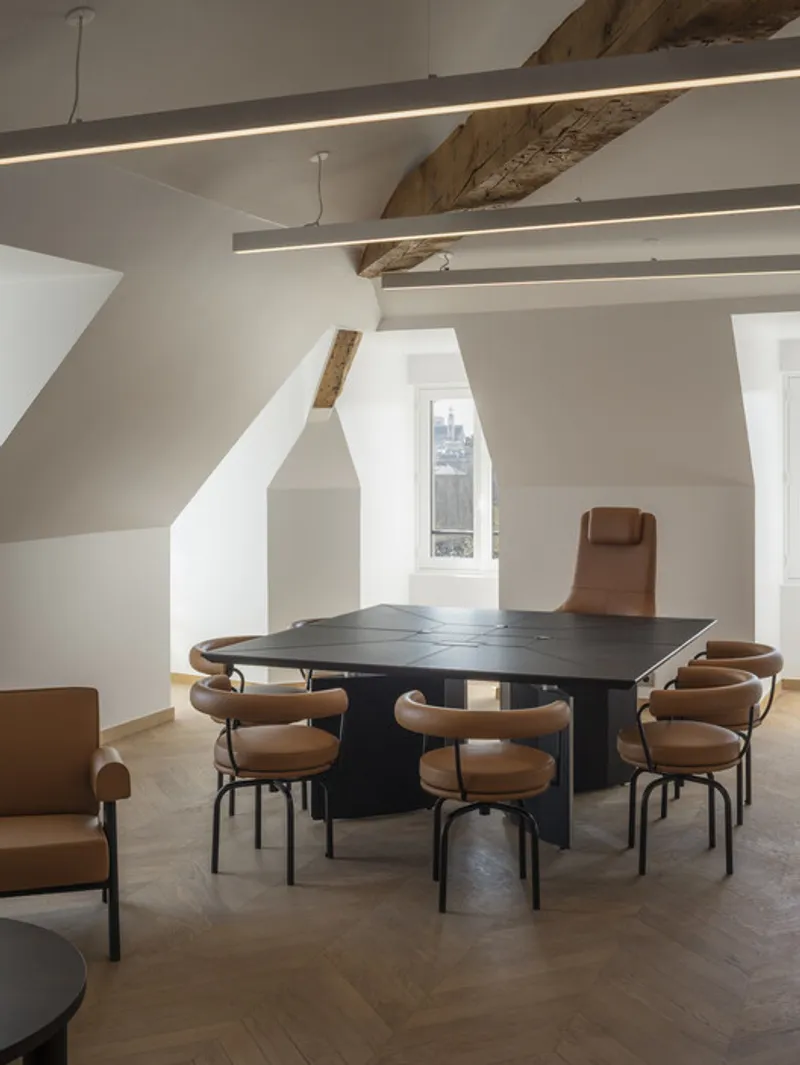
- Secure, efficient administrative offices
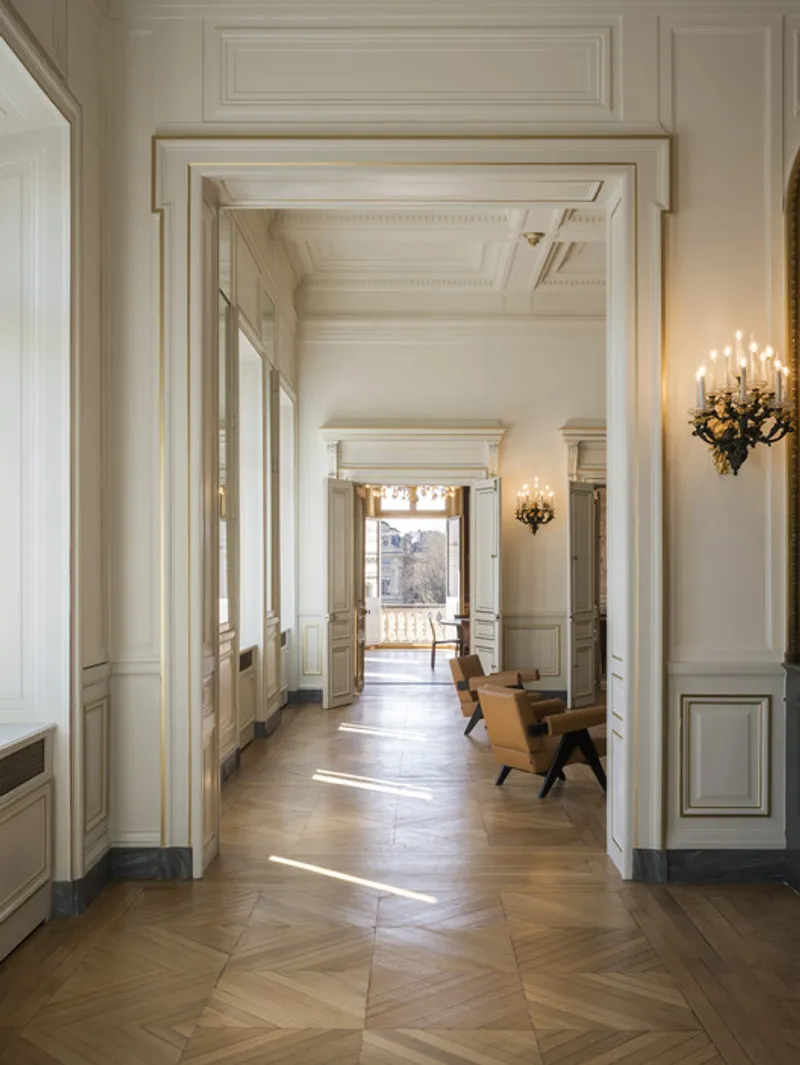
- Visual continuity without compromising privacy
This duality reflects the notarial profession itself, transparency balanced with discretion. The architectural language does not close off; it filters.
Restoring Urban Presence on Place du Châtelet
The renovation restores dignity to the historic façade while reactivating the building’s relationship with the city. Ground-floor mezzanines were removed to create generous double-height spaces dedicated to exhibitions, encounters, and civic engagement.
The objective was clear: transform the Chamber from a purely administrative address into an urban destination integrated into the public life of Paris.
Light, Transparency, and Workplace Transformation
Prior to renovation, office areas lacked adequate daylight and spatial quality. The redesign introduces:
- Large arched windows
- A monumental staircase offering layered perspectives
- Rational, flexible office layouts
- Improved natural ventilation
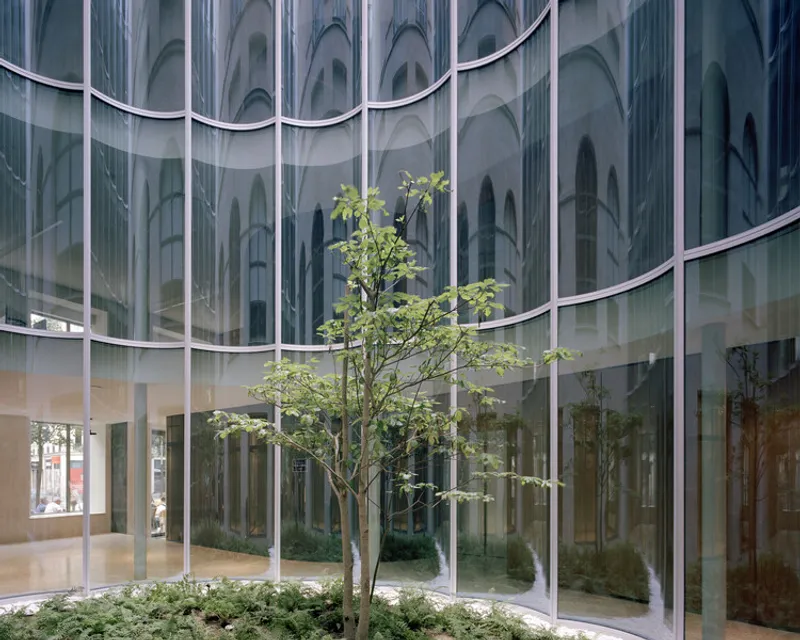
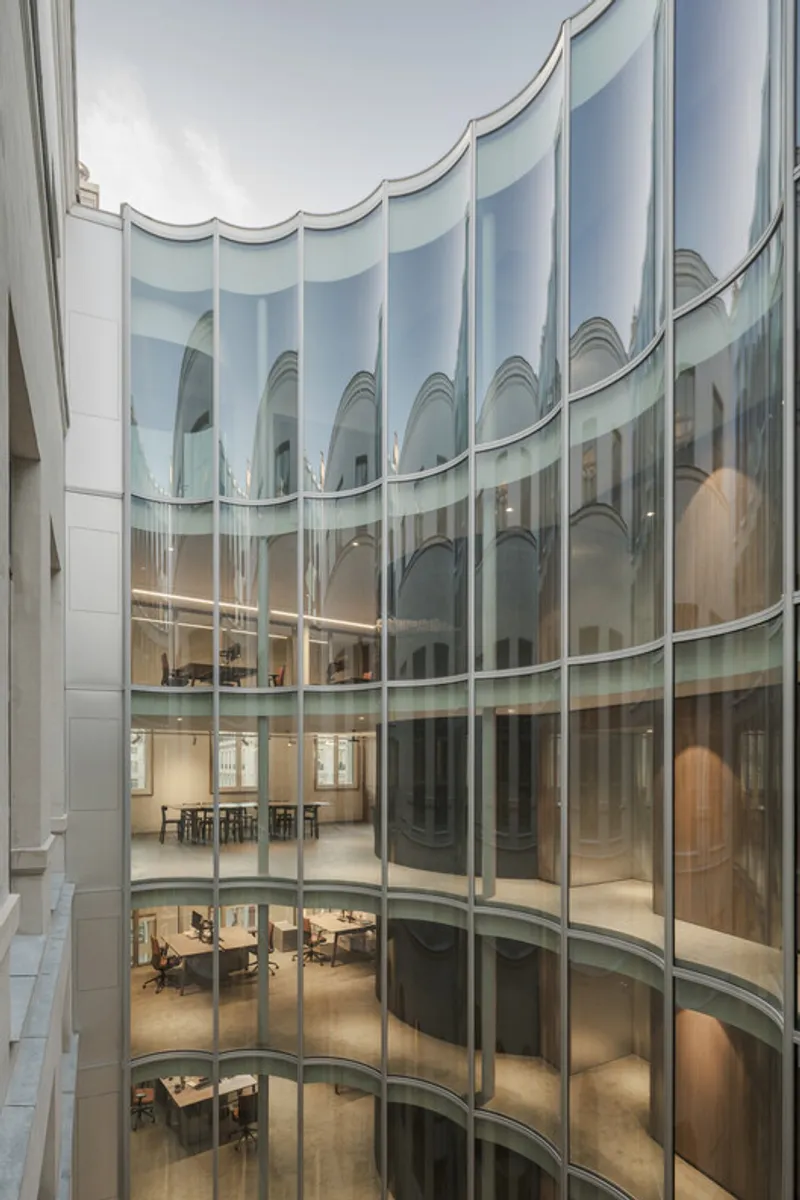
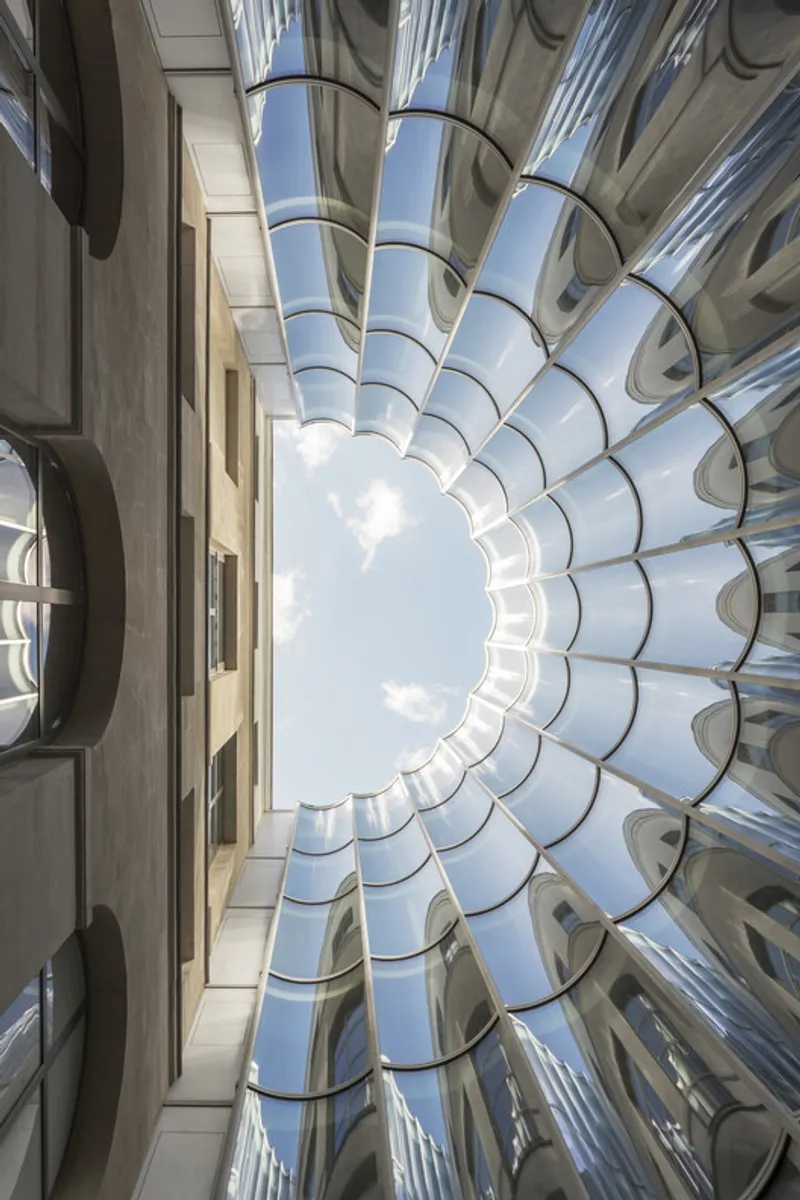
The courtyard façade, once hidden, is now a defining architectural element. A repeating curved glazing module introduces transparency while respecting the stone heritage context. A carefully detailed cavity joint between historic masonry and new glass ensures both aesthetic refinement and natural airflow.
Sustainable Government Architecture in Paris
The Chamber of Notaries project stands as a benchmark for sustainable government building renovation in France. Through material circularity, façade restoration, daylight optimization, and spatial clarity, the architects demonstrate how institutional buildings can evolve without erasing their identity.
By combining bold contemporary gestures with humility toward heritage, the renovation ensures the building remains functional, adaptable, and emblematic of Parisian civic architecture.
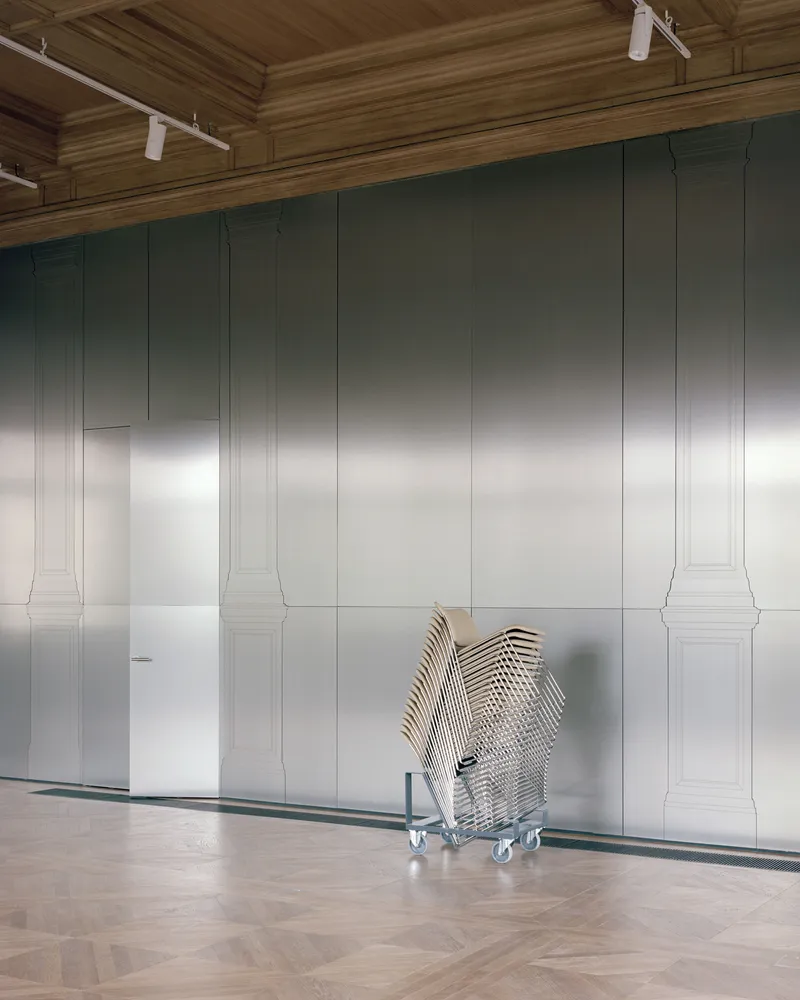
All the photographs are works of
Cyrille Weiner, Rory Gardiner




Popular Articles
Popular articles from the community


Co-Life: Senior Housing Design That Reconnects Older Adults With the City
Co-Life reimagines senior housing design through healing gardens, shared streets, workshops, and a sustainable community across generations.

Lunar Spiral: Space Architecture Shaped by the Mathematics of the Universe
Lunar Spiral reimagines space architecture through Fibonacci geometry, lunar regolith, levitating habitats, and self-sustaining Moon living.

Play: Fragments of Their World
Familiar architecture becomes modular playground design, creating safe spaces where displaced children can learn, connect, imagine and play.

The Musturak Paradise: Senior Living Architecture for a Connected Future in Temara, Morocco
The Musturak Paradise reimagines senior living architecture in Temara via private homes, social spaces, culture, community, and shared care.

Similar Reads
You might also enjoy these articles


FAMM Arquitectura Organizes Ten Villas Around Courtyards and Jungle in Nosara, Costa Rica
El Molino pairs two elongated volumes with deep overhangs and timber louvers to build a compact coastal community five minutes from the beach.
Oscar Niemeyer's Ibirapuera Park Pavilions Define São Paulo's Cultural Identity in Concrete and Curve
A constellation of modernist volumes set within São Paulo's most important urban park, conceived for the city's 400th anniversary in 1954.
How Henri Picq's 1889 Paris Pavilion Traveled 11,000 Kilometers to Become Santiago's Artequín Museum
A prefabricated iron and glass pavilion built for the Paris Universal Exposition found a second life as a children's art museum in Chile.
Sanjay Puri Architects Wraps a Jaipur Office Tower in Capsule-Shaped Green Buffers
A nine-level climate-responsive workplace near Jaipur Airport uses stacked planter terraces and aluminium screens to fight 40°C heat.

Explore Architecture Competitions
Discover active competitions in this discipline



Challenge to reimagine the Iron Throne


Photograph architecture without architects


Illustrate the lost glory of Angkor Wat - Render Challenge


Design challenge to reuse E-waste
Comments (0)
Please login or sign up to add comments
No comments yet. Be the first to comment!