
Circle of Life: A Vertical Cemetery That Treats Death as Public Infrastructure
A modular urban cemetery uses aquamation, vertical gardens, and inclusive programming to reframe death within the city fabric.

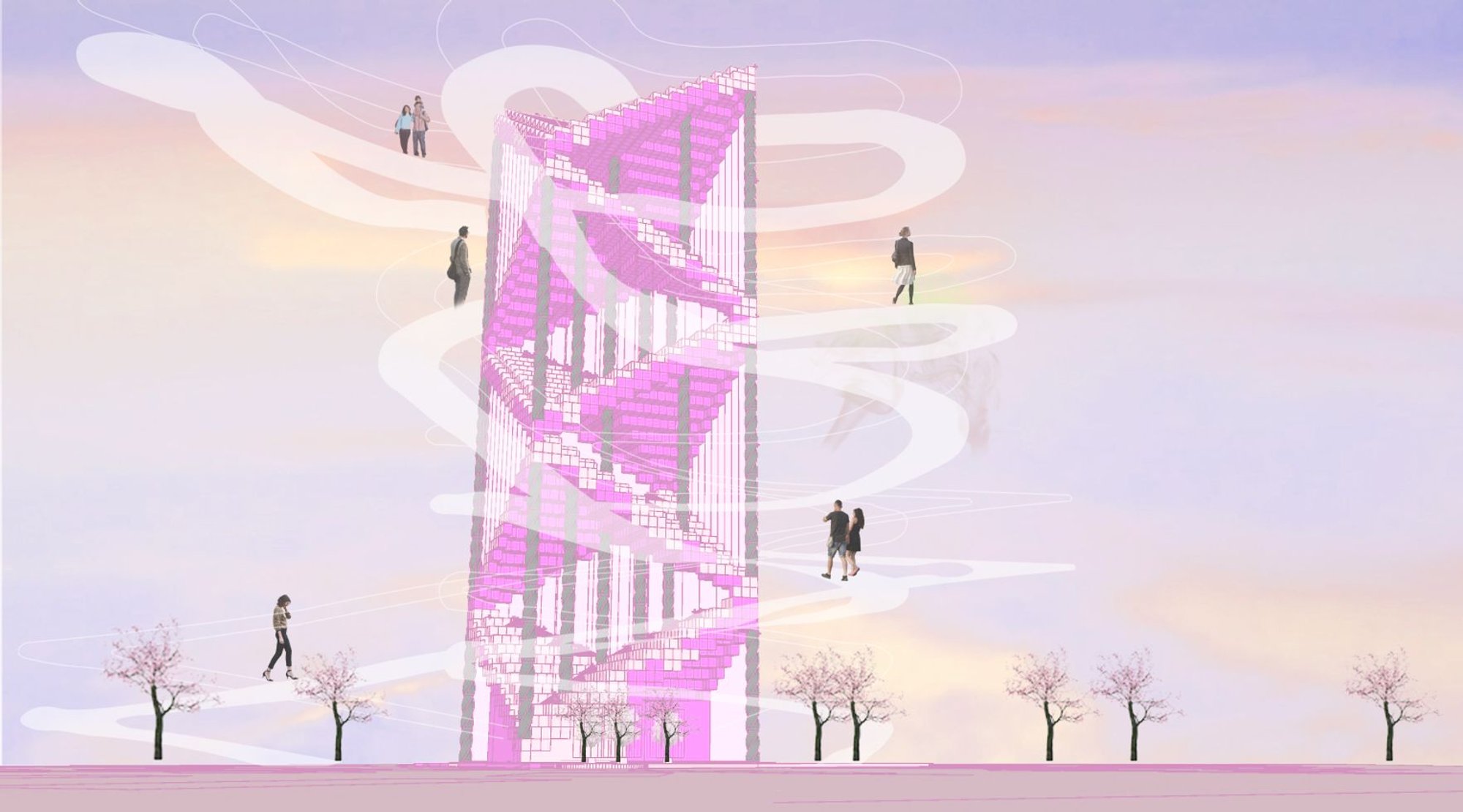
What if the spaces we build for the dead could actively serve the living? Ameeshi Shrivastava's Circle of Life poses exactly that question, proposing a vertical cemetery that doubles as public green space, spiritual sanctuary, and even homeless shelter. The design refuses to isolate death at the city's periphery and instead plants it squarely within the urban core, arguing that mourning, memory, and daily life belong on the same block.
The project draws its conceptual foundation from a simple premise: "Mankind is born from dust and will return to dust." Rather than treating that return as something to be hidden, Shrivastava designs a modular tower that makes the full cycle of life visible and accessible. Aquamation, a low-emission alkaline hydrolysis process, replaces traditional cremation or burial, producing ashes with a minimal carbon footprint. Those ashes are either stored in urns within introspective memorial units or placed in GPS-tracked stone gardens, allowing families to locate and revisit their loved ones with precision. The architecture around this process is stacked, scalable, and deeply integrated with landscape.
A Tower Section Where Pink Canopies Meet Aquamation Chambers
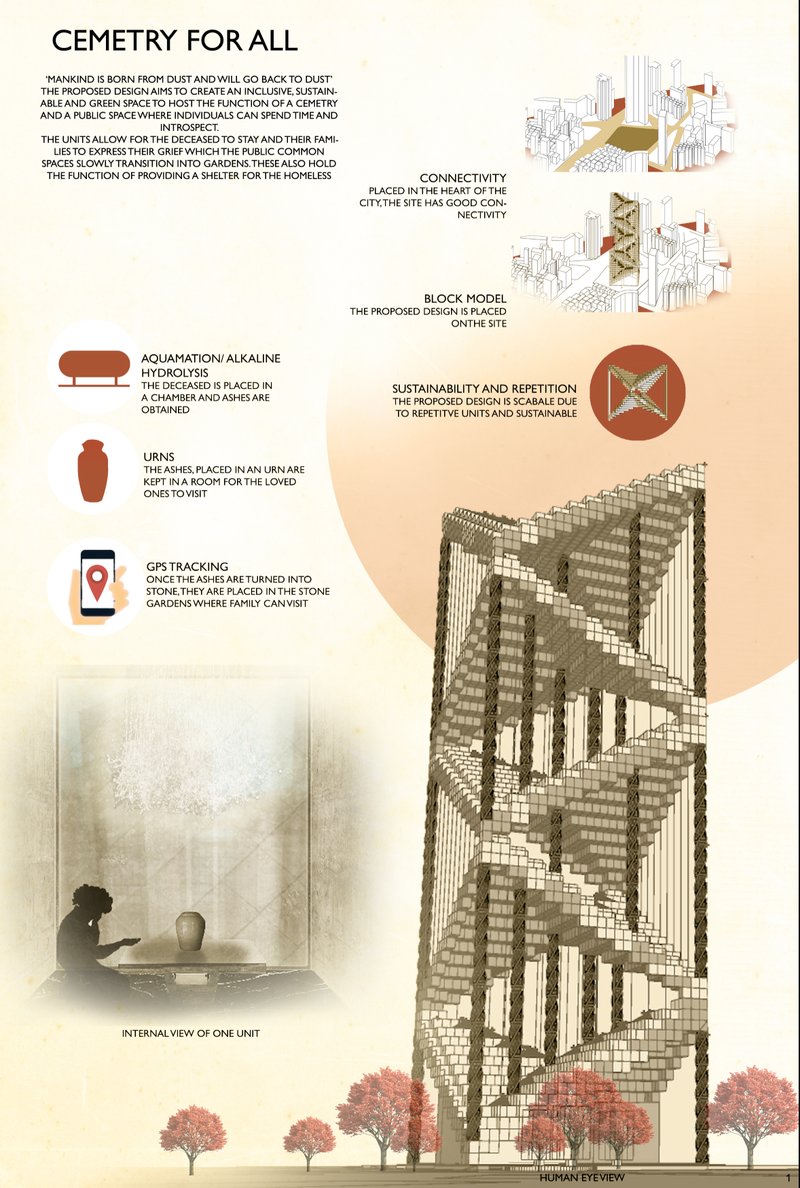
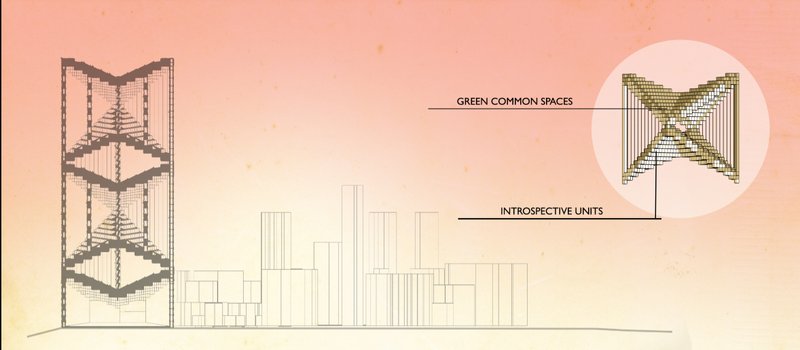
The sectional drawing reveals the project's ambition in a single cut. A stacked tower rises with layered program zones, each floor serving a distinct function: aquamation chambers occupy the lower levels, introspective memorial rooms fill the mid-section, and green terraces with pink flowering trees crown the upper reaches. The integration of planting is not decorative. Vertical gardens and terraces generate biodiversity, soften the tower's mass against the skyline, and provide spaces where grieving and reflection occur in open air. The elevation drawing places the tower among its urban neighbors, making clear that this is not a monument set apart but a building that participates in the city's rhythm, its height and program legible from the street.
An Entrance Plaza That Invites Rather Than Excludes
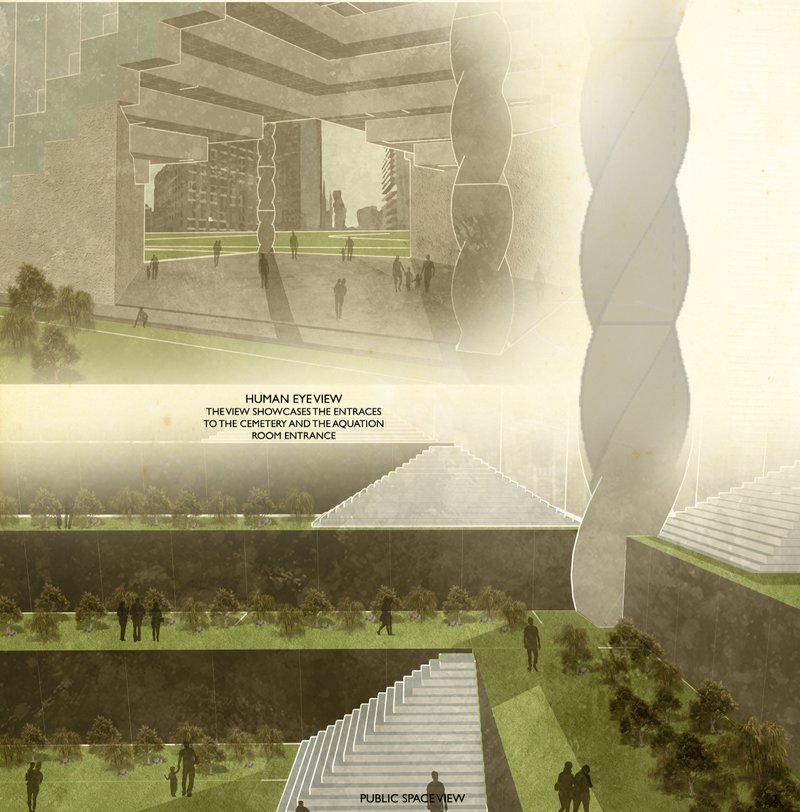
The perspective rendering at ground level tells you everything about the project's social posture. Figures scatter across a generous green lawn, approaching a stepped pyramid base that anchors the tower. There is no fence, no gate, no signage that marks this as a place reserved only for mourning. The public area at street level is designed for gatherings and rituals of all kinds, accommodating various faiths and cultural practices. Shrivastava describes the building as a "cultural equalizer," and the entrance plaza is where that ambition becomes spatial reality. By welcoming pedestrians into what is functionally a cemetery, the design desensitizes the taboo around death through sheer openness and accessibility.
Notably, the project also embeds social welfare into its program. Beyond funerary functions, spaces within the structure serve as shelters for the homeless. The decision to combine these two programs is pointed: both the dead and the displaced are populations that cities routinely push to their margins. Housing them together, in a building of civic dignity, is a provocation with real architectural consequence.
Exploded Layers from Parking to Rooftop Garden
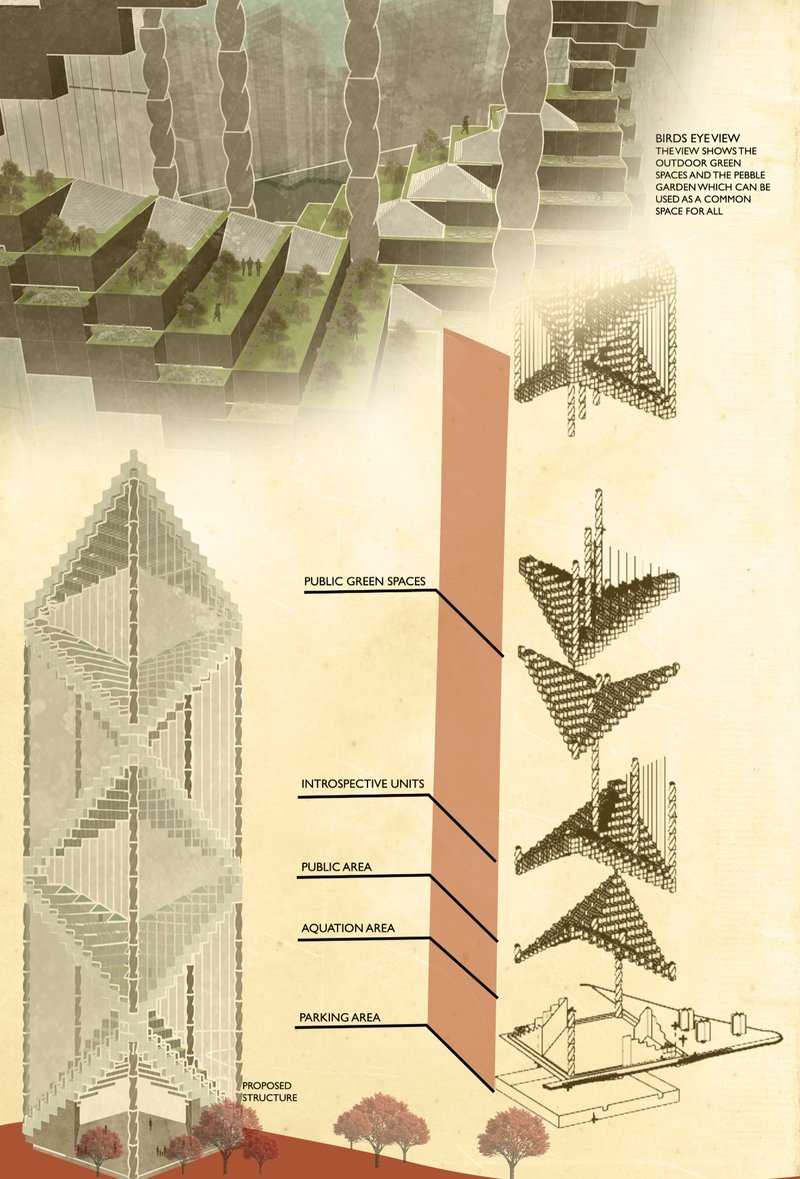
The exploded axonometric diagram pulls the tower apart to expose its organizational logic. Parking facilities sit at the base, followed by public gathering spaces, aquamation chambers, memorial units, and finally rooftop green spaces. The progression from utilitarian infrastructure to contemplative landscape reads as a spatial ascent from the civic to the spiritual. Modular, repetitive units ensure that the design can scale: additional floors or parallel structures could be added as urban burial demand grows, making this a genuinely replicable model rather than a one-off statement.
Structurally, twisting vertical columns bind the assembly together. Shrivastava frames these as both structural necessity and symbol, connecting life and death in a continuous spiral. The bird's-eye spatial hierarchy clearly delineates zones from public interaction to private introspection, so that a visitor moving upward through the building experiences a gradual withdrawal from the collective into the personal.
Why This Project Matters
Circle of Life confronts a genuine and growing crisis. Urban land scarcity makes traditional cemeteries increasingly untenable, while conventional cremation carries a significant carbon cost. By centering aquamation within a vertical, mixed-use structure, Shrivastava offers a technically grounded alternative that addresses environmental, spatial, and social dimensions simultaneously. The project does not merely solve a problem; it reframes the question, asking why death care should be separated from the infrastructure of daily urban life.
What elevates the proposal beyond sustainability metrics is its insistence on inclusivity. A cemetery that serves all faiths, shelters the homeless, and opens its terraces to the public is not just an architectural object. It is an argument about what cities owe to their most vulnerable populations, living and dead alike. In treating death not as sorrow to be hidden but as a cycle to be celebrated within the fabric of the city, Shrivastava delivers a vision that is at once pragmatic and deeply humane.
View the Full Project
About the Designers
Designer: Ameeshi Shrivastava
Enter a Design Competition on uni.xyz
uni.xyz runs architecture and design competitions year-round that reward proposals with spatial conviction and real site intelligence.
Project credits: Circle of Life by Ameeshi Shrivastava.




Popular Articles
Popular articles from the community

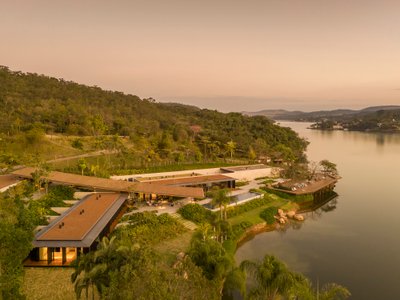
Bernardes Arquitetura Stretches a Timber Roof Along a Reservoir's Edge in Minas Gerais
Dam House in Itaúna lets a sweeping wooden canopy dissolve the boundary between hillside terrain and open water.
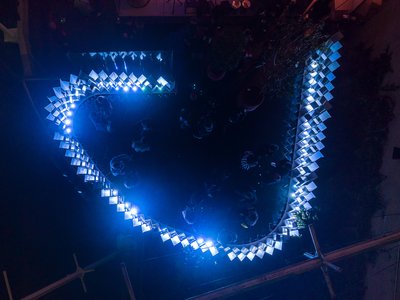
Rojkind Arquitectos and Think Parametric Build a Glueless Pavilion from 67 Interlocking Panels
A serpentine fiber-cement installation in Chapultepec Park celebrates a decade of architectural media in Mexico City.

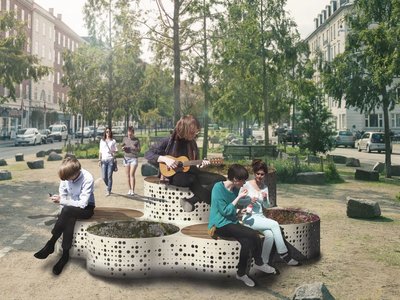
20 Most Popular Furniture Design Projects of 2025
Modular street systems, parametric benches, and insect hotels: the furniture design projects that captivated architects on uni.xyz in 2025.
20 Most Popular Office Building Projects of 2025
From biophilic workspaces in India to net-positive energy offices in New Delhi, 20 office building projects that defined architecture in 2025.

Similar Reads
You might also enjoy these articles

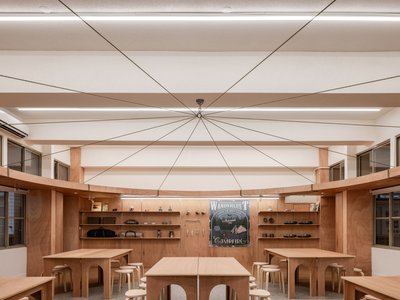
317studio Turns an 87 m² Classroom into a Forest Clearing for Scouts in New Taipei City
A rope canopy, student-made specimens, and campfire geometry replace rows of desks in this Scouting classroom in Xizhi District.
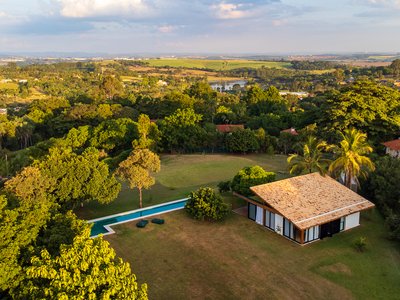
24 7 Arquitetura Builds a Timber Pavilion as a Family's First Act on a 5,000 m² Brazilian Plot
In Jaguariúna, a prefabricated glulam house nestles among mature trees as the opening move of a larger residential masterplan.
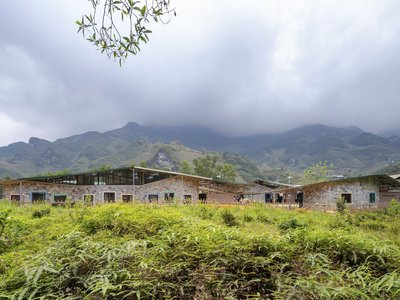
1+1>2 Architects Build a School from 900 Blocks of Hmong Stone on Vietnam's Rocky Plateau
On a barren valley in Ha Giang province, a community quarried its own stone to raise a kindergarten and primary school rooted in Hmong identity.
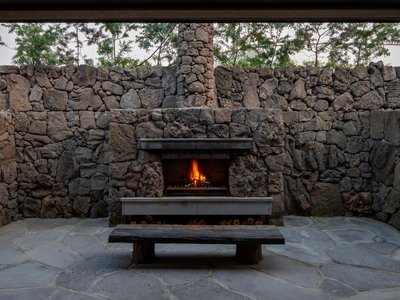
100A Associates Builds a Volcanic Stone Retreat on Jeju Island Rooted in Ritual and Restraint
Watarstay [Wa:Tar] in Bongseong-ri channels Jeju's basalt, reed, and hemp into a 150 m² hospitality space shaped by contemplation.


Explore Conceptual Architecture Competitions
Discover active competitions in this discipline




The International Standard for Design Portfolios


The Global Benchmark for Architecture Dissertation Awards


The Global Benchmark for Graduation Excellence


Challenge to reimagine the Iron Throne
Comments (0)
Please login or sign up to add comments
No comments yet. Be the first to comment!