
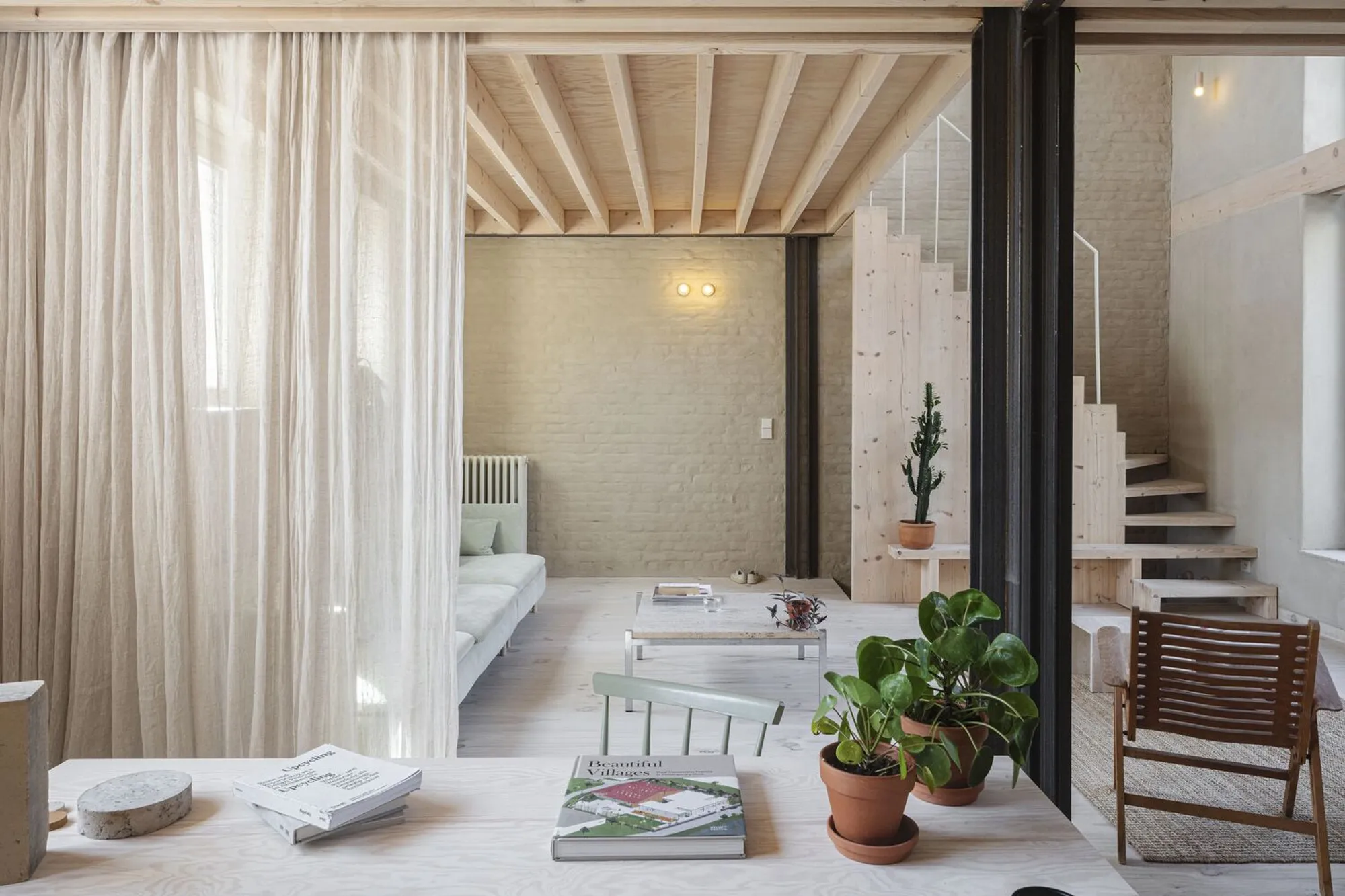
Circular Urban Renovation: Karper Building by hé! architectuur Reimagines Living in Dense City Fabric
Circular urban renovation project transforms industrial building into sustainable housing and coworking space using regenerative, flexible, and dismantlable strategies.


A Low-Tech Urban Transformation in Molenbeek
The Karper Building Renovation by hé! architectuur is a compelling example of circular urban renovation that brings regenerative, flexible, and dismantlable design strategies into the dense industrial heart of Molenbeek-Saint-Jean, Belgium. Completed in 2024, the project converts a former industrial structure into an upside-down family residence with coworking and studio spaces on the ground floor—all within a framework that prioritizes sustainability and reversibility.

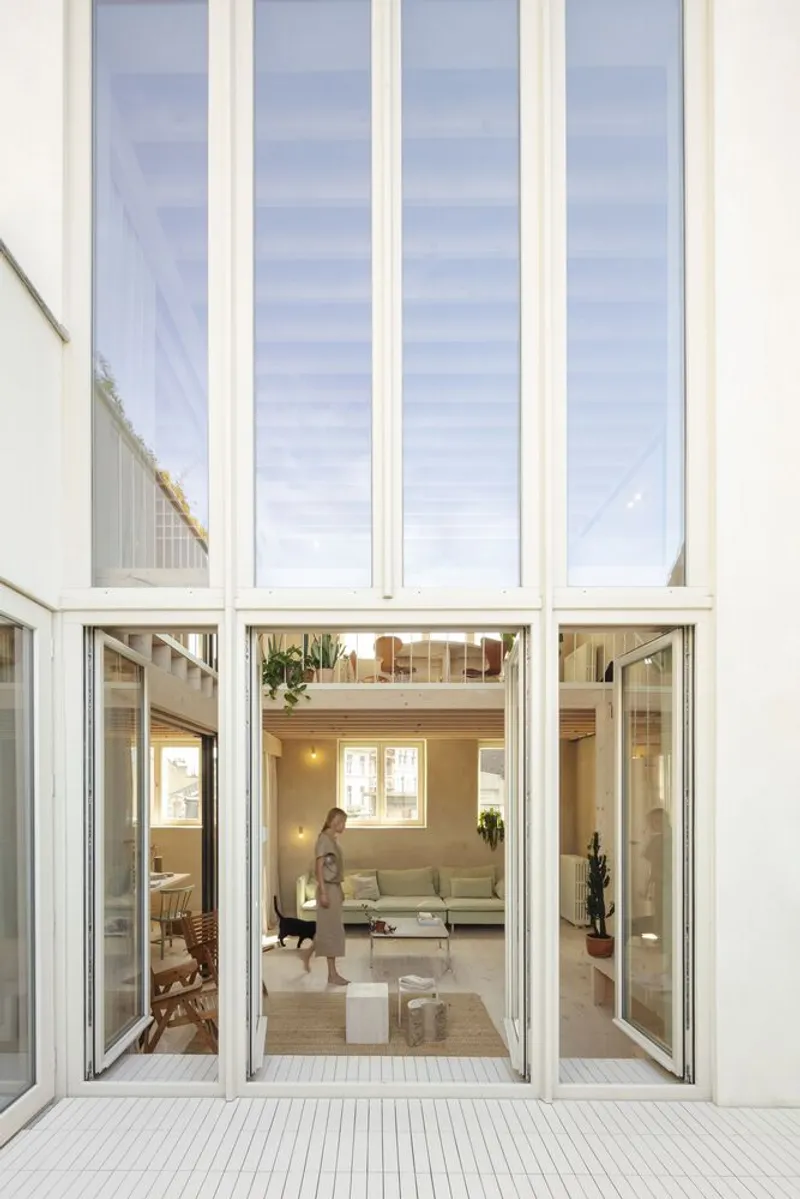
This small-scale urban intervention addresses one of Europe’s most pressing challenges: how to densify cities while preserving green space and embracing a circular economy. By layering a new volume atop the existing structure and designing with future adaptability in mind, hé! architectuur demonstrates how architecture can become a regenerative and reusable tool within the evolving cityscape.
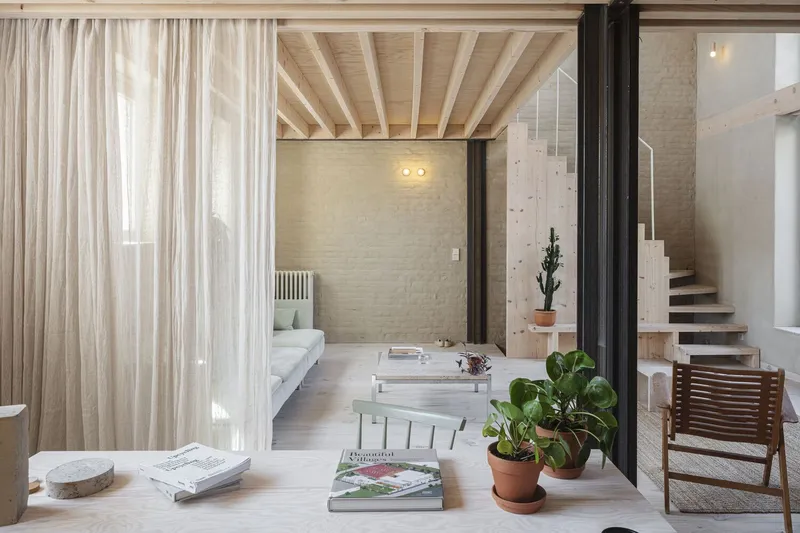

Living Upstairs: A Strategy for Light, Privacy, and Urban Density
Situated in a tight industrial network of workshops and warehouses, the original building's low eaves offered a unique opportunity. Instead of extending outward, the architects built upward, adding a lightweight new volume to the existing structure. The decision to place the living spaces at the top—rather than the more traditional ground-floor level—creates an "upside-down" home that maximizes sunlight and privacy in an otherwise dense and shadowed environment.


The new upper façade interprets the historical masonry language of the original building in a rationalized form, using white brick as a contemporary gesture. This approach establishes both continuity and contrast—respecting the past while clearly signaling the building’s new function and forward-thinking ethos.

Flexibility at Its Core
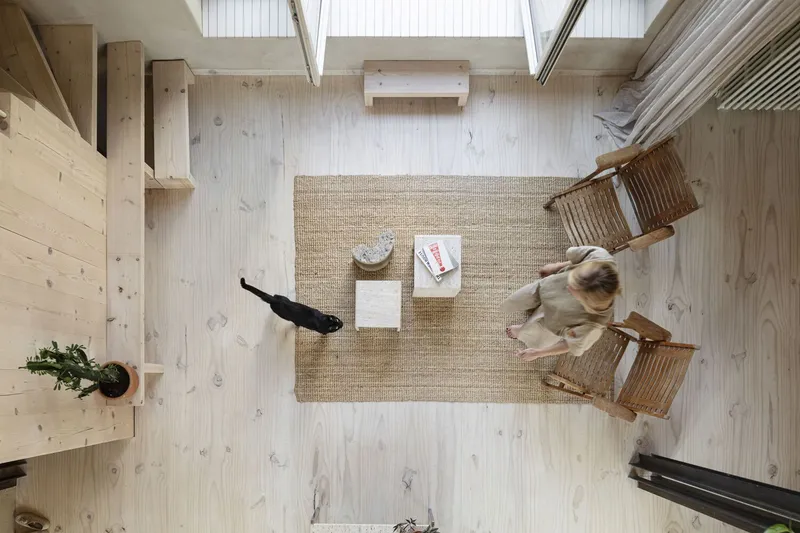
The design champions functional flexibility, allowing the space to transform over time. The coworking area on the ground floor can later serve as a showroom for Tenue de Ville, the textile design studio associated with the site. Similarly, the small studios can be absorbed into the main family dwelling as life circumstances change.
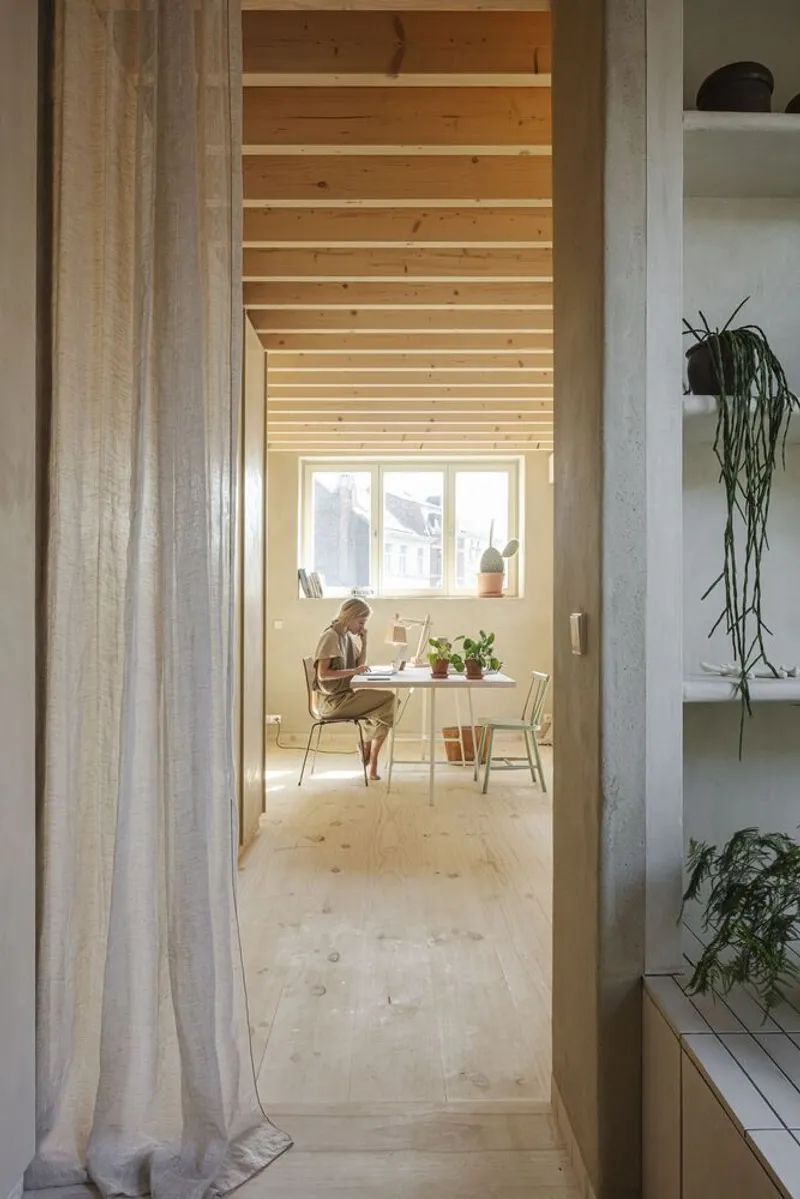
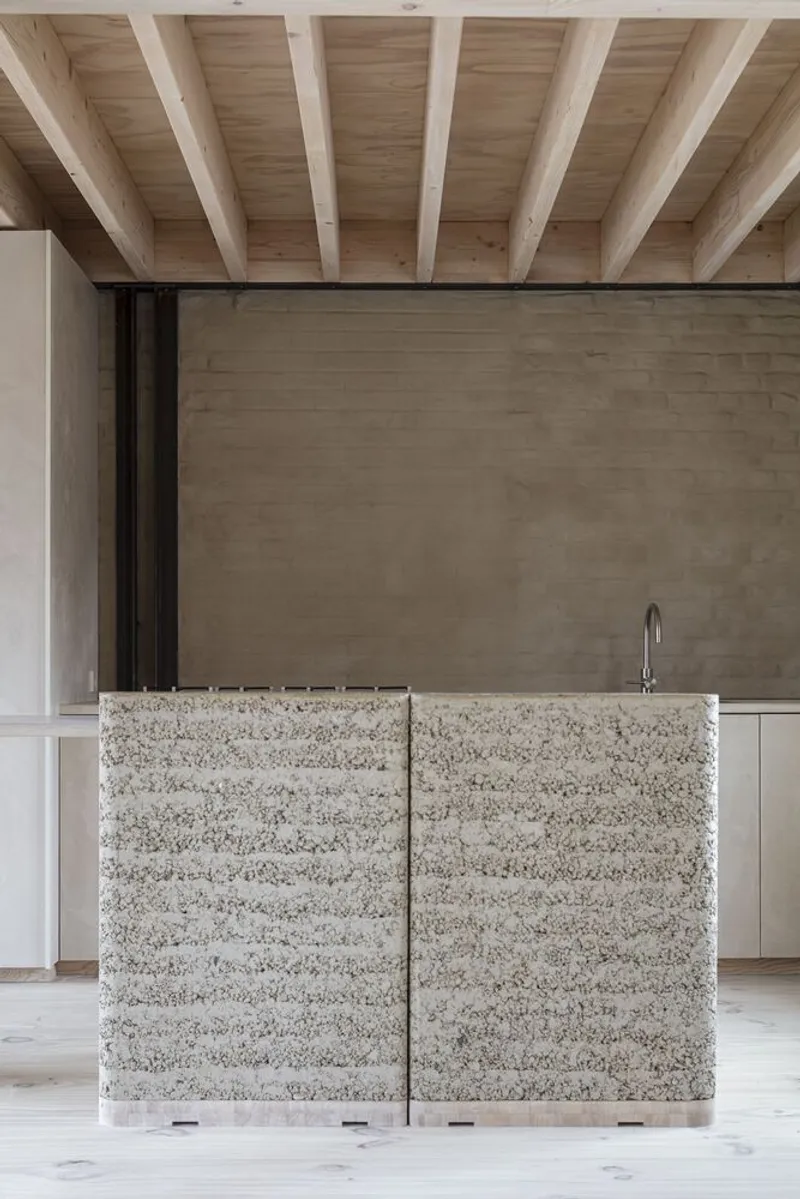
This open-plan, adaptable model not only anticipates future needs but also extends the building's lifespan, a crucial component in circular design. Through modular planning and simple spatial logic, the project avoids obsolescence and embraces change.

Regenerative Materials for a Circular Future
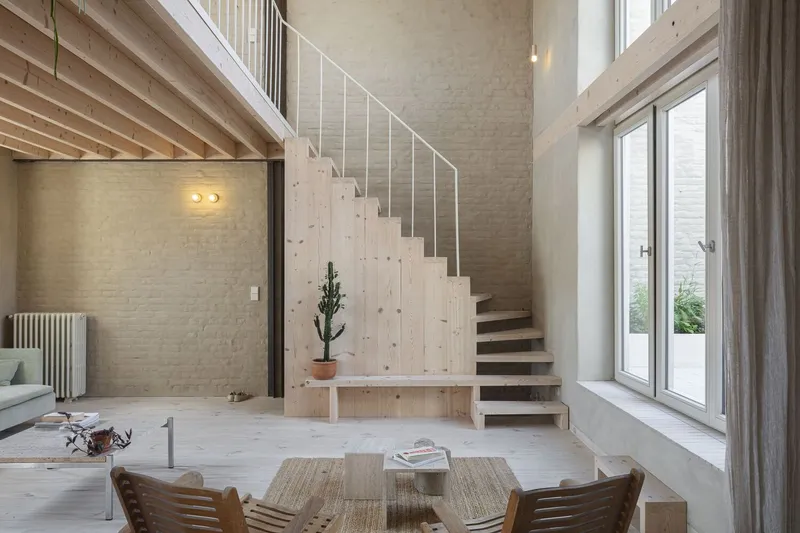
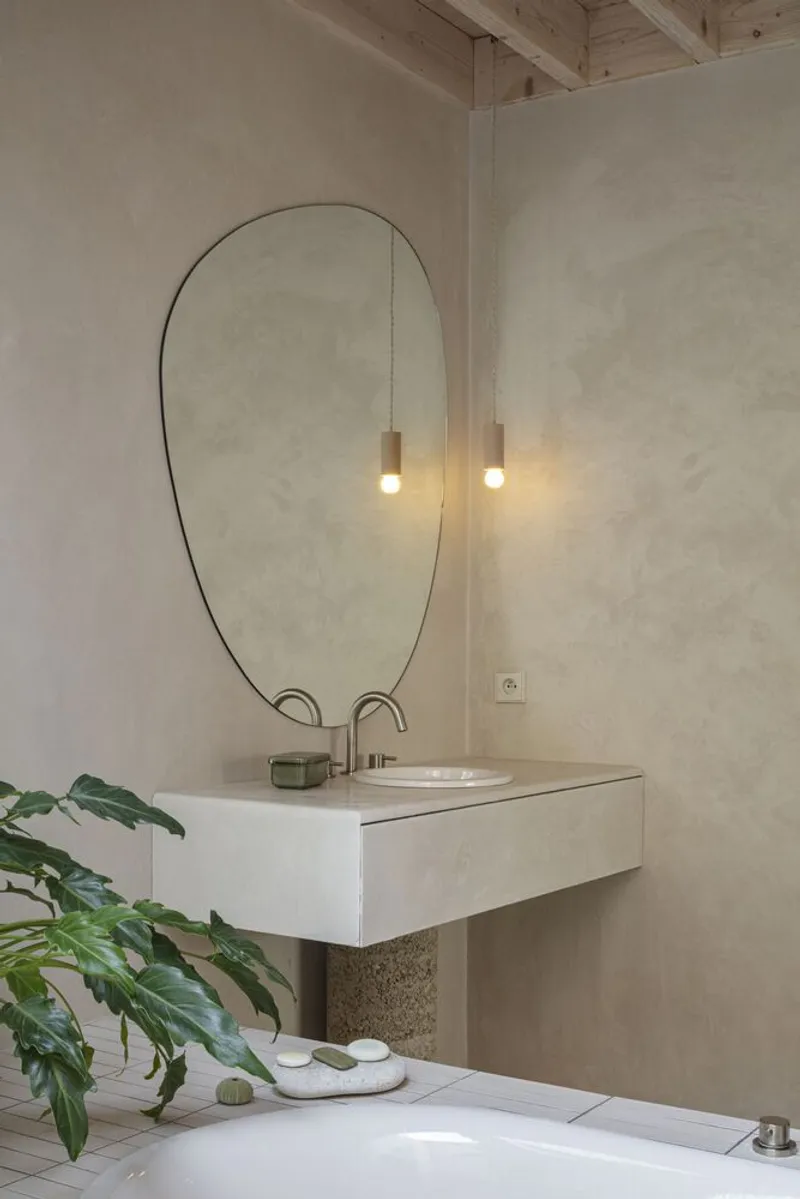
True to circular principles, the materials used are regenerative, renewable, and locally sourced. The outer shell of the new roof volume is built with prefabricated wooden cassettes, infilled with straw bales sourced from nearby farms. The existing façades are insulated with lime-hemp blocks, and interior walls are finished with a clay-sand plaster derived from local earth-moving operations in Brussels.
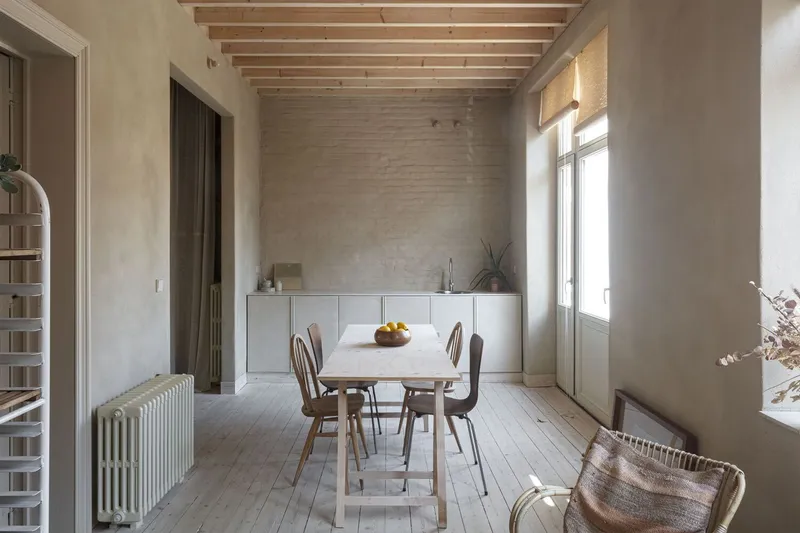
Throughout the renovation, existing elements—such as floors, windows, staircases, and tiles—have been preserved, reused, or supplemented with reclaimed materials. This low-tech, high-intention material palette exemplifies a back-to-basics approach that proves bio-based architecture is equally viable in dense urban contexts—not just in rural or experimental settings.

Dismantlable, Understandable, and Repetitive Architecture
The new interior structure is fully dismountable, constructed with composite columns and beams joined by bolted connections. This makes the system easy to disassemble and reuse elsewhere, further contributing to the building’s circular lifespan.
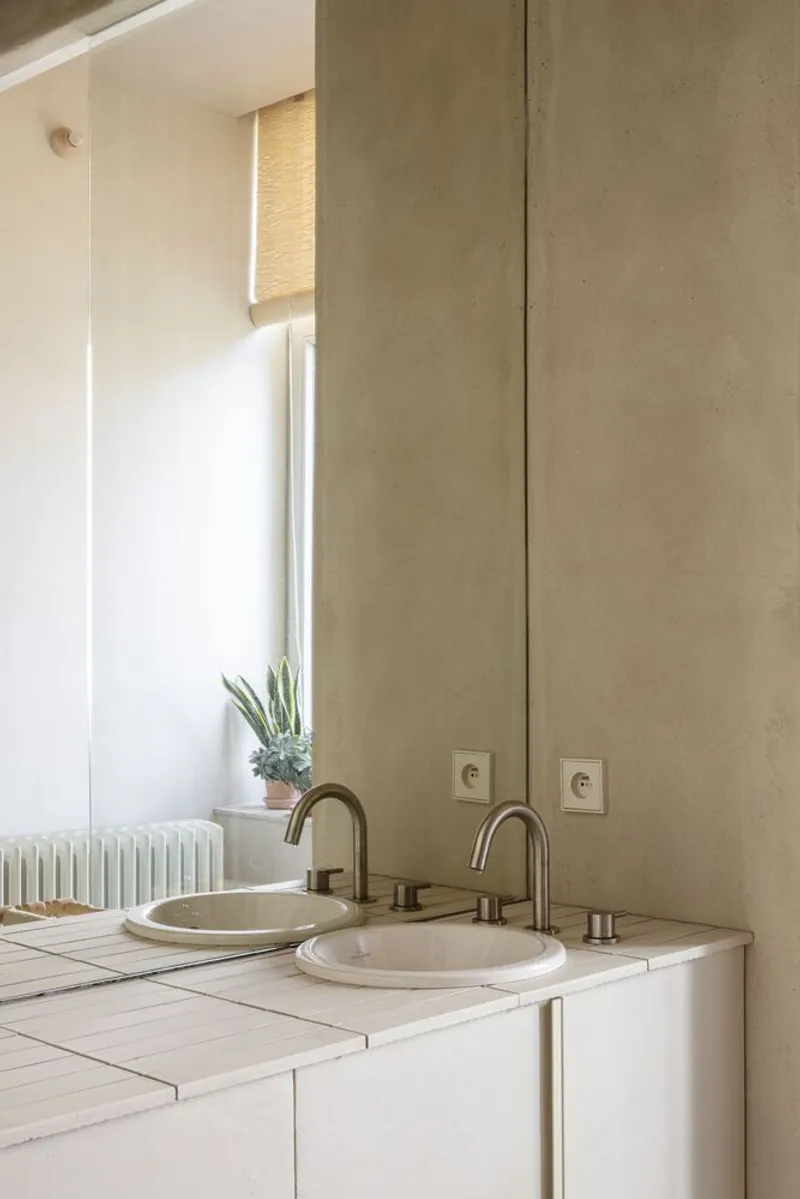
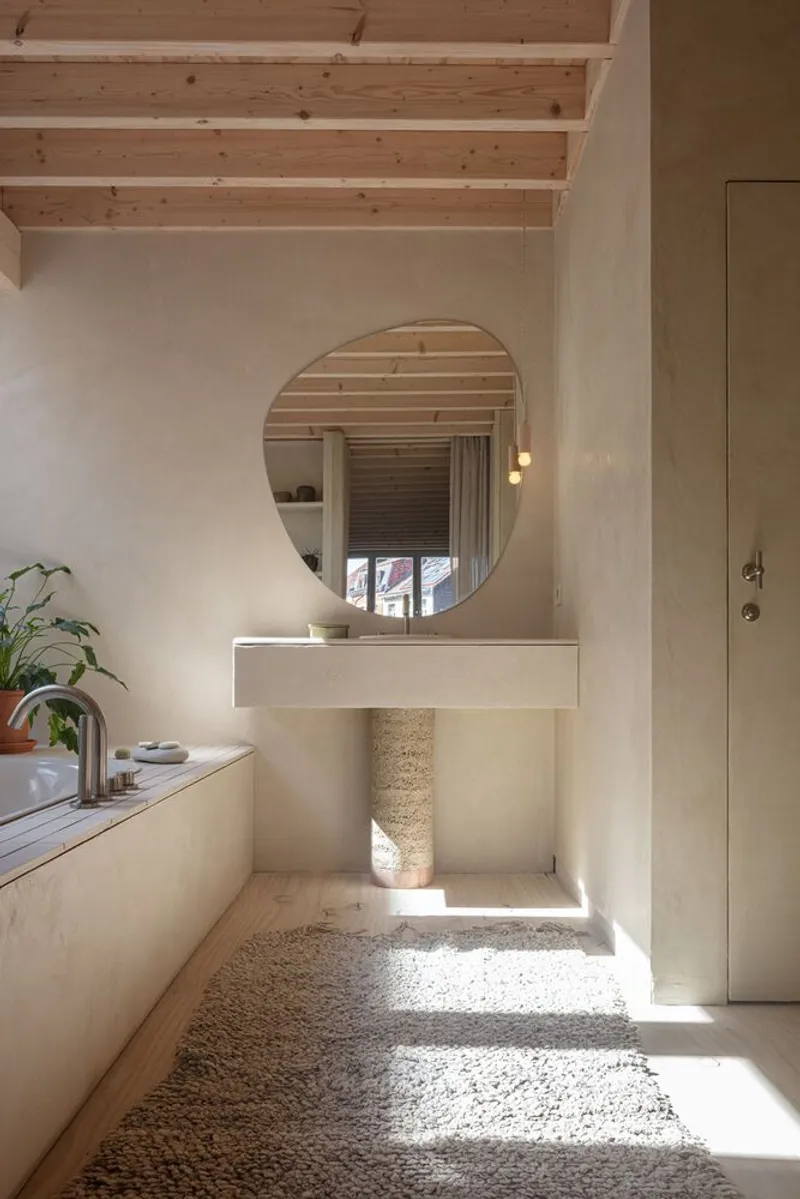
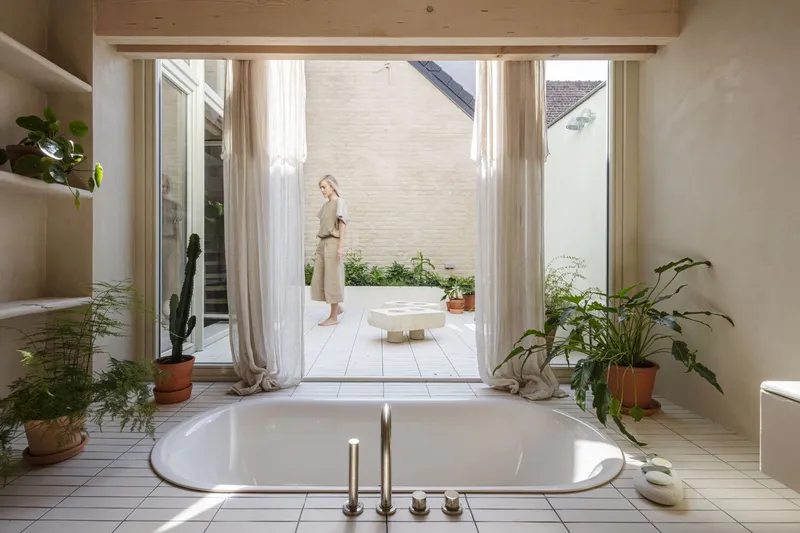
Low-tech, repeatable details keep the construction intelligible and accessible, encouraging maintenance and further adaptations by future users. The minimized material palette, combined with straightforward design principles, supports a kind of architectural literacy—an openness that invites participation and long-term engagement.
A Model for Sustainable Urban Living
The Karper Building Renovation offers a scalable model of circular urban renovation, bringing sustainable architecture into the center of the city without compromise. By fusing flexible programming, low-impact materials, and dismantlable structure, hé! architectuur has created a forward-looking project rooted in regenerative ethics.
As cities worldwide seek to balance growth with environmental responsibility, this project demonstrates how design can enable meaningful transformation—on a small footprint, but with lasting impact.
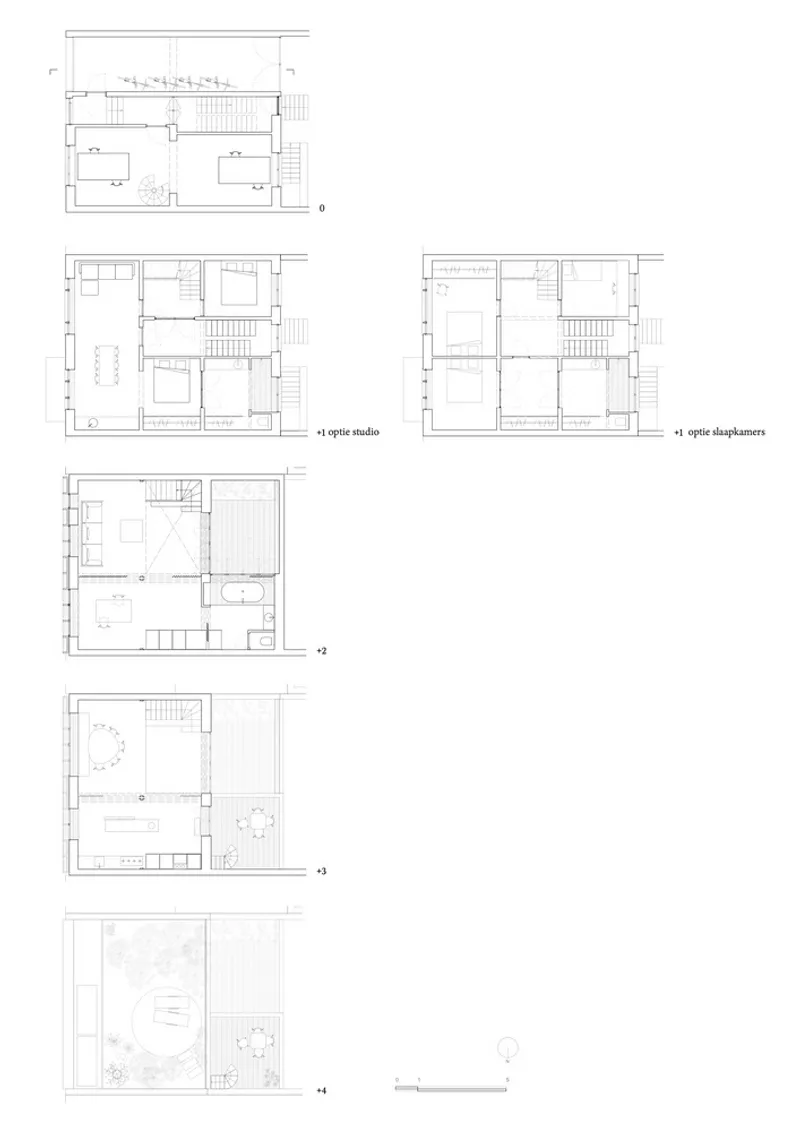
All Photographs are works of Tim Van de Velde


Popular Articles
Popular articles from the community


Play: Fragments of Their World
Familiar architecture becomes modular playground design, creating safe spaces where displaced children can learn, connect, imagine and play.

Co-life: Sustainable Architecture for Age-Friendly Community Living
Co-life reimagines sustainable architecture for seniors through courtyards, rammed earth, shared gardens, and spaces designed for belonging.

The Musturak Paradise: Senior Living Architecture for a Connected Future in Temara, Morocco
The Musturak Paradise reimagines senior living architecture in Temara via private homes, social spaces, culture, community, and shared care.

Hill & Cross Opera: Sculptural Opera House Architecture Shaped by Tallinn’s Landscape and Identity
Hill & Cross Opera reimagines opera house architecture in Tallinn through its sculptural hill, civic plaza, glass wave and a luminous cross.

Similar Reads
You might also enjoy these articles


FAMM Arquitectura Organizes Ten Villas Around Courtyards and Jungle in Nosara, Costa Rica
El Molino pairs two elongated volumes with deep overhangs and timber louvers to build a compact coastal community five minutes from the beach.

Oscar Niemeyer's Ibirapuera Park Pavilions Define São Paulo's Cultural Identity in Concrete and Curve
A constellation of modernist volumes set within São Paulo's most important urban park, conceived for the city's 400th anniversary in 1954.
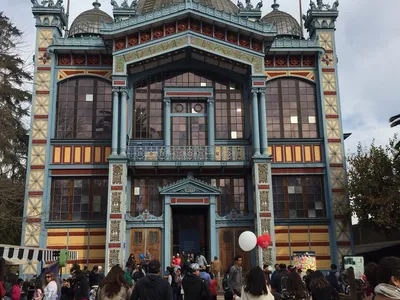
How Henri Picq's 1889 Paris Pavilion Traveled 11,000 Kilometers to Become Santiago's Artequín Museum
A prefabricated iron and glass pavilion built for the Paris Universal Exposition found a second life as a children's art museum in Chile.

Sanjay Puri Architects Wraps a Jaipur Office Tower in Capsule-Shaped Green Buffers
A nine-level climate-responsive workplace near Jaipur Airport uses stacked planter terraces and aluminium screens to fight 40°C heat.
Explore Architecture Competitions
Discover active competitions in this discipline



Challenge to reimagine the Iron Throne


Photograph architecture without architects


Illustrate the lost glory of Angkor Wat - Render Challenge


Design challenge to reuse E-waste
Comments (0)
Please login or sign up to add comments
No comments yet. Be the first to comment!