

Collective Mirror Office Building: A Dynamic Urban Supermarket Concept in Gangnam, South Korea
The Collective Mirror Office by S.E.E.D haus blends urban patterns, flexible supermarket-inspired design, colorful interiors, and nature-infused spaces in Gangnam.


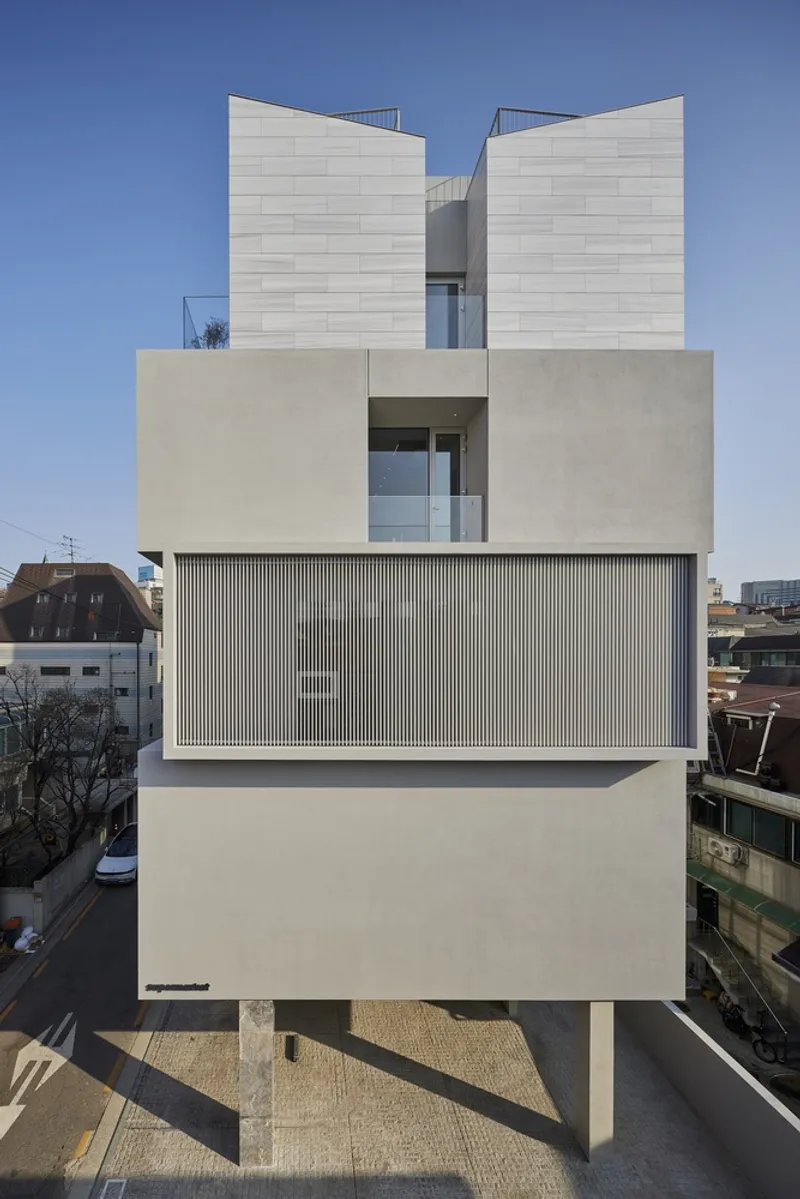
The Collective Mirror Office Building, designed by S.E.E.D haus in 2024, is a groundbreaking commercial architecture project located in the bustling Gangnam District, South Korea. Spanning 843 m², this office embodies flexibility, diversity, and urban engagement, offering a fresh perspective on workspace design for modern companies. Photographed by Kyung Roh, the building’s exterior and interior capture the evolving narrative of urban architecture while merging functionality with creativity.
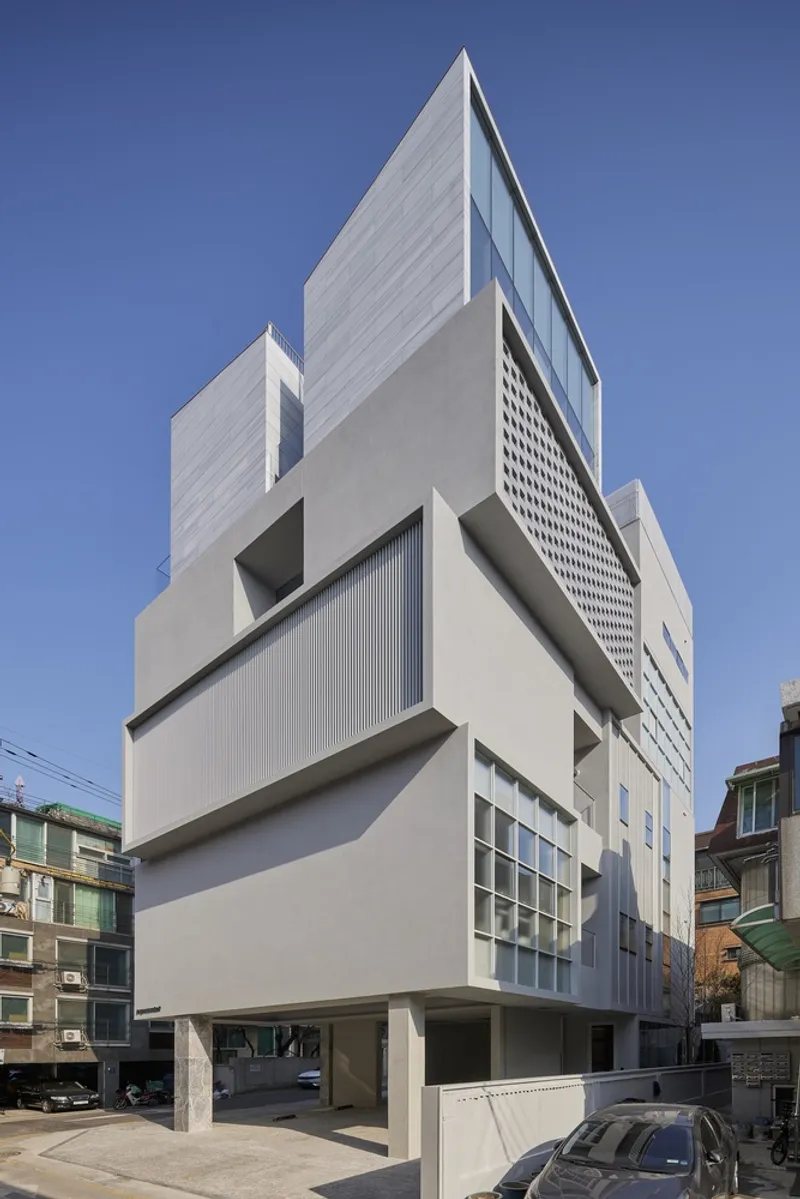
Conceptual Vision: An Office as a Supermarket
Commissioned by Supermarket Creative, a vibrant advertising company founded by four young partners, the Collective Mirror Office reflects their ethos: adaptability, accessibility, and responsiveness to client needs. Inspired by the familiar structure of a supermarket, the design envisions an office space that mirrors the diversity and flexibility of urban life. Much like supermarkets, which constantly adapt to changing demands and lifestyles, this office is conceived as a dynamic, evolving environment rather than a static workspace.
The central question guiding the project was: how can architecture capture the fluidity of city life and respond to changing user needs over time? This led to a design that emphasizes spatial flexibility, layered patterns, and an immersive experience that blurs the boundaries between interior and exterior.
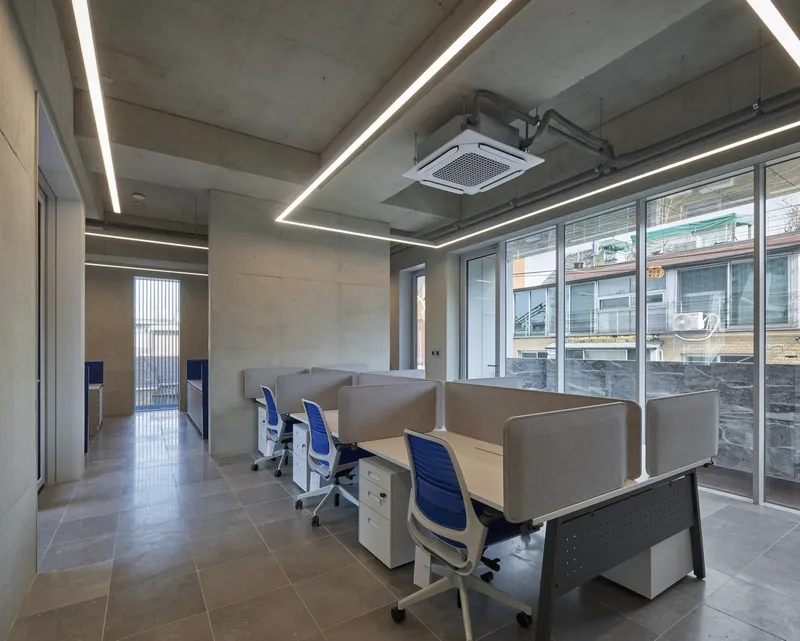
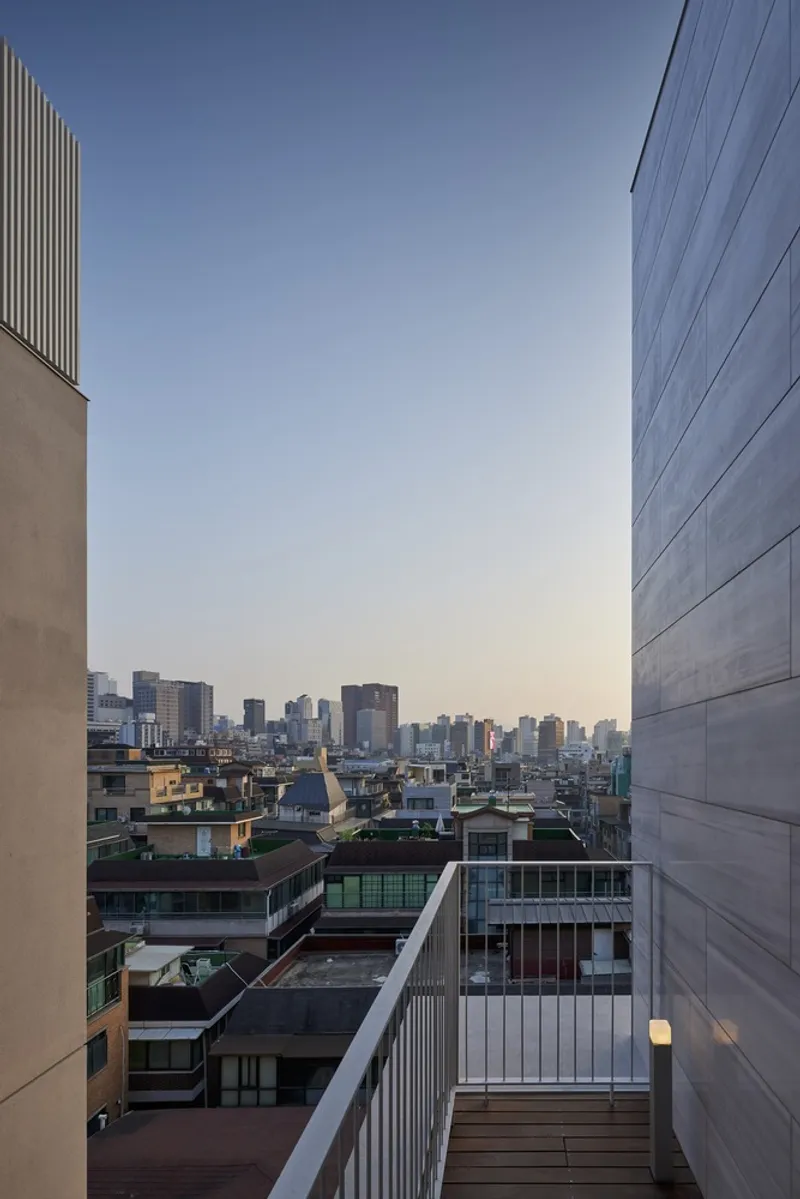
Urban Patterns and Architectural Collage
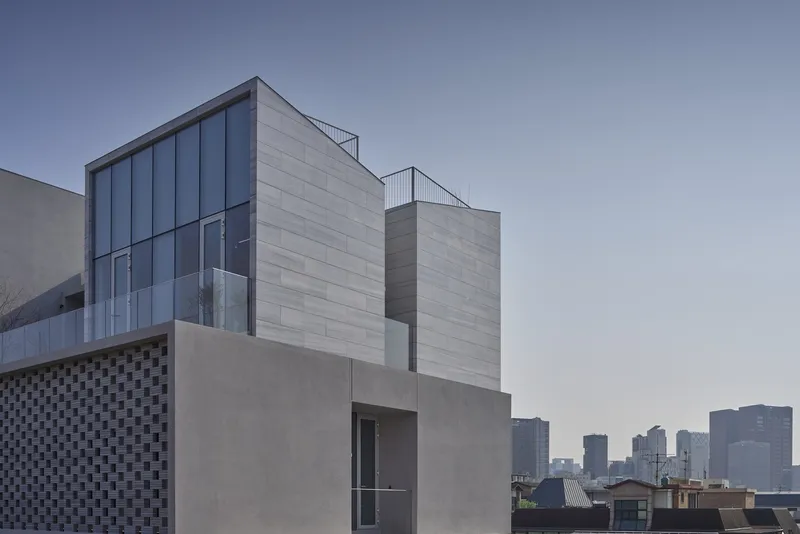
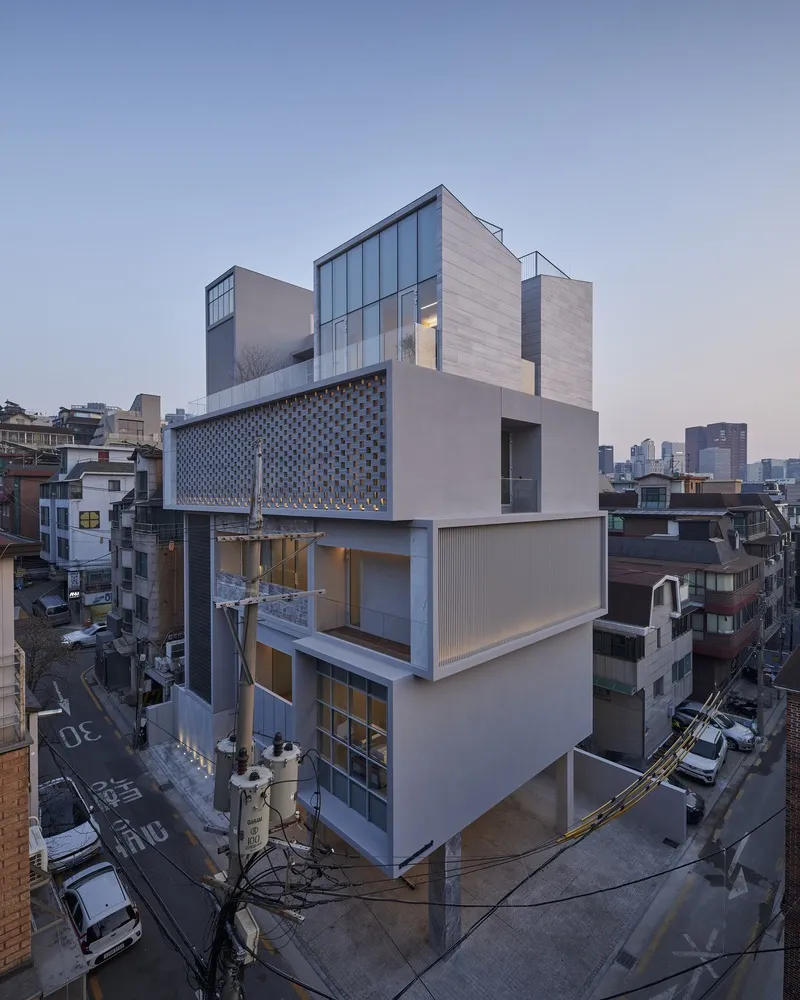
The design approach of Collective Mirror focuses on the fragmentation and recombination of urban patterns. By analyzing the overlooked or unnoticed elements of the city, S.E.E.D haus abstracted these motifs into sculptural and architectural components. The resulting collage of materials, textures, and forms creates spaces that are both familiar and intriguingly strange, inviting users to see the city in a new light.
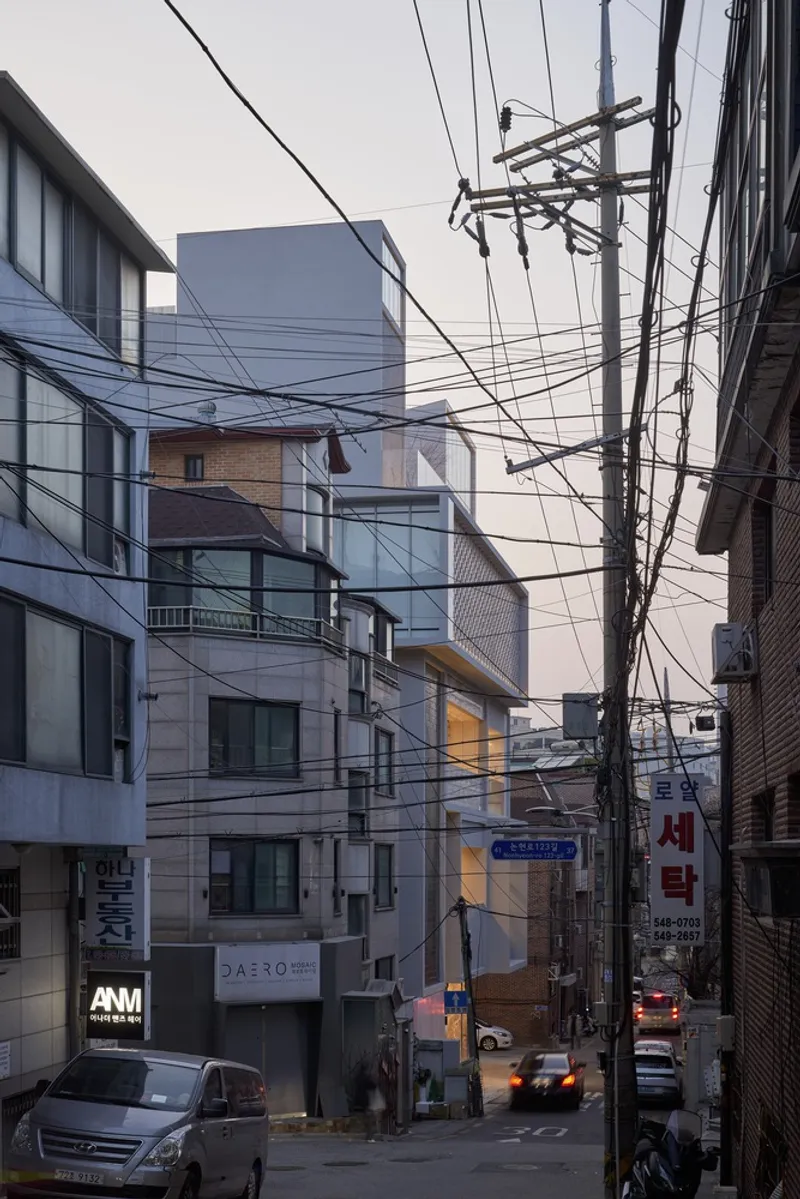
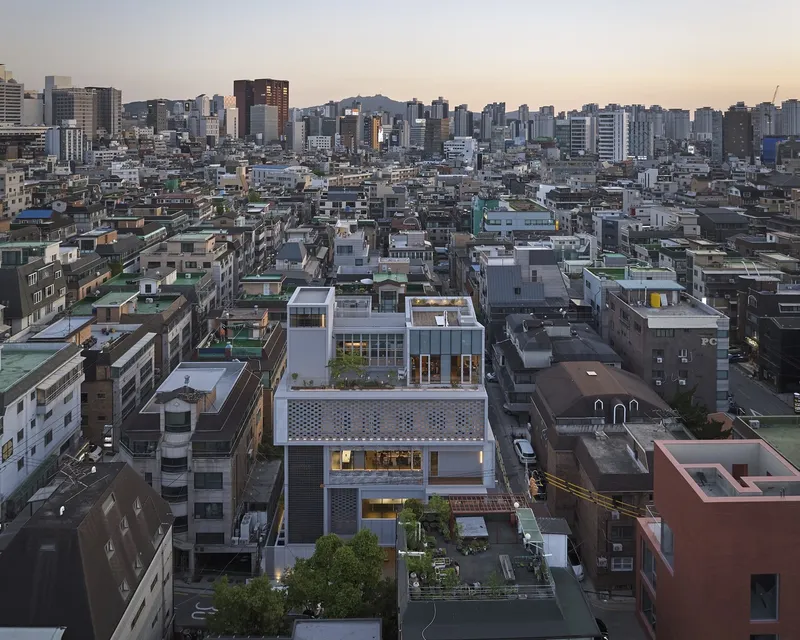
The building integrates elements from its surroundings, ranging from reclaimed bricks to natural textures, to reinterpret the supermarket as a repository of context. Every floor, material, and color is intentionally curated to convey the passage of time and the layered complexity of urban life. This approach transforms the office into an active participant in its neighborhood rather than a disconnected structure.
Interior Experience: Color, Nature, and Flexibility
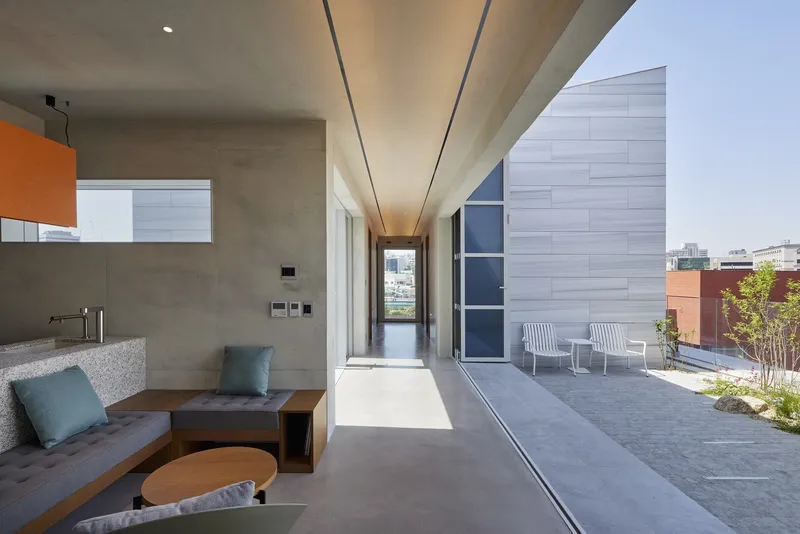
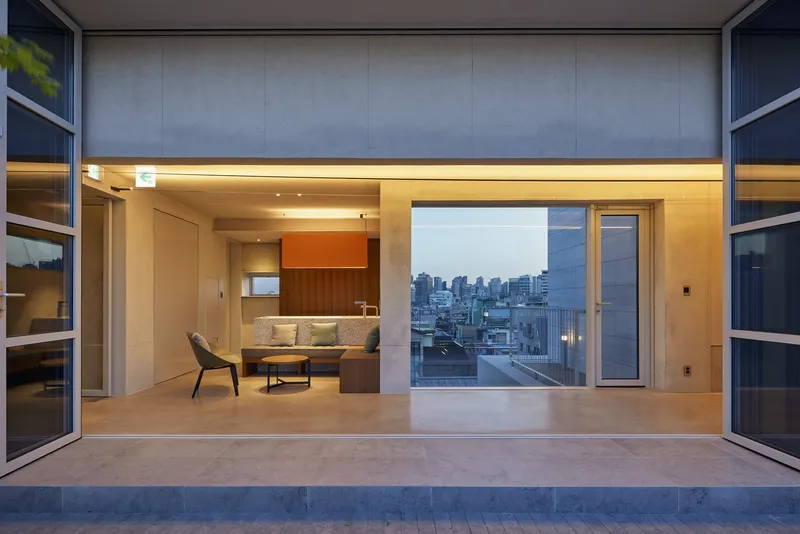
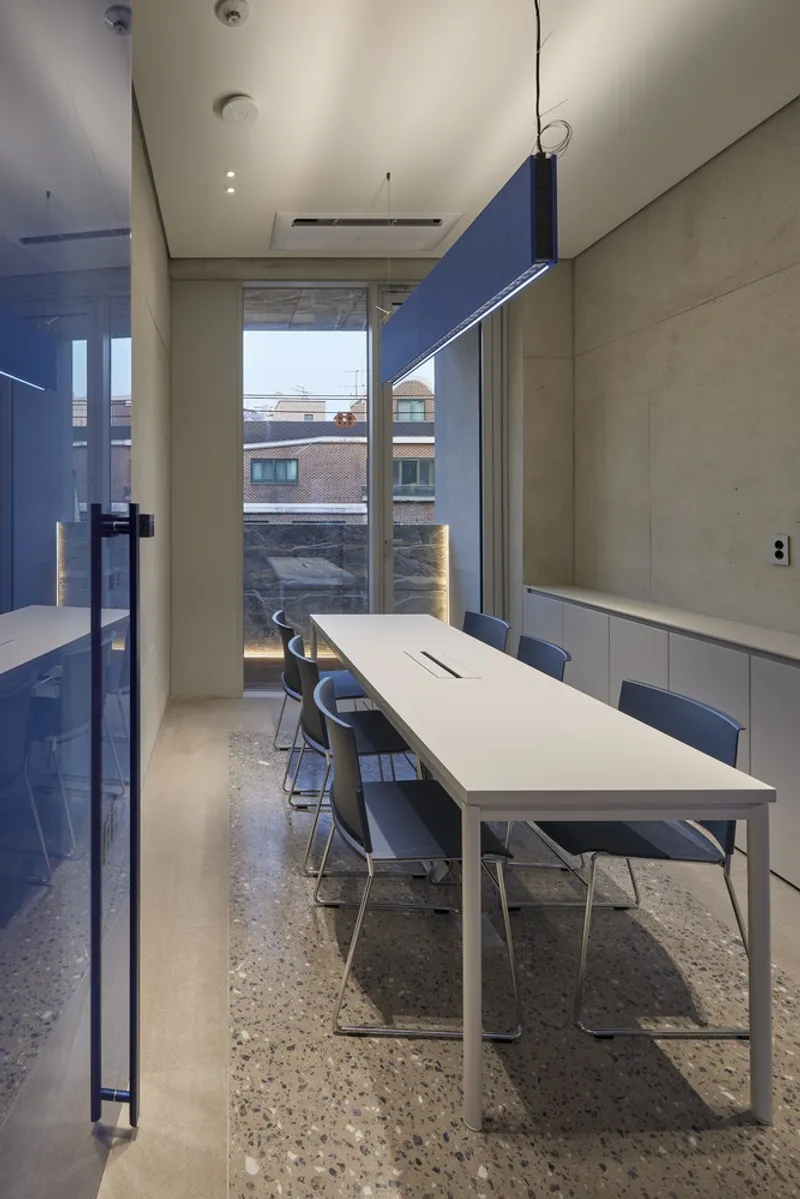
Design Laundry led the interior design, emphasizing the tactile and emotional experience of space. Each floor uses distinct color schemes to break the monotony of concrete structures and evoke specific emotions and sensory responses. Open garden areas on every floor create a living connection to nature, celebrating seasonal changes and highlighting the dynamic interaction between built environment and natural processes.
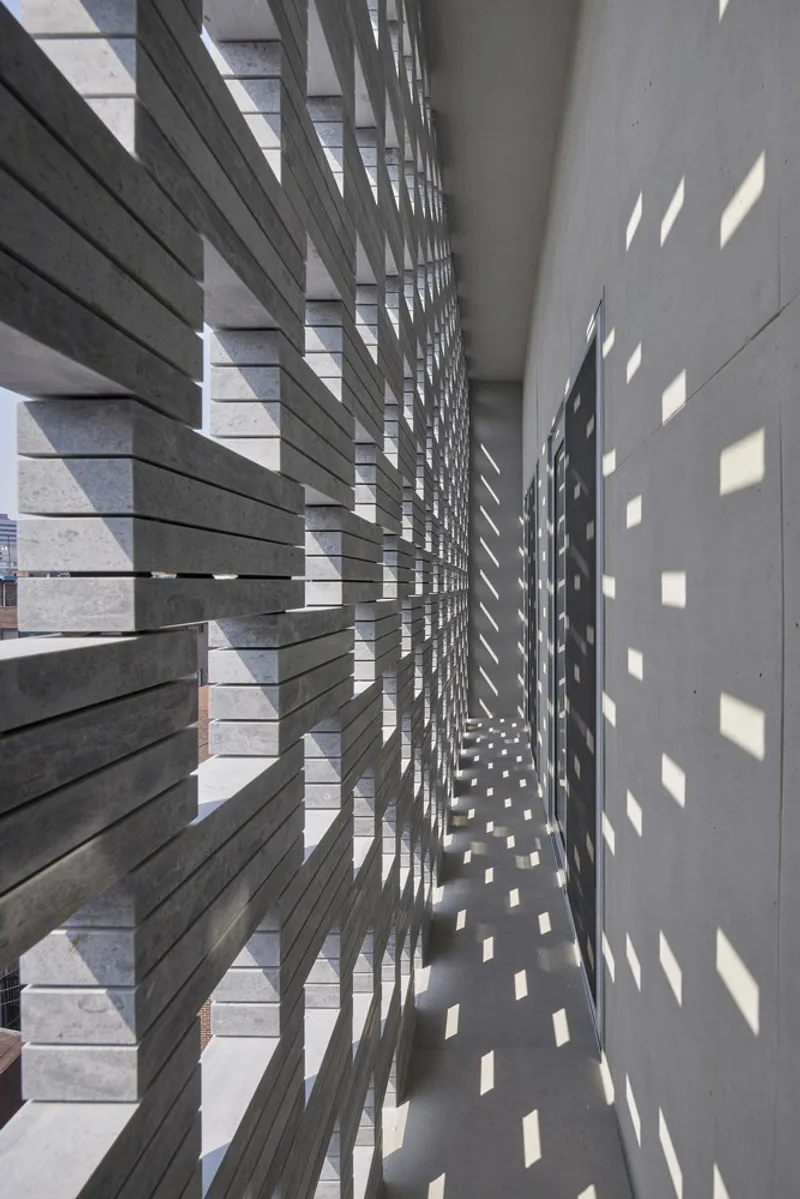
Lighting by Mavericks enhances the interplay of color, materiality, and natural light, while Openness Studio’s landscape interventions create seamless transitions between interior and exterior spaces. The office is designed not only as a workplace but as a creative hub, fostering collaboration, inspiration, and adaptability in line with contemporary corporate culture.
Materiality and Sustainability
The building showcases innovative material usage, including Sto finishes, Ideal Work components, and Seves glass blocks, blending durability with aesthetic appeal. By combining recycled materials and natural elements, the design highlights contextual storytelling, environmental sensitivity, and sustainable practices.
Every choice, from structural elements to decorative details, reinforces the idea of architecture as a living, evolving entity, capable of responding to the city, its inhabitants, and the shifting needs of a creative workforce.
Collective Mirror as a Cultural and Urban Tool
By translating the supermarket concept into office architecture, Collective Mirror transcends conventional workspace design. It fosters connections with the surrounding urban fabric, encourages interaction among users, and reflects the fluidity of modern urban life. This approach ensures that the building contributes meaningfully to the community while serving the practical needs of its tenants.
All photographs are works of
Kyung Roh


Popular Articles
Popular articles from the community


David Macias Steps a Doorless Stone and Plaster House Down a Tropical Colombian Hillside
In the humid hills of Colombia, Threshold House replaces the front door with an open void and terraces its 850 m² down the slope instead of fighting it.

GROUP A Strips a 1969 Rotterdam Harbor Headquarters to Its Frame and Wraps It in Timber Louvers
In Rotterdam's M4H harbor district, Ferro Offices reuses a 1969 frame, adds one timber storey and reaches BREEAM-NL Outstanding.

Architekt Andreas Gruber Scatters 23 Dark Timber Chalets Across a South Tyrolean Forest Edge
In Molini di Tures, Amonti Chalets breaks a resort into a hamlet of gabled timber houses, with parking, storage and services pushed into the slope.

Juan García Correa, John González and Claudia Rueda Sink a Circular Amphitheater into a Manizales Engineering Building
On the La Nubia campus in Manizales, Colombia, the S1 Building folds labs and offices into a hillside of ramped lawns that double as a campus route.

Similar Reads
You might also enjoy these articles

Gil Mello Arquitetura Tilts a Single Roof Toward the Waterfalls on a Plateau Above Aiuruoca, Brazil
In Aiuruoca, Minas Gerais, a 200 m² house of local labor and reclaimed poles pairs a low valley veranda with a tall mountain one.

U.GA Architects Wraps an Oval Rooftop Pool in Curved Board-Formed Concrete on Busan's Jeollidan-gil
In Busan's Jeonpo-dong, a 454 m² mixed-use block stacks a neighborhood facility, guest rooms and an oval rooftop pool inside spiraling concrete walls.

Felipe Hess Arquitetos Turns a Blind Stone Wall to the Street and Opens a Brazilian House onto a Courtyard and Canal
A canal-front house in Brazil hides behind painted stone and planting, then opens to an olive-tree courtyard, a reed-ceilinged porch and a curving pool.
David Macias Steps a Doorless Stone and Plaster House Down a Tropical Colombian Hillside
In the humid hills of Colombia, Threshold House replaces the front door with an open void and terraces its 850 m² down the slope instead of fighting it.

Explore Commercial Buildings Competitions
Discover active competitions in this discipline

Challenge to reimagine the Iron Throne

Photograph architecture without architects

Illustrate the lost glory of Angkor Wat - Render Challenge

Design challenge to reuse E-waste
Comments (0)
Please login or sign up to add comments
No comments yet. Be the first to comment!